
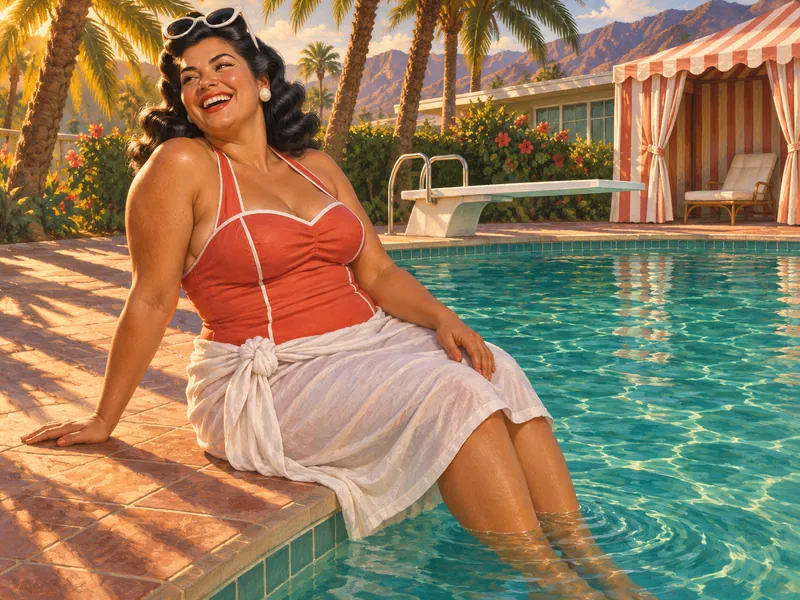
Marisol Del Mar
Poolside- Hosts the best cabana on the strip
- Coral halter swimsuit, white sunglasses
- Feet in the pool, never in a hurry
This sexy character maker turns a few choices into glamour art of an original adult: a poolside pin-up, a vampire countess in ruby velvet, a club regular lit pink and cyan. Pick the style, outfit, pose and light, or press Surprise me. Every character is 21 or older, mid-20s by default. Swimwear and lingerie are allowed; nudity never is.
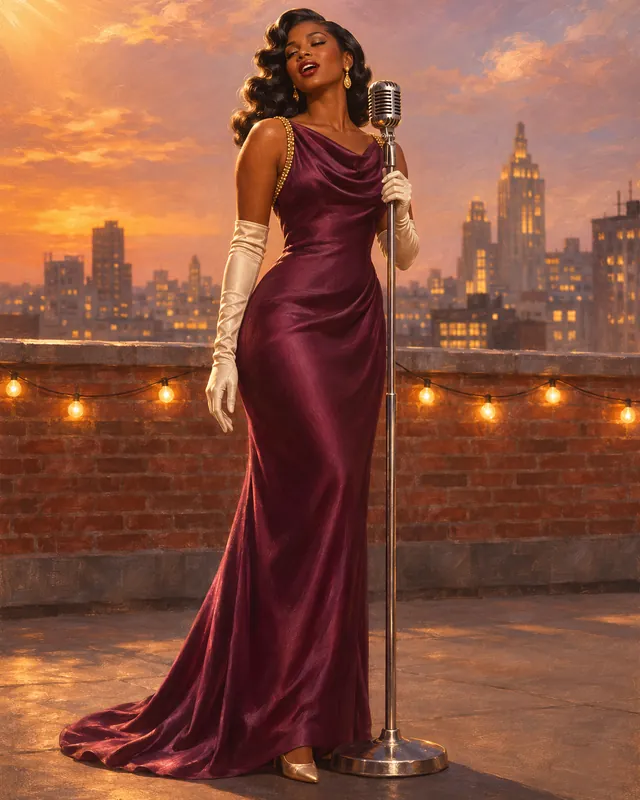
Ideas
Each idea pairs a glamour style with a person who has somewhere to be tonight. Load a card into the generator, then change the build, the light or the color until the character is yours. All six are original adults, from their late 20s to their 40s, dressed at fashion-shoot level: one poolside swimsuit, and otherwise gowns, velvet, brocade, satin and leather. None is a renamed celebrity or a famous character in new clothes.
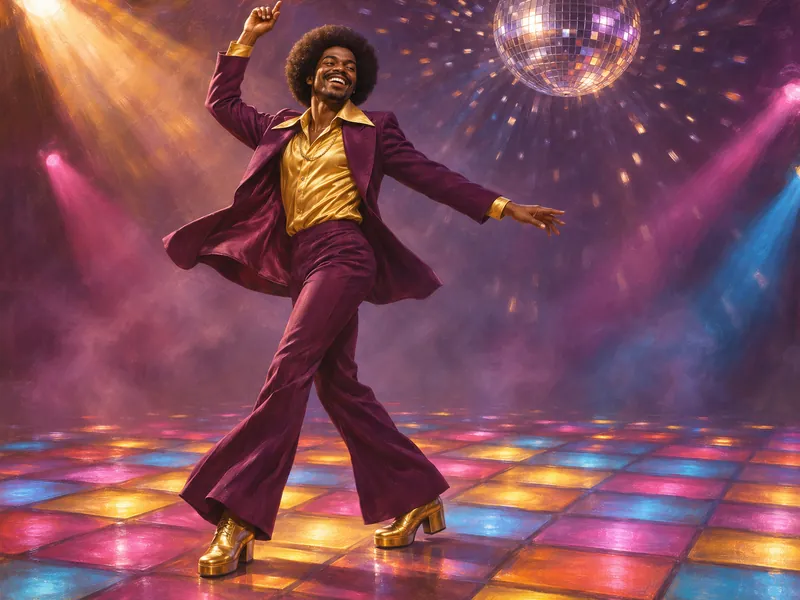
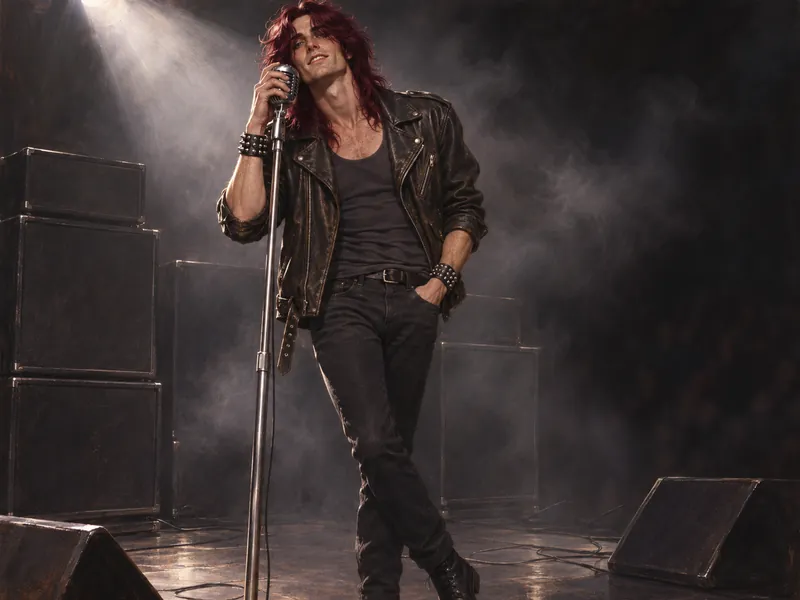
Know the rules
Glamour is less about how much skin shows and more about attitude, fabric and light. Each style below comes from a real era or scene, with its own hair, clothes and mood. Pick one as the lead, then let the outfit, pose and lighting agree with it: a pin-up wants bright sun and a wink, a film noir character wants a streetlamp and a secret. The Make one buttons load each style into the generator.
Sources: Pin-up model (Wikipedia); Red carpet (Wikipedia); Goth subculture (Wikipedia)
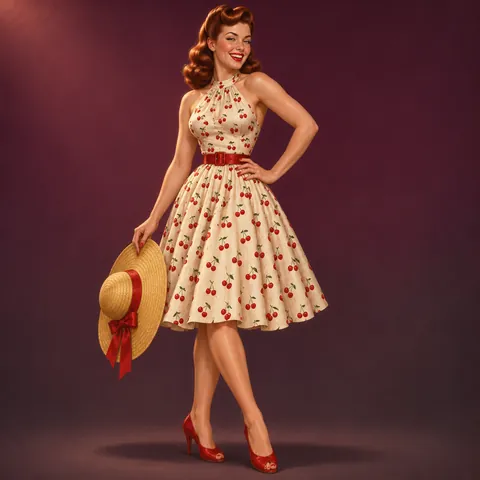
The word pin-up was first recorded in English in 1941, for pictures people pinned to a wall, and Betty Grable’s 1943 photo became one of the most famous of the war years. Painters such as Alberto Vargas and Gil Elvgren made the look an art form of its own, and victory rolls became one of its signature hairstyles. The classic pin-up is cheerful and a little self-aware: a wink, a surprised laugh, a sun hat caught by the wind. Dress your character in a halter sundress, a cherry or gingham print and peep-toe heels, then give the picture one bit of story, such as a paint roller, a road map or a dropped grocery bag. Skip copies of famous photos; a new joke makes a new pin-up.
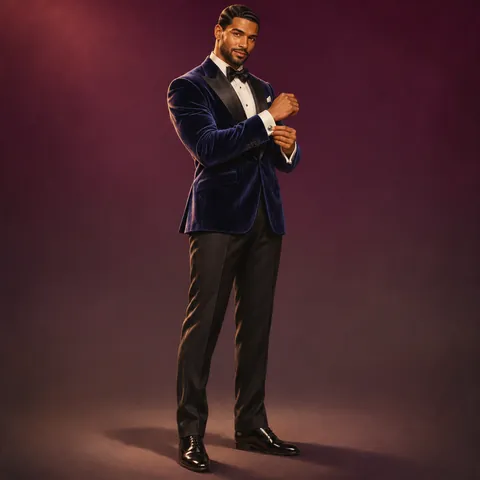
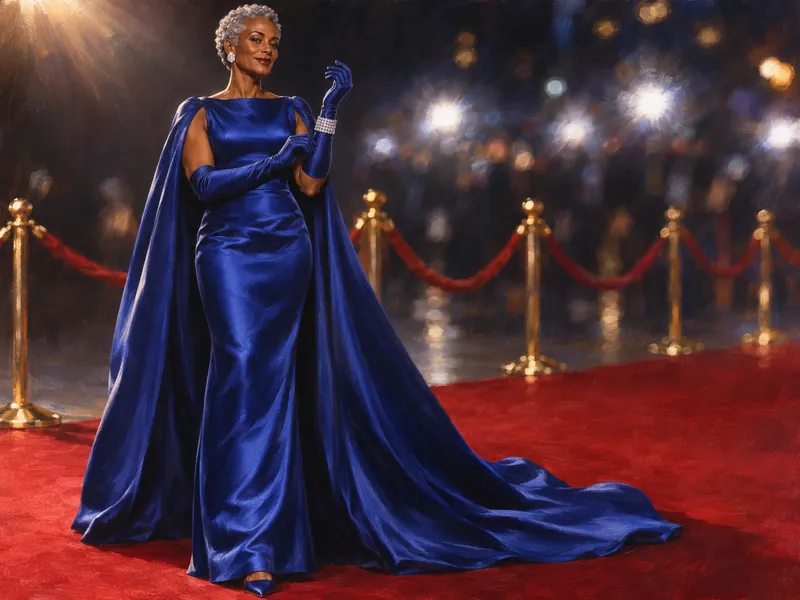
The first Academy Awards ceremony, on May 16, 1929, at the Hollywood Roosevelt Hotel, lasted about 15 minutes in front of 270 people. The red carpet itself arrived at the Oscars in 1961, at the Santa Monica Civic Auditorium, and the phrase red-carpet treatment is thought to come from the crimson carpets the New York Central Railroad rolled out for its 20th Century Limited train. Red carpet glamour works with one hero garment: a column gown, a cape, a velvet tuxedo, a jeweled collar. Let everything else stay quiet. Posture does the rest: shoulders back, chin level, a hand adjusting a glove or cufflink. Choose Camera flash lighting for the crisp, bright look of a premiere.
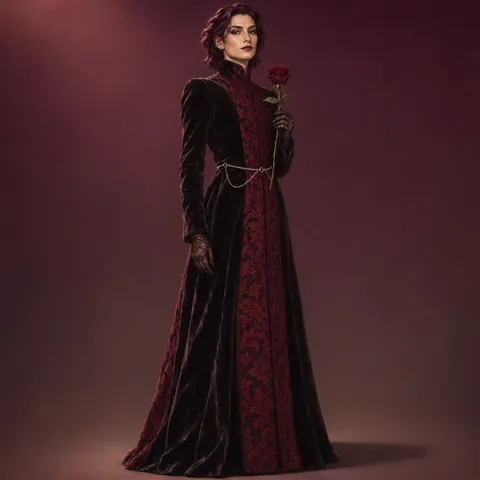
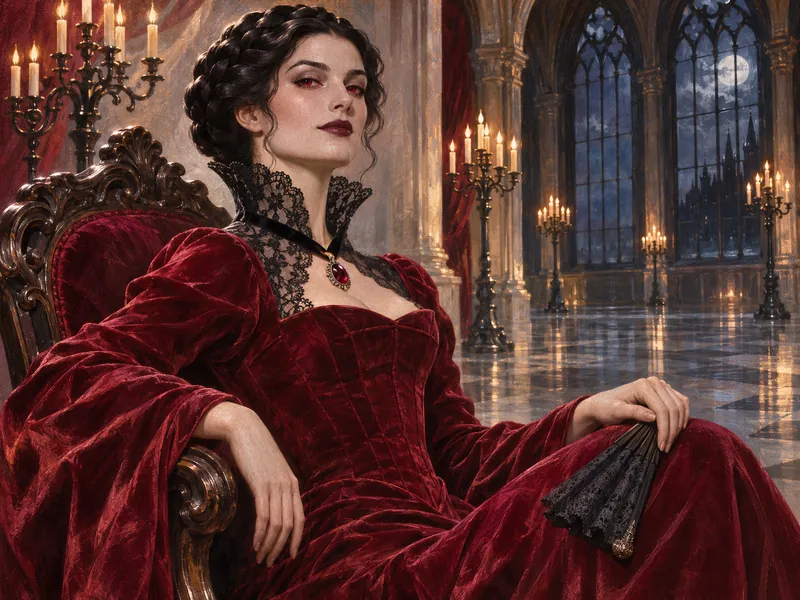
Goth grew out of British post-punk and gothic rock in the late 1970s and became a scene of its own in the early 1980s, around clubs such as the Batcave, which opened in London in 1982. Its wardrobe borrows from Victorian and Elizabethan dress: black velvet, lace, leather, gloves, corsets and silver jewelry. For gothic glamour, separate your darks so the outfit does not turn into one black shape: oxblood against black, plum against charcoal, a pale lace collar against velvet. High collars and long sleeves can feel more alluring than less fabric, because the mood comes from the silhouette and the gaze. Candlelight and tall arched windows finish the look.
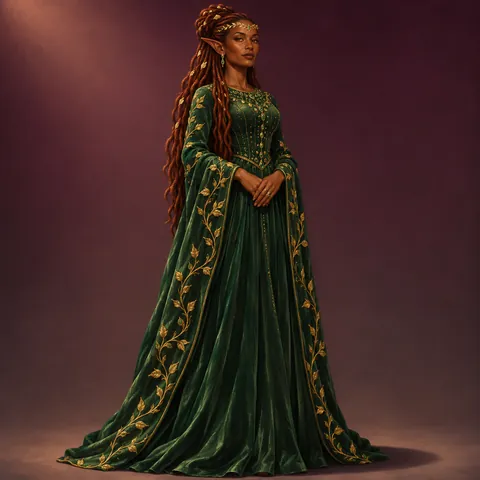
Fantasy glamour is the elf queen, the court sorceress, the vampire countess and the envoy everyone wants at their table. Pointed ears or a circlet say fantasy at thumbnail size, but the glamour comes from status: heavy fabric that pools on the floor, long trailing sleeves, jewels placed where the light will land, and a posture that expects to be obeyed. Decide what your character rules or guards, then let one material carry it, such as moonstone for a night court or gold leaf for a summer palace. Steer away from the famous looks, a long white-gold gown with straight blond hair or an ice-blue gown with a platinum braid, so your queen reads as your own.
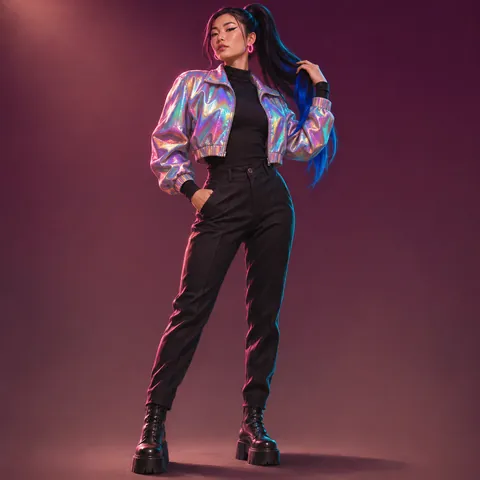
The word cyberpunk comes from Bruce Bethke’s short story of the same name, published in Amazing Stories in 1983, and the genre’s rain-soaked night cities still shape club fashion today. Neon glamour is a night-out look: a holographic or vinyl jacket, a high-neck top, slim trousers, platform boots and one glowing accessory. The real styling is the light. Put pink on one side and cyan on the other, then let wet streets and glossy fabric throw it back. Keep the design yours by avoiding the most famous combinations, such as a short purple bob with a bodysuit or white hair with teal tips, and by giving the character a job in the scene, such as DJ, courier or club owner.
French critic Nino Frank first applied the term film noir to Hollywood films in 1946, and the classic period ran through the 1940s and 1950s, with low-key lighting and deep shadows borrowed from German Expressionist cinema. Old Hollywood glamour, a decade earlier, meant bias-cut satin, soft focus and glossy waves. Both make a character alluring by hiding things: a hat brim over one eye, a face half in shadow, a trench coat belted tight. Use Noir shadows lighting with a rain-slick street, or Studio light with a dressing room for the softer 1930s version. One bright accent, such as a red lip or a pearl earring, does more than any amount of skin.
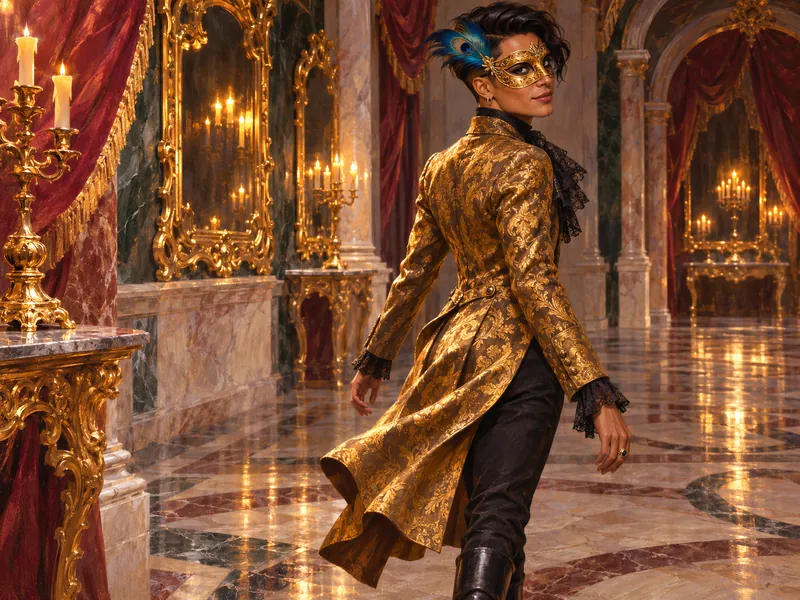
The Carnival of Venice returned in 1979 after a long absence, and its masks have shaped masquerade style ever since. The bauta and the volto cover the whole face, while the colombina is a half mask over the eyes, nose and upper cheeks, decorated with gold, silver, crystals and feathers; it is largely a modern creation. For glamour art the colombina is the best choice, because the mouth and expression stay visible. Pair it with brocade, a frock coat or a jeweled gown, candlelight and gilded mirrors. The story writes itself: a guest whose name nobody learns, who always leaves before the unmasking.
Stage names
Glamour has always loved a stage name. The Hollywood studios renamed performers for the marquee: Margarita Carmen Cansino became Rita Hayworth when she took her mother’s maiden name at Columbia, and Archibald Leach signed with Paramount in 1931 as Cary Grant. The mixer pairs a given name with a marquee surname in five sets, from silver screen to moonlit court, with names from many cultures. Pick one, then choose a signature detail that someone would remember from across the room. Both fill the generator for free; search a name before you publish it.
given name + marquee surname
One accessory people remember from across the room
Guide
The most striking glamour art is built like a fashion shoot: a clear person, one strong style, a pose with confidence and light that flatters. Work through these five steps in order and the generator has everything it needs. If a result misses, change one thing at a time so you can see what made the difference.
Choose the subject, an adult age and a build first. Woman, man and androgynous adult are all supported, and the builds run from slim and athletic to curvy, plus-size, tall, broad-shouldered and muscular, so you never have to accept a default body. Then give the character a reason to be dressed like this tonight: a premiere, a gala, a pool party, a show, a ball. That one line steers the outfit, the setting and the expression far better than piling on adjectives. Write skin tone, makeup and any scars, freckles or tattoos in the description box, because those make a face feel specific.
Glamour style is the biggest choice on the page. Pin-up, red carpet, gothic, fantasy and neon have picture tiles; Old Hollywood, film noir, Jazz Age, disco, rockabilly, masquerade, poolside, rock star, space age, ballroom and editorial sit beside them as chips. Choose one and make the rest agree with it: a 1920s style wants finger waves and beading, a rockabilly style wants a ponytail and a diner. Mixing two eras on purpose can work, but decide which one leads. Use the two color pickers to set the hair and the outfit, and keep extra colors to one accent.
Every pose on the page is something a model would do on a real shoot: standing with a hand on the hip, walking toward the viewer, glancing over a shoulder, leaning on a wall, sitting with legs crossed, lounging on a sofa, a wink, a twirl, a hand through the hair. Confidence reads in the eyes and the shoulders, so add an expression to the description, such as a knowing half smile or a laugh. Explicit poses are blocked by design, and you will not miss them: the most memorable glamour images are about attitude, not anatomy.
Lighting changes the mood more than any other single choice. Studio light gives a clean editorial look, golden hour flatters skin and swimwear, neon turns a night out into a scene, candlelight suits gothic and fantasy, and noir shadows add mystery. Match it to the background: golden hour on a beach or a rooftop bar, candlelight in a ballroom or a dressing room, neon on a rainy rooftop, camera flash on a red carpet. Plain keeps the background clean when you only want to judge the character and the outfit.
Mix a stage name below, add a signature detail people would remember, and write a one-line profile; the name and profile appear on the character card but are never drawn into the picture as text. Choose Full body to show the whole outfit, Portrait for a face-and-shoulders shot, or Ref sheet for front, side and back views. Before you keep a result, look at it at full size: the character should read clearly as an adult, the clothes should look opaque and finished, and hands and jewelry should make sense. If not, adjust one choice and draw again.
Keep exploring
 AI AnimeGenerator
 AI GirlGenerator
 AI BoyfriendGenerator
 AI FemboyGenerator
 AI WaifuGenerator
 AI FeetGenerator
Tools
FAQ







Sign up and your first pack comes with 100 bonus credits.