ParcelSprig
Town courier- knows every shortcut
- keeps spare bag straps
- forgets the umbrella
Give your Roblox OC a blocky look and a story. This Roblox OC maker mixes avatar bodies, faces, outfits and display names. Start with six illustrated ideas or try Surprise me, then create smooth 3D toy art or a 2D study. Your result is an original character concept for roleplay.
Ideas
Use this Roblox idea generator as a small roleplay workshop. Each card pairs a look with a job and a limitation, and Use this idea transfers the brief into the designer. Surprise me chooses a starting idea when you would rather discover one. Change the name, face or accent afterward so the character becomes yours. These are original settings and outfits, not rewards or characters from an existing experience. Start with one card rather than combining every accessory in the grid.
Art styles
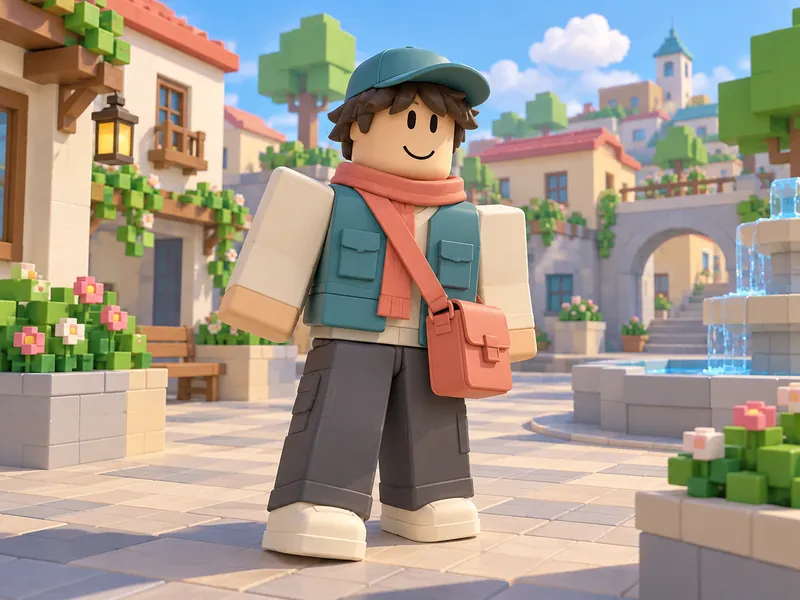
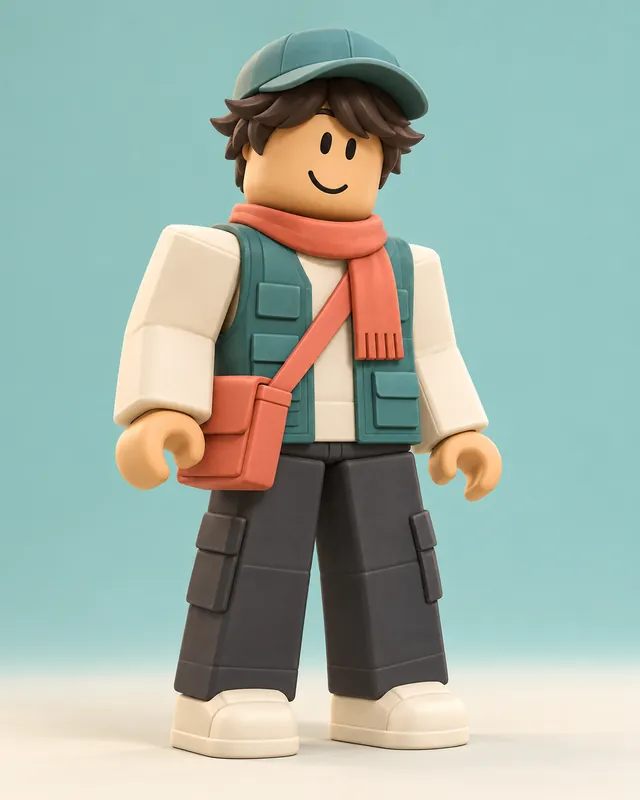
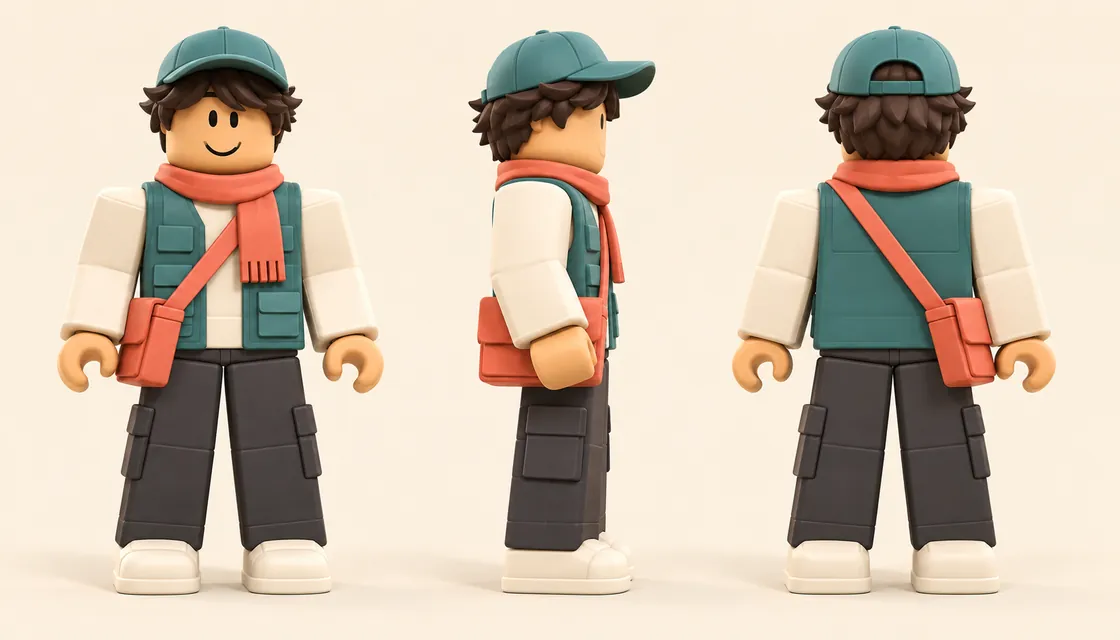
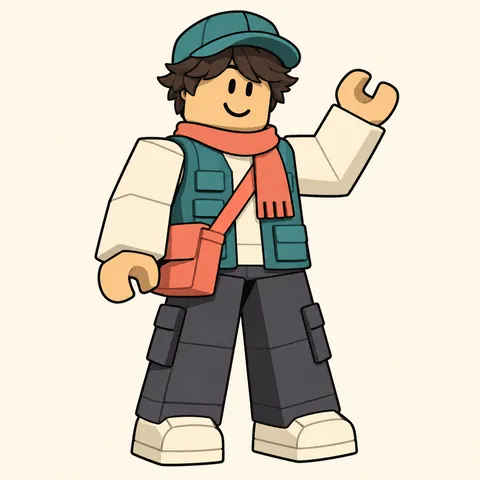
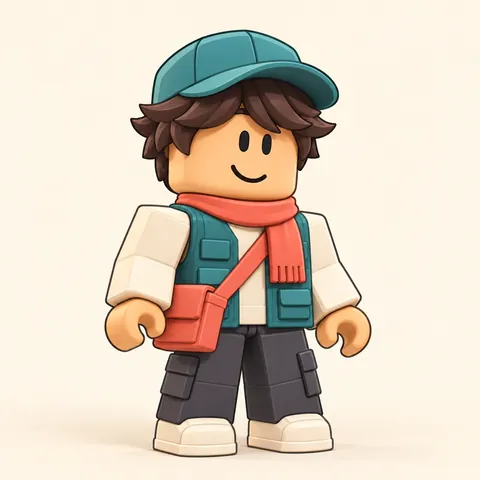
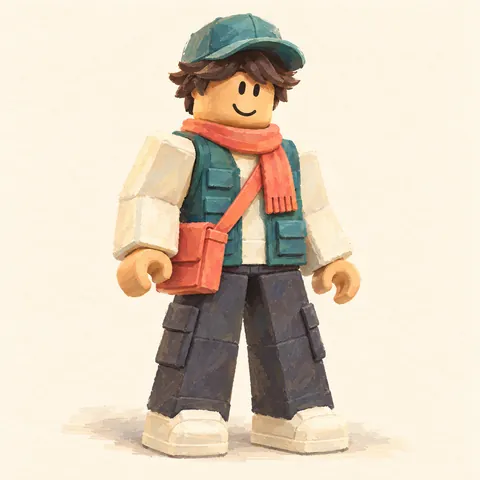
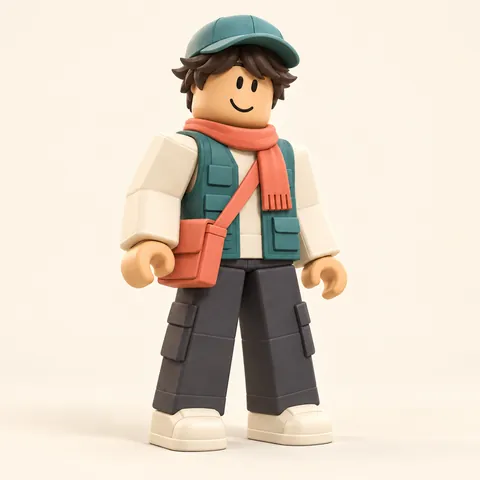
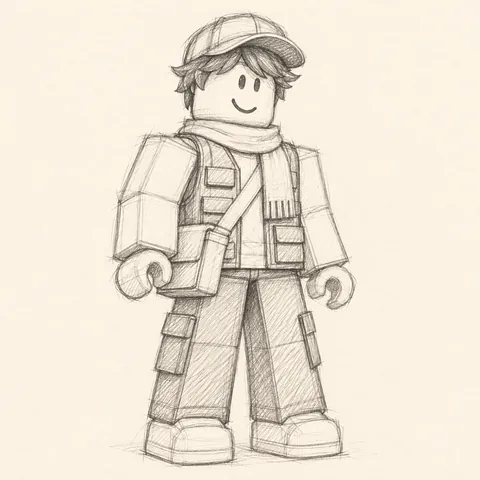
ParcelSprig keeps the same teal cap, brown hair, cream sleeves, coral scarf and square messenger bag in each study. The 3D version is the default because smooth plastic, simple faces and broad rectangular limbs make the Roblox connection immediate. The 2D interpretations keep those proportions instead of replacing the avatar with a human anime character. Use the front, side and back reference sheet to check where the bag strap crosses the vest and how the cap sits above the hair. A consistent accessory matters more than adding new detail to every view.
Know the rules
Roblox is a platform of experiences, so an OC does not need a single shared backstory or power system. Decide which kind of play the character belongs to, then choose a body silhouette that suits that story. R6 and R15 describe rigs; Rthro describes more humanlike proportions rather than a third body-part count. This block game OC creator uses those ideas as visual directions. It does not produce a rigged model, an upload-ready accessory or a guarantee that a particular game accepts an outfit.
Sources: Roblox Creator Hub: Rig Generator; Roblox Creator Hub: character bodies; Roblox Creator Hub: layered clothing
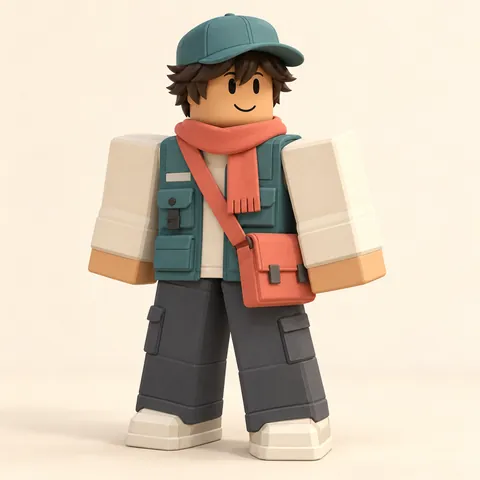
Town characters work best when another player can quickly understand how to approach them. A courier can lose an address, a gardener can ask for a pot, and a repairer can need help carrying a shelf. Begin with a broad rectangular torso, one layered outer garment and one accessory linked to that job. ParcelSprig uses a vest and square bag rather than a complicated costume. Keep the face simple enough to read beside a chat portrait. Describe your own town setting instead of copying a famous roleplay map, and give your character something to learn rather than ownership of every building.
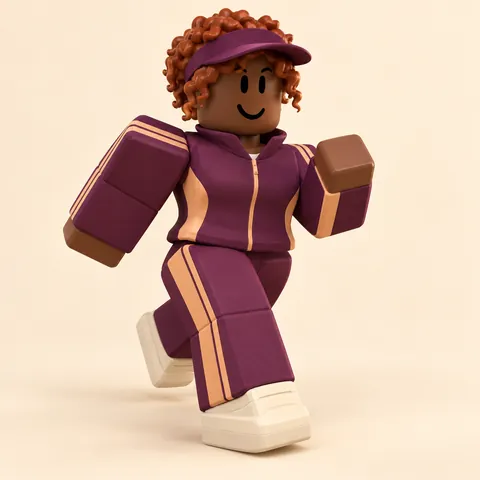
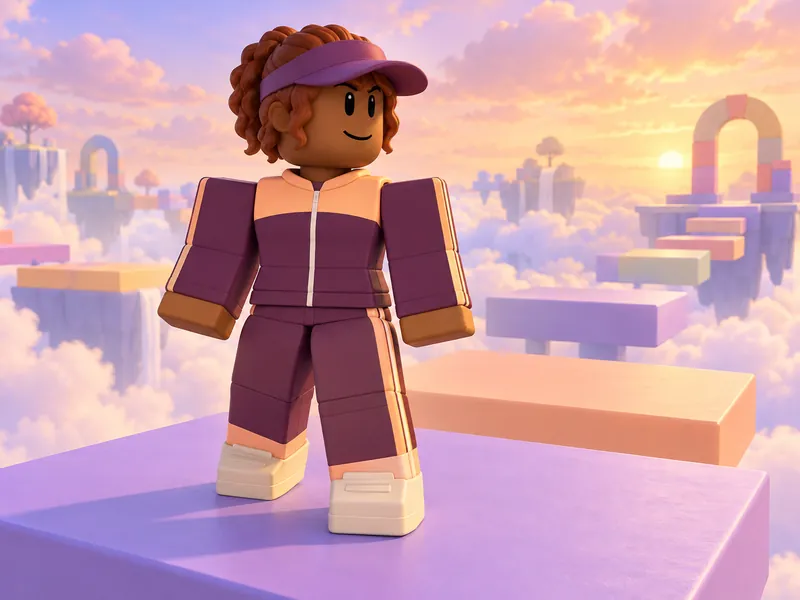
An obby character should remain recognizable when reduced to a tiny figure. Put the strongest color on the torso and repeat the accent on the shoes or visor. A compact outfit leaves the limbs readable, while several giant back accessories can hide the pose. R15-inspired jointed bodies give you more visual room for bent elbows and knees; classic R6-inspired bodies can still make excellent blocky fan art. Neither choice here changes movement in a real game. Write a specific challenge such as patience on moving platforms. That is more useful for a scene than claiming the character never misses a jump.
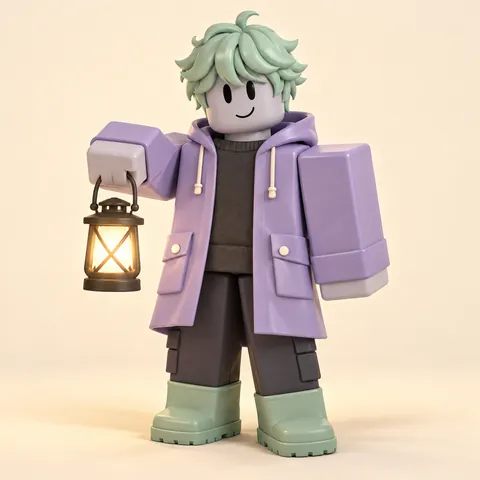
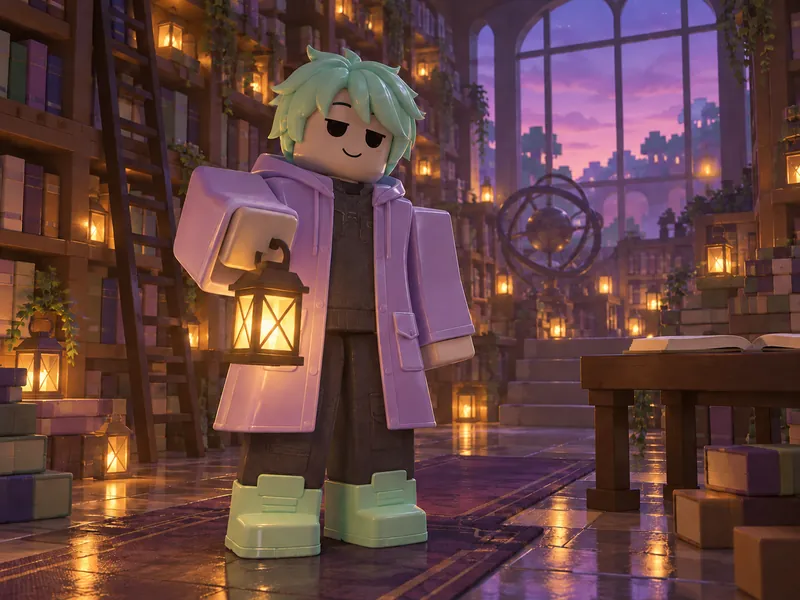
A quiet hallway, an unexpected sound and a slightly sleepy face can suggest a mystery without borrowing a famous entity. Keep your OC distinct from the casts of Doors, Piggy, Rainbow Friends, Forsaken and Dandy's World. LanternIndex is an archive worker whose lavender coat and mint hair create a gentle, unusual palette. The lantern explains why they explore dim rooms, while nervousness explains why they want company. Avoid black void faces, recognizable masks or signature chase silhouettes. Write what the character investigates and what makes them retreat. Cute-creepy roleplay can be about solving a misplaced-book mystery, with no injuries required.
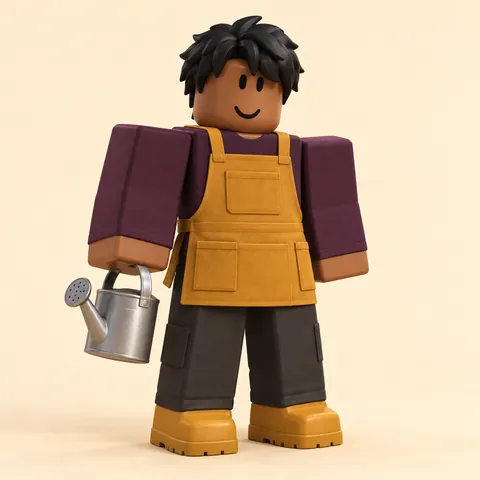
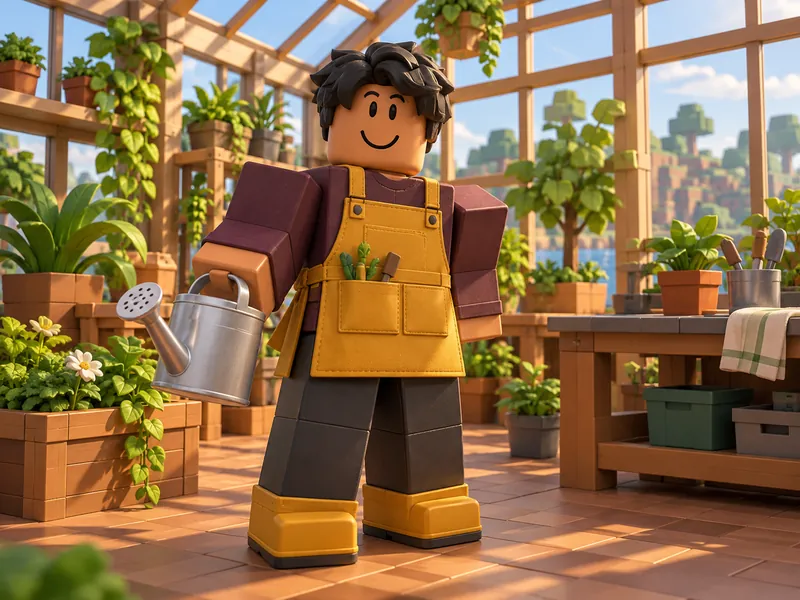
A tycoon-inspired OC becomes more interesting when the business has a small purpose. Choose a greenhouse, a bicycle shed or a miniature bakery instead of a generic fortune. An apron, rolled sleeve shape or sturdy shoe can communicate the work before any text does. Use broad color blocking: one dominant garment, one light area and one accent. Layered clothing is a 3D accessory system that fits over the body and existing clothing; it is different from simply painting a flat shirt texture. Concept art may suggest either treatment, but making an actual wearable item requires separate modeling and Roblox asset validation.
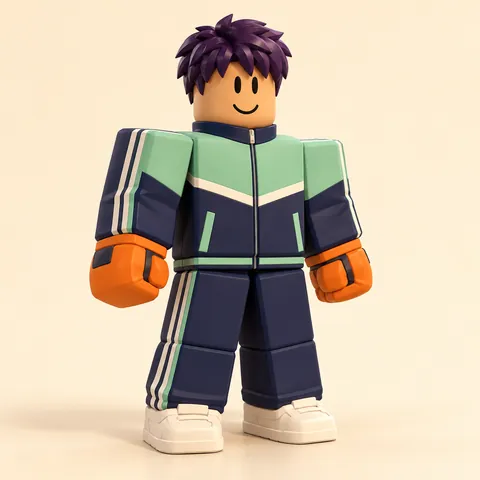
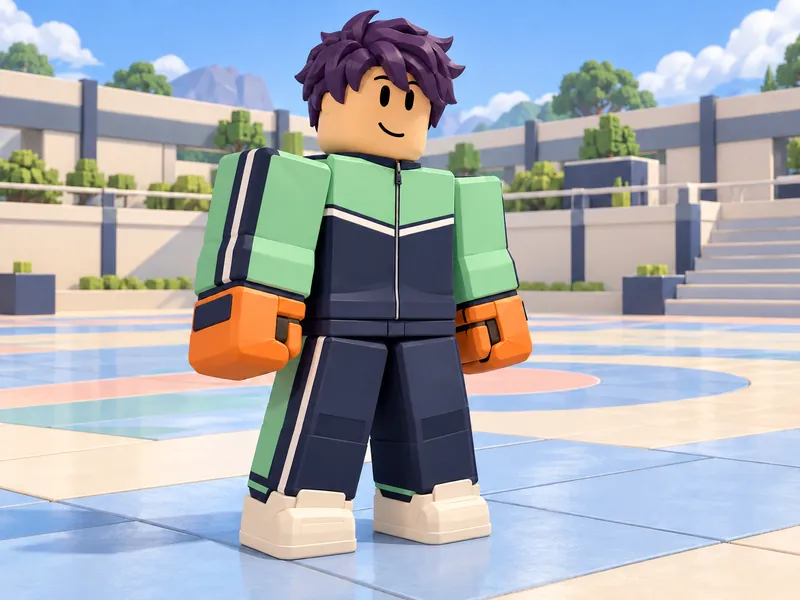
Anime fighting experiences can inspire a disciplined competitor without turning the design into an anime protagonist. Keep the large toy head, compact face and wide block limbs. Use an original tracksuit, simple gloves and an everyday practice habit rather than a recognizable costume or named attack. MintTempo learns through slow footwork and struggles when the rhythm changes. That makes room for a teammate to teach something. In an illustration, a lowered glove and a planted stance can express readiness without showing violence. Abilities and stats in your story remain fan ideas; this page cannot add moves, items or powers to a Roblox experience.
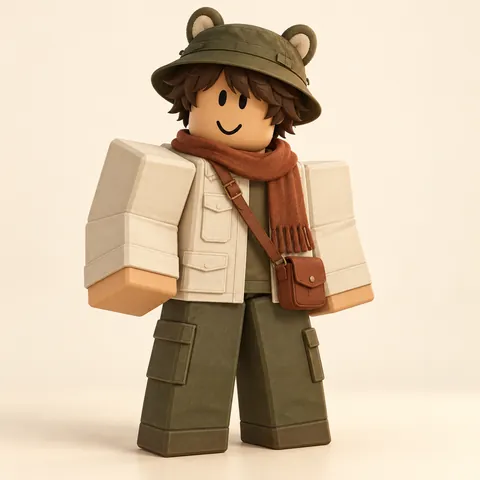
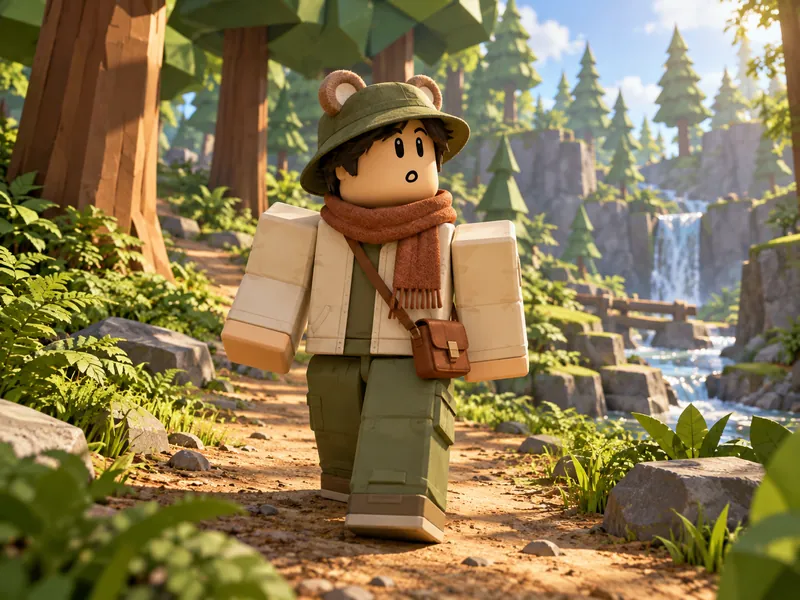
An animal-themed Roblox avatar and a four-legged animal OC are different designs. This tile keeps a human-shaped block body and adds a bucket hat with small felt ears. It suits an explorer who enjoys woodland roleplay. If your story needs a wolf, eagle or deer with animal anatomy, the Animal OC Creator in More OC creators is the better starting point. In either case, describe the coat or clothing palette and one habit before adding rare powers. A scout who knows dry paths but gets distracted by leaves gives the group a useful skill and a gentle source of trouble.
Names and accessories
A name should be easy to read in a roleplay introduction and separate from your real identity. This free local mixer combines short words using letters, numbers and underscores, keeping every result between 3 and 20 characters. Shuffle for another set, then select a name to place it on your character card. These are display-name ideas, not availability checks or reserved Roblox usernames. The deliberately compact format is a design choice here; always check the current platform rules when naming an account. Never include your full real name, school or contact information.
color or mood + activity + number
Pick one useful object, then give it a small limitation.
Guide
You do not need an expensive outfit or a famous item to create a character people remember. A useful brief translates what you see into shapes, colors and behavior. Work from the body outward, then connect the finished look to a modest roleplay problem. These five steps also work when you start with an illustrated idea and gradually replace its details with your own.
Choose a classic blocky R6-inspired silhouette, a jointed blocky R15-inspired body or a taller Rthro-inspired interpretation. Then describe the head shape, plastic skin color and simple expression. If you are looking at your current avatar, write what you see rather than pasting catalog names: a broad torso, short rectangular legs and a rounded cuboid head. Do not assume that a face name will explain the expression to an image model. Say small smile, sleepy eyes or one raised eyebrow. Keep the body description when switching art styles so the result continues to read as an avatar.
Break the outfit into an inner shirt, an outer layer, trousers or a fully covering skirt outfit, shoes and one signature accessory. Replace a real catalog item name with its visible form: a plain teal cap, a cream long-sleeve shirt and a coral square bag. Mention whether a jacket should look like a separate 3D layer or a flat printed clothing texture. Describe the strap location and the size of the hat if they matter. You can use your avatar as inspiration without reproducing an exact branded item, famous creator look or copyrighted game costume.
Use the outfit color for the largest garment and the accent color for one or two smaller details. Leave a quiet neutral area around the face so the expression remains readable. Look at the idea swatches: ParcelSprig repeats coral on a scarf and bag while cream separates the vest from the hands. Avoid the familiar yellow head, blue torso and green legs as your main design. Shrink the image on your screen before deciding it is finished. If the character becomes a noisy pile of tiny objects, remove an accessory before adding another color.
Pick the genre where the OC spends time: a town errand route, a patient obby team, a cozy horror mystery, a workshop tycoon or a friendly training club. Write one sentence for each of three things: what they help with, what they do when nervous and what they cannot do well yet. A courier who knows every shortcut but forgets an umbrella is easier to roleplay than an unbeatable hero with no daily life. Keep game-specific lore separate from your own invention. Ask the people you play with which abilities and backstories fit their roleplay.
Use the names mixer to try a compact display name, then pick a useful accessory to send into the form. Review the complete description before generating an image. The 3D toy option preserves the strongest avatar feel; a sketch or 2D study can help explain the clothing to an artist. For continuity, keep the same hair, face, palette and strap placement across a reference sheet. Save your concept and credit it as an original fan character. An image is a visual plan, so recreating it inside Roblox still depends on the items, tools and permissions available in that experience.
Other fandoms
Tools
FAQ







Sign up for 10 bonus credits and make your first OC free.