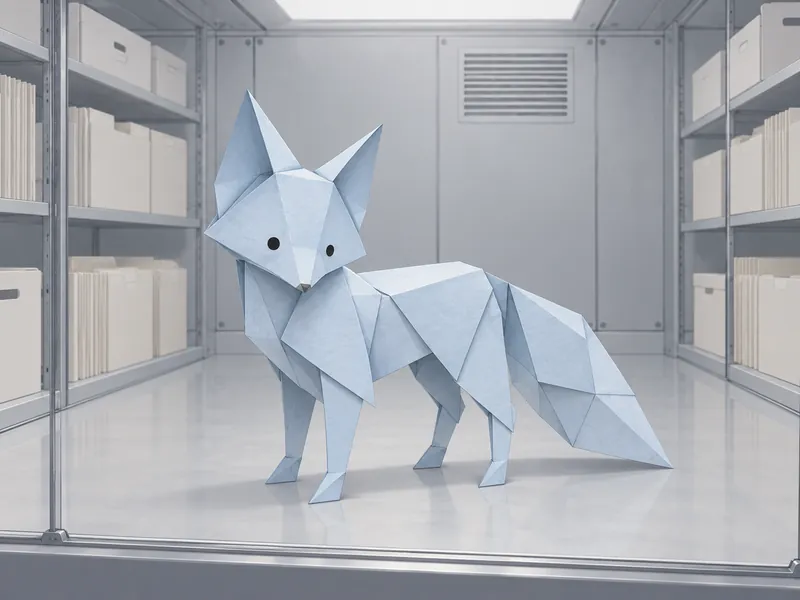
Margin Fox
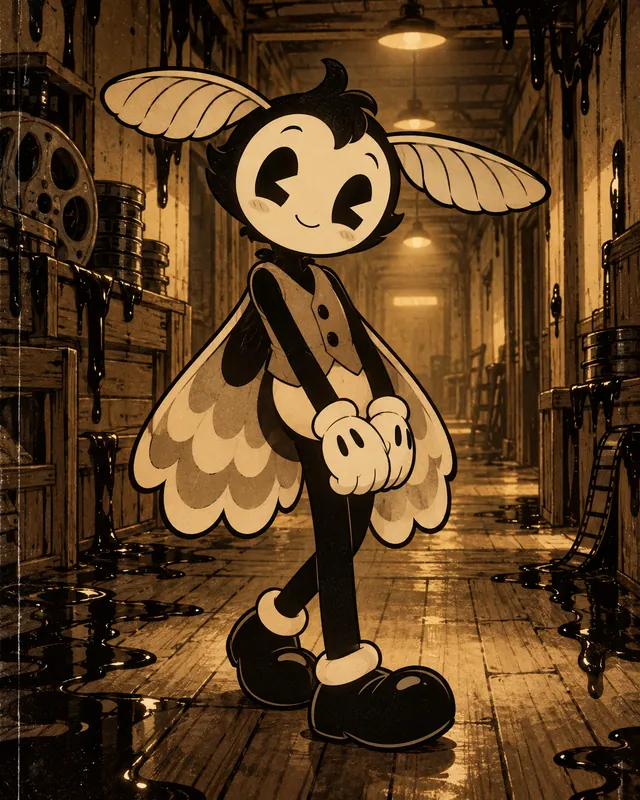
Paper animal- Follows loose paper
- Cannot move a closed folder
- Loose sheets become a path
Plan an original anomaly or Foundation employee with this SCP OC creator. Choose a form, a property and one useful limit, then use the free local SCP generator to edit and copy a short containment profile. Keep it clinical and cute-creepy. AI-generated images and text from this page are for personal planning and must not be posted to the SCP Wiki.

Free local SCP generator / personal planning
Start with one of 16 anomaly presets, then edit the evidence and the response. Lock a detail to keep it while exploring. No sign-up, no AI request and no official number reservation.
Private planning file / unofficial
AI-assisted personal planning. Do not post this text or generated art to the SCP Wiki. SCP setting: scp-wiki.wikidot.com and its authors, CC BY-SA 3.0. Original planning text: occreator.org, CC BY-SA 3.0.
A complete private draft is ready to edit.
Save a favorite to compare your next draft with this one.
SCP-related planning text is based on the SCP Wiki and its authors and is shared under CC BY-SA 3.0. Read the SCP Wiki site rules before preparing your own contribution.
Ideas
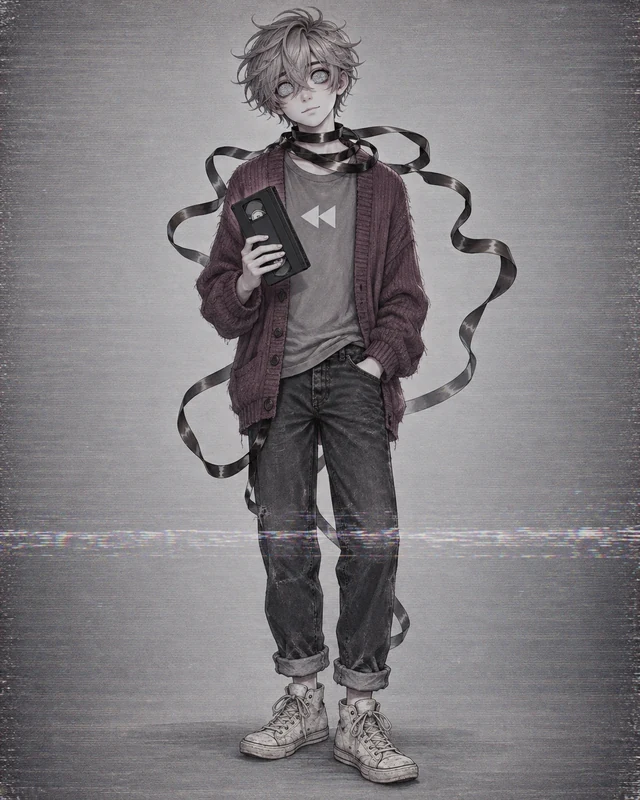
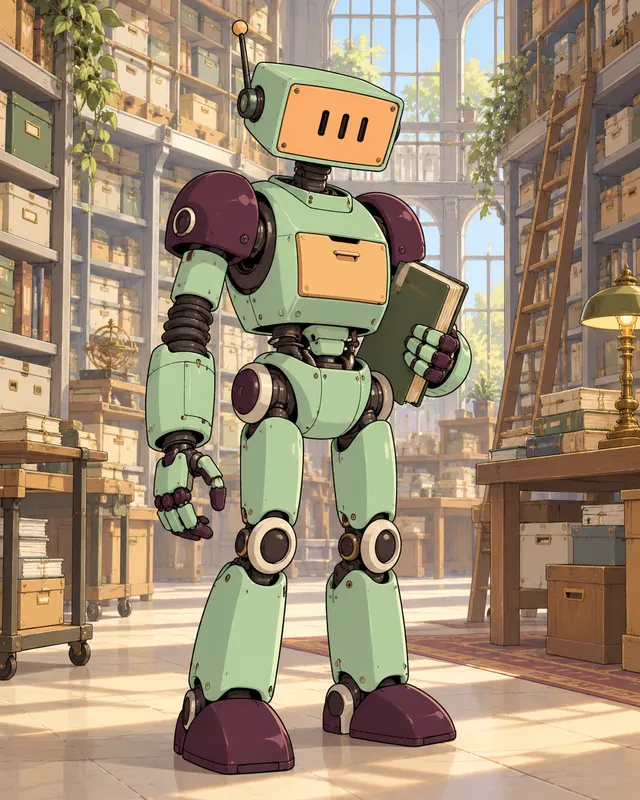
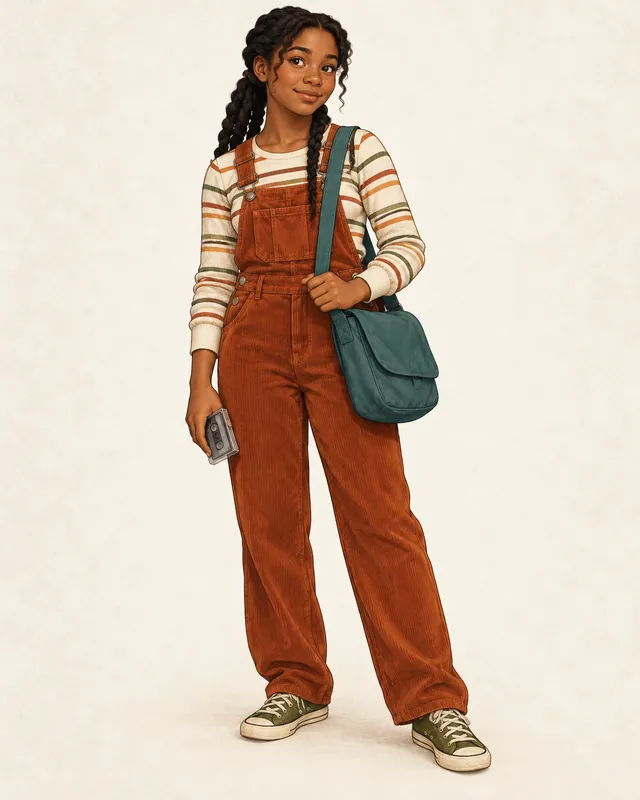
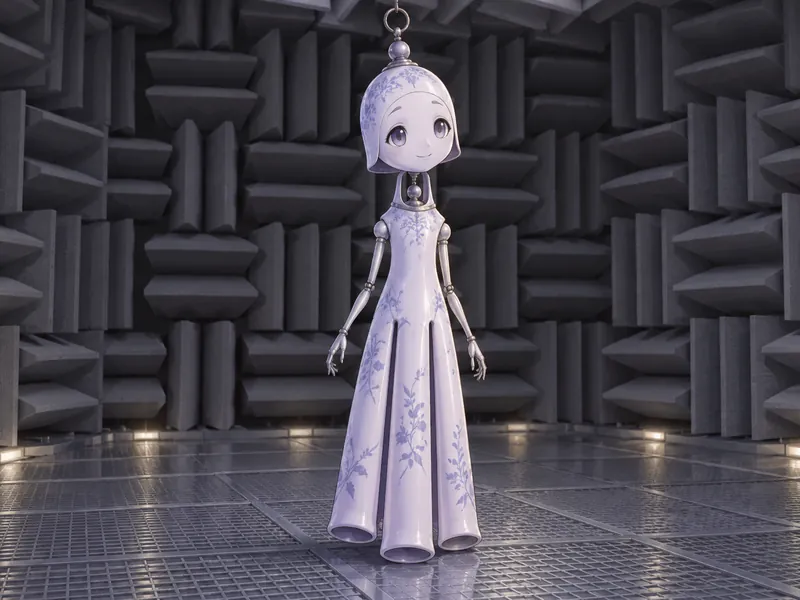
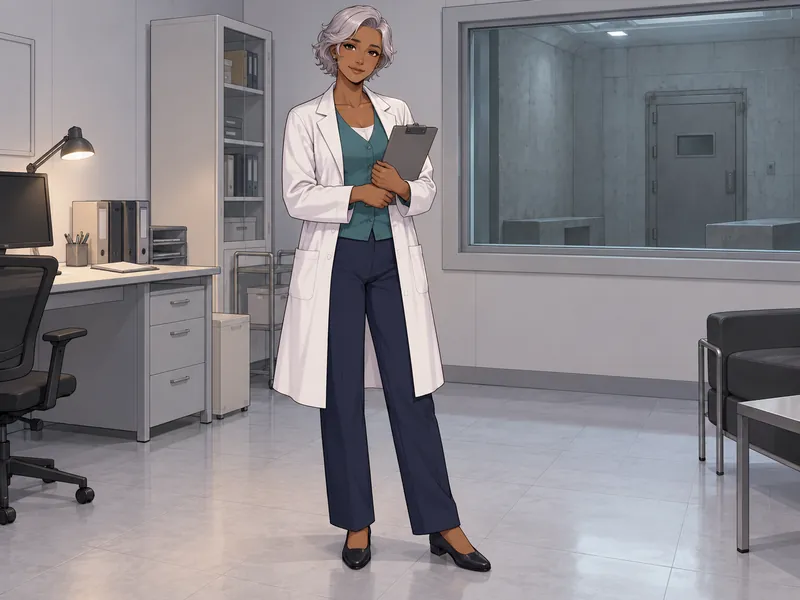
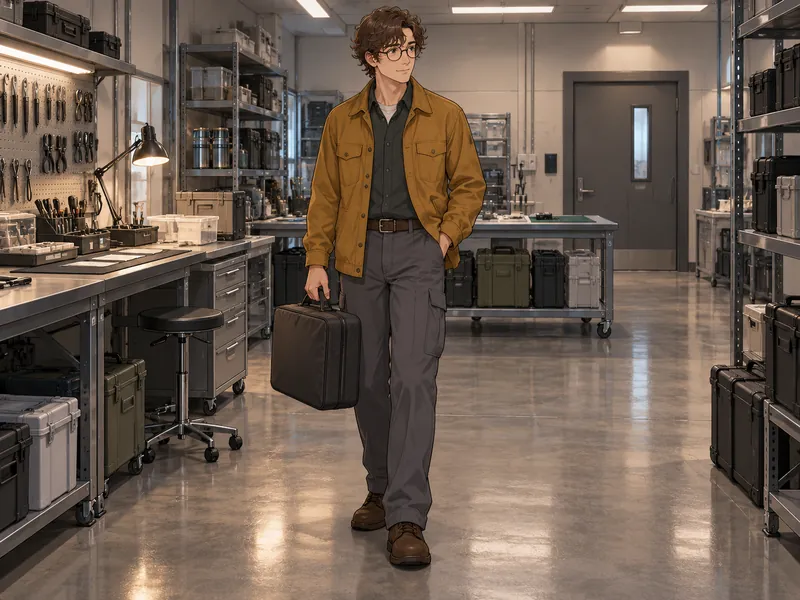
These examples separate the appearance from the anomalous effect. A reader should be able to explain what changes, when it happens and what staff do about it. The two staff examples are ordinary people; Pending belongs to the unassigned file they are planning, not a classification of the employee. All six characters are original planning concepts rather than renamed entries from the SCP Wiki.


Know the rules
Object class is about containment needs, not a simple ladder of danger or strength. Start with the observed behavior, then choose a class whose meaning fits your story. A staff member does not receive an anomaly class just because they work at a site. The class field belongs to the anomaly file they are helping you plan.
Sources: SCP Wiki: Object Classes; SCP Wiki: Site Rules; SCP Wiki: Licensing Guide

Safe means reliable containment is comparatively straightforward; it does not promise harmlessness. Euclid covers uncertainty or behavior that makes containment less dependable. Keter means maintaining containment is especially difficult or resource-intensive, not that the character wins every fight. For your own draft, connect the class to a specific practical problem. A change in lighting might matter more than the character's size. Write what staff can observe, what they can control and what remains uncertain. If the class feels decorative, return to the behavior before adding stronger effects. This page offers planning prompts, not an automated ruling on what class a finished article deserves.

Thaumiel identifies an anomaly used to help contain other anomalies. Neutralized means the anomalous properties have ceased. Neither is a personality type. Explained is different again: an apparent anomaly has an ordinary explanation. These distinctions can support a quiet story about evidence, maintenance or changing assumptions. Do not select Thaumiel merely because a character is helpful, and do not keep active supernatural effects in a Neutralized present-day description. A former effect can belong in a clearly marked historical note. For staff portraits, omit these labels from the person and keep them attached to the relevant file.

Archon concerns deliberate noncontainment; Cernunnos concerns logistical or ethical barriers to full containment. Ticonderoga is neither containable nor in need of containment. Argus places trusted containment with another organization. Apollyon signals an uncontainable crisis, not a stylish upgrade. Pending and Uncontained describe unresolved classification or containment status. The wiki also has many article-specific esoteric classes. Use their context rather than treating every unfamiliar word as a universal rank. In a personal draft, write why the ordinary choices fail before choosing a special label. A calm observational scene can discuss uncertainty without depicting catastrophe.
Researchers investigate observations; containment specialists help design and maintain procedures; field agents handle work outside the site; site staff keep records, equipment and everyday operations functioning. Those are useful broad roles, not a single rigid career chart shared by every story. Choose an ordinary skill that affects how your person responds to the anomaly. Lyra separates evidence from guesses, while Orin asks whether an enclosure can be maintained by the next shift. Give them colleagues and limits to their knowledge. Avoid borrowing a famous doctor's name, visual signature or reputation. No official badge or logo is needed to communicate a careful scientific workplace.
The familiar file structure pairs an item designation and class with containment procedures and a description. Our editor keeps four compact sections so you can see whether they agree. Write the effect in a sentence that another observer could check, then make each procedure answer a part of that effect. If a paper creature moves loose sheets, closed trays are more relevant than a dramatic wall of unexplained security equipment. Describe one failure condition and one uncertainty. Keep the nickname separate from the designation. SCP-XXXX is a private draft placeholder here, not an available number reserved on the wiki.
The SCP setting includes organizations beyond the Foundation, with different aims and approaches to anomalies. The Groups of Interest hub is the place to check a group before using it in a story. Do not assume every group is a Foundation department or a simple villain faction. A fan staff OC can disagree with another organization without being secretly in charge of it. Start with a small interaction, such as a disputed record or a request to observe an object. Label any invented group as your own. The page does not assign a canon affiliation automatically, and the art avoids all official emblems.
Names and hooks
SCP files use an item designation, while an informal title can hint at the central anomaly. Staff use personal names, sometimes with a job title in prose. This mixer separates descriptive anomaly nicknames from ordinary staff names. It does not allocate an official number. Keep SCP-XXXX while planning and check the wiki's current submission process if you later write your own eligible article. A nickname can be poetic; the description should still explain exactly what the character does.
Descriptive anomaly title or ordinary staff name.
A useful hook names a trigger, a limit or a missing piece of evidence.
Guide
The drawing and the profile should describe the same character. Work from a concrete observation toward a procedure, then check that the class and the limits still make sense. The editor is a local planning aid and needs no sign-up.
For an anomaly, describe the physical form before the effect: a paper animal, a porcelain entity or a fully clothed glasslike humanoid. For a staff OC, choose a role and an ordinary skill instead of assigning supernatural powers by default. Keep the two kinds of profile separate. A researcher can study a Keter file without being Keter themselves. Use the illustrated examples to understand the difference, then select a new silhouette or workplace habit for your own draft. Avoid famous SCP bodies and familiar doctor identities.
Write what changes, what triggers it and where the effect stops. A knitted figure repeating one gesture is easier to evaluate than a character that controls all memory and time. Give the observer something to record: a pause, a shifted sheet, a light color or a repeated sound. Keep the language concrete and distinguish an observation from an interpretation. You can leave a question unanswered without making every detail vague. The property chips are starting points; use your description to add the boundary that makes the idea your own.
Read each containment note and ask which part of the anomaly it addresses. If no part requires it, remove it. A closed tray can prevent loose paper from being moved; a quiet interval can help distinguish an echo from a new sound. Avoid filling the file with unexplained levels, equipment names and dramatic punishments. The goal is a believable routine that a fictional staff member could follow. Include what gets checked after an unusual observation, and keep the tone clinical, calm and safe for teen readers.
Review how predictable the effect is and whether the procedure can be maintained. Do not select Keter because it sounds more impressive. If a special class matters, explain the narrative reason and check its meaning in the official guide. For a staff-only profile, mark the class as belonging to an associated draft file or leave the person unclassified. The local editor lets you change the class without rewriting the rest automatically, so review the whole profile after any change. A contradiction is a useful signal to revise the concept.
Use Copy profile for text or Export PNG for a readable planning card. Favorites stay in this browser when storage is available. Draw this OC transfers the appearance and field choices to the image generator without making a paid request automatically. Inspect the result and keep your own notes about changes. Do not post AI-generated drawings or text from this page to the SCP Wiki. If you want to contribute there, read the current rules and write your own eligible work; a private draft here does not reserve a slot or satisfy the submission process.
Other fandoms
Tools
FAQ







Sign up for 10 bonus credits and make your first OC free.