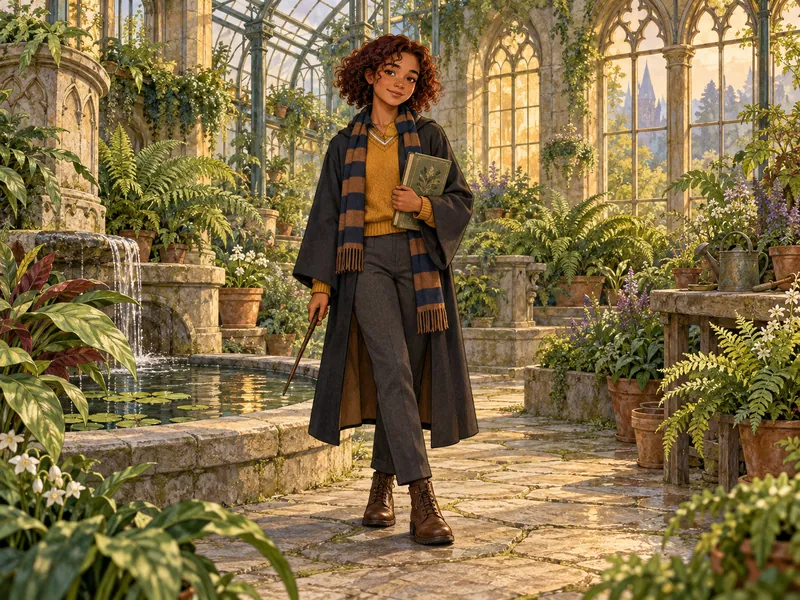
Iona Fenwick
Ravenclaw- Keeps a pressed-leaf journal
- Knows plants, forgets dates
- Learning a marten Patronus
This Harry Potter OC creator helps you build a Hogwarts student or an adult wizard. Choose a house, wand, favorite subject and Patronus, then add family life and a personal goal. Try an original idea below, or use the copyable Harry Potter OC template in the guide before drawing.
Ideas
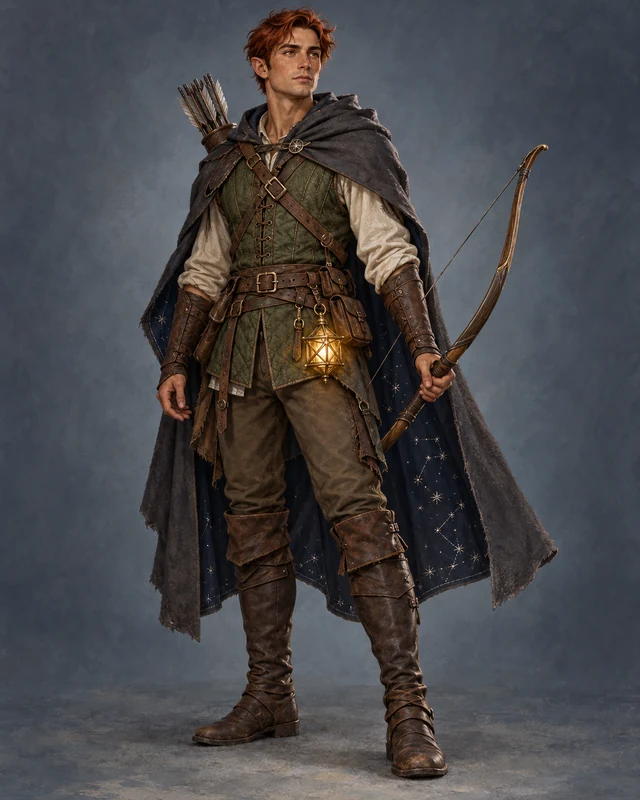
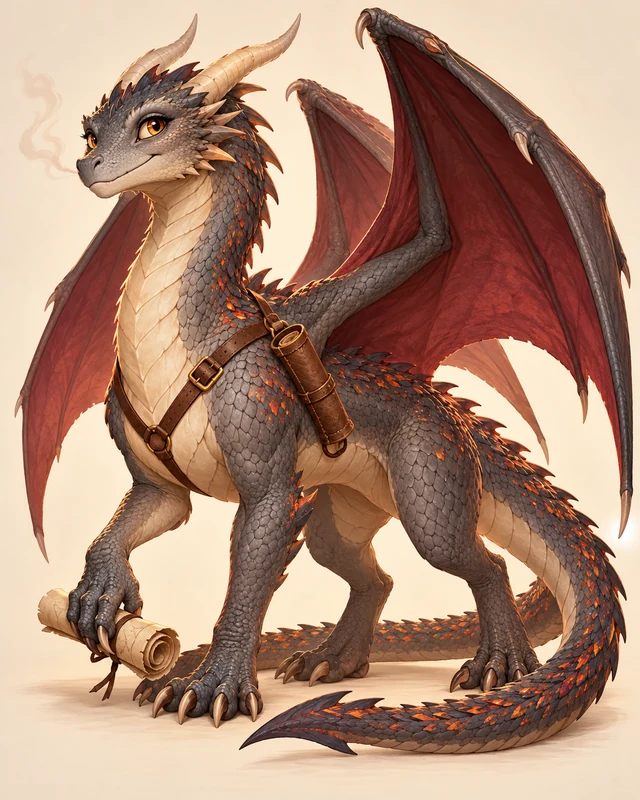
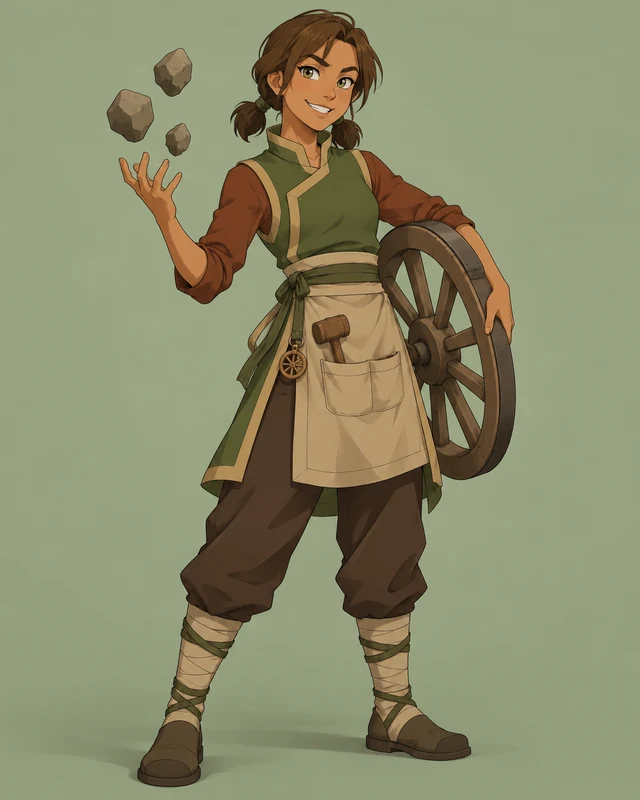
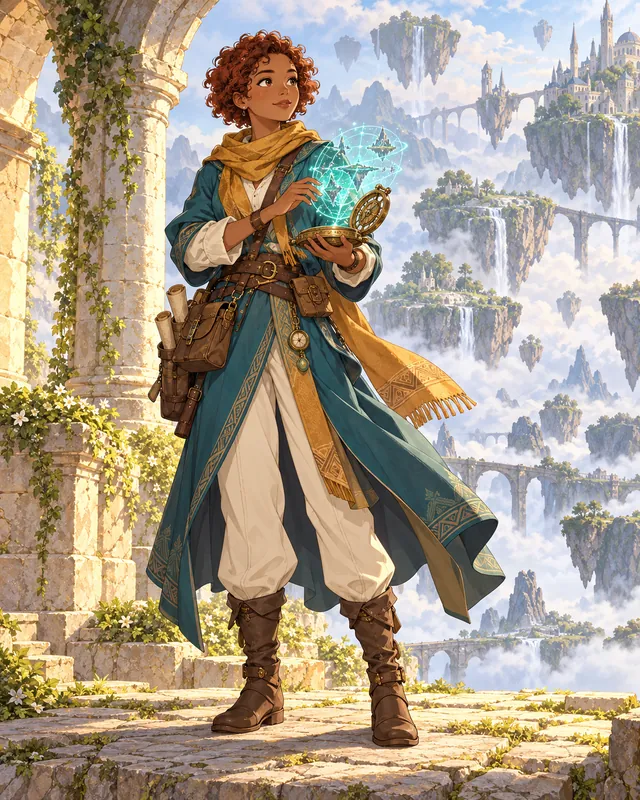
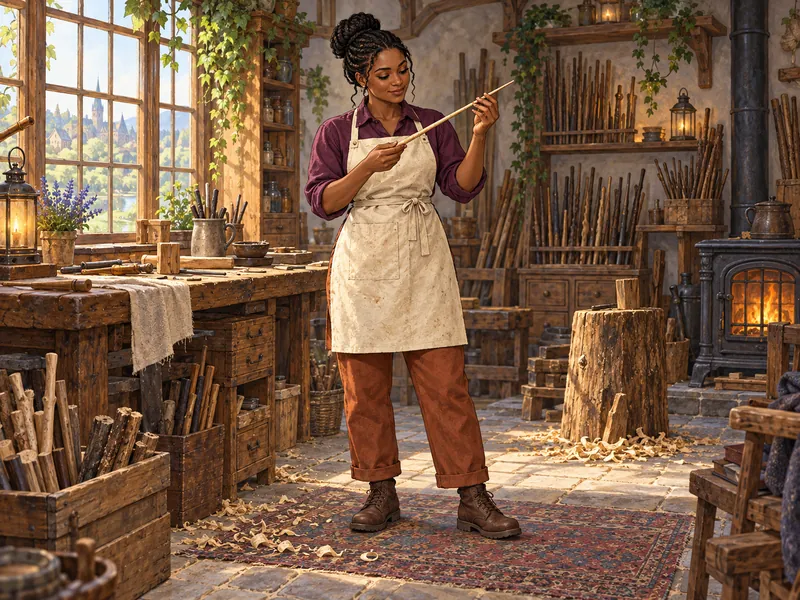
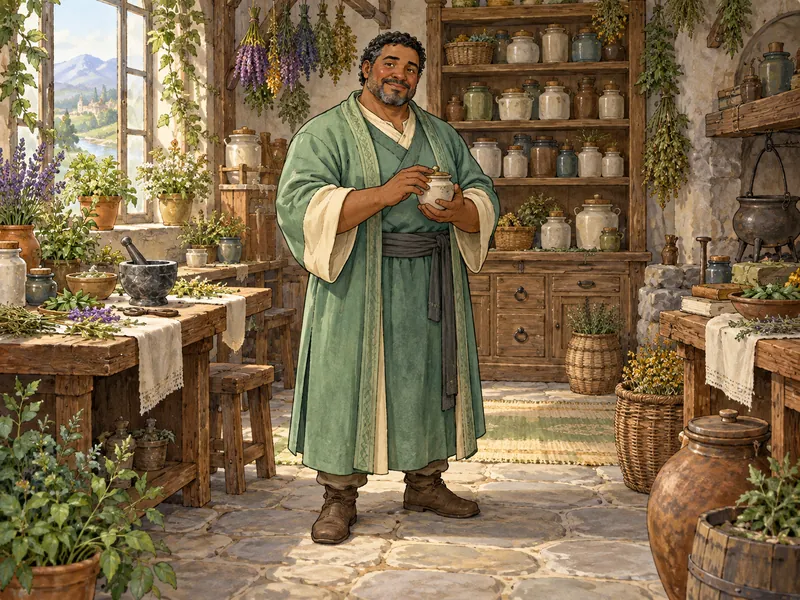
These are original people with separate silhouettes, ambitions and everyday habits. Use an idea to load its fields, then change the problem that drives the character. The pictures show clothing and equipment, not official uniforms for every occupation. School clubs invented for a story should be labeled as fan additions. None of these characters needs a secret connection to the main cast to belong in the setting.



Art styles
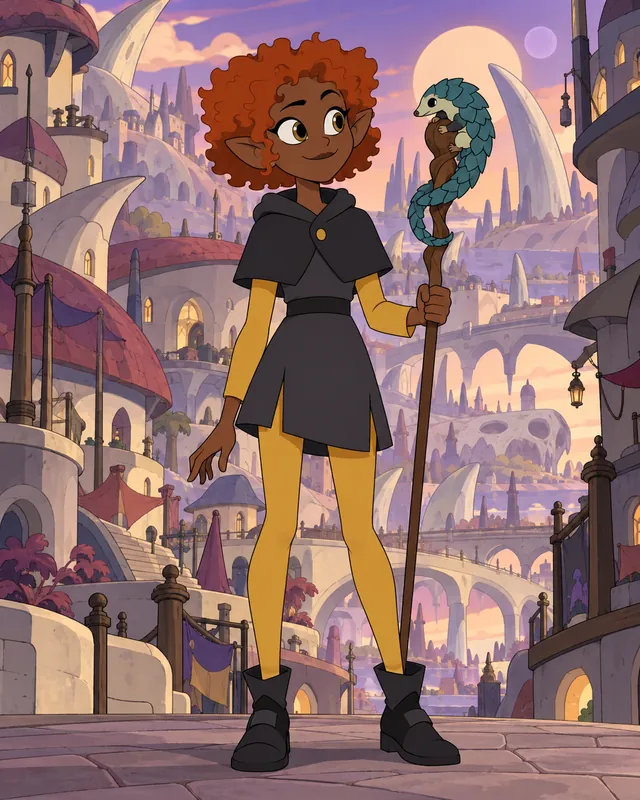
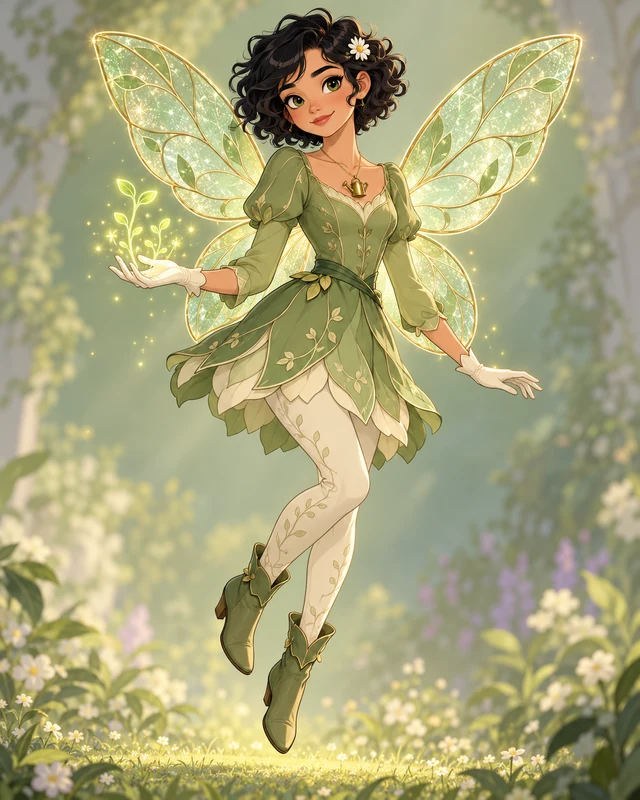
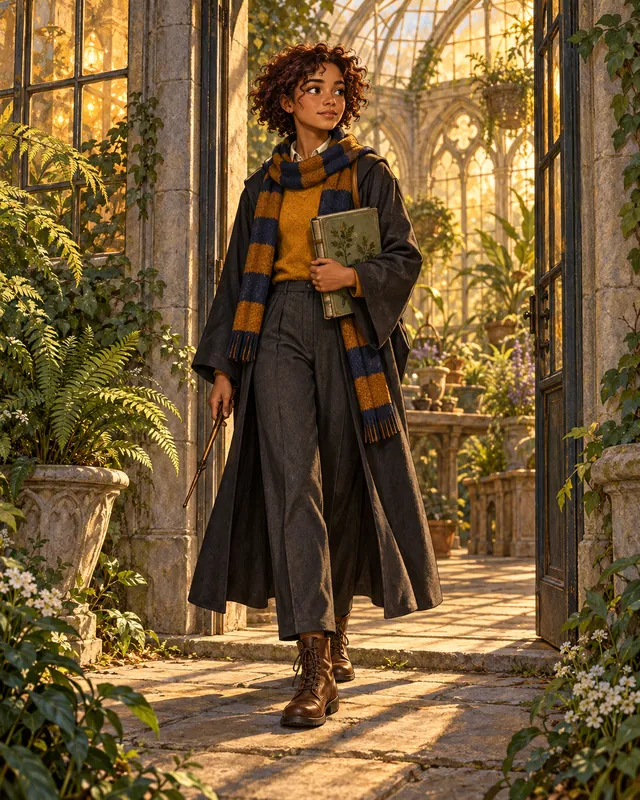
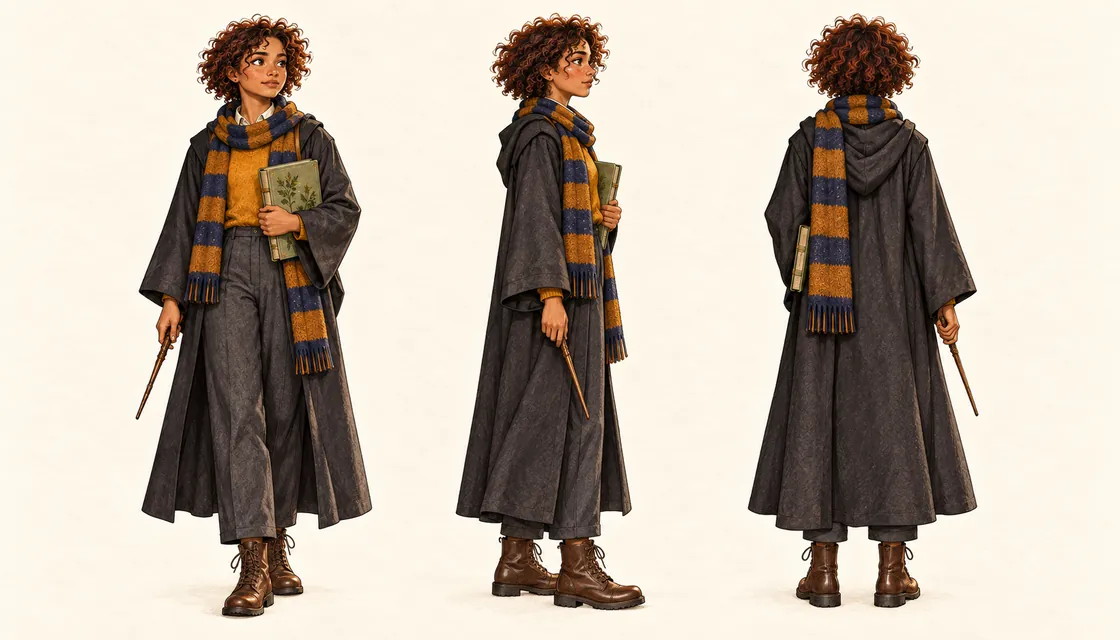
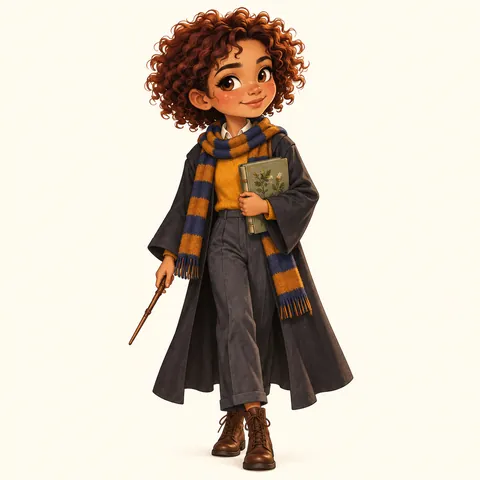
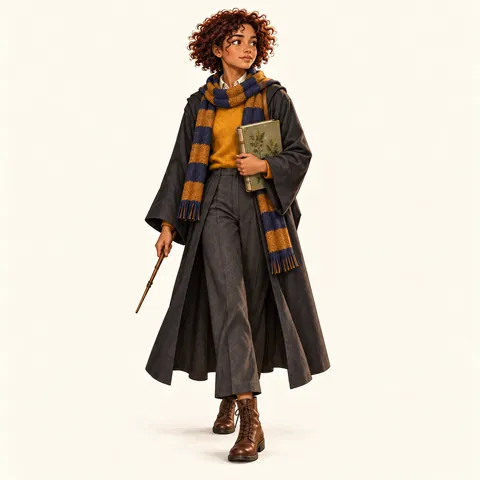
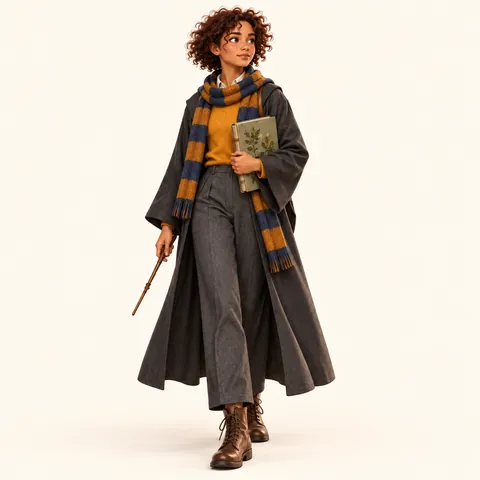
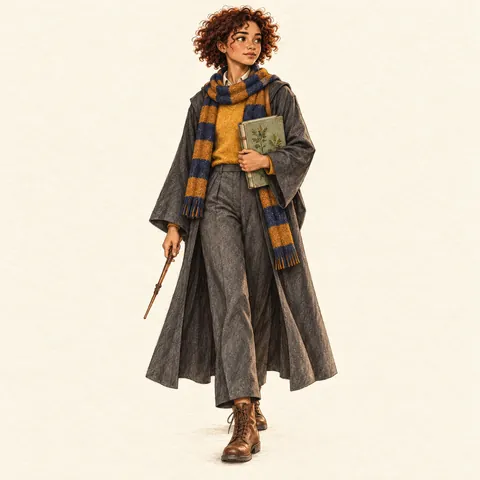
Iona Fenwick keeps the same cropped auburn curls, mustard sweater, charcoal robe, navy-and-bronze scarf and sage herbarium in every version. Compare the silhouette before choosing a style. The home look is illustrated storybook fantasy rather than a likeness of a film actor. Chibi changes proportions; the other styles preserve her age and practical school clothes.
Know the rules
Use canon as a framework for choices rather than a checklist of famous possessions. A house describes valued qualities, a wand has several interacting properties, and an occupation requires experience. The suggestions below separate verified setting details from new story hooks. A Hogwarts OC can be ordinary at most subjects and still have a memorable story. The same principle applies when building an adult who has already left school.
Sources: Official Hogwarts house guide; Official wand reference; Ilvermorny history and houses
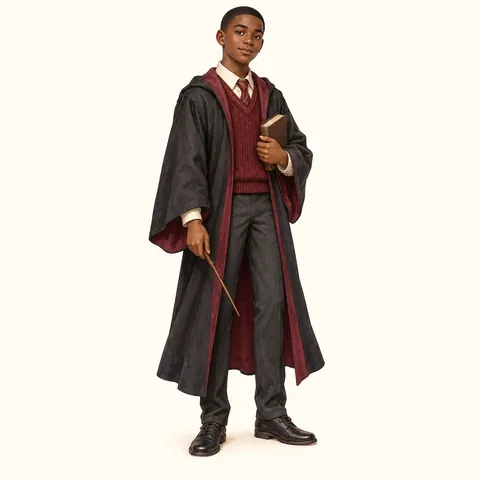
Gryffindor values courage and daring; Hufflepuff values loyalty, patience and fair work; Ravenclaw values learning, wit and wisdom; Slytherin values ambition and cunning. These are priorities, not a guarantee that every member behaves well or badly. Write a moment when the value becomes difficult to practice. A brave student may dread public speaking, while an ambitious student may choose to help a rival. Use house colors as accents without official crests. Ravenclaw uses blue and bronze in the books; the film palette differs.
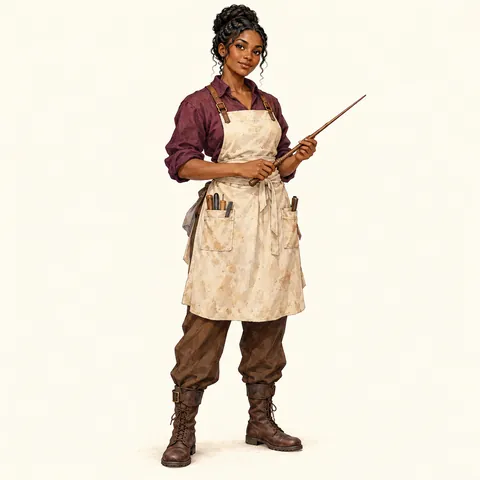
A wand profile needs wood, core, length and flexibility. Alder, apple, ash, beech, cedar, chestnut, hazel, maple, pear, rowan and willow all appear in the official wood notes. The three core choices here are unicorn hair, dragon heartstring and phoenix feather, the core materials favored by Ollivander. Other wandmakers use other materials, so this is not an exhaustive global list. Length is not a power score, and flexibility should not become a one-word personality diagnosis. Describe the complete pairing and the way its owner practices.
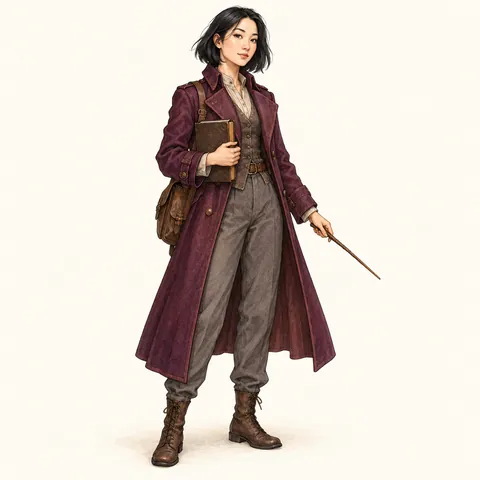
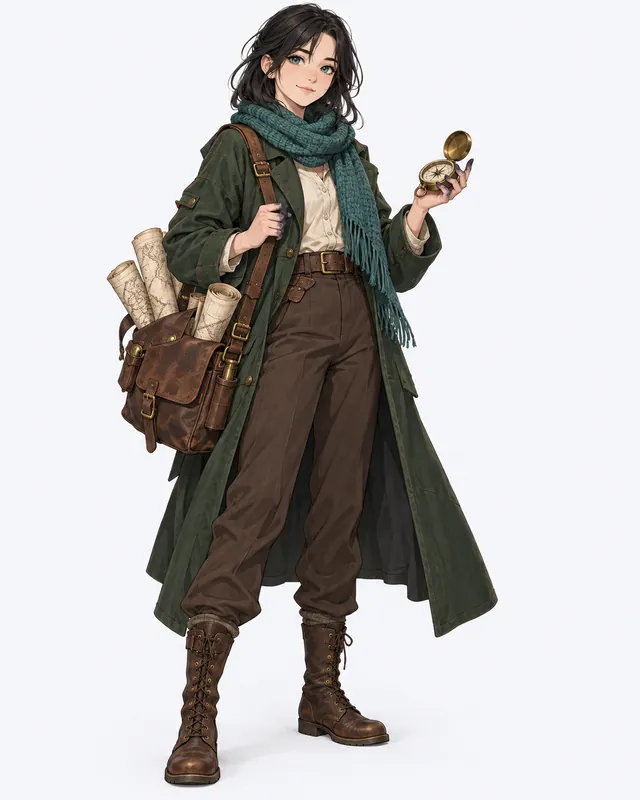
Aurors investigate and fight Dark magic, but a character does not need a violent scene to communicate that job. A travel-worn coat, careful notes and a habit of checking exits can carry the idea. Give an adult a training history and a professional limit. Perhaps they are good at interviewing witnesses but poor at organizing case files. Ministry work also includes administration, transport and other departments, so an original civil servant does not have to be an Auror. Put a specific department and ordinary task in Extra details.
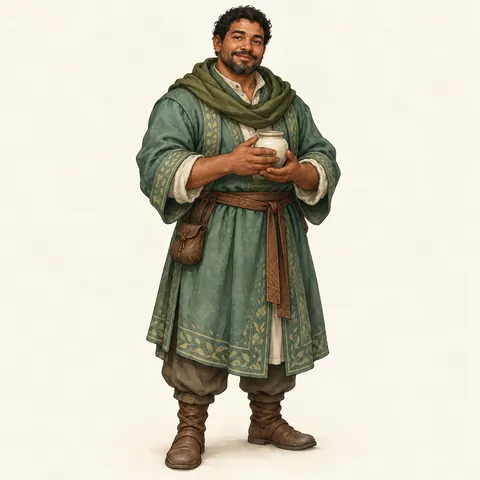
Healers treat magical illness and injury, while wandmakers work with the tools through which many witches and wizards channel magic. Keep their stories grounded in study, patience and responsibility. A Healer may need to explain a difficult appointment; a maker may be learning how to run a workshop. These are original story possibilities, not claims about official job uniforms or training rules. Choose a calm portrait, a workroom or a reference sheet. You can convey competence with posture and well-used tools without showing harm.
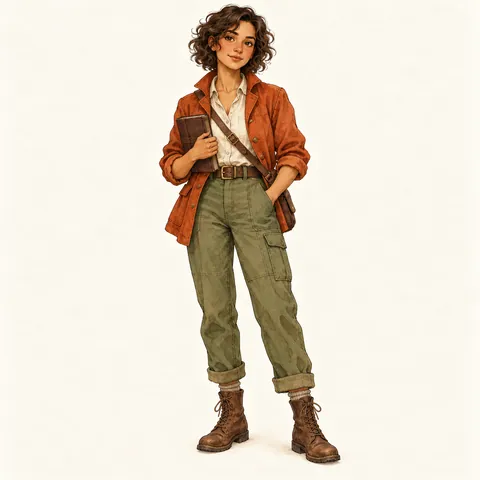
Magizoologists study magical creatures. Build one around a research question, a field notebook and sensible travel clothes rather than borrowing a famous explorer and suitcase. A survey of nesting sites or a record of migration timing gives the character a reason to travel. Keep creatures out of the portrait when you want one clear subject. A pet belongs in the written profile even when it is not drawn. Set limits on expertise: knowing one habitat well does not mean understanding every magical animal in the world.
Ilvermorny has Horned Serpent, Wampus, Thunderbird and Pukwudgie houses, often associated with scholars, warriors, adventurers and healers. Those houses are not direct replacements for Hogwarts houses. Beauxbatons is in the Pyrenees, Durmstrang keeps its precise location secret, Castelobruxo is in Brazil, Uagadou is in Uganda and Mahoutokoro is in Japan. Choose a school because it supports the character’s home and story. Clear the Hogwarts house chip when choosing another school, then add any relevant school-specific house in Extra details. Do not invent canon house systems for schools whose houses have not been established.
Names and Patronus
A memorable name does not need to announce a destiny. Try a name aloud, imagine a friend shortening it, and check it against the cast before keeping it. These combinations are starting points for original characters, not a claim that a family belongs to canon. The Patronus suggestions are creative prompts too: choose an animal that supports a memory or a personal association, and decide whether your student can actually cast the charm yet.
a given name + an ordinary or botanical surname
Use as a future goal if the character is still learning.
Guide
Use this Harry Potter character creator as a sketchbook for decisions. The portrait is one useful output, but the relationships and limits in your notes make the person playable. Save the profile locally before changing ideas, because loading another idea replaces the current field choices. Start with a short version, then add detail only when it gives the character something to do in a scene.
Name: [ ]; age and year: [ ]; era: [ ]; school: [ ]; house and valued trait: [ ]; family and home: [ ]; favorite subject: [ ]; difficult subject: [ ]; wand wood: [ ]; core: [ ]; length: [ ]; flexibility: [ ]; Patronus or learning goal: [ ]; pet: [ ]; Quidditch position or club: [ ]; closest friend: [ ]; immediate goal: [ ]; flaw: [ ]; clothing palette: [ ]. Select and copy this fill-in profile into your own notes. For an adult, replace year with occupation and training. This Harry Potter OC template keeps everyday life next to magical details so the profile becomes a person rather than an equipment inventory.
To create a Harry Potter character who fits a scene, decide the era before attaching famous classmates or teachers. A new school year gives you room for your own friend group. A Hogwarts OC creator cannot decide your story timeline for you, so write it explicitly. Choose a favorite subject that matches the year, and remember that electives such as Ancient Runes begin later than first year. An adult can have a former school without wearing a student uniform. Clear unrelated chips rather than leaving a contradictory school and house combination.
When you design your own Harry Potter character, ask what they value when nobody is watching. A loyal student might return lost notes even if it costs study time. An ambitious one might organize a club but struggle to delegate. This Hogwarts character maker works best when the house supports that choice. Add a family routine, one friendship and one small disagreement that has nothing to do with saving the world. Those details make it easier to write a first scene and keep the profile from relying on inherited fame.
Use the Harry Potter portrait maker to test a single clear outfit: robe, everyday clothes and one useful object. Record the full wand in the profile, but do not expect an image to prove its invisible core. Use a simple wand shape and let the written notes carry the material details. A book, work apron or field notebook can communicate an interest more clearly than a cluster of magical effects. House colors are enough; official crests and recognizable film props are deliberately absent from the sample art.
Make your own Harry Potter character in one style first, then compare another version while preserving the same hair, clothes and proportions. Ask whether the face or accessories accidentally resemble a canon character. Check the template for a reasonable limitation, a personal goal and someone the OC cares about. A Harry Potter character maker should help you revise choices, not force every random suggestion into the story. Keep the portrait you like, save your profile and label any invented school club or ability as your own fan addition.
Other fandoms
Tools
FAQ

Sign up for 10 bonus credits and make your first OC free.