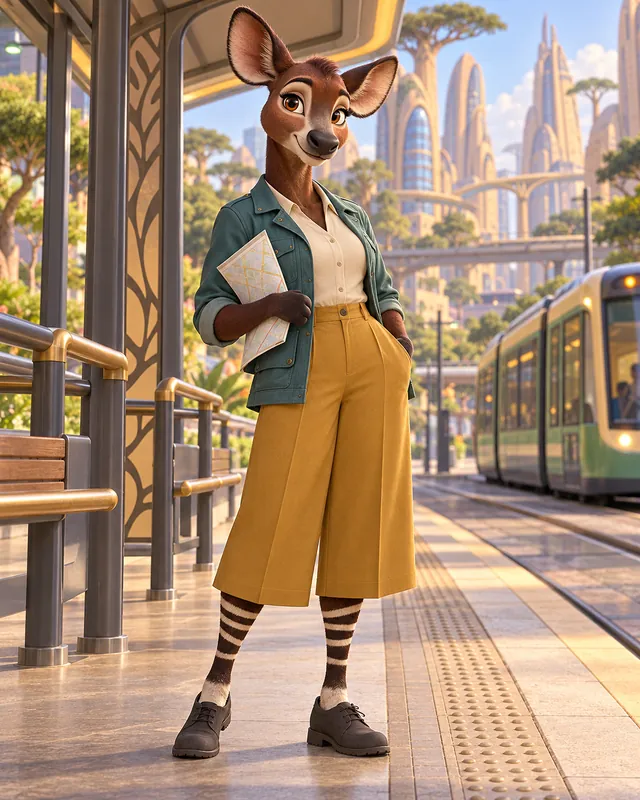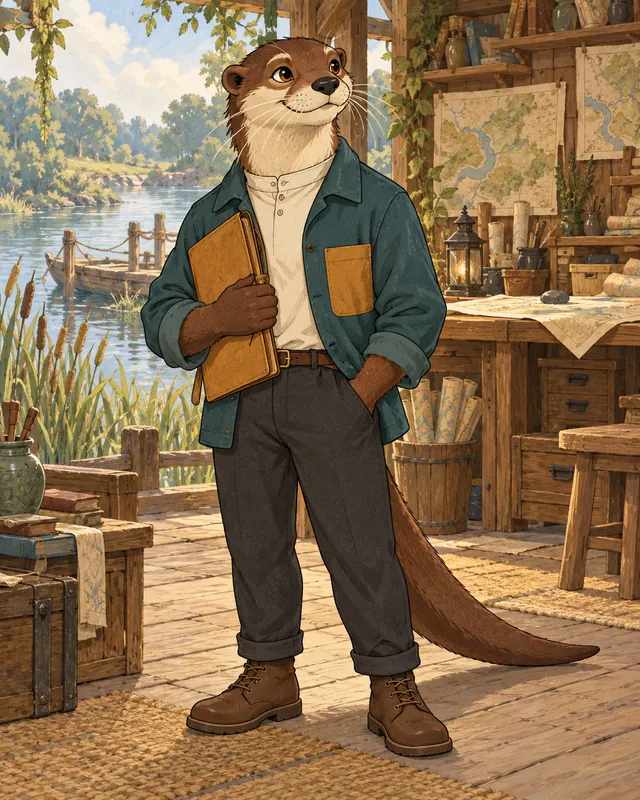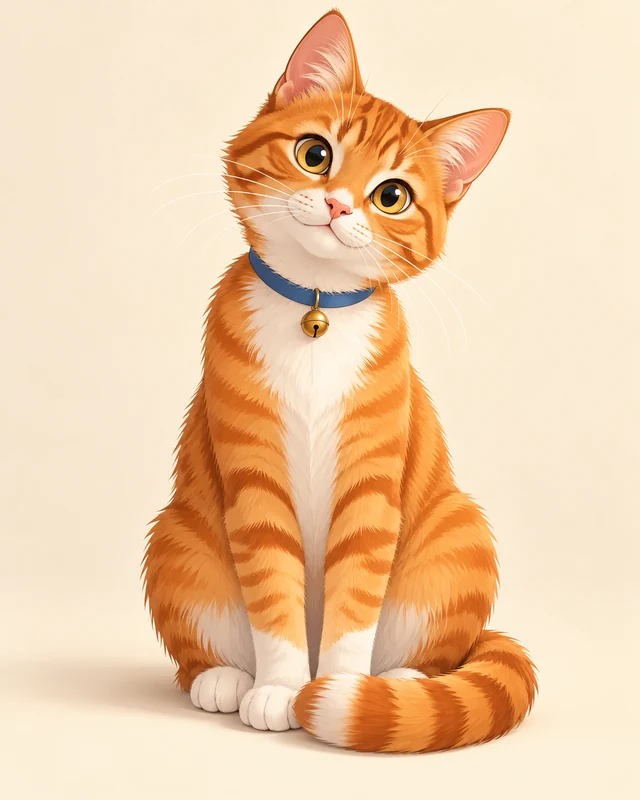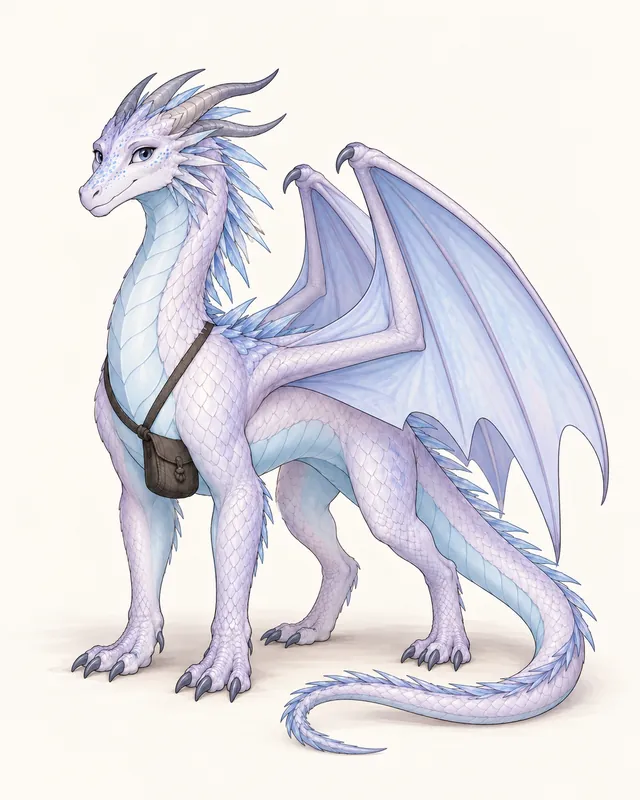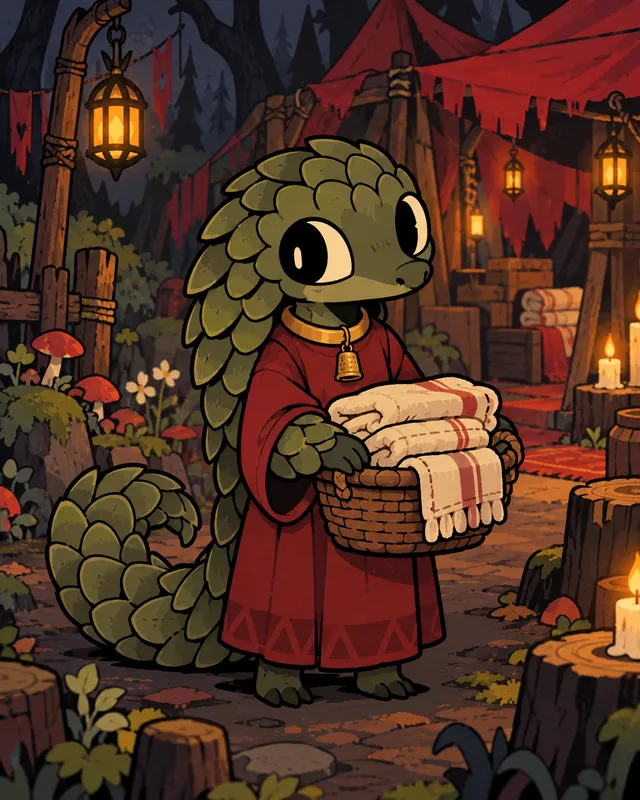
Orven
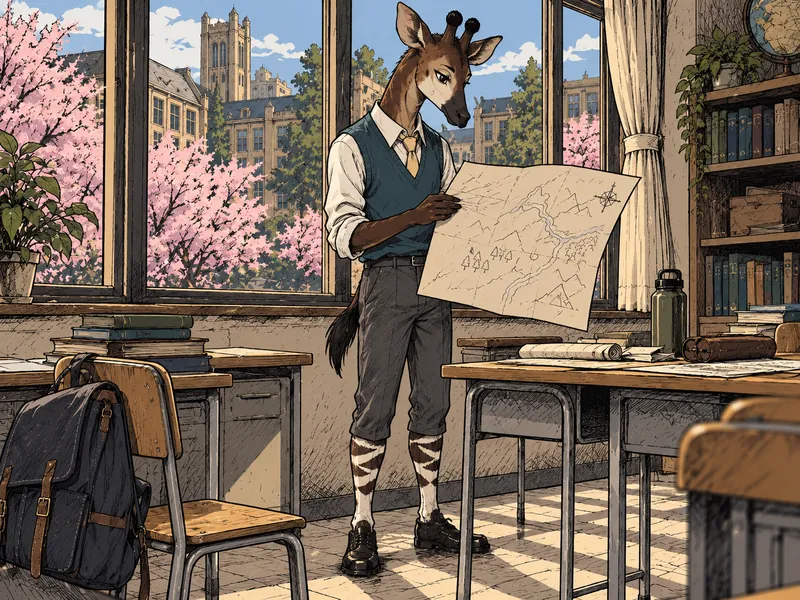
Okapi- Newspaper club
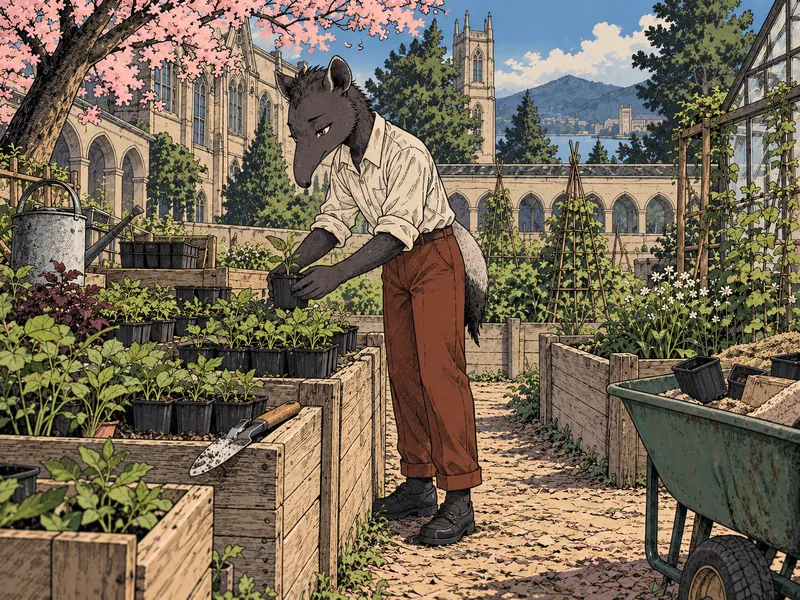
- Draws precise botanical diagrams
- Maps easier routes for small classmates
This Beastars OC Creator turns a species, school club and secret talent into an original classmate. Build Beastars OCs in crest-free Cherryton-style uniforms, with expressive animal faces and your own colors. Start with a small school-day story, from a missed cue to a first club meeting.
Ideas
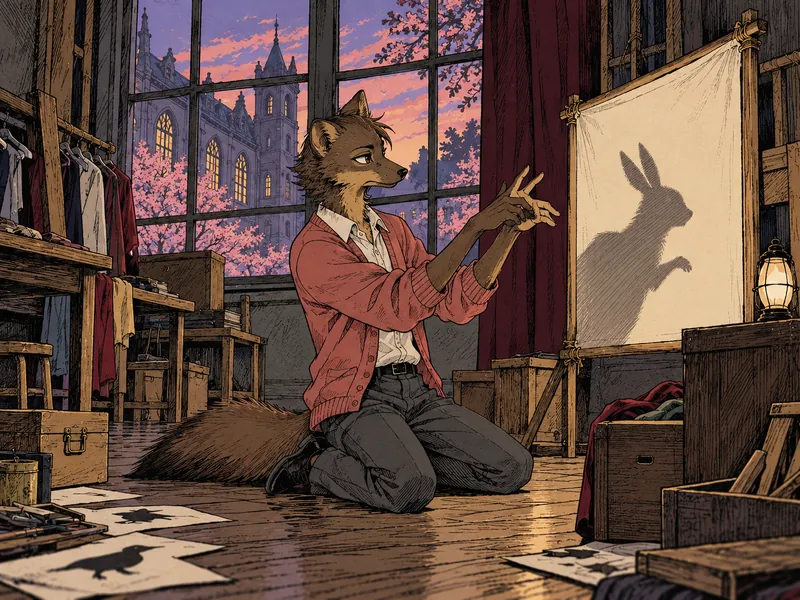
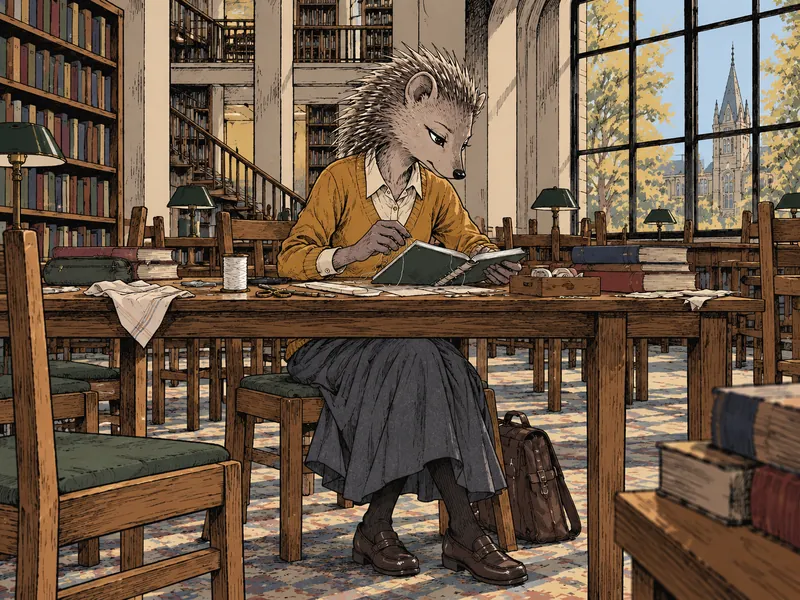
Each card begins with a task rather than a famous character’s silhouette. Load a design, then change its goal or school year before drawing. The six students differ from the sample and the species tiles. Their ordinary projects leave room for friendships, mistakes and a little courage without importing the series’ mature storylines.

Know the rules
Animal anatomy matters here, but species does not decide a student’s personality. Use the school’s familiar routines to make the setting readable, then let your character make their own choices. The clothing palettes below are original reinterpretations, not a claim that Cherryton has twelve official uniforms.
Sources: Cherryton Academy and its clubs; Beastar title; Beast Complex
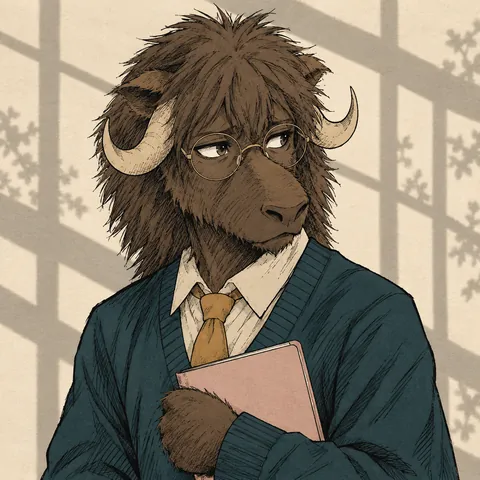
Cherryton Academy is a boarding school with classrooms, dormitories, a theater, a shop and club spaces. Its setting works because students of very different sizes have to share ordinary routines. Decide how your OC sits at a desk, carries a bag or reaches a prop shelf. An okapi has a different silhouette from a capybara even in a similar vest. Make those differences practical rather than turning them into a joke. A simple hallway scene can communicate the world more clearly than a crowded city panorama. Keep animal muzzles, ears and tails visible in the reference.
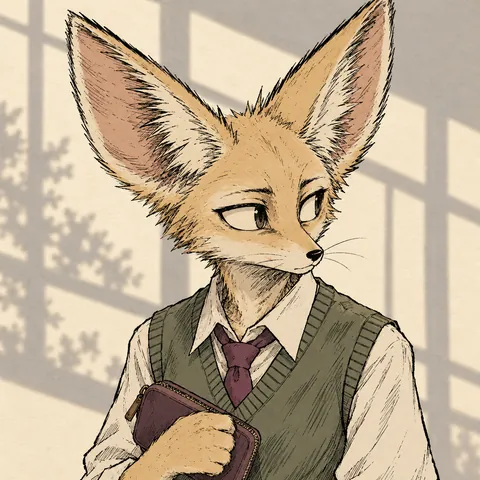
The setting distinguishes carnivores and herbivores, but a diet label is not a moral alignment. A reserved carnivore can love careful stage work, while an outspoken herbivore might enjoy leading a meeting. The diet picker includes family and feeding-pattern notes to help describe an OC; those are descriptive choices, not twelve official social castes. For an unusual species, explain your interpretation instead of pretending the story settles every biological edge case. Keep the page’s stories centered on schoolwork, kindness and social misunderstandings. Do not import threatening scenes to prove that a character belongs in this universe.
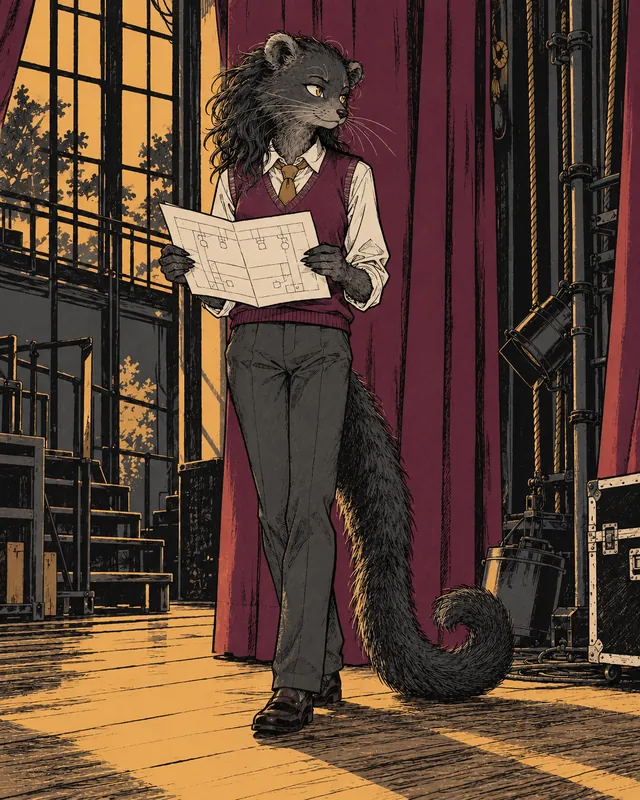
The drama club gives a student many useful jobs: performance, lighting, props, rehearsal notes and backstage organization. A newcomer can have a meaningful story without replacing a canon lead. Choose what they are responsible for and one thing they still need to learn. Someone who remembers every cue might struggle to explain a change politely. Someone who builds beautiful scenery might need help moving it. Keep their prop ordinary and readable, such as a folded plan, a spool of cord or a closed notebook. No costume needs a school crest to communicate rehearsal life.
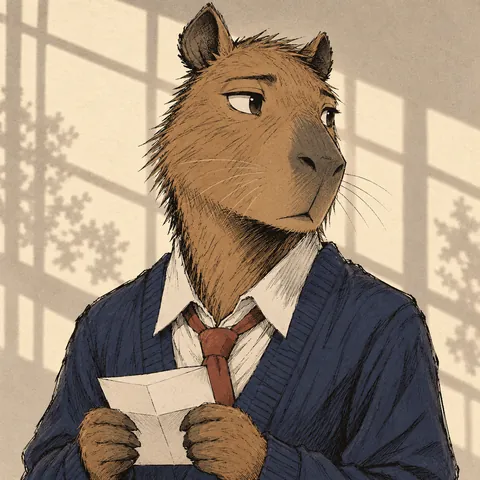
Cherryton’s listed activities include gardening, basketball, baseball, judo, manga, boxing and the newspaper or PR department. These are separate interests, not extra branches of the drama club. The newspaper is called School Wave. A student can also volunteer at the library or be undecided; those are original character roles rather than claims about named canon clubs. Give a sports student a team responsibility beyond winning, or let a gardening student design a reachable planting table. Avoid copying a known club member’s species, outfit and personal history as a package. A new goal helps the design feel independent.
The academy uses seasonal uniforms and a separate outfit for club activities. Collars, ties, vests, trousers and modest skirts make a student readable at thumbnail size. This maker deliberately changes the palettes and omits the crest, including tiny marks on pockets or bags. Adult teachers and townsfolk can wear appropriate work clothes instead. Choose the adult role and outfit together so the description does not accidentally call a town tailor a teen student. Keep a long tail’s exit point and the fit around ears or quills plausible. A reference should show how the clothing works, not just its decorative color.
The Beastar title belongs to the setting’s idea of a distinguished figure who can represent and influence society. It is not a species, a club or a superpower that every student automatically receives. An OC can admire that ideal while pursuing a smaller immediate goal, such as making a club more welcoming. Beast Complex is Paru Itagaki’s related collection of animal-centered stories; it is useful inspiration for intimate everyday premises. Keep your own character’s history separate from the central cast. A quiet school story does not need a secret family connection to a famous character to matter.
Names and talents
Beastars uses many short individual names with varied linguistic sounds, rather than a universal species-plus-surname formula. The cast includes names such as Legoshi, Haru and Louis, but those names stay out of this mixer. These original syllable pairs aim for pronounceable given names. A name does not assign a diet group or a personality. Say a result aloud, keep the spelling consistent, and check the full roster before settling on a final character.
Short invented given names, joined without a space
Give the talent a small school-day consequence.
Guide
A convincing design connects the animal, the clothes and the daily task. Start with something your character wants this week, then choose the details that help tell that story. You can use the cards as a starting point, but a changed name alone is not a new concept. These steps make the generator choices useful as a written reference as well as a picture.
Choose a species and write three visible features before choosing colors. For a caracal, those might be ear tufts, a short muzzle and a compact tail; for a tapir, a flexible snout, rounded ears and a broad body. Think about size relative to a desk or doorway without reducing the person to their body type. Keep the teen design age-appropriate. If the species is unusual for the setting, say what is your invention and avoid claiming it is a confirmed canon student. The first image should make the animal recognizable without a caption.
A first-year student may be learning the building and finding a club, while an older student may be helping someone else settle in. Choose a role from the picker and explain what the student actually does during an afternoon. A lighting assistant checks equipment; a newspaper student interviews classmates; a gardening student tends a particular bed. Do not give one student every club leadership position. If you want an adult, change both role and wardrobe, and describe an adult face and posture. Keeping those choices aligned prevents a teacher concept from inheriting school-student details.
Use a collar, vest or cardigan and a restrained palette. Decide where a tail sits, whether sleeves fit paws comfortably and how quills or scales meet a bag strap. The palette choices here are original rather than official uniform variants. Remove all crests and keep accessories plain. A single repaired cuff can suggest a careful personality without adding a dozen decorative badges. For a portrait, put the most recognizable animal features above the shoulders. For a full-body image, leave enough room to see footwear and the tail instead of cropping away the useful reference details.
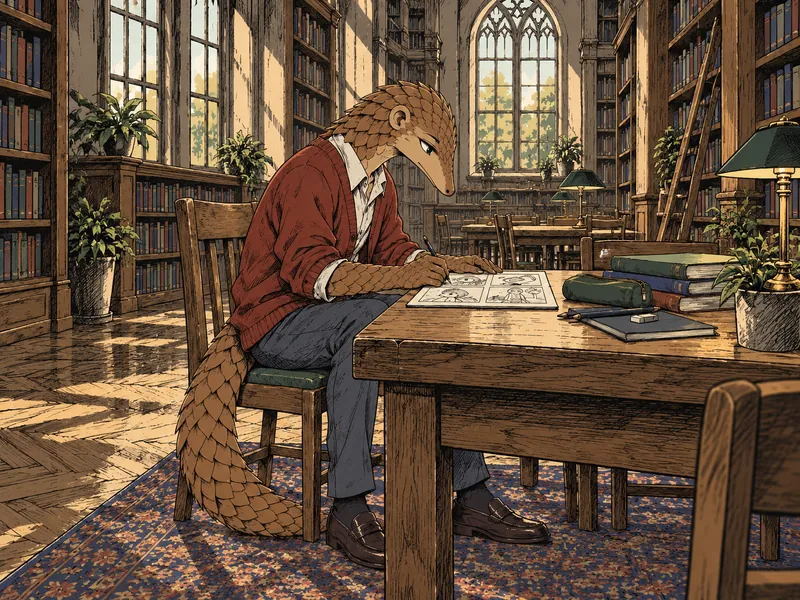
Pair the secret talent with something ordinary that requires practice. Perfect cue memory can become impatience when someone changes a rehearsal plan. A gifted illustrator may hesitate to show an unfinished page. Keep the obstacle kind and specific so another character can respond to it. The names section offers small habits that can fill the personal-detail field. Those habits are original writing prompts, not species traits. A shy student can become braver without changing species or receiving a grand title. Let a small choice show growth instead of declaring that the character is already admired by everyone.
Before requesting art, check that the role, species and outfit agree with the description. Afterward, look at ears, eyes, hands, tail placement and clothing seams. Compare the overall silhouette with the canon cast, including supporting students. If the result resembles a familiar character, change several connected features rather than just eye color. Keep a short written sheet with the name, school year, club task and palette so later revisions have a stable reference. Generated artwork can help explore a design, but it does not guarantee identical details across separate images or make a fan character official.
Other fandoms
Tools
FAQ


Sign up for 10 bonus credits and make your first OC free.