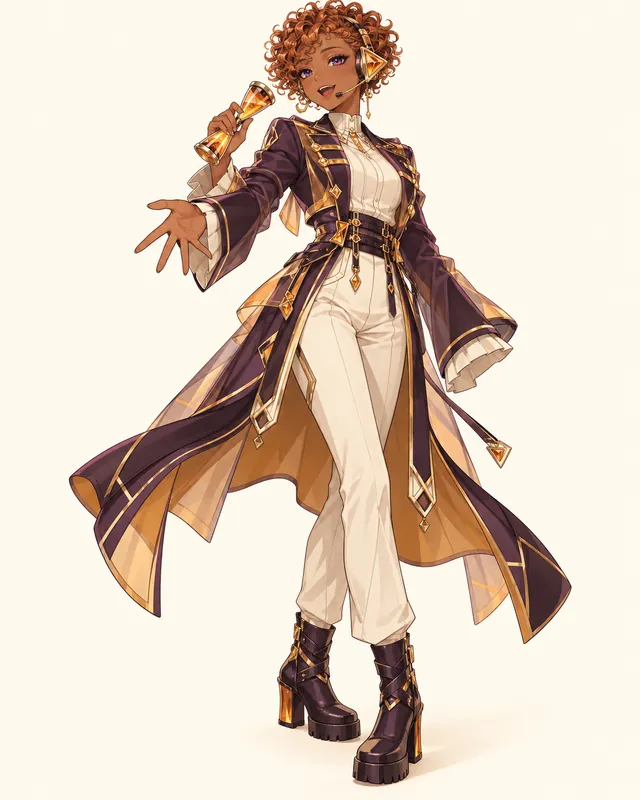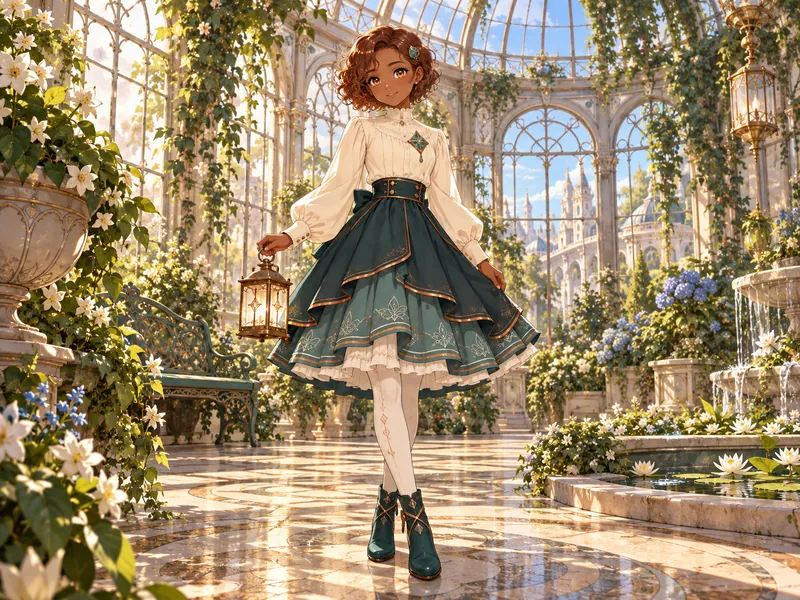
Copper Conservatory
Floral- Teal lantern keeper
- Lantern Leaf Shelter
- One power, one useful limit
This magical girl creator turns a theme, transformation item, and team color into your own heroine. Build her costume, name a spell, and give her a civilian life worth protecting. Start with an original idea below or invent a setting of your own.
Ideas
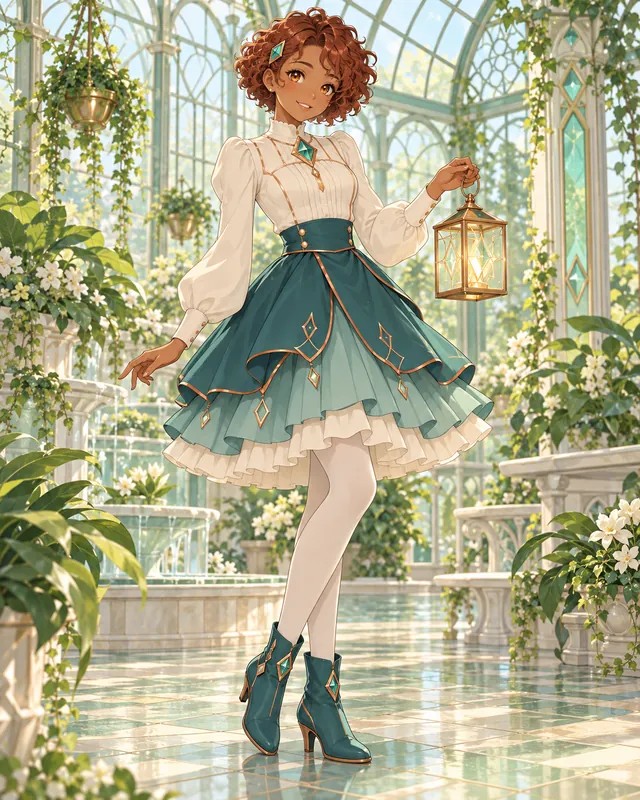
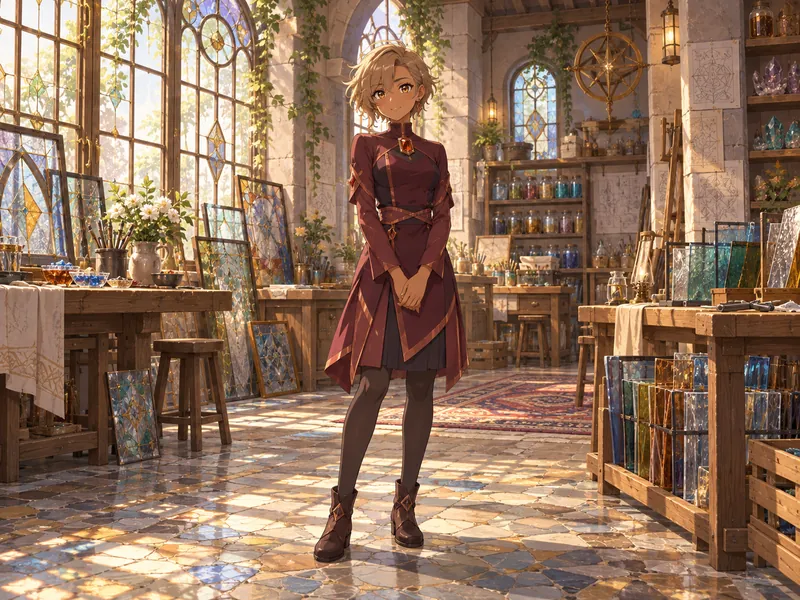
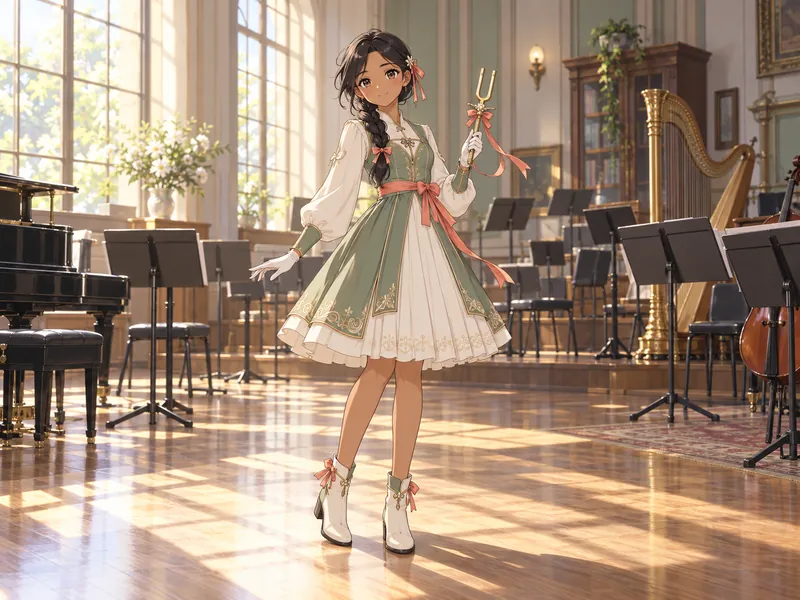
Each card is an original starting point, with a distinct costume, daily routine, and magical problem. The palette and visible object carry the theme before a spell is cast. Use a card to fill the designer, then rewrite a habit or a limit so the character belongs to your story. Mascots stay in the written brief here so the artwork keeps its focus on one heroine.


Art styles
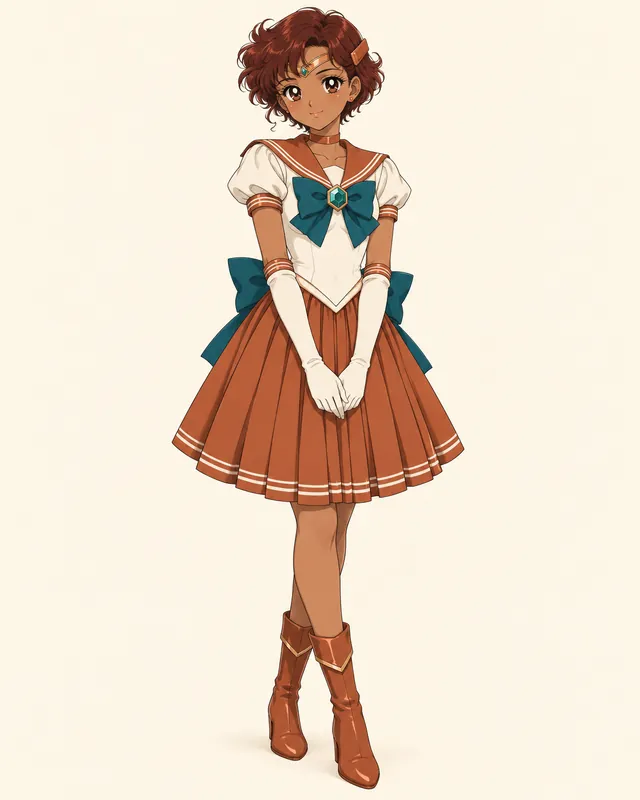
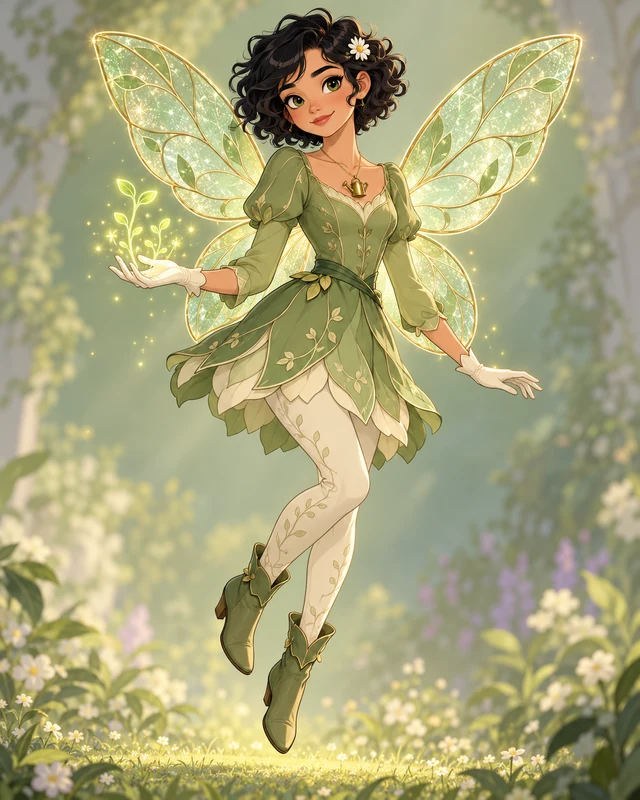
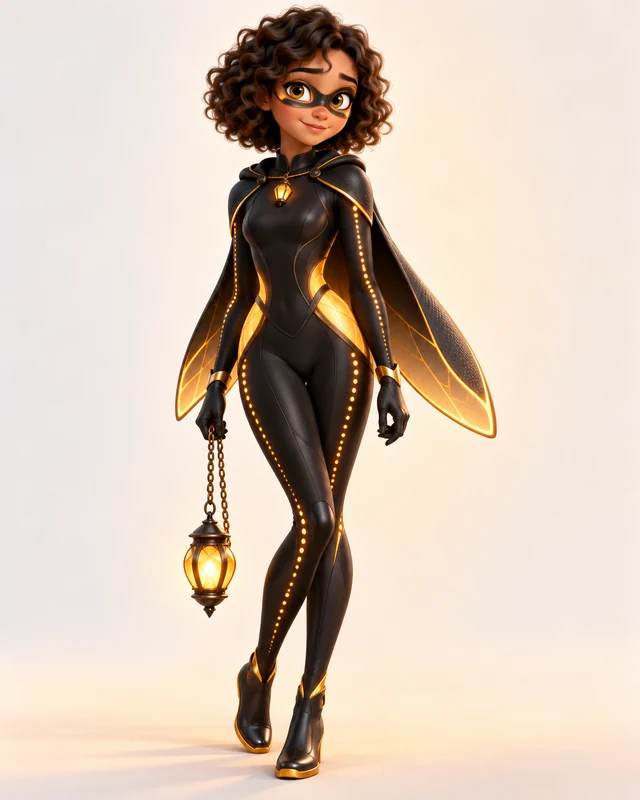
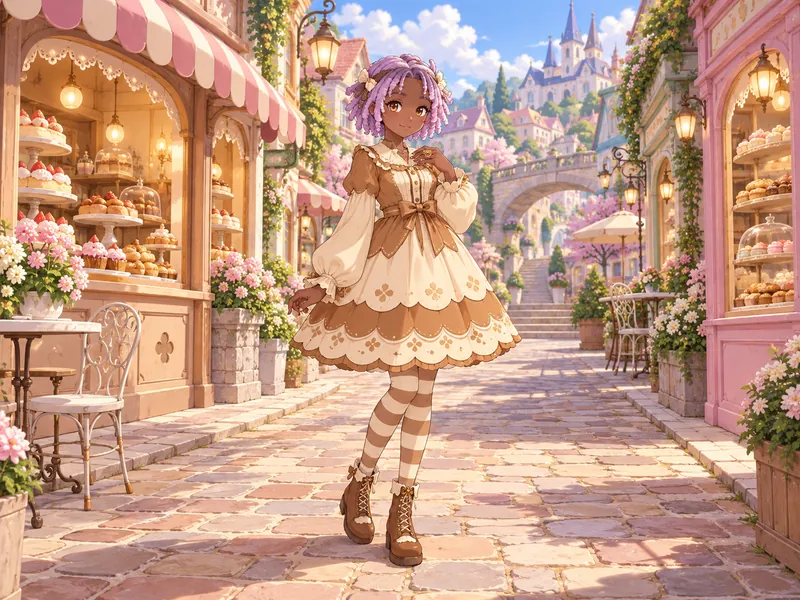
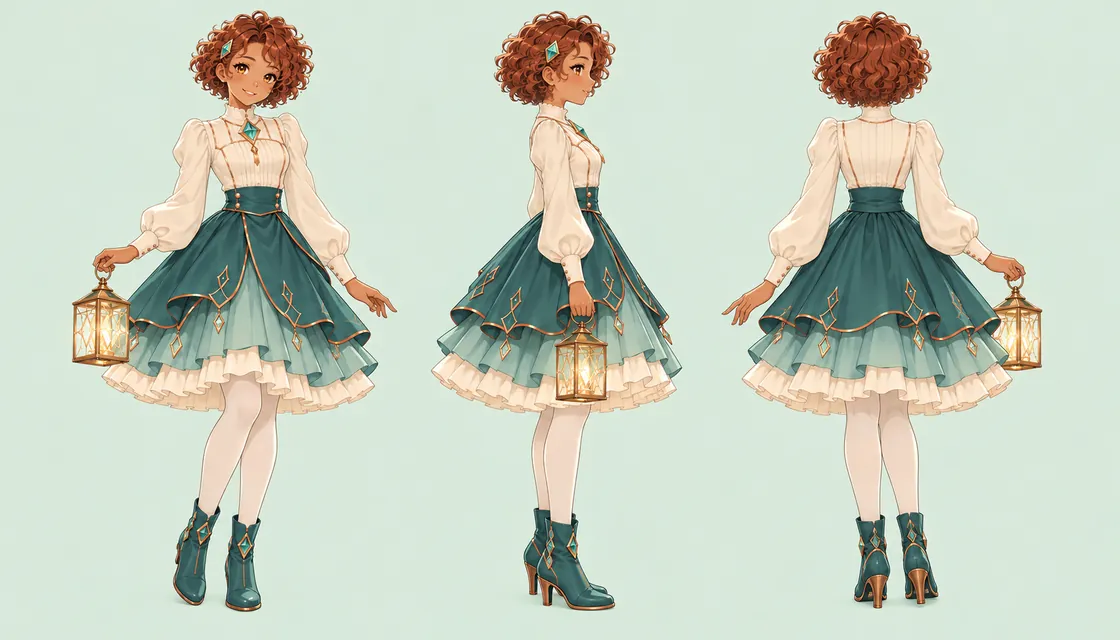
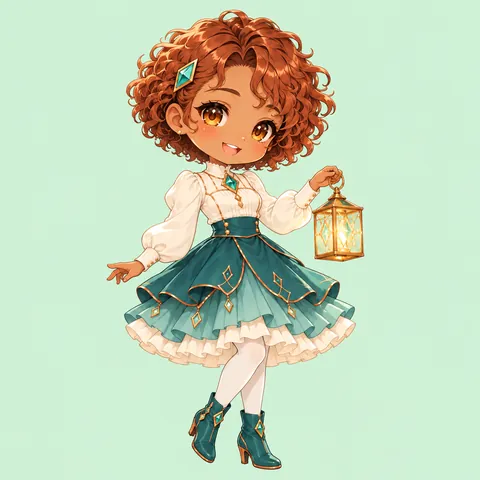
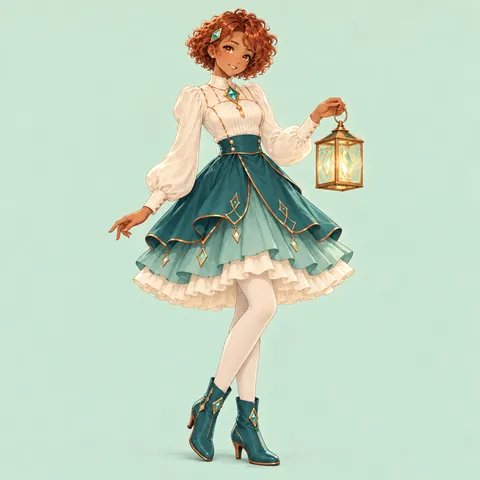
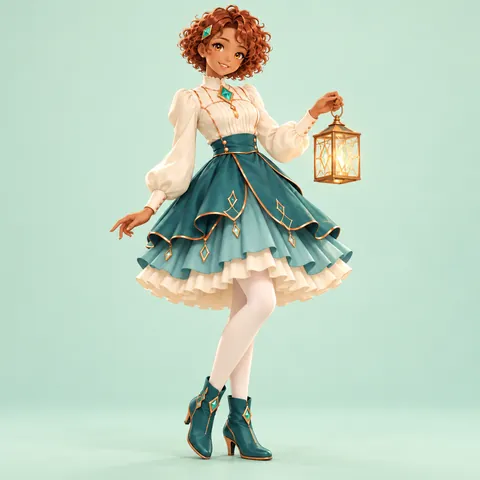
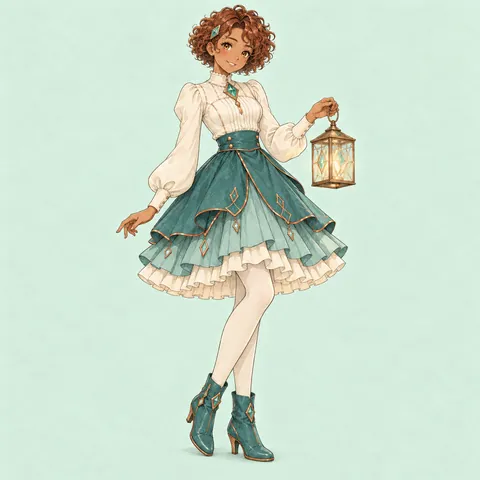
Copper Conservatory keeps her copper curls, warm brown skin, teal skirt, ivory sleeves, kite brooch, and square lantern across every style. Compare the shape of her clothes and the placement of the accessory before comparing texture. Chibi changes the proportions, while the painted and 3D versions change the materials; neither needs a new identity. The sheet gives a front, side, and back view for planning the layered skirt.
Know the rules
A genre is a collection of possibilities, not a single canon. Transformation objects, friendship, ordinary responsibilities, and themed costumes are familiar building blocks, but no universal rule demands a particular skirt, mascot, or team size. The six themes below are design suggestions. Build a consistent relationship between what a heroine wants, what her power does, and what it cannot repair.
Sources: Magical girl genre history and transformation conventions; Sailor fuku: one franchise-specific costume tradition
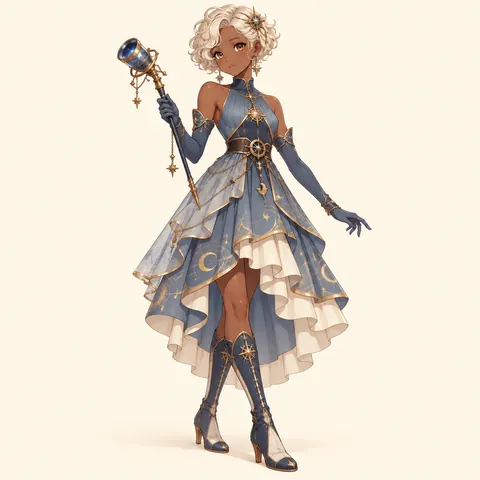
Celestial magic can mean navigation, distance, changing light, or the comfort of a familiar night sky. Choose one of those meanings before adding stars to every accessory. A telescope-shaped wand and measured seam lines suggest observation; a broad cape suggests shelter. Your heroine can care about astronomy without borrowing a Sailor Guardian name or uniform. If the story actually belongs to Sailor Moon, use the sibling creator so the celestial body, fuku, and team follow that specific system. Here, a private mythology or an invented sky is equally welcome.
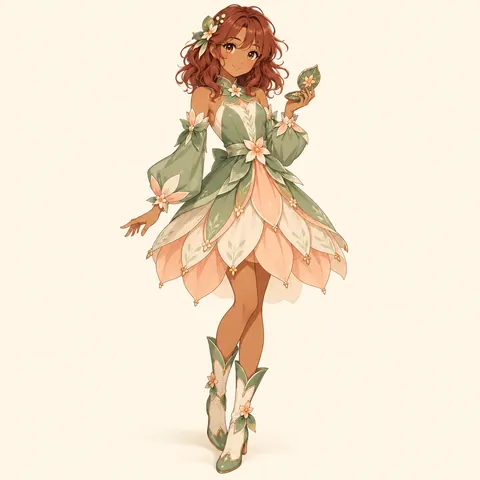
Floral heroines work well when their magic follows an observable process. Buds open, stems support weight, leaves catch light, and gardens need maintenance. Let one process guide both the outfit and the ability. Petal layers can create a skirt silhouette without copying a familiar flower heroine. A compact shaped like a folded leaf makes a different transformation object from a canonical heart brooch. Give the character a reason to protect an ordinary place, and let someone else be better at another kind of care.
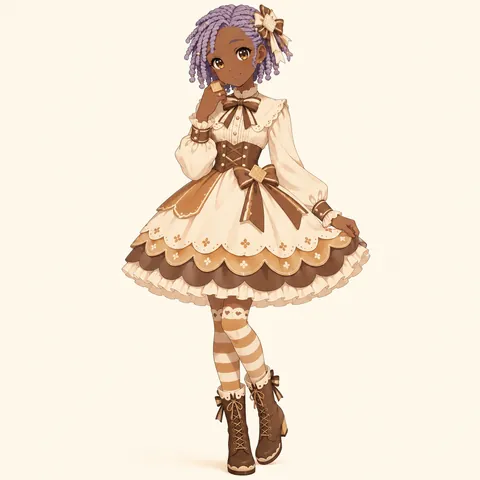
Sweets magic becomes clearer when you choose a texture rather than every dessert at once. Wafer suggests light panels, caramel suggests warm gloss, and sugar threads suggest delicate ties. Translate those into fabric, seams, and a prop that the heroine can comfortably carry. Do not cover the body in food or use a costume that feels impractical. A warm caramel palette can belong to a serious, thoughtful character. The contrast between cheerful presentation and a firm personal boundary often creates a better scene than endless enthusiasm.
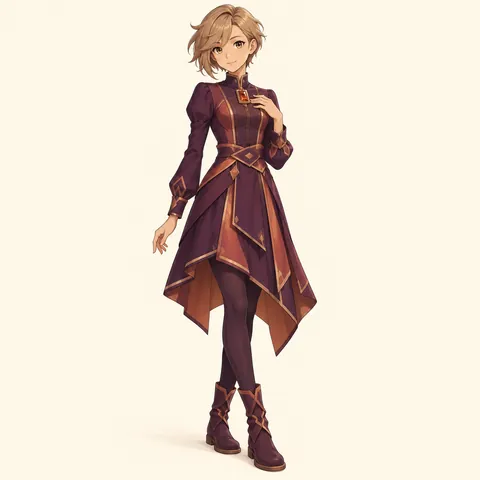
Gem themes offer angular seams, restrained highlights, and a choice between polished and rough surfaces. Decide whether the power separates light, stores a small memory, or temporarily joins a broken edge. Those are different abilities, so avoid giving one heroine all of them by default. A rectangular brooch and an asymmetric skirt panel can establish the theme without a crown. For a darker magical girl style, use muted plum, visible repair seams, and difficult promises. Keep the tone thoughtful, teen-safe, and not scary.
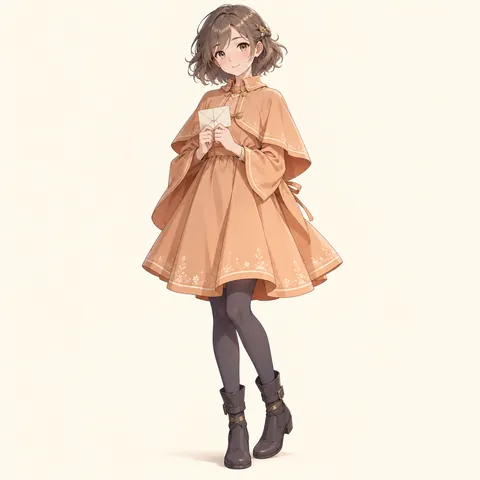
Weather is enormous, but a useful character power can be small. Redirect a puddle, calm the air around a fragile object, or provide a little shade. This makes teamwork necessary and leaves room for ordinary tools such as boots and umbrellas. Build the costume from cape panels, gathered cuffs, or raincoat closures instead of relying on a lightning symbol. A bright apricot team color still reads as weather when the silhouette and prop do the work. Write down what happens indoors, in dry air, or when concentration breaks.
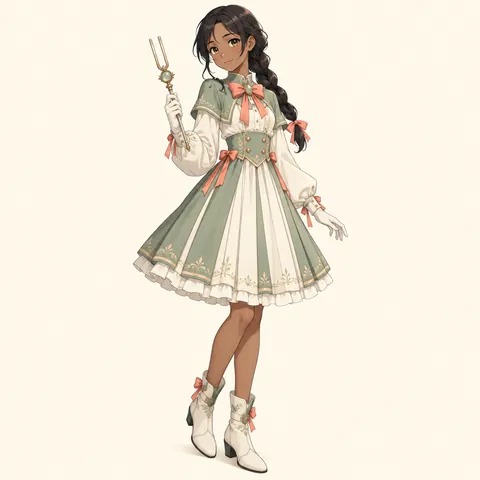
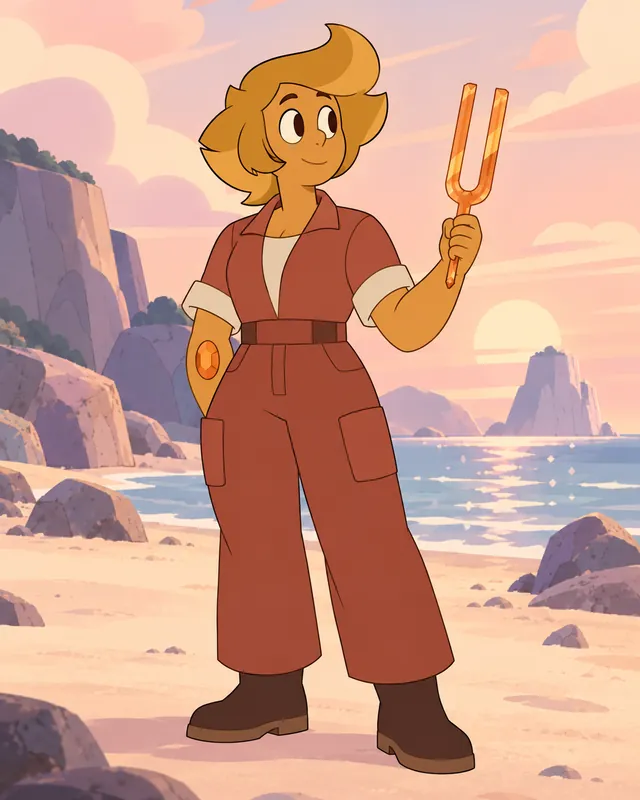
A music heroine needs more than a decorative instrument. Decide whether she listens, conducts, repairs, composes, or keeps the group in time. A tuning-fork wand can fit a resonance power without duplicating a famous idol costume. Carry the idea through pleats and ribbon spacing, and choose an attack name that is short enough to call aloud. Music can support a team without controlling their emotions. A character who learns to stop performing and hear a friend has a clear personal arc alongside the magical one.
Names and spells
The mixer builds stage names, not legal names. Give the same character a separate civilian identity in your notes. A useful title points toward a job or a texture: Copper Conservatory suggests shelter and cultivation, while a loud battle title would promise something different. Read a name aloud before keeping it, and search it before publishing; an unfamiliar combination here is not a guarantee that nobody else has used it.
material or mood + place or craft
Pick a starting spell, then add its cost or limit.
Guide
Work from an everyday problem toward the spectacular part. A transformation feels more satisfying when the viewer understands what the character is trying to protect. These five passes turn an appealing costume into a heroine who can carry a scene, a friendship, and a difficult choice.
Choose a school club, part-time responsibility, family routine, or hobby that competes with magical duties. Then write a small desire that does not require saving the world: arriving on time, finishing a display, or apologizing to a friend. The civilian identity should remain recognizable after transformation. Keep one habit, such as careful listening or impatient planning, in both versions. A weakness is more useful when it affects a choice than when it is simply written as a label.
Pick a theme tile, then select a brooch, compact, wand, ring, card, or another clearly described transformation item. Outline the sequence in three beats: activate the object, form the costume, and complete a recognizable gesture. Clothing stays modest throughout the visual brief. Use the same shape in the object and a signature accessory, but let the outfit remain readable at thumbnail size. A complicated sequence is optional; a simple one can be remembered and repeated.
Describe the bodice neckline, skirt length and layers, gloves, boots, ribbon placement, and one signature accessory. Choose a team color first and a supporting accent second. Give important details room to breathe instead of adding a symbol to every surface. Skirts should reach at least mid-thigh, with longer hems welcome. Test the silhouette in a small sketch: the transformation item and main skirt shape should still be distinguishable without reading a caption.
For the classic team-of-five approach, assign five complementary jobs such as navigation, shelter, repair, communication, and distraction. Give each member a different team color and a different response to disagreement. A mascot companion can explain a rule or misunderstand an ordinary task, but should not solve every conflict. For a solo story, create relationships outside the magical system so the heroine still has someone to disappoint, learn from, and trust.
Write an attack or spell name, its effect, its range, and one limitation. Place the heroine somewhere that makes the limitation matter, such as a noisy rehearsal room for concentration magic. Try an idea card, reroll a name, and edit the fields before requesting artwork. Compare alternate styles using the same identity notes. Save a reference sheet once the costume is settled, and record any detail that an image gets wrong so the next revision has a specific goal.
Other fandoms
Tools
FAQ







Sign up for 10 bonus credits and make your first OC free.