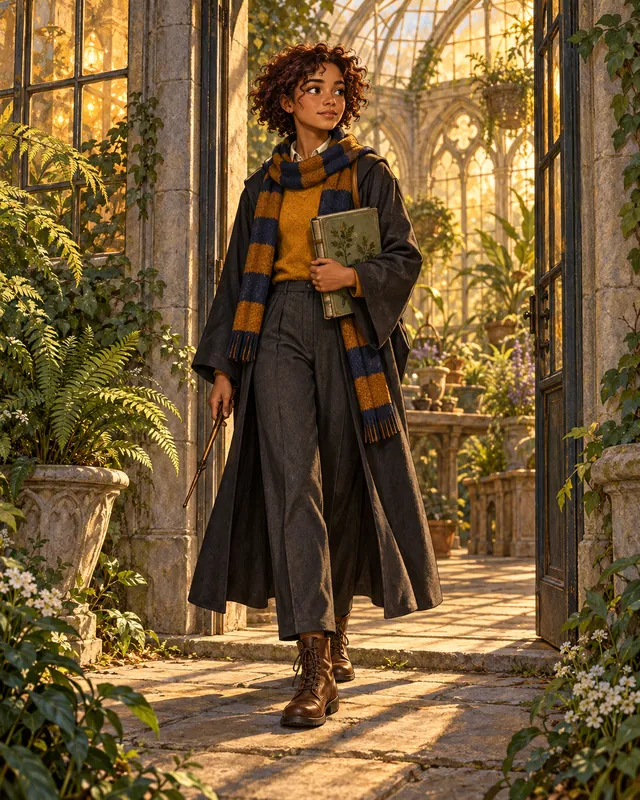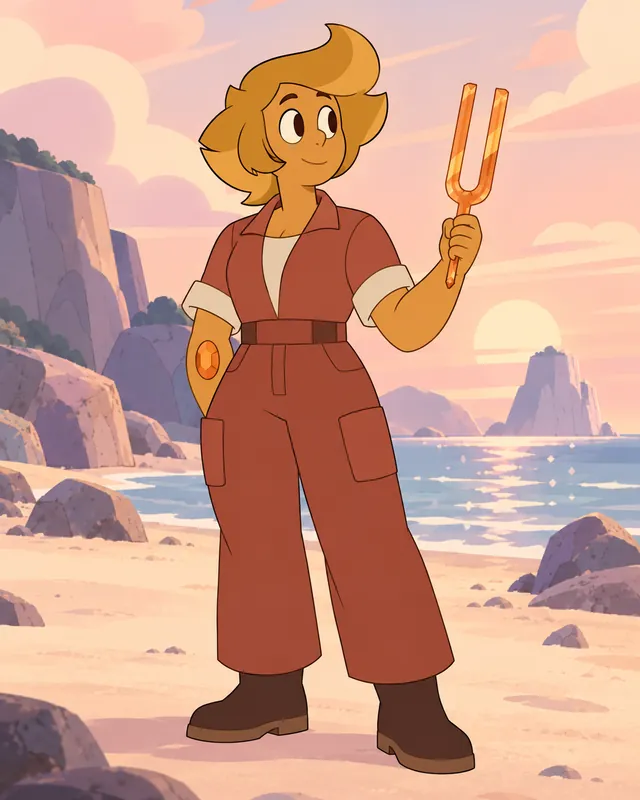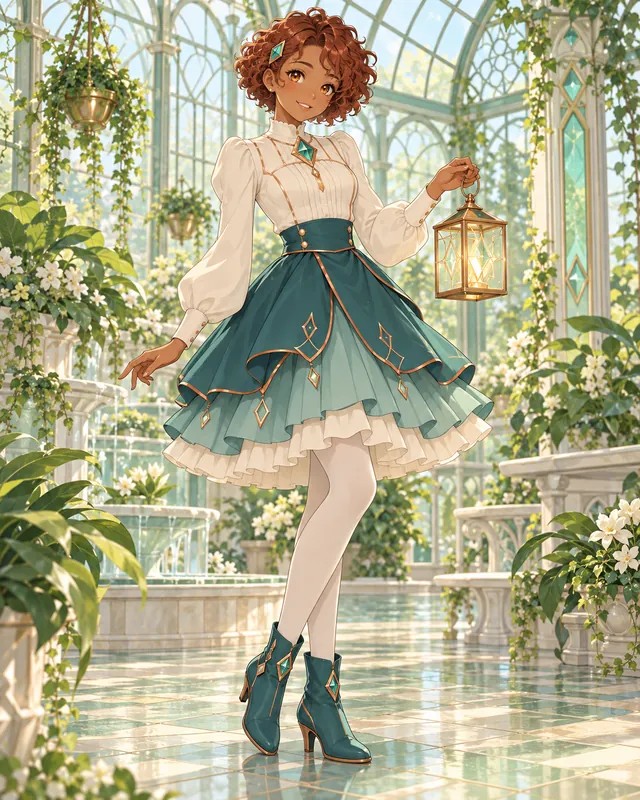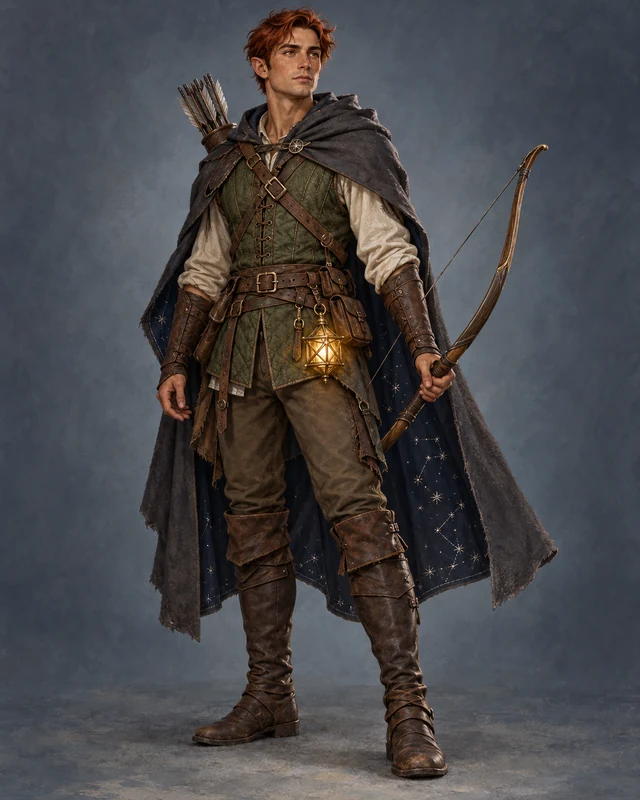
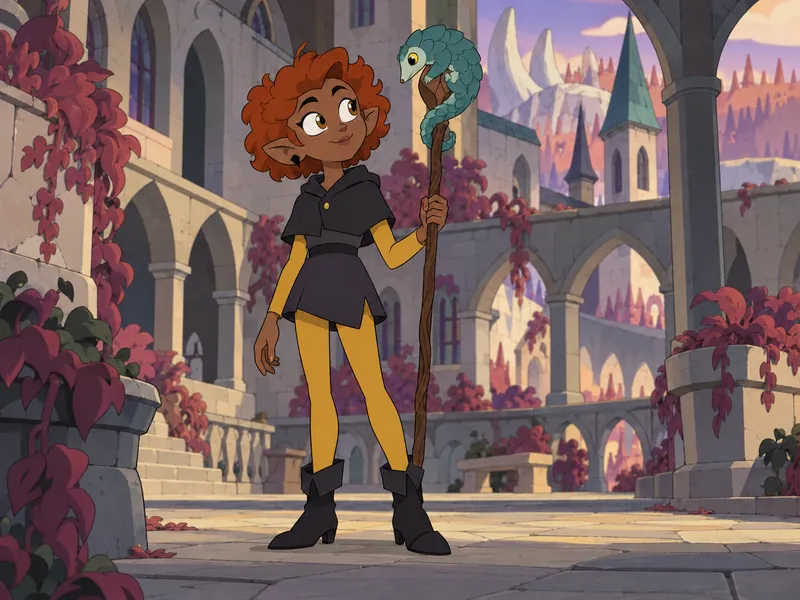
Tamsin Brackenlock
Potions- Measures twice before pouring
- A pangolin who waits patiently
- Wants a quiet laboratory corner
This Owl House OC creator pairs your witch, demon or human with a school track, original palisman and carved staff. Build a TOH OC from a complete idea, or choose each detail yourself. Start with the magic, then give your Boiling Isles character a name and a reason to explore.
Ideas
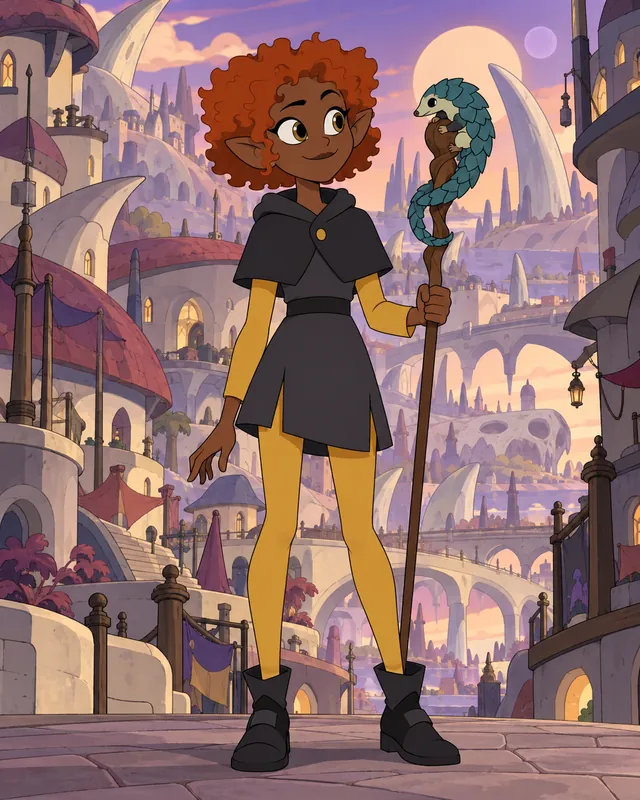
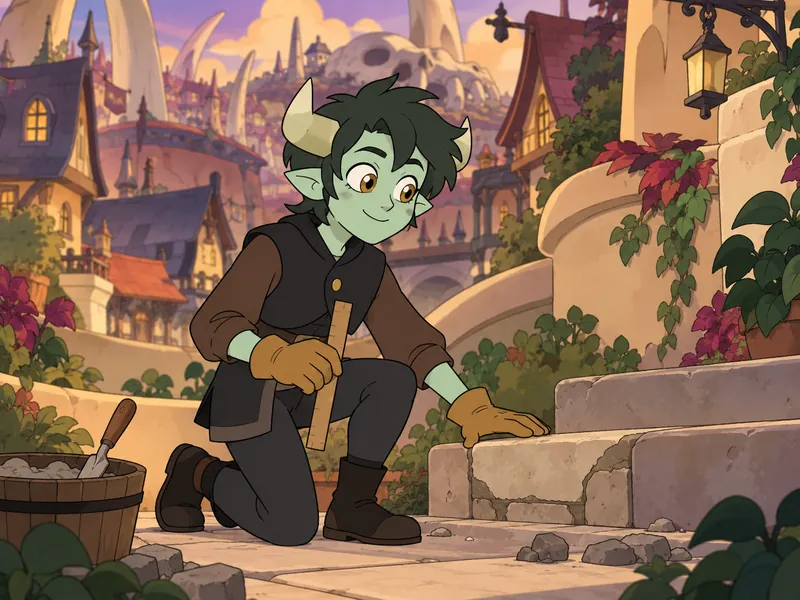
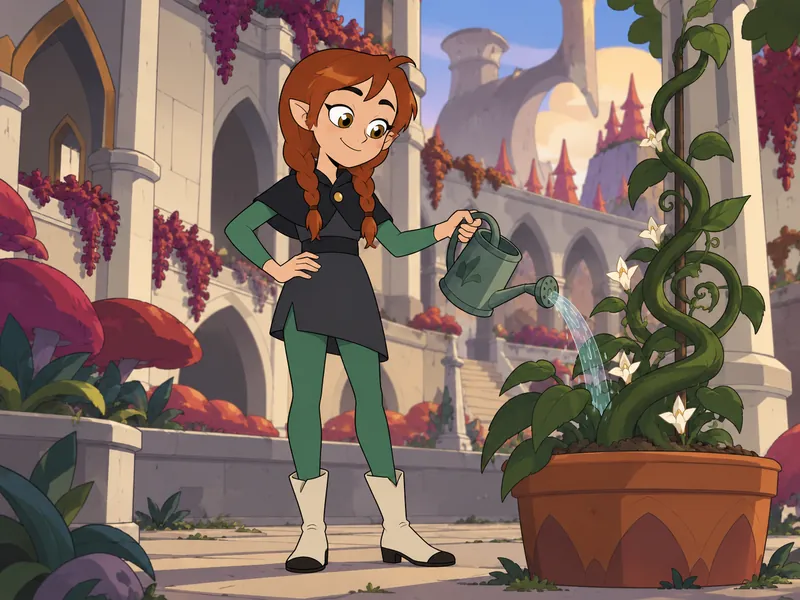
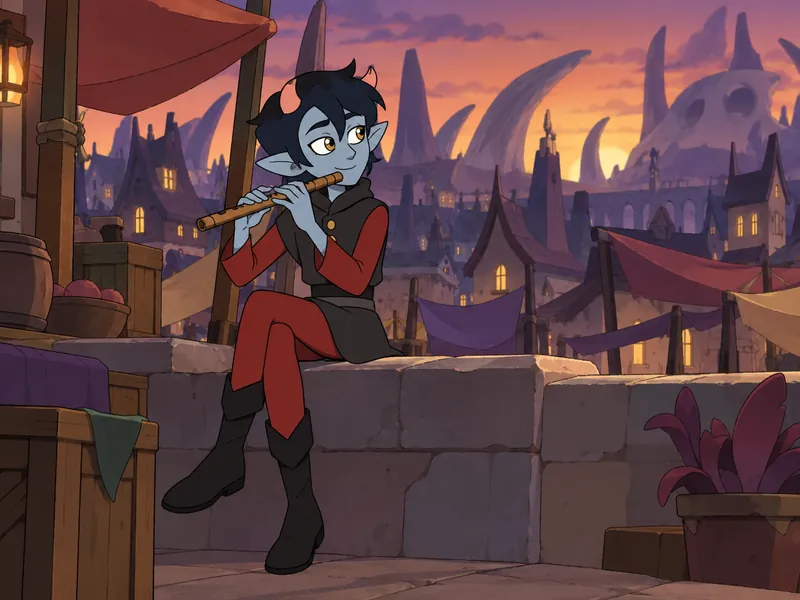
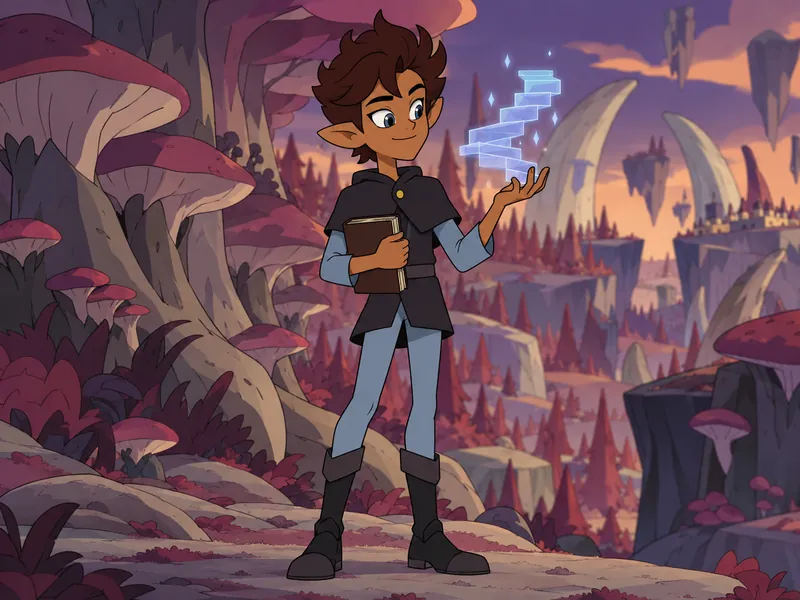
These original students and neighbors each begin with a small problem worth solving. Load a card to bring its species, study choices and palisman into the maker, then change the detail that feels least like you. A familiar school uniform can hold a very different person: the nervous performer, the careful observer or the student who finally asks for help. All illustrated school characters are teens, and every palisman here is an original fan design.
Know the rules
A convincing The Owl House OC starts by separating biology, education and politics. A witch is not a coven, a school track is not a permanent brand, and a palisman is not merely a decorated wand. Choose a point in the story before deciding how restrictive the world is. The notes below distinguish established lore from the original design choices offered by this page, so your character can fit the setting without inheriting every exceptional power in it.
Sources: Coven system and its history; Hexside school and tracks; Glyph magic
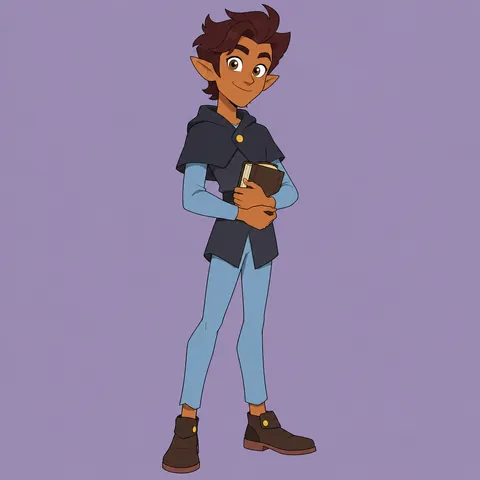
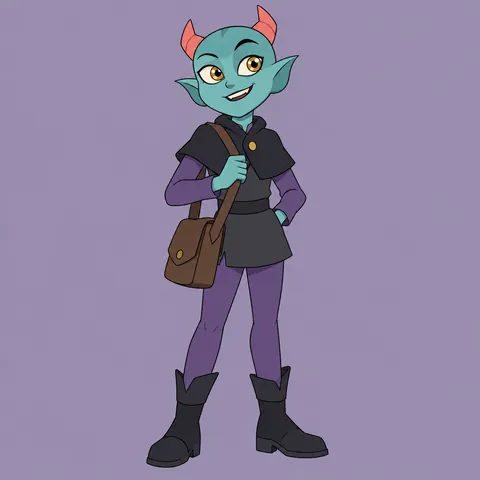
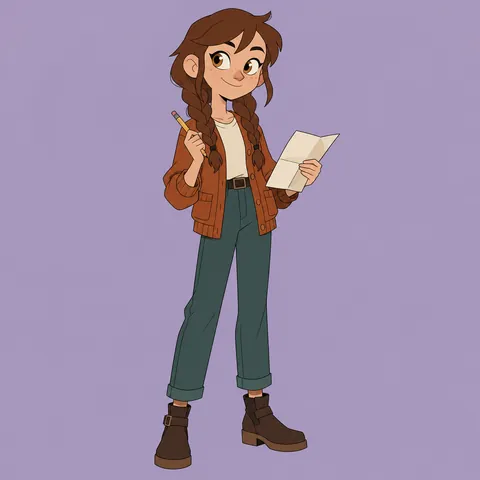
Witches and many biped demons can cast through their own magical biology; an ordinary human does not acquire that ability simply by arriving on the Isles. Demons are broadly described as Bug, Biped and Beast, with considerable visual variety inside those categories. The extra silhouette chips are design variations, not twelve newly invented canon species. Start with ears, face shape and body proportions, then decide what the character has actually learned. A human visitor with a notebook can contribute without being a hidden Titan or a copy of the main character.
Abomination, Bard, Beast Keeping, Construction, Healing, Illusion, Oracle, Potions and Plant are the nine main magic covens. The Emperor's Coven occupies a special position and is also included in the affiliation picker. The picker also includes the named secondary interest covens documented by the wiki, plus the informal Bad Girl Coven. These are separate from the main nine branches; Pickup is a partially visible name, and joke references such as Grumpy are not confirmed institutions. Under Belos, coven binding restricts magic; the later world changes that political structure. An unaffiliated student and a former member are therefore meaningful options. This maker does not reproduce official coven sigils on clothing or skin.
Hexside teaches the same nine main branches of magic, and uniform sleeve and leg colors indicate study tracks. The picker includes all nine, along with Detention, a multitrack option and a choice for characters outside the school. Detention is a school placement, not a tenth normal academic discipline. Multitrack study becomes possible in the series, so explain when your student attends. Combining Plant and Potions to grow ingredients is more readable than listing every subject without a project. Keep students teen-aged, and use original clothing details without the school crest.
Palismen are living magical companions associated with carved palistrom wood and a bond with their partners. They can perch on staffs, move independently and express preferences. Choose a form because it connects to a desire, not because a species automatically grants a canon power. A pangolin might encourage patience in your fan story; that is a personal interpretation. The palisman picker offers sixteen original animal directions, and the separate staff choices keep the perch and grip intentional. Write whether the character carved, adopted or hopes to meet the companion instead of treating every bond as identical.
The original four basic glyphs are light, ice, plant and fire. Their combinations can produce further effects, but a new doodle is not automatically a canon fifth element. The old glyphs draw on the Boiling Isles Titan's power and cease working after his final passing. A later glyph system begins with King; do not quietly transfer every old spell into it. For a post-finale human character, historical notes, ordinary tools or a palisman can make a clearer starting point. Describe which rules belong to your alternate universe if you deliberately change that history.
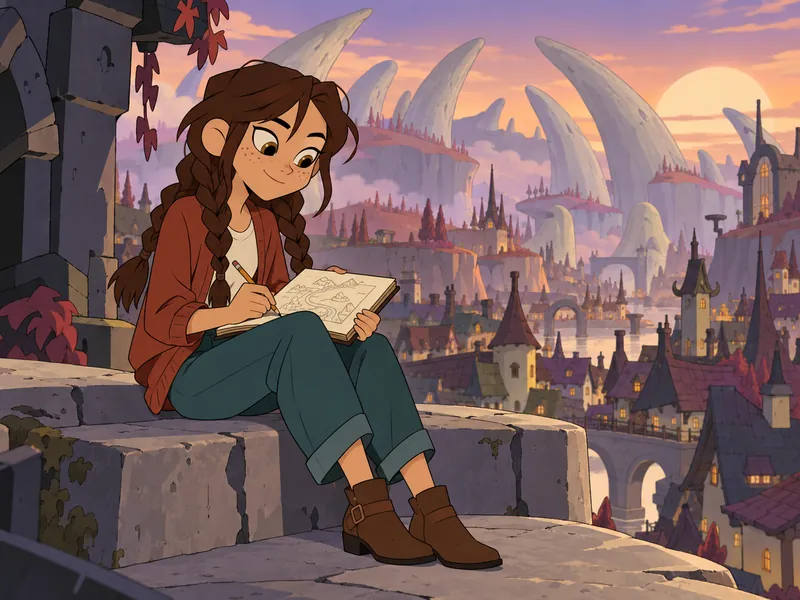
The Boiling Isles formed around the remains of a Titan, which gives the landscape its enormous skeletal landmarks and unusual geography. A rooftop, school corridor or market stall can communicate that setting without placing your character beside a famous cast member. Choose a routine that makes the place feel inhabited: returning library books, testing a bridge model or rehearsing before neighbors wake up. Give magic a limit that affects that routine. Concentration, practice time and access to materials create useful story choices without making the character helpless or secretly stronger than everyone else.
Names and palismen
The series mixes everyday given names with evocative surnames, such as Eda Clawthorne or Willow Park, and also uses short individual names for some demons. There is no mandatory witch-name formula. This local mixer follows the first-name and invented-surname approach without borrowing a canon family name. Use a single name for a demon if that suits your story. The bond cards add a desire or habit to the palisman field; they are original prompts, not a list of canonical animal powers.
Given name + original evocative surname
A companion helps a person grow, not just cast harder.
Guide
Start with a life you can describe in a few sentences, then use the maker to turn it into a clear reference. A character who wants a quiet place to practice already has a reason to explore the school, meet neighbors and make mistakes. These five steps keep the design, the magic and the timeline working together. You can return to any step after seeing the first image; revision is part of character design.
Write whether the story happens during Belos' rule, after multitrack study begins or after the finale. That choice changes what coven membership means and whether the old Titan glyphs still work. A former coven member can retain habits learned under a restrictive system while building a different life. A student may be deciding what to study without already carrying an adult affiliation. Put this context in the description when it matters to the art, and keep longer history in your own notes. You do not need a secret connection to the Titan to give an ordinary neighbor a worthwhile story.
Choose species, hair or horn shape, a simple outfit and one main prop. The Owl House uses expressive faces and clear shapes, so a clean profile often communicates more than a cloud of magical particles. Keep pointed witch ears distinct from round human ears, and do not give every demon the same skull-like face. For a Hexside student, choose the study track and make its uniform colors readable. Use an original haircut, bag and posture instead of rebuilding a familiar student with a different name. Check that hands and feet remain visible in a neutral full-body reference.
Choose an animal from the palisman field, then choose a staff shape that gives it somewhere plausible to perch. A curled pangolin can wrap around a straight tip; a manta ray needs a flatter resting surface. Write one sentence about the bond: the student wants to become more patient, learn to ask for help or make a safe place for newcomers. Give the companion a preference of its own rather than making it a silent accessory. If you imagine an adoption rather than carving a new palisman, record that choice in the backstory. Keep the design distinct from the cast companions.
A school project brings the magic into focus. An Illusion student might build a small practice theater; a Construction student could repair a garden step; a human visitor might map a confusing route using ordinary tools. Give the project a constraint such as limited materials, a short rehearsal window or a skill the character has not mastered. Let friends help in your written story without crowding the first reference image with extra people. The idea cards provide starting points, but changing the goal is often more useful than adding a second rare ability. Keep mistakes kind, specific and reversible.
Review every selected field before requesting an image. Confirm the species, track, palisman form and staff agree with the description. After generation, inspect the ears, hands, sleeve colors and palisman attachment, then remove any accidental insignia or resemblance to a canon outfit. Record what the image got right and what needs correcting so a later version stays consistent. AI art can explore a design but does not establish canon or guarantee exact continuity between views. Keep a short written sheet alongside the picture, especially if you intend to ask another artist to draw your character.
Other fandoms
Tools
FAQ


Sign up for 10 bonus credits and make your first OC free.