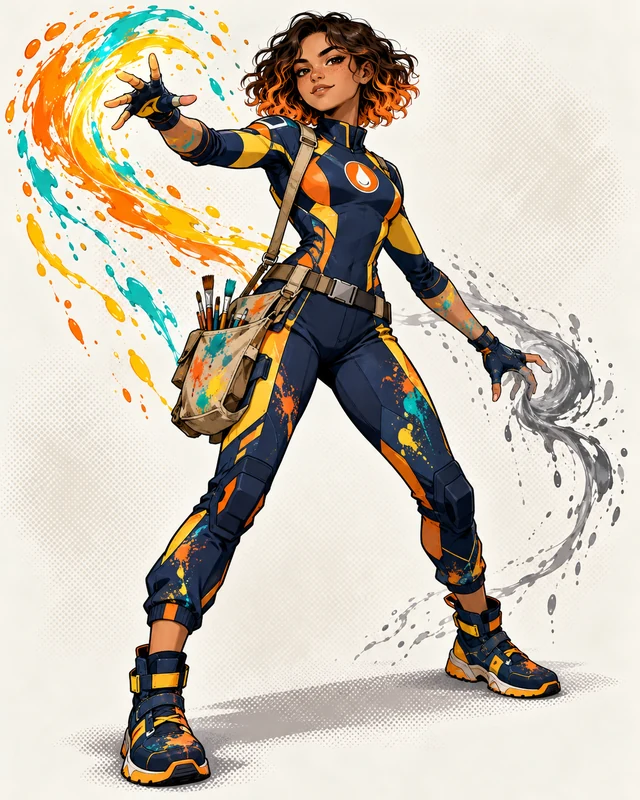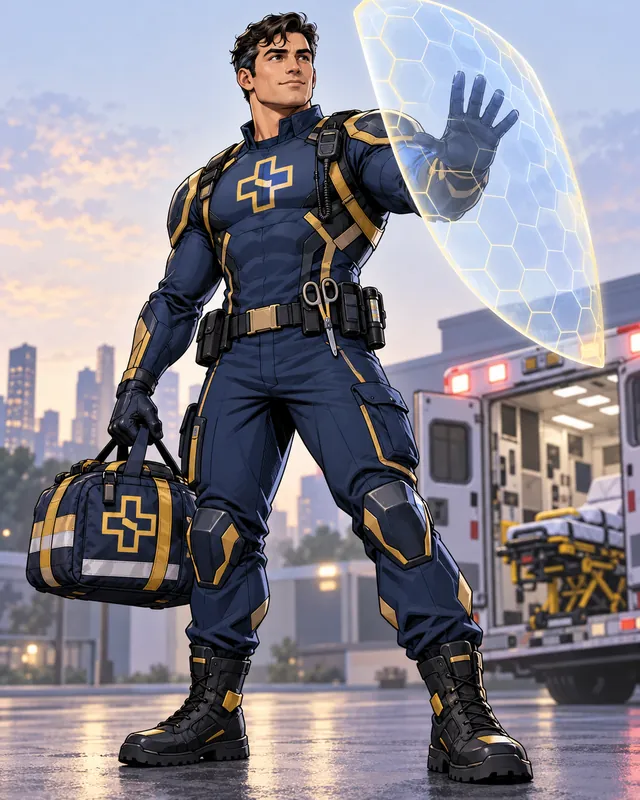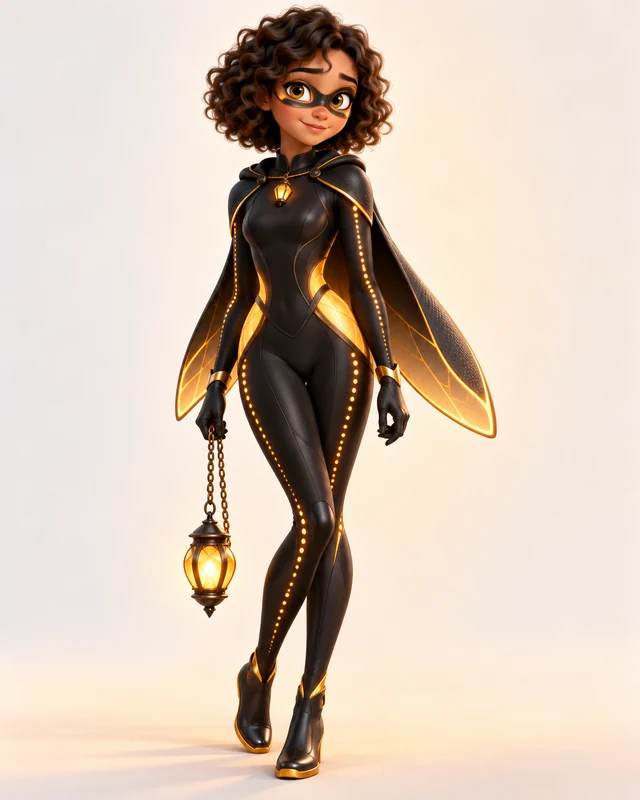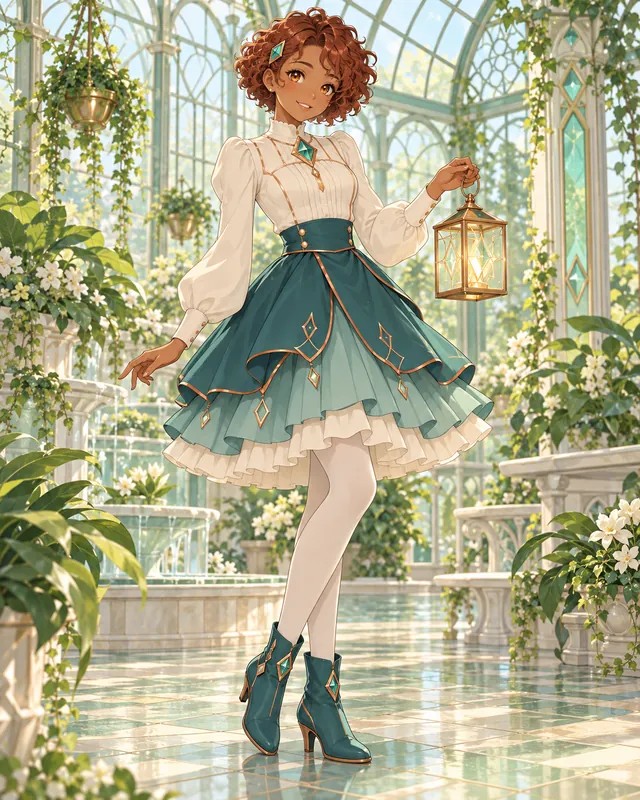
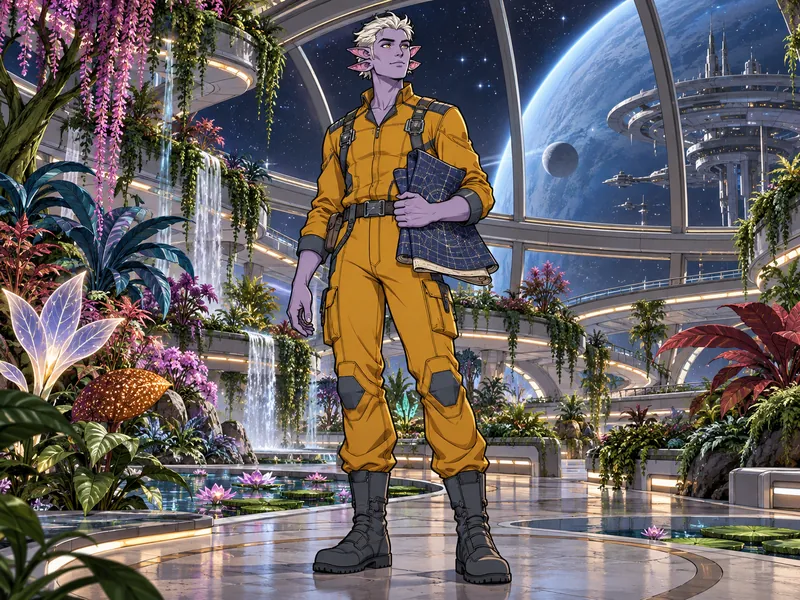
Serein Atlas
Alien- Maps local gravity
- Gets lost in crowds
- Keeps a cloth atlas
Build a dc oc with an origin, a home city and a weakness that matters. This dc oc creator turns your civilian identity, power and original costume into character art. Try Surprise me, mix an alias, or load a complete idea below. Heroes, villains and antiheroes all need a life off duty.
Ideas
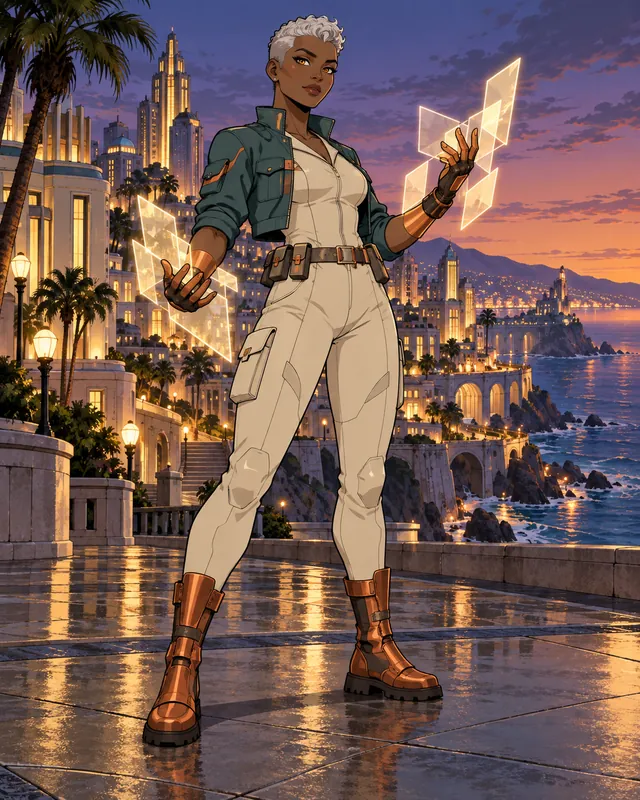
Choose a starting point, then change the part that gives you a story. These dc comics oc concepts cover different sources of power without treating every person as an unstoppable cosmic fighter. Read the small limitation before clicking Use this idea: it is the hinge of the character, not a footnote. The picture supplies a silhouette and palette, while the loaded brief supplies a useful action and a clear obstacle. Give the character a new relationship, a neighborhood responsibility or a bad decision to make the draft yours.
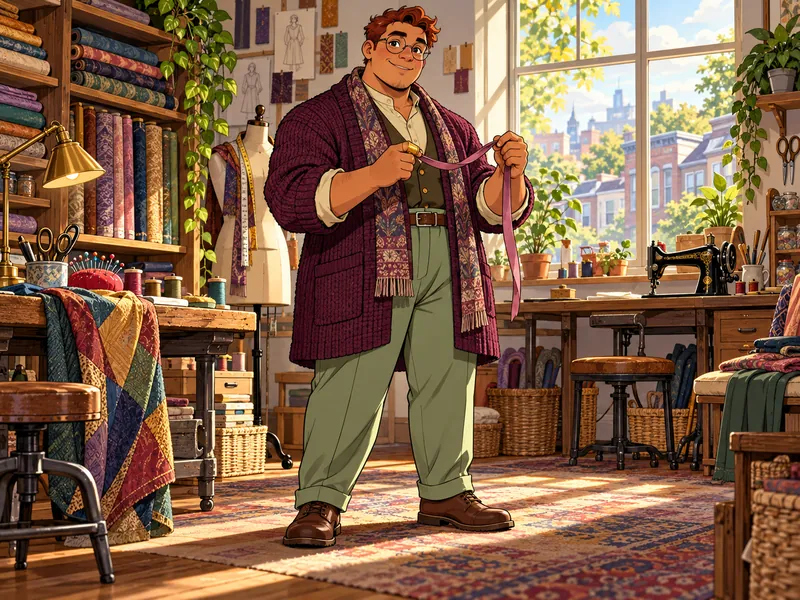
Art styles
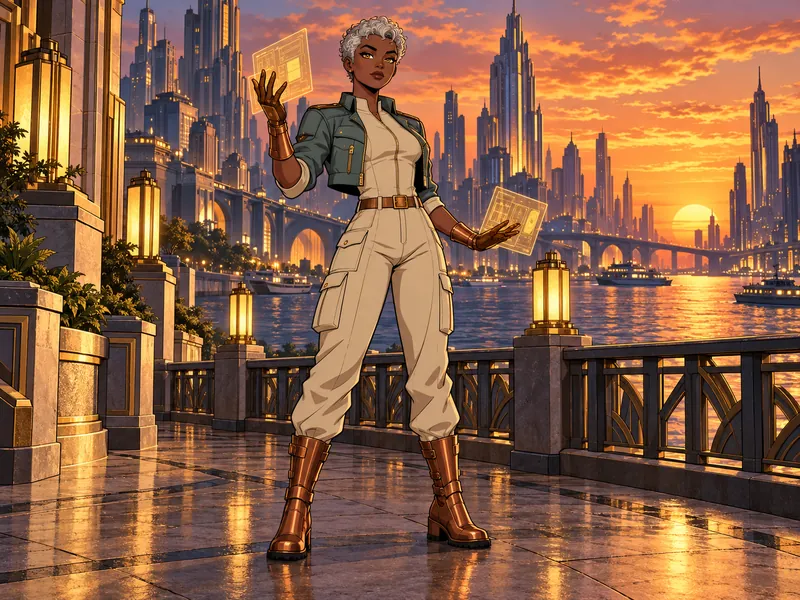
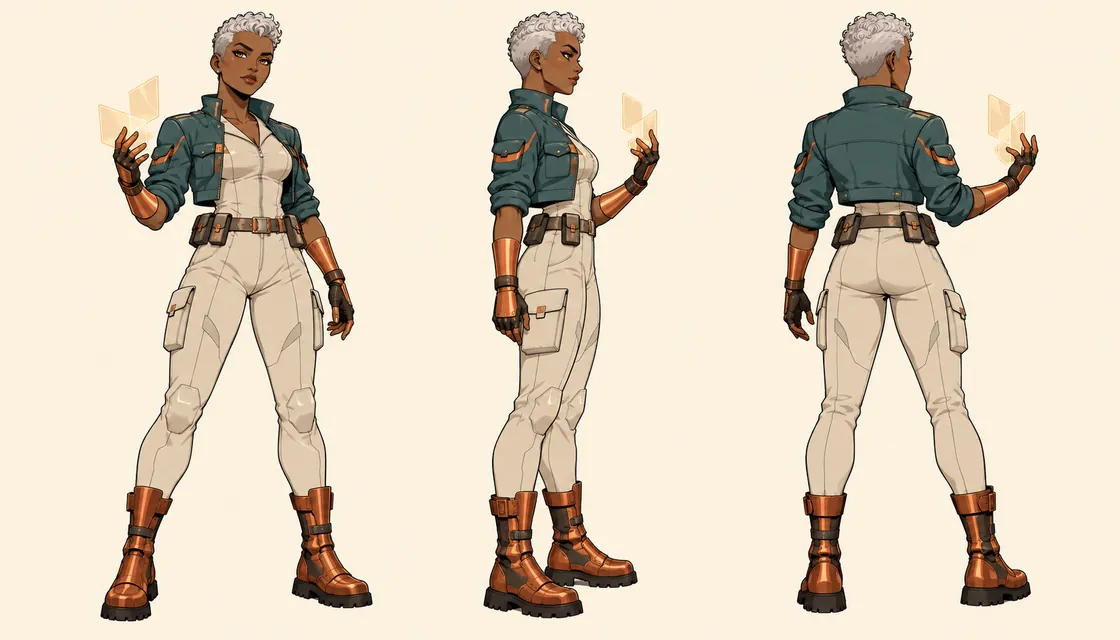
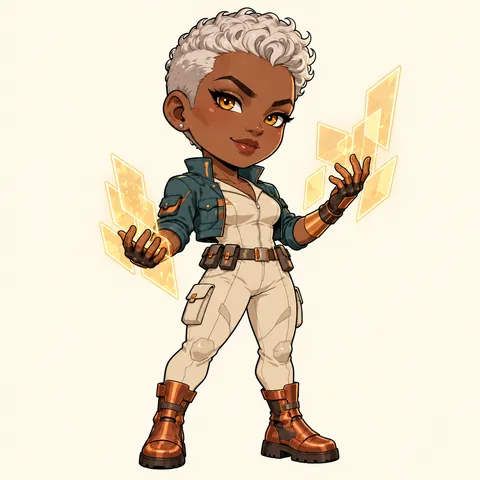
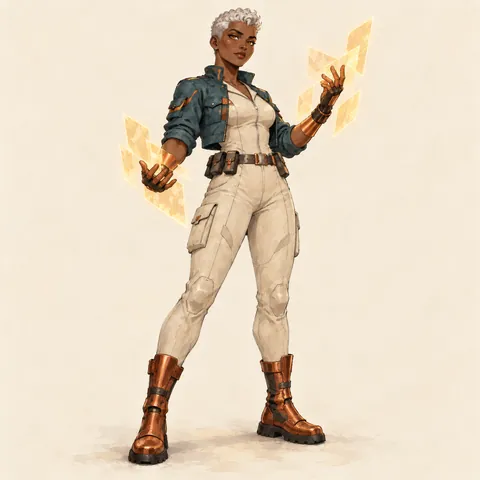
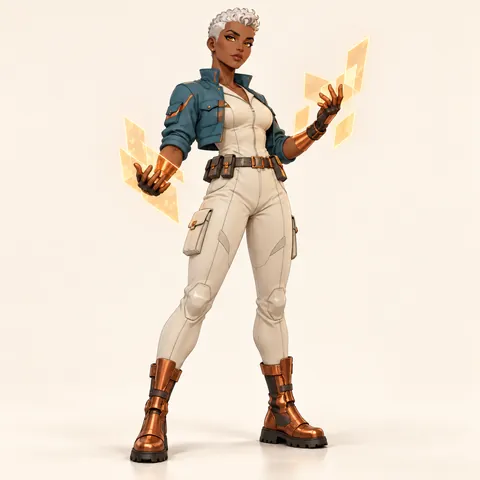
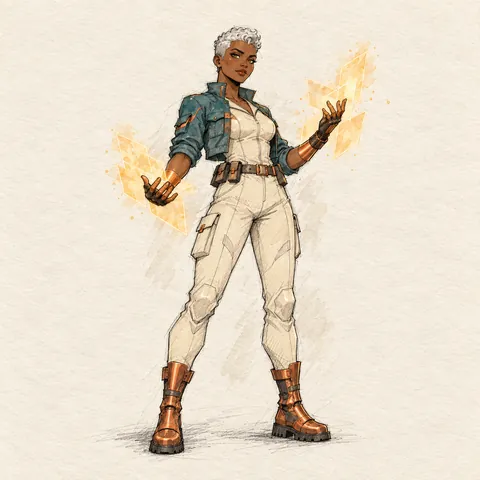
Lattice Ferry keeps the same silver curls, deep brown skin, cream jumpsuit, teal jacket and copper boots across these studies. Compare the face and clothing structure before choosing a rendering style. The animated comic version is this page's home look; chibi reduces the proportions, the painted study softens the lighting, and the sketch emphasizes construction. A reference sheet should preserve the same costume from front, side and back. Changing the art style should not silently replace the civilian identity or invent a second hero.
Know the rules
DC has many continuities, so treat these as design routes rather than a single universal rulebook. The six origin cards are choices on this page, not an official count of every possible power source. A team connection is a writing prompt, not a claim that your character appears in a published roster. Keep city, era and continuity in your private notes. If two sources disagree, choose the version you are writing instead of combining every advantage from every adaptation.
Sources: DC Database: universe and origins; DC Database: emotional spectrum; DC Universe Online character creation manual
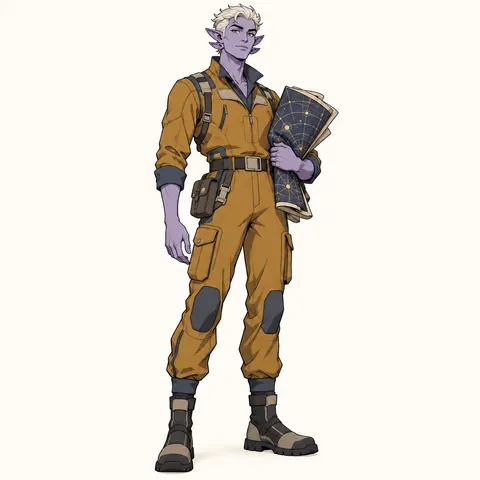
An extraterrestrial origin asks what is ordinary at home and difficult on Earth. Start with one bodily difference, one practical adaptation and one social misunderstanding. Serein's four small ears and gravity sense read differently from a familiar caped Kryptonian. Their overalls look like working clothes rather than a royal uniform. For your own draft, decide whether the ability is common to their species or unusual even there. Avoid inventing a whole species merely to justify every power you want. A visitor who can chart an orbit but cannot read a crowded bus stop already has a scene worth writing.
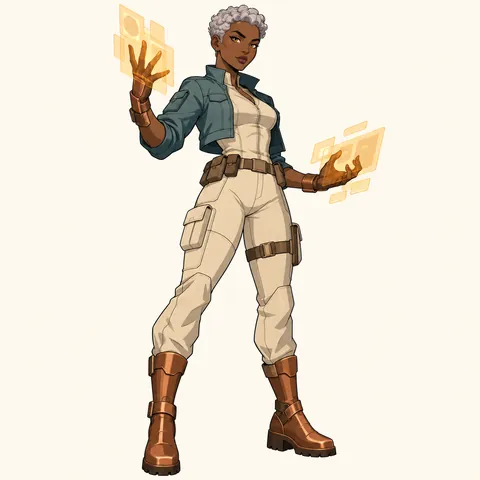
Metahuman is associated with the metagene in DC stories, although the word is also used more broadly in some contexts. You do not need to settle that terminology across every continuity to write a readable character. Pick one core effect and show how practice changes its use. Lattice Ferry builds short platforms from existing streetlight; the same trick can support a rescue, reach a window or expose her location. Darkness and limited load give other people a reason to help. Do not add healing, flight and telepathy merely because a difficult scene needs an easy exit.
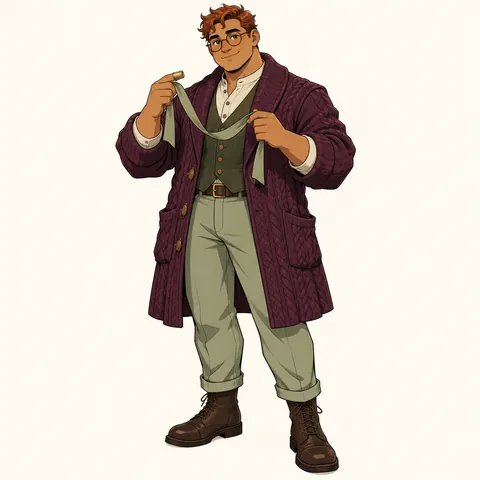
A magical character becomes easier to picture when the magic has a material, a motion and a stopping condition. Orin works with cloth and knots, not a copied stage outfit or a familiar backward-spoken routine. Choose what must be prepared before a spell can happen and what an interruption means. An original tailor, ceramic restorer or street archivist can belong in a supernatural story without dressing like its famous cast. A Justice League Dark connection can be a contact, a disputed favor or a request for advice. Write the local problem first; the team name should not do all the characterization.
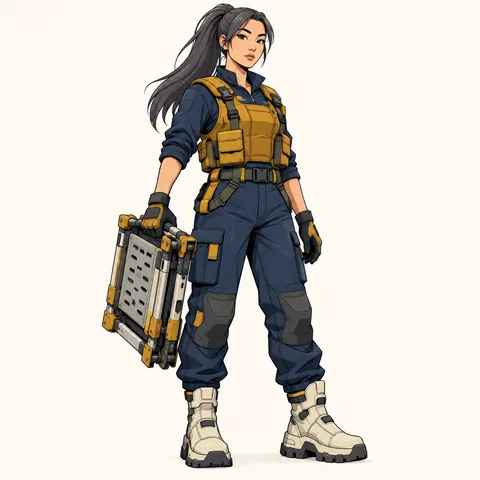
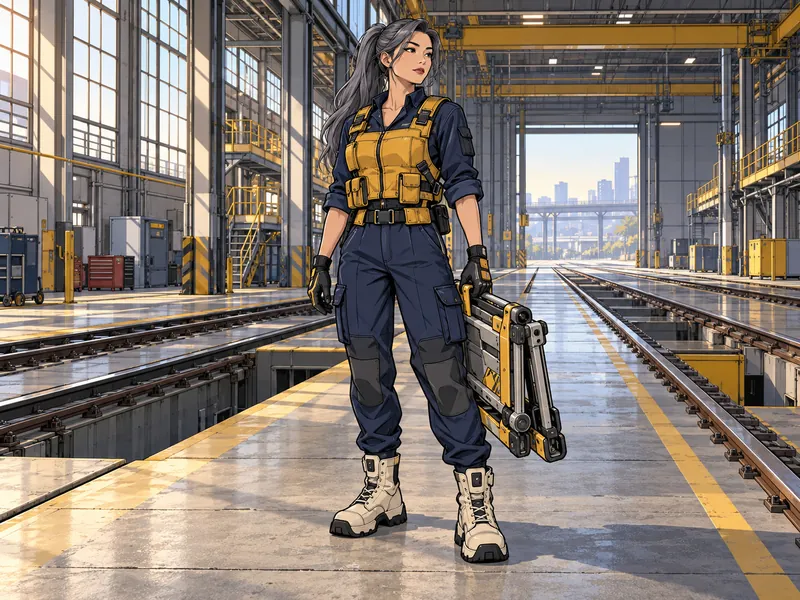
A technology-based dc character maker brief should describe the tool and its failure mode in ordinary words. Is it heavy, slow to charge, awkward indoors or impossible to repair away from the workshop? Tamsin's bridge needs stable anchors, so speed alone cannot solve every rescue. Draw external equipment that a reader can understand rather than a glowing chest device associated with another franchise. Let the civilian job explain how the inventor learned the craft. An excellent mechanic can still misjudge people, miss an inspection or lose access to materials. Those limits keep technical skill from becoming a substitute for a personality.
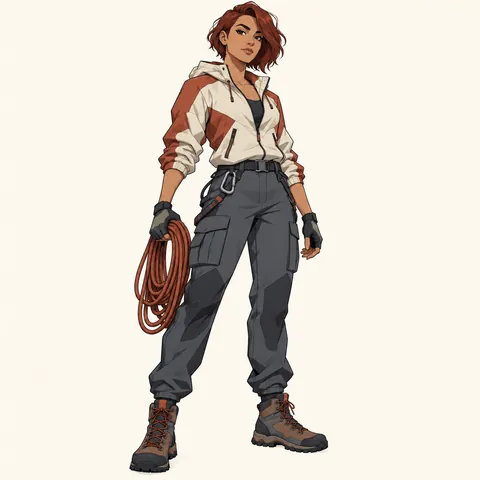
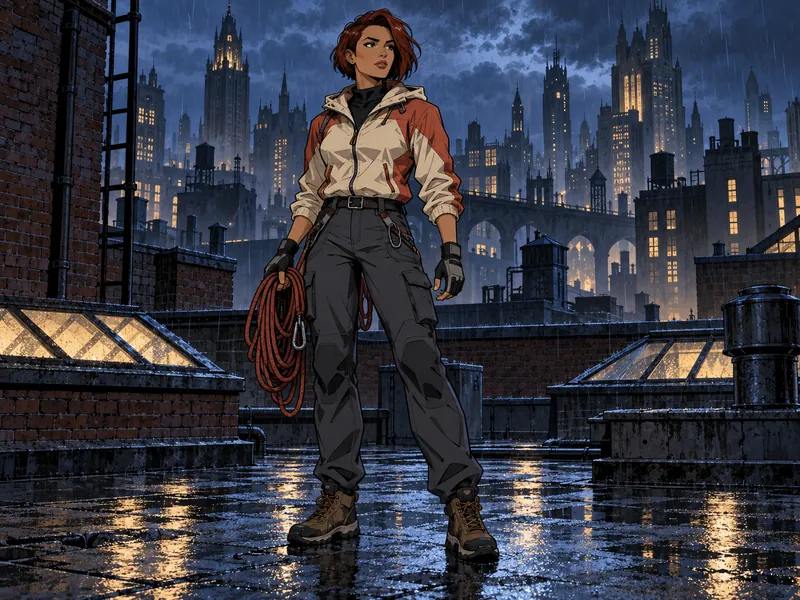
A trained human depends on preparation, contacts and recoverable mistakes. Veda's building surveys make rooftop travel plausible, but she still needs rope, safe anchors and a way down. Use this route for a batman oc creator idea that belongs in Gotham without becoming another member of the Bat Family. Remove pointed cowls, bat-shaped capes, familiar chest silhouettes and copied sidekick palettes. Pick a civilian trade that changes what the character notices. A safety inspector may spot a dangerous stairwell before a detective does, yet need that detective's help with a witness. Competence is most interesting when it has a boundary.
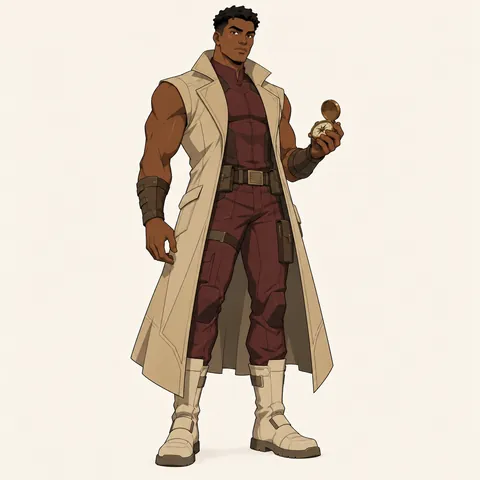
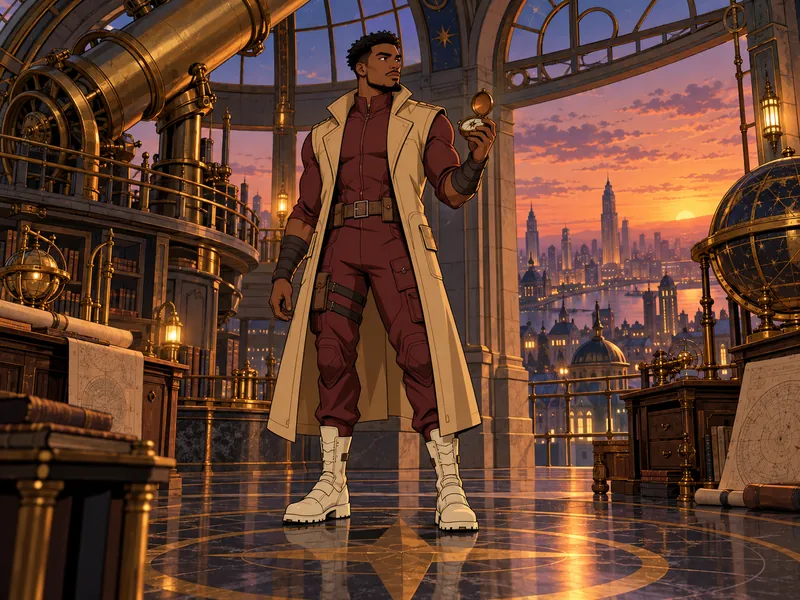
A legacy mantle is a relationship to a predecessor, not a separate biological source of power. It can overlap magic, technology or training. This page gives it a tile because inheritance changes the brief: who wore the identity, what promise remains, and what does the successor refuse to repeat? Cairn Heir inherits an original family compass rather than a canon costume. Write an ordinary disagreement with the predecessor before adding a grand destiny. The old identity might be trusted in one neighborhood and disliked in another. A successor who changes a method while keeping a promise has room to become a distinct person.
Names and limits
Mix an unusual material or atmosphere word with a civic role. Click a result to place it in the name field, then choose a power-and-weakness hook beside it. This local mixer is free and needs no sign-up. It offers draft aliases, not a trademark search or a promise that nobody has ever used the phrase. Keep a separate civilian name in the generator: the contrast between a dramatic alias and a very ordinary work schedule is often more useful than a longer title. Search your final choice before publishing a character profile.
material or mood + civic role
Each hook fills the power-and-weakness field.
Guide
Treat the generator as a character brief you can revise. You do not need to fill every field before trying an idea, and clicking a selected choice again clears it. Start narrow, keep the most interesting contradiction, and change one part at a time. The goal is a recognizable person who can carry a scene, not a list of borrowed achievements.
Decide whether you want comics-inspired continuity, an animated fan setting or a personal alternate universe. To create a dcau character, remember that DCAU means DC Animated Universe, the connected animated continuity associated with shows such as Batman: The Animated Series and Justice League. A simplified angular costume can suit that visual language, but the art style alone does not make an invented event canon. Put your chosen era in Extra details if it affects clothing or technology. Keep the background quiet enough to read the silhouette, and avoid stacking several famous landmarks behind a character who has no reason to visit them.
Choose Gotham, Metropolis, Central City, Star City or Bludhaven as a setting, then name the place within the place: a repair depot, a harbor path, a workshop or an old apartment stairwell. Fill the civilian identity with a job, obligation or relationship rather than another heroic title. Consider who expects the character to come home on time. A dc comics character creator brief gets more specific when a missed rescue also means an unanswered call or an unfinished shift. City names give the draft context; they do not require the character to borrow the local hero's outfit or personal history.
Write a short sentence beginning with what the character can actually do. Follow it immediately with what stops the ability. A platform that needs reflected light is clearer than unlimited energy manipulation. For a villain, give the same practical treatment to a plan: what does success look like, what resource is missing, and who can say no? For an antihero, describe a disputed method instead of assuming the word means cruel. Keep ability, moral role and team affiliation separate so a change to one does not accidentally rewrite the entire character.
Use the names mixer to try several aliases, then pick a power hook or write your own. Look at the costume at thumbnail size. Distinct sleeves, a work jacket, boots or an unusual practical accessory can identify the person without an emblem. Avoid famous combinations even if each individual color is ordinary. A purple suit with green hair, red-and-black jester diamonds or a familiar bat outline will overwhelm your original backstory. Keep two main colors and one accent. Check that the same colors appear in the description and the generated result before saving a reference.
Surprise me works as a random dc character generator for original design combinations. It does not draw a random canon hero from a database. Review the selected origin, city and details after each roll, keep what works, and edit contradictions before requesting art. Use an idea card when you want a more coherent starting brief. Compare a full-body image with a portrait or reference sheet if the costume matters. The local planning tools are separate from image generation, whose credit and queue rules are explained below. Save the final text alongside the image so later revisions preserve the civilian life as well as the outfit.
Other fandoms
Tools
FAQ

Sign up for 10 bonus credits and make your first OC free.