
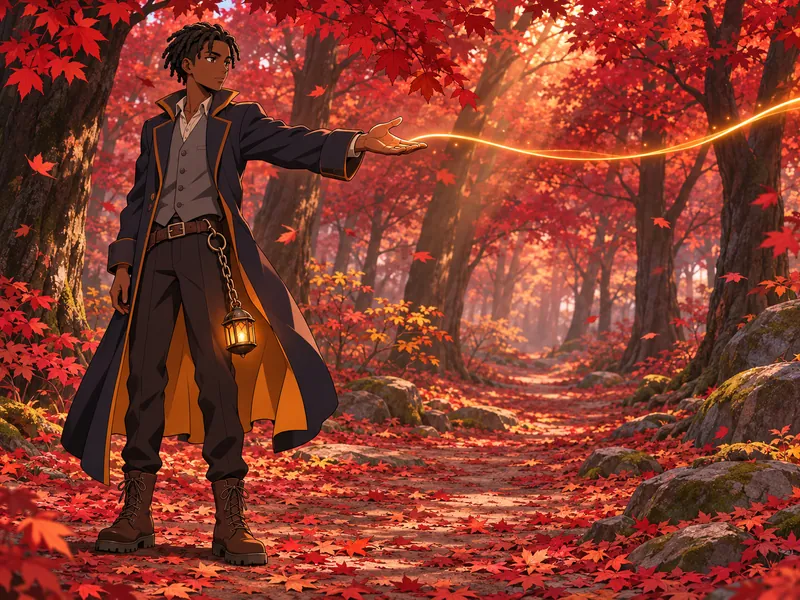
Ciaran Sloe
Team leader- Calls the plan, then asks for ideas
- His Aura ribbon needs a hand back
- Lantern flail glows with Fire Dust
This free RWBY OC creator turns a Huntsman or Huntress idea into anime art. Pick an original Semblance with a real cost, a two-form mecha-shift weapon, a Dust type, a Faunus trait and an academy, then name your OC by the Color Naming Rule and draw them. No canon faces or official emblems: the character is yours.
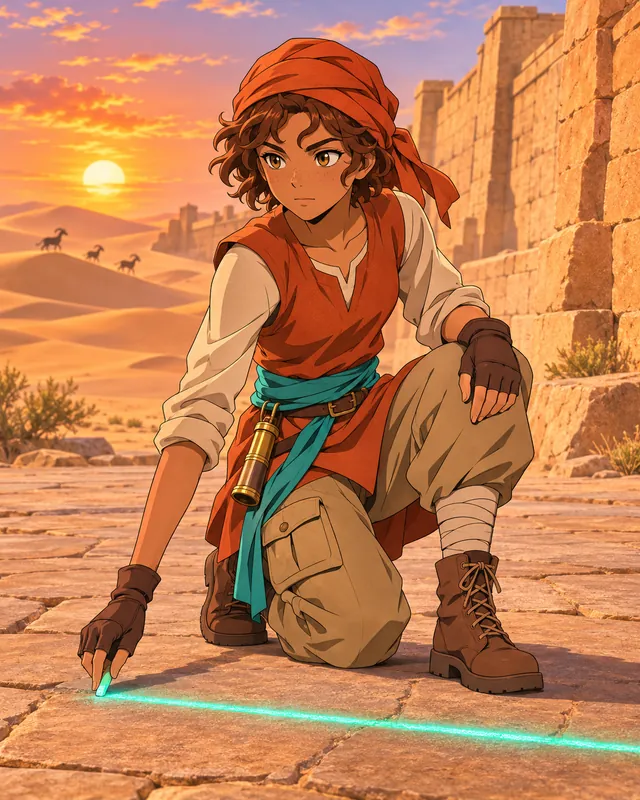
Ideas
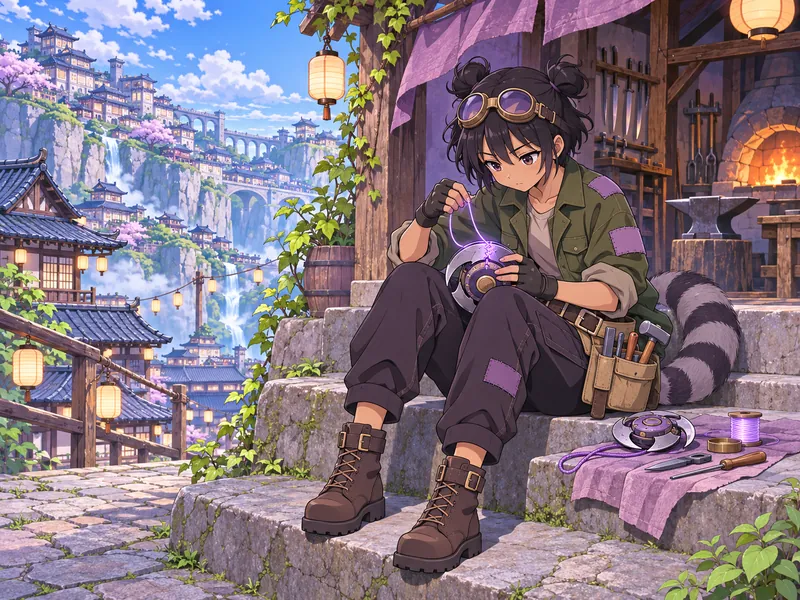
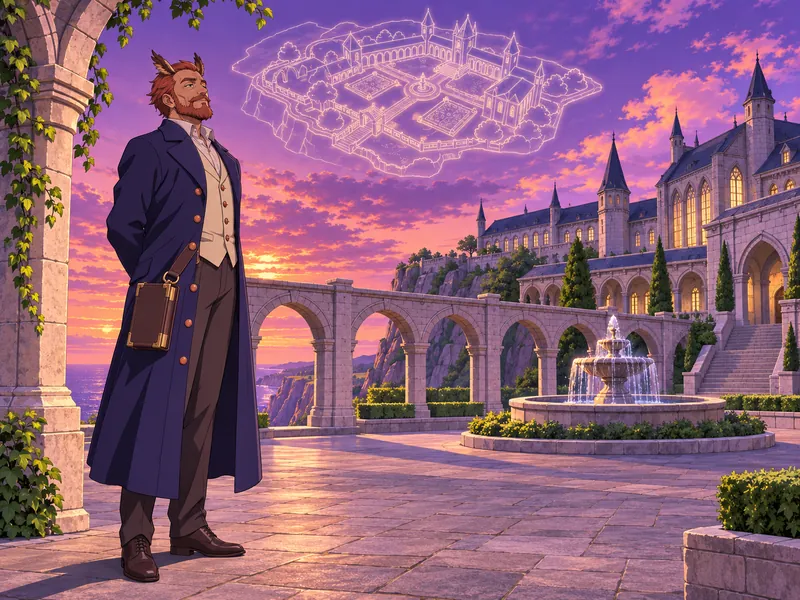
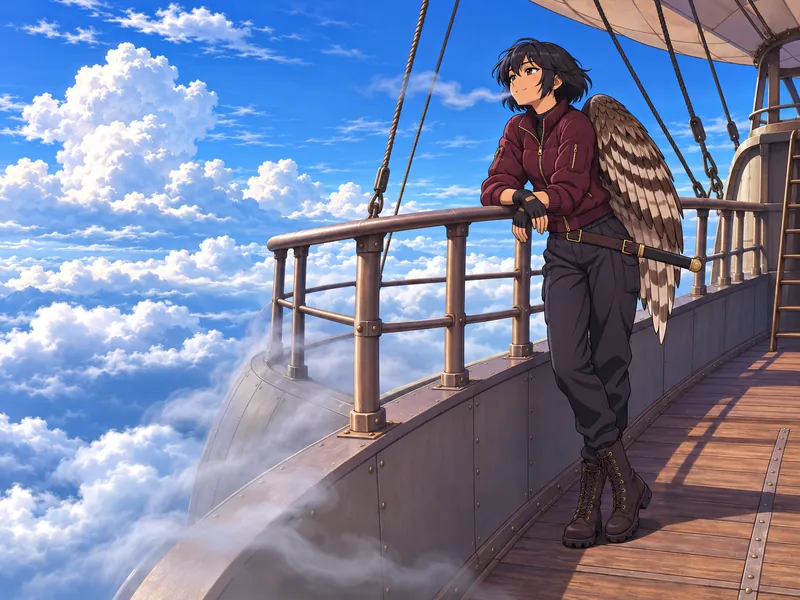
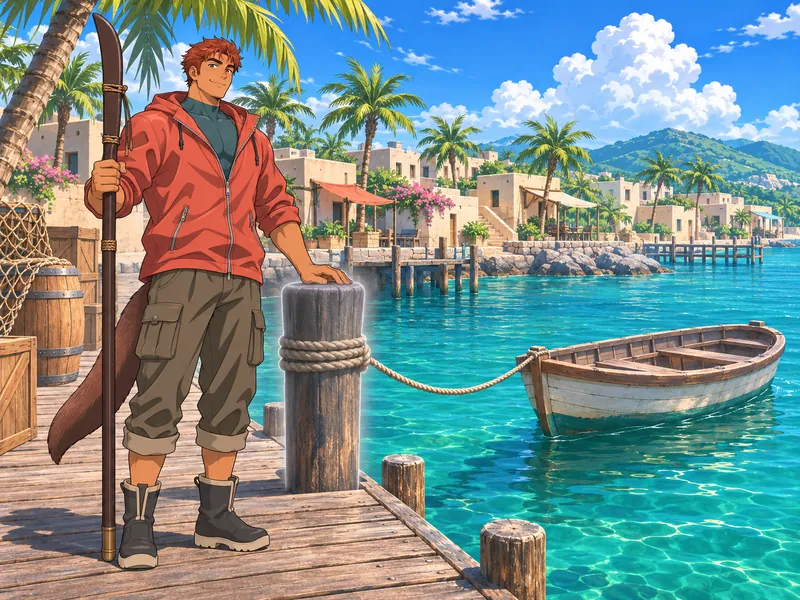
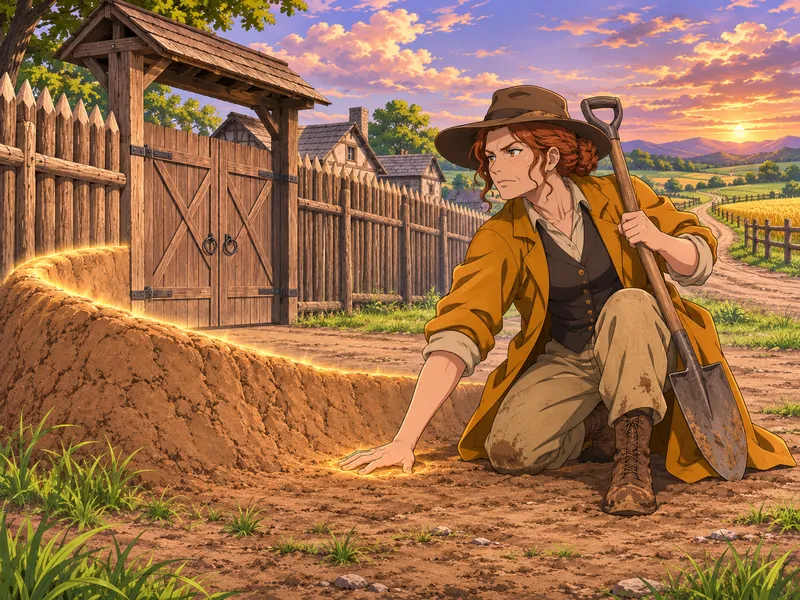
Each card is an original Huntsman or Huntress with a Semblance you can see, a two-form weapon and one limit that changes a decision. They cover a team leader, a combat-school weaponsmith, a professor, an airship pilot, a harbor Huntsman and a frontier guard, four of them Faunus, so you can see how the path reshapes the outfit. Every name follows the Color Naming Rule. Load one, then change the Semblance, the colors or the limit until the character reads as yours.
Know the rules
RWBY has its own rules for powers, weapons and names, and an OC built on them reads as part of Remnant instead of a visitor from another anime. These notes come from the RWBY Wiki and the show's own lore, checked before writing. Each one has a button that loads a matching starting point into the generator above.
Sources: Wikipedia: RWBY; RWBY Wiki: Semblance; RWBY Wiki: Color Naming Rule
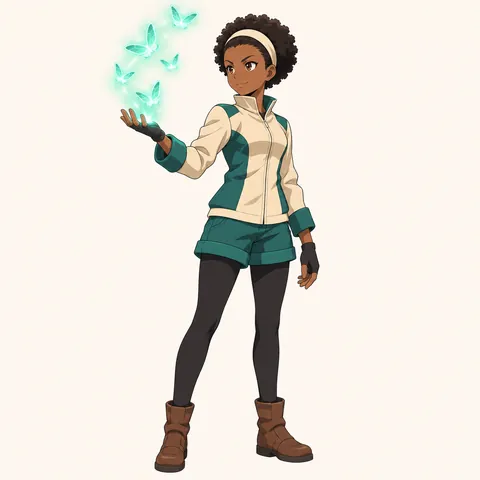
In RWBY, a Semblance is a more tangible projection of a person's Aura, and the wiki notes that it often reflects an aspect of the character. Most are unique to their user, though unrelated people can end up with similar ones, and the Schnee family's Glyphs are the one fully hereditary Semblance. Semblances unlock during strong physical or emotional moments: Ruby unlocked hers while training, and Nora unlocked hers when she was struck by lightning. Some fighters never unlock one at all, like Roman Torchwick. The Volume 7 director's commentary sorts Semblances into classes such as Movement, Defense, Creation, Intelligence, Stealth and Supplementary, and a student can name their own on an academy application, the way Coco named hers Hype. For an OC, start from the person: a patient scout might get Overlook, a restless kid might get Rebound. Every option in the picker is original to this page.
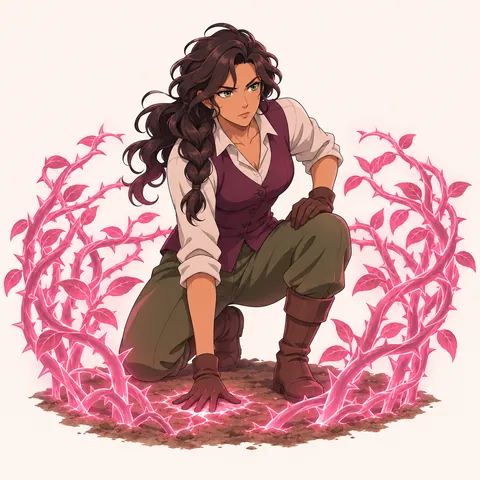
Canon is clear that Semblances have limits. Overuse can exhaust the user: Weiss collapses after a fast run of Glyphs, and Glynda shows exhaustion after using hers to rebuild part of Vale. Stress changes them too, and Pyrrha's slips out of her control when she is upset. Some work only under a condition, like Yang's, which turns the damage she takes into power, and a few, like Qrow's, are always on whether he wants them or not. Semblances also grow: Winter Schnee calls them a muscle, and Blake's shadow clones last longer by the later volumes. Give your OC's Semblance one cost that changes a decision in a scene, such as a range, a cooldown, a condition or a price paid in Aura. The Semblance limit cards in the names section fill the limit field with one click.
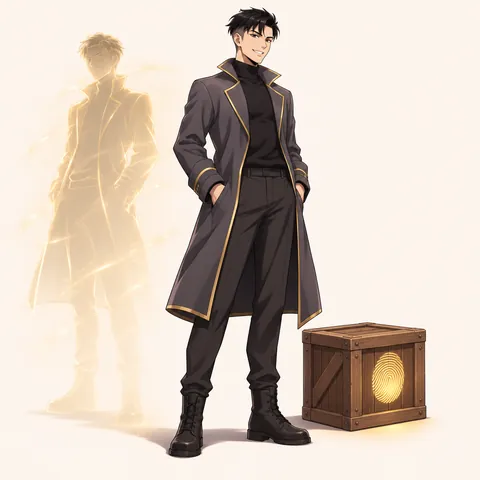
Aura is the manifestation of the soul, and anyone with a soul can learn to use it, Faunus and animals included. Its color differs from person to person: Pyrrha's is red, Jaune's is gold and Ren's is pink. Huntsmen use it as a protective shield, it can heal minor wounds, and it is needed to trigger Dust. The Creatures of Grimm are the exception. They have no soul and no Aura, and they are drawn toward negative emotions such as grief, loneliness, hatred and fear. Give your OC an Aura color that differs from their outfit color, and decide how the character stays calm, because in this world panic draws monsters. That one habit, like counting breaths or humming, is often the most memorable thing about an OC.
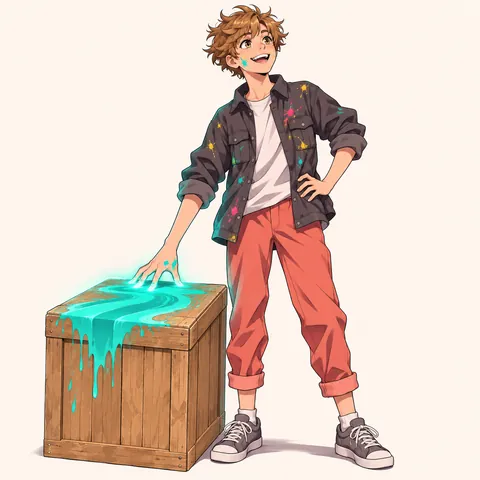
Most weapons in RWBY are transformable: a foldable frame shifts sections to turn one form into another in seconds, usually a melee state and a ranged state, often with a compact or sheathed state for carrying. Fans call them mecha-shift weapons. Students are expected to build their own; Ruby designed hers at Signal Academy and was surprised that Jaune had not made his. Firearms in Remnant are implied to fire Dust rounds. When you pick a weapon here, picture where the hands go in each form and what the user does in a narrow hallway. Skip the canon silhouettes: no scythe that folds into a rifle, no rapier with a Dust chamber, no shotgun gauntlets, no sword whose sheath becomes a shield and no blade that turns into a pistol on a ribbon. This page always draws weapons at rest or in a stance.
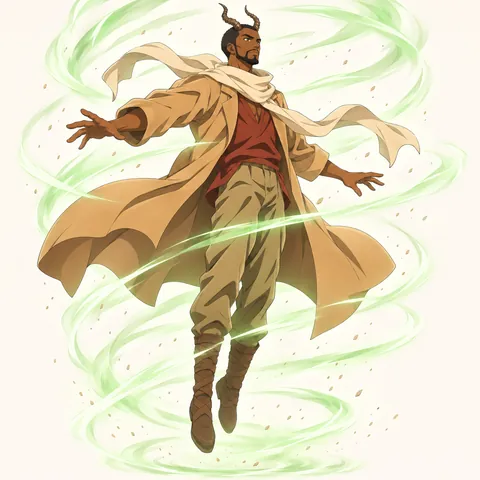
Dust is the crystal energy of Remnant, used in weapons, vehicles and everyday machines. The four primary types are Fire (red), Water (blue), Lightning (yellow) and Wind, which the show's lore keeper confirmed as pale green. Mixes make the rest: Ice comes from Water and Wind, Steam from Fire and Water, and cyan Hard-Light Dust, the rarest kind, combines all four. Gravity Dust is black or purple and keeps vehicles hovering. Pick one Dust type for your OC and let its color show up as an accent, in glowing vials on a belt or crystals set in the weapon. One Dust type reads far better at thumbnail size than six, and it gives the weapon a sound and a color in your story.
Faunus are one of Remnant's two intelligent races. They look human except for traits of an animal, and the creators have said a Faunus shares a single physical trait with their animal: ears, a tail, horns, scales, claws, fins or, rarely, wings. Most also have remarkable night vision. Many live on Menagerie, the smallest continent, which was given to the Faunus after the Great War, and Faunus have faced real prejudice in the human kingdoms. Keep a Faunus OC to one clear trait and make it your own: canon already has famous cat ears, rabbit ears, a monkey tail, bull horns, a scorpion tail and a chameleon's skin. The picker leans toward traits the main cast does not use, such as an otter tail, owl tufts or antelope horns.
Each of the four kingdoms runs a Huntsman academy: Beacon in Vale, Haven in Mistral, Shade in Vacuo and Atlas Academy in Atlas. Students are usually admitted at 17 for a four-year course, after primary combat schools such as Signal on Patch, Pharos in Vale, Sanctum in Mistral and Oscuro in Vacuo, which teach students from about 14 to 17. Exceptional fighters can be invited early, as Ruby was at 15, and some Huntsmen earn a license by exam without an academy. Students are grouped into teams of four whose initials spell a color word. The wiki even spots a naming habit: Vale schools are named after things that guide or signal, Mistral schools after places of refuge, and Vacuo schools after shade from the sun.
Series creator Monty Oum shared the Color Naming Rule as a guide for fan characters, and virtually every canon name follows it. A name must be a color, sound like a color, mean a color or make people think of a color, and the rule can work through the first name, the last name or both. Weiss is German for white, Blake is an Old English word for black and Jaune is French for yellow, while Ruby Rose and Blake Belladonna add a gem, a flower and a dark berry. In the show, Ozpin explains the custom: during the Great War one side tried to stamp out art, and people answered by naming their children after colors. The name mixer below builds names the same way.
Names and limits
Canon names follow the Color Naming Rule: a name has to be a color, sound like one, mean one or bring one to mind (RWBY Wiki, Color Naming Rule). Most main characters carry a color in both halves, like Weiss Schnee (German white and snow) or Blake Belladonna (Old English black and a dark-berried plant). This free mixer builds names the same two ways, runs in your browser with no sign-up, and every given name and surname in it was checked against the RWBY Wiki character list and the live team generator, so none is a canon name. Then give the Semblance a cost with one of the limit cards.
A given name that means a color, plus a flower, fruit or stone surname
Pick a Semblance in the generator, then give it one limit that changes a decision.
Guide
A good RWBY OC is built the way the show builds its cast: a power that says something about the person, a weapon they made themselves, a color that runs through the name and the outfit, and a place in a world under pressure from the Grimm. Make one decision per step and check it against the others. The generator above has a field for each step.
Pick the Semblance first, because it is the most personal thing about a RWBY character and the wiki notes that it often mirrors who they are. A careful planner fits Overlook or Chalkline; a restless kid fits Rebound or Updraft; someone who fixes things fits Patchwork. Then choose one limit from the cards in the names section and make it specific. A Semblance that only works while the user stands still forces a teammate into the scene. A Semblance that leaves a glow means the character can never act in secret. If the limit never comes up in a story, pick a sharper one.
Choose a weapon with two forms that match how the character fights and how they live. A Grimm scholar might carry a tome case that unfolds into a shield; a farmer from the frontier might carry a spade that folds into a shotgun. Picture where the hands go in each form and what the weapon does when folded for carrying. Avoid the canon silhouettes: a scythe that folds into a rifle, a rapier with a Dust chamber, shotgun gauntlets, a sword whose sheath becomes a shield. On this page the weapon is always drawn at rest or in a stance, never used on a person.
Choose one Dust type and let its color show as an accent: red Fire crystals in a lantern, light blue Ice vials on a belt. Decide whether your OC is human or Faunus. A Faunus has one animal trait, so pick one that reads at thumbnail size, such as an otter tail, owl tufts or antelope horns, and skip the canon ones like cat ears with a bow or long rabbit ears. Then pick a home kingdom. Vale suggests forests and old stone towns, Mistral terraced cliff cities, Vacuo sun and sandstone, Atlas and Mantle snow and steel, and Menagerie warm harbors.
Pick a motif color and an accent color, then name the character after the motif, the way the Color Naming Rule asks. A given name that means a color in another language works well, such as Flavia (Latin for golden yellow) or Midori (Japanese for green), and so does a surname taken from a flower, fruit or stone, such as Bilberry or Cinnabar. Mix a name in the names section, or write your own and search it on the RWBY Wiki first. Then check the colors against the main cast: a red hood, white and pale blue, black with a bow, or yellow with brown read as Team RWBY at a glance.
Decide where your OC stands in the story. A first-year at Beacon, Haven, Shade or Atlas Academy has classes, a team of four and a Grimm studies exam; a combat-school kid is still finishing a first weapon; a licensed pro, a wanderer or a frontier guard lives outside the school walls. Pick a background to match, write two or three sentences about one small scene in the description box, and generate. Compare the result with your notes and keep what matches. If the art drifts, put the Semblance and the motif color first in the description, since those make the character recognizable.
Other fandoms
 Soul EaterOC Creator
 MHAOC Creator
 JJKOC Creator
 Hunter x HunterOC Creator
 GenshinOC Creator
 AnimeOC Creator
Tools
FAQ

Sign up and your first pack comes with 100 bonus credits.