
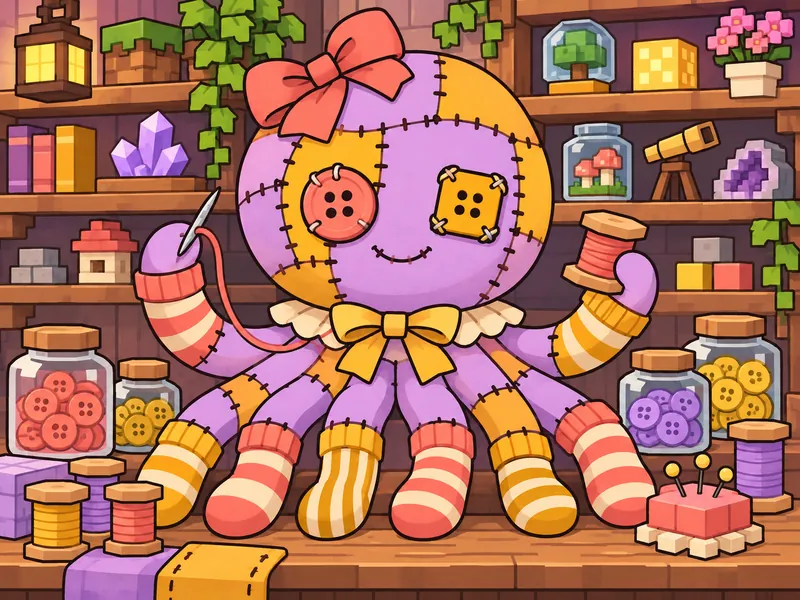
Buttonella
Shopkeeper- Sells mismatched buttons, one coin each
- Eight soft arms, eight different socks
- Patches any torn sleeve for free
This free Regretevator OC creator turns your NPC idea into fan art. Pick a body type, the floor your NPC calls home, its gimmick and how it treats riders, write a voice line in its own words, then draw it waiting on its floor or riding the elevator with everyone else.
Ideas
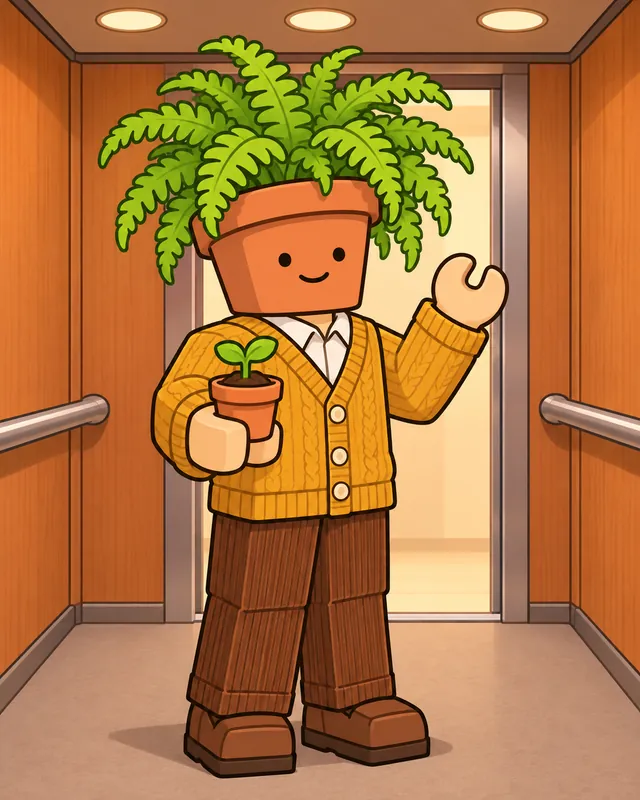
Each card is a different floor NPC with a body, a home floor, a gimmick and a line of its own. Press Use this idea to load the fields, then swap the floor, the colors or the voice line until the character feels like yours. None of them copies a canon NPC, a contest entry or a real player.



Know the rules
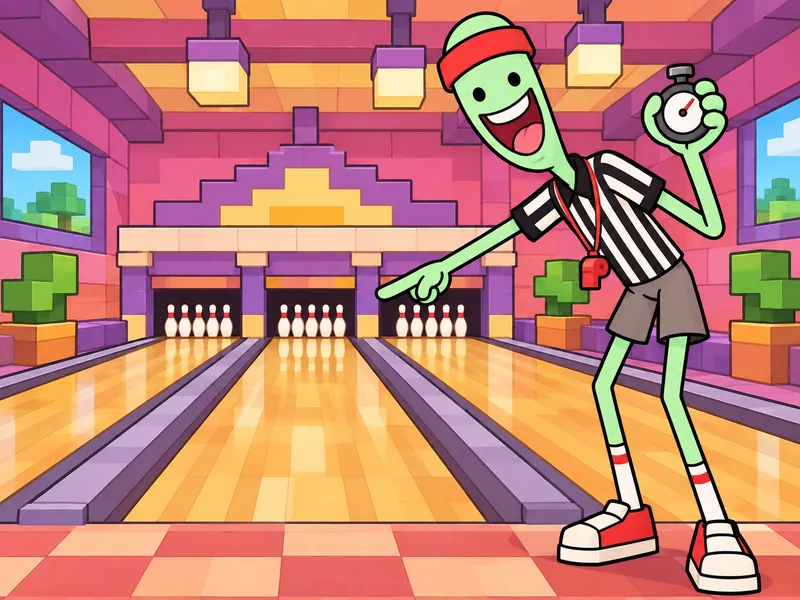
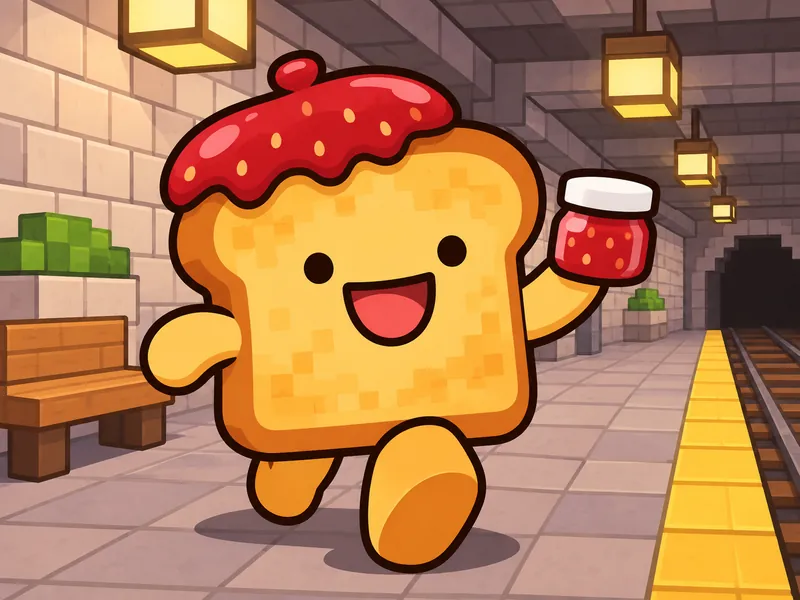
Regretevator has no character creator of its own, so a Regretevator OC is usually built the way the wiki writes up a canon NPC: a body, a home floor, a name color that says whether it can ride the elevator, and a few lines of dialogue. The notes below come from the Regretevator Wiki and the game’s Roblox page, and each one ends with what it means for your OC. Press Make one to load a matching starting point.
Sources: Regretevator (official Roblox game page); Regretevator Wiki: List of NPCs; Regretevator Wiki: Floors

Regretevator turns every player into a classic blocky R6 avatar, and a lot of the cast is built on the same rig. Spud! is an R6 camp counselor with a gray bucket on his head, the mannequins are wooden R6 rigs on dark gray stands, Lampert is a gray R6 body under a lampshade, and Infected moves like an early Roblox character. A blocky OC reads as Regretevator right away, so the costume has to carry the idea: one silhouette change such as a hood or a big scarf, one prop and a simple face. Avoid outfits that copy a canon NPC, including the yellow, blue and green noob palette.
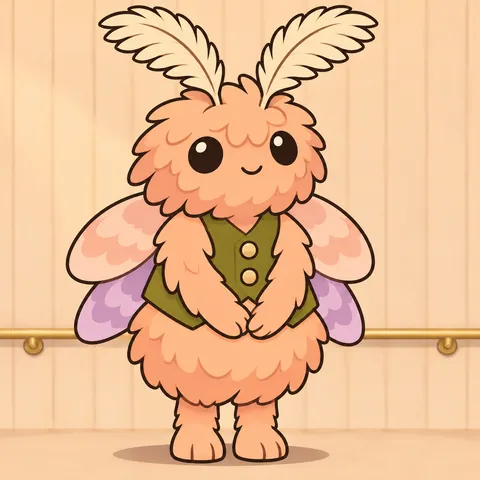
Plenty of the cast are not people at all. Gnarpy is a green cat-like alien with four ears, four arms and two tails tipped with stingers. Pilby is a white caterpillar with four arms and a hood, Sab is owl-like with a cracked beak and a purple hoodie, and Guppy is built from a goldfish, with a body made of water and fins for ears. The recipe is an ordinary animal, one strange twist and one piece of clothing. Start from an animal no main NPC uses, add a single odd detail such as extra antennae or mismatched eyes, and keep the face friendly.

Swapping a head for an everyday object is one of the quickest ways to make an NPC. Lampert wears a lampshade with a pull switch and has a plug for a tail, Melanie has a light blue TV for a head, Scag is a CRT television riding a small trolley, and Buck is a bowling pin wearing Jermbo’s face. The format is popular, which makes it easy to land on a canon look by accident. Skip lamps, TVs, buckets and bowling pins, and pick an object with its own shape and story, such as a teapot, an alarm clock or a flower pot. Paint the face straight onto the object.

Some NPCs are not 3D models at all. Mozelle and STAT are 2D sprites, Jermbo is a flat picture of a white cat, and Clover is a warped 2D image pieced together from several faces. A flat character standing in a 3D room is one of the game’s oddest jokes, and it makes a striking OC. Describe it as a doodle with a medium, such as crayon, marker or pixel art, give it a thin paper edge and keep the drawing to a handful of shapes and a face. In a picture, turn it slightly to the side so its flatness shows.
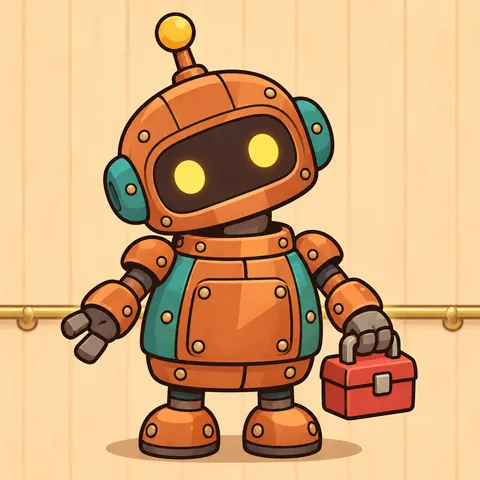
Machines fit right in on a ride that runs on buttons and counters. Prototype is a doll-like robot with white casing and a floating head crowned with four crystal horns, Voombas are robot vacuums that roam the floors (one kind carries a balloon), and Robot Flower has square metal petals on a stick-figure body. A robot OC works best with one job that explains its shape: a repair bot with a toolbox, a vending bot with a coin slot, a delivery bot with a parcel shelf. Prototype started as a fan submission that won the official NPC contest, so a good machine design has a real precedent.
While you spectate, NPC names show up in colors that sort them by behavior. Green NPCs can enter the elevator and are usually passive. Blue NPCs are passive but never leave their floor, and Light Red NPCs are hostile and cannot ride. A few minor colors cover single cases: Orange for NPCs who ride from one floor but cause trouble on another, Yellow for an NPC who rides only if a player leads it to the elevator and disappears otherwise, and Purple for Mach, who stays calm unless provoked. The NPC type chips on this page follow those colors, with any trouble kept kid-friendly.
A new floor is picked at random between trips, and the wiki sorts floors into Normal, Shop, Special and Boss, with extra tags for Minigame, Obby and multiplayer floors and a risk rating from Safe to Deadly. Every 15 floors a shop floor is forced, and every 25 a special floor. On boss floors, the NPC only joins the elevator after the players win, the way STAT rides along once her machine is beaten. Pick a Home floor for your OC, then decide what the floor needs: a shop needs stock, a minigame needs rules, and a hidden spot needs a hiding place, like Lampert posing as an ordinary lamp on the 3008 floor.
NPCs who ride the elevator talk. They say random lines during the ride and react to the other NPCs in the car. Pest boards with a Japanese line that roughly means "Hello! Today is a lovely day," and switches to a grumpier one if PartyNoob is already inside. Split tries to make the others laugh with puns, often about fruit, and has more interactions with other NPCs than anyone else. Write three lines for your OC: what it says when it steps in, something it mutters between floors, and one reaction to a canon NPC or another fan character. The Voice line field holds the first one.
Names and voice lines
Canon NPC names follow a few loose habits. Some fold an object or a trait into a person’s name: Lampert is a lamp, Wallter is a wall and Fangsworth has fangs. Some are short invented words like Bive, Pilby, Gnarpy and Scag. Some run two words together with capitals, like PartyNoob, FleshCousin and SlimYim, and a few are blunt words or codes in capitals, like NULL, STAT, RAT and JAOBA. The mixer has one set for each habit. Every pairing was checked against the 631 page titles on the Regretevator Wiki and its NPC lists, so none of them is a canon name. A name you pick shows on the card, never in the picture.
An everyday thing folded into a person-style name, the way a lamp became Lampert.
Lines in an NPC’s own words. Pick one for the Voice line field, then rewrite it in your OC’s voice.
Guide
Build your NPC the way the wiki writes up a canon one: what it looks like, where it lives, what it does and what it says. The generator fields run in the same order, so you can fill them in as you read. Keep a short list of canon NPCs open while you work, because the cast is big and odd, and an accidental twin is easy to make.
Start with Body type. Blocky is the classic R6 shape every player wears in the game, so a blocky NPC reads as Regretevator straight away and only needs one strong costume idea. Creature, Object head, Flat sprite and Robot cover most of the canon cast, and the chips under them go further: a plush toy, a jelly blob, a living shape, a walking plant, a ghost. Choose one and resist stacking two, since an object-headed robot ghost is three ideas fighting for the same picture. Then compare the result with the NPCs closest to it. If your object head is a lamp or a TV, pick a different object.
Every NPC belongs somewhere. Pick a Home floor from the wiki’s floor types (a hangout, a minigame, an obby, a shop, a special floor, a boss floor, the lobby, an elevator event or a hidden spot), then choose a Background that shows what the floor looks like: a diner, a foggy maze, a campsite, an aquarium, a quiet office. Now connect the two with a Gimmick. A shopkeeper sells odd things, a minigame host carries a whistle, a hidden NPC needs a hiding place. The best floor NPCs feel like they built their floor themselves, and the floor explains everything else about them.
Decide whether your NPC can ride. Green NPCs board the elevator, Blue NPCs stay home, and Light Red NPCs stay on their floor and cause trouble. The minor colors are fun for OCs: Orange for a character who is friendly on one floor and a prankster on another, Yellow for a tagalong that follows one rider, Purple for a calm guardian. Then pick a Mood toward riders. A grumpy NPC who is secretly kind, or a cheerful one who stares a little too long, gives fans something to write about. Keep troublemakers playful: they hide hats and tell bad jokes, they do not hurt anyone.
Elevator NPCs are remembered for what they say. Write an entry line for when the doors open, an idle line it mutters between floors, and one reaction to another NPC. Keep each one short enough to read in a speech bubble, with one word or habit that is only theirs: a pun, a nervous repeat, an odd formal tone, a sound instead of words. Put the entry line in the Voice line field or pick one from the voice line cards in the names section. The line goes on your character card and is never sent to the image model, so it cannot turn up as lettering in the picture; show the mood it carries with the Mood toward riders field.
Mix a name in the names section or type your own. Generate in the default 2D cartoon style for a fan-art look, or switch to 3D for something closer to an in-game render, chibi for stickers and sketch for a concept page. Check that the gimmick prop and the body type came through, then change one field at a time if something drifts. Finally, write the page the wiki would write: name, color, home floor, how it enters the elevator, three lines, and which canon NPCs it likes or avoids. That page is what makes the OC feel like it could ride with the rest of the cast.
Other fandoms
 RobloxOC Creator
 Dandy's WorldOC Creator
 ForsakenOC Creator
 TADCOC Creator
 Object ShowOC Creator
 WeirdcoreOC Creator
Tools
FAQ

Sign up and your first pack comes with 100 bonus credits.