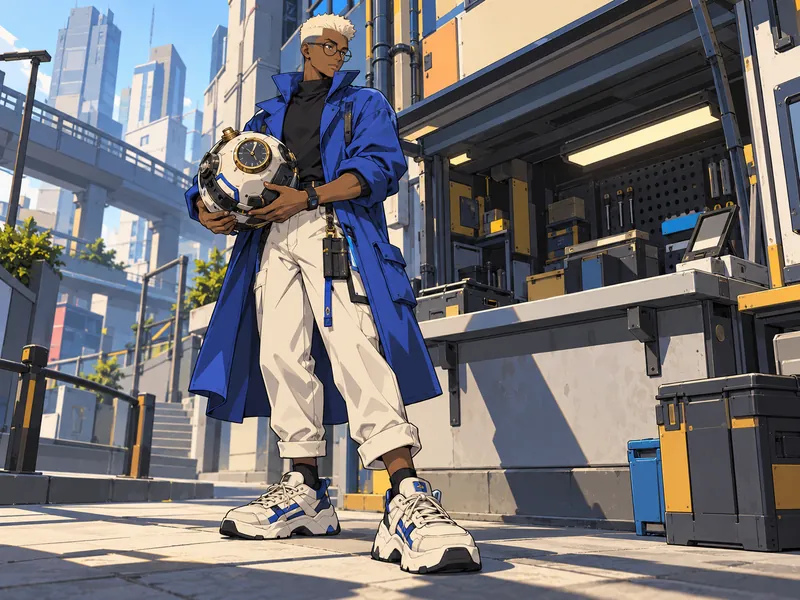
Oren Valecrest
Human- Fixes radios before the shop opens
- Electric timing, patient hands
- Knows every neighbor's favorite station
This Zenless Zone Zero OC Creator pairs New Eridu streetwear with an Attribute, Specialty and original equipment. Use the ZZZ OC Maker for a human, Thiren or intelligent construct. Start with a complete preset, then make the resident yours. These are fan designs, not playable Agents.
Ideas
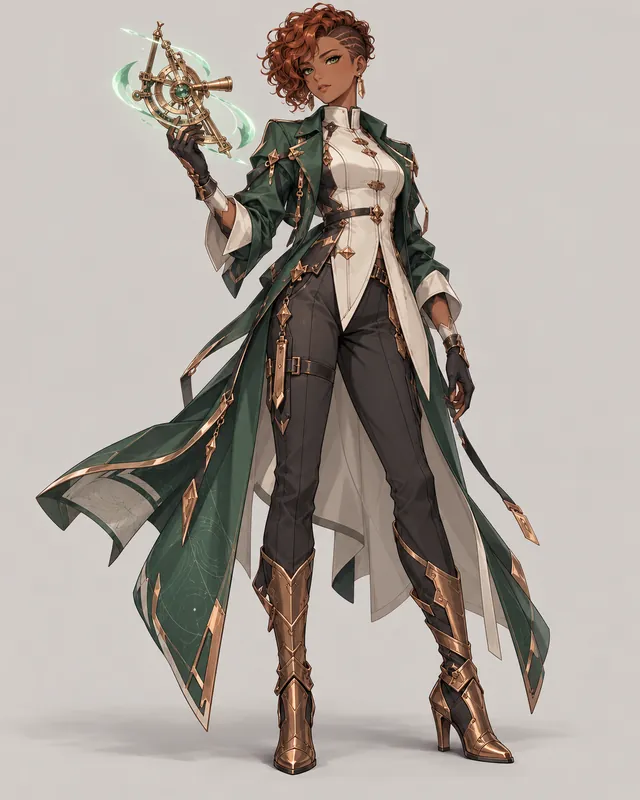
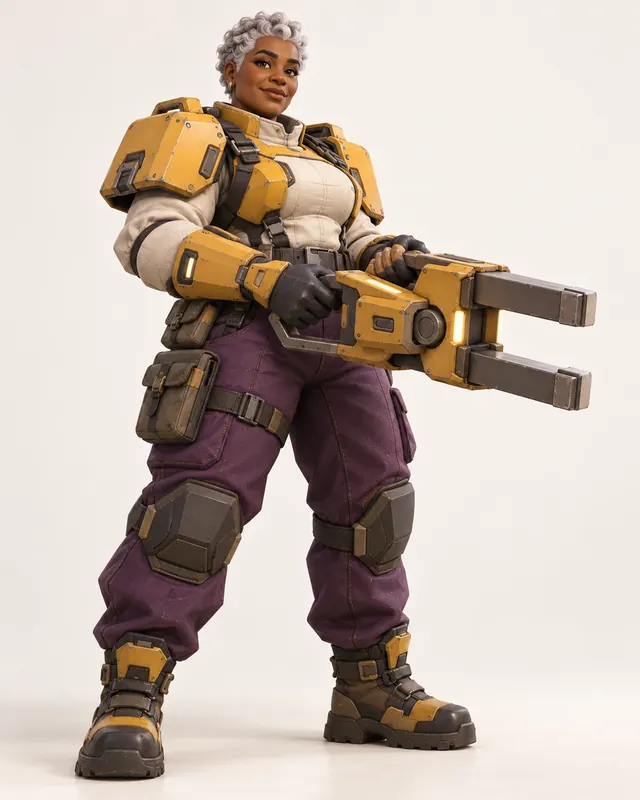
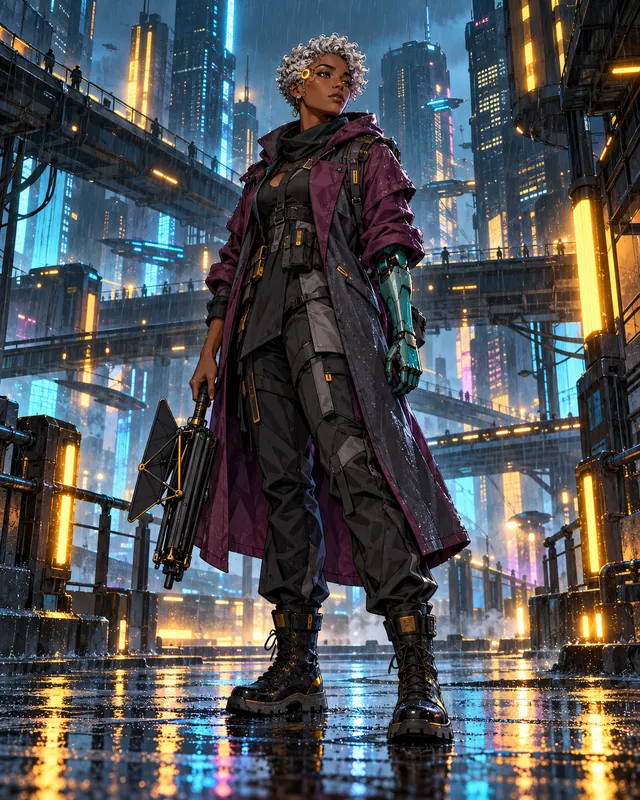
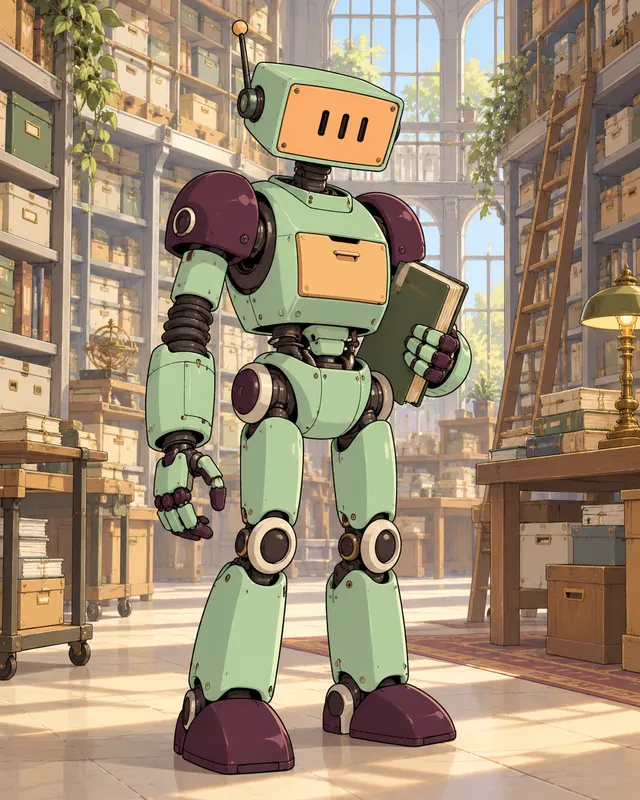
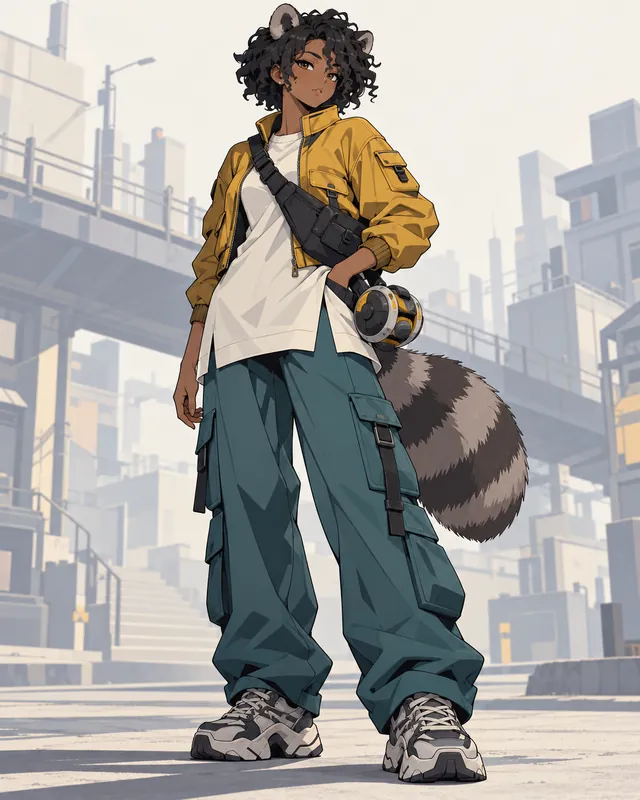
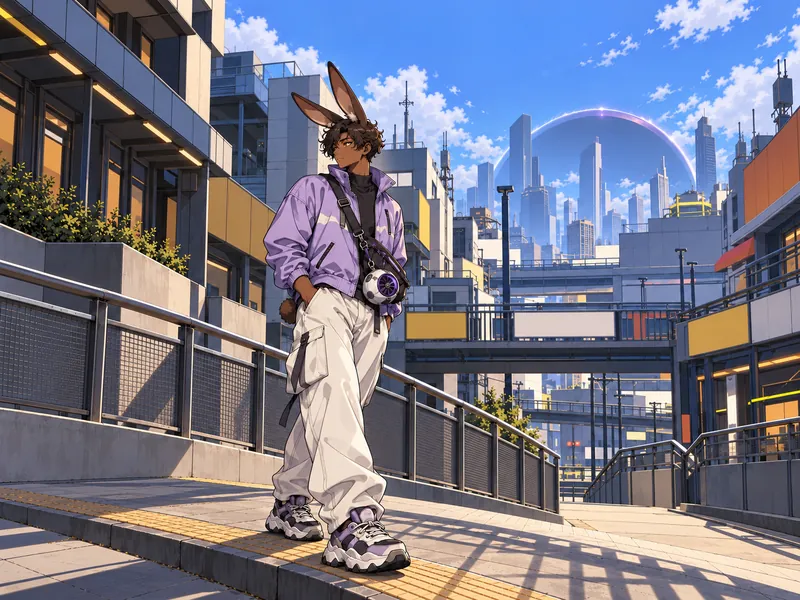
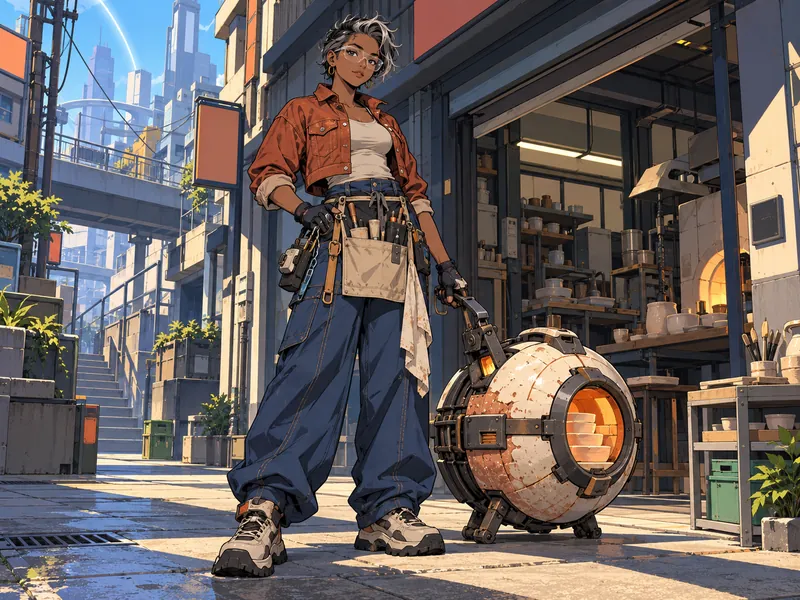
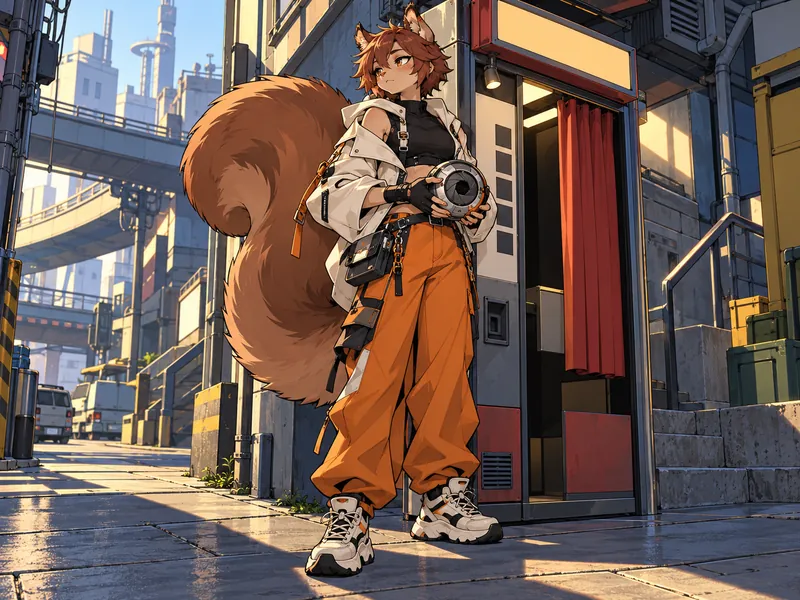
A memorable New Eridu character needs a day job as much as a combat concept. These six original residents have different silhouettes, routines and equipment. Use this idea loads a coherent starting design, including the Attribute and Specialty where relevant. Change the name and backstory before treating one as your finished OC. Their personal crews and equipment are fan inventions rather than additions to the game's roster.
Know the rules
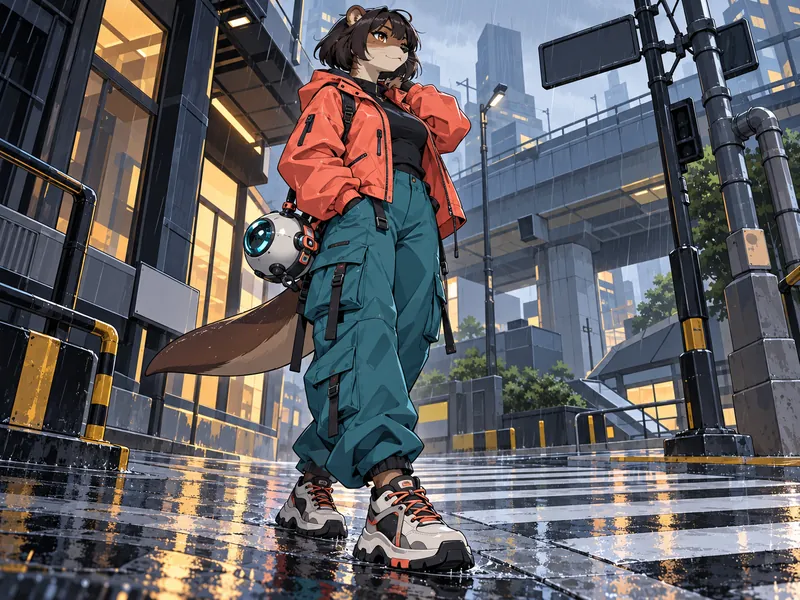
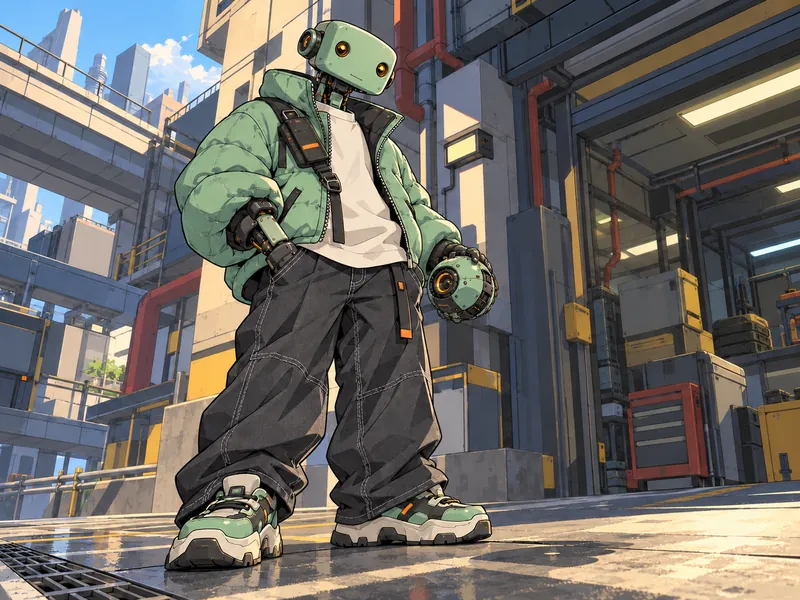
This ZZZ character builder separates what a character does from what their effects look like. Attribute, Specialty, faction and people are different choices. The full lists below follow the linked wiki snapshot checked for this page; they are not limited to the older launch lineup. Outfit, original crew and equipment details are creative options. Keep invented mechanics clearly labeled as fan concepts when sharing a sheet.
Sources: ZZZ Wiki: Attribute; ZZZ Wiki: Specialty; ZZZ Wiki: Agent and equipment
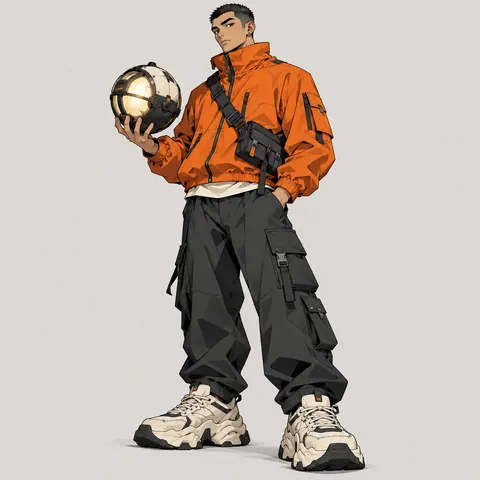
The checked wiki lists Physical, Fire, Ice, Electric, Ether, Wind and Lumiflux as regular Attributes, plus Frost, Honed Edge and Auric Ink as special sub-Attributes. Those special labels have canon associations, so using one for an OC is a deliberate fan extension, not evidence that your character is official. Pick a single Attribute for a clean first design. Translate it into a small equipment or effect cue instead of making every garment the same color. An Electric resident can wear a quiet work coat and have a patient personality.
The verified Specialty list is Attack, Stun, Anomaly, Support, Defense, Rupture and Armorer. Keep these names separate from weapon shapes and from the Attribute field. You can imagine two characters sharing an Attribute while solving different team problems. This page draws a concept rather than calculating a legal build, so invented skills should stay descriptive and modest. Explain what the character contributes and what they need from teammates. A specialist with an everyday job and one practical limitation is easier to write than someone who masters every role.
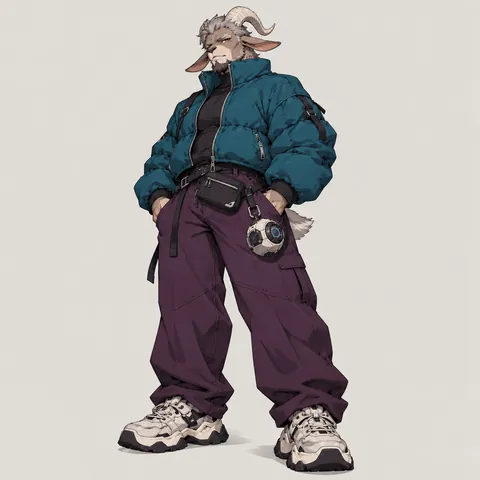
Thirens can be designed with animal features, but those features should be specific rather than an excuse to copy an Agent's ears, tail and wardrobe together. Choose an animal direction and show how the clothes accommodate it. A broad otter tail needs space behind the coat; tall hare ears affect a hood; a squirrel tail changes the balance of a bag. The additional animal options here are original fan possibilities, not a list of confirmed playable species. Keep the body language friendly and the outfit practical for the character's work.
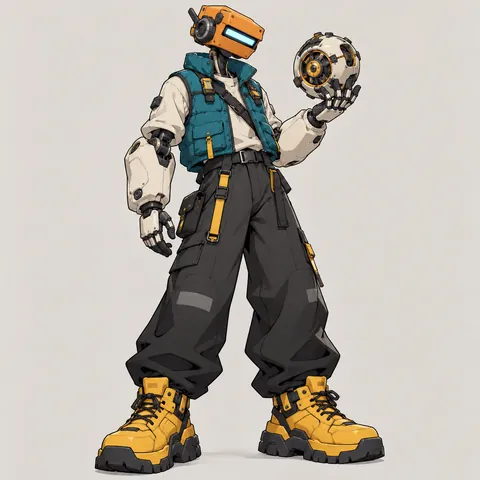
An intelligent construct can have a personal identity, habits and clothing rather than being a floating machine part. Start with a distinct head geometry and joint arrangement, then add streetwear that feels chosen. Avoid reproducing a familiar red-jacketed gunslinger silhouette or another Agent's face. A mint ceramic repair worker with a quilted jacket and a collection of smooth washers has a different visual center. Decide what the character repairs, remembers or misunderstands, and let one of those habits affect a small accessory.
The faction picker includes canon organizations and an original crew option. Joining one is a fan-story choice, not a game feature. Borrow broad working context, such as construction, public service or performance, while inventing the resident's role and clothes. Do not add the official emblem to make affiliation obvious. You can suggest a workshop through tools and sturdy fabric or a stage role through practical audio equipment. If the story takes place at a particular point in the game, check that faction's circumstances before writing a detailed backstory.
W-Engines are spherical equipment associated with an Agent's stats and Specialty. The picker pairs original held gear with a separate spherical core: a folded signal baton might accompany a streetlamp-lens core, while a hydraulic wrench could accompany a kiln core. These pairings are fan inventions, not official equipment combinations. Core-only choices match the illustrated residents. Give each core a belt cradle, harness or visible grip rather than leaving it floating. Keep held gear at rest without aiming it at anyone. The picker does not calculate damage or promise an in-game effect.
A Bangboo partner concept is not the same thing as an Agent, and a Proxy is not simply another combat Specialty. Keep those roles distinct in the biography and use original partner styling rather than a named Bangboo's costume. The illustrations here focus on one resident, so the default leaves a partner out of the frame. You can still write a partner concept for the story. New Eridu's street life and the danger around Hollows provide context without requiring every image to show a fight or copy a game interface.
Names and habits
The roster mixes personal names, East Asian name forms, callsigns and constructed identities. A faction does not impose a universal surname rule. This desk therefore groups names by presentation style rather than claiming every worker or Thiren follows one convention. Use a personal name for an ordinary resident, a callsign for an independent crew, or a unit identity for a construct. Search the complete result before publication, and explain any cultural name order deliberately instead of mixing syllables at random.
Given name plus surname, without copying an Agent
Small personal details make street clothes feel lived in. Pick one for the design brief.
Guide
Build from the street outward. A practical jacket, a recognizable pair of ears or a distinctive construct head will communicate more than a long list of powers. Then choose a combat role and an equipment concept that support the character's daily work. This workflow keeps an original resident connected to New Eridu without presenting them as a hidden canon Agent or recreating a familiar silhouette.
Start with a sentence you could use in a neighborhood introduction: this person repairs radios, delivers parcels or maintains a rehearsal room. That job suggests useful pockets, footwear and habits. Decide whether they belong to a canon faction or an original crew, but do not make rank or fame their whole identity. The ZZZ generator's presets supply different starting roles so you can explore more than the six illustrated ideas. Read the extra description and change the job when it does not fit your story.
Select human, a Thiren direction or an intelligent construct. Then decide which shape will be visible in a small image: a broad jacket, tall ears, a curved tail or a distinctive mechanical head. Keep animal features compatible with the outfit instead of placing a tail through a solid bag. Choose a jacket color and one accent; let neutral trousers or shoes give the design breathing room. A streetwear silhouette should remain recognizable even before you add a combat effect or a piece of equipment.
Treat Attribute as the effect family and Specialty as the combat role. Pick from the complete verified lists rather than inventing a new canon label to fit a costume. If you choose a special sub-Attribute, explain that it is a fan extension. Write one helpful action and one limitation for the imagined kit, but do not present damage numbers as tested game data. The design can suggest support equipment, reinforced gear or controlled motion without showing a weapon striking a person.
Choose held gear with a spherical W-Engine core, or a core-only option for a simpler design. A repairer might rest a hydraulic wrench in one palm while carrying the core in a tool harness. Keep each object attached or held, repeat one material from the clothes, and pose the gear at rest without targeting anyone. These are original fan combinations. If you add a Bangboo partner, describe its job and costume independently. Keep named partner designs, faction emblems, logos and game UI out of the artwork.
Choose a plain background for a clean reference or a New Eridu setting for atmosphere. Look at the generated result at thumbnail size: does it read as urban street fashion with a clear original identity, or as a generic fantasy fighter? Check ears, tails, hands, equipment mounts and clothing layers before saving. Keep the same short identity brief for later images. Use a dialogue card or an OC story seed to develop the person after the visual design is settled.
Other fandoms
Tools
FAQ

Sign up for 10 bonus credits and make your first OC free.