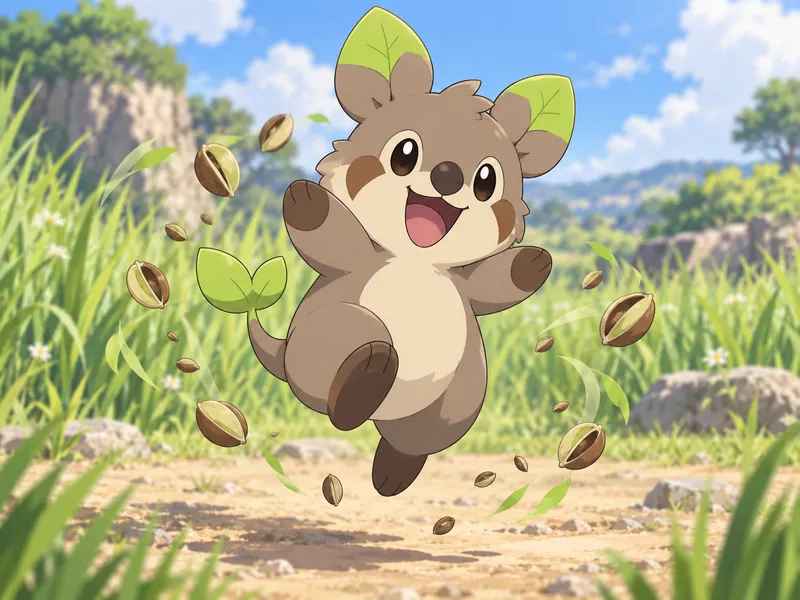
Sprokka
Grass starter- Grass starter, evolves at level 16
- Smiles even in the middle of a battle
- Its tail sprout blooms when it is happy
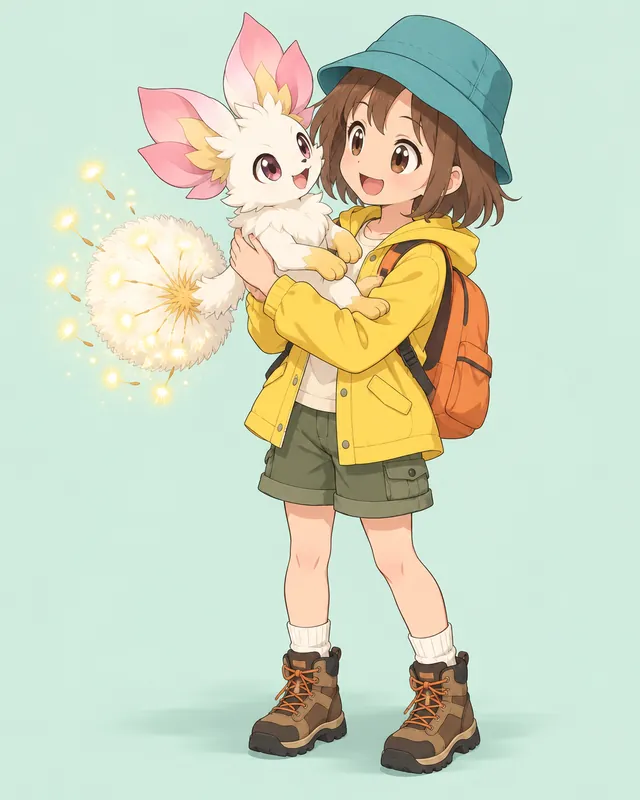
This free Pokémon OC creator draws your fakemon for you: a custom Pokémon that looks like it came out of the games. Pick an evolution stage and one or two of the 18 types, choose body and marking colors, name a signature move, and get your creature in the official Pokémon art style.
Ideas
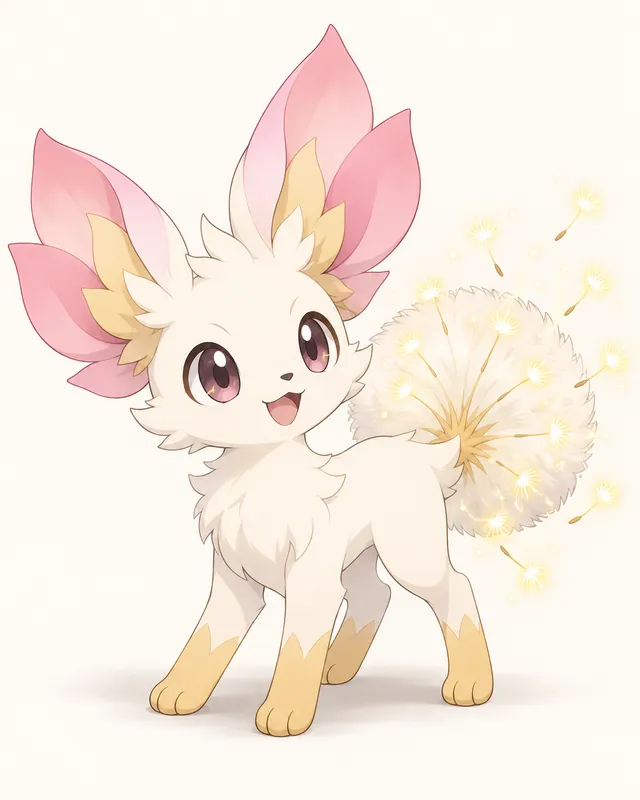
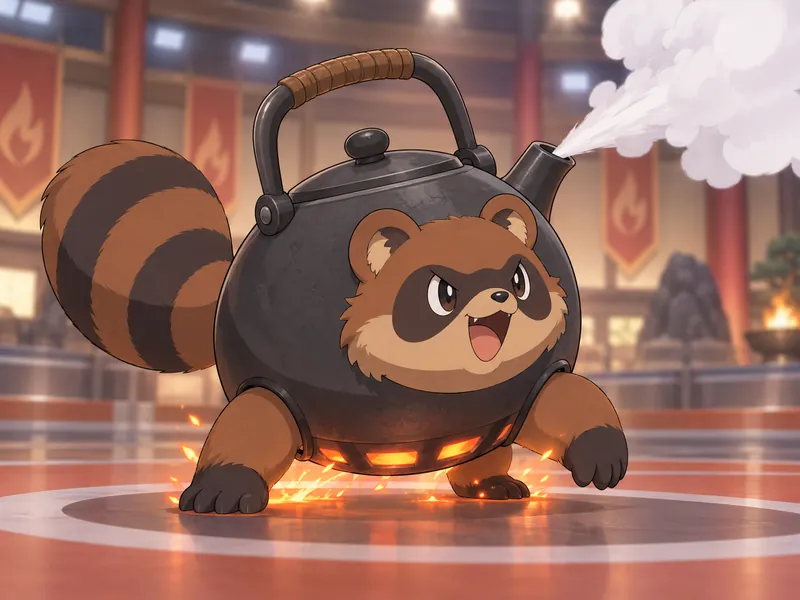
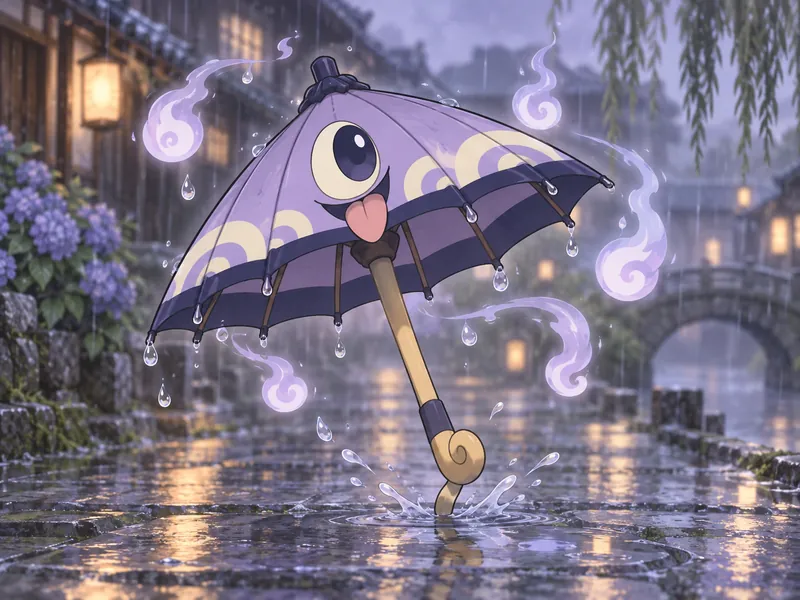
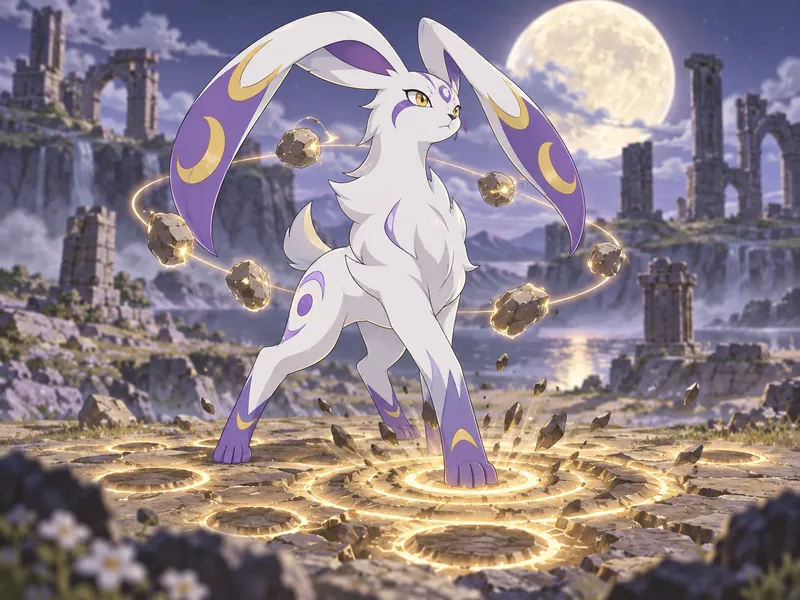
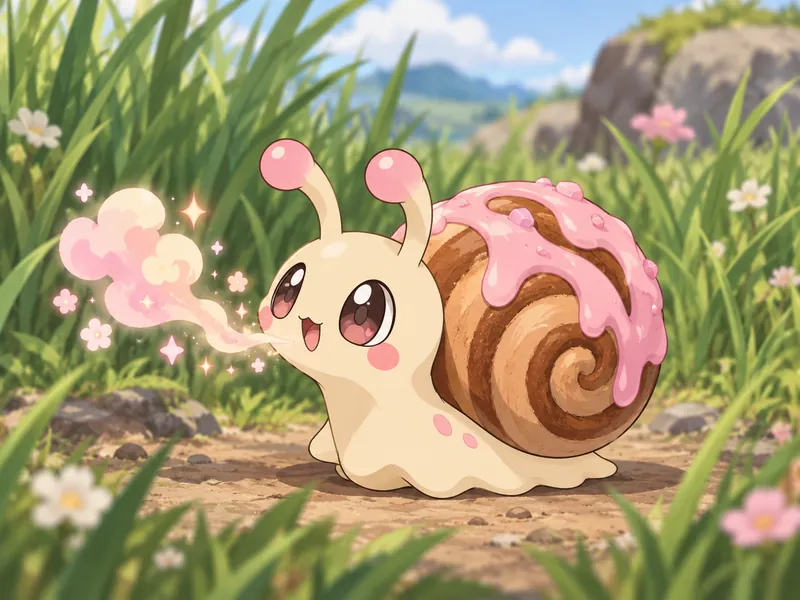
Need a fakemon idea? Load one of these creatures into the Pokémon OC creator, then swap the type, the stage or the signature move until it feels like yours.
Know the rules
The type decides what your fakemon can do, and the stage decides where it sits in its evolution line. Pick one of each and the rest of the design falls into place.
Sources: Pokémon (Wikipedia); List of Pokémon (Wikipedia); List of type combinations by abundance (Bulbapedia)
Every Pokémon has one or two types. Most date back to Red and Green; Dark and Steel arrived in Gold and Silver, and Fairy in X and Y. Of the 171 possible combinations, nine have never been used: Normal/Ice, Normal/Bug, Normal/Rock, Normal/Steel, Fire/Fairy, Ice/Poison, Ground/Fairy, Bug/Dragon and Rock/Ghost.
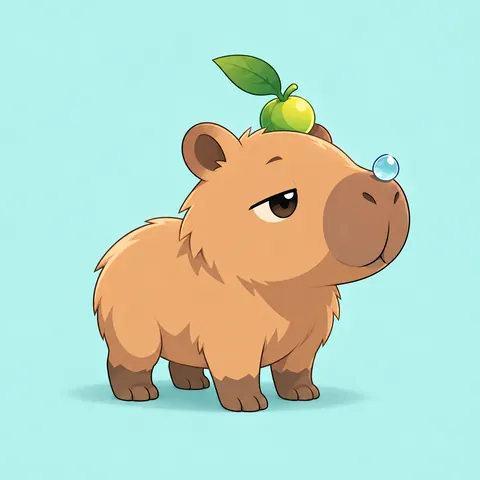
The lowest stage of a line. A baby cannot breed itself, but its evolved forms can, and several evolve only after building high friendship with their trainer. Babies arrived with breeding in Gold and Silver. A line still tops out at three stages, so a baby usually comes before a two-stage line, like Pichu before Pikachu and Raichu.
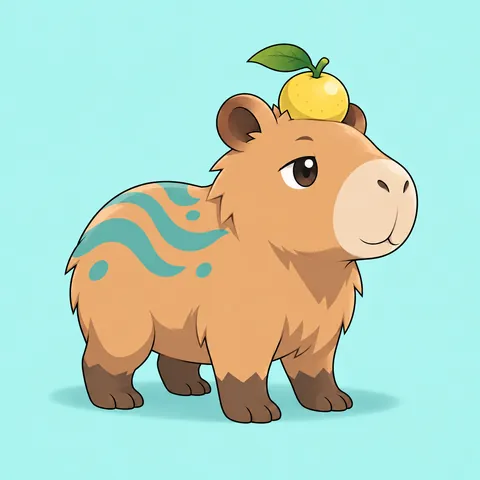
The unevolved first form of a line, and the natural place to start a fakemon. The Grass, Fire and Water first partners of every region start here, and Pokémon Winds and Waves keeps the trio with Browt, Pombon and Gecqua.
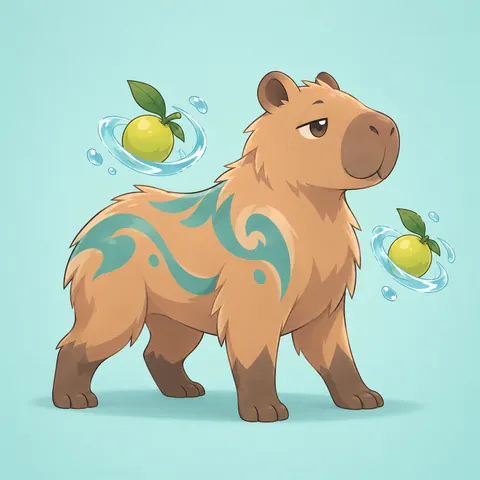
Evolution lines have one, two or three stages. Most Pokémon evolve by gaining a level, by being exposed to an item such as an evolution stone, or by being traded. The middle stage is the awkward teen of the line: bigger, sleeker and a little more sure of itself.
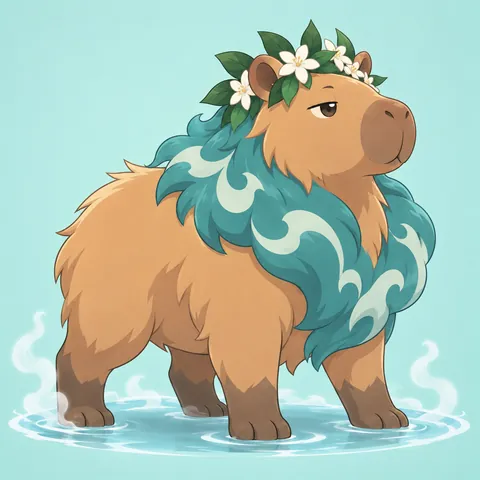
The end of the line. A final form keeps the colors and one feature of its earlier stages, then adds size, armor or a second type. Many starter lines gain their second type only here: Charmander and Charmeleon are pure Fire, and Charizard is Fire/Flying.
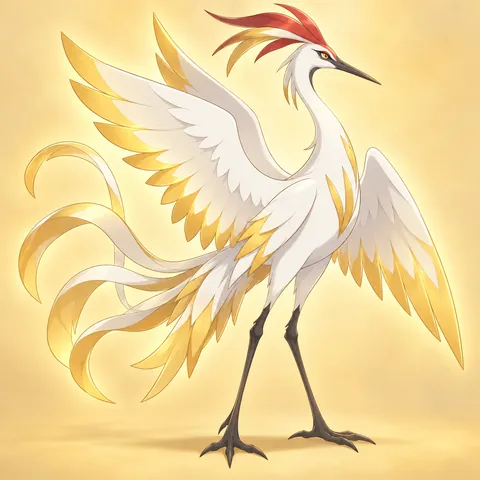
Rare, powerful Pokémon that appear in the myths of their region, often as a trio. In the main games no Legendary can breed or hatch from an Egg, and most do not evolve. Mythical Pokémon, like Mew, are a separate group that was traditionally only handed out at events.
The same species adapted to another region, usually with a different type. They started with the Alolan forms in Sun and Moon, where Alolan Vulpix is a white-furred Ice type, and Galar, Hisui and Paldea added more. A regional form of your own fakemon is an easy second design.
Temporary battle transformations. Mega Evolution came in X and Y and returned in Legends: Z-A. Gigantamax, from Sword and Shield, makes a Pokémon huge and changes its look. Terastallization in Scarlet and Violet changes its type and gives it a crystal body with a jewel crown on its head.
Names and moves
Most Pokémon names blend two words into one, like Squirtle (squirt + turtle) or Charizard (char + lizard). Mix an element word with a creature word, then pick a signature move. Every click goes straight onto your fakemon in the generator.
element word + creature word
Pick the move your fakemon is known for.
Guide
Whether you call it a fakemon, a custom Pokémon or a Pokémon OC, a design that feels official comes down to five decisions. The generator does the drawing; these are worth making first.
Official designs usually start from one animal, plant or object and add a twist: a tanuki whose belly is a teakettle, a snail with a cinnamon-roll shell. Write the base and the twist in Extra details before you pick anything else.
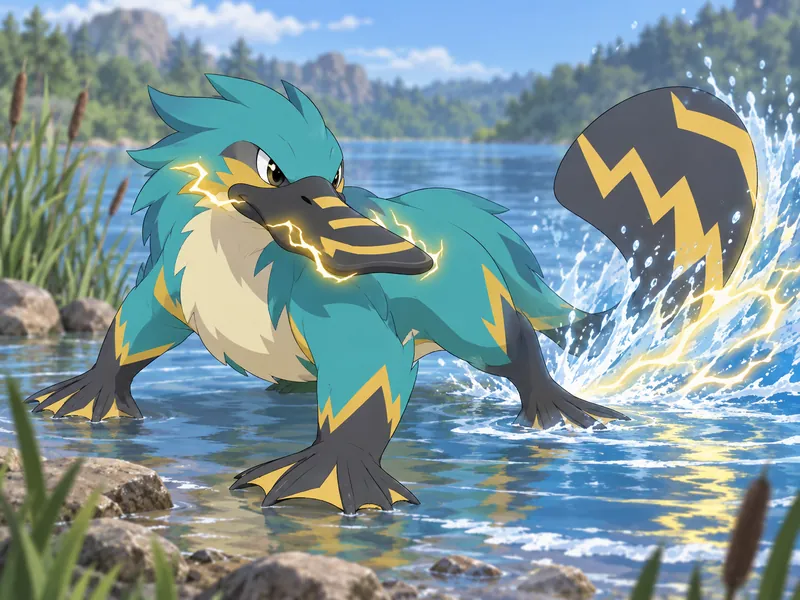
Pick a type the base already suggests, and add a second type only if the design shows it. A platypus that senses electric pulses reads as Water/Electric at a glance. For something nobody has done, try one of the nine pairings no Pokémon uses yet, like Fire/Fairy or Rock/Ghost.
Official art uses a few big shapes, two or three main colors and one accent. Choose a body color and a markings color and stop there. A design you can sketch from memory reads well at any size, from a sprite to a reference sheet.
Keep the colors and one feature that grows from stage to stage, like a tail sprout that turns into a flowering branch. Generate the basic stage first, then reload the same details with Middle and Final for a full line.
Blend two words into one name and search the Pokédex before you post it, since many simple blends are taken. Then write one signature move that shows the idea in action; it gives the art an effect to draw and gives your fakemon a story.
Other fandoms
FAQ
Sign up free, get 10 credits, and meet your character today.