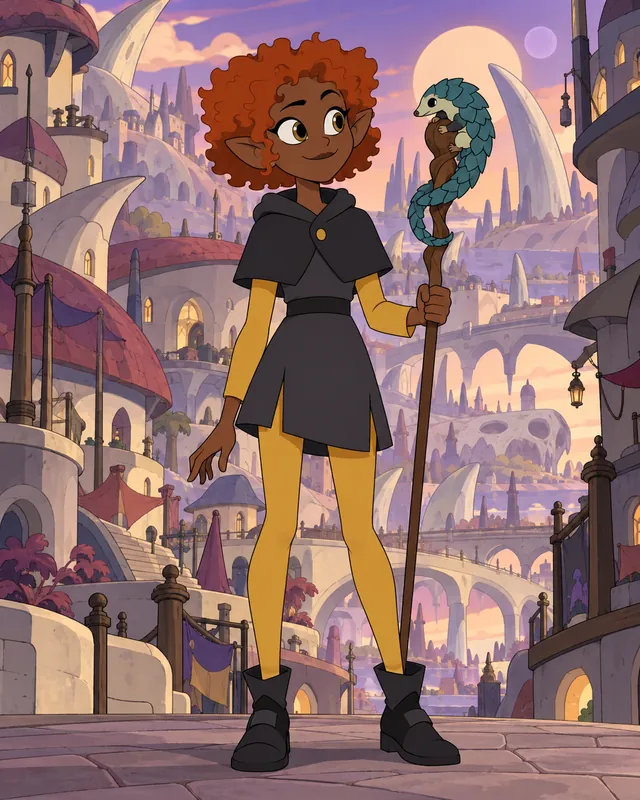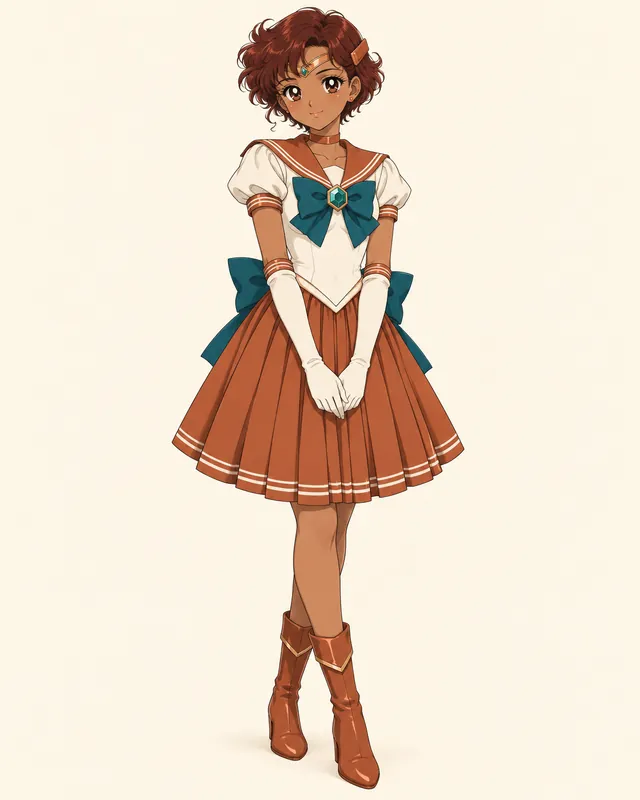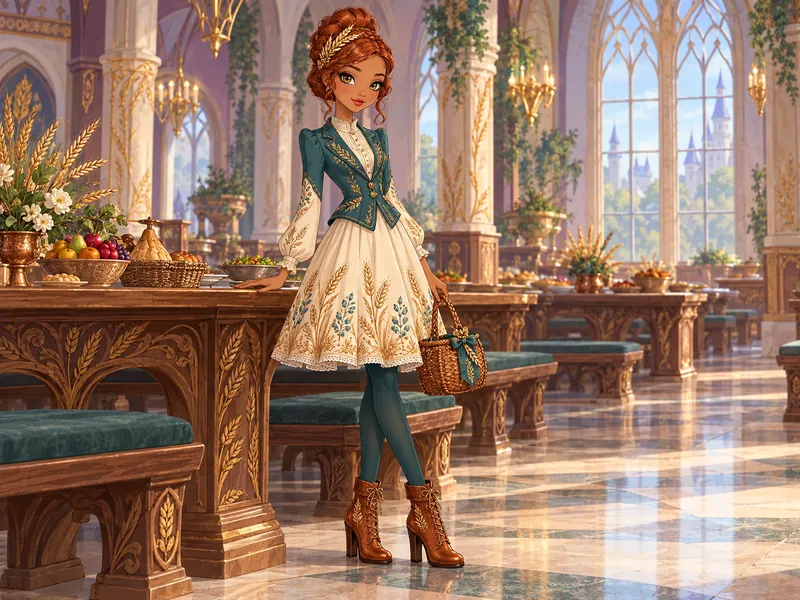
Tansy Barleyfold
Harvest tale- Little Red Hen family
- Bakes enough for everyone
- Must learn to ask for help
Build an Ever After High OC around a fairy-tale parent, a destiny choice and a signature accessory. This Ever After High OC creator turns storybook prints, hair motifs and school-life details into an original student brief. Pick a wardrobe below, then make the ending your own.
Ideas
Each idea connects a tale, a wardrobe and a small school problem. Use an idea to fill the fields, then change the part that matters to your story. These are original fan students with invented clubs and personal histories. Their clothing borrows a visual motif from an older tale without copying a canon student. A parent supplies the starting question, not every answer: two children of the same storyteller could disagree about almost everything. Keep the silhouette readable when the portrait is small.
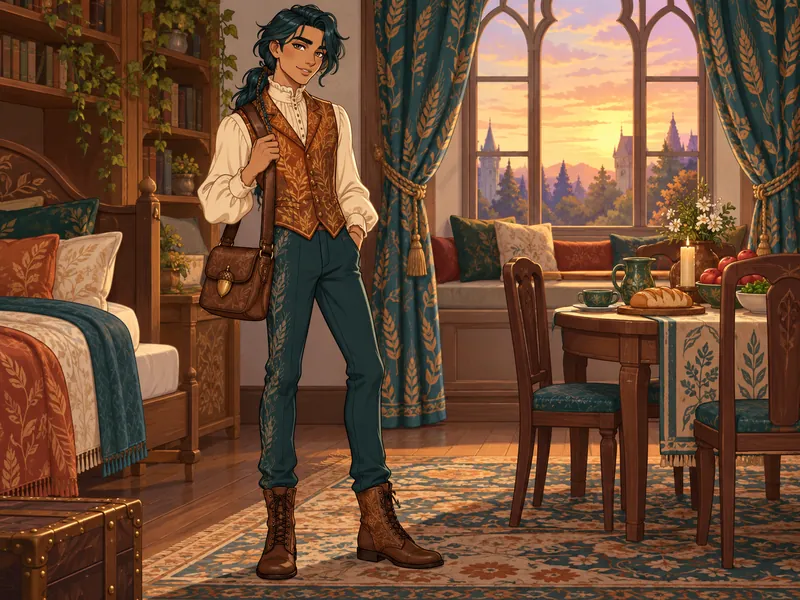
Art styles
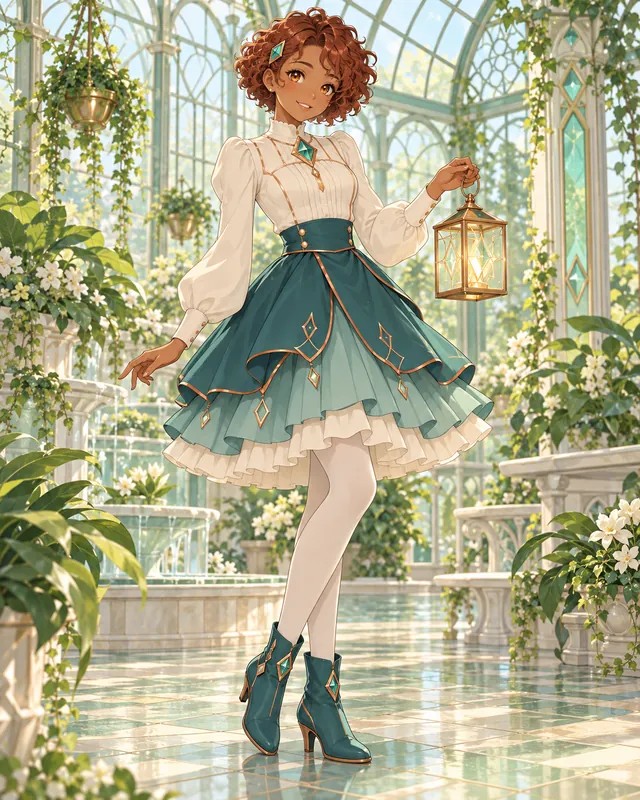
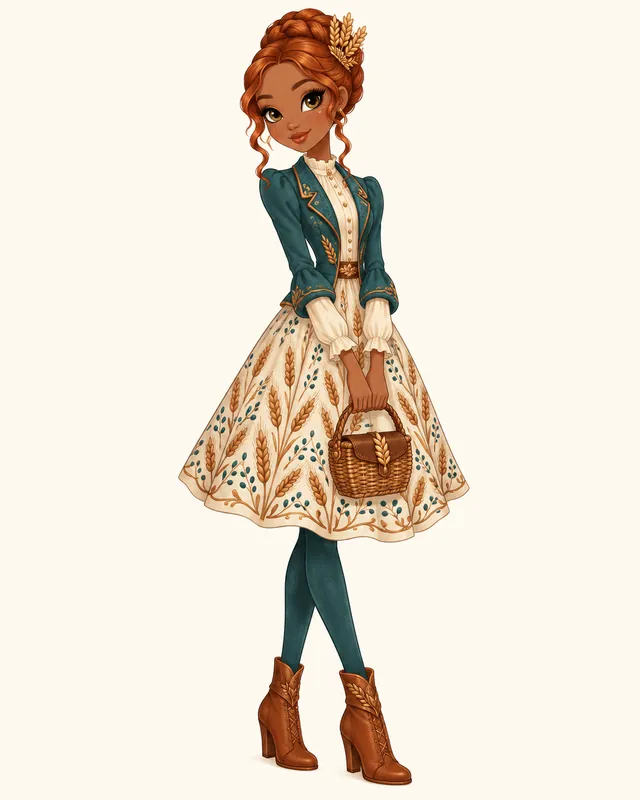
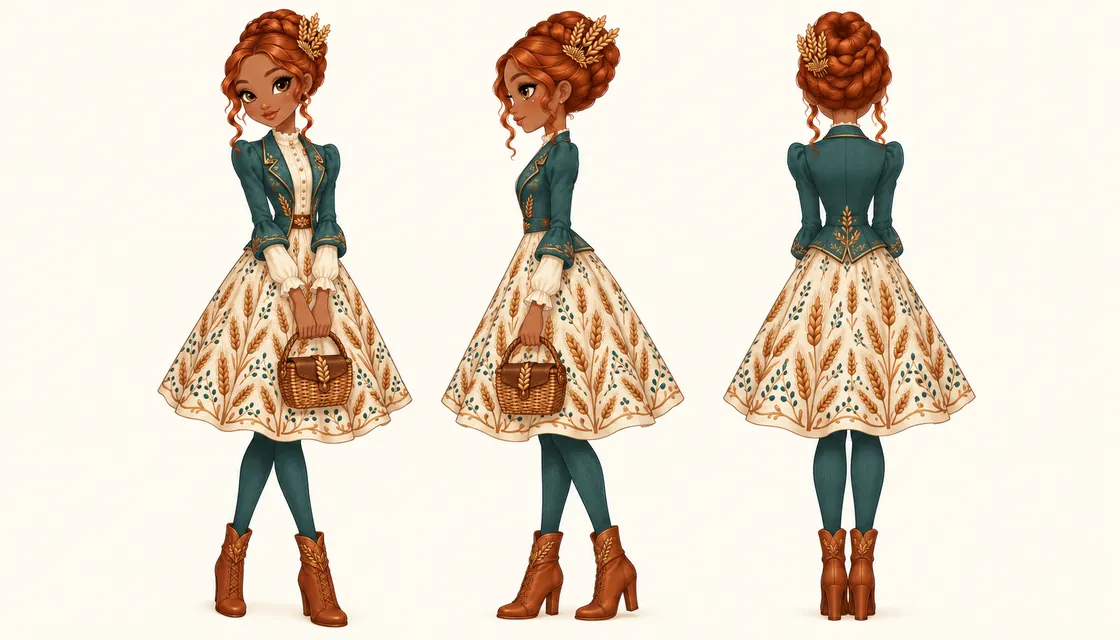
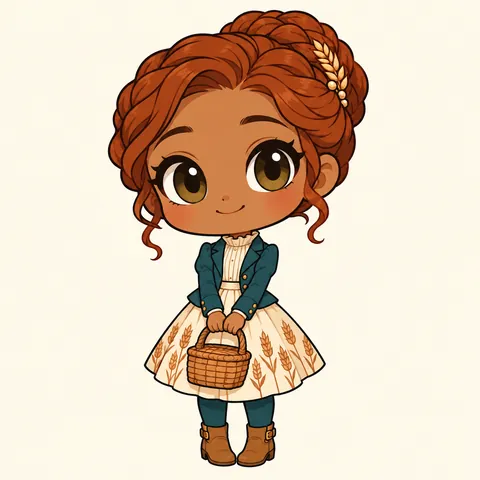
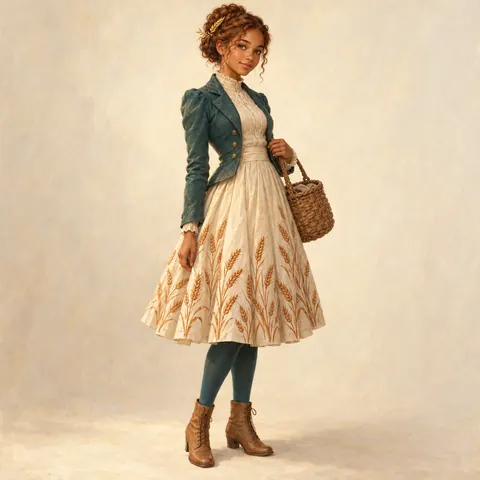
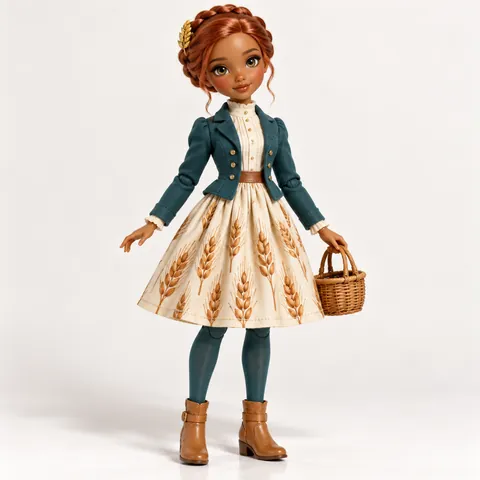
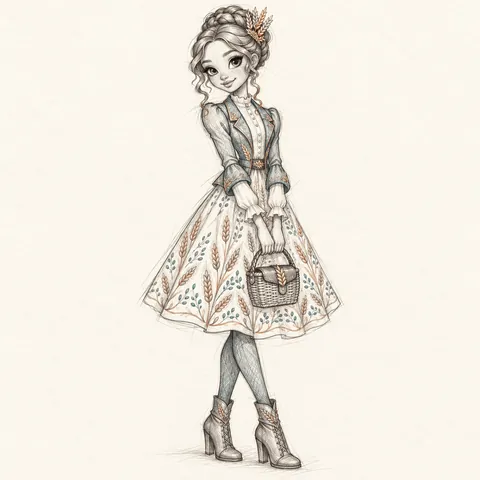
Tansy Barleyfold keeps her copper braided bun, warm brown skin, teal jacket, cream wheat-print skirt and wheat comb in every version. The 2D option follows storybook fashion illustration; 3D turns her into a glossy vinyl fashion doll with sculpted hair and miniature fabric clothes. Chibi pairs an oversized head with a tiny body, semi-realistic uses natural proportions and soft painterly lighting, and sketch makes the construction easier to study. Compare the same outfit before choosing a finish. The sheet shows front, side and back, so the wheat pattern and basket strap remain understandable from every view.
Know the rules
Ever After High places the teenage children of fairy-tale characters at a boarding school. The central question is whether they must repeat their parents’ stories. Clothing can communicate that family history, but a Royal is not simply anyone wearing a crown and a Rebel is not simply anyone wearing black. The wardrobe tiles below are design prompts created for this page, not official school houses or doll collections. Choose a tale first, then decide how much of its ending your student wants.
Sources: Ever After High Wiki: students; Ever After High Wiki: dolls; Ever After High Wiki: Legacy Day
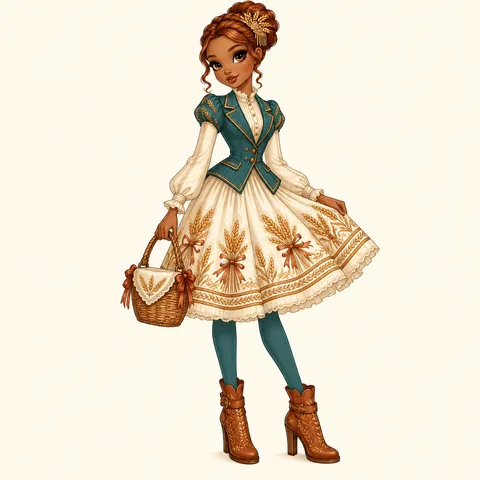
Wheat, seeds and woven textures make a practical tale visible without turning the student into a literal farm costume. Repeat one motif at three scales: a small hair comb, a clear skirt print and a larger bag clasp. Tansy’s outfit uses this structure so the story still reads when the image is small. If you want to design your own Ever After High character, begin with that repeated shape before adding jewels. The colors should connect to the tale while leaving room for the student’s taste.
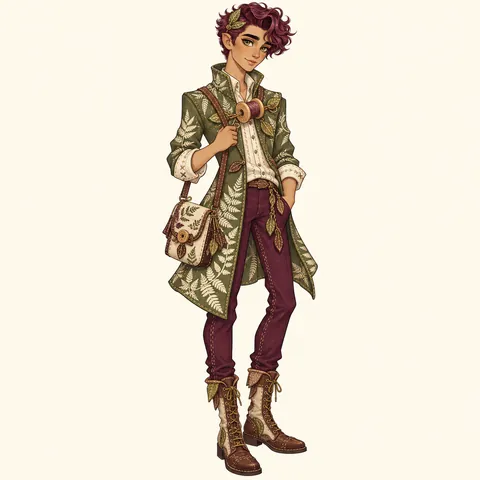
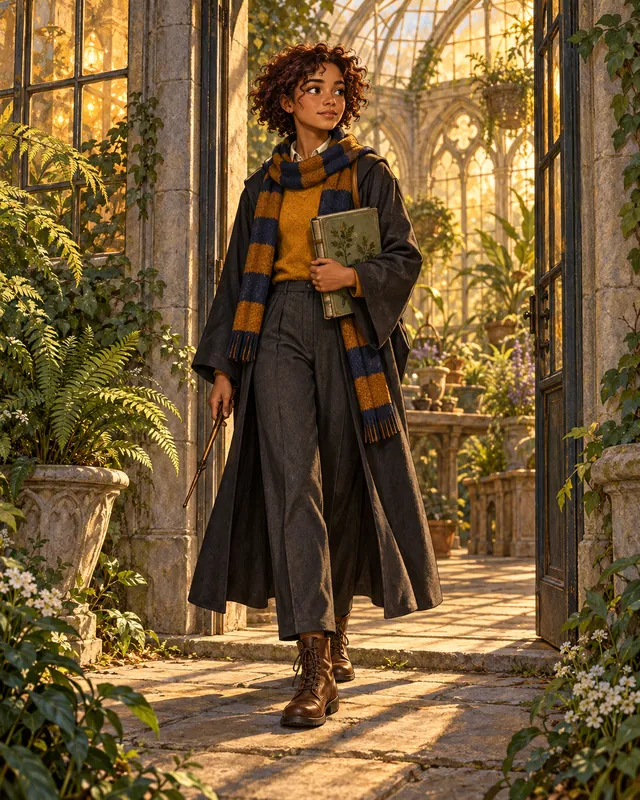
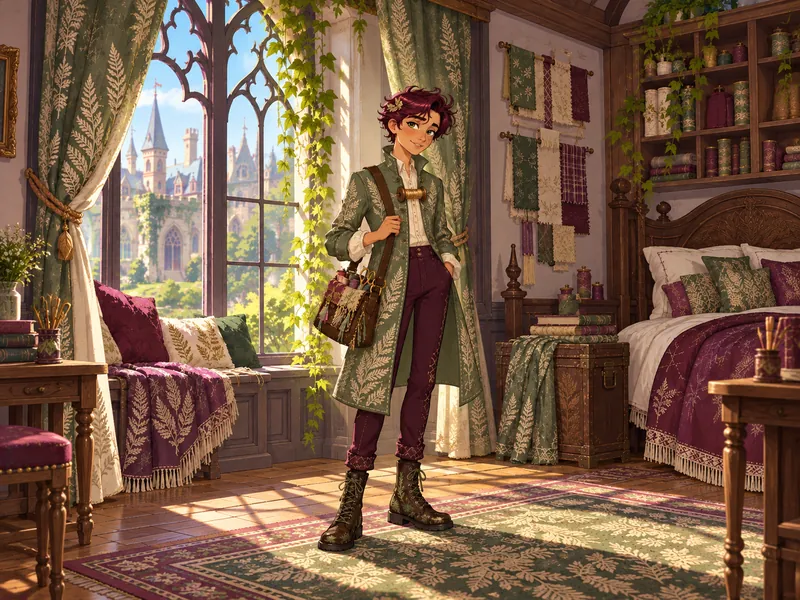
Ferns, stitched leaves and shaped wooden fastenings can suggest a woodland story without borrowing Cerise Hood’s recognizable outfit. A repairer might wear visible mending; a careful observer might keep pressed leaves in a pocket. Make your own Ever After High character by choosing what the student actually does with those details. A fashionable spool clasp says more about Merrit than a generic crown would. Leave the face and hands clear, and let the coat shape remain distinct from the other students on your sheet.
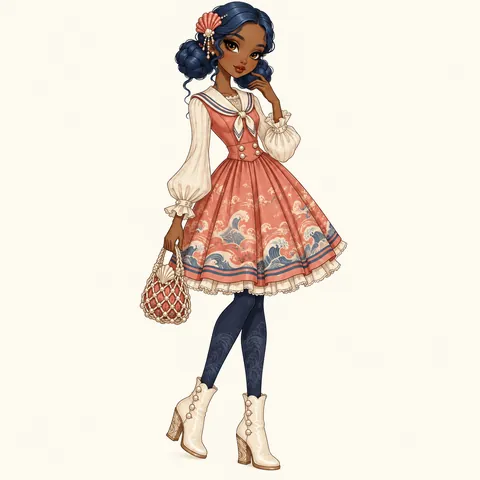
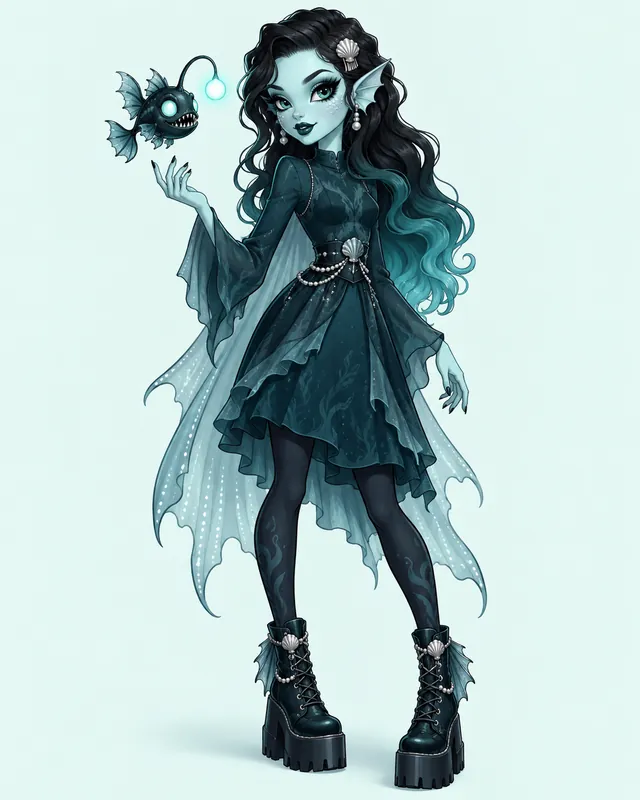
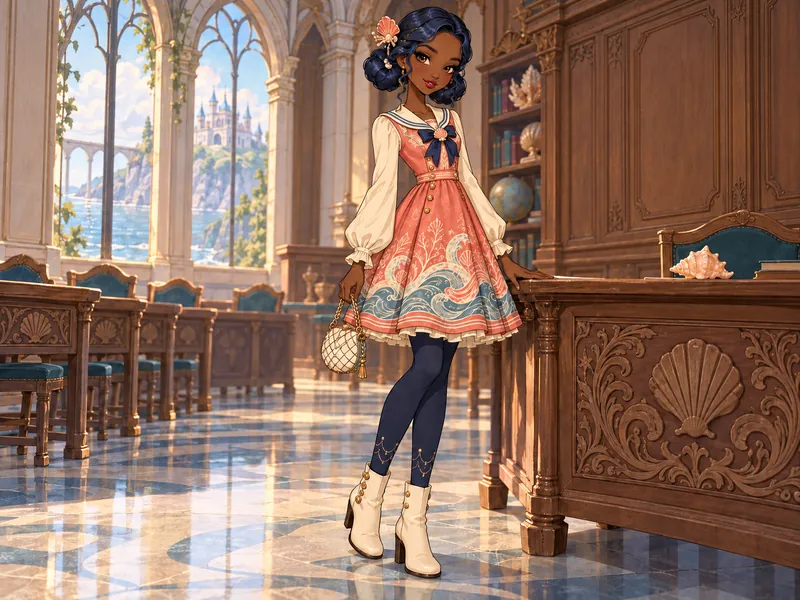
A wave print, a net texture and a shell comb can connect a human student to a fishing tale. They do not automatically make that student a mermaid or a relative of Meeshell Mermaid. Coralie’s coral and ink palette stays anchored to her own premise: learning when enough is enough. Keep the prop small enough to carry through class. For an Ever After High character maker brief, specify whether the character has human legs, a magical transformation or another form so the image does not guess the wrong anatomy.
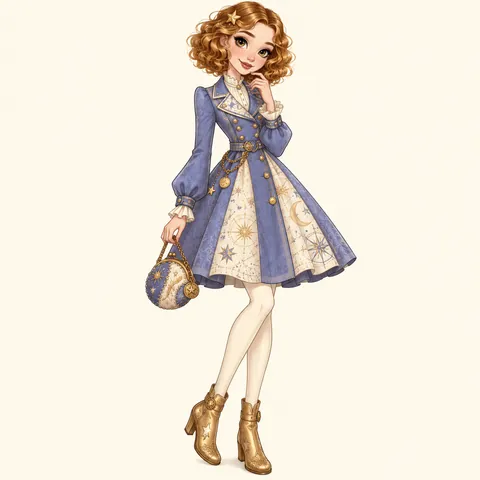
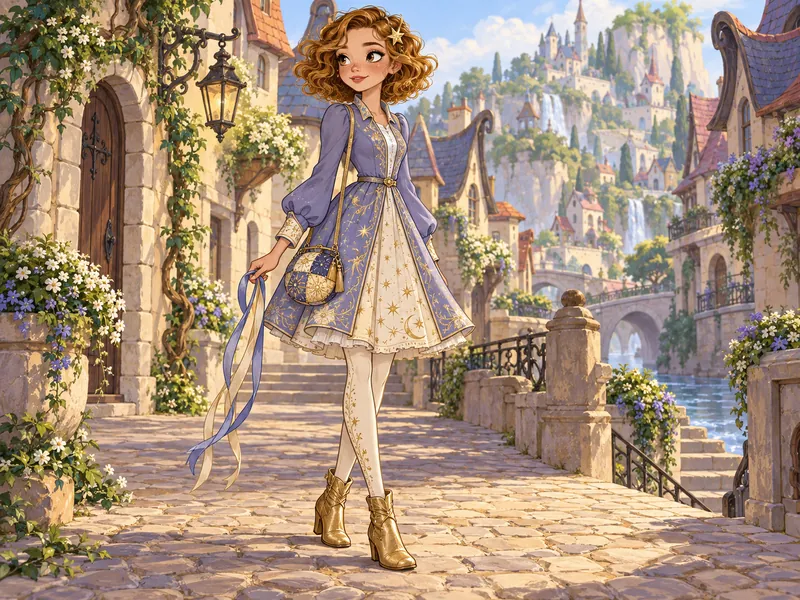
Celestial fabric does not have to mean unlimited magic. A student inspired by The Star Money can care about sharing supplies, keeping promises and learning to accept help. Use star stitches and a modest barrette instead of adding wings, a tiara and every magical object at once. Elowen’s fan interpretation keeps her fully clothed in everyday schoolwear and changes the old tale into an age-appropriate school problem. The outfit should still work when the background is plain and the special effects are removed.
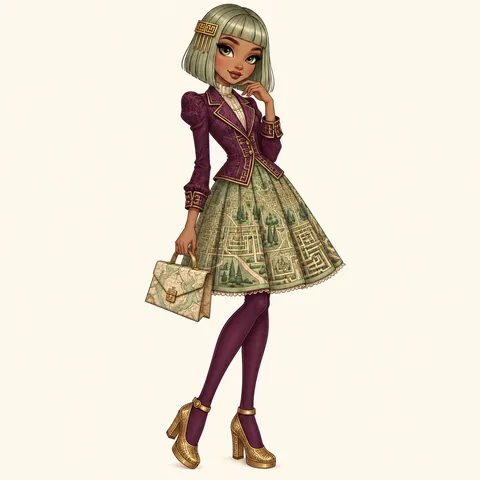
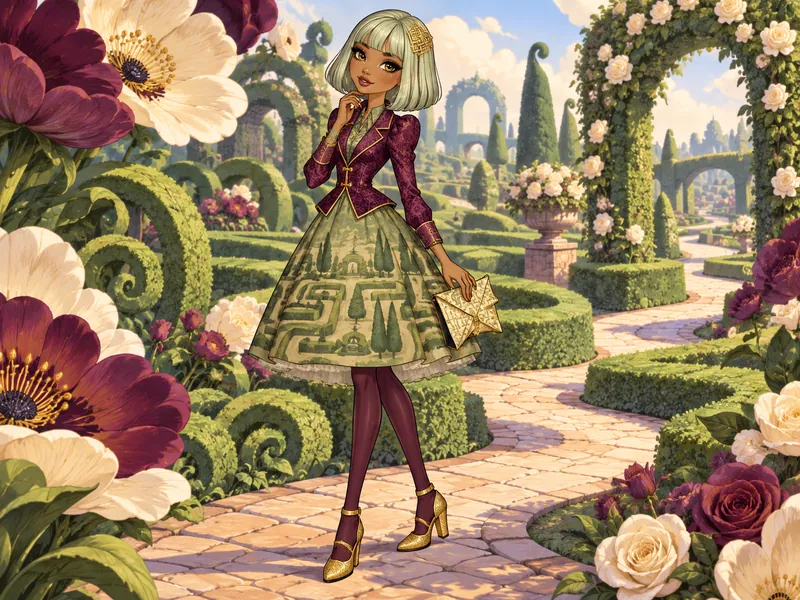
Wonderlandians speak Riddlish, whose riddles can sound nonsensical to outsiders. That gives a fan student room for puns and sideways reasoning, but readers still need to understand the scene. Give a riddle a practical answer and let a friend ask for a plain explanation. Orla’s maze print echoes her winding speech without borrowing Madeline Hatter’s teacup hat or Kitty Cheshire’s cat details. Her parent is an invented resident, clearly labeled as fan lore rather than a missing official character.
Legacy Day asks students to sign the Storybook of Legends and pledge to follow their parents’ destinies. Royals favor following those stories; Rebels question the obligation, and the wiki also lists students with neutral or unclear allegiances. A student can value family traditions and still dislike one part of the ending. Write the exact choice: will Tansy share the bread, share the work, or refuse to repeat the test? Keep the decision personal instead of making every disagreement a battle between good and evil.
Names and motifs
Try a name aloud as if a roommate were calling it across the dorm. A light pun is enough; the name does not need to summarize the whole tale. The mixer offers starting points, and every part stays editable. Match the accessory to a habit rather than adding another power. A wheat comb can be a family keepsake, while a spool clasp can remind a repairer to finish what they start. Avoid surnames that would accidentally make the student a sibling of the official cast.
a nature name + a crafted story surname
Pick a prop with a reason to be there.
Guide
Start with a story question, then make the visual choices answer it. You do not need a secret royal bloodline or a friendship with every main character. A strong student has a family expectation, an ordinary school routine and a choice that can go wrong. These five steps turn a search for an Ever After High maker into a usable brief. Write the short version first; add a longer biography only after the silhouette and personal conflict agree.
Pick an older public-domain fairy tale, nursery rhyme or fable, then check whether its family already has a canon student. The Elves and the Shoemaker, The Little Red Hen and The Town Mouse and the Country Mouse offer different questions about work and comfort. Do not assume a less famous story is unused: the roster includes students beyond the main dolls. If you choose an invented parent, label that choice as fan lore. To create an Ever After High character with room to grow, write one family expectation and one personal preference that does not match it. That tension matters more than a long list of inherited powers.
Choose Royal, Rebel or undecided, then explain the choice in one sentence. A student who likes the family’s craft may still reject its ending; another might accept the ending but dislike being pressured. Legacy Day and the Storybook of Legends give that disagreement a setting, not a personality template. When you make an Ever After High character, give them a reason to change their mind after a conversation or mistake. A small scene works well: the roommate asks for help, the student repeats a family rule, and the result makes that rule feel less simple. Keep crushes gentle and school relationships age-appropriate.
Choose a fabric print, a signature accessory and a supporting prop. They should share a motif without all having the same shape. Wheat on a skirt, a wheat-shaped comb and a woven basket form a clear family connection; three giant wheat sculptures would crowd the design. If your search was “Ever After High create a character,” this is the practical starting point: describe what the student wears before listing what they can do. Use sleeves, comfortable layers and opaque tights where appropriate. Give the outfit one clear silhouette, then remove details that compete with the face or hands.
Choose a main color, a supporting neutral and one accent. Tie the palette to a material or setting in the tale, then allow a personal twist. Tansy uses grain-colored cream, copper hair and a teal jacket; the teal keeps the design from becoming a literal hen costume. A braid, bun, bob or gathered curl shape should remain recognizable in every style. To create Ever After High character art consistently, repeat those details in the prompt and keep the accessory on the same side. Avoid reproducing a canon student’s complete combination of hair, palette, outfit and prop even if each detail seems common alone.
Give the student something to do between big story events. A shared drawer of fabric scraps, an overplanned supper or a habit of labeling borrowed pencils can suggest scenes without inventing a world-saving quest. Mark invented clubs as fan creations. The phrase “Ever After High make your own character” is most useful as a reminder to make personal choices: who shares the dorm, what causes friction, and how does the student apologize? Compare front, side and back views, then check whether a friend can recognize the outfit in a thumbnail. Save the finished brief before changing styles so the important details stay together.
Other fandoms
Tools
FAQ







Sign up for 10 bonus credits and make your first OC free.