Saffron Gantry
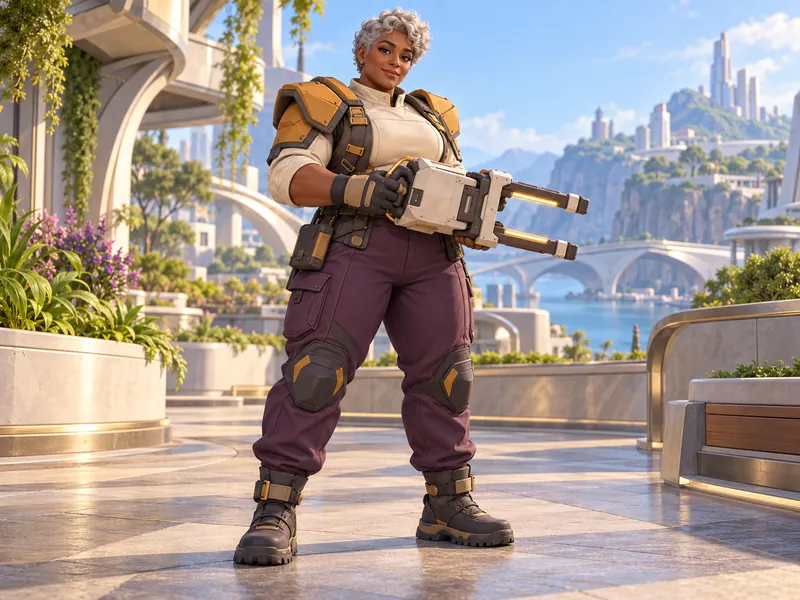
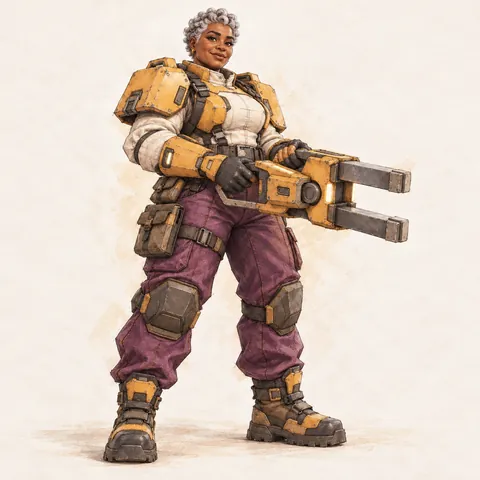
Rescue Tank- A rescue crew veteran
- Builds a route out
- Slow when the braces are planted
Build an Overwatch OC around a job the team actually needs. This Overwatch OC creator pairs a visual character designer with editable hero-kit fields: role, primary weapon, two abilities, passive and ultimate. Start with an illustrated concept, change its weaknesses and hometown, then turn your brief into original character art. The sample heroes are fan concepts, not playable additions to the game.
Ideas
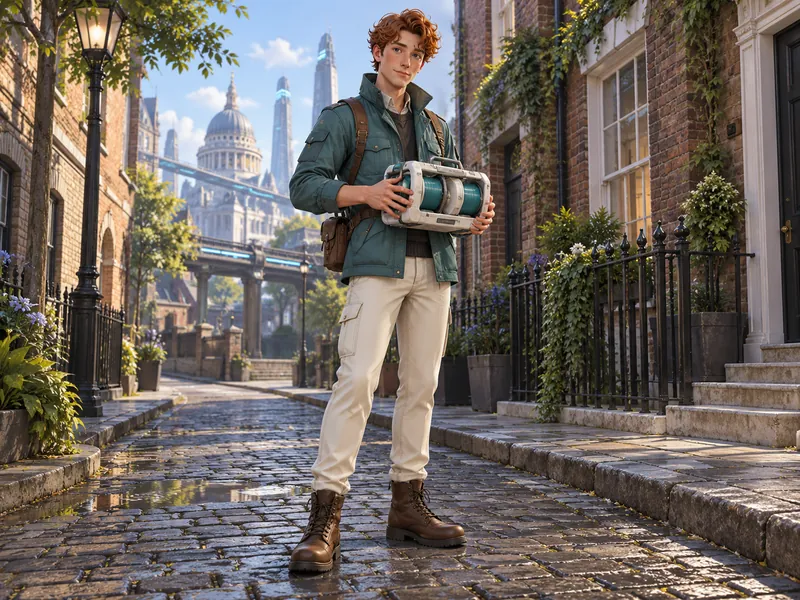
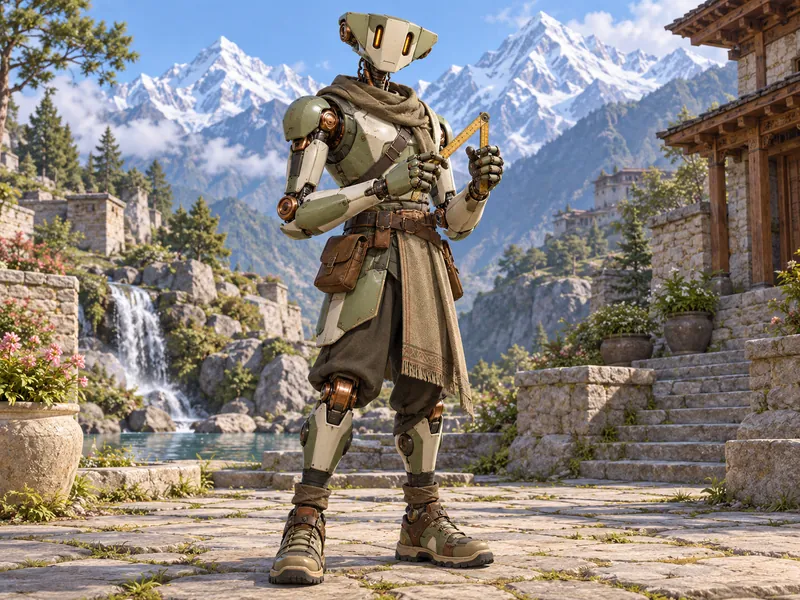
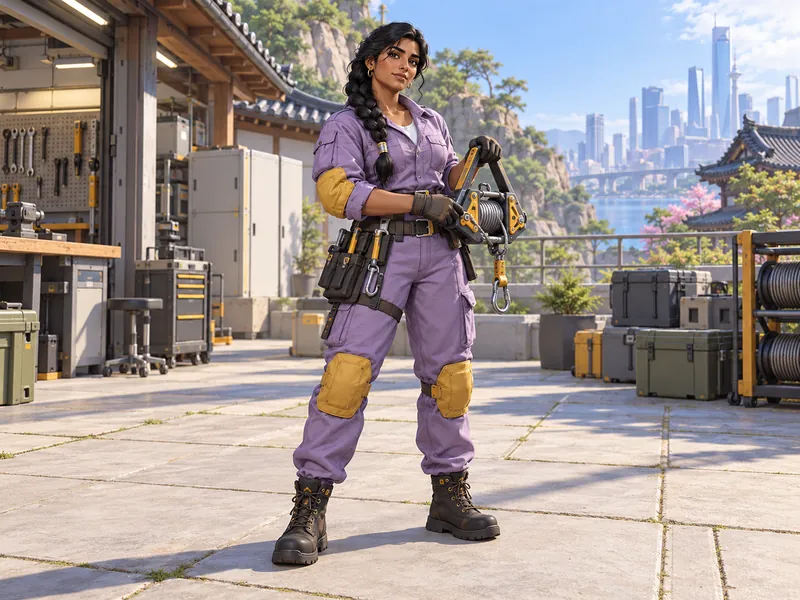
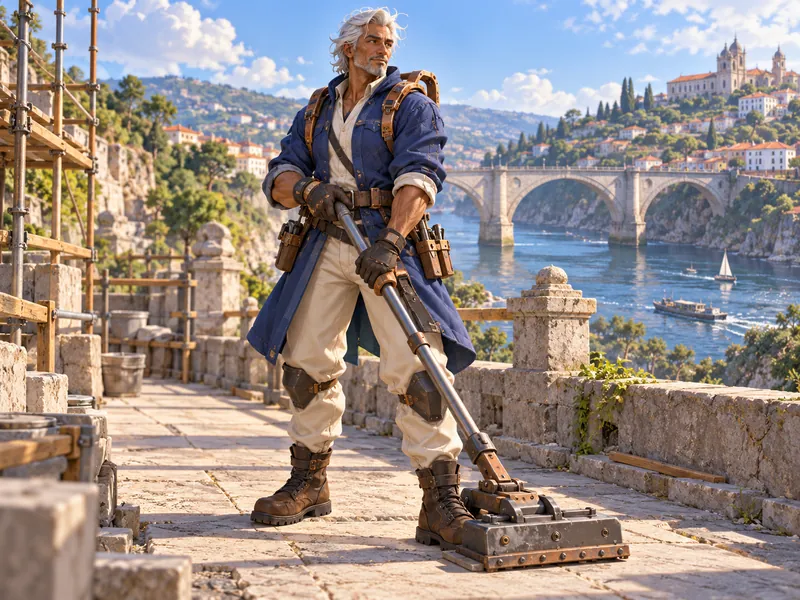
Use an idea to load its complete six-part kit, colors and origin into the designer. Each concept starts with a different practical problem: holding an evacuation route, finding a firing angle, supplying aid, surveying an unsafe path, repairing machinery or guiding a team across open ground. These are sketches for your writing, not balance-tested game proposals. Keep the central mechanic and replace the personality, equipment details or motivation until the result belongs to your story.
Art styles
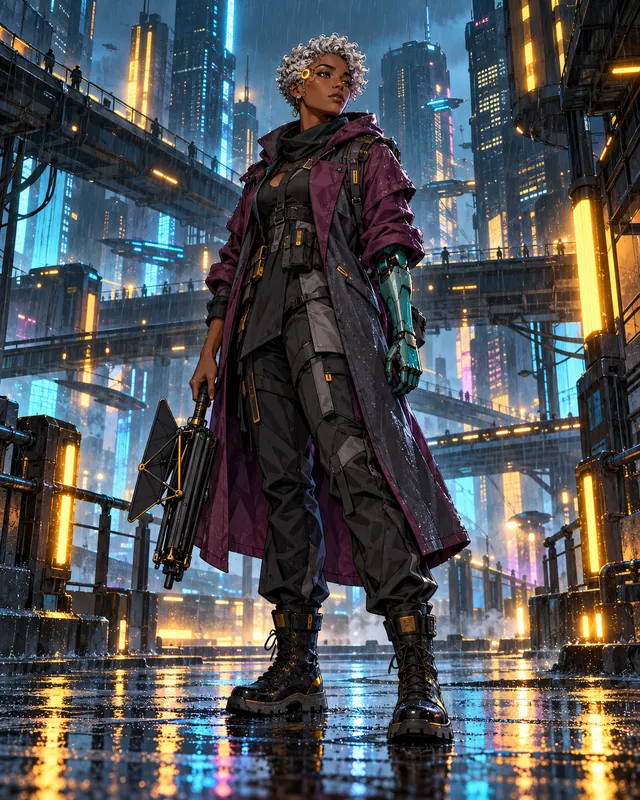
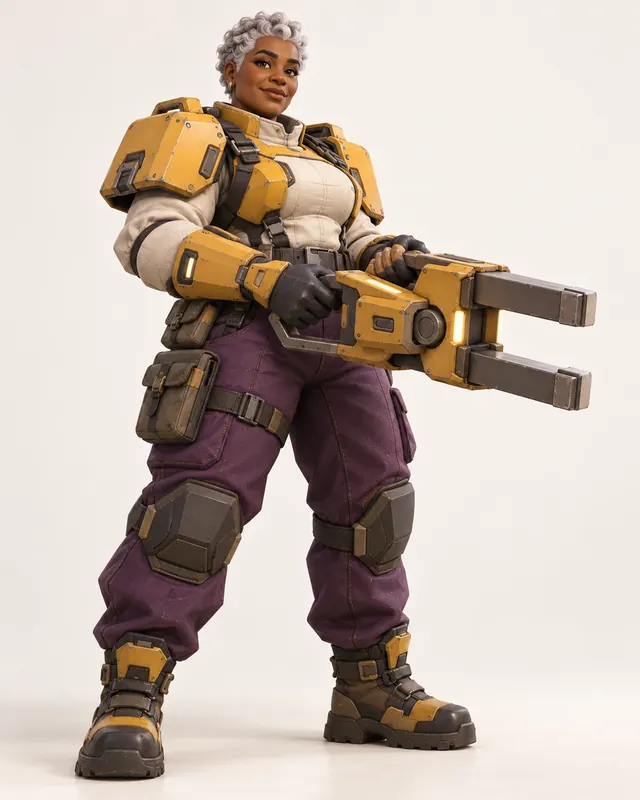
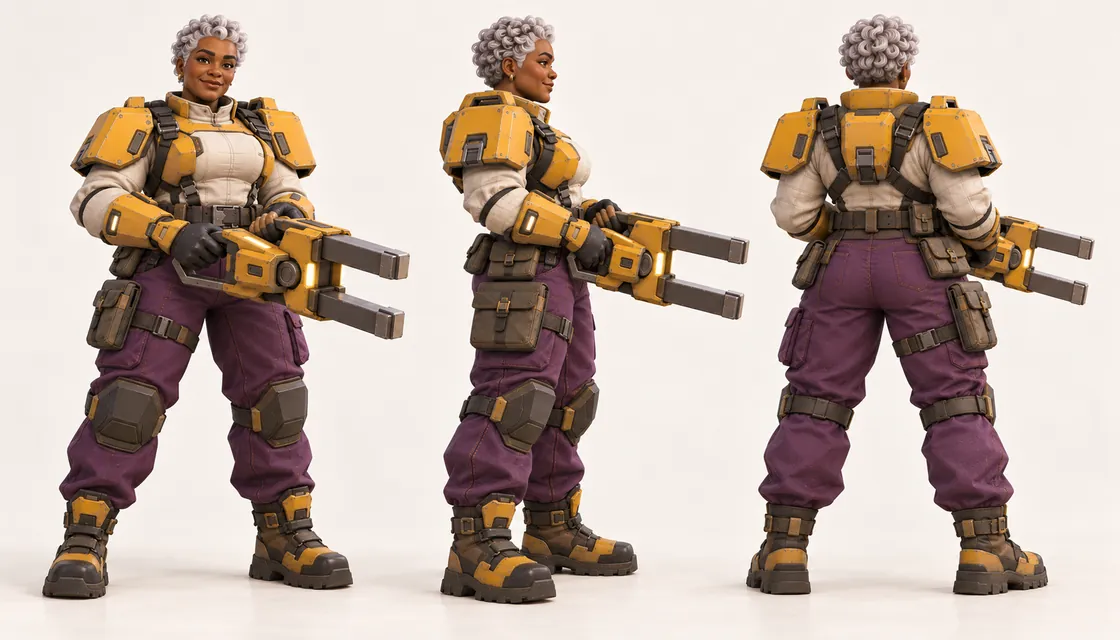
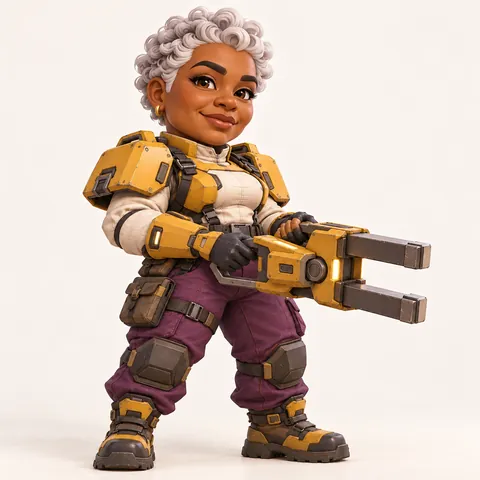
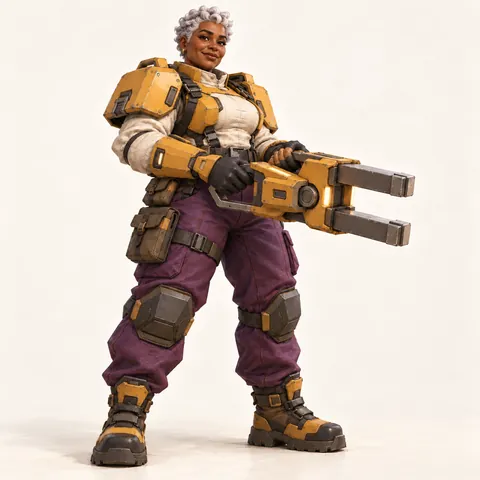
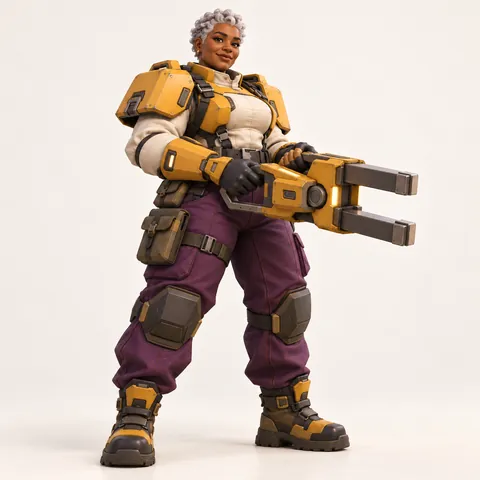
Saffron Gantry keeps the same silver curls, square ochre shoulders, plum trousers and two-prong brace projector in every interpretation. Polished stylized 3D game art is the natural starting point for this universe. Chibi compresses her proportions, semi-realistic painting emphasizes material wear, and sketch simplifies the surfaces. Compare the silhouette before comparing tiny details: a style change should not turn her into a different person. The reference sheet repeats the same costume from three useful angles without adding labels or official emblems.
Know the rules
Tank, Damage and Support are the team roles. Omnic and Engineer are character-design starting points, not extra queue roles. Keep those layers separate: an omnic can have any team role, a mechanic can belong to no faction, and a national background does not dictate a weapon. The cards below combine verified setting context with practical fan-design advice. Their suggested mechanics are original examples, not statements about live balance or promises that the game can import your creation.
Sources: Overwatch Wiki: heroes and Role Queue; Blizzard: Ramattra and the Shambali; Blizzard: the Reign of Talon
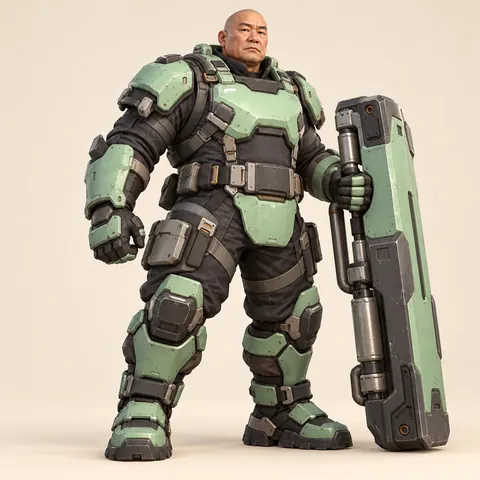
Start with the space the team can use because this hero is present. A broad shoulder frame can suggest protection, while a low stance tells viewers where pressure travels through the body. Do not treat Tank as permission to add every defensive effect. Choose one dependable way to hold a route and one clear way opponents can challenge it. Saffron protects an exit but struggles when enemies move around her planted equipment. In your own kit, write what happens when the shield is unavailable and who must help. This makes teamwork visible in the concept instead of burying it in a biography.
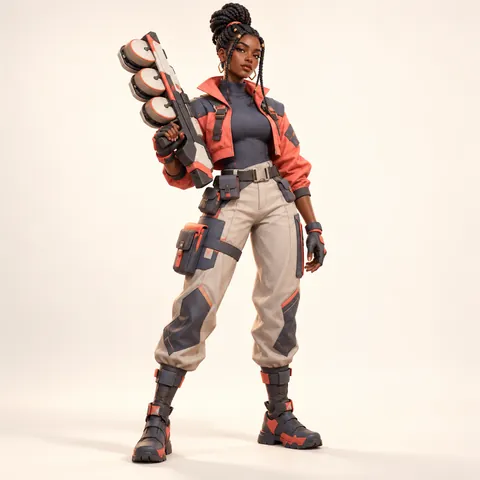
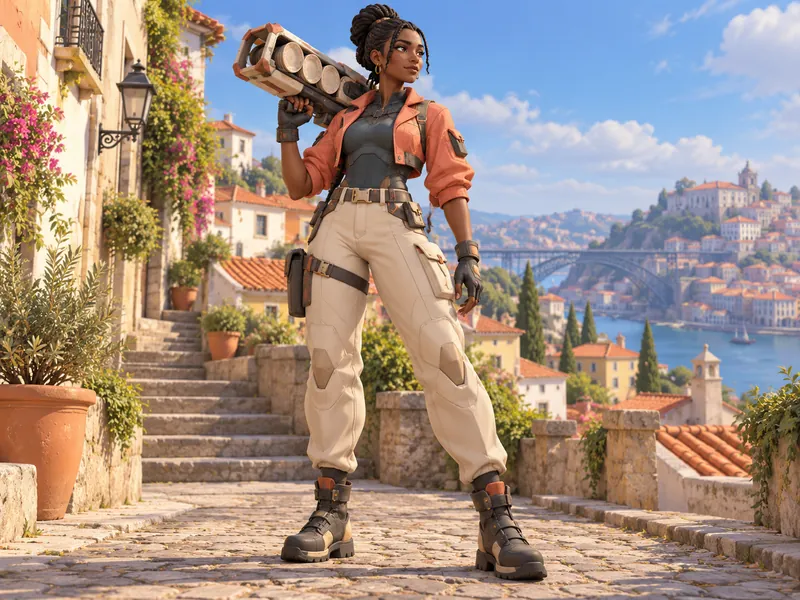
A useful Damage concept has a distinct firing rhythm before it has an impressive ultimate. Decide whether the player waits, tracks, predicts or commits. Build the weapon around that verb: a launcher with visible discs communicates a different action from a narrow beam tool. Then give the silhouette enough empty space that the weapon remains recognizable at thumbnail size. Copper rewards planned angles but has to recover her supplies. Avoid combining a perfect long-range shot, effortless escape and constant close-range pressure without a meaningful tradeoff. Your first draft needs a readable weakness more than an exact damage spreadsheet.
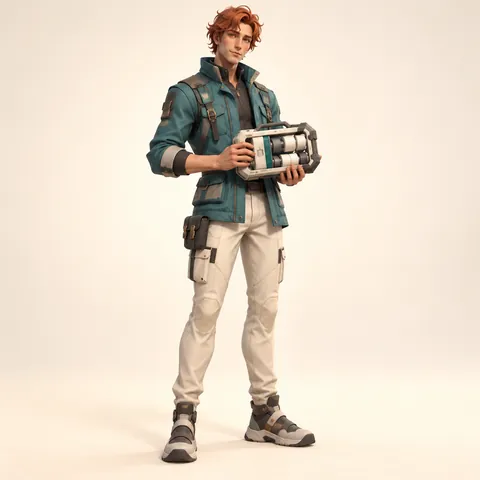
Write the delivery method first: packets, a short link, a placed station or another specific device. That choice should influence hand position, equipment weight and the distance the character prefers. Mallow needs a clear path to one nearby ally, so his design emphasizes a portable dispenser rather than a costume covered in unrelated gadgets. A Support can be assertive, impatient or funny without becoming a different role. Give the character a personal goal beyond caring for everyone else. For kit review, ask who can interrupt the aid and what the Support does while the resource recovers.
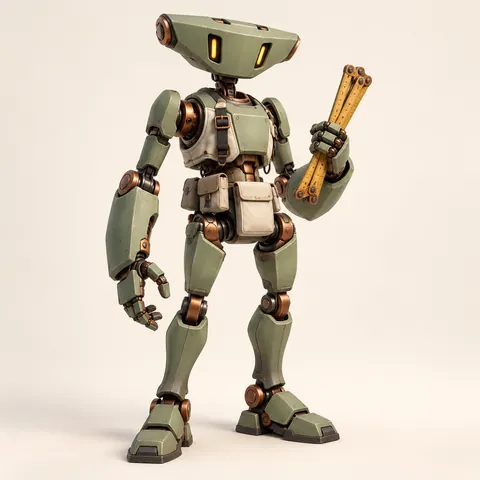
Do not make omnic identity automatically mean Null Sector membership or Shambali belief. The setting includes different political and spiritual paths; your character needs an individual relationship to those choices. Slate is a path surveyor who visits a mountain community, not a replacement for an established monk. Start the mechanical design with an original head shape and a task the hands were built to perform. Avoid familiar combinations such as floating meditation, a ring of orbs, a turret torso or a bird companion. A small preference, like keeping paper maps despite excellent sensors, helps the person emerge from the hardware.
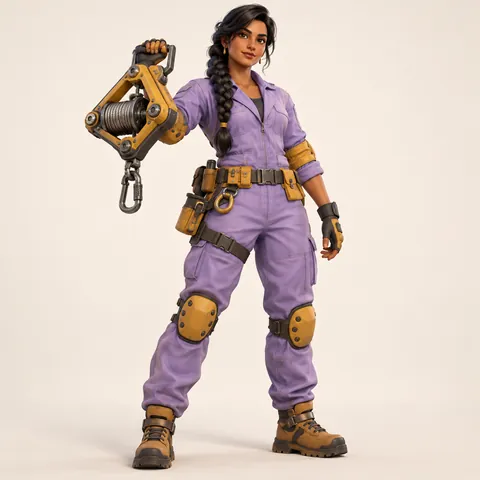
An engineering background is a story choice, not a fourth team role. Decide what the character repaired before they adapted their equipment for dangerous situations. Lift rails, clinic supplies and bridge joints produce different tools and habits. Apricot uses a cable winch because her experience concerns tension and maintenance. Her ultimate expands that same idea instead of introducing unrelated magic. Keep pockets and protective panels where the job needs them. A compact toolkit is more persuasive than dozens of mystery attachments. Give maintenance a cost, such as stopping to service the machine, so the design creates decisions instead of solving everything.
Overwatch, Talon, Null Sector and the Shambali are different organizations or communities, not interchangeable costume categories. A connection can be current, former, reluctant or purely local. The Shambali are associated with a peaceful spiritual path, while Ramattra departed that path and led Null Sector. Your fan character does not need to be a secret leader or relative of a canon hero to matter. Write one event that explains the connection and one disagreement that tests it. The designer uses plain equipment without organization logos. Color, condition and practical gear can suggest a history without copying an official uniform.
Aliases and limits
An alias should be easy to call across a team conversation and connect to something the character actually does. This local mixer pairs a color or material cue with an equipment or structural word. It makes starting suggestions, not a guarantee that no person or fictional character has used the phrase. Click an alias to place it in the draft, then choose a passive limitation below. Keep civilian identity separate so the call sign does not have to explain nationality, career and personality all at once.
Material or color + practical structure
Pick one small advantage; write when it stops working.
Guide
Treat the first pass as a small design document. You are deciding what the character contributes, what the audience can recognize and what makes the person interesting away from a match. A strong brief can be short, but its choices should agree. Use the kit fields to separate mechanics from appearance, then use Extra details for the connections between them.
Begin with a sentence such as “keeps a narrow evacuation route open” or “delivers supplies to a nearby partner.” Select Tank, Damage or Support according to that job. In standard 5v5 Role Queue, a team has one Tank, two Damage heroes and two Supports; other formats also exist, so name the format you are designing for. Avoid claiming your fan kit works in every mode. Write a failure case before adding an ultimate. If the hero can already solve the problem alone from every distance, remove an advantage and give a teammate something useful to contribute.
The Overwatch hero generator fields separate role, primary weapon, two abilities, personal passive and ultimate. Load one of the six illustrated ideas to see a complete example, then replace each part deliberately. Describe an action, a condition and an interruption rather than a string of impressive nouns. A brace wall protects a short lane until someone flanks it. A supply link breaks around solid corners. These statements are easier to judge than unsupported numbers. Keep the ultimate connected to the ordinary equipment so the character has one coherent idea at two different scales.
Nationality, hometown and current base can differ. A Ghanaian engineer can work in Numbani without making Numbani a substitute nationality. A visiting technician in Busan does not automatically belong to MEKA. Use the origin field for the personal background and the map picker for the scene. Then choose a faction connection only if it creates a useful story. Explain why the person stayed, left or refused to join. Research any language, clothing tradition or cultural detail you include instead of treating a national flag as a complete personality.
Reduce the design to a tiny outline in your mind: can you distinguish the head, shoulder shape, stance and weapon? Choose one dominant color, a quieter secondary surface and a small accent. Saffron uses square ochre shoulders over plum trousers; her cream undersuit separates the armored shapes. Add wear where hands grip and boots contact the ground, rather than scattering scratches everywhere. Compare the result with the full current roster, including newer heroes. If the shape still reads as a canon hero in a different color, change the structure or equipment before spending time on fine decoration.
Choose the native 3D treatment for a game-like presentation or another available style for a different purpose. Inspect the face, hands, weapon and costume before keeping an image. A reference sheet should preserve the same equipment across angles, not invent a new backpack on the back view. Save the kit text alongside the image so the visual does not become the only record of your idea. When something is wrong, identify the specific mismatch: color, silhouette, hand placement or missing equipment. A precise revision request is more useful than asking for a generally better hero.
Other fandoms
Tools
FAQ

Sign up for 10 bonus credits and make your first OC free.