
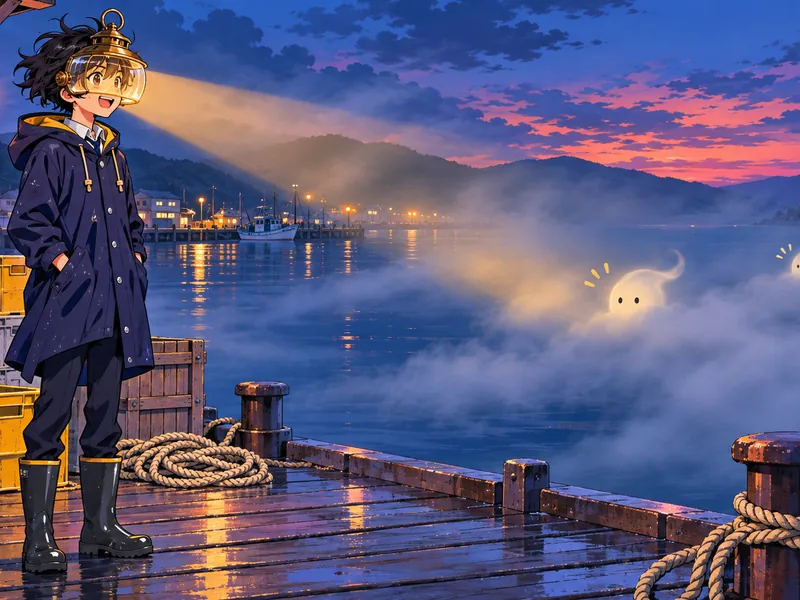
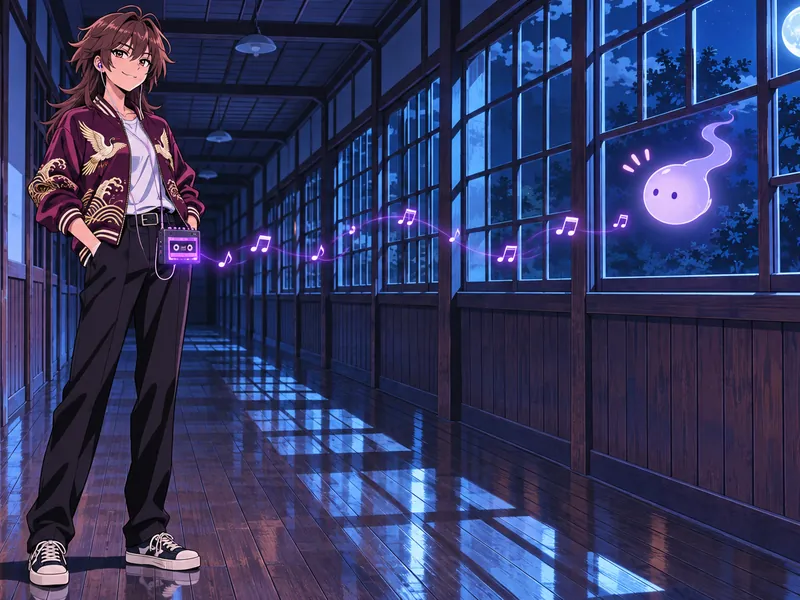
Itsuki Natsukawa
Yokai mask- Carries a lighthouse yokai's power
- A lantern visor shows hidden spirits
- The beam fades when the tide goes out
This free Dandadan OC creator starts where the series does: with a bet about ghosts and aliens. Decide what your character believes in, where their power comes from and which spirit or alien tags along, then pick a boy, girl or nonhuman look and draw them as a portrait, full body or reference sheet.
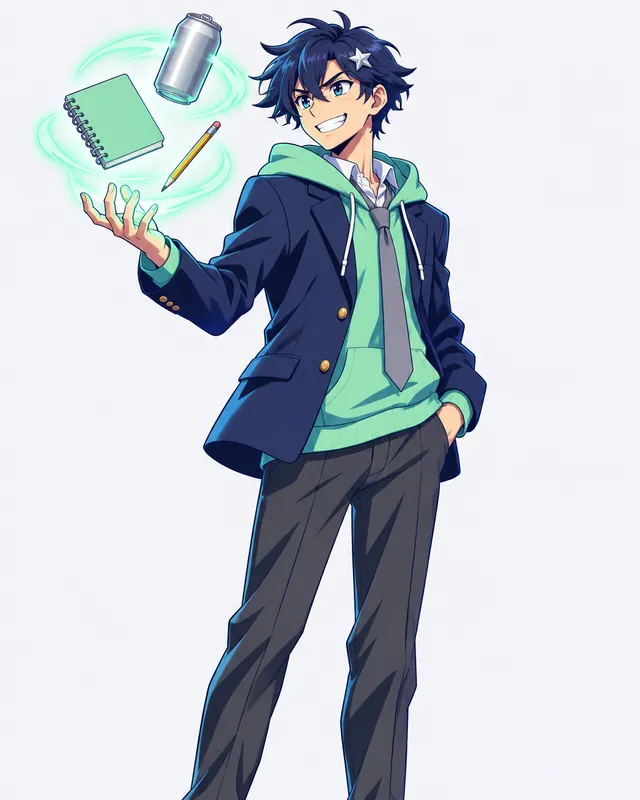
Ideas
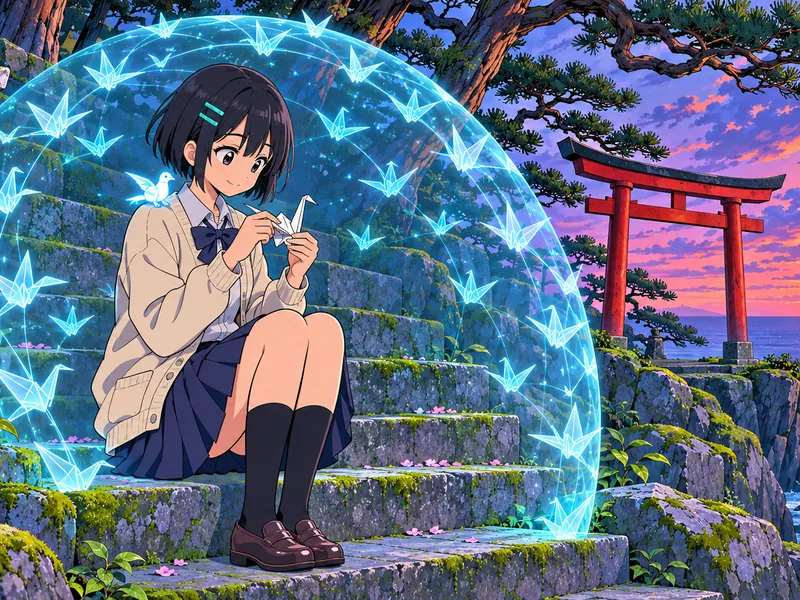
Every card pairs a belief, a power source and a problem the power cannot fix on its own. Three are boys and three are girls, and one of the boys is an alien, so you can start a male, female or nonhuman Dandadan OC from a card. Press Use this idea to load the fields, then change the name, the partner spirit or the limit until the character is yours. None of them is a canon character with a new name.
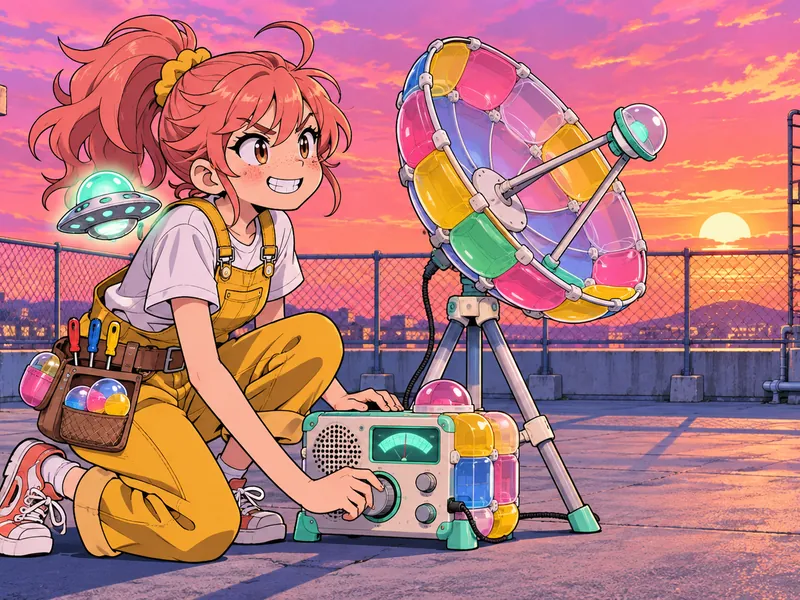
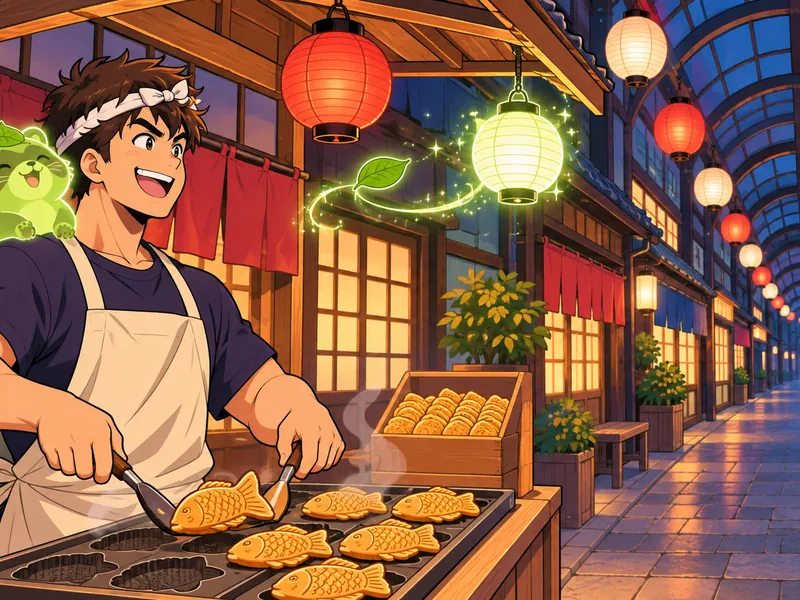

Know the rules
Dandadan mixes ghost stories and UFO lore, and the wiki is precise about how each side works. Spiritual power, the power of spirits and of the few humans who awaken it, follows different rules from alien technology. The notes below come from the Dandadan Wiki and the published series, and each one ends with what it means for your OC. Press Make one to load a matching starting point into the generator.
Sources: Wikipedia: Dandadan; Wikipedia: Dandadan (TV series); Dandadan Wiki: Spiritual Power
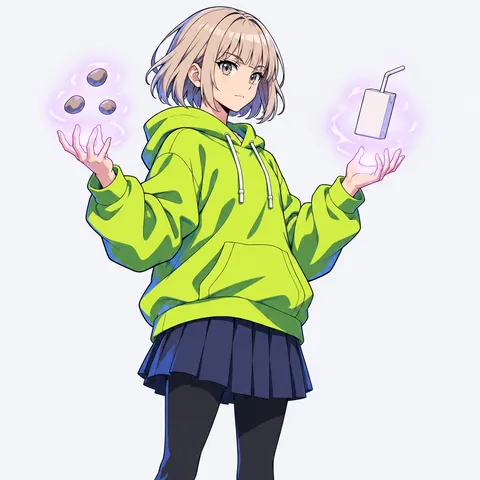
Spiritual power sleeps in most people, and the wiki calls its awakening unpredictable. Momo practiced her grandmother's ki routine every day as a child, yet her psychokinesis woke only when the Serpo captured her and she remembered those lessons. Jiji, a prodigy, learned to use his ki in a few days. Spirit sight can fade, too: Aira saw Acrobatic Silky as a child, lost the ability and had it reawakened years later. The wiki sorts powers into enhancement, manipulation, transformation and conjuration, and psychokinesis counts as manipulation. Choose the moment your OC woke up and what they could do on day one, then let the power grow with practice.

Humans who awaken spiritual power are called Power Users. The wiki lists four ways a human gains a yokai's power: through the yokai's aura, the way Okarun kept Turbo Granny's speed; as a gift the yokai chooses to give, as Umbrella Boy did for Unji Zuma; through a pact with a guardian spirit; or with rare cursed tools. Once the power settles in, it often shows as a mask that forms over the face, and it tugs on personality. Okarun turns gloomy and wants to go home, while Aira takes on an elegant, regal way of speaking. Decide how your OC got the power, what the mask looks like and which side of them it brings out.
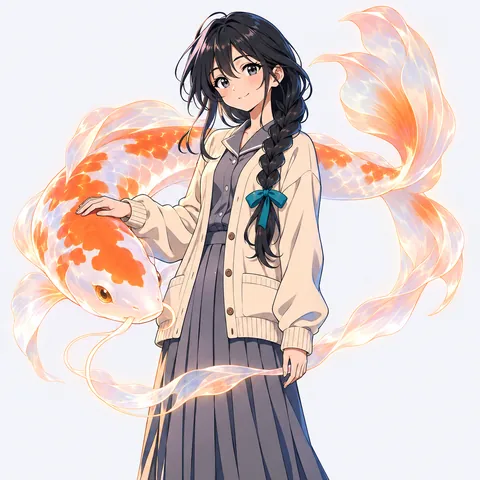
A pact is different from inheriting a power. Rin Sawaki uses an Onbusuman's gravity power through her pact with the spirit Mai Kawabanga, and Kashimoto's guardian spirit makes flames that freeze instead of burn. Because the power never moves into the human's body, the user calls the guardian spirit out to help when trouble starts. That makes the partner a character in its own right, with moods, favorite snacks and a reason to stay. Give your partner spirit a shape you can read at a glance, a voice and one thing it refuses to do. A pact OC suits you if you want a gentle power and a funny double act.
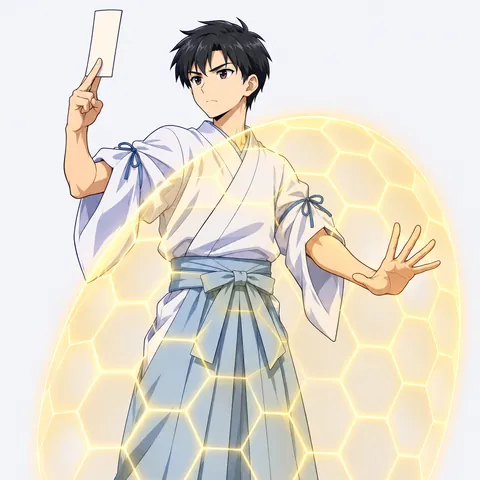
Yokai are especially vulnerable to the spiritual power of mediums and priestesses, who can send them on to the afterlife. Seiko Ayase, Momo's grandmother, casts barriers that ward off evil spirits with power she borrows from a god who lives in Kamigoe City, and she taught Momo a daily ki routine when Momo was small. A medium OC works best with a routine, a tool and a source: a shrine family, a teacher, a promise to a local god. Draw the tool plainly, such as a blank paper charm, a bell or a braided rope, and give your medium a look of their own rather than the canon household's. Shrine life also gives your OC chores, neighbors and a home base.
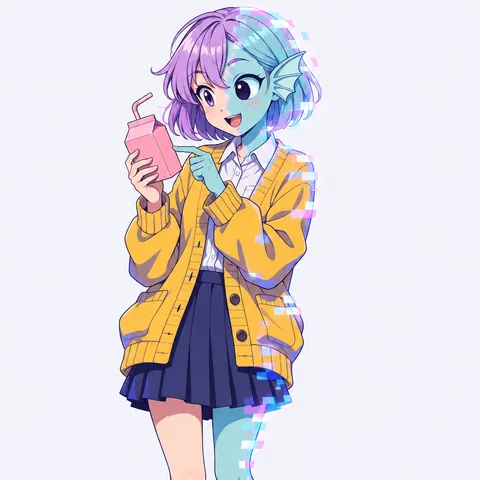
Okarun claims 666 alien species live in the Milky Way and that Earth knows of only 86. Many visitors blend in: Bamora, a Sumerian, joins Kami High as an exchange student, and other aliens wear skin suits. The octopus-like Kur need exosuits because Earth's gravity strains their soft bodies, and alien devices can open Empty Space, a pocket dimension that hides an encounter from ordinary people. One firm rule for an alien OC: according to Saint-Germain, aliens are biologically incompatible with yokai, so they cannot take on yokai powers the way humans can. Give your alien a home world, a disguise that slips and gadgets with a clear job, like a translator or a detector.
In Dandadan, yokai are spirits, also called evil spirits, who are hostile toward the living and known by the aliases people give them: Turbo Granny, Acrobatic Silky, the Evil Eye. A yokai usually keeps a trait it cared about in life, and some legends come in versions; the wiki lists 80, 100 and 120 km/h Turbo Grannies. The strongest are classed as mountain yokai and can be worshipped as gods. Canon also lets a yokai change sides: Turbo Granny ends up in a lucky-cat doll, helping the heroes. For a friendly yokai OC, write the rumor people repeat about it, where it is seen and the one rule it follows. Keep the design cute-creepy, not scary.
Canon powers are strong but never free. Yokai powers drain stamina, and the stronger the yokai, the faster the drain. Okarun and Unji get locked out of their transformations when they push too far, and the wiki notes that Power Users have shown at most two powers, with one rare exception. A power held too long can also pull its user toward the yokai's nature. Write one cost into the Power limit field: a time limit, a trigger, a snack break or a mood swing. The ten limits under the name mixer give you ready ideas. A clear cost makes your OC easier to write into a group story and keeps them from outshining the main cast.
Names and limits
The human cast carries everyday Japanese names, written given name first in the English releases: Momo Ayase, Ken Takakura, Aira Shiratori, Jin Enjoji, Kinta Sakata, Rin Sawaki. Family names often borrow nature words (Shiratori means white bird), so the mixer pairs common given names with nature-flavored family names that no canon character uses. Nicknames come from a hobby or a sound: Momo first calls Ken Occult-kun, which becomes Okarun, and Jin Enjoji goes by Jiji. The Club nicknames set follows that habit with a hobby or look word plus -kun, -chan, -san or -senpai. Yokai and aliens get descriptive names instead, so write those yourself.
Given name + family name, given name first as in the English releases.
Every Power User in canon pays for their power somehow. Pick one cost and write how it changes a scene.
Guide
Dandadan characters are defined by what they believe, what happened to them and who they team up with afterward. Work through those three, then the look. The generator fields follow the same order, so you can fill them as you read.
The series opens with a bet. Momo believes in ghosts but not aliens, Okarun believes in aliens but not ghosts, and each goes to the other's haunted spot to prove a point. Start your OC the same way: pick what they believe in before the story proves them wrong. A skeptic who only trusts what they can film reacts very differently from a girl raised on her grandmother's ghost stories. The Believes in chips give you the common positions, and the belief tells you what their first encounter should be. A ghost believer meets an alien; an alien fan meets a yokai.
Choose one source and stick to its canon rules. A psychic awakens their own spiritual power. A Power User carries a yokai power through its aura, a gift or a pact. A medium borrows strength and keeps a routine. An alien relies on technology and, by canon, cannot take on a yokai power at all. A skeptic with no powers is valid too, as long as they are useful: they know the bus routes, they film everything, they fix the radio. The picture tiles cover the five main sources, and the chips add cursed object keepers, cryptid hunters, robot builders and friendly yokai.
Pick a Power chip, then decide what the power looks like on the page: a colored aura, a mask that forms over the eyes, a partner spirit that appears, a disguise that flickers. Set the Aura color to match, since the series treats aura as something a trained eye can read. Then write one cost in the Power limit field. Canon powers drain stamina, lock users out of transformations and pull on their personality, so a limit is part of the setting, not a weakness. The ten limits under the name mixer are ready to use or adapt.
Most of the cast are high schoolers with part-time jobs and club rooms, and the everyday scenes matter as much as the fights. Choose a Day life chip, such as the occult research club, a family taiyaki stand or the convenience store night shift, and let the outfit follow from it. Give the character one item you could spot in a crowd: a souvenir jacket, a raincoat, headphones, a tool belt. Design your own school uniform instead of copying the canon blazer and emblem. Keep teenage characters in age-appropriate clothes and poses, the same way the examples on this page do.
Pick a partner spirit or alien, or leave the field on No partner for a lone investigator. Then open the name mixer for a given name and family name in the canon pattern, or a club nickname for friends to call them. Choose an output: portrait for an avatar, full body for the outfit, or a reference sheet to keep the design consistent. Review the result for hands, props and the partner spirit, and keep the written description with the art. If something drifted, adjust one field and draw again rather than rewriting everything.
Other fandoms
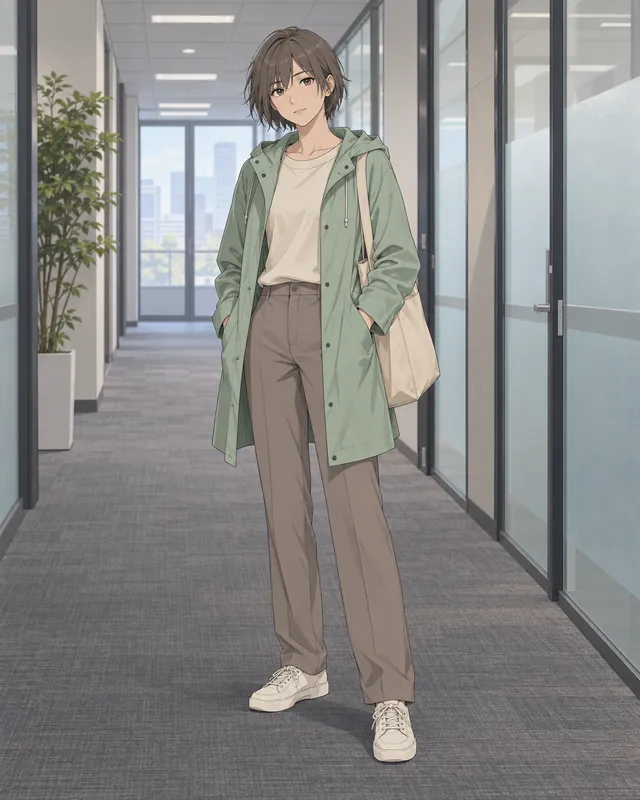 Chainsaw ManOC Creator
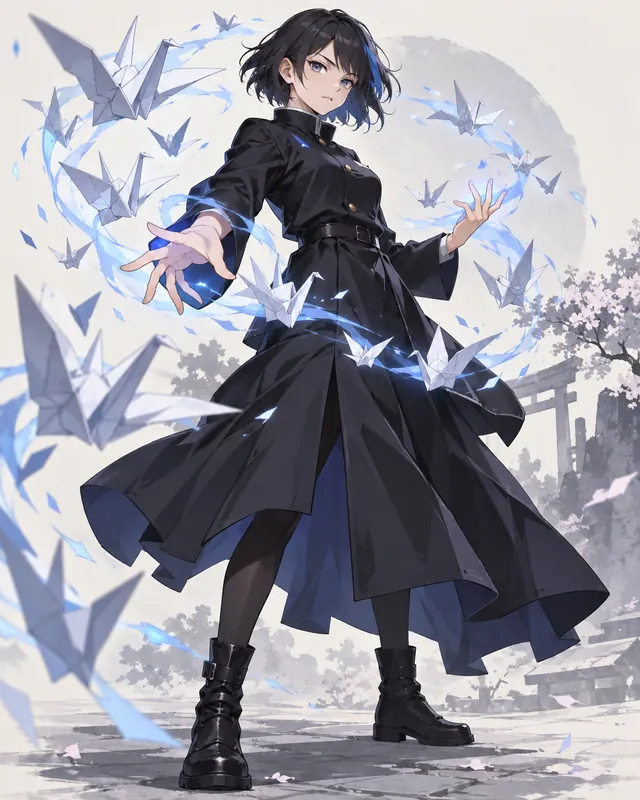 JJKOC Creator
 Stranger ThingsOC Creator
 MHAOC Creator
 BleachOC Creator
 PersonaOC Creator
Tools
FAQ

Sign up and your first pack comes with 100 bonus credits.