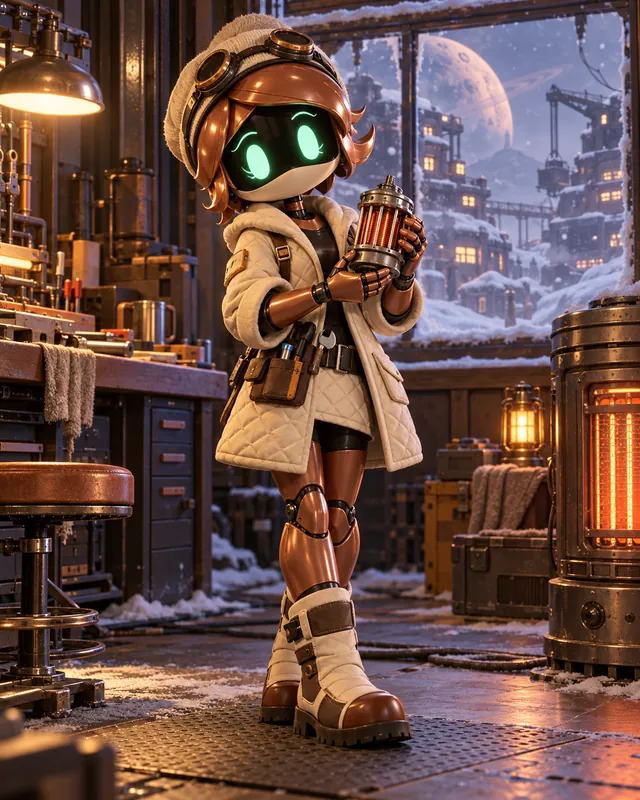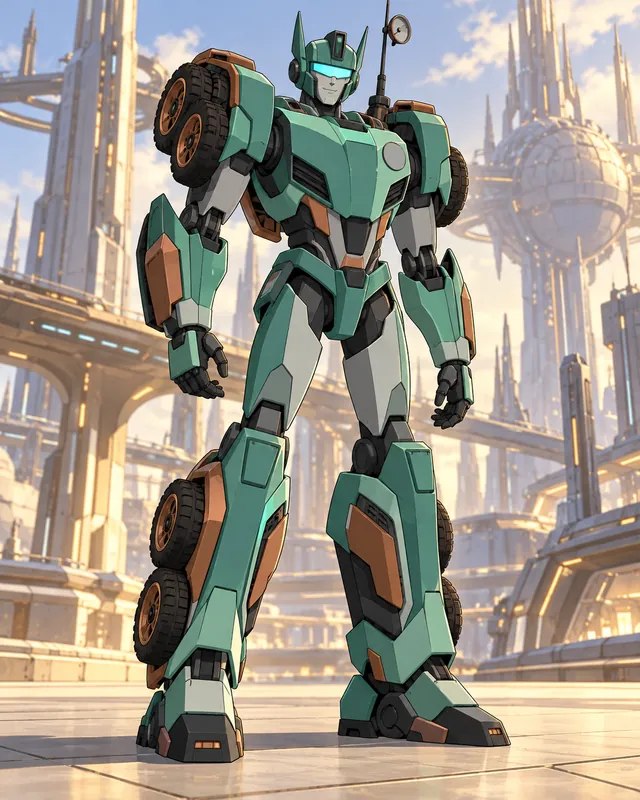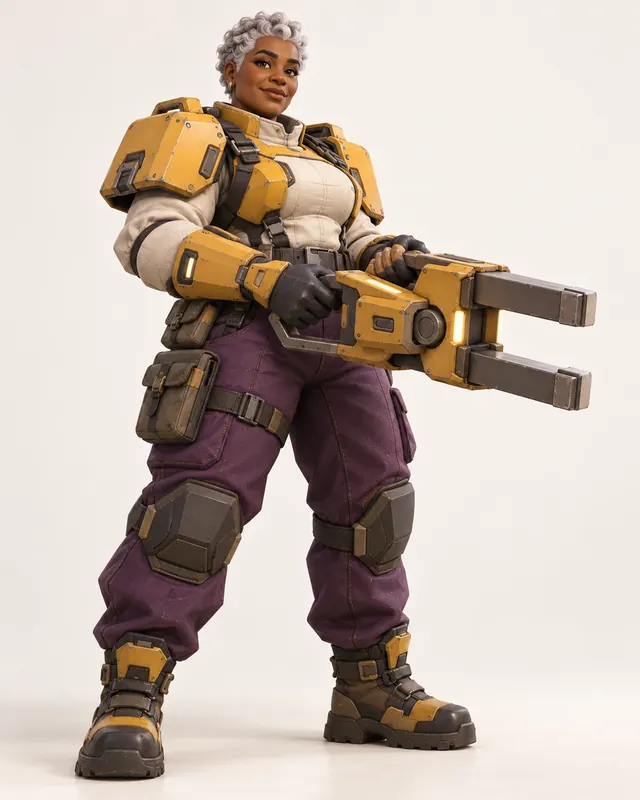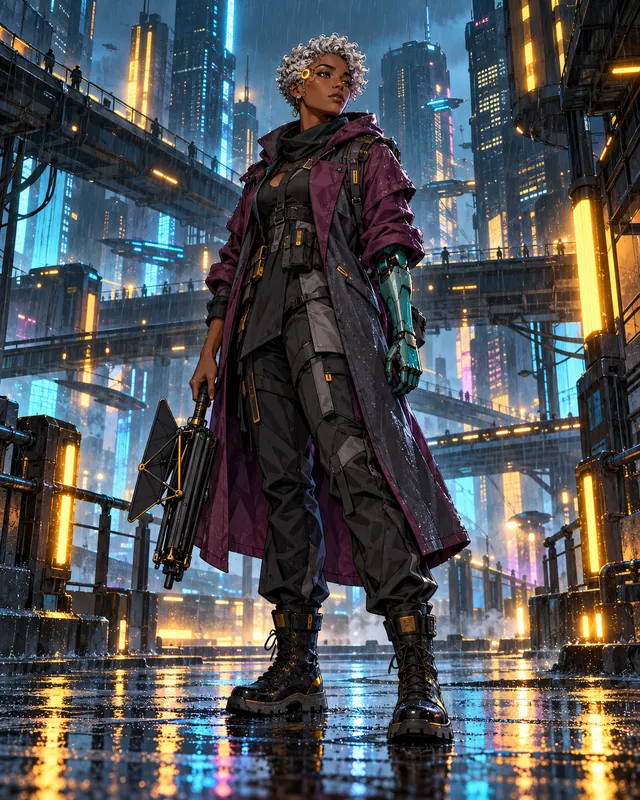
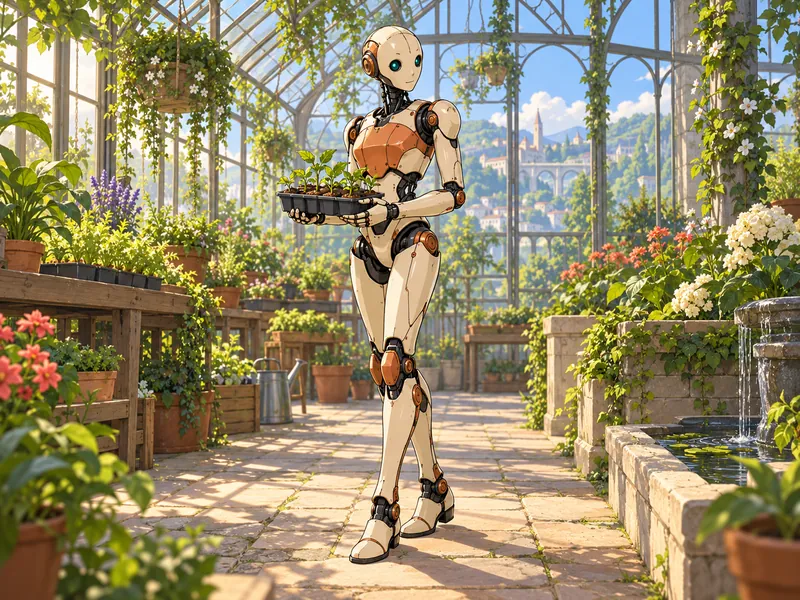
HORT-26 Tansy
Android- A ceramic greenhouse keeper
- Counts every new leaf
- Learns to leave room for weeds
Build a robot OC whose body tells a story. This Robot OC Maker also works as an android OC creator: choose a chassis, face, finish and power source, then add a job and a wonderfully inconvenient glitch. Make an original machine for your own setting, from a pocket companion to a harbor-sized mech.
Ideas
Start with a useful job, then give the machine a preference that the job cannot explain. These original designs use different silhouettes, materials and settings. Each card loads a complete starting brief; change the face, scale or personality before drawing to make the result your own.
Art styles
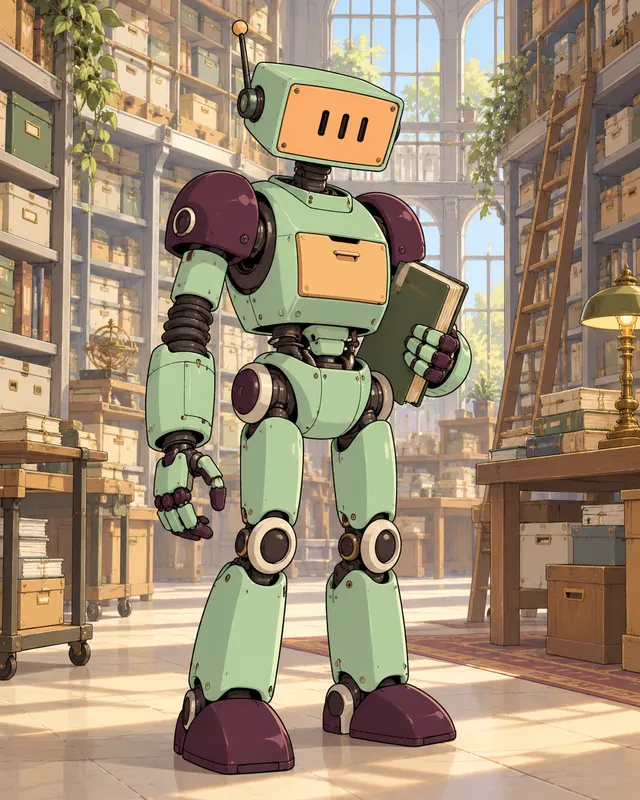
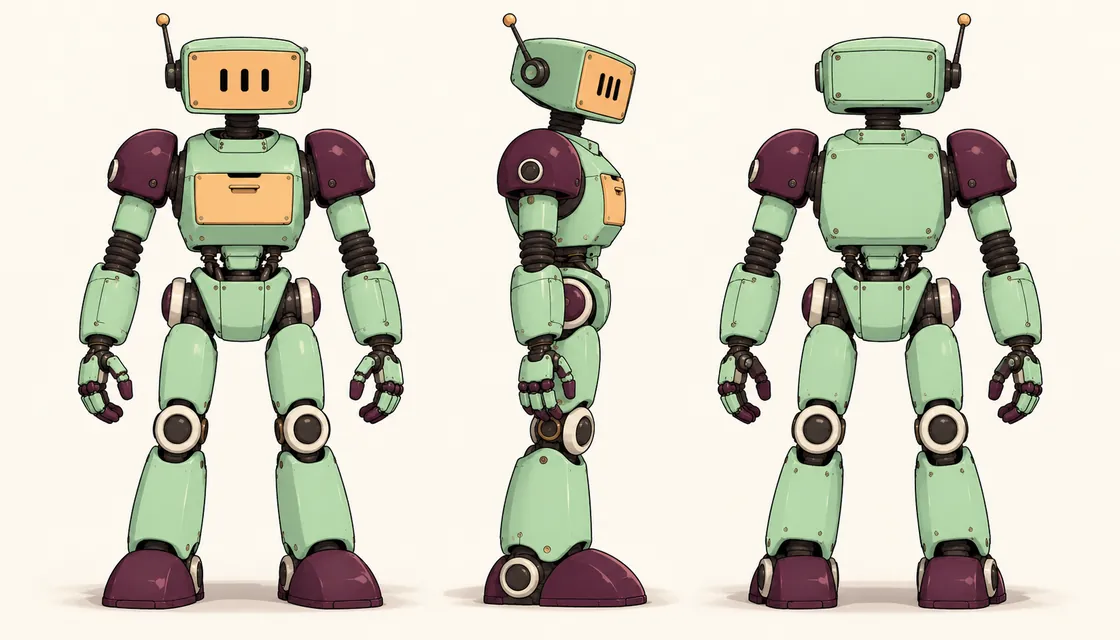
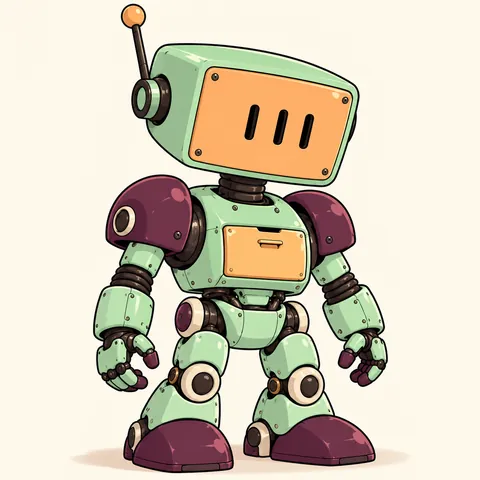
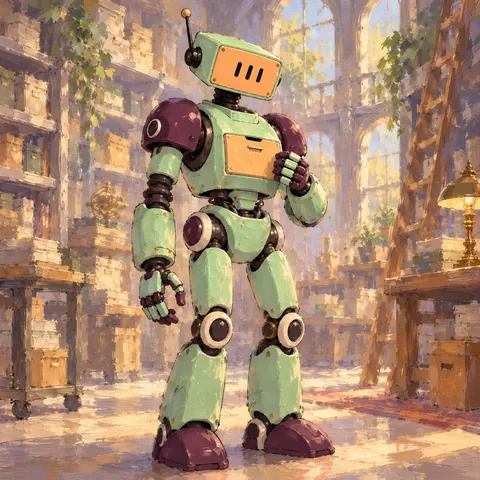
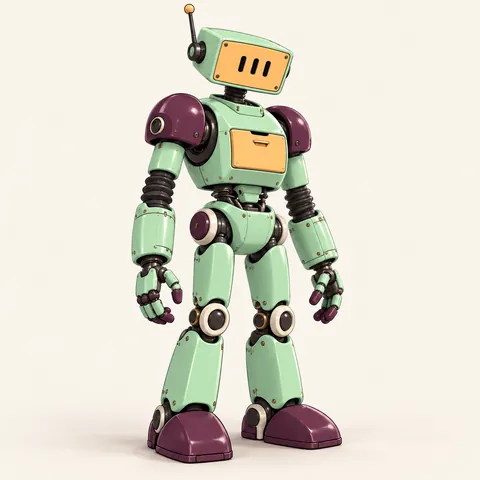
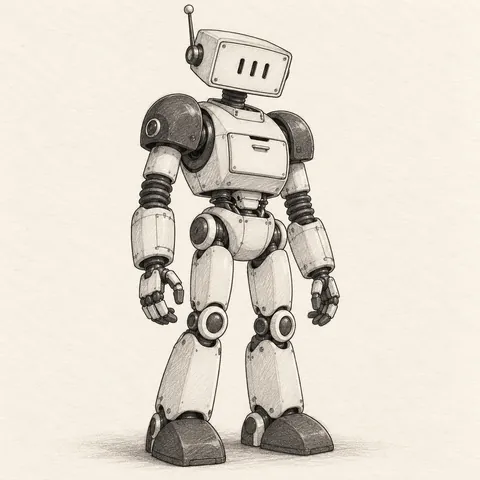
ARC-47 Nib keeps the same mint panels, plum shoulders and feet, apricot chest drawer, three-slot sensor face and offset antenna in every version. Compare the tiny chibi body with the painted metal, solid 3D surfaces and graphite study. A style change should not quietly replace the character.
Know the rules
This is a genre workshop, not a franchise rulebook. A robot can be a character without looking human, and a human outline does not remove the need for convincing mechanics. The categories overlap: a screen-face design can also be a service bot. Use the type for the overall body, then use the other fields to explain how that body works.
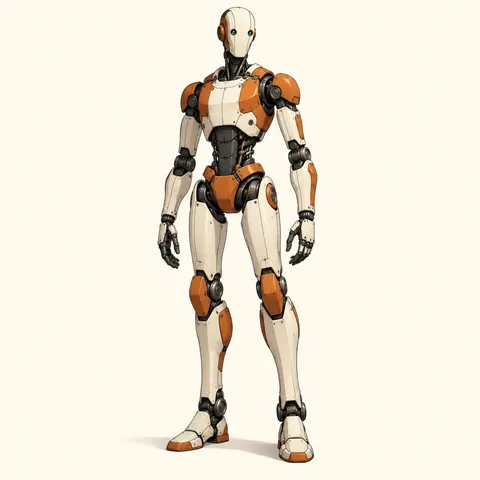
An android starts from a human-shaped body. For this page, keep panel seams, a segmented mask, visible joints or sensor lenses strong enough to read at small size. Decide what the human resemblance is for: reaching familiar tools, making conversation easier, or moving through a human-built place. A human-like face can still have a maintenance seam at the jaw and a clearly mechanical neck. Avoid the shortcut of a person in a shiny jacket; the structure underneath should carry the concept.
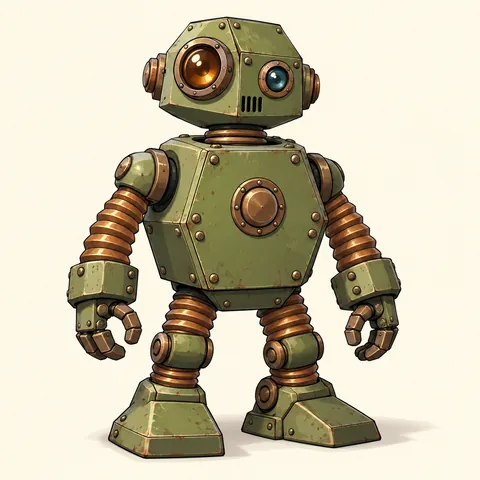
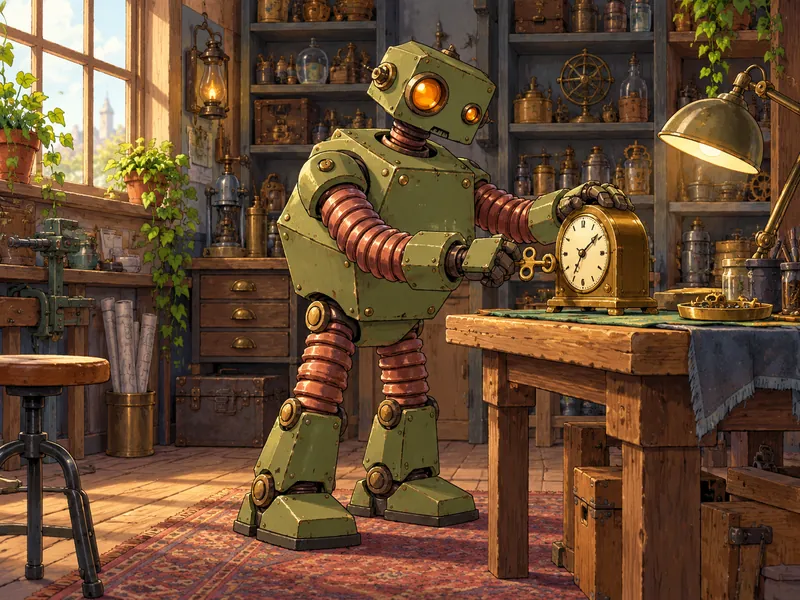
Build this silhouette from a few sturdy shapes: a riveted torso, bellows elbows, flat feet and a distinct sensor arrangement. Uneven repairs can suggest a long working life without covering every surface in scratches. Choose one practical inconvenience, such as a winding key that is hard to reach or feet that cannot climb narrow stairs. The charm comes from how the robot works around that limitation. Change the head geometry and color balance if the design starts resembling a familiar cartoon robot.
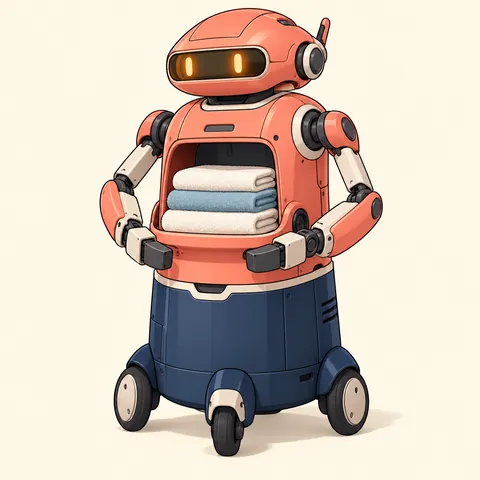
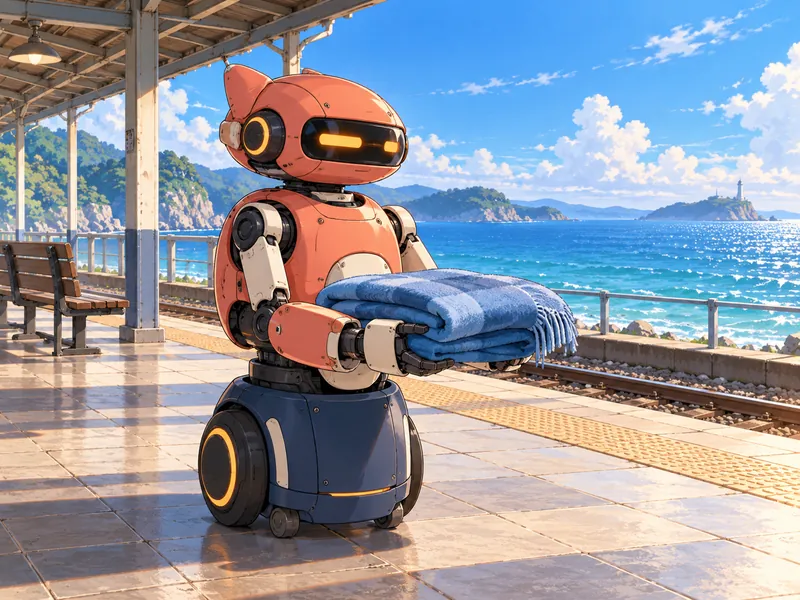
Start with the task and work outward. A station attendant might need stable wheels, a blanket compartment and a voice that carries across a platform. A companion bot might be small enough to sit beside a book and quiet enough to listen. Give each machine a personal preference beyond its assignment. The interesting question is what it chooses when two helpful actions conflict. Keep doors, drawers and tools accessible; a beautiful panel is less convincing if it blocks the gripper that needs to open it.
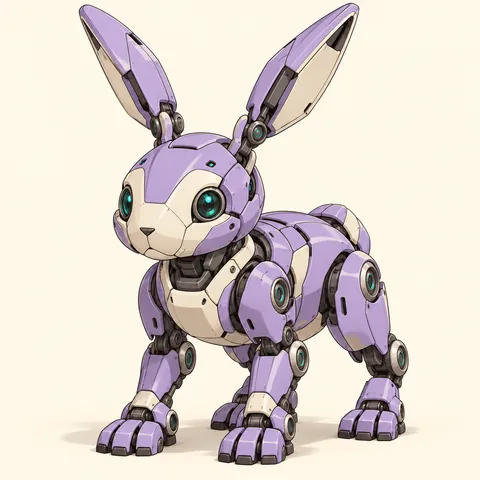
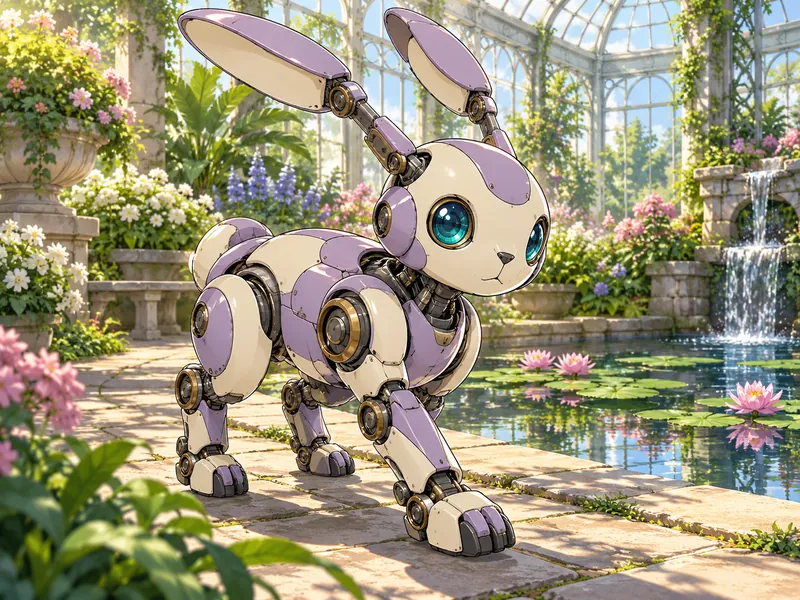
Borrow the animal movement, not just the ears. A rabbit-inspired guide can have springy mechanical legs and directional antenna ears, while a turtle-shaped explorer might protect sensors under a hinged shell. Decide how the joints support its stance and where the battery fits. Leave enough plates and hinges exposed that the design reads as a robot rather than an animal wearing armor. The personality can disagree with the silhouette: a quick-looking machine might be a cautious mapmaker who checks every turn twice.
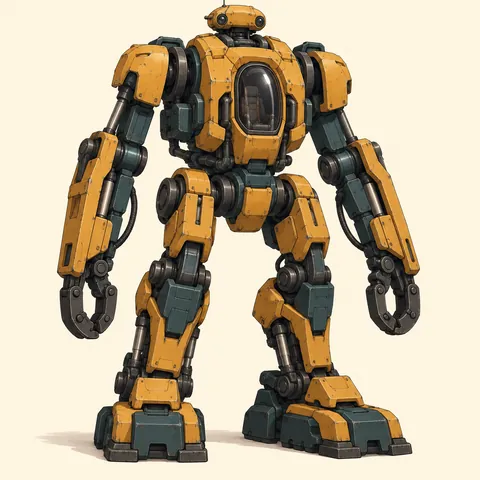
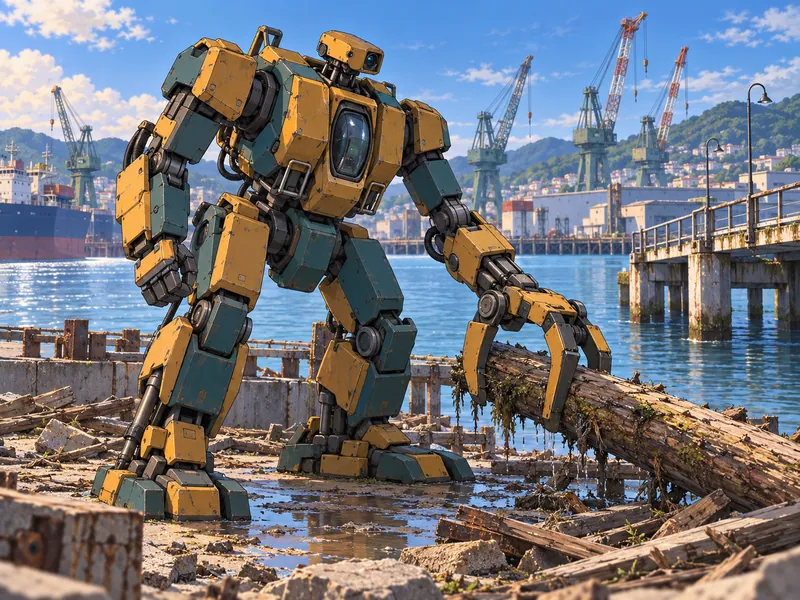
A piloted mech needs somewhere for the pilot to fit, a way to enter and a reason for its proportions. Show the enclosed cockpit, ladder or access hatch in the reference sheet. Scale comes from familiar details such as handrails and service doors, not just a large shoulder plate. Decide separately whether the machine has its own personality. For a giant autonomous mech, describe where its decisions come from. Keep action stylized and peaceful here: lifting timber or stabilizing a bridge can show impressive strength without a battle scene.
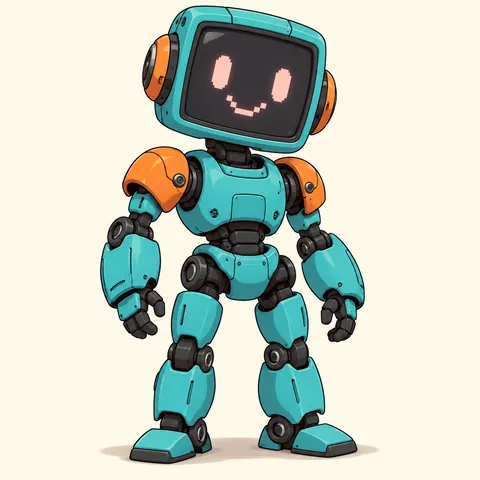
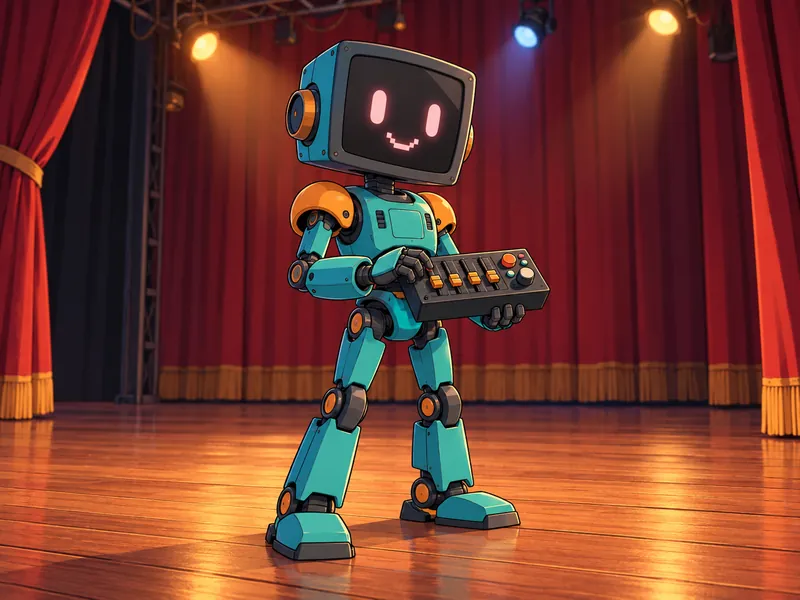
A screen face makes expression visible, but the chassis still deserves an identity. Choose a screen outline, a simple eye language and one idle animation, then give the body distinctive joints. Drones, crawlers and swarm forms need the same clarity. A swarm should hold one readable silhouette instead of becoming unrelated floating dots. A cyborg mixes living and mechanical parts, so identify the replacements and keep the person fully clothed. A steampunk automaton can use imagined clockwork, provided the gears and pressure housing have a consistent place.
Names and quirks
There is no single robot naming canon. This mixer uses an invented job-family code, a two-digit model number and a warm nickname: ARC-47 Nib is an archive machine called Nib by the people who know it. NASA also gives robots familiar names, including its Astrobee units; that is a naming example, not a design to copy. Keep the formal designation for workshop records and let friends use the nickname. The same model family can contain several individuals without giving them the same personality.
Invented family code and model number + a human-given nickname
Pick a quirk to add to the generator. It should create a choice or a small inconvenience, not erase the robot’s abilities.
Guide
Work from function to silhouette, then add the detail that makes the character yours. You do not need an engineering degree, but a few consistent decisions make a fictional machine easier to draw, describe and recognize. Keep a short design record so later images do not quietly replace its body.
Pick a job and the place where it happens before selecting the body. A greenhouse android needs careful hands and room to move between plant benches; a dock mech needs stable feet and protected joints. Choose a different priority for a companion or performer. Write what the original builder wanted, then what the robot wants now. Those two sentences give you a useful story tension without requiring a secret superweapon or a world-ending backstory.
Choose one large shape, one joint pattern and one face arrangement. Shrink the sketch until the details nearly disappear. Can you still tell the robot from a person in armor? If not, strengthen the panel breaks, proportions or sensor housing. For an android, keep the mechanical neck or hand joints clear. For a swarm, define a stable outer shape. Save intricate vents until the overall body works; tiny surface details cannot rescue an unclear silhouette.
Choose a finish that fits the work: chipped enamel for a frequently repaired helper, ceramic plates for a carefully maintained android, or patched alloy for a utility mech. Then choose where power enters and where heat leaves. Your fictional power source can be fantastic, but it should have a cost you can describe. A recharge pause, delicate pressure seal or slow startup creates better scenes than a machine that performs every task instantly and never needs assistance.
Use the names mixer for a family code and a nickname, or write a serial-style designation alone if the character still prefers formal distance. An acronym should expand into a believable job description, not a random string of impressive words. A warm nickname can come from a repeated sound, a favorite object or someone who repaired the robot. Document the convention in your character notes. Add one quirk that affects behavior, such as checking a route twice, rather than only changing the eye color.
Keep the same head shape, panel colors and joints while comparing Anime, Chibi, Semi-realistic, 3D and Sketch. Choose Ref sheet when you need front, side and back views. Inspect both hands, the number of legs, antenna placement and where every hinge bends. A generated turnaround may disagree with itself, so compare all views against your written design before sharing it with an artist. Save the brief beside the image and revise one inconsistency at a time.
Other fandoms
Tools
FAQ





Sign up for 10 bonus credits and make your first OC free.