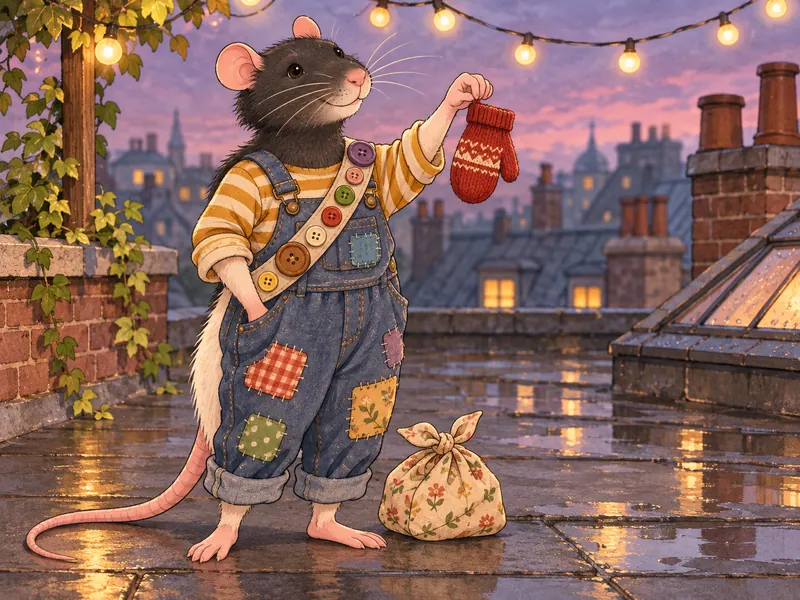
Tuppence Buttonsworth
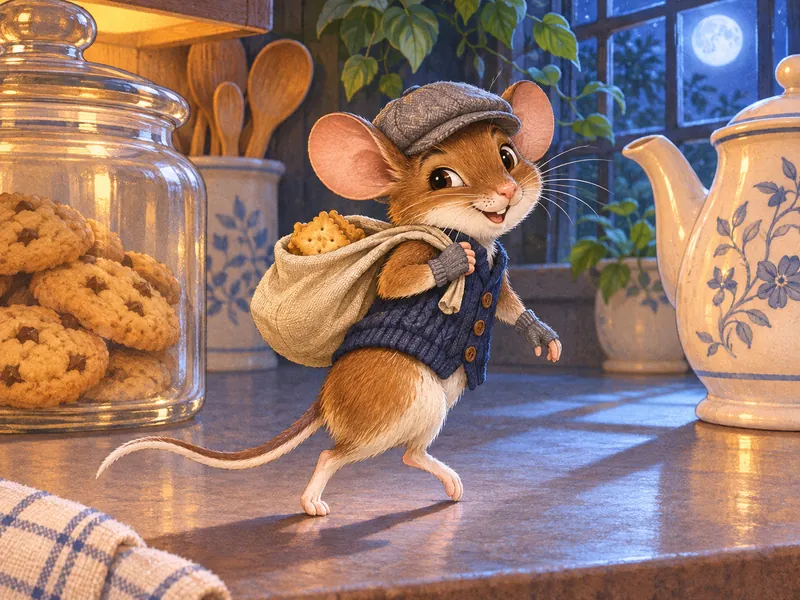
City scavenger- Returns what the city drops
- Black hood on a white body
- Wears a sash of found buttons
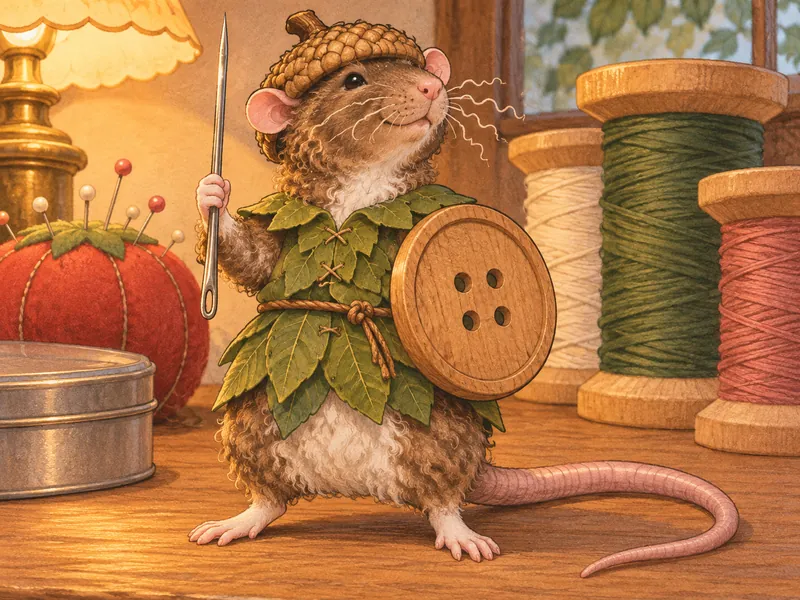
This free rat OC creator turns a rat or mouse idea into finished art. Start with the rat-or-mouse choice, from a dumbo or rex fancy rat to a tiny harvest mouse, then add real coat markings, a body plan, an outfit and a small job. A knight with a sewing-needle sword, a baker dusted in flour or a scavenger who returns lost buttons all fit here.
Ideas
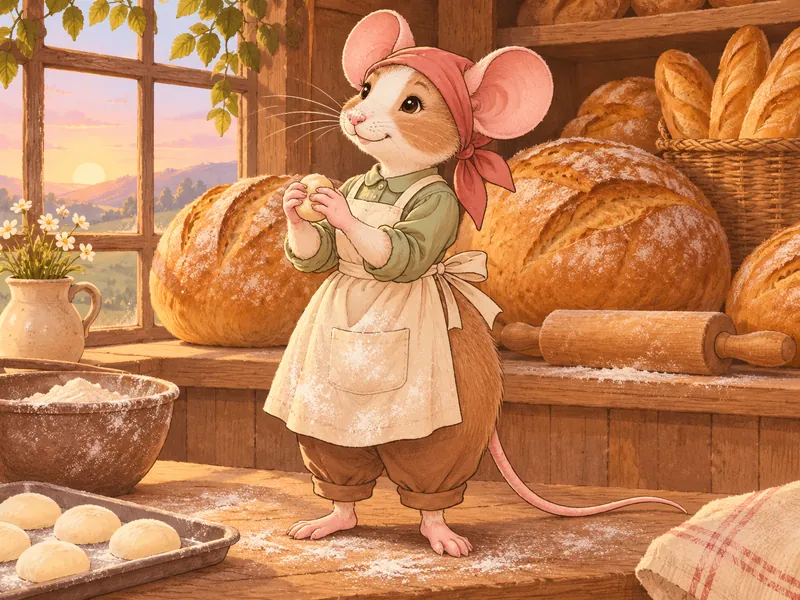
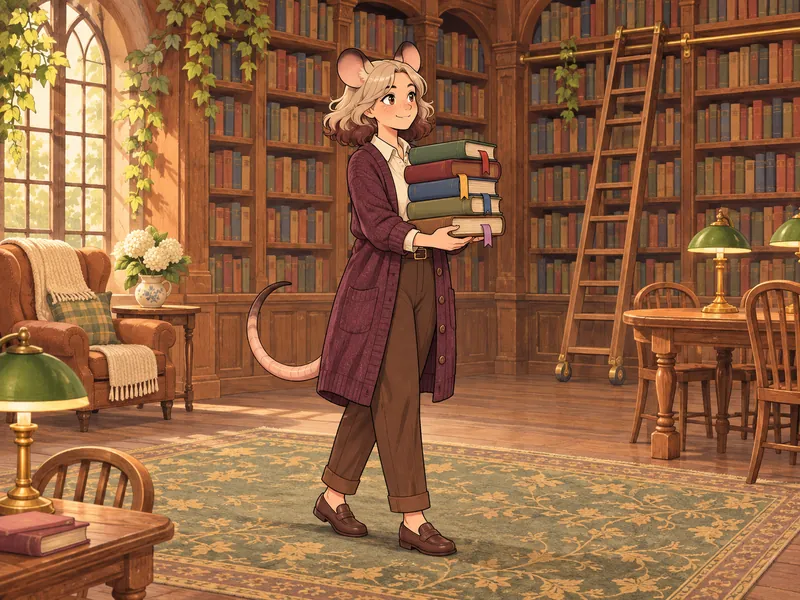
Six mouse OCs and rat OCs, each a different character with a different body plan, coat and job. Load one into the generator, then change the markings, the colors or the role until it feels like yours. None of them borrows a famous rodent’s outfit, and every one has a small habit you can build a story around.
Know the rules
A rat OC reads as a rat because of a few real details: the muzzle, the ears, the tail and the coat. Fancy rat and fancy mouse clubs have names for all of them, and those names make your prompt far more precise than "cute rat". Each card below explains one choice and loads it into the generator.
Sources: Fancy rat (Wikipedia); AFRMA: judging rats; Fancy mouse (Wikipedia)
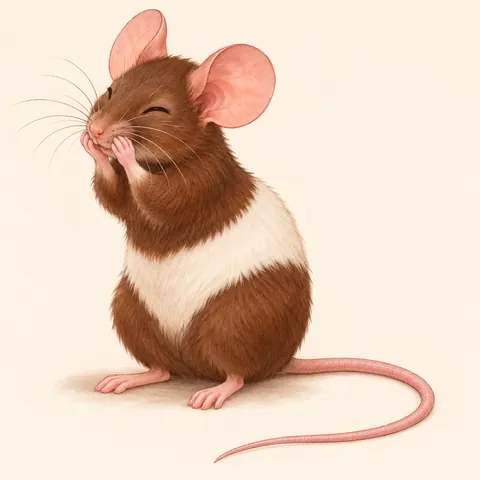
Size alone does not tell a rat from a mouse in a drawing, because the artist sets the scale. Shape does. A pet rat has a blunter muzzle, small rounded ears for its head and a thick, long tail; a standard pet rat often weighs 300 grams or more. A pet mouse weighs closer to 30 or 40 grams and has a pointed muzzle, big ears and a thin tail; mouse show standards ask for large, tulip-shaped ears and a tail about as long as the body. Push those differences a little further in your OC and nobody will mistake one for the other.
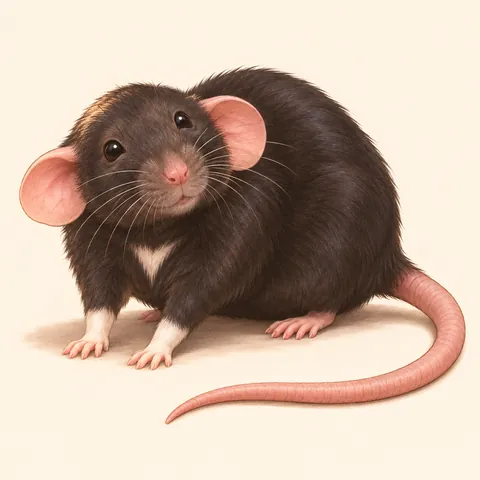
Fancy rats are domesticated brown rats, and clubs do not sort them into breeds. The American Fancy Rat and Mouse Association groups them into seven varieties by coat or body type: standard, rex, tailless, hairless, satin, dumbo and bristle coat. Color and markings are judged separately. That is why "dumbo rat" is not a color: it means large, round ears set low on the sides of the head, a trait that comes from a recessive gene. A dumbo can be any color or pattern, so pick the variety here and the coat further down.
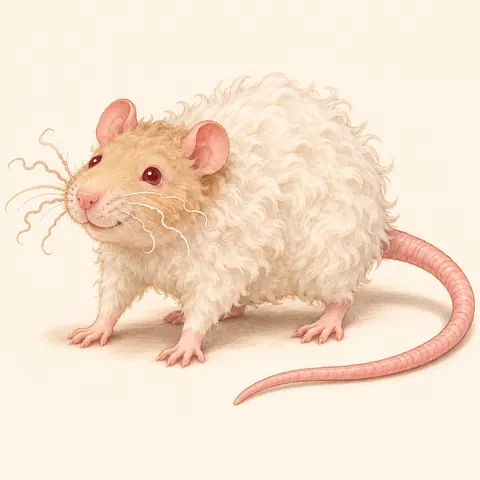
A rex rat has a curly coat and curly whiskers, which gives a rat OC a scruffy, lovable outline even in a small icon. Rex is a dominant trait, so one rex parent can pass it on. A satin coat is extra fine and soft with a visible sheen, a harley has long, wispy, straight hair, and a hairless rat has smooth skin with little or no fur. A true hairless rat even lacks whiskers. These textures read best at full-body size, so describe them in a sentence as well as picking the chip.
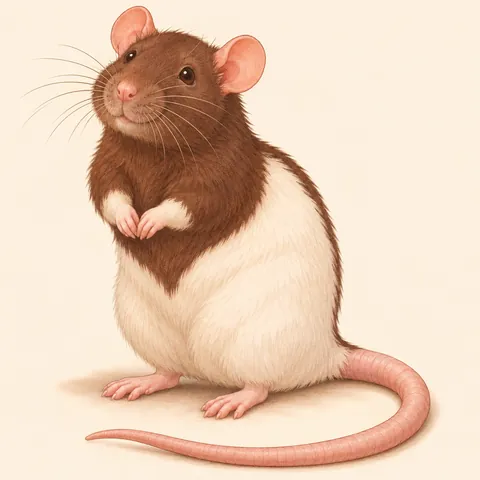
Markings say where the white goes. A hooded rat has a colored hood over the head, throat, chest and shoulders that joins a stripe down the spine; a black and white rat of this kind won Best in Show at an English town show in 1901. A Berkshire is colored on top with a white chest and belly. An Irish rat is mostly colored with a white triangle on the chest. Capped means color on the head only, variegated adds patches across a white body, and roan (also called husky) has white flecks and a wide V blaze. Pick one and keep it identical in every drawing.
Colorpoint rats have a pale body and darker "points" on the nose, ears, feet and tail, the same idea as a Siamese cat. Siamese rats show darker points than Himalayans, and their babies are brown in the nest while Himalayan babies are off-white. For an OC, colorpoints are a gift: the dark ears and tail tip frame the face and give the silhouette a clear edge. On a human with rat ears, carry the same points into the hair tips, the ear tips and the end of the tail so the character still reads as a Siamese rat.
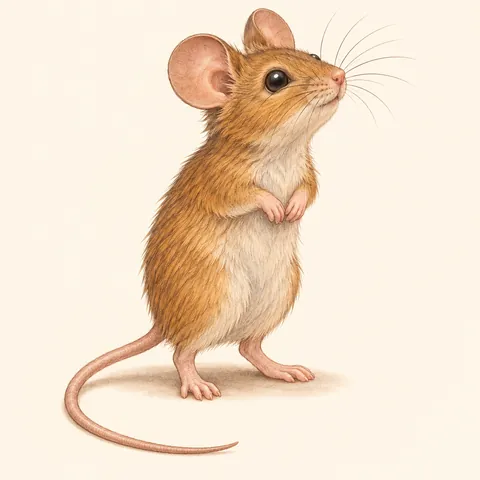
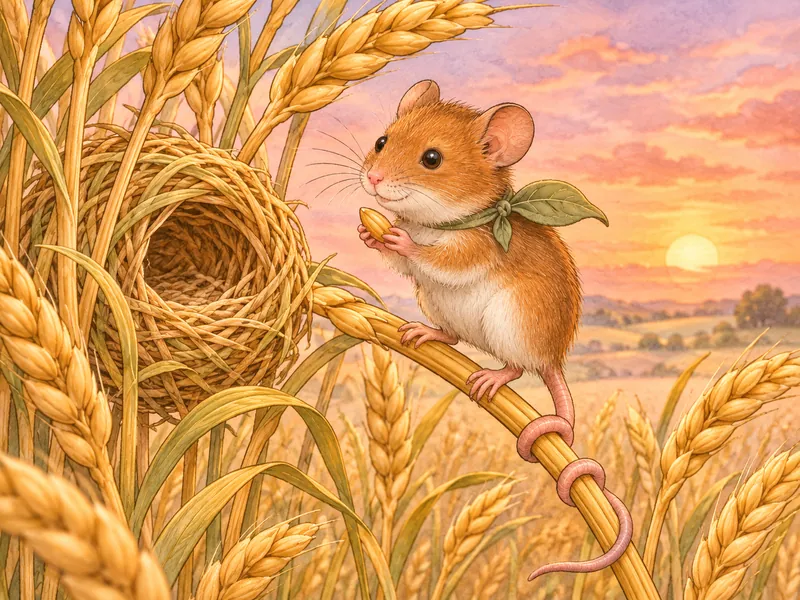
Fancy mice have markings rats do not. A Dutch mouse is white on the front half with colored cheek patches and a colored back half; a banded mouse has a clean white band around the middle; a broken mouse has irregular patches on white. Wild mice give you real field colors instead. A wood mouse is sandy brown with big ears and eyes, a deer mouse has a brown back, white feet and a two-tone tail, and a harvest mouse is so small it may weigh only 4 to 6 grams and can grip stems with its tail. A spiny mouse has stiff, spiny fur along its back.
A cute feral rat lives on four legs and acts like an animal, even if it thinks like a person. An anthro rat stands up, wears clothes and uses its paws as hands. A tiny adventurer stays rodent-sized in a human world, so a thimble becomes a helmet, a bottle cap a shield and a sewing needle a sword carried as a prop. Ears and tail puts rat or mouse ears and a tail on a human, which suits school and cafe stories. Choose one and stay with it: a knight who is mouse-sized on one page and human-sized on the next confuses everyone.
Rats are social animals that live in groups, and pet rats are known for being curious and easy to handle. Researchers Jaak Panksepp and Jeff Burgdorf even recorded young rats making high 50 kHz chirps when tickled, which they compared to laughter. Build on that. A scavenger who returns lost buttons, a baker’s helper, a scholar or a thief who only takes what is spare gives a rat OC warmth that sewer and trap gags never do. This page keeps every rodent clean, healthy and kind, so leave out disease, traps and pest-control humor.
Names and traits
Rodent OCs usually get cozy names: a food word, an old-fashioned first name, a small household object or a squeaky pun. The mixer has three sets. The first pairs a cozy first name with a small-thing surname, the second gives one short pet name and the third gives one playful pun. Every word was checked against famous mice and rats, from Redwall and Mouse Guard to Animal Crossing villagers, Hamtaro and Geronimo Stilton, so no result is an existing character. Click a name to put it on your OC, then pick a trait.
Cozy first name + small-thing surname
Pick the one thing everyone remembers about your OC.
Guide
Rodent characters are easy to start and easy to make generic, because "gray rat" and "brown mouse" describe half the cartoons ever made. These five decisions keep yours specific. The rat OC maker handles the drawing once you have made them.
Decide first whether your character is a rat or a mouse, because the muzzle, the ears and the tail all change with that choice. Then narrow it down. A dumbo rat has big, low ears; a rex rat has curls and kinked whiskers; a harvest mouse is tiny and orange with a gripping tail; a deer mouse has white feet and a two-tone tail. Choosing a real kind gives the drawing structure, and it gives you facts to build the story on, like a harvest mouse who weaves a round nest in the tall grass.
A cute feral rat, an upright anthro, a tiny adventurer in a human house and a person with rat ears and a tail are four very different characters. The body plan decides whether your OC wears clothes, how it holds things and how big the world looks around it. Tiny adventurers are the most fun to stage: a thimble helmet, a button shield and a needle carried as a sword only work when the character is truly mouse-sized. Write the scale into Extra details if it matters for your scene.
Pick a marking first and a fur color second. "Hooded, black" and "Berkshire, cinnamon" are complete coat descriptions that an artist can repeat. Real patterns like hooded, Berkshire, Irish and Siamese points look believable, and fantasy colors like lavender or sky blue are fine too if you want a storybook look. Keep the white areas in the same places in every picture. If your rat has a folded ear or a kinked tail, say which side, so the next drawing does not flip it.
A role turns a cute rodent into a character with a day to live. A city scavenger has a route, a baker’s helper has an early alarm and a kind-hearted thief has neighbors to feed. Match the outfit to the job: an apron and kerchief for the baker, an acorn-cap helmet for the knight, a patchwork coat for an explorer. Then pick one signature trait from the list below the name mixer, like a lucky brass button or a laugh that comes out as a chirp. One trait is memorable; five are clutter.
Roll a cozy name, a short pet name or a squeaky pun, and say it out loud. Before you post, search the name with the word "mouse" or "rat": names like Remy, Fievel, Basil, Templeton and Despereaux already belong to famous rodents. Once you like the design, switch Output to a reference sheet so the markings, the tail and the outfit are recorded from more than one side. Keep that sheet next to your written notes, and fix the notes if a drawing drifts.
Other fandoms
Tools
FAQ



Sign up and your first pack comes with 100 bonus credits.