Velvet Turnstile
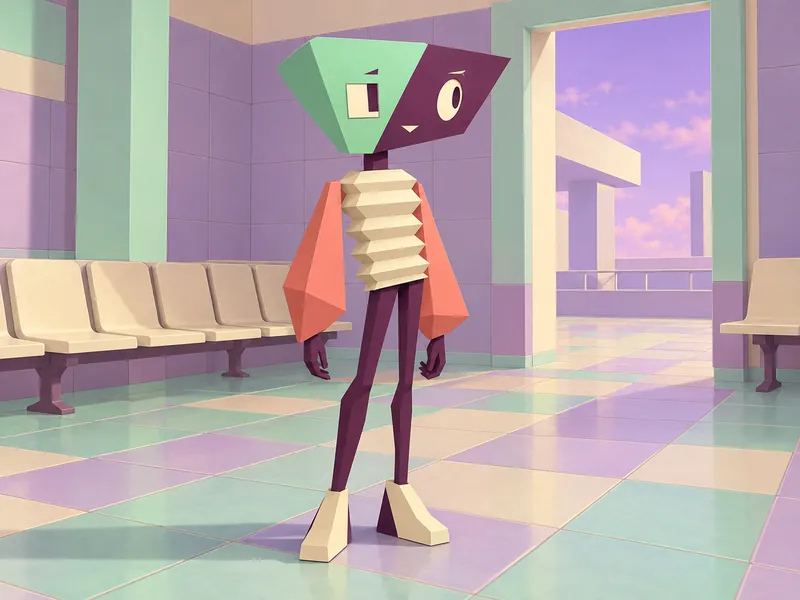
Split face- Mint and plum diagonal face
- Cream accordion torso
- Files tomorrow’s appointments
Give your ENA OC a shape, a contradiction and a strange little job. Mix geometric bodies, contrasting behavior and retro colors without copying ENA herself. This ENA OC creator is an AI alternative to an ENA Picrew, not a Picrew.
Ideas
These are fan-made design approaches, not canon species or official classes. Each idea changes the silhouette, palette and small social problem. Load one into the builder, then change its job or behavior to create a new scene. A character can be puzzling without being frightening, and a simple repeated rule often feels stranger than a dozen unrelated effects.
Know the rules
Joel G’s ENA animated series and ENA: Dream BBQ mix unfamiliar spaces with sharply recognizable personalities. Use that contrast as a design lesson rather than copying a cast member. The categories below are practical drawing prompts created for this page. They do not claim that every resident follows a fixed taxonomy, power system or two-personality rule.
Sources: ENA Wiki: series and episodes; ENA Wiki: Dream BBQ; Joel G: ENA Dream BBQ on Steam
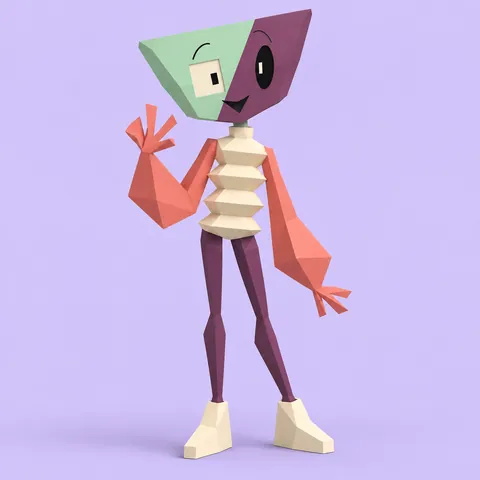
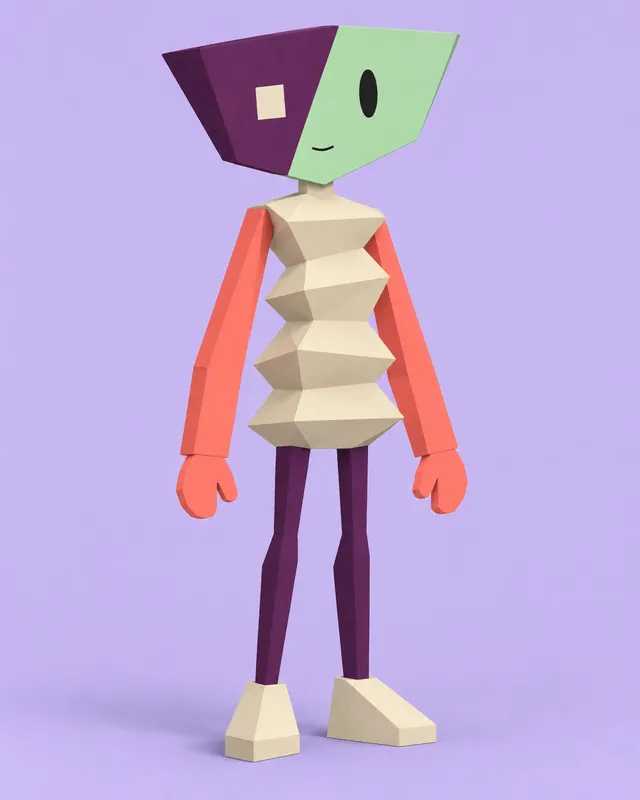
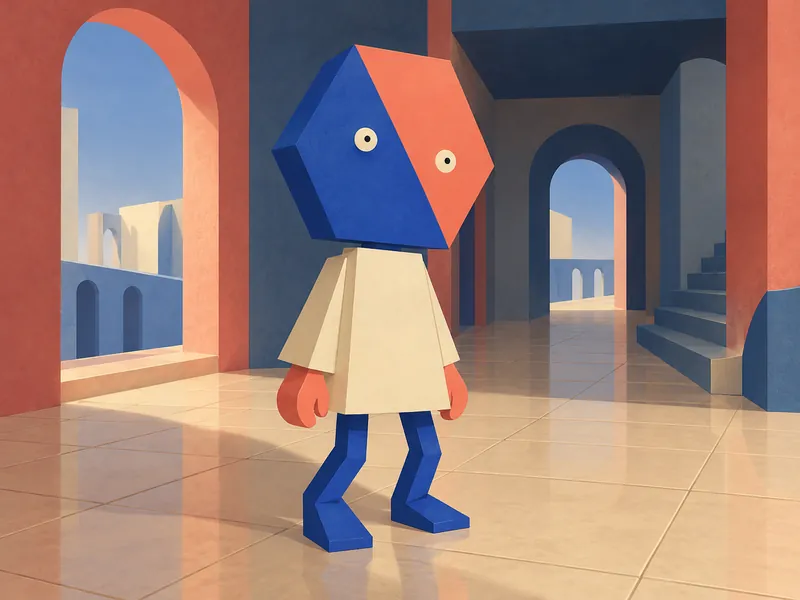
A two-tone face can make a contrast readable immediately, but an ENA-inspired OC does not need ENA’s exact blue-and-yellow split, uneven dark hair or school-uniform silhouette. Velvet Turnstile uses a hairless trapezoid, a diagonal mint-and-plum division and a folded cream torso. Change the geometry as well as the palette. Decide whether the split affects expression, speech or neither, and keep that decision consistent. Do not treat a visual contrast as a medical diagnosis or claim that every character in the world has the same internal structure. A strong design still works when the viewer sees it as a small silhouette.
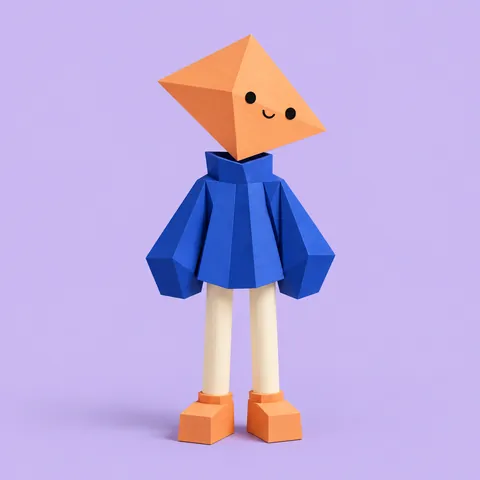
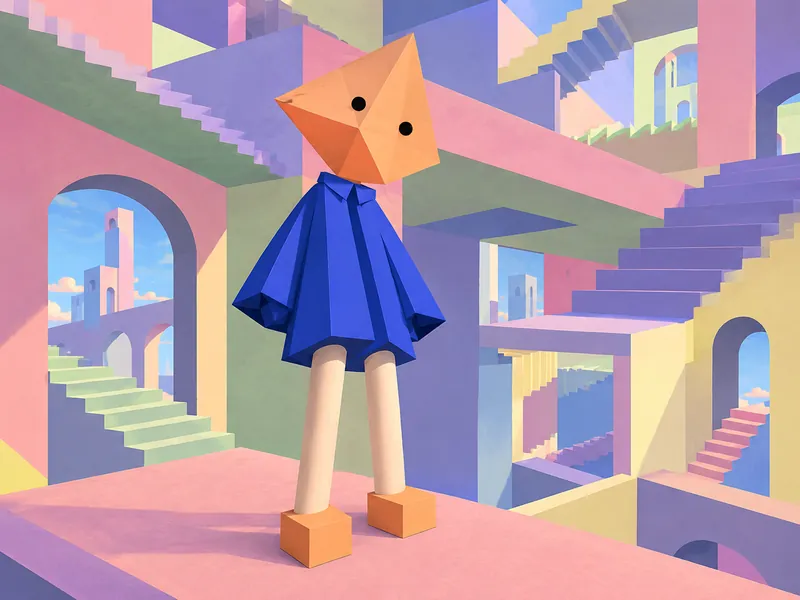
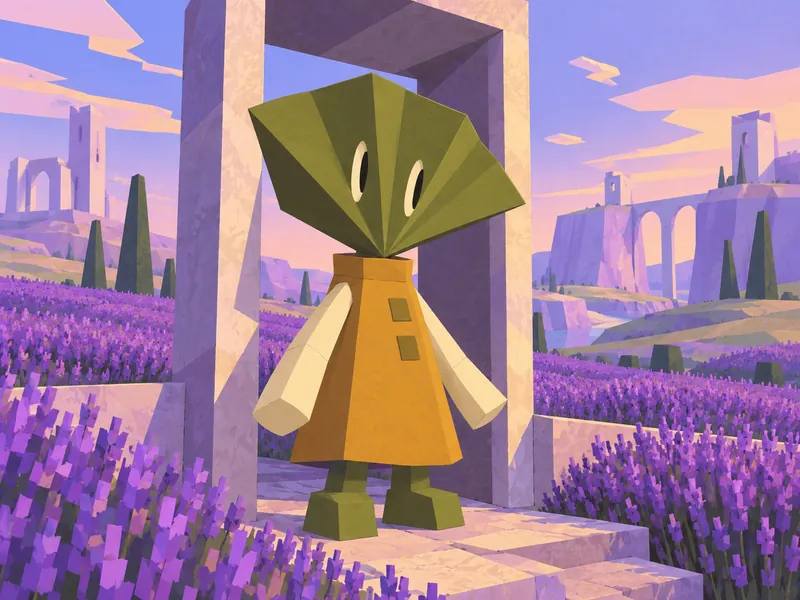
A folded resident can compress when waiting, open a shoulder like a paper fan or straighten a pleated jacket before giving directions. Those are invented habits for your OC, not mechanics established by the series. Pick one structural idea and let it explain several poses. Apricot Buffer’s folded-paper head and pleated jacket belong to the same visual family, while simple legs keep the outline readable. Avoid adding a different novelty to every limb. The design needs enough consistency that another artist can redraw it from a short description. Strange anatomy should remain intentional, with clearly attached limbs and a face that reads at thumbnail size.
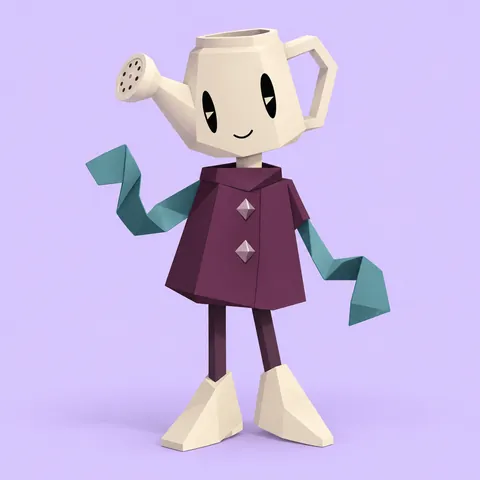
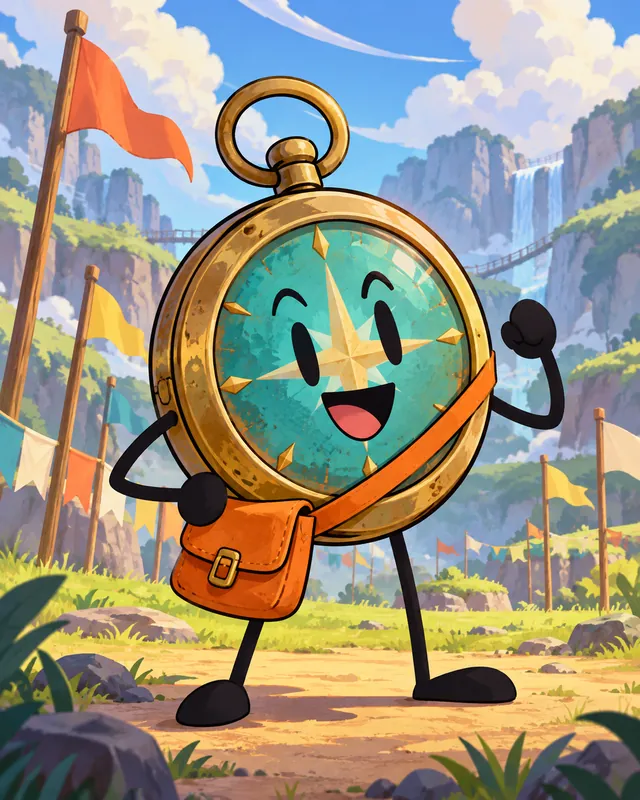
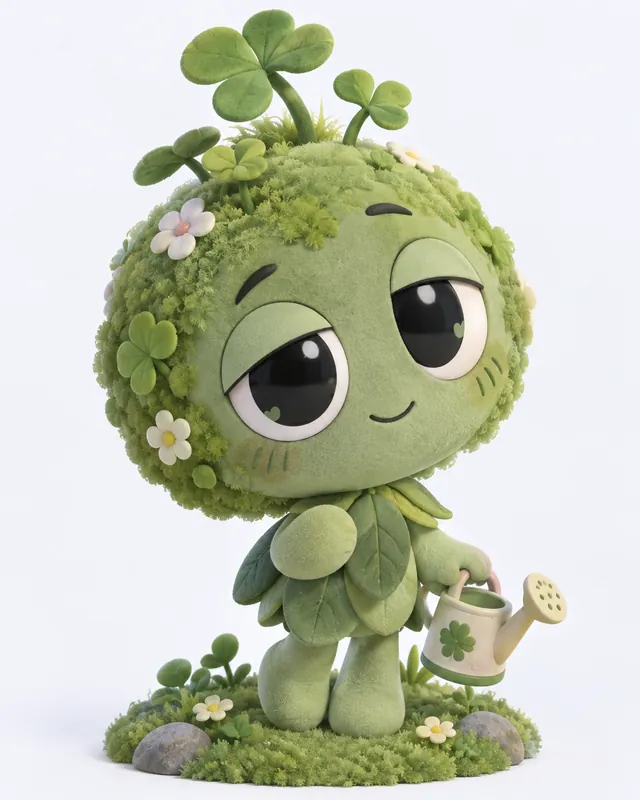
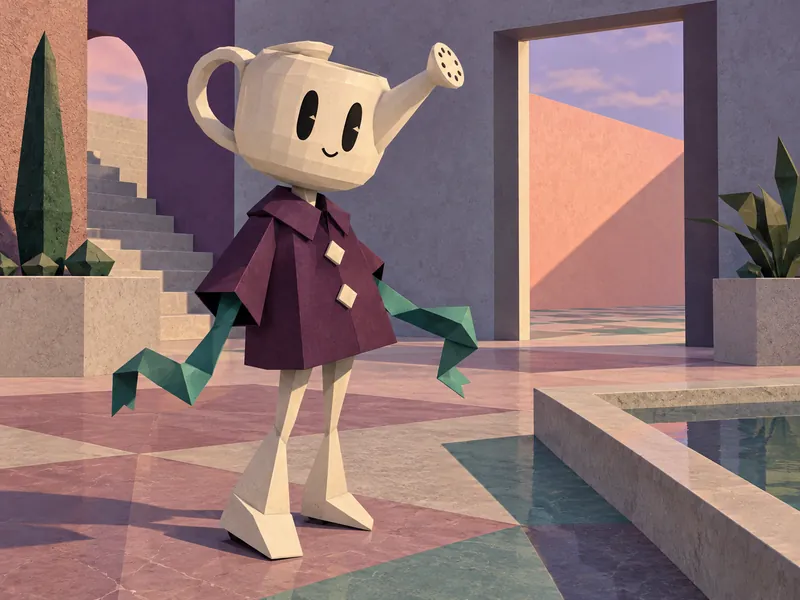
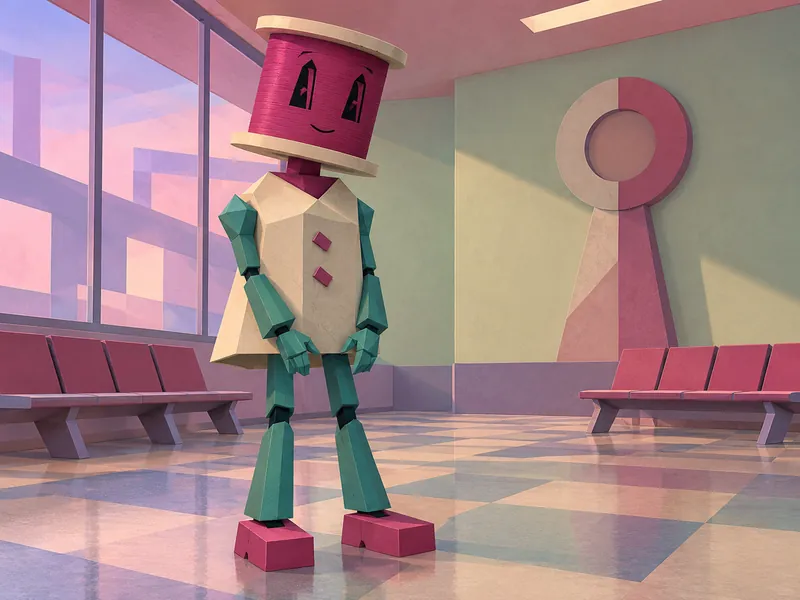
A watering-can head suggests tending something, but Porcelain Detour tends imaginary rooms rather than simply being a gardener with a prop for a face. Connect the object to a surprising social rule. A spool-headed resident might keep spare afternoons, while a coat pocket holds unfinished invitations. Check the named cast before settling on an object silhouette, especially if a design resembles Moony, Froggy, Merci, Ulysses or another recognizable character. Keep the object clean and friendly, without broken anatomy or unsettling detail. If the head reads as a different object than your label, revise the illustration or the concept before sharing it.
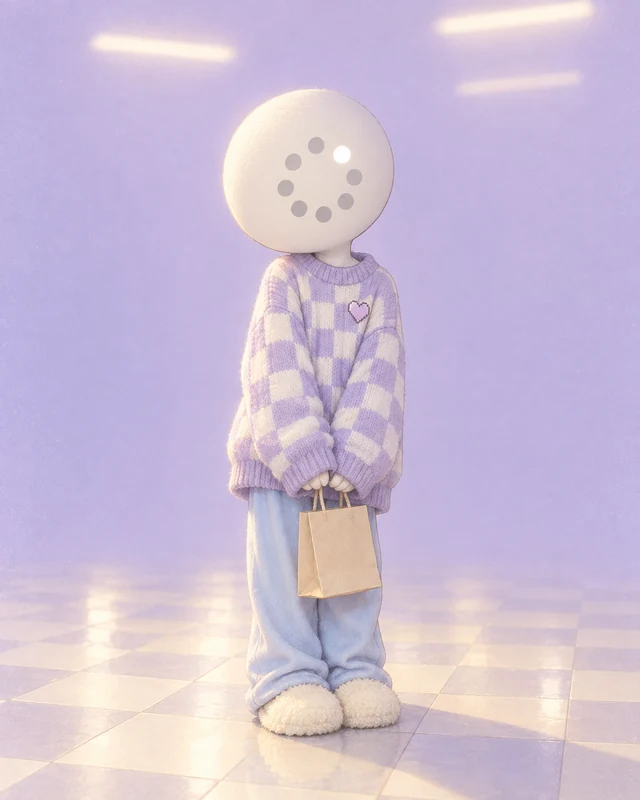
The retro surreal look can combine flat 2D facial features with low-poly 3D bodies or environments, hard color boundaries and limited computer-era palettes. Choose where that contrast belongs. A flat face on a folded torso is readable; a scene full of unrelated rendering styles can become noise. The home look on this page uses geometric volume and simple facial marks, while alternate styles are reinterpretations. Use a quiet background for a reference image and a restrained impossible corridor for a scene. Avoid readable interface text, official title marks or random floating icons. The character should remain the most specific thing in the picture.
The animated series includes Auction Day, Extinction Party, Temptation Stairway and Power of Potluck. ENA: Dream BBQ is the exploration game whose first chapter, Lonely Door, released in 2025. ENA and Moony are central to the animated series; the game introduces a different ENA presentation and characters including Froggy. Those references establish context, not a requirement that your OC be related to the cast. Write an encounter that can stand on its own: an appointment keeper cannot find a date, or a courier knows only half a route. Label new locations and roles as fan inventions rather than presenting them as hidden canon.
A formal voice with impatient hands is enough to create tension. Choose when the contrast appears and what calms it down. For example, Velvet Turnstile speaks politely while folding the torso in a hurry, then becomes still when someone offers an empty calendar. This creates a scene another writer can use. Keep the page’s designs teen-safe and not scary: no gore, threatening imagery or shock details. A limit makes surreal behavior more memorable than unlimited reality-changing powers. The OC can misunderstand a task, need help or follow a rule that causes inconvenience without becoming cruel or copying a canon character’s exact emotional pattern.
Names and habits
The ENA maker name desk pairs a tactile word with a place, delay or everyday object. These are fan concept labels rather than a claim about how Joel G names characters. Pick a habit that can happen in a short scene and send it into the builder. Keep the name out of the image itself so the character design remains useful as a reference.
texture or color + small interruption
A useful habit should change an ordinary conversation.
Guide
A useful ENA OC maker should help you decide what stays consistent when the scene becomes strange. Work from silhouette to behavior, then test the character in an ordinary conversation. The goal is an original resident with a clear design rule, not a recolor of the main character.
Write the head shape and body structure before choosing a palette. A wide trapezoid over an accordion torso feels different from a circular head on a standard human body. Decide how many limbs the character has and where they attach, then keep those choices stable across images. The three picture tiles offer approaches, not a complete catalog of the world. If none fits, clear the selected tile and describe your own structure. Compare the outline with ENA, Moony and the other named cast before adding accessories. A new hat will not rescue a silhouette that is already an obvious copy.
Choose two behaviors that can coexist, such as precise instructions with wandering attention. Describe what the viewer sees when that contrast appears: the eyes stay fixed while a sleeve points the wrong way, or the torso folds while the voice remains formal. Avoid reducing the character to happy on one side and sad on the other. A split palette can remain purely visual. Write one short exchange between the OC and a visitor, then give the visitor a reason to stay. A strange character becomes easier to understand when someone needs a simple answer from them.
Choose a primary color and accent, then use a light neutral for supporting areas. Mint and plum with coral sleeves is distinct from ENA’s familiar blue and yellow. Explain which surfaces are flat and which have depth: flat facial marks on a low-poly folded torso is a useful starting point. Avoid making every surface shiny or covering the scene in glitch effects. The contrast should be intentional enough to describe in one sentence. If a color picker does not contain your exact shade, state it in Extra surreal details and clear any conflicting selected color.
An odd occupation creates a reason for the character to meet someone. Keepers of unused appointments, couriers of unfinished directions and repairers of awkward pauses each suggest a different encounter. Choose a repeatable rule, such as checking every doorway before lending an afternoon. Then add a limit: the character cannot explain a route’s ending or cannot work while someone is humming. These are your fan-story inventions, not claims about the game. Avoid assigning the OC control over the entire setting or making the canon cast admire them automatically. A small task with a clear obstacle gives you more room to write.
After generation, inspect the head shape, face division, eye marks, limb attachments, clothing and background. A watering-can head should read as a watering can, not a kettle or a bell. Keep a note of the details that must survive every redraw and remove decorative elements that appeared by accident. Choose a plain background for a reference image, then try a scene once the silhouette is settled. Share the result as an unofficial original character inspired by ENA. If you want a character sheet, request that output and compare every view; the page’s example art does not guarantee perfect consistency in a new generation.
Other fandoms
FAQ
Sign up for 10 bonus credits and make your first OC free.