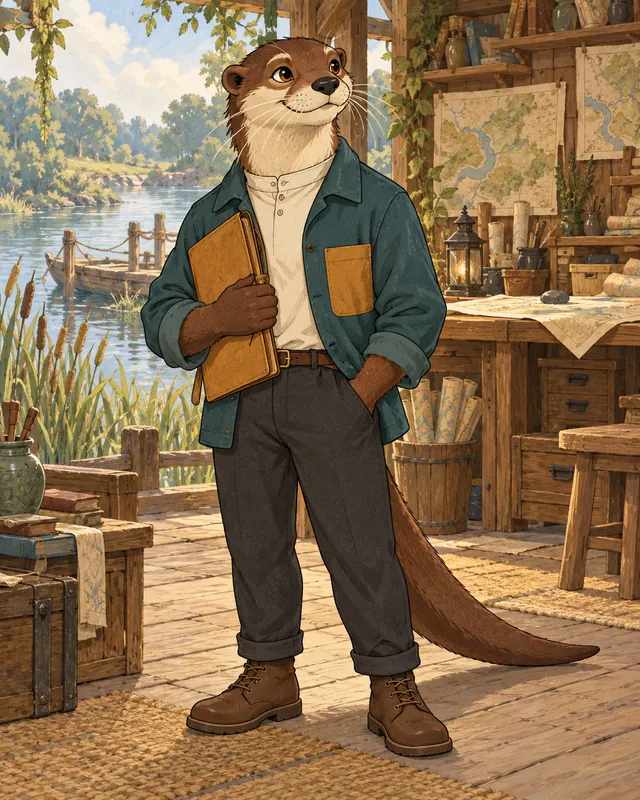
Sedge Mapbinder
River otter- Keeps the old river maps
- Teal jacket, ochre folio
- Checks every changed bank
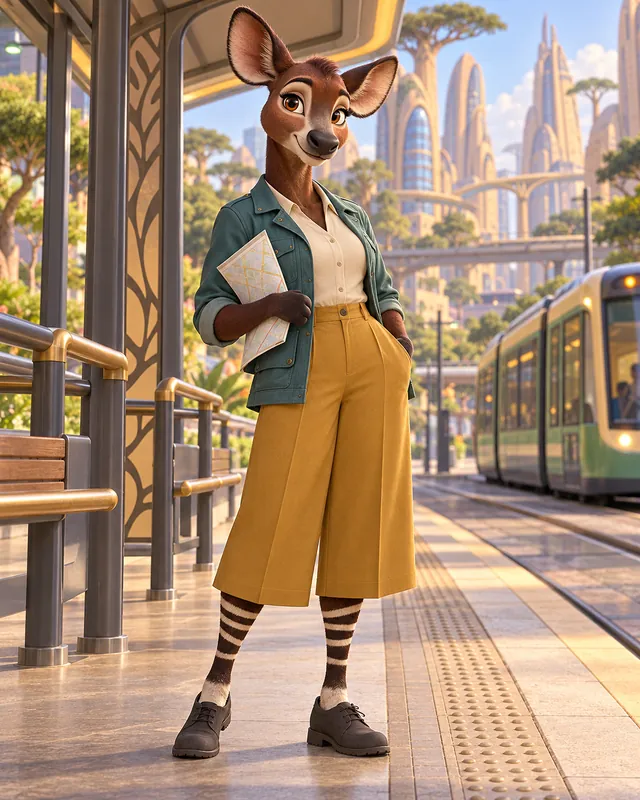
Design your own animal with a species, a readable silhouette, and one detail worth remembering. This animal character maker supports feral creatures, fully clothed anthro characters, and human characters with animal ears and tails. Start with a river otter, a spotted pig, or your own species choice, then build a cast that belongs to your story.
Ideas
Each animal begins with a different shape and an ordinary problem. Use a card to load its species, body plan, palette and short design brief, then change the habit or setting to make it yours. These are original examples rather than characters from an existing show. The animal OC creator keeps your broad choices separate, so changing a body plan does not require throwing away every color and marking.
Art styles
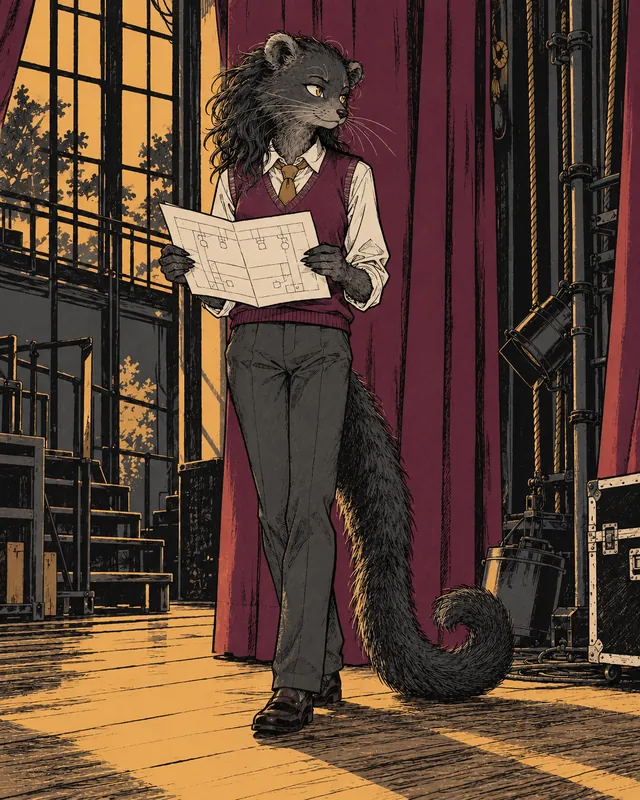
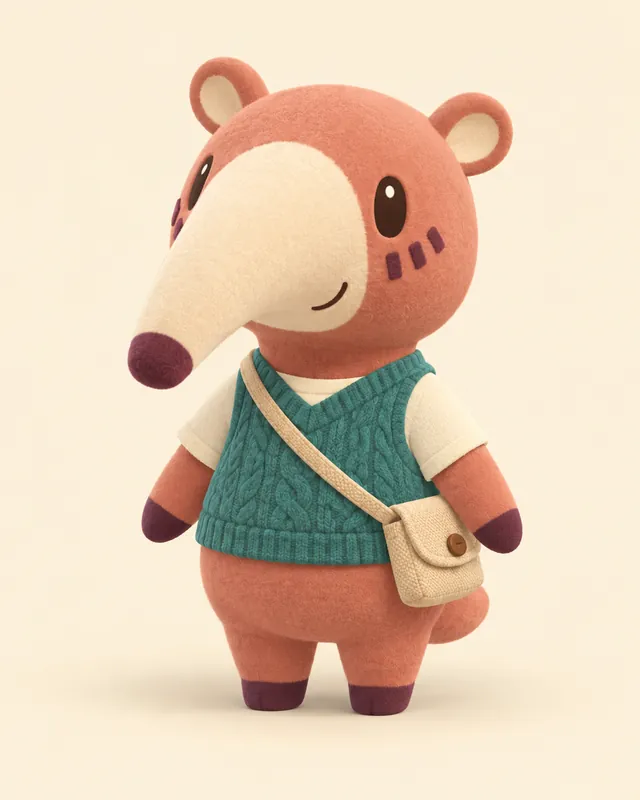
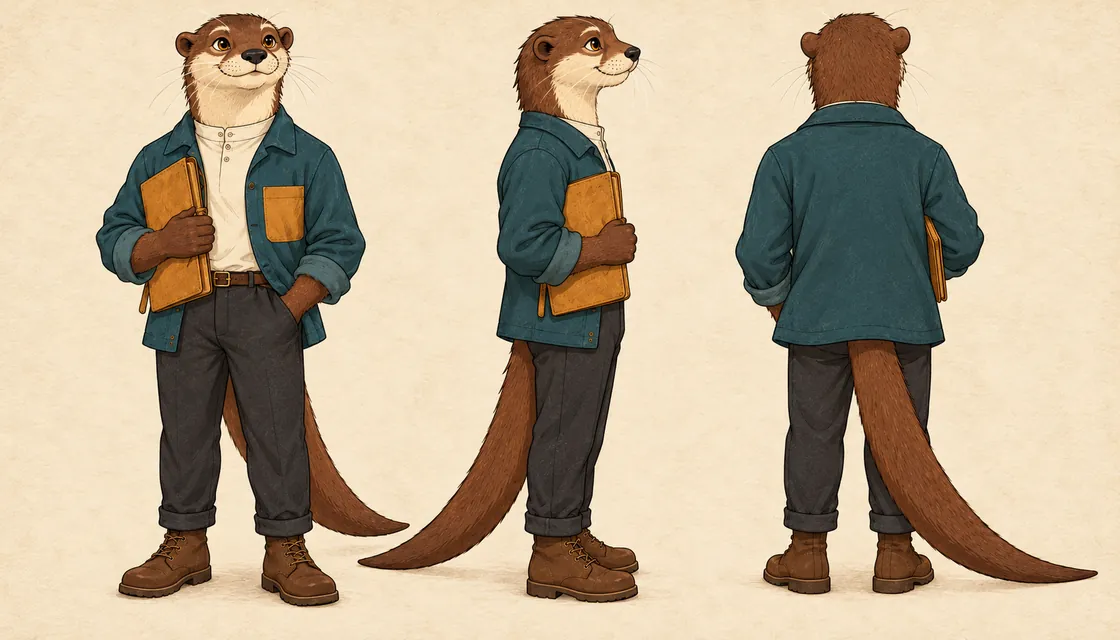
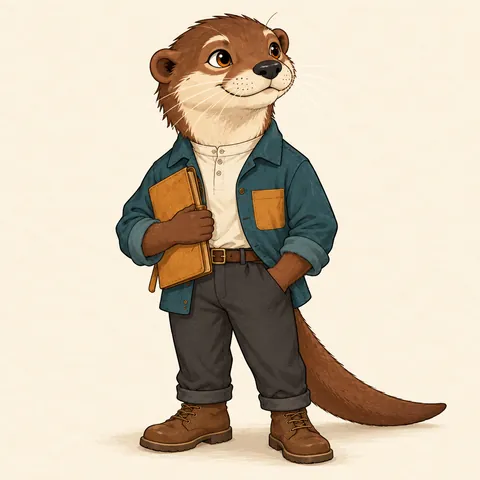
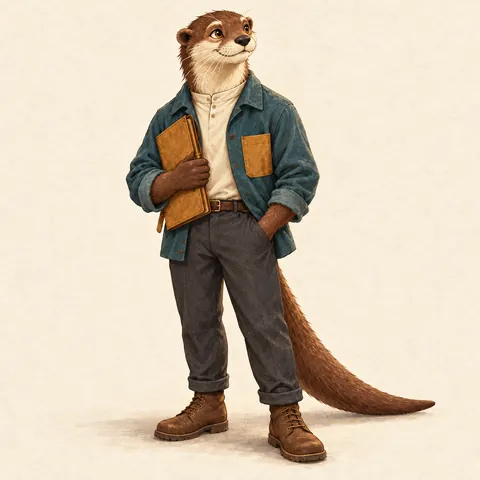
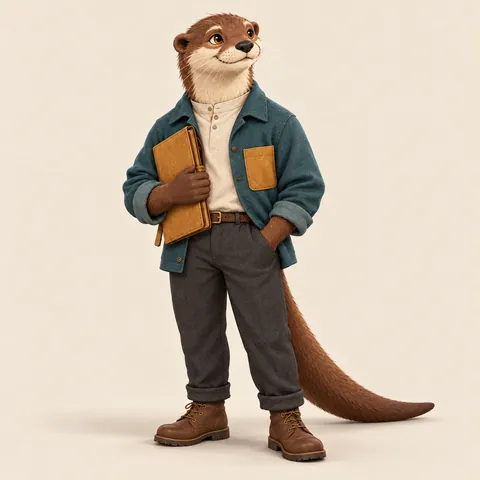
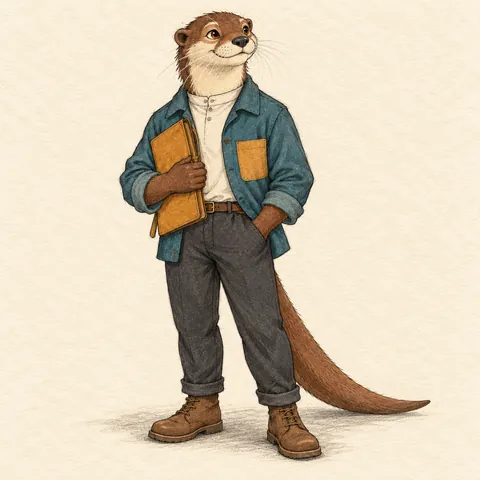
Sedge Mapbinder keeps the same walnut fur, cream muzzle, round ears, tapered tail, teal jacket and ochre folio across these studies. Compare the shape of the muzzle and the position of the jacket pocket before judging the finish. A softer painting or a tiny chibi can change proportions without changing identity. The three-view sheet is a consistency reference, not a promise that every generated view will match perfectly.
Know the rules
A strong animal design stays identifiable when its colors disappear. Pick a few species anchors, decide how the body moves, and let markings reinforce that structure. These groups are browsing shortcuts rather than a scientific classification. In particular, winged includes two different kinds of animal, and aquatic includes animals with very different anatomy. The facts below are natural-history references; your fantasy adaptation should be labeled as a design choice.
Sources: San Diego Zoo: otter species and anatomy; Smithsonian: what is an insect?
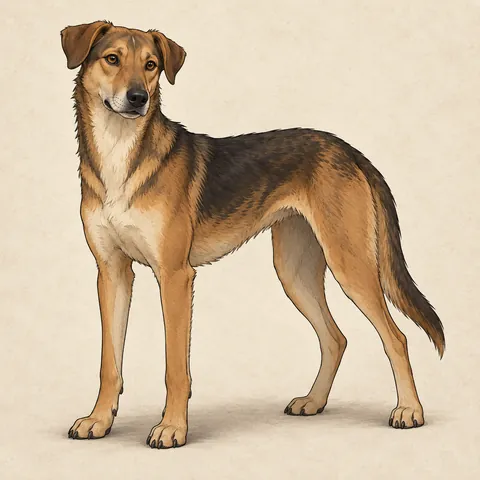
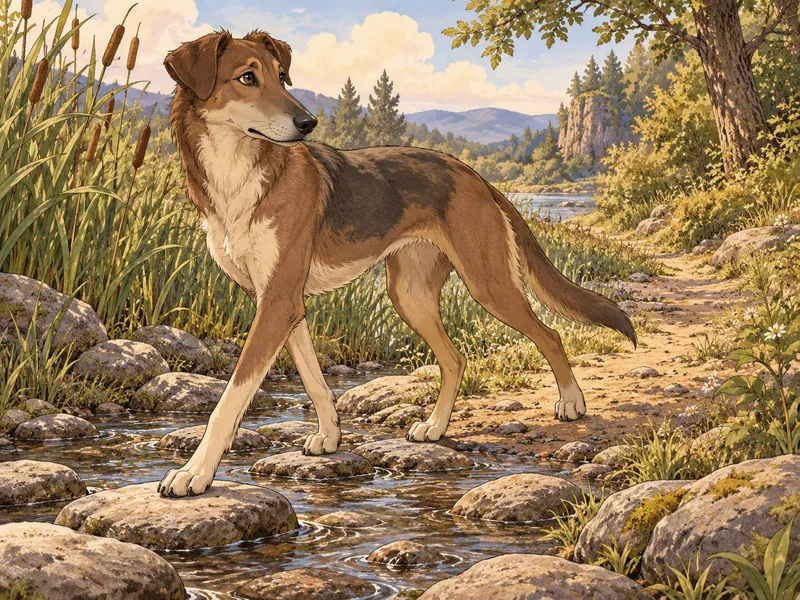
Start with the head in profile. A longer muzzle, ear placement, chest depth and tail carriage give a dog, fox or wolf its own outline before you add a single stripe. For a canine maker project, write the actual species or your fictional breed in the species field rather than relying on the broad tile. Folded ears and a relaxed tail make Flint look different from an upright-eared fox. On an anthro version, keep the muzzle attached to the face instead of pasting an animal nose onto a human head. Avoid the familiar gloves, shoes, police outfits and green shirts of famous cartoon casts. Choose a practical habit that shapes the design, such as waiting at a trail junction.
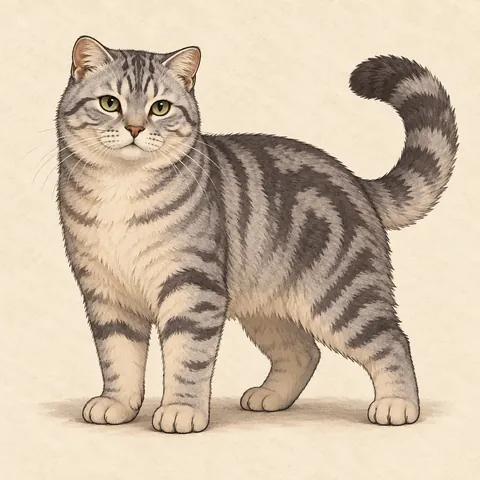
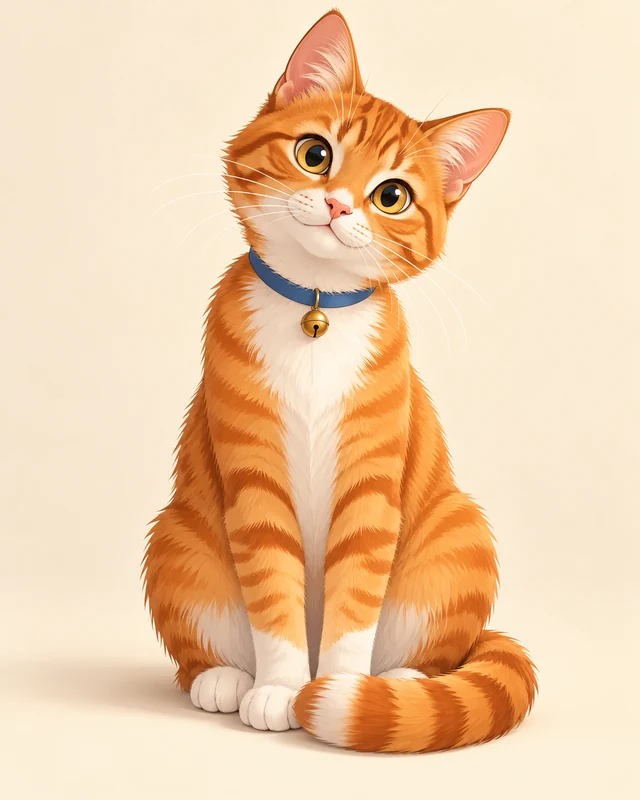
Cats sit within this wider animal character creator, but the dedicated cat page offers a more focused starting point. Here, use a feline when the rest of the cast includes other species. Choose a compact or elongated torso, a clear ear shape and a tail that can be recognized in shadow. Describe stripes by location, such as two broad bands across the left flank, rather than asking for endless intricate markings. Keep the face readable at avatar size. A cat in an original village does not need a Clan name or Warrior Cats rank. If your story does use that setting, move to the dedicated franchise page so its naming and social rules stay consistent.
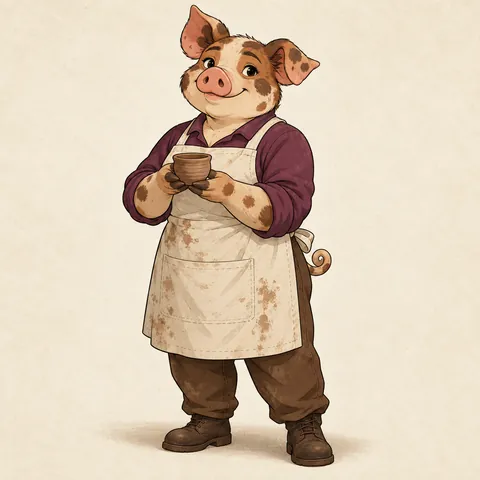
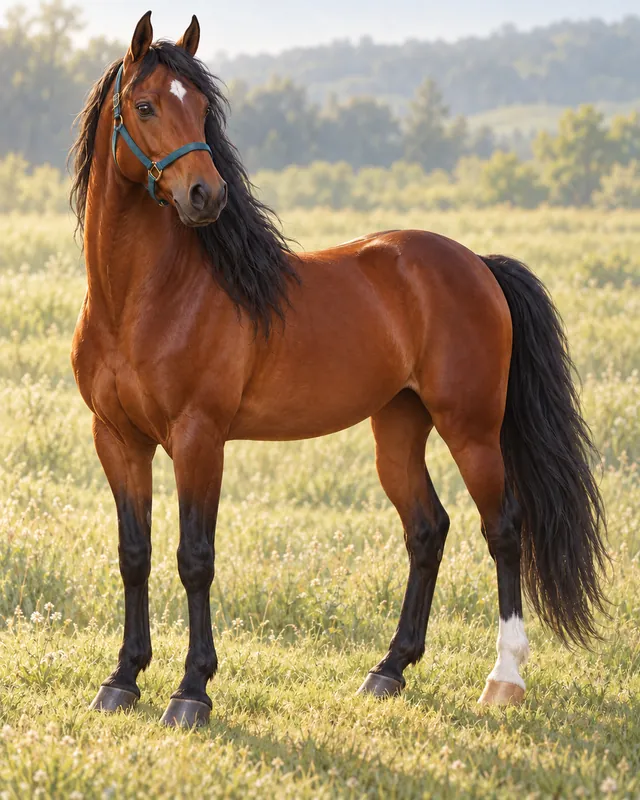
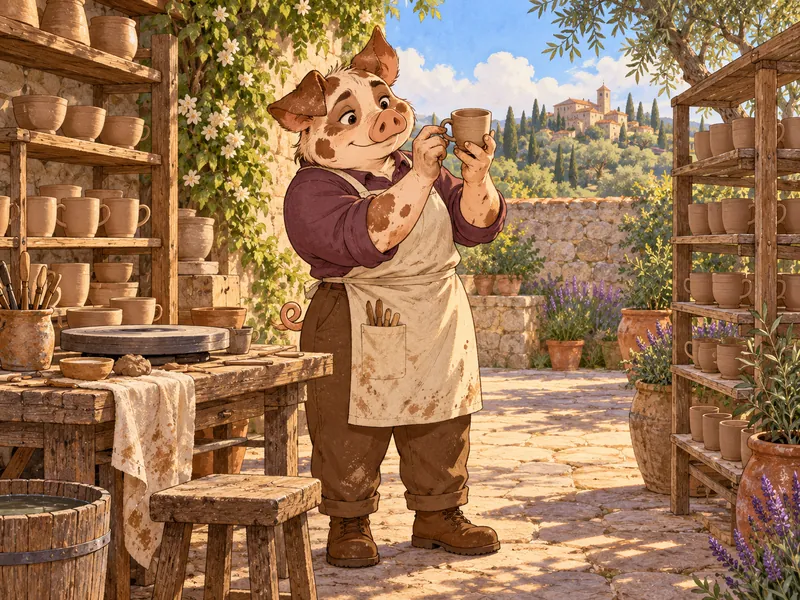
A pig oc needs more than pink coloring. Tansy starts with a broad snout, triangular ears and a curled tail, then adds a patch pattern and working clothes. For deer, goats or horses, replace those anchors with the features of the exact animal you chose. The Hoofed tile is a browsing shortcut, not a claim that all these animals have the same anatomy. Decide whether an anthro hand is a simplified hoof-like hand or a humanlike hand and keep that decision throughout the sheet. Avoid tiny stick legs and familiar red dresses. Give an apron, coat or boot enough room to fit the intended body instead of shrinking the animal into a generic person.
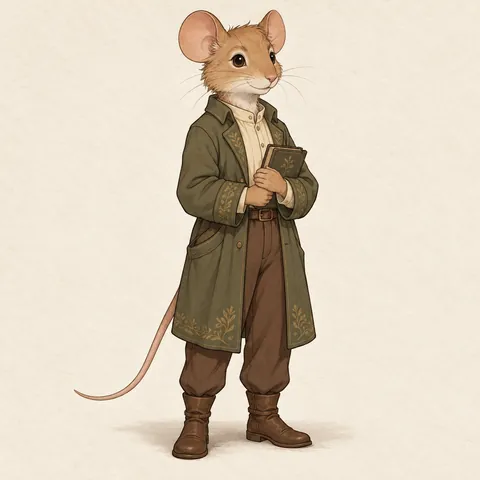
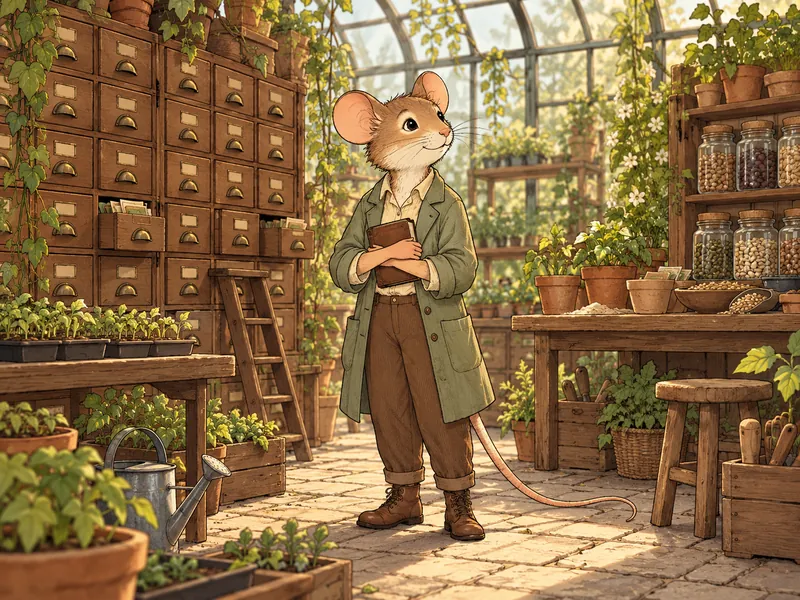
Rodents can read clearly through the balance of ears, muzzle and tail. A field mouse with a fine tail should not accidentally become a squirrel with a great plume. Start with one species, then say which features you want exaggerated. Vesper carries a small ledger because the job is seed keeping, not because every mouse must love books. Think about the environment from the character's height: a drawer handle can become a useful foothold, and an ordinary shelf can feel like a large wall. On a clothed anthro, keep the tail exit and coat hem consistent between front and back views. Avoid duplicating the same oversized round head on every small mammal.
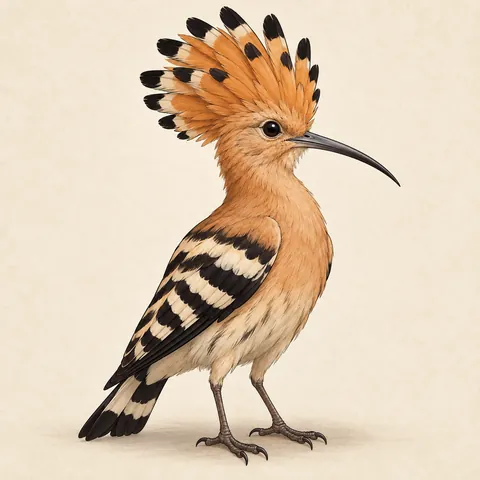
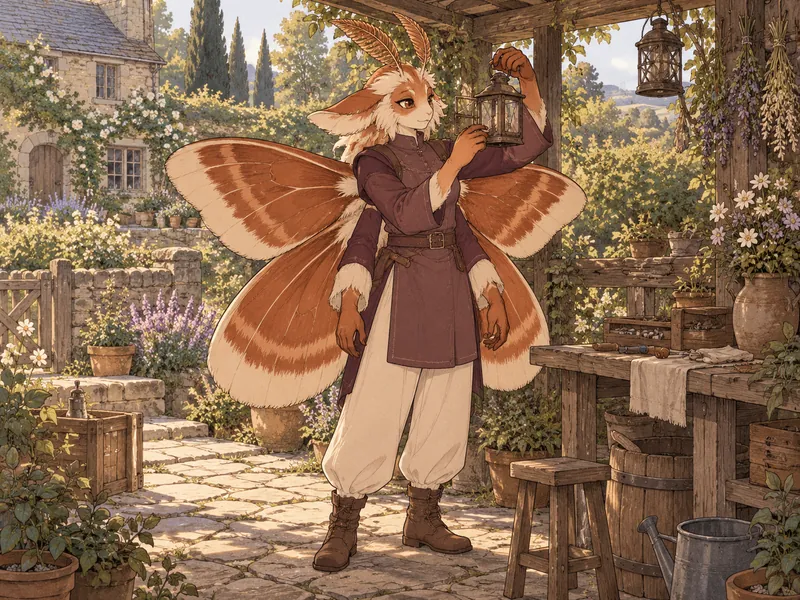
Winged is a visual starting shelf, not a biological family. Specify bird, moth, beetle or another exact animal before drawing. A bird has a beak and feathered wings; an adult insect has six legs, three main body regions and a pair of antennae. Sorrel deliberately adapts those six limbs into four working arms and two walking legs, so the fantasy remains internally consistent. Keep the moth's wings attached to the torso and make their front and back patterns agree. For a bird anthro, decide whether wings replace arms or sit behind separate arms. Both are storytelling choices, but silently switching between them makes a reference sheet confusing.
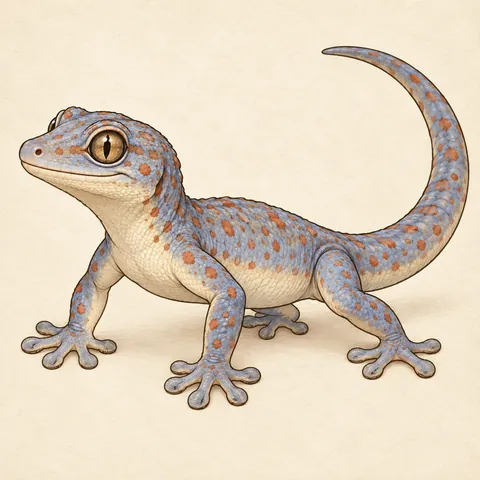
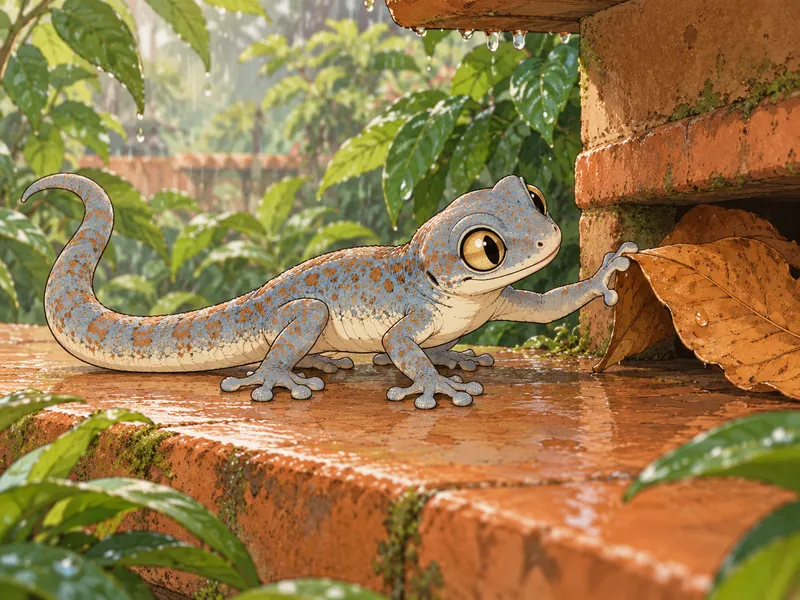
Choose a gecko, snake, turtle or another reptile explicitly. A gecko's toe pads and low stance give Mica a different silhouette from a smooth snake or a shelled turtle. Scales can be suggested in a few areas instead of covering the image with competing detail. Keep the tail attached at the pelvis, with enough frame space for its entire curve. A fantasy color palette is fine, but do not add horns and wings by accident if you want an ordinary reptile. The dragon creator is the better place to plan a dragon body. For a feral reptile, keep all limbs natural rather than introducing a human hand because the story mentions fixing something.
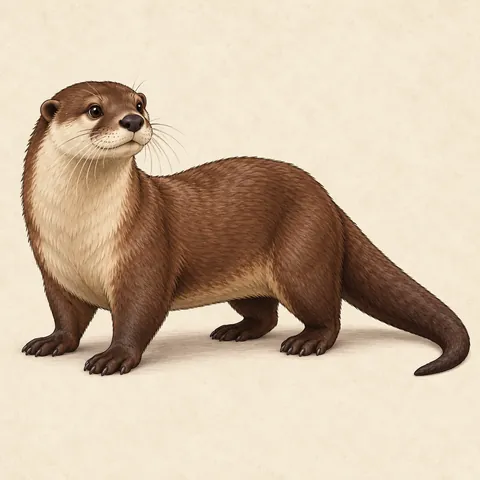
Aquatic describes where an animal spends time, not a shared body plan. An otter, seal and fish should not receive the same fins, paws or tail. The otter oc creator starting point here is Sedge: a river otter with small round ears, a broad whiskered muzzle and a thick tapering tail. The San Diego Zoo lists thirteen otter species, so choose a specific reference if natural accuracy matters to your drawing. Keep work clothes practical in an anthro story, and show where the tail passes through the trousers. A river setting supports this design without forcing every aquatic character to wear a sailor costume or carry an anchor.
Names and details
Try a landscape word with a craft or everyday task. The result is a working story name, not a species label or a requirement for every animal culture. Keep a name that sounds comfortable aloud, then connect its second half to an action the character actually performs. The detail buttons fill the identity field; edit them to match your chosen species rather than treating every suggestion as universal anatomy.
Landscape word + everyday work
Choose one, then adapt its placement to the animal.
Guide
Work from the largest decisions to the smallest. A useful brief tells another artist what cannot change, what can vary with the scene, and which details are only suggestions. Save that brief alongside the first image you like. It gives you something concrete to compare when a later pose, style or reference view drifts.
Write the exact animal before selecting a color. For Sedge, the anchors are a broad whiskered muzzle, small round ears and a thick tapered tail. For a pig, the snout and ears do more work than pink skin. Collect a side view and a front view from a reliable natural-history source when you want anatomical accuracy. Then simplify the shapes until you can recognize the animal in a small black silhouette. A fictional species still benefits from an explicit plan. If you combine two animals, decide which one owns the skeleton and use the hybrid tool to explore the second influence.
Feral means the character keeps an animal body, even if your story gives it speech or complex feelings. Anthro gives the animal humanlike posture or actions while retaining animal features. A humanoid animal oc can use either a strongly animal face or a softer humanlike face, so describe that choice. Kemonomimi here means a human body with animal ears and a tail. Use ordinary full clothing for humanlike bodies and keep the proportions modest. State how many limbs exist and whether wings replace arms. Do not let a prop quietly force a four-footed animal into a human stance.
Choose a base, an accent and a limited pattern. Put the strongest contrast near the face or another important silhouette anchor, leaving quieter areas around it. Write left and right from the character's perspective if a patch is asymmetrical. Try a small version of the design: if every stripe turns into noise, widen the shapes and remove a few. Repeat the same pattern boundaries in front, side and back views. Scars are not needed to make an animal memorable; a pale ear tip, a cream throat or a single dark saddle can do the job without a dramatic backstory.
A role suggests props and clothes without dictating a personality. Sedge repairs maps but must accept that the river changes. Tansy makes cups but overthinks their handles. A feral character can have a useful habit, such as finding sheltered paths, without carrying tools in human hands. Choose one daily problem that invites another character to help. Then check whether the prop actually fits the body plan. A satchel strap needs a clear route around wings; a long coat needs room for a tail. Keep the role visible through one or two details instead of covering the outfit in accessories.
Use the style studies to decide how much detail your story needs. A sketch can expose a weak silhouette, while a painted version can test subtle markings. Keep the species, palette and major clothing pieces constant when changing style. Before saving a reference sheet, inspect ears, paws, tail attachment, pattern placement and the number of limbs in every view. Correct the written brief when you discover a recurring mistake. Share the chosen image together with the identity notes so a future artist knows which details are deliberate. Generation is a starting point for revision, not a substitute for checking the drawing.
Other fandoms
Tools
FAQ







Sign up for 10 bonus credits and make your first OC free.