
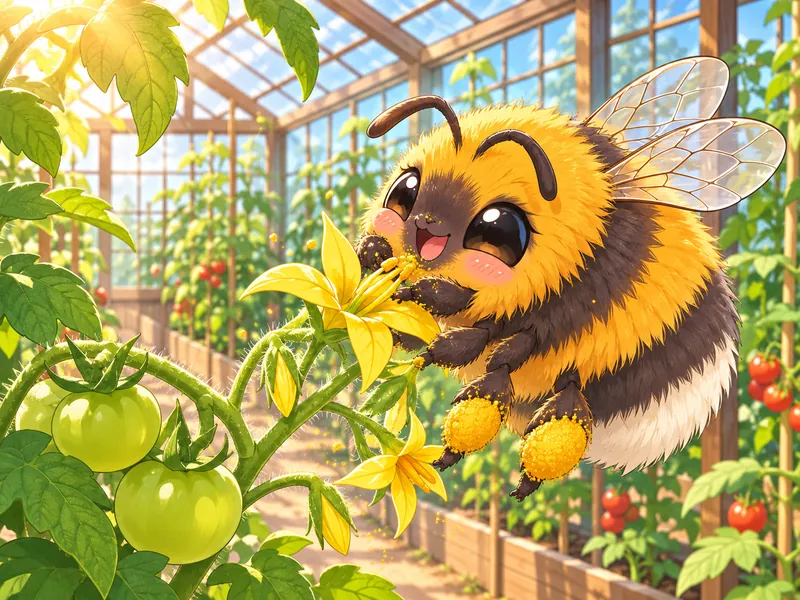
Borage Hummingdale
Bumblebee- Shakes pollen loose with a hum
- Fuzzy bands, a cream tail tip
- Naps on warm tomato leaves
This free bug OC maker turns a real insect or spider into a character you can draw. Start with a bee OC or pick from 31 species, from luna moths to peacock spiders, then choose a body plan: an upright anthro bug person, an insect-human hybrid with antennae and wings, or a cute feral bug. Add wings, a color pattern, a job in the hive, colony or garden, and one trait borrowed from the real animal.
Ideas
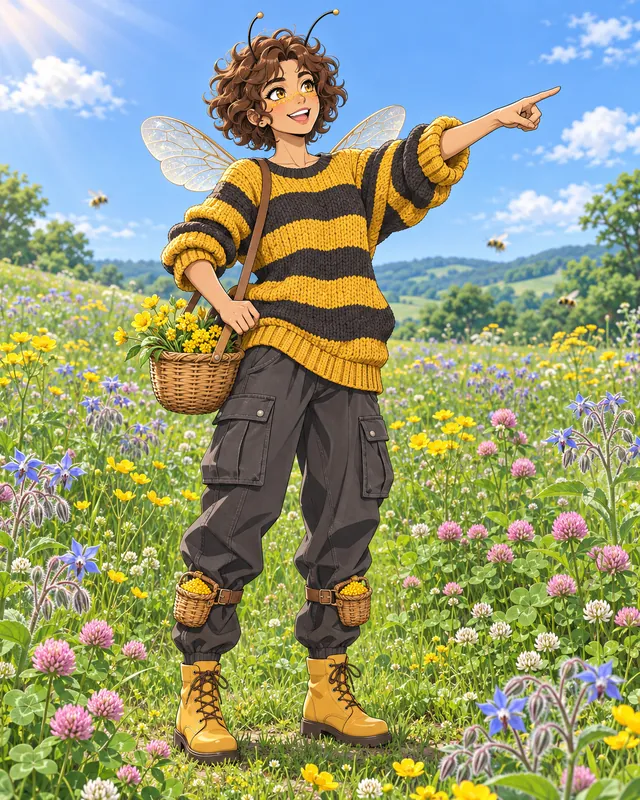
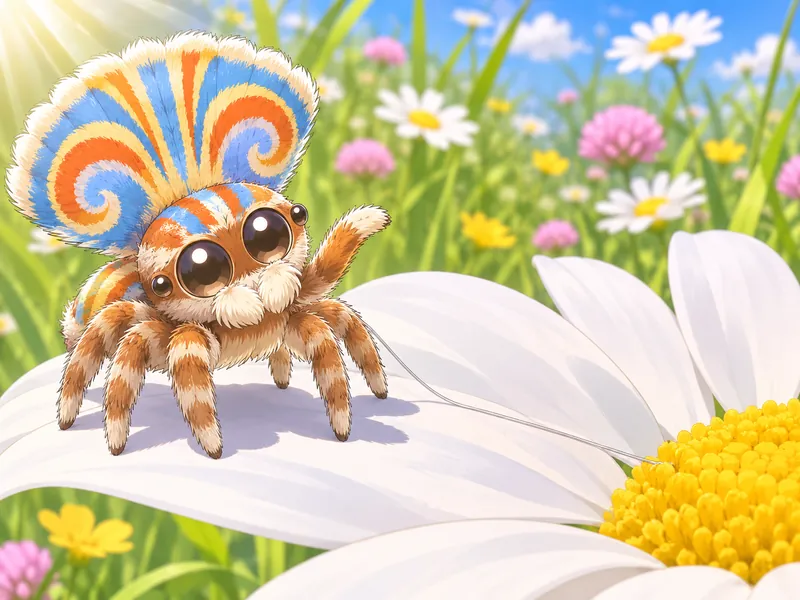
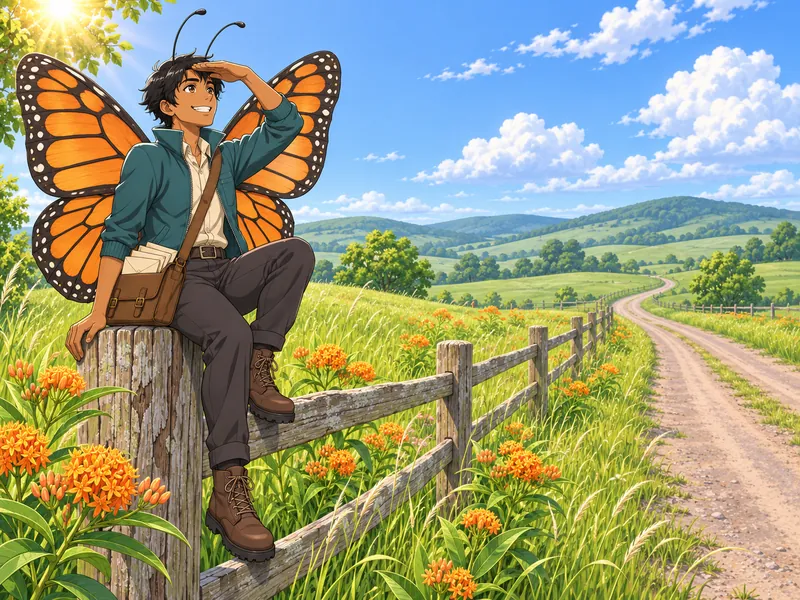
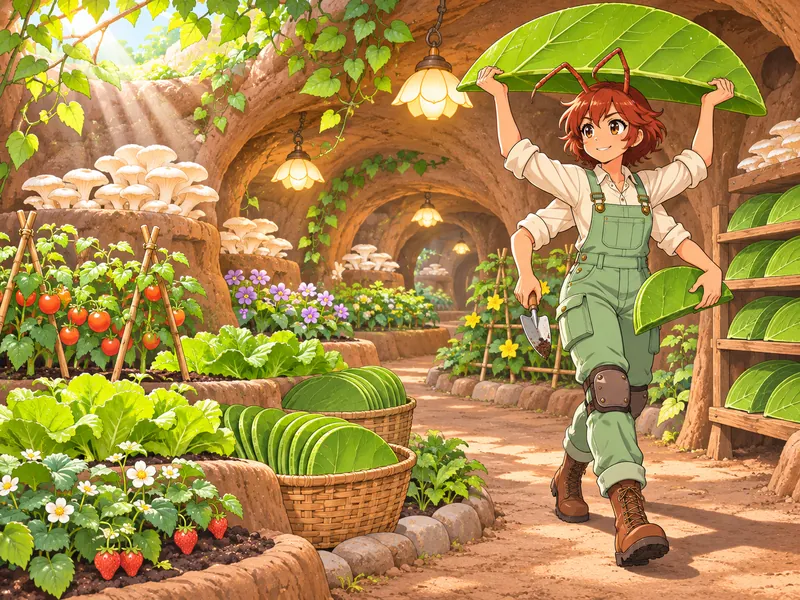
Each card is a different species and a different body plan, from a fuzzy feral bumblebee to a four-armed ant gardener. Press Use this idea to load the species, wings, role and colors, then change the name or the habit until the character feels like yours. Looking for more bee OC starting points? Surprise me also draws from six extra bee presets, including a nurse bee, a hive guard and a solitary mason bee.
Know the rules
A bug OC works best when the real animal still shows through the design. These notes cover the species groups on this page and the three body plans, with the anatomy facts that keep each one readable. They are design shortcuts, not a full field guide: when accuracy matters, look at photos of the exact species you picked. Every Make one button loads that group into the generator.
Sources: Wikipedia: Insect (body plan and species count); USDA Forest Service: Bee pollination; Wikipedia: Spider (arachnid anatomy)
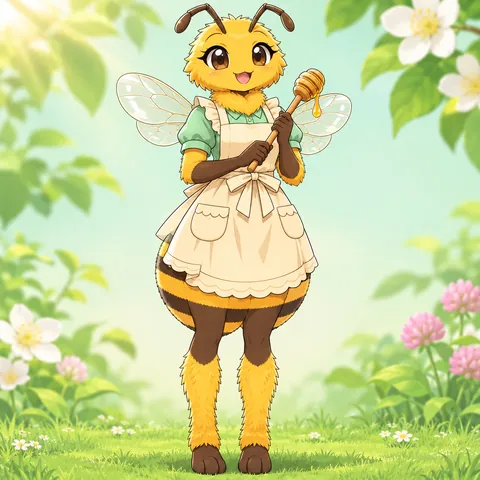
A bee OC reads as a bee because of three things: a fuzzy body, banded colors and small clear wings. Honeybees add pollen baskets on the back legs, where foragers pack pollen to carry home, and five eyes in total: two large compound eyes plus three small simple eyes on top of the head. Bumblebees are rounder and furrier. Most bee species never live in a hive; the USDA Forest Service notes that the majority are solitary, like the mason bees that build mud rooms in hollow stems. That opens up roles far beyond worker and queen. Bees cannot see red but can see ultraviolet, so a bee character might notice flower patterns that nobody else can.
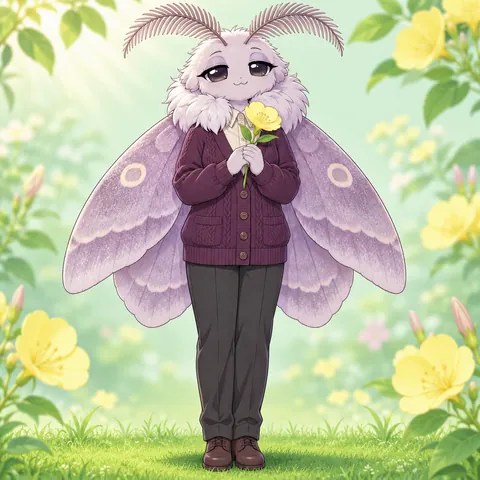
Moths and butterflies share wings covered in tiny scales, which is where their colors and dusty texture come from. The quickest visual cue is the antennae: butterflies usually have thin antennae with a club at the tip, while many moths have feathery or threadlike ones, and male moths often carry the fluffiest pair for following scents. Moths far outnumber butterflies; Butterfly Conservation counts about 160,000 known moth species against roughly 18,500 butterflies. Many moths fly at night, which suits moonlit gardeners and quiet night owls. Luna moths are a fun outlier: the adults have no working mouthparts, never eat, and live for about a week.
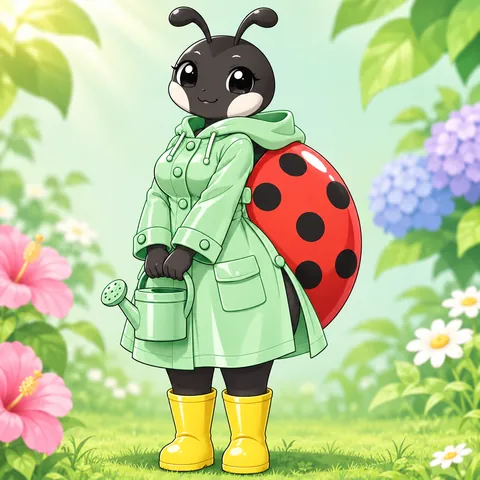
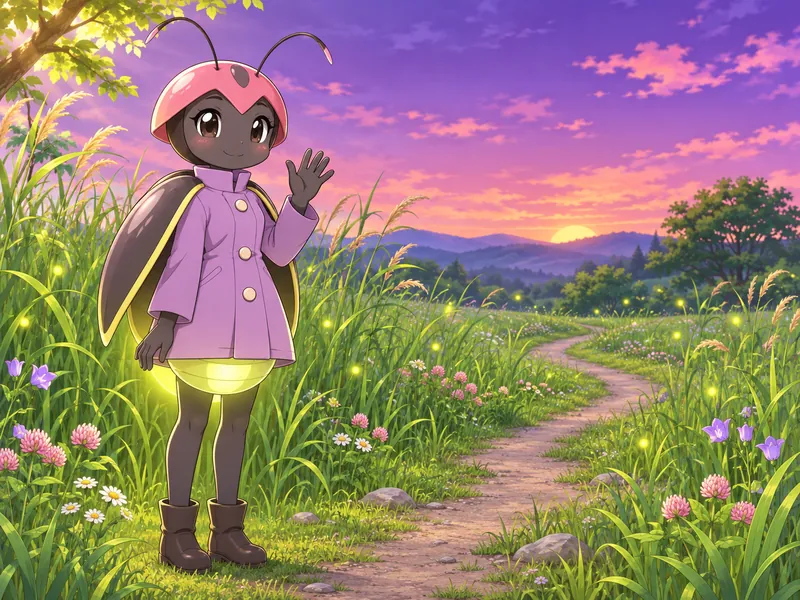
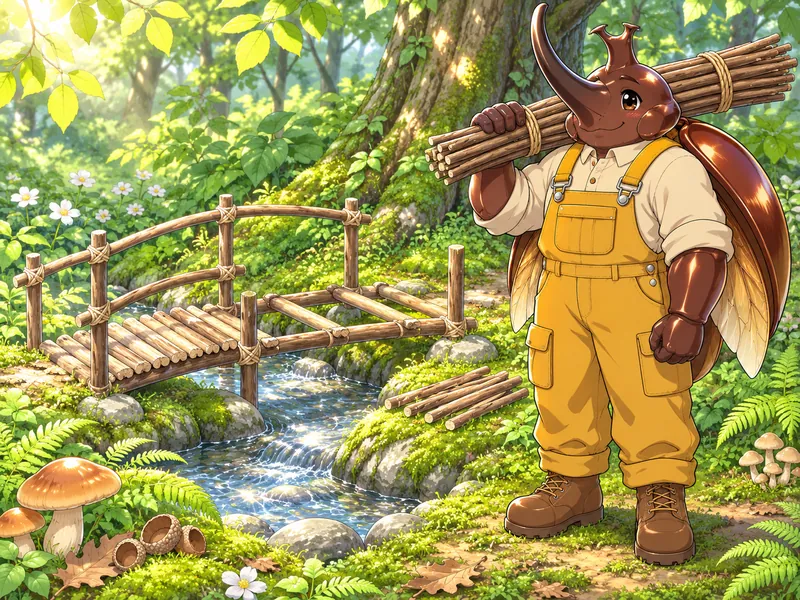
Beetles fold their flying wings under a pair of hard wing covers called elytra. On a ladybug those covers are the red, spotted dome, so a ladybug OC can open its shell like a pair of little doors before taking off. Many ladybugs eat aphids, which makes them garden favorites, and their red-and-black colors warn birds that they taste bad. Fireflies are beetles too, with the same covers plus a light organ near the end of the abdomen. Rhinoceros beetles get their name from their horns, which in most species only the males carry. Pick one standout feature per beetle rather than stacking horns, spots and glow on a single design.
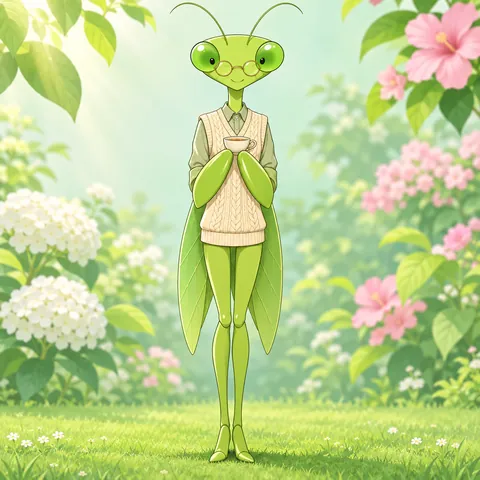
Every mantis has large front legs built for grabbing, and the folded resting pose gives the praying mantis its name. The triangular head sits on a flexible neck, and some species can turn their heads nearly 180 degrees, a lovely character beat for a quiet, observant OC. For a friendly design, round off the forelegs, keep them folded and let the big eyes do the talking. The orchid mantis is a pink-and-white relative whose legs look like petals; researchers found it resembles a generic flower closely enough to attract pollinating insects. Give a mantis an everyday job so it stays clear of the famous martial-arts and masked mantis warriors.
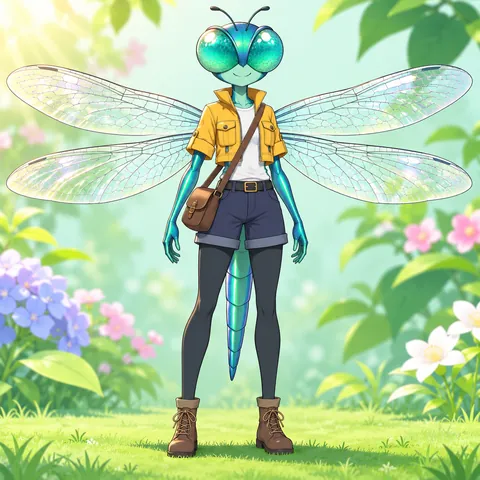
Dragonflies have two pairs of strong, clear wings and compound eyes so large they cover most of the head. At rest, most dragonflies hold their wings flat and out to the sides, while damselflies fold theirs along the body, an easy way to tell two similar OCs apart. Both spend their early life underwater as nymphs before climbing a reed to become flying adults, so a dragonfly character can have a pond-side childhood. Iridescent blues, greens and reds suit them, and long, slim bodies make elegant silhouettes. Keep all four wings visible and attached at the middle body section so the design reads at a glance.
Ants have elbowed antennae, a narrow waist and six legs, and worker ants have no wings. Colonies split their work in surprising ways: leafcutter ants cut leaves they never eat, carrying them home to feed fungus gardens, and their workers come in several sizes, from tiny gardeners to large guards. That gives an ant OC a ready-made place in a community, which suits stories about teamwork, routines and found family. An insect-human hybrid ant can carry the extra pair of arms many artists give bug people. Decide which job your ant has before you choose an outfit, then let the tools follow from that job.
Spiders count as bugs in everyday speech, but they are arachnids: eight legs, two main body parts and no antennae. Jumping spiders are the friendliest starting point, with big front eyes, fuzzy legs and a habit of tying a silk safety line before they leap; they even spin small silk tents to sleep in. Peacock spiders add a colorful fan. Pill bugs, also called roly-polies, are tiny land crustaceans related to shrimp, with fourteen legs and a talent for rolling into a ball. Keep spider characters cute with round bodies and big eyes, and skip dark lairs. For a spider-powered hero, the Spidersona creator is the better fit.
Real adult insects have three body parts, six legs and one pair of antennae. A bug OC can keep that plan or adapt it, as long as the choice is deliberate. An anthro bug person stands upright with an insect head, antennae and usually two arms and two legs. An insect-human hybrid keeps a human face and body and adds antennae, wings or a second pair of arms. A cute feral bug keeps its natural body and real leg count, rounded into friendly shapes. Write the limb count into your description and repeat it on every view of a reference sheet, because silent switches between two and four arms are the most common slip in bug art.
Names and traits
The free mixer below runs in your browser and builds names the way many bug OC creators do: a flower or garden word up front and a bug pun or a craft at the back. Hive names pair a flower bees love with a hive-craft surname. Garden names pair a short garden word with a species pun. Night names fuse a dusk word with a light or flight word for moths and fireflies. The trait cards fill the Signature trait field with a behavior borrowed from a real insect or spider, so your character’s quirk is also true to nature.
A flower bees love + a hive-craft surname
Pick a behavior from nature; it fills the Signature trait field.
Guide
Start with the real animal and work outward. A good bug OC is recognizable as its species from the silhouette alone, then becomes a person through a job, an outfit and one habit. These five steps keep the design readable from a phone-sized thumbnail all the way up to a full reference sheet.
Choose the exact bug before anything else: a honeybee, a luna moth, a rhinoceros beetle or a jumping spider. Look at photos and pick three features that make it that animal. For a honeybee, that might be the fuzz, the striped abdomen and the pollen baskets; for a dragonfly, the four wings, the long body and the huge eyes. Those three features are your anchors, and they should survive every outfit and art style you try later. If your bug is not on the list, pick the closest relative and write the real species into the description box. A cicada or a stick insect deserves the same care as the popular picks.
Decide how human your character is. An anthro bug person keeps an insect head on an upright body with clothes. An insect-human hybrid keeps a human face and adds antennae, wings and maybe a second pair of arms. A cute feral bug keeps its natural shape. Then count: real insects have six legs, so an anthro with two arms and two legs is a deliberate simplification, and a hybrid with four arms is a deliberate addition. Both are fine. What breaks a design is drifting between them from picture to picture, so put the number of arms and legs in your notes and check it every time.
Wings carry most of a bug’s personality. Clear, veined wings feel quick and busy, fuzzy moth wings feel soft and nocturnal, and beetle wing covers feel sturdy and armored. Pick one wing type and a pattern that fits it: stripes for bees and wasps, spots for ladybugs, eyespots for moths, a metallic shimmer for jewel beetles and dragonflies. Real warning colors such as orange and black or red and black read instantly. Fantasy colors are welcome too, but keep the pattern in the same place, so a lilac ladybug still has its spots on the wing covers rather than scattered everywhere.
Bugs live busy lives, which makes jobs easy to invent. A honeybee can forage, nurse young bees, build comb or guard the entrance. An ant can dig tunnels or tend a fungus garden. A garden bug can patrol for aphids, pollinate night flowers or carry heavy loads. Let the role choose the outfit and the props, then pick a signature trait from the real animal, such as the waggle dance or a firefly’s light signals. One small flaw makes the character feel alive: a guard who is secretly soft, or a scout who dances for far too long.
Roll a name in the mixer, read it aloud and keep the one that fits the species. Then generate a portrait and look at it at thumbnail size: can you still tell it is a bee, a moth or a beetle? If not, strengthen one anchor feature instead of adding more detail. When you like the look, switch the output to a reference sheet so the front, side and back views share one outfit and one limb count. Save your notes with the image, including the wing type and the trait, so future drawings and other artists stay consistent.
Other fandoms
 Hollow KnightOC Creator
 AnimalOC Creator
 MiraculousOC Creator
 Wings of FireOC Creator
 SpidersonaOC Creator
 FantasyOC Creator
Tools
FAQ
Sign up and your first pack comes with 100 bonus credits.