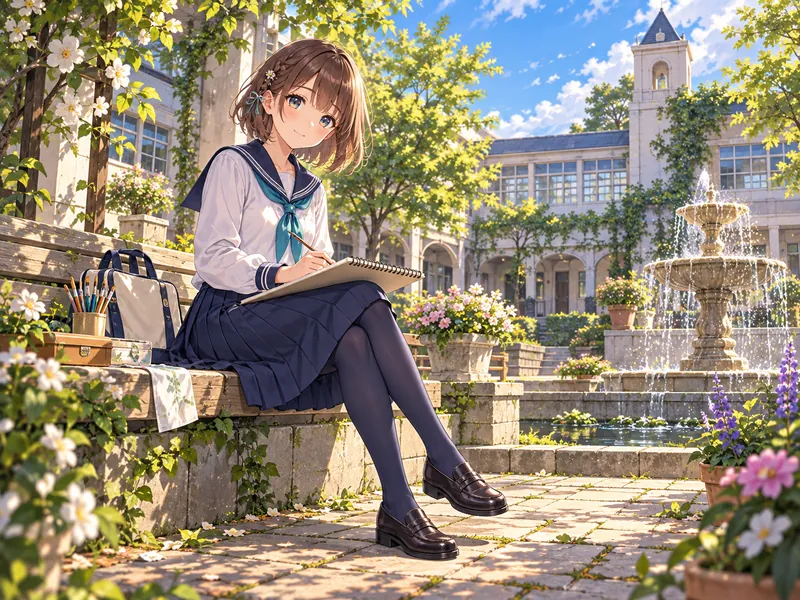
Naho Sugitani
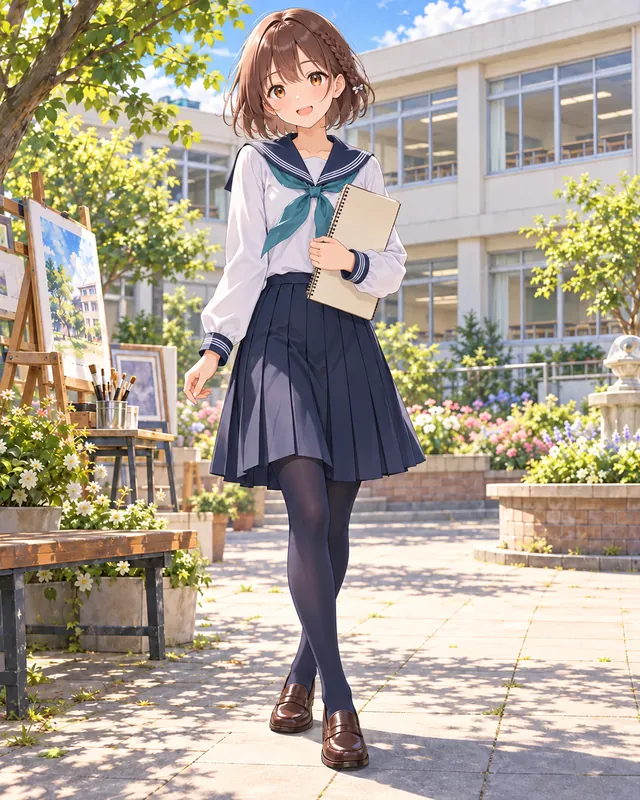
Art Club- Sketches leaf shapes
- Hides unfinished work
- Shares one rough draft
Build a Yandere Simulator OC with a club, a school routine and a look of their own. This Yandere Simulator OC creator pairs original Akademi student ideas with a local name mixer. Choose a uniform, add a friendship or respectful crush, and turn your notes into a character sheet.
Ideas
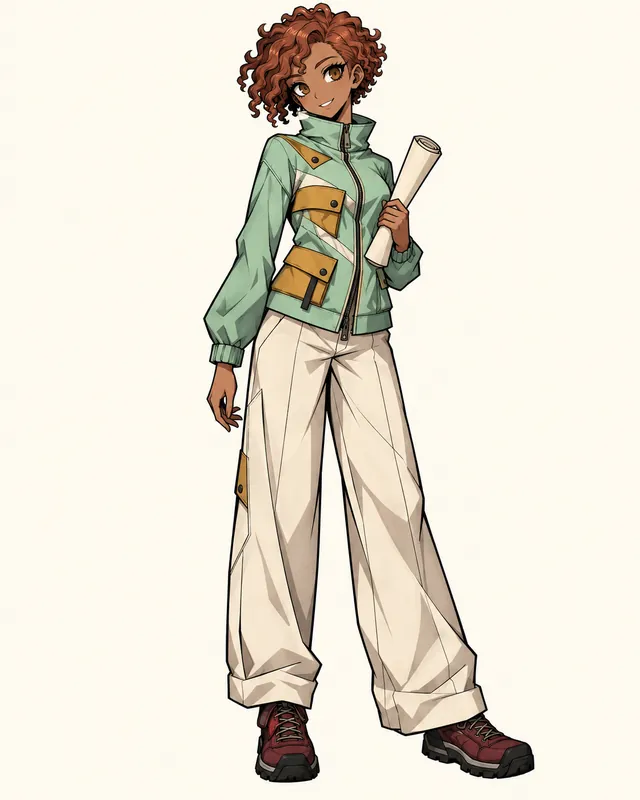
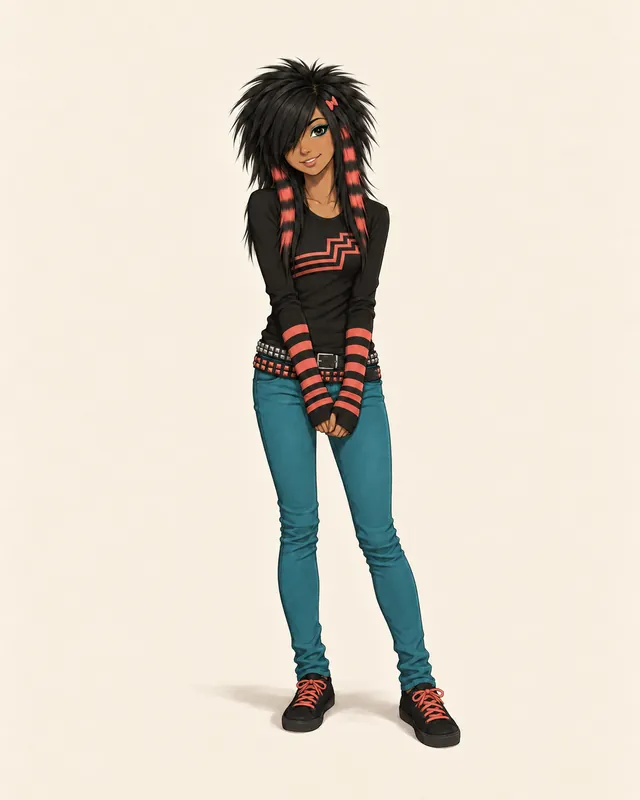
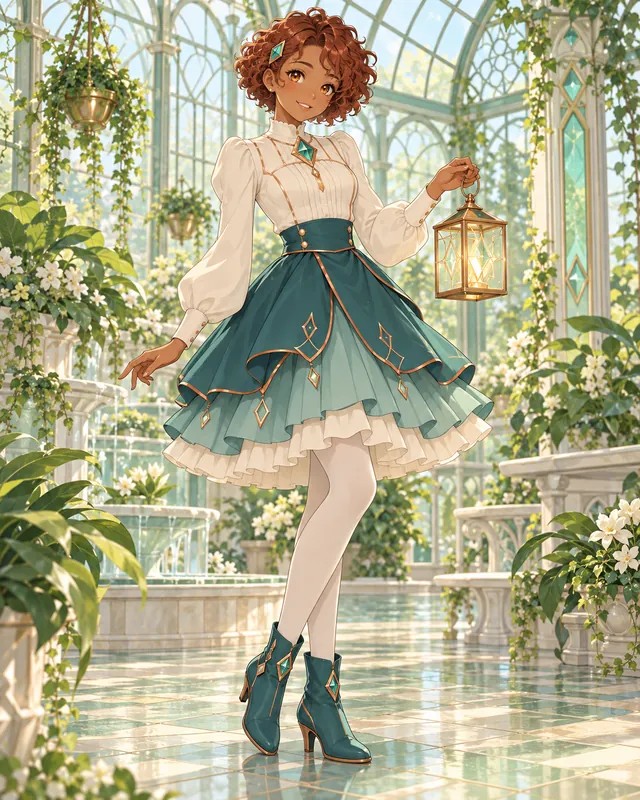
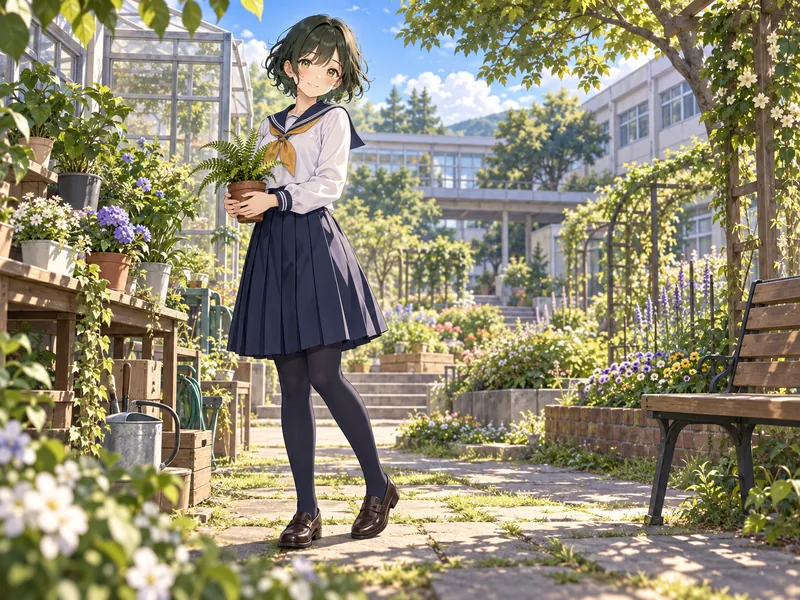
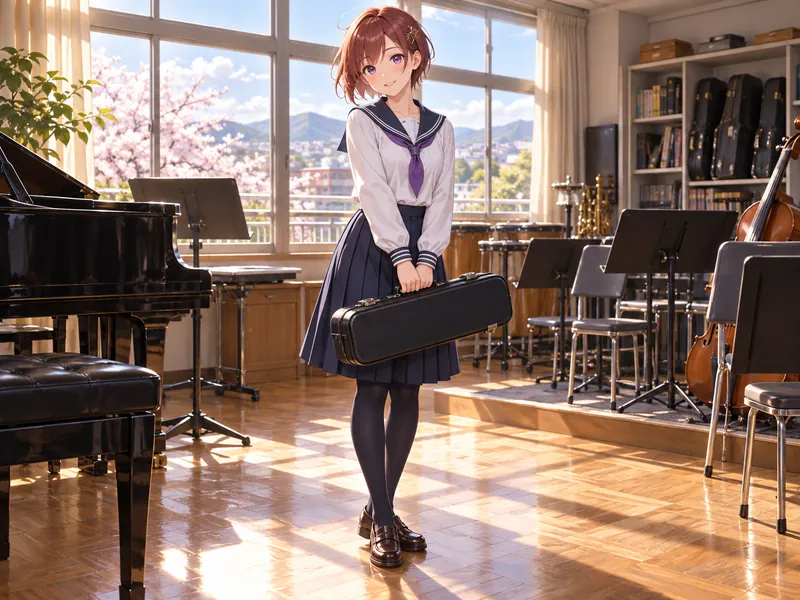
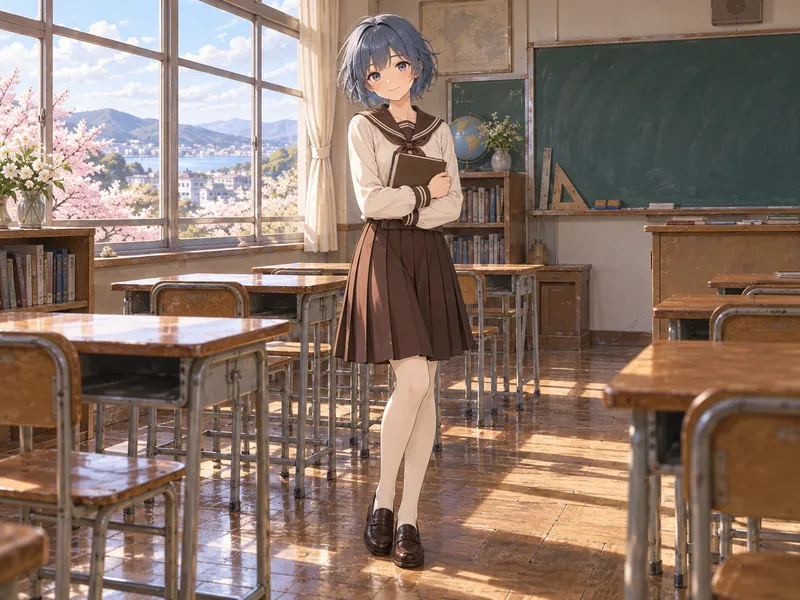
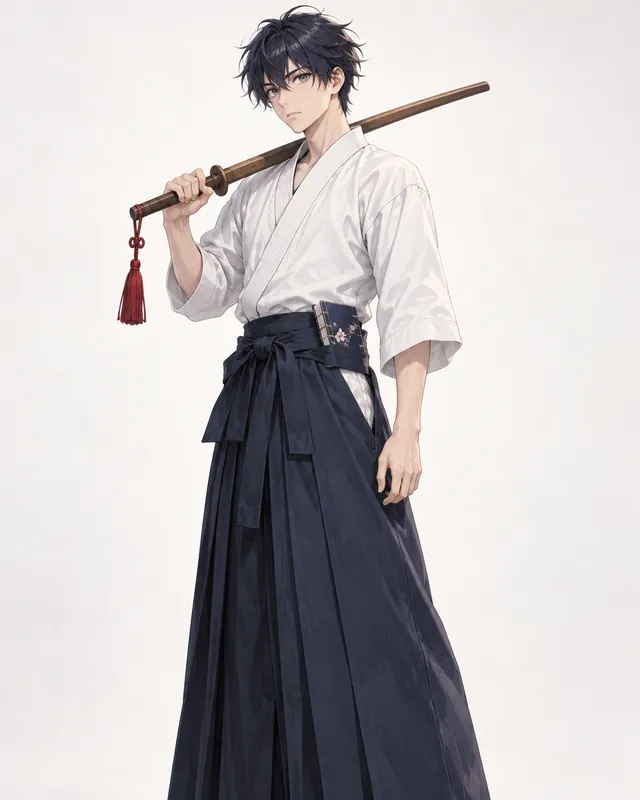
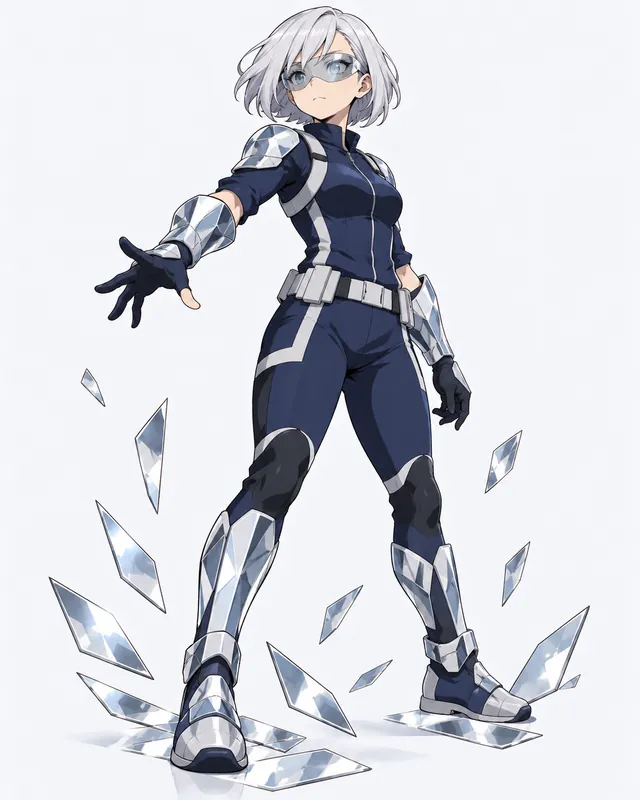
These are original student concepts, not alternate costumes for the existing cast. Each combines a readable school silhouette with an interest, a social difficulty, and one ordinary choice that can change a scene. Use a card to fill the form, then change the name, club or routine. The art shows one student at a time so the hair, collar, accessory and setting remain easy to read. For a Yan Sim OC, a convincing Tuesday can be more useful than a page of extraordinary powers.


Know the rules
Start with the school conventions, then make choices that belong to your student. These notes separate verified setting details from writing suggestions. You do not need to recreate the game's darker events to make a recognizable fan character. The useful questions are concrete: where does the student spend lunch, what do they carry, and how do they behave when a friend disagrees?
Sources: Wiki: clothing and uniforms; Wiki: clubs; Wiki: modes; Wiki: student personalities
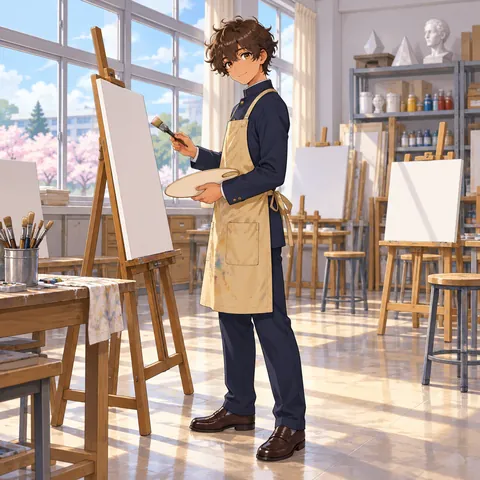
The wiki lists clubs including Art, Cooking, Drama, Gardening, Light Music, Photography and Science. Pick a club because the student wants to do its activity, then decide what they actually contribute. An Art Club member might organize supplies or practice composition without being the best artist in the school. Clubs can explain where friends meet and why someone stays after class. The picker covers twelve club choices: Art, Cooking, Drama, Occult, Light Music, Martial Arts, Photography, Science, Sports, Gardening, Gaming and Newspaper. Gaming is an unofficial 202X group; Newspaper belongs to 1980s Mode. Keep those era-specific choices consistent with your setting. Use the details box for another verified club, and keep its accessories personal instead of reproducing a leader's armband.
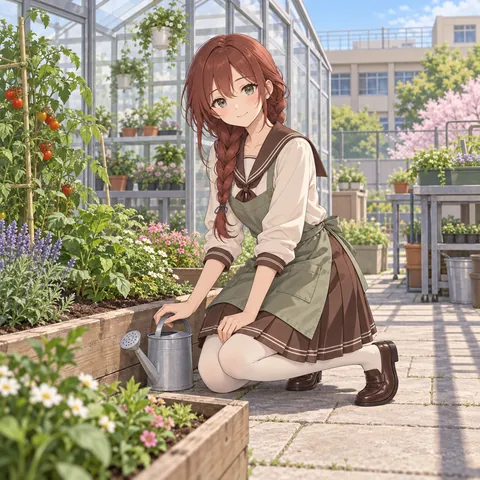
Social Butterfly, Loner, Sleuth and Phone Addict are game persona labels. Their gameplay meanings are more specific than everyday adjectives, so use them as a starting reference rather than a complete psychological profile. A quiet student can be warm with a close friend; an outgoing one can be nervous about asking for help. Describe one behavior the reader can observe, such as checking the club notebook before answering a question. Then add a contradiction that creates a small school-life problem. A persona should make the student easier to write, not excuse unkind behavior or erase their ability to change. The eight choices here are Social Butterfly, Loner, Sleuth, Phone Addict, Teacher's Pet, Heroic, Coward and Lovestruck. Cautious is our friendly label for Coward. Use everyday interpretations: a Heroic student speaks up for a classmate, a Teacher's Pet enjoys helping with lessons, and a Lovestruck student has a respectful crush. These are writing prompts, not demonstrations of the game's reaction mechanics.
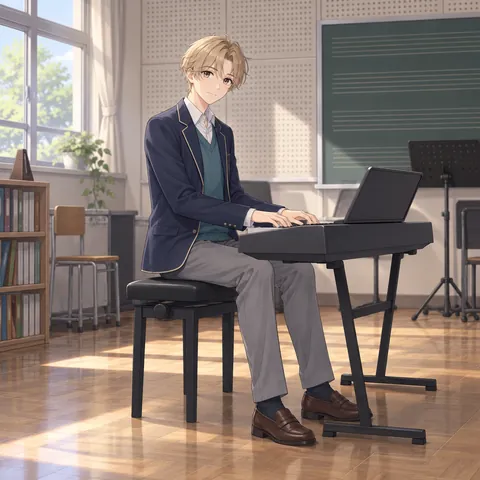
A sailor collar, simple tie, school jacket or pleated skirt places a design in the Akademi setting quickly. The clothing wiki describes six selectable uniform types for 202X Mode and one fixed uniform type in 1980s Mode. Our illustrations use original accent choices and modest adaptations, rather than recreating a game texture exactly. Choose a clear hair outline and a small everyday item before adding decorative details. If a silhouette resembles a named student, change the hairstyle, palette and accessory together. No school crest, official armband or game logo is needed for a recognizable student design.

The rival system provides a weekly romantic-competition premise in the game; this page uses only ordinary friendship and crush stories. Give each person something to do besides reacting to the OC. A friend can be busy with a different club, disagree over a display, or prefer a quiet lunch. Here, the yandere archetype means sweet on the surface and overprotective of a crush, with that overprotectiveness treated as a flaw to work through. Learning to ask, listen and accept an answer is a better character arc than presenting control as affection. Keep all relationships appropriate for teen students.

The bullies and delinquents are recognizable student groups, but they are not interchangeable with an ordinary club choice. A Yandere Simulator bully OC can be a gossipy, mean-girl type student whose careless comments damage trust. Show her softer side and the work of making amends without pretending kindness cancels what happened. For a delinquent-inspired student, keep the outsider attitude, altered school styling and difficulty fitting in, while writing peaceful school scenes. Avoid the canon groups' matched hair, accessories and exact combinations. The quieter student in our examples is simply quiet, not automatically a delinquent.
1980s Mode is set in 1989 and has its own student cast. A paper notebook, a meeting arranged in person and a period-appropriate classroom help that choice matter. A modern smartphone conversation belongs in a different version of the profile. You can make a deliberate alternate universe, but label it clearly instead of calling every invented detail canon. Yandere Simulator remains in development, so check the wiki and developer updates before writing a version-specific claim. This creator makes a visual brief; it does not install a character into either mode or export a functioning game mod.
Names and routines
Mix a given name with a surname, then choose a routine that gives the student something to do on the page. These are fan-character suggestions, not Japanese name translations or claims about kanji meanings. Read the full name aloud, compare it with the current student list, and change it if it feels too close to someone familiar. A picked name and habit fill the same form as the club cards, so the profile stays together while you experiment.
given name + surname; choose the reading you intend
Choose something a classmate could notice.
Guide
Build the visual design and the daily routine together. A school portrait becomes easier to revise when each visible detail has a reason to be there. Use these five passes before asking for a finished image.
Decide whether this is a club regular, a new member, an independent student, or someone trying to repair a friendship. Write a simple goal for the next school day: show a sketch, return a book, or ask to join rehearsal. A Yan Sim OC maker is most useful when it helps you make decisions, so choose one goal before adding more background. Leave room for the other students to have their own plans. Your OC should not be indispensable to every club or secretly responsible for every important event.
Choose 202X or an explicitly 1989-inspired profile. Match the uniform silhouette and everyday objects to that decision. Use a small palette with a clear dark uniform shape, lighter shirt area and one accent. Hair can do much of the character work: a low braid, cropped waves or a side part is easier to recognize than several unrelated accessories. Compare the outline with the canon student list, especially if you have selected a familiar hair color. Change a combination rather than merely renaming a look-alike.
Pick a persona label, then write the behavior in your own words. A Loner might recharge in the library before Music Club; a Social Butterfly might invite a new member into a conversation. Give the routine a small pressure point. Perhaps the quiet student needs to ask a question in public, or the helpful student needs to stop taking every task. Keep a friend and an optional crush separate from the club job so the student has several reasons to participate in school life.
Choose a name at #names and a habit that fits the club. Read the resulting description as if you were briefing an illustrator who has never met the character. Make the hair, uniform, item and background explicit, and remove details that contradict an earlier choice. Surprise me can suggest a fresh direction, while the idea cards supply a coherent starting profile. Save the wording you like before trying a different version. The Yandere Sim OC creator is a design aid, not a guarantee of exact game-model compatibility.
Check the generated collar, hands, hair shape and modest outfit against the brief. Keep the student centered and the school setting recognizable. Then write a short scene where their flaw creates an ordinary difficulty and another person gets a real choice. A friend declining an invitation can reveal more than a long list of dramatic secrets. If you post the result, call it an original fan character and say which parts are your invention. Keep the description with the image so later redraws preserve the same identity.
Other fandoms
Tools
FAQ



Sign up for 10 bonus credits and make your first OC free.