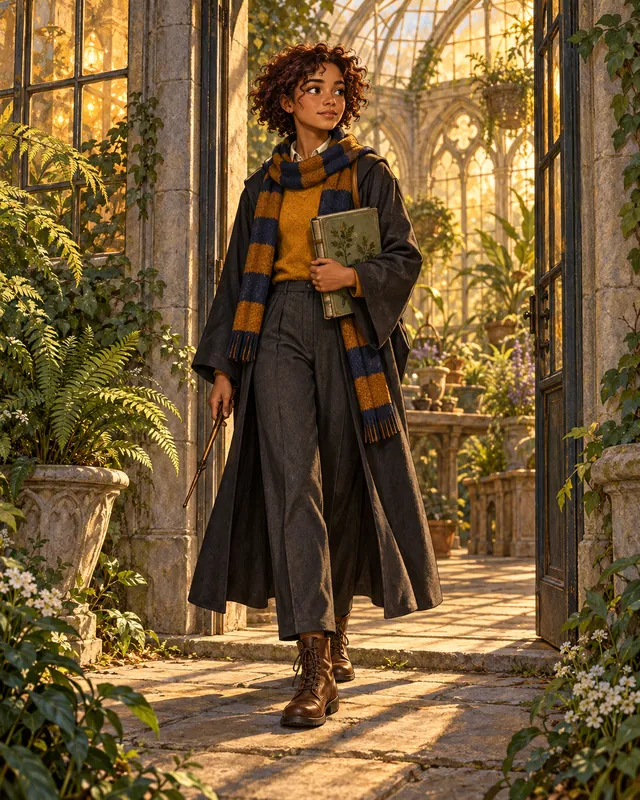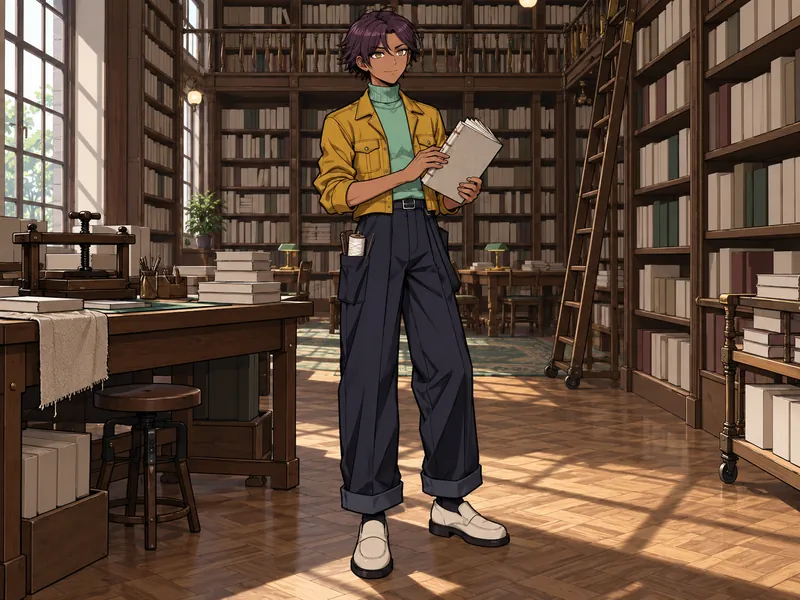
Iori Numatake
Bookbinder- Repairs worn books
- Overchecks every seam
- Likes quiet shared work
This Danganronpa OC creator builds an Ultimate student around a talent, a practical outfit, and a personality quirk. Choose how they handle clues, give their skill a real limit, and preview the profile. Our original student ideas focus on school clubs and cooperative mysteries, with no canon costumes or mascot likenesses.
Ideas
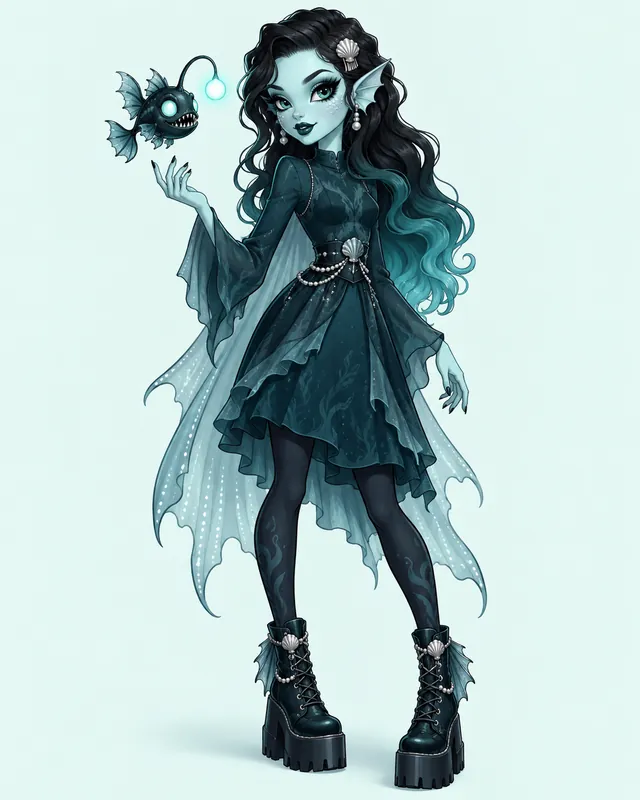
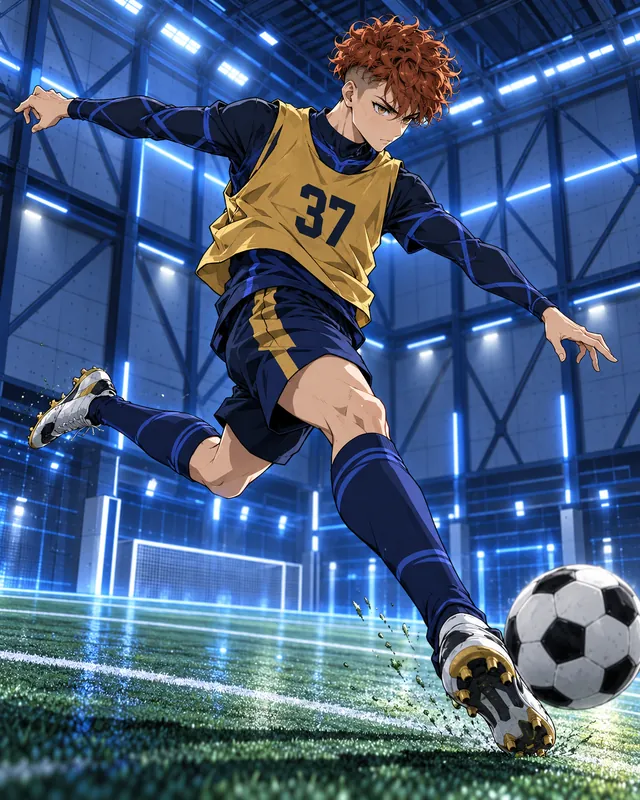
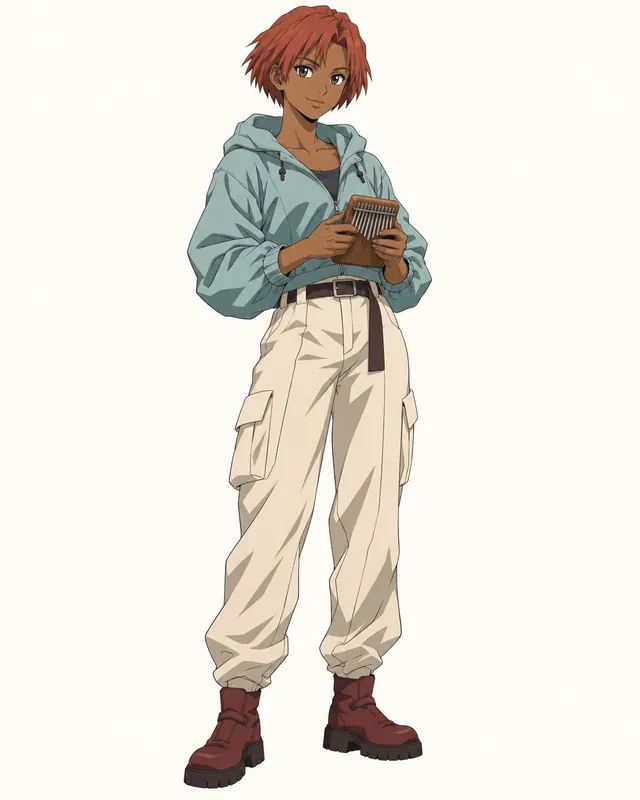
A strong talent affects what a student notices, what they carry, and what they get wrong. These examples each have a different tool, silhouette, and blind spot. Use a card to load the visual brief, then change the personal detail that makes it yours. They belong to an original, peaceful school-mystery AU rather than a reconstruction of a canon cast. The artwork stays free of labels so the profile text remains readable beside it.
Know the rules
Hope's Peak Academy is the talent-focused school central to the first game's premise. Danganronpa 2: Goodbye Despair uses Jabberwock Island, while Danganronpa V3: Killing Harmony has its own academy setting. Treat these as separate context choices rather than one interchangeable classroom. The design categories below are our practical ways to organize an original talent, not official student ranks. Start with a skill, make its evidence visible, and leave room for another student to contribute.
Sources: Spike Chunsoft: series and school settings; Spike Chunsoft: Decadence collection; Danganronpa releases
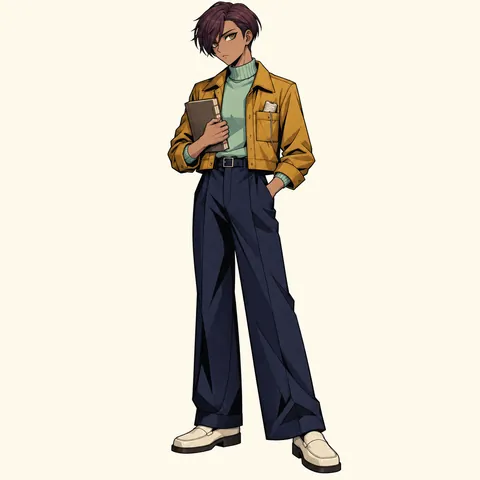
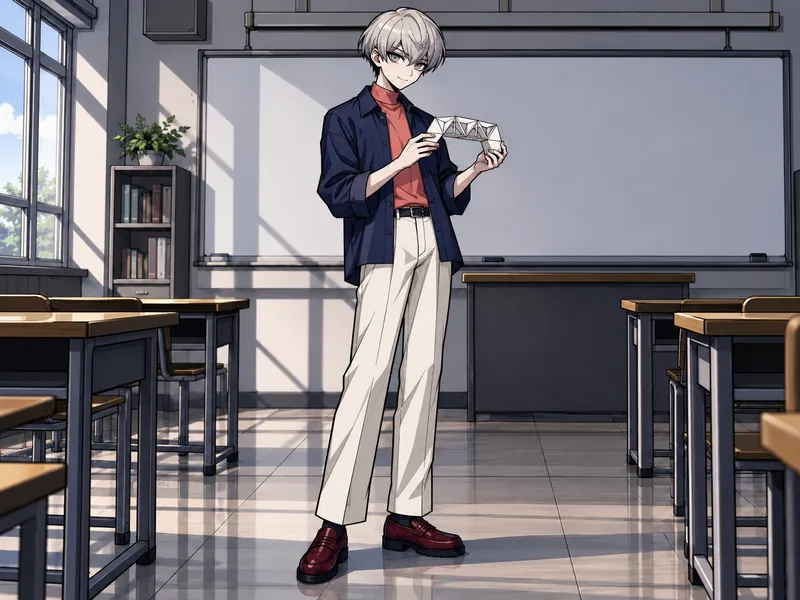
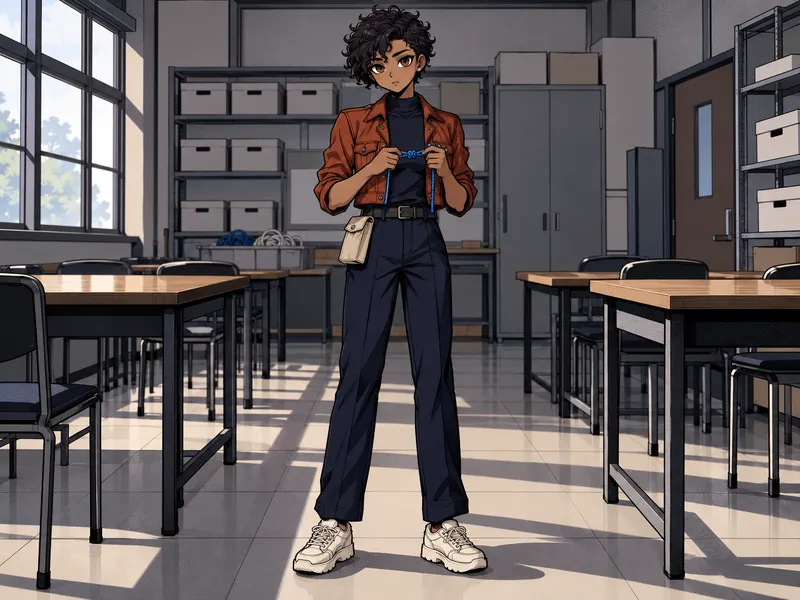
A title becomes interesting when you can explain what the student has achieved. A bookbinder might restore badly damaged community records; a paper engineer might build unusually strong folding structures. Pick an achievement that fits the skill rather than making the student famous at everything. In the profile, write what they can demonstrate, what conditions they need, and what they cannot infer. Iori can recognize a repaired spine but cannot identify every person who touched a book. That boundary gives another student a useful role. The illustrated craft category is only a starting point; your own talent can be narrow, practical, and impressive without resembling a canon title.
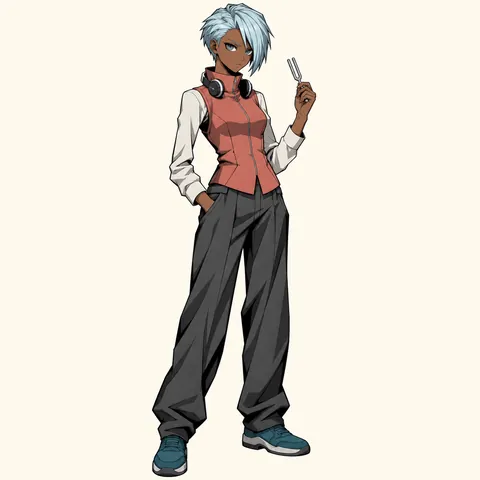
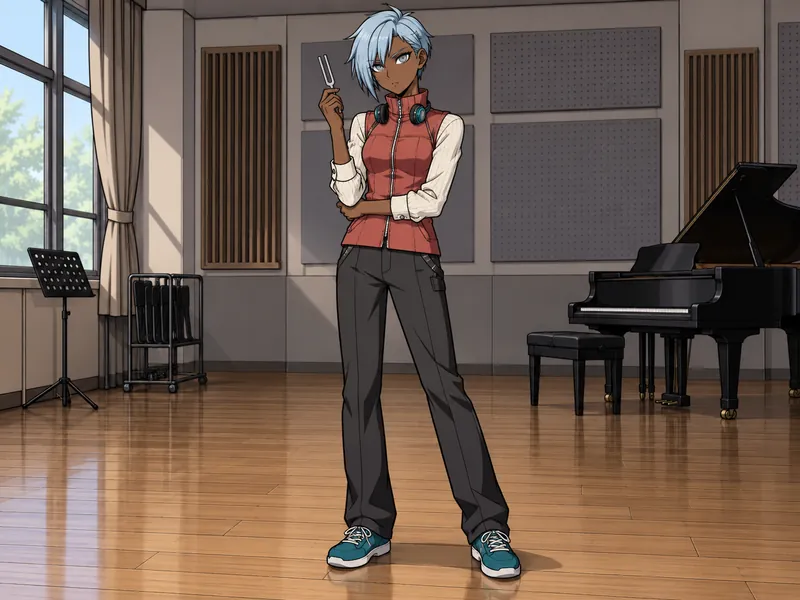
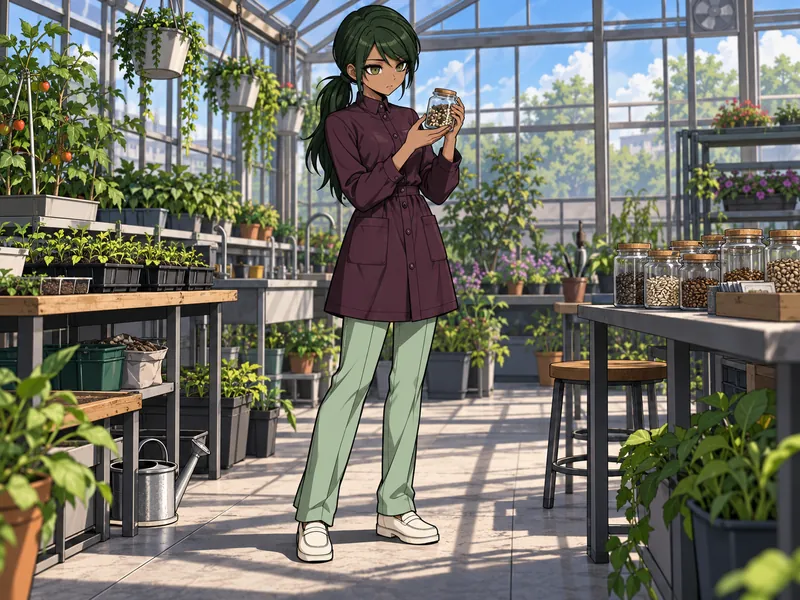
Give a scientific talent a question it can answer and a question it cannot. An acoustician can notice an unusual echo but still needs access to the room before drawing a conclusion. A seed archivist can compare samples but cannot know a classmate's intentions from a jar. Show the working tool, such as a tuning fork or a simple sample container, rather than surrounding the student with glowing effects. Their confidence can change outside the area they understand. A character who asks for a second opinion is not less talented; the request makes cooperation possible and helps a school mystery feel fair.
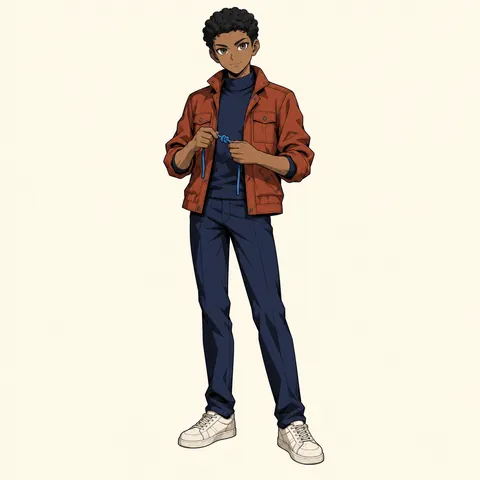
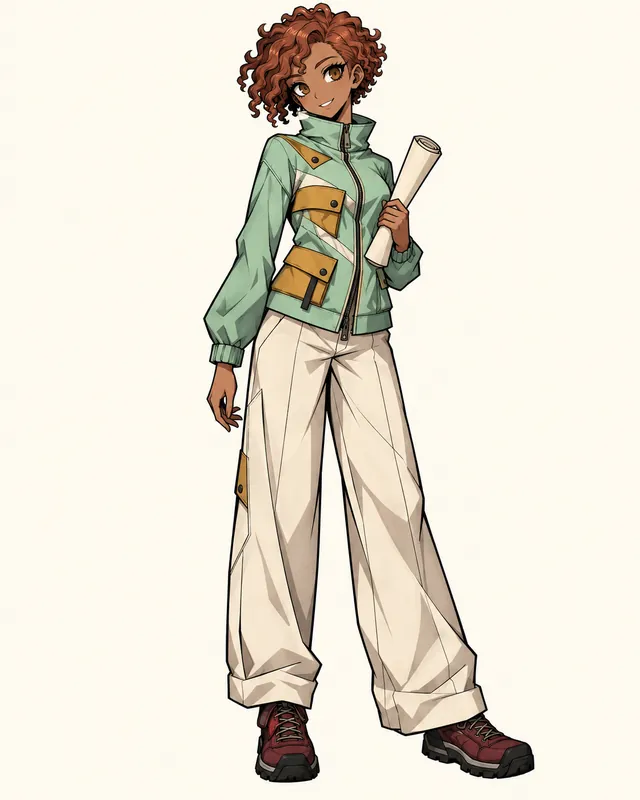
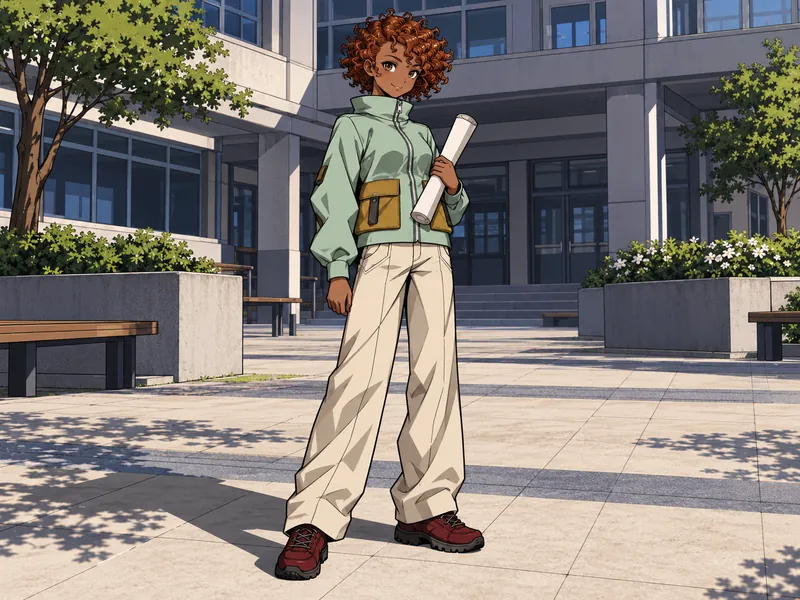
A talent practiced outdoors suggests practical pockets, footwear, layers, and a tool that can survive being carried around. A cartographer can use broad map pockets and walking shoes without dressing as a detective or an adventurer from another franchise. Keep the clothing silhouette personal: a high collar, a cropped jacket, or wide trousers can make the design memorable. Do not turn the entire outfit into a literal map. A small number of functional details reads better than a costume covered in symbols. Sena's rolled paper and utility pockets communicate her interest while leaving her face and copper curls easy to recognize.
Use a student-card structure to keep the introduction compact: name, Ultimate title, likes, dislikes, appearance, and personality. Those fields are a useful fan-profile format, not a promise that this page reproduces the game's interface. A like should create an everyday scene; a dislike should reveal a preference without defining the whole person. Iori likes quiet shared work but dislikes having to stop before a repair is finished. That tension can affect group planning. Keep measurements or birthdays in your notes if you need them, but avoid filling the card with invented statistics that do not change the character.
The first game's school premise, the second game's island setting, and V3's academy are not the same location. For a relaxed Hope's Peak-inspired AU, a classroom, corridor, library, or courtyard gives students ordinary places to meet. If you choose the island option, describe it as a peaceful school-trip interpretation rather than claiming it is a standard Hope's Peak classroom. You can invent a separate academy too, provided you label it as your own setting. The page focuses on club activities and missing-object mysteries, so there is no need to recreate the series' dangerous events to make the talent useful.
Give the student a clue that matters but does not solve the whole puzzle alone. A misplaced model bridge might have a fold only the paper engineer recognizes; the acoustician might notice that a rehearsal happened in a different room. Another student can supply the schedule or remember the delivery. This creates a chain of observations instead of a genius who instantly knows everything. Keep the stakes suitable for teens: a missing club prop, an anonymous thank-you note, or a mixed-up exhibition label is enough. Expressions, posture, and tools can convey curiosity without depicting violence or borrowing a mascot's face.
Names and talents
A student name and an Ultimate title do different jobs. The name identifies the person; the title tells the reader what kind of exceptional work they can do. The mixer offers editable fan-character combinations, not Japanese name translations or guaranteed meanings. Keep a final name you can pronounce and remember. Choose a talent tool below, then add an achievement and a limitation in your saved profile. A prop should help someone guess the skill without copying an existing student's costume.
Given name + surname, both editable
Pick the skill, then give it a believable limit.
Guide
Think of the profile as a compact introduction card: name, Ultimate title, likes, dislikes, appearance, and a behavior that other students notice. Keep written labels in your notes rather than asking the image model to paint a game interface. The process below connects the talent to the outfit and gives the student a useful role in a harmless mystery.
Write the title, an achievement, and a limit before choosing the outfit. "Ultimate Bookbinder who restored a damaged neighborhood archive" gives you a working method and a reason for careful hands. Add what the student cannot do, such as reading an unfamiliar language or identifying every kind of paper by sight. This keeps the title from becoming a solution to every problem. Choose Craft, Science, or Fieldwork as a visual starting point, then enter the precise talent yourself. These categories organize the design; they are not official classifications.
Choose one useful prop and two clothing features that support it. A map needs a pocket or a strap; a small seed jar needs careful handling; a book repairer may prefer sleeves that stay clear of the work. Keep the outfit original rather than borrowing a canon student's uniform and changing the colors. In this Danganronpa character maker, colors are only one part of the design. Hair shape, collar, trouser silhouette, footwear, and posture should also belong to the new student. Remove any detail that competes with the main tool.
Pick a quirk that causes a small problem outside the talent. An expert can be shy when introducing themselves, literal about casual jokes, or unable to stop checking work that is already good. Then give the student a way to improve through friendship or practice. The contradiction should not make their talent meaningless. A cartographer who misreads social cues can still map a corridor correctly. Record a like and a dislike beside the quirk so the profile offers scenes beyond the mystery. Everyday preferences help classmates connect.
Imagine that a club's exhibition model has been moved to the wrong classroom. Ask what your student notices first, what evidence supports that observation, and whose help they need next. Choose a clue-solving approach that matches the answer. The model does not need an elaborate backstory, a dangerous event, or a dramatic accusation. A useful talent should move the group one step closer to understanding what happened. Add the location only after the character is clear, and keep the background free of official crests, labels, and mascot imagery.
Compare the generated art with the talent and written description. Is the prop recognizable? Does the clothing support the work? Are the hairstyle and silhouette different from the main cast? Check hands, eyes, stray objects, and accidental text before keeping a version. For an avatar, reuse the same hair, collar, and expression while reducing background detail. For a full-body reference, preserve the shoes and outfit proportions. Save the profile outside the image so you can edit the writing without repeatedly generating the same character art.
Other fandoms
Tools
FAQ







Sign up for 10 bonus credits and make your first OC free.