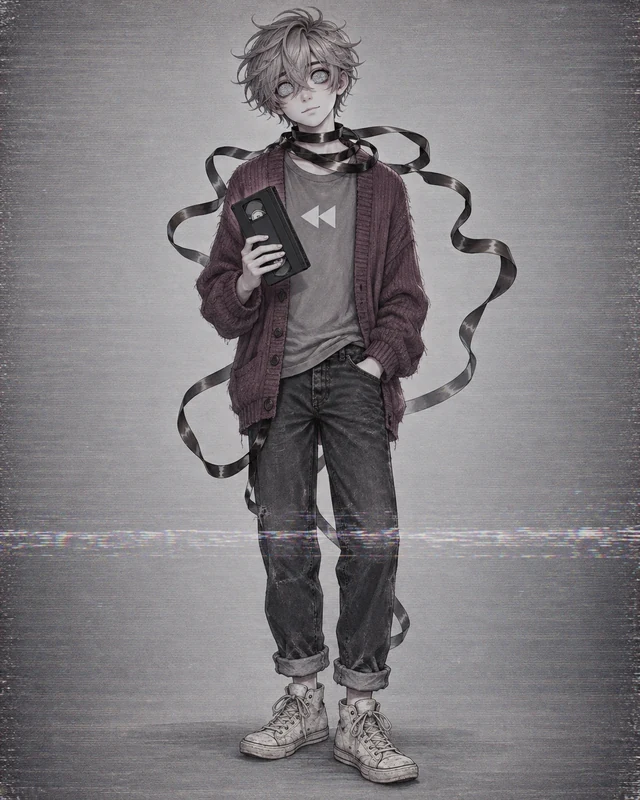
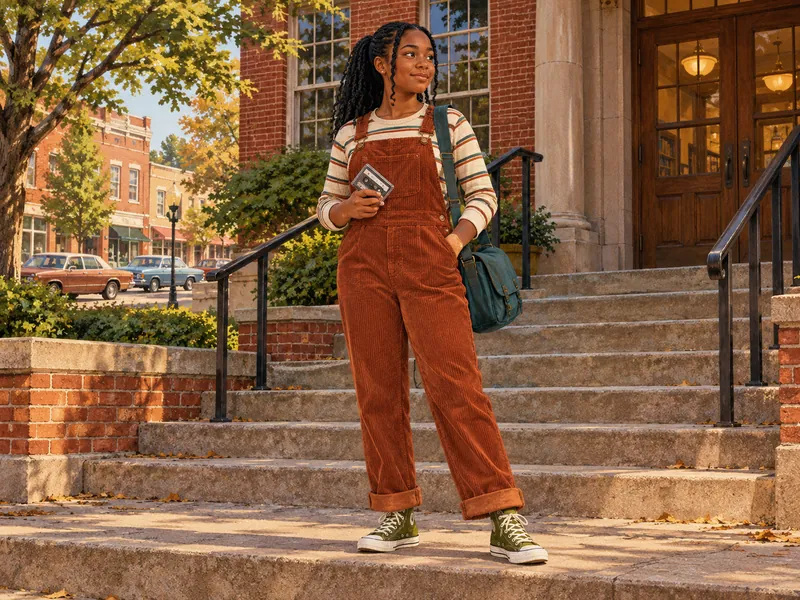
Tessa Bellwick
Library teen- Keeps everyone talking
- Collects ordinary stories
- Asks before pressing play
Build a Stranger Things OC who has a life before the lights flicker. This Stranger Things OC creator pairs a Hawkins kid, teen or adult with a friend-group role, a period outfit and a small mystery. Keep the other side dreamlike and not scary.
Ideas
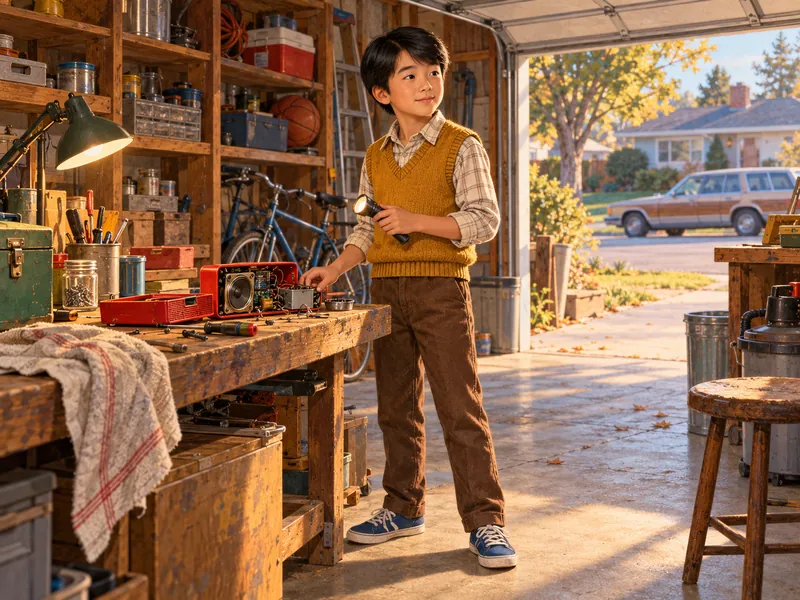
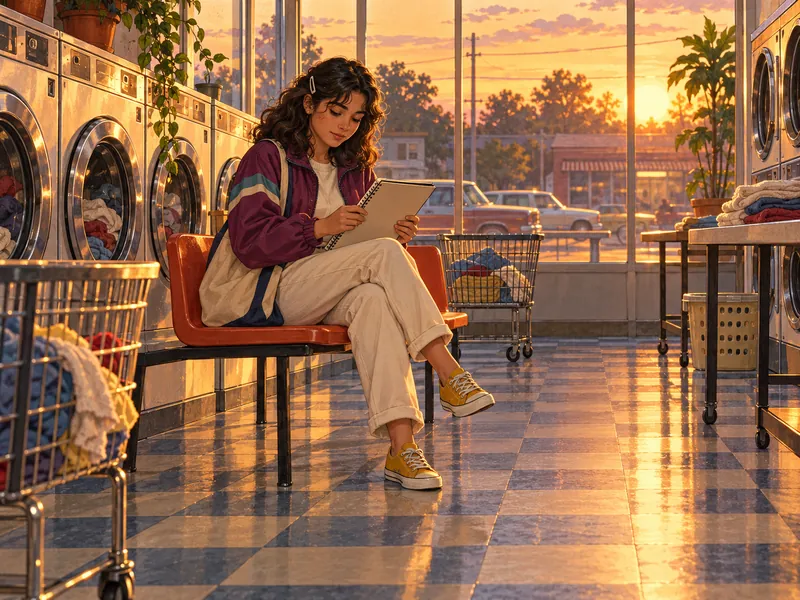
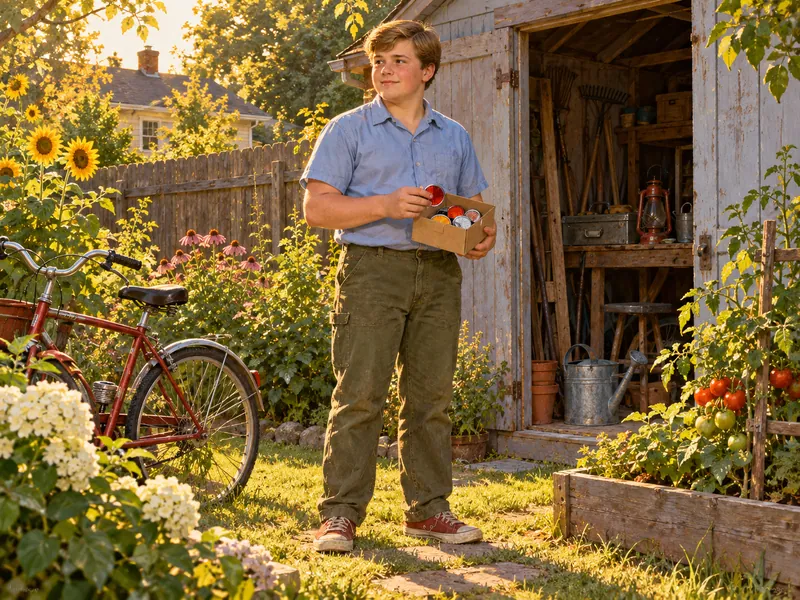
These characters start with different routines, ages and social habits. Their tabletop roles describe how they contribute to a group, not magical powers they possess in everyday life. Use this idea to load a draft, then change the friendship or clue before changing the outfit. A useful mystery begins with something the character understands well enough to notice when it is wrong: a recorded voice, a radio sound, a street reflection or a familiar path. None of the examples joins the main cast by secretly replacing an established character.


Know the rules
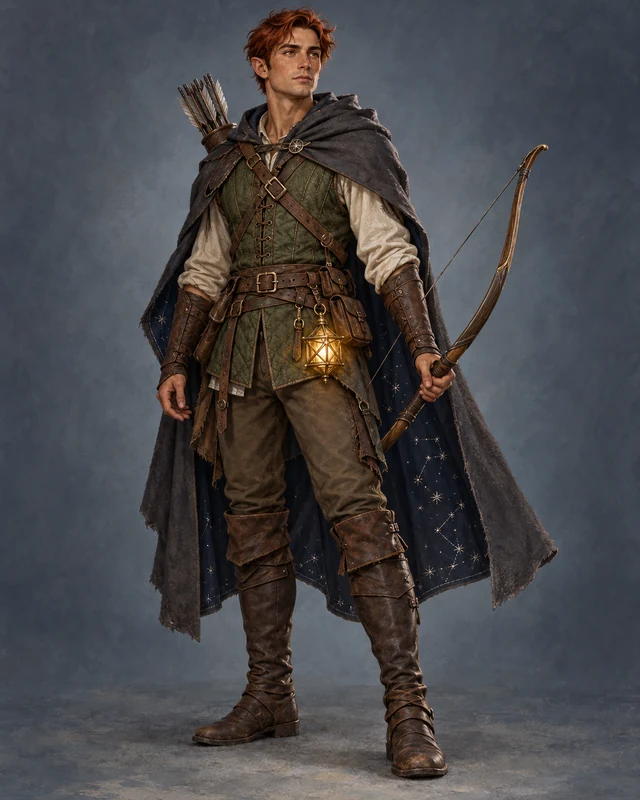
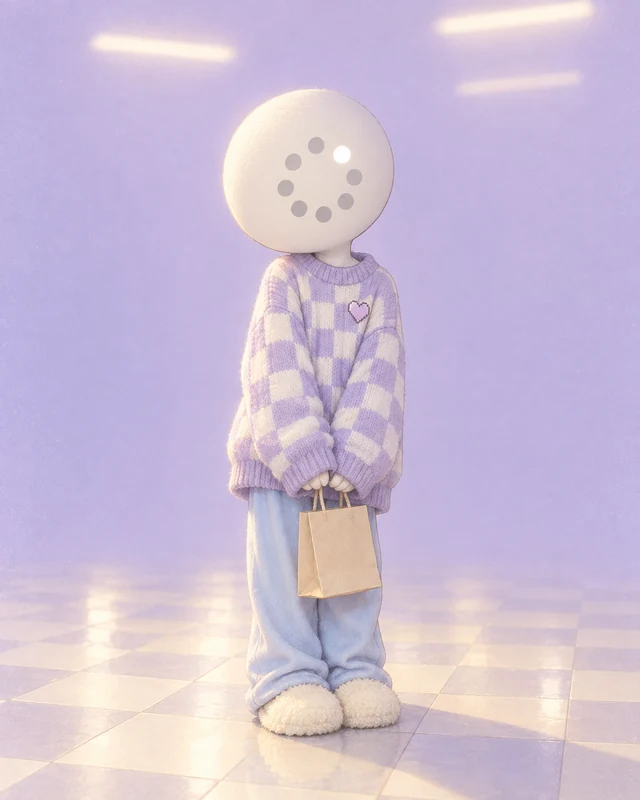
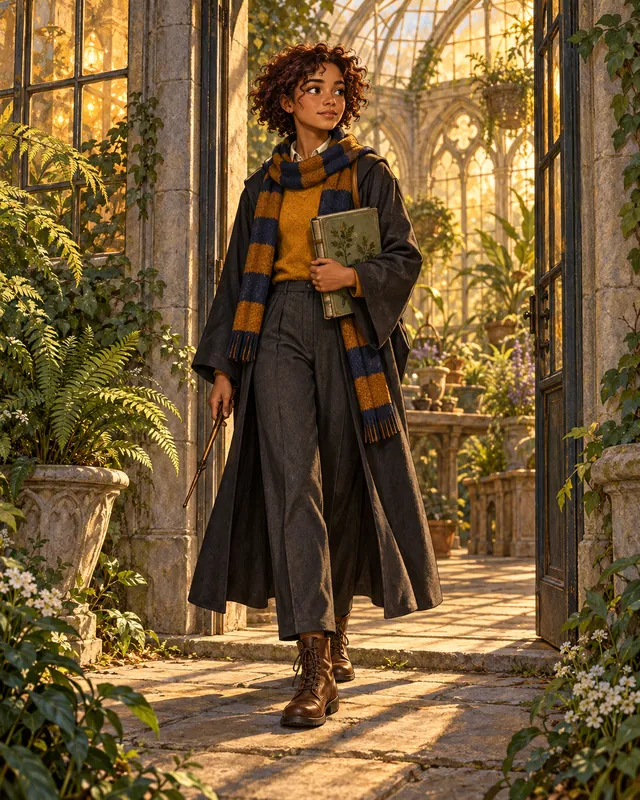
A recognizable setting comes from ordinary constraints as much as supernatural clues. These notes separate verified series context from the page’s invented characters and gentle fan interpretations. The picture tiles show life stages; they are not factions, power classes or copies of the show’s ensemble. You can build a person who never meets the canon cast and still belongs convincingly to a small-town adventure.
Sources: Netflix: the final season is streaming; Stranger Things series overview; Netflix season-five cast and party guide
The series begins in Hawkins, Indiana, in 1983, and later seasons move through the decade. Choose a story year before choosing locations, technology and clothes. A cassette case, paper map or household telephone can shape how your character shares information. Do not give every child a modern smartphone or make every shop available in every year. Our selectable dates are drafting anchors, not a claim that the same town conditions persist unchanged. If you want a relaxed version that ignores major events, choose Fan AU and say so plainly. That keeps the setting flexible without disguising a continuity change.
A kid OC can notice something adults miss because they know a neighborhood, a game or a friend’s habits well. That does not require laboratory powers or a secret link to a villain. Give the child one skill they have practiced and one situation where they need help. Milo can test a toy radio, but he does not become an expert in every machine. Clothing should look like something a family could buy, repair or hand down. Keep adult responsibilities with adults, and let the child’s decisions matter through curiosity, honesty and friendship rather than implausible independence.
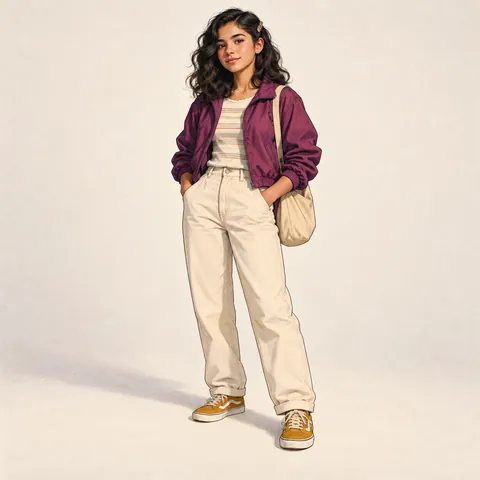
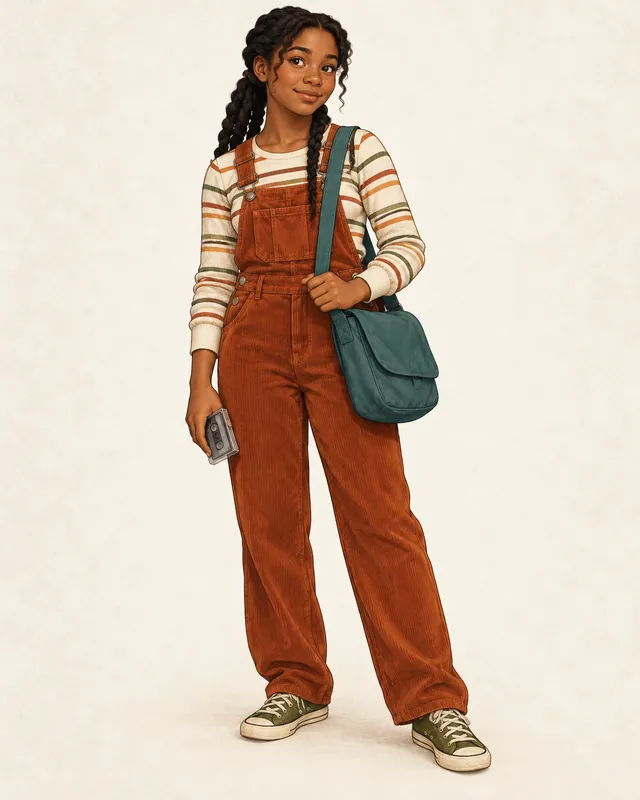
A teen may balance school, a part-time job, a hobby and a friend group. Use those obligations to give the mystery a deadline: a shift ends, a ride leaves or a parent expects a call. The outfit should suggest that routine through cut, fabric and wear. Corduroy, denim, knitwear and windbreakers can support a period look without copying an iconic costume. Do not recreate a cast member by combining their hairstyle, signature prop and social role under a new name. Tessa’s cassette habit matters because she listens carefully, not because it grants special knowledge.
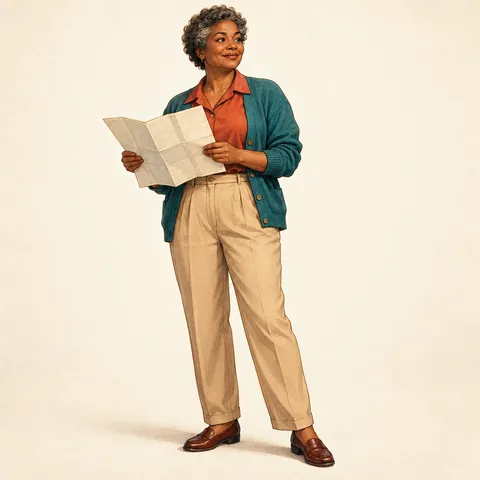
An adult OC can be a neighbor, shop worker, librarian, bus driver or relative in your original group. Give them a reason to care and a reason to hesitate. Marlene remembers who needs a ride, but she checks a claim before making a promise. That makes her useful without turning her into an all-knowing authority. Avoid copying a familiar sheriff’s uniform or a parent’s exact emotional arc. Adults can have friendships and private goals beyond helping the children. Let a practical skill solve a practical problem while leaving the central uncertainty open for the group to investigate.
Dungeons & Dragons is part of the show’s language of friendship and imagination. Here, Scout, Bard, Cleric, Wizard and Fighter are loose writing prompts, not a rules-accurate edition-specific character sheet. The scout notices routes, the bard keeps people talking, the cleric checks on friends, the wizard researches and the fighter takes initiative. None of those labels gives a Hawkins resident spells. Pick the role that creates an interesting relationship, then add a habit that complicates it. A listener may avoid hard conversations; a researcher may need to stop collecting evidence and make a decision.
The original show includes horror, but this page uses a gentle visual interpretation: lavender mist, unfamiliar light, quiet woodland and a safe route back. No gore, threatening creatures or copied monster designs appear in the examples. June’s woodland is labeled a fan AU so it is not mistaken for a precise screen location. A small unexplained detail can carry a mystery without showing a frightening event. Describe what the character notices, what they can test and when they decide to leave. Keeping a boundary gives the scene tension while preserving the page’s teen-safe tone.
Netflix’s fifth and final season completed its release in late 2025, and all five seasons are available as of this page’s October 2026 update. A new OC does not need to retell the finale or know every revelation. Set a spoiler boundary in your story notes and decide which events the character could realistically know. This page keeps its examples focused on everyday Hawkins life and optional fan-AU atmosphere. If you tie a draft to a specific episode, check the official episode or season guide instead of inferring continuity from a costume or a search snippet.
Names and clues
The local name mixer combines ordinary given names with working surnames for an original Hawkins resident. These are brainstorming names, not identities taken from the show. Search the full name before posting and avoid pairing it with a familiar cast silhouette. Then choose a small clue tied to something the person knows well. A missing minute on a tape is more useful when the character records local stories; a strange reflection matters when someone sketches that window every week. The mixer runs in your browser, costs nothing and needs no sign-up.
ordinary given name + working surname
A clue is a starting question, not proof of a supernatural answer.
Guide
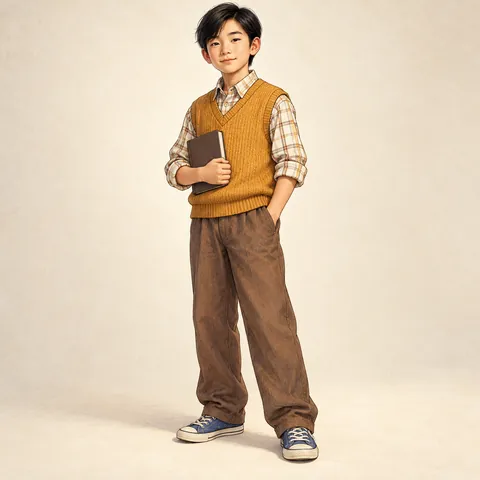
Work from the ordinary day toward the unexplained detail. That order gives the character a reason to care and keeps the design from becoming a collection of show references. You can use the draft for a portrait, a full-body outfit study or a gentle fan-story scene. Keep the year, role and visual details consistent as you revise.
Set a year, then describe where the character should be before anything unusual happens. A library volunteer is sorting returns, a kid is testing a toy radio, or a neighbor is waiting for a bus. Decide who expects them home and how they would send a message. Period objects should create useful limits rather than appear as random decorations. If you want to ignore major events from the selected year, use the Fan AU choice. That gives you room to write a quieter Hawkins without pretending your version matches every episode.
Choose hair shape, clothing silhouette and one functional prop before adding color. A new palette cannot disguise a familiar buzz cut and pink dress, a recognizable club shirt or a cast member’s signature costume. Use everyday fabrics such as corduroy, denim, cotton and knitwear. Match the shoes to what the character does that afternoon. Avoid official patches, show logos and readable brand names anywhere in the background. Keep the person fully clothed and comfortably posed. Check the result at thumbnail size: the first impression should be your character, not an actor from the show.
Choose a D&D-style role as a relationship prompt. The wizard may be the person who researches, while the bard keeps an argument from ending the group’s plans. Then give that strength a limit. A researcher can miss an obvious emotional cue; a peacemaker can postpone a necessary disagreement. Name at least one original friend in your own notes and decide what that friend would say the OC gets wrong. Do not make the character automatically beloved by every canon hero. A small believable friendship gives an image more context than a list of famous connections.
Tie the mystery to a practiced skill so the character has a reason to notice it. The radio tinkerer checks interference; the sketcher compares reflections; the cassette collector recognizes a voice. Write a mundane explanation the group should test before assuming the supernatural. For a light Upside Down interpretation, use changed light or a quiet path instead of a monster. Decide when the character stops, asks for help or goes home. A boundary does not remove the mystery; it makes their choices understandable and keeps the scene suitable for this page.
An idea card fills the controls and description together. Read them after changing a life stage, because a kid’s outfit or responsibility may need revision when the character becomes an adult. Select full body for clothing or portrait for expression, then inspect the generated result for hands, period props, logos and accidental cast resemblance. Keep a reference note with the hairstyle, colors and ordinary goal so later pictures stay consistent. The free local mixer and planning controls do not request images. Actual image generation follows the account and credit policy stated below.
Other fandoms
Tools
FAQ

Sign up for 10 bonus credits and make your first OC free.