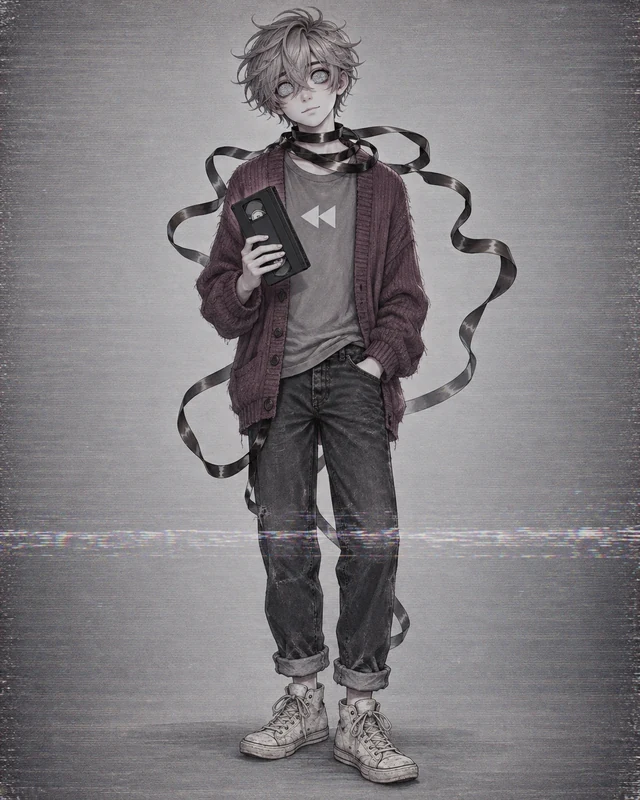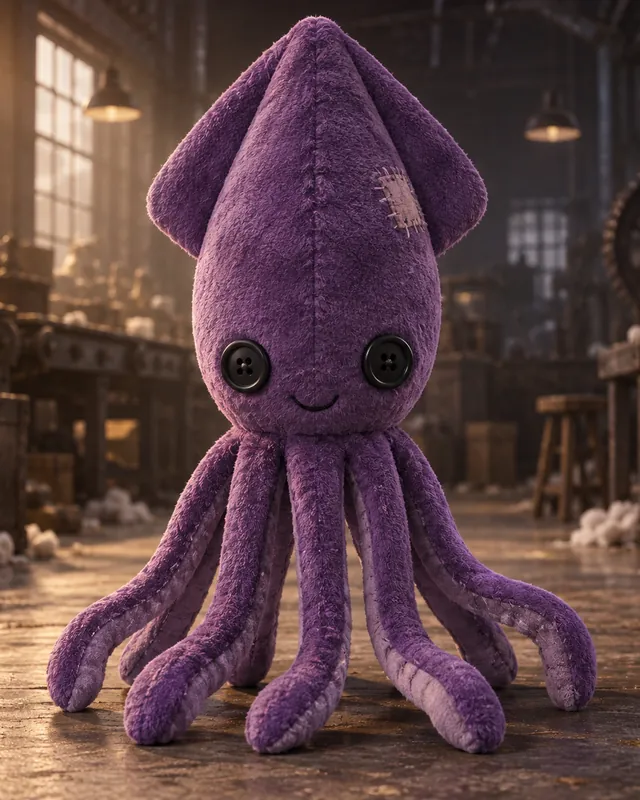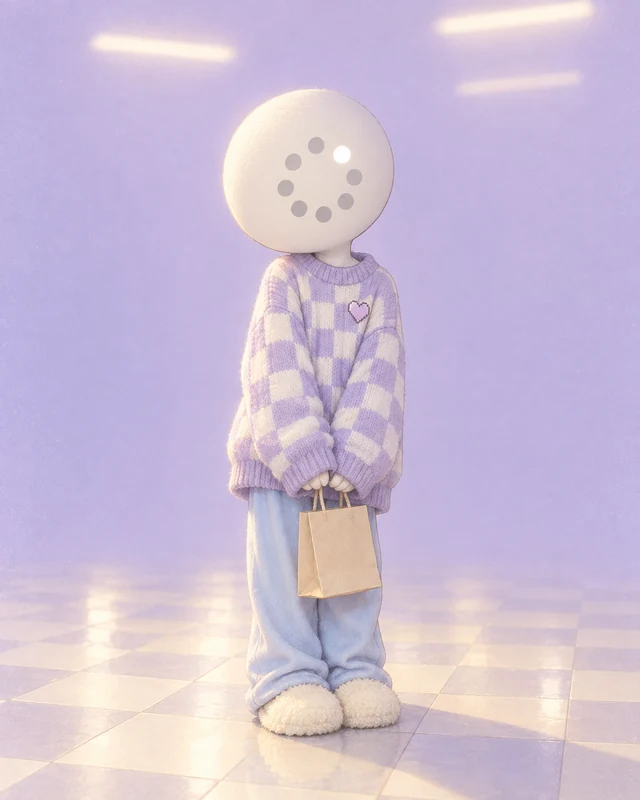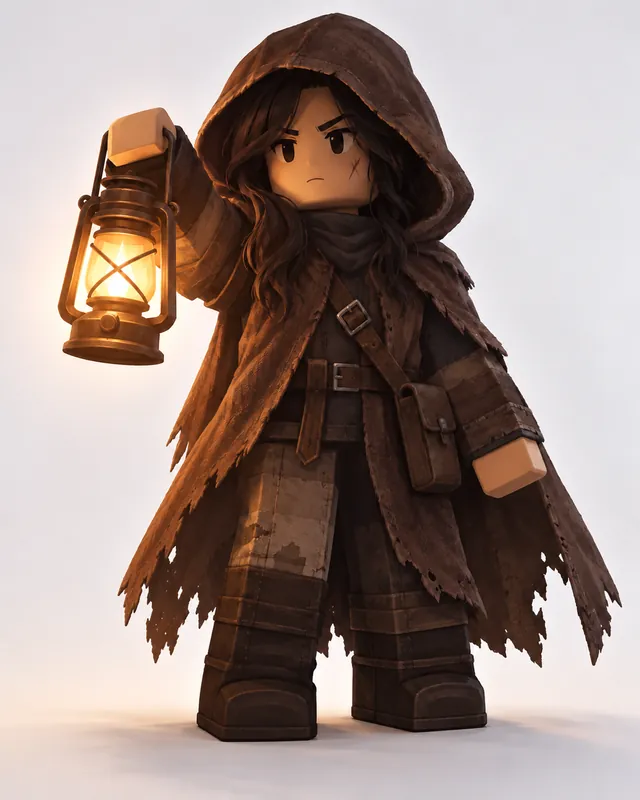
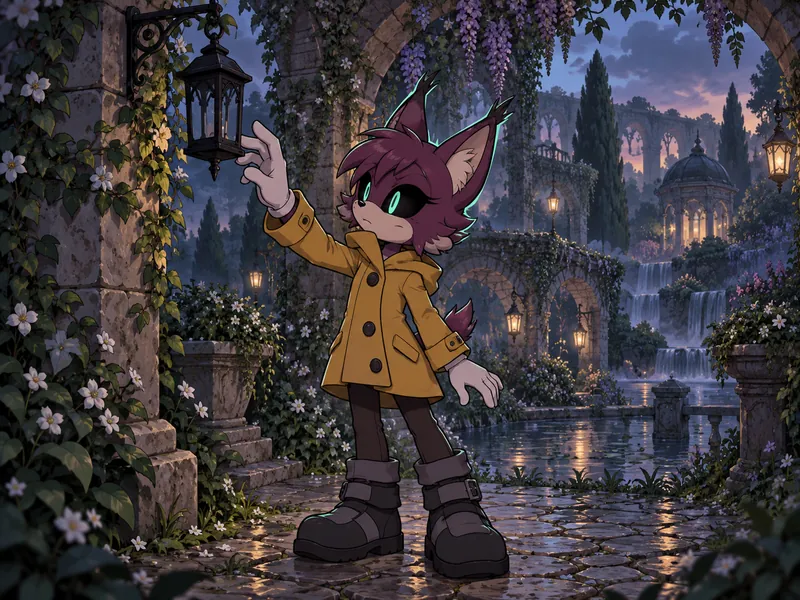
Morrow Buffer
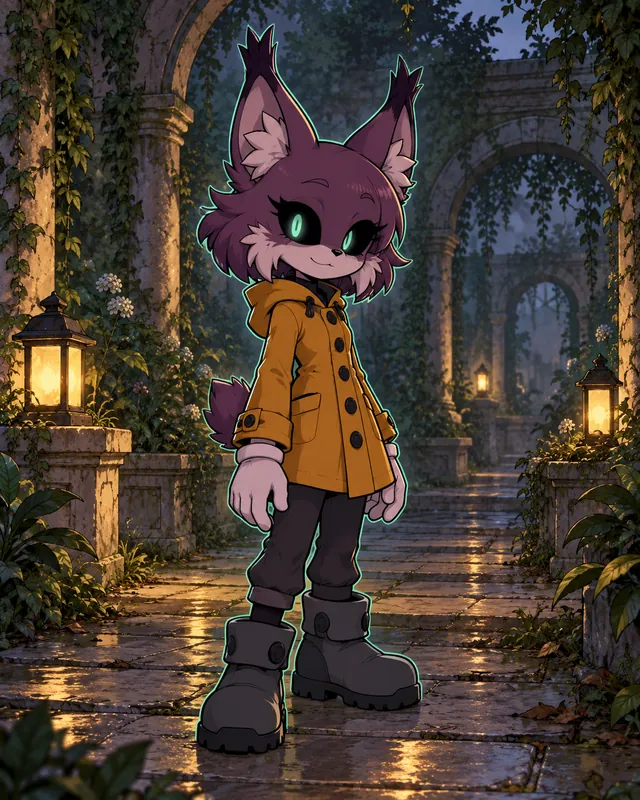
Garden entity- Plum lynx, ochre coat
- Mint offset at the ears
- One path repeats
Create a Sonic EXE OC with a familiar cartoon silhouette and one impossible detail. This Sonic.exe OC Creator combines an original Mobian, a glitch effect, a cursed game stage and a story role. Build an entity that changes the level, a survivor who learns its rules, or a guide whose advice needs testing. Keep the mood eerie through static, color shifts and glowing pupils, with no gore or injuries.
Ideas
These designs start with original animal silhouettes, not corrupted versions of the official Sonic cast. Each has a different outfit, stage and visual glitch. Use the idea to fill the draft, then change its rule or motive. The scene should suggest a mystery while leaving the character readable at a small size.

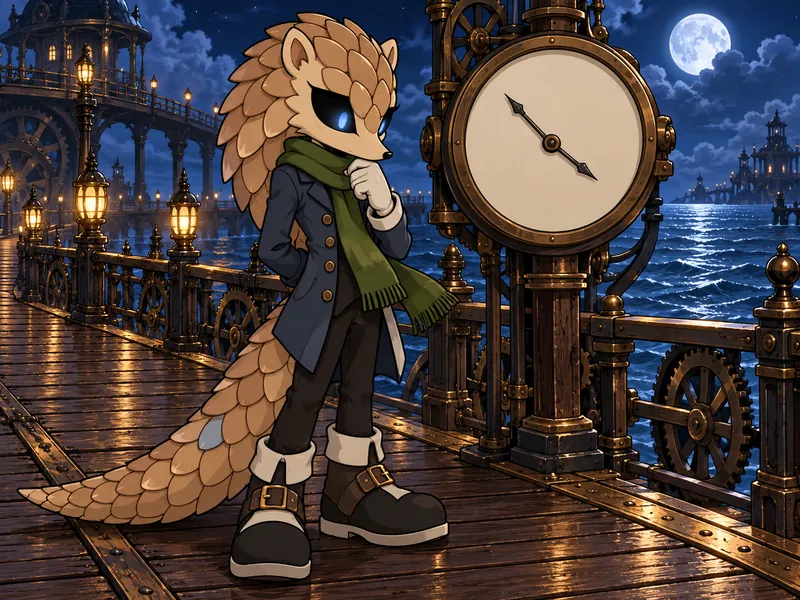

Know the rules
The original creepypasta and later fan projects do not form one universal character system. Treat entity, survivor and guide as useful story roles for your own work. The labels below explain this maker's design choices without pretending they are official classes. Start with a recognizable original character, then decide what the corrupted game changes.
Sources: Know Your Meme: Sonic.exe history; Sonic.exe Wiki: original canon category; Sonic Oddities community archive
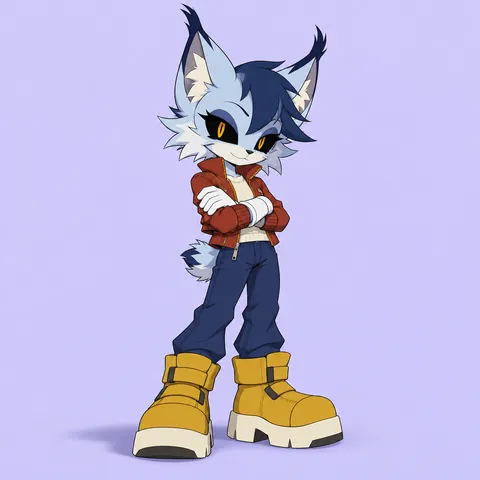
Mobian is common fan shorthand for an anthropomorphic animal character in this design tradition; its use varies between Sonic continuities and fan communities. Here it means an original cartoon animal with expressive eyes, recognizable ears or tail, gloves and substantial shoes. Choose a lynx, jerboa, moth or another species before adding the glitch. A corrupted design should still be recognizable when you remove the effect. Avoid a blue hedgehog with familiar quills, a two-tailed orange fox, or another official character recolored into an EXE. Species variety creates a stronger starting point than a borrowed silhouette.
For this maker, an entity is a character that can influence the strange level rather than simply travel through it. Give that influence a boundary. Morrow can repeat one garden route, but the unlit lantern reveals a way around the loop. Decide whether the entity understands the rule or is trapped by it too. That question creates a motive without requiring unlimited power. Do not assume every EXE fan project uses the same origin, cosmology or relationship to the original story. Label your premise as your own interpretation and describe the behavior a reader can actually observe.
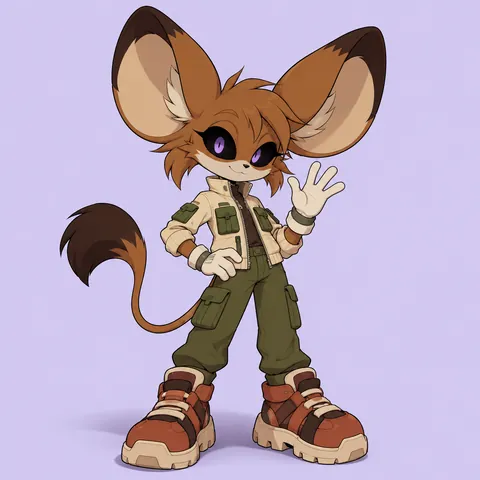
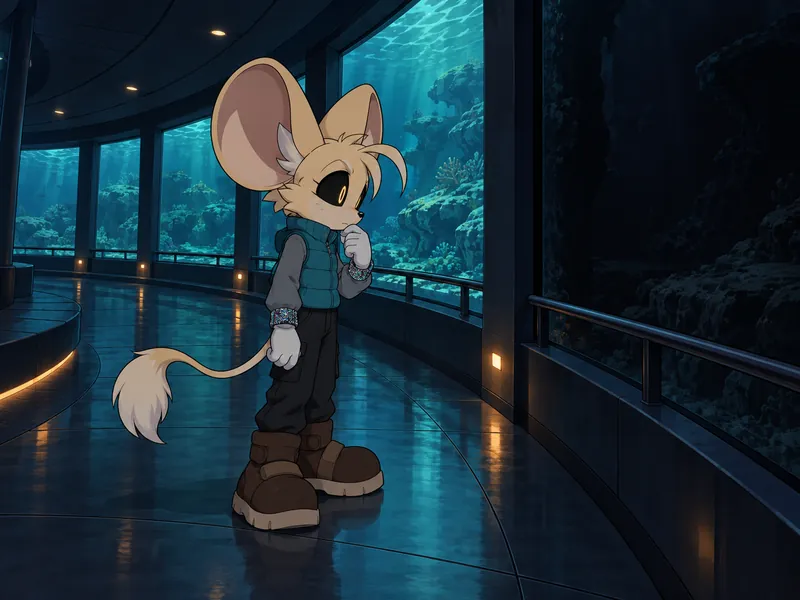
A survivor is the character trying to understand or leave the altered game. They can be frightened, curious or stubborn without being helpless. Give them a practical method: counting unlit windows, noticing a repeated sound, or keeping track of a path that changes color. Their skill should help with one problem and leave another unresolved. Thimble can compare aquarium windows but may lose count when the corridor loops. Keep the character intact and fully clothed. Suspense can come from uncertainty, isolation and a misleading route while the artwork stays suitable for teens.
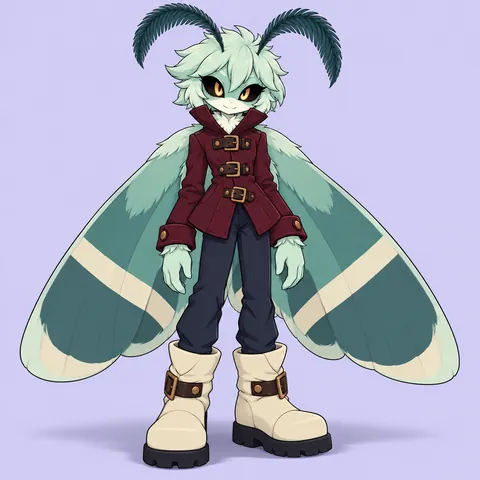
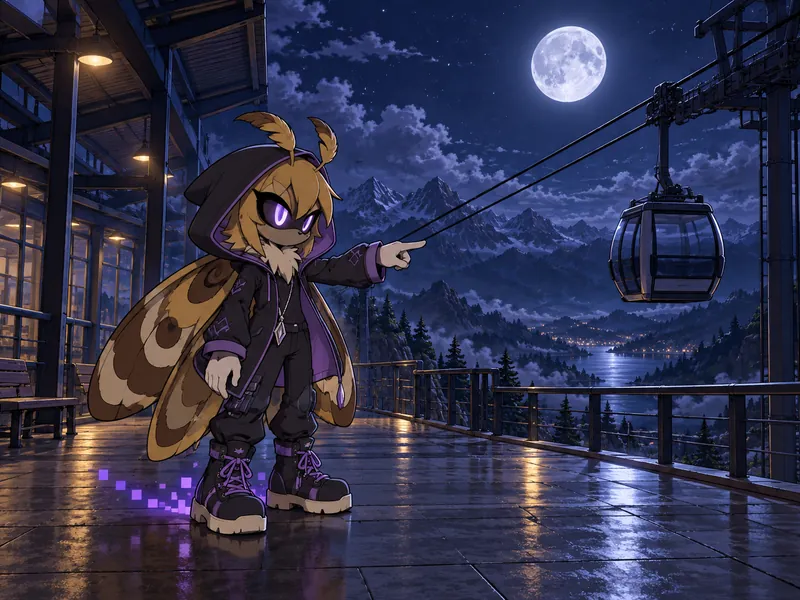
A guide offers information, but information has a source and a limit. Velvet remembers the cable station before its layout changed, so a familiar route may no longer work. That creates tension without making every friendly character secretly malicious. Decide what the guide knows, what they infer and what they cannot see. Show the distinction in the story through a small test. A survivor who checks one instruction has more agency than someone who must obey everything. The extra story-role chips are prompts for these relationships, not a ranked list of powers or official character species.
Choose a single dominant effect: a color-channel offset, static at the cuffs, a short pixel trail or a shadow that arrives late. Preserve the face and body so the OC can still be drawn consistently. Black sclera with softly glowing pupils can make an expression uncanny without injury details. A small effect repeated in the environment connects the character to the level: the same mint offset might appear around an unlit lantern. Avoid filling every surface with noise. If the design becomes an unreadable dark shape at thumbnail size, simplify the effect before adding another one.
Invent a place with a normal purpose, then change one expectation. An aquarium corridor should lead somewhere; a cable station should have a moving route; a greenhouse should not repeat the same leaf forever. Give the traveler a clue that can be noticed before the solution. The stage becomes eerie through broken repetition rather than graphic imagery. Use an original layout and color scheme instead of recreating a familiar Sonic level or title screen. A simple rule also keeps the OC's power from expanding whenever the plot needs a shortcut. Write the exit condition beside the effect.
Names and stage rules
The .exe community does not have one official naming formula. Some projects use file-like names, some use short aliases, and some give a character an everyday identity alongside an entity title. This local mixer pairs an atmospheric word with a computing or signal word as an optional original alias. It is not a claim about canon naming. Add .exe yourself only if it suits the fictional premise, and keep a species note in the profile. For a conventional Sonic-style name and species combination, use the linked Sonic name generator instead.
Atmospheric word + computing or signal word
A strange condition, a visible clue and a safe exit.
Guide
Build the normal character and the strange rule together. These five passes help an EXE design feel like a person in a particular story instead of a collection of horror effects. Keep a short written profile beside the art so the stage, motive and appearance stay connected when you revise it.
Begin with ears, tail, proportions and clothing. A jerboa has a different balance from a pangolin, and that difference should remain visible under a coat. Pick one main fur color and one accent before thinking about the corrupted version. Give the character something ordinary to do in the setting, such as maintain lanterns or sort forgotten maps. That ordinary role gives you a reference point for the strange behavior later. If the silhouette already resembles an official Sonic character, change its structure now instead of relying on a new eye color.
Choose entity, survivor, guide or another role, then write what the character can change. An entity might rearrange one walkway but not control the whole world. A survivor might notice a repeating window but need help reaching it. A guide might remember the old layout and mistake it for the current one. Give the role a concrete verb rather than a power ranking. This choice should influence the pose: waiting by a clue, testing a doorway or watching a traveler from the far side of a quiet platform.
Use a small color offset, scan lines on clothing or a short pixel trail. Keep the outline clean enough that another artist could redraw the character without tracing the effect. Look at the result at avatar size and check that the eyes, species and main outfit are still readable. If the image only looks like a generic dark mascot, restore a more distinctive animal feature or a brighter accent. If it looks exactly like a famous EXE, change the silhouette and premise instead of adding more static.
Describe the place in one sentence and the impossible behavior in another. Then explain how someone can learn the exception. A looping greenhouse can leave one dry leaf as a clue; an aquarium can have one unlit window that does not repeat. Avoid an exception that appears without warning at the end of the story. The reader should be able to look back and recognize the clue. Keep the rules small enough to fit in the stage-rule field, and use Extra details for the character's motive or a longer scene.
Choose a portrait for the expression, a full-body image for the silhouette, or a reference sheet when you need several views. Generated details may vary, so compare the ears, tail, coat fastening and colors before calling the sheet final. Save your written design with the art. Label the result as an unofficial fan OC and credit any separate assets you use. A generated picture is a visual concept; it is not a playable character, a working game file, a sprite animation or evidence that the fictional haunted program exists.
Other fandoms
Tools
FAQ


Sign up for 10 bonus credits and make your first OC free.