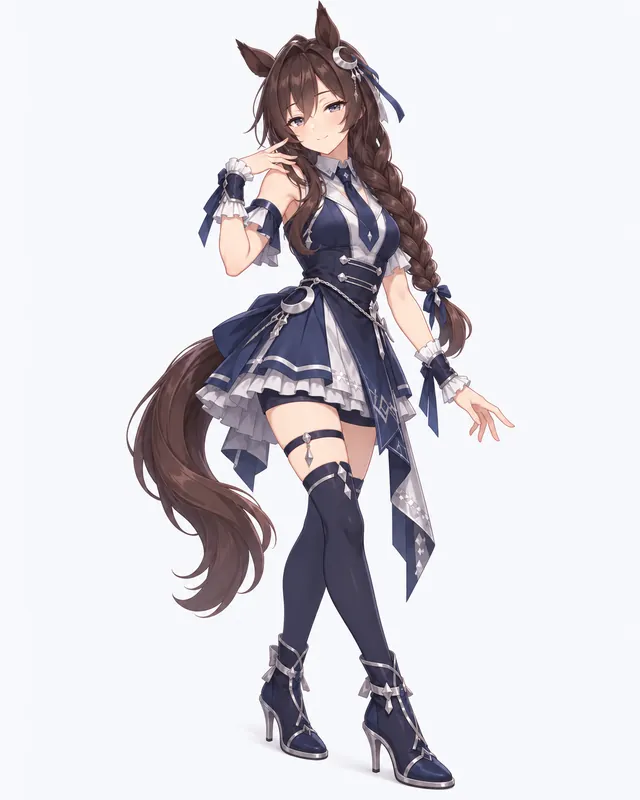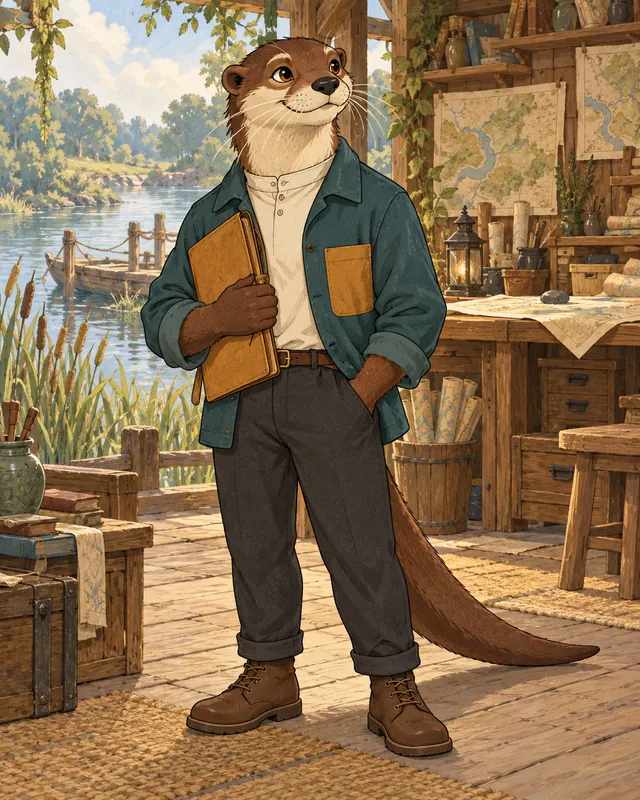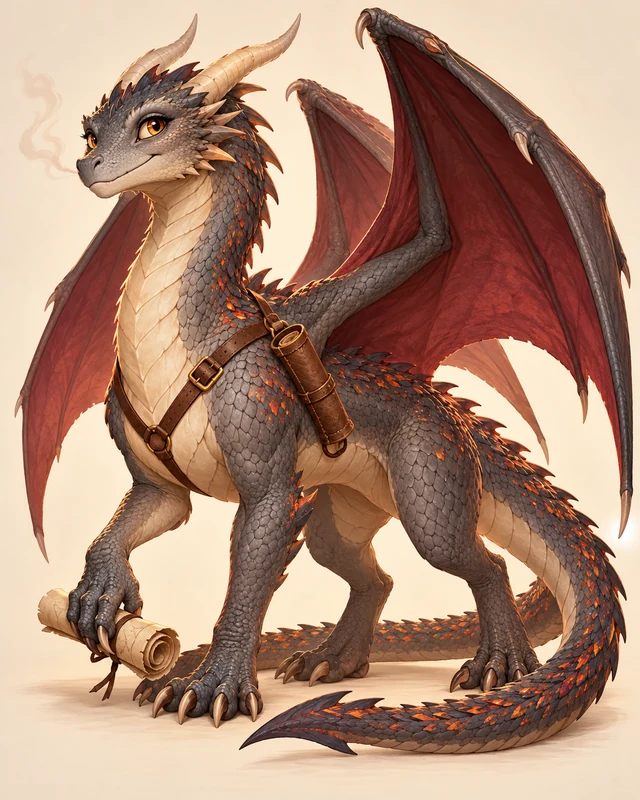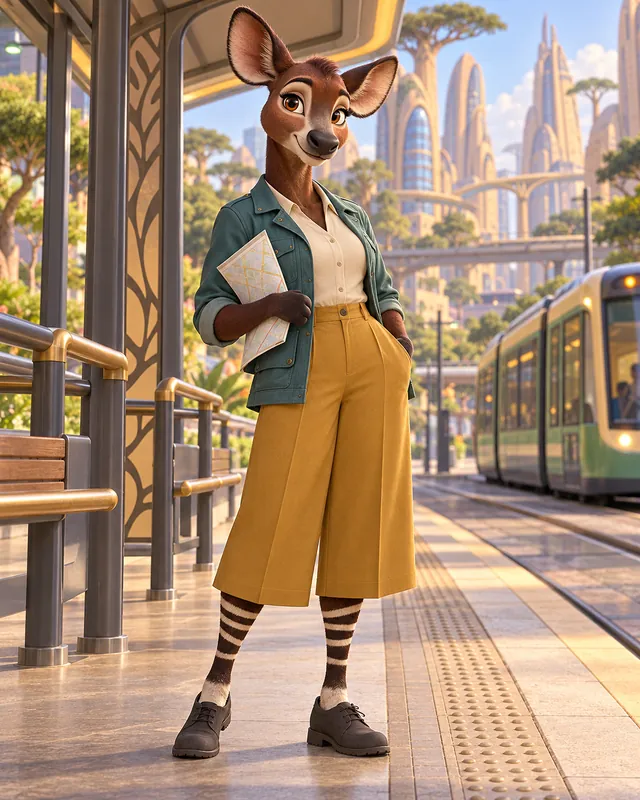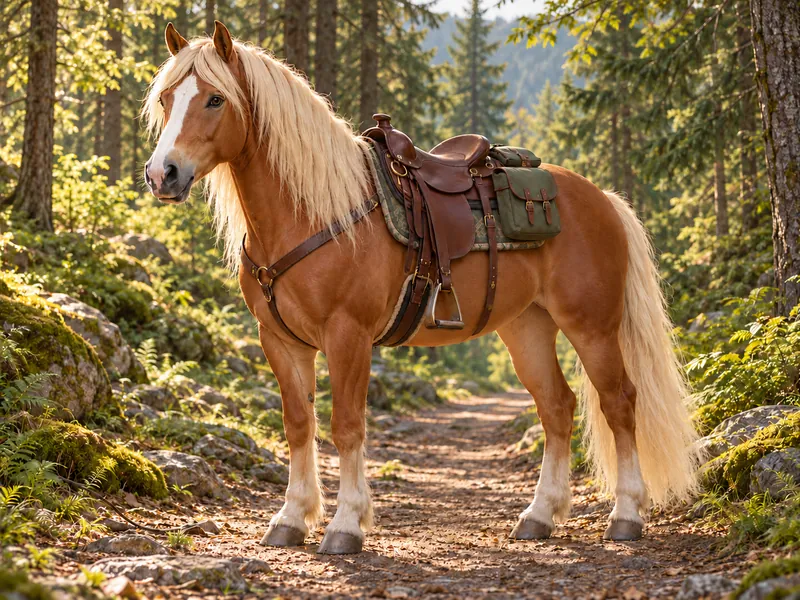
Clover Wayfarer
Trail horse- Waits at unfamiliar gates
- Carries a light trail pack
- Chestnut coat, flaxen mane
Create a horse with a recognizable coat, clear markings and a personality beyond winning races. This Horse OC Maker supports realistic, cartoon, anthro and fantasy horse OCs. Use the Horse OC Creator to choose a breed reference, plan the tack and add an everyday habit. The painted starting style keeps legs, hooves and coat details readable.
Ideas
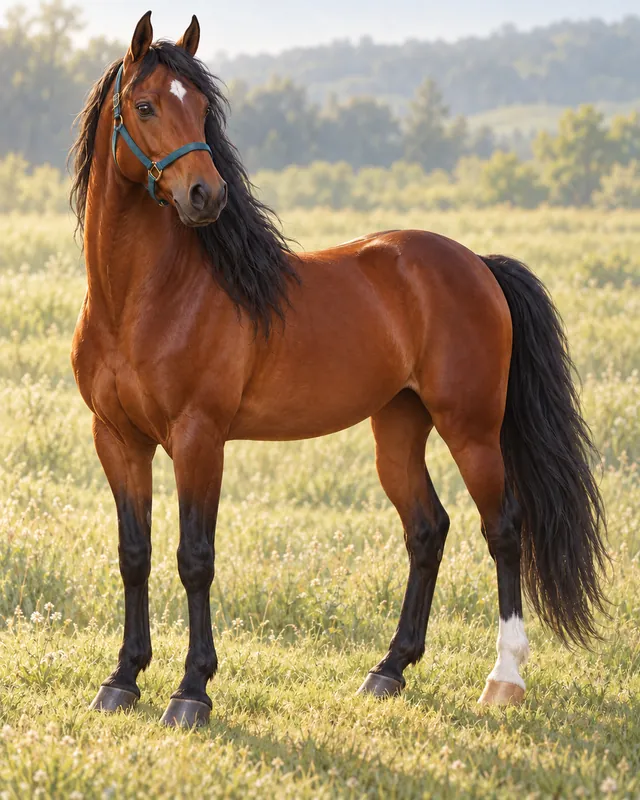
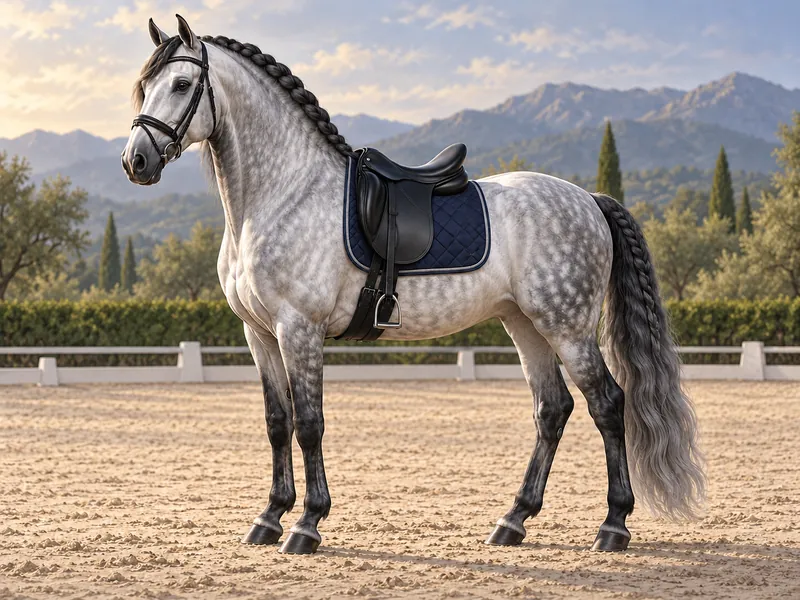
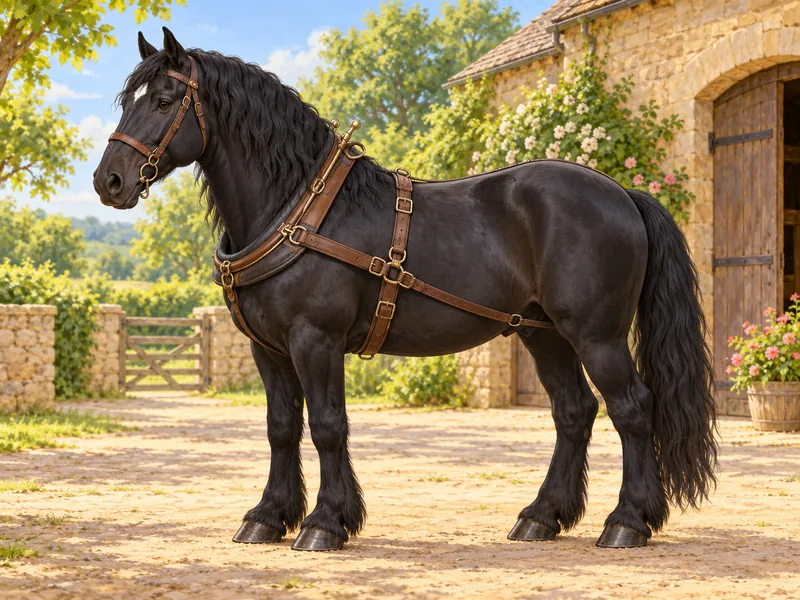
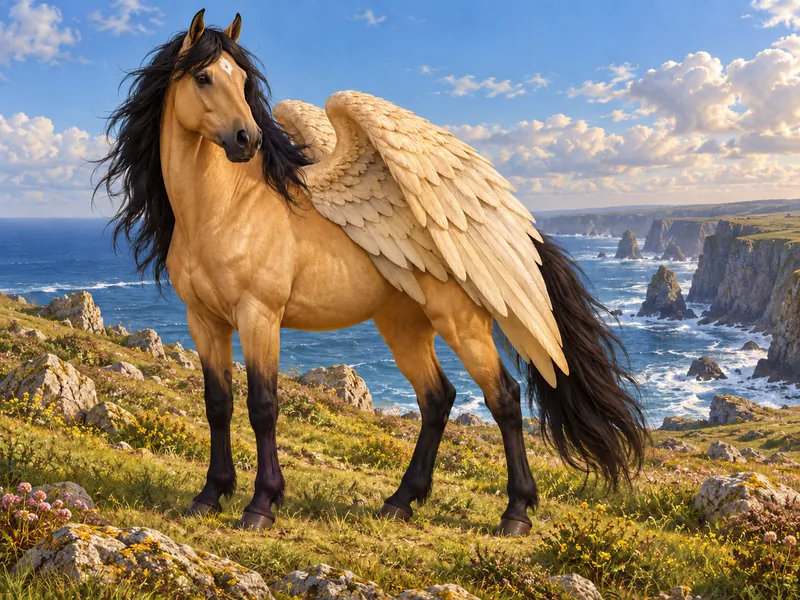
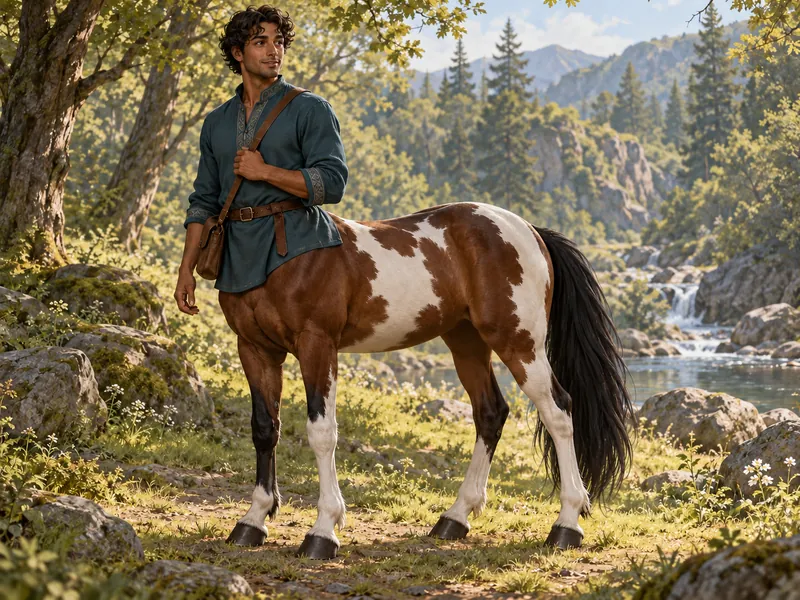
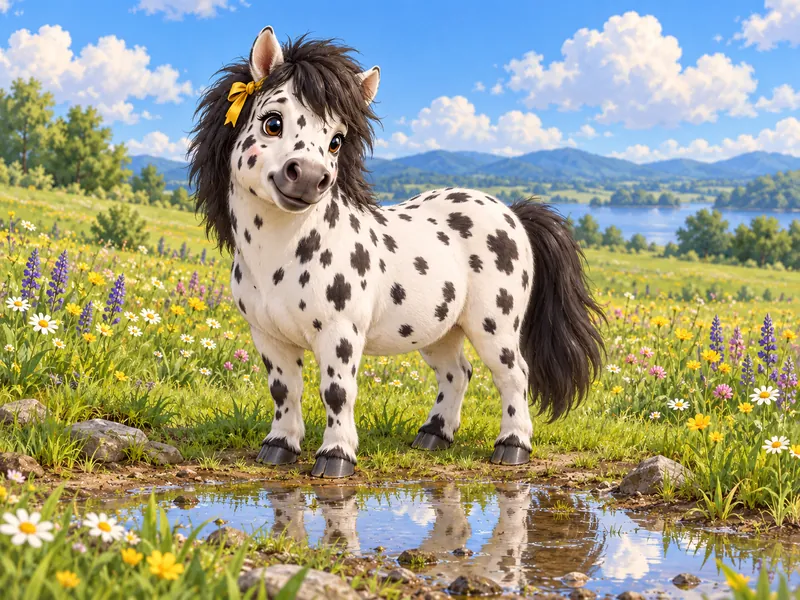
A quiet trail companion, a careful dressage horse and a fantasy traveler need different shapes and equipment. Each idea below is a separate character. Load a card to fill the fields, then change the markings, name or habit to suit your story. Fantasy anatomy and deliberately fictional coat combinations are labeled rather than presented as breed facts.
Know the rules
Build the reference in layers: body plan, breed-inspired proportions, coat, markings and gear. Real equine terms help the picture match your notes. Fantasy options are explicitly fictional, and the page does not certify breeding, conformation, tack fit or competition suitability.
Sources: Horse and pony breed reference list; Canadian Food Inspection Agency: equine identification; American Paint Horse Association: breed characteristics
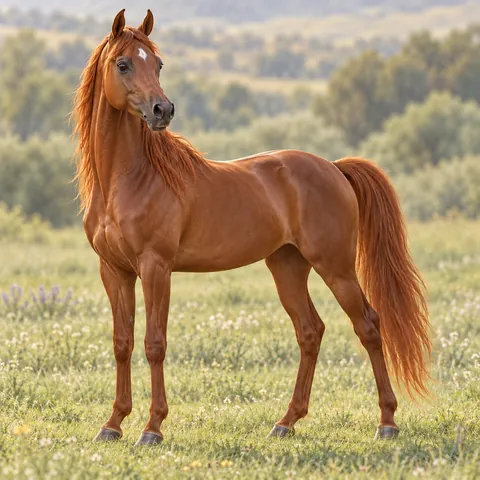
A realistic horse, an upright anthro and a centaur have different body plans. Select the form first so the rest of the prompt has a clear subject. A standard horse has four legs and a horse head; an anthro here has a horse head, two arms and two hoofed legs; a centaur joins a clothed human upper body to a four-legged horse body. A pegasus adds a pair of wings, while a unicorn adds a horn. These fantasy choices are design conventions rather than biological categories. Keep the first pose simple so you can count limbs and inspect where the extra parts attach.
The breed picker offers twenty-four real horse and pony breeds. Use them to begin thinking about proportions, mane, neck and overall build, then check a dedicated breed reference if accuracy is central to the design. A heavy draft silhouette and a lighter riding-horse silhouette should not differ only in size. Individual horses also vary, so the personality picker remains separate from breed. A patient Arabian or curious draft horse is not a contradiction. Fantasy forms borrow a breed-inspired build without claiming registry eligibility. For a mixed or unspecified horse, clear the choice and describe the proportions you want.
Bay has a brown or reddish body with black points, including the mane and tail; chestnut uses red tones without those black points. A star is a forehead marking, a blaze runs broadly down the face, and socks are white lower-leg markings. Choose the base coat first, then specify the location and height of each marking. A roan coat is not simply a horse covered in large spots. Dapples, pinto patches and leopard spotting describe different appearances. The menu is a visual design aid, not a coat-genetics calculator. For a realistic breeding story, use specialist references instead of inferring inheritance from a generated picture.
Choose equipment for the activity rather than stacking every attractive accessory onto the horse. A quiet paddock portrait may need no tack at all; a trail concept might use a saddle and modest saddlebags. Keep straps readable and avoid loose lines tangled around the legs. An AI image can invent buckles, duplicate reins or place a saddle incorrectly, so review equipment carefully. This page produces art concepts, not instructions for fitting tack or training a real animal. Ask a qualified equestrian professional about actual equipment. For fantasy travel, a small simple bag usually reads better than a mountain of elaborate gear.
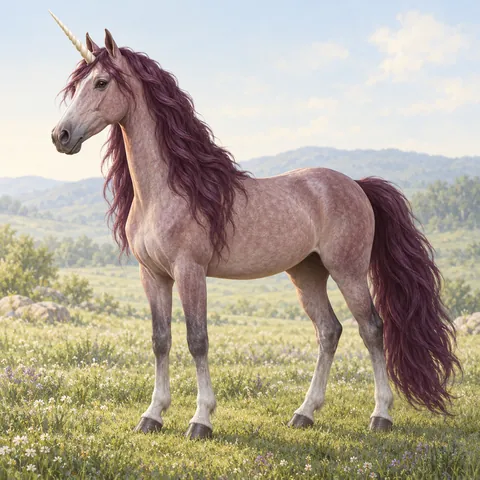
A unicorn horn should emerge from the forehead, not float in front of the mane. Folded pegasus wings keep the body and hooves visible in a reference. A gentle kelpie can have a kelp-like mane and a watery palette without a frightening expression or injury. For a deer-like cousin, describe cloven hooves and the intended antlers explicitly, and call the result a fictional hybrid. Do not describe every fantasy feature at once unless you want a deliberately complex creature. Choose one unusual trait, check the first result, and only then decide whether a second feature improves the design.
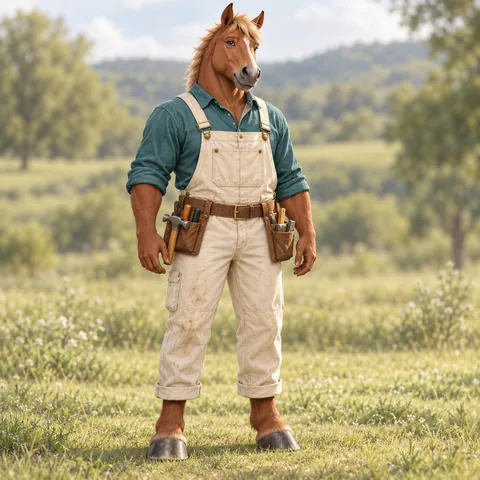
An anthro horse is an upright horse-person, not a rider sitting on an ordinary horse. Describe the equine muzzle, ears and mane alongside the two arms and hoofed legs. Give the adult character fully covering clothes that suit their activity, such as a carpenter’s work shirt and overalls. Leave enough room around the ears and tail for the outfit to make visual sense. Hands and hooves need separate inspection because a model may confuse them. A centaur is a different form with four horse legs below a human upper body; choose that option when it matches your intended character.
A horse OC becomes easier to write when it has an everyday response to the world. Perhaps it pauses at an unfamiliar gate, waits patiently while a pack is checked, or investigates a puddle before stepping through. Keep behavior specific rather than calling the horse perfect at every discipline. A confident character can still dislike a noisy location, and a shy one can learn to trust a familiar routine. Describe fantasy characters with the same care: a pegasus might check the wind before traveling, while a centaur keeps spare maps. No character needs an injury or a tragic history to be memorable.
Names
Horses do not share one universal naming rule. A barn name can be short and easy to call, while a longer story name can suggest a place, a coat or a remembered event. Real registries have their own requirements, so these results are fictional character names and are not checked for registration availability. The story set combines two words; the barn-name set keeps a single friendly word. This free local mixer only fills your draft. Read the result aloud, check it against your own cast and change anything that resembles a famous horse or a character you already know.
Nature word + a gentle journey or music word
Add a behavior to your character notes.
Guide
Use this horse maker as a design notebook: make one decision at a time and compare the art with the written notes. The strongest reference is easy to redraw, even when the character is a winged traveler or a fully dressed anthro. These five steps keep the body, coat and story consistent.
Decide whether you want an ordinary four-legged horse, a stylized pony, an upright anthro or a fantasy form. Then select a breed reference for build rather than treating the breed name as the whole prompt. Describe a broad chest, compact body, long mane or refined head only when it matters to your design. Avoid combining contradictory proportions without explaining that the creature is fictional. For a centaur, say one connected body with four horse legs and a clothed human upper body. A clear anatomy sentence helps prevent a separate rider from appearing by mistake.
Choose the coat color, then describe each marking from the horse’s own left and right. A star and one left hind sock is a more useful instruction than lots of white markings. If you want a pinto or spotted horse, explain where the major white area or spotting belongs. Keep the mane and tail consistent with the base coat unless you deliberately choose a fantasy color. Write these notes beside your saved image because the opposite view may change the pattern. The horse creator cannot guarantee identical markings across separate generations, so inspection remains part of the process.
A dressage concept, a farm companion and a trail horse need different equipment. Choose the activity first, then add only the gear that supports the scene. A standing reference with no rider makes it easier to inspect the saddle, girth and straps. For an anthro, choose work clothes instead of ordinary riding tack; for a centaur, use the travel tunic option and describe a small bag. The menu supplies artistic starting points rather than real equipment advice. If a generated buckle or strap looks impossible, revise it before treating the image as a finished reference.
Roll a story name or switch to the short barn-name set. Use the habit cards to give your OC a specific response to a familiar situation. A horse that pauses at gates is easier to imagine than one described only as loyal and brave. Read the fields together after loading an idea or using Surprise me. Presets reset choices before applying their own values, so revisit any important custom detail. Keep a separate copy of your final name, markings and story notes. The local mixer is a drafting aid rather than a permanent stable-management system.
Count the legs and check that every hoof connects to the correct limb. Look at the rear hocks, front knees, shoulder placement, neck and jaw before judging the background. On a pegasus, check that the wings attach coherently; on an anthro, inspect both hands as well as the hoofed feet. Keep the horse calm and uninjured in these teen-safe references. Compare the coat and tack with your intended choices, then save the accepted image and record any corrections for a future artist. A polished painting can still contain small anatomy errors that need attention.
Other fandoms
Tools
FAQ







Sign up for 10 bonus credits and make your first OC free.