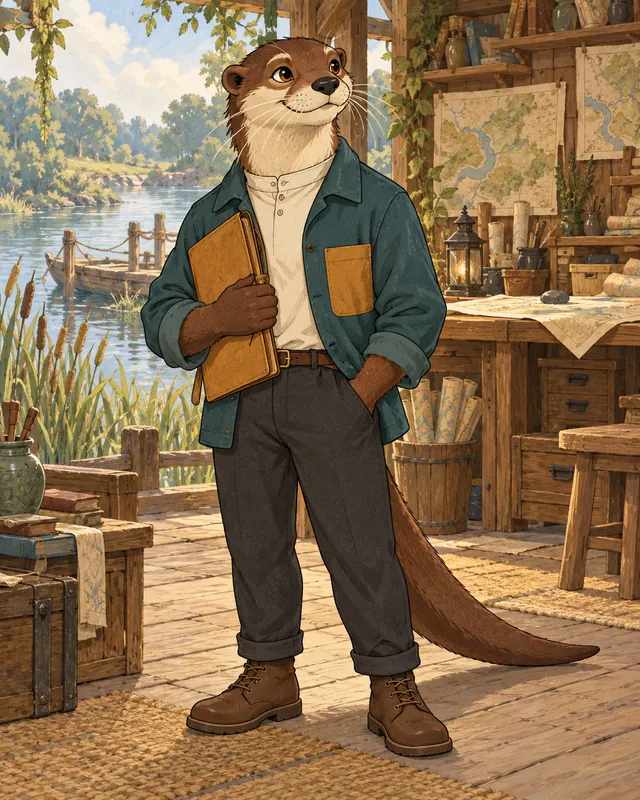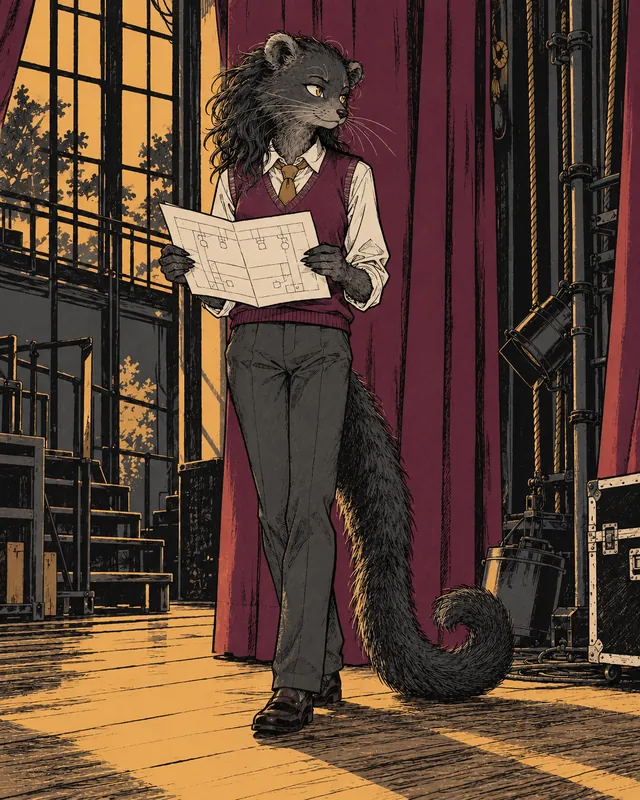
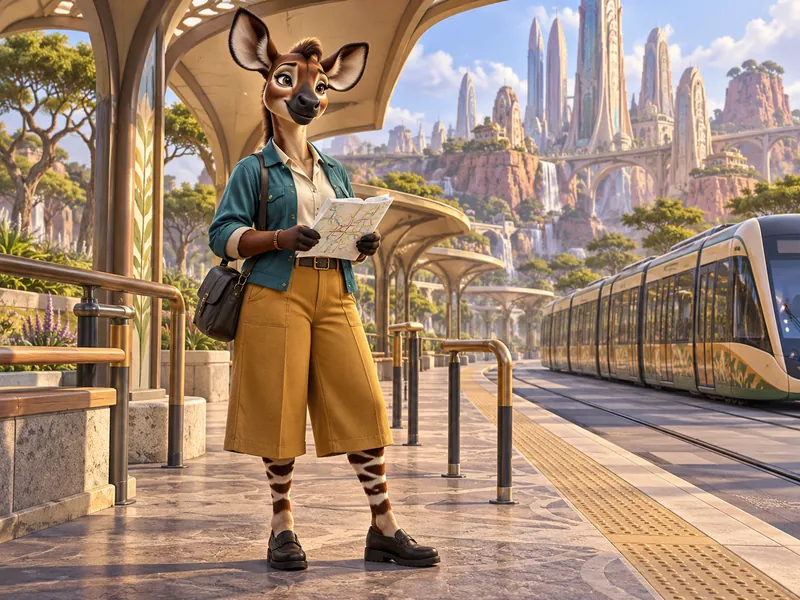
Mavis Reedroute
Okapi designer- Checks maps from every height
- Always leaves an alternate route
- Wants a calmer morning commute
This Zootopia OC creator turns an animal idea into a city resident. Choose from thirty-two mammals, pick a district and job, then design clothes and surroundings that fit their size. Start with a tiny clock restorer or a large-species architect, rendered in a 3D style inspired by the films.
Ideas
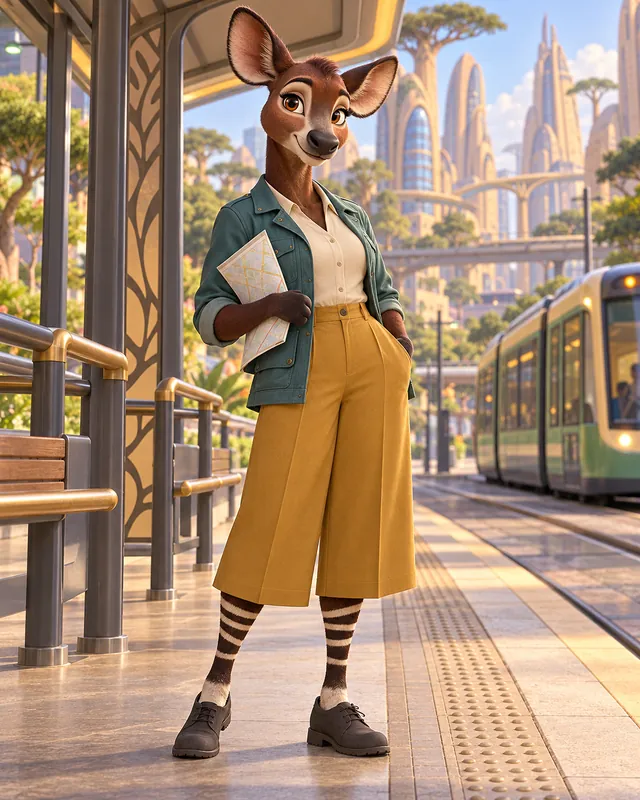
A Zootopia OC becomes easier to picture when the job, body shape and surroundings tell the same story. These residents use different tools, commute through different climates and need furniture at different scales. Their occupations are original fan-story proposals, not claims that these specific people appear in the films. Load an idea, then change the personal habit or the problem at work. Keep the species anatomy consistent while you explore a new outfit or neighborhood.
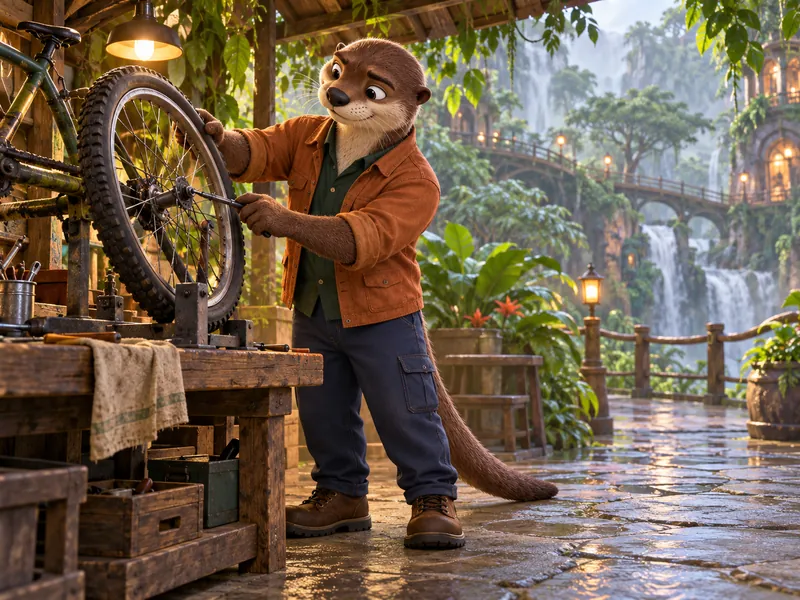
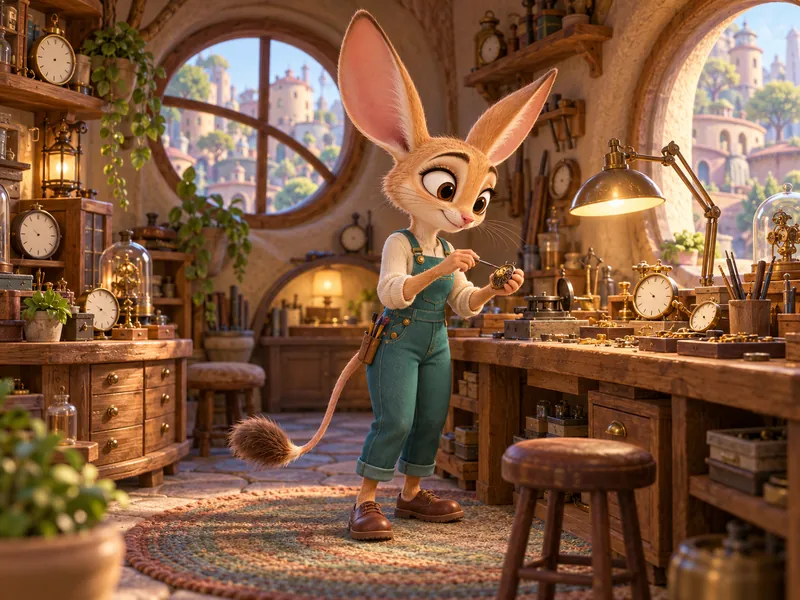
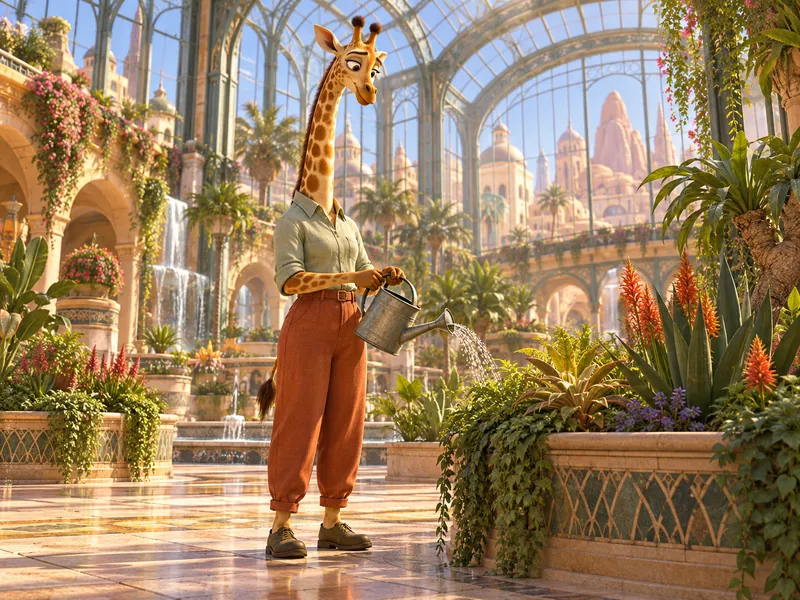
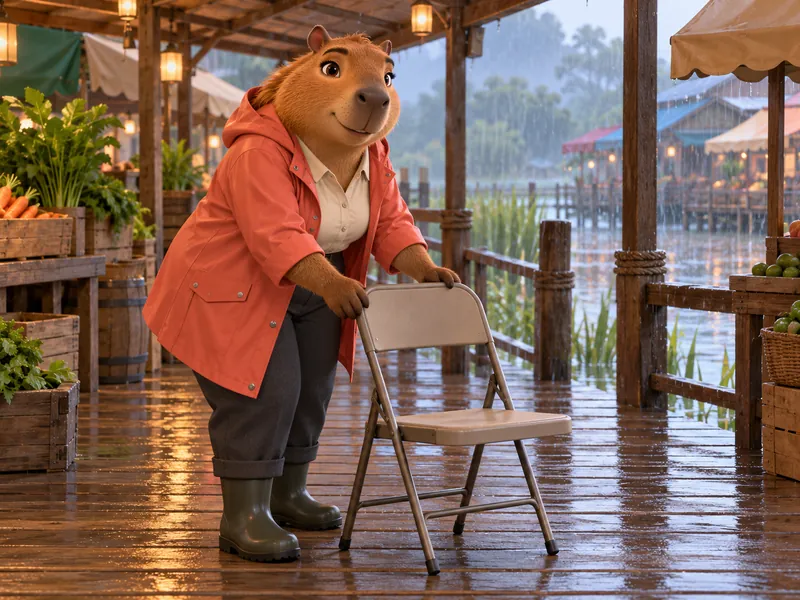
Know the rules
Use the films as a design language, then build an original everyday life inside it. Zootopia combines animal anatomy with human-like clothing, work and infrastructure, but size and habitat still matter. A long tail changes a chair; a tall neck changes a doorway; a tiny resident sees a standard sidewalk differently. The sequel expands the world beyond the first film's mammal-focused cast. The maker keeps a broad mammal menu while explaining where a reptile concept belongs in the later setting.
Sources: City layout and inhabitants; Districts and locations; Zootopia 2 characters and setting
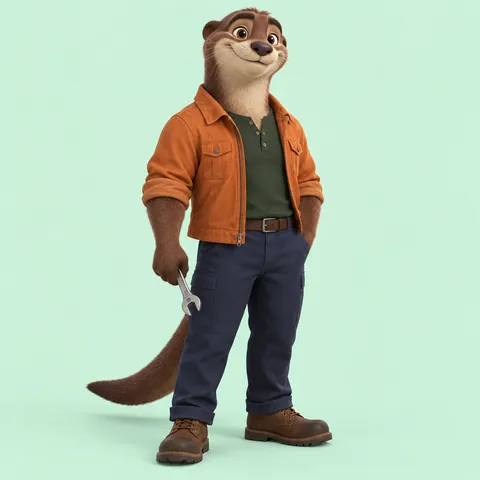
Start with the animal's most readable features: muzzle, ears, coat pattern, tail and overall build. An otter needs a different silhouette from a fox even if both wear the same jacket. Adapt collars, seats and sleeves around the anatomy rather than placing an animal head on an unrelated human body. The first film centers on anthropomorphic mammals, and this page offers thirty-two mammal directions. These are creative species choices, not a claim that every selected animal already has a named screen character. The occupation and expression should belong to the individual rather than a stereotype about its species.
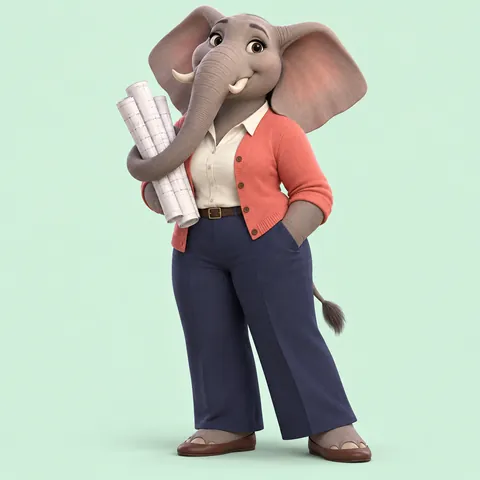
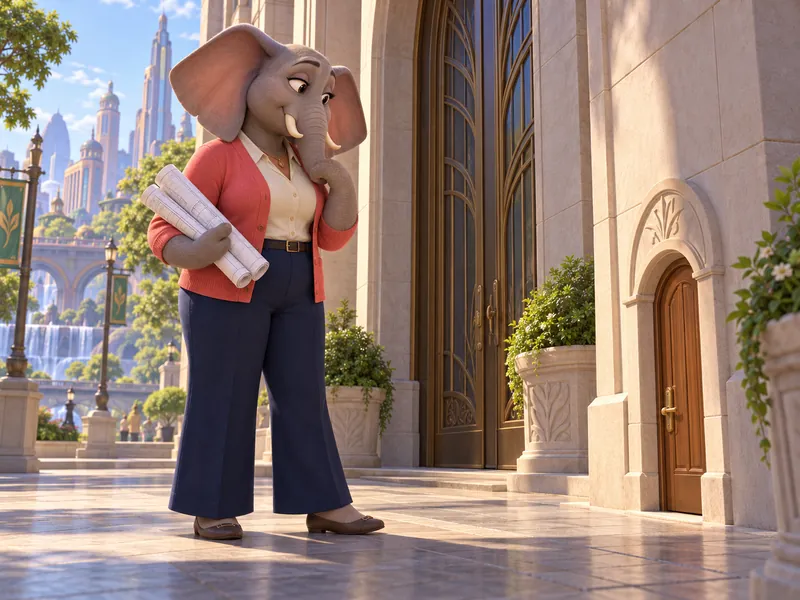
Elephants, rhinos, giraffes, hippos, bison and moose offer different ways to design a large resident. Think about reach, turning space, seating and how a coat closes, then put one useful scale cue in the scene. A broad doorway beside a small entrance tells more than writing enormous in the prompt. A giraffe needs vertical clearance while an elephant needs room across the shoulders. Neither needs exaggerated giant proportions to be interesting. The city's accommodation of different bodies is part of its visual humor and worldbuilding, and a considerate design can turn that into an everyday story.
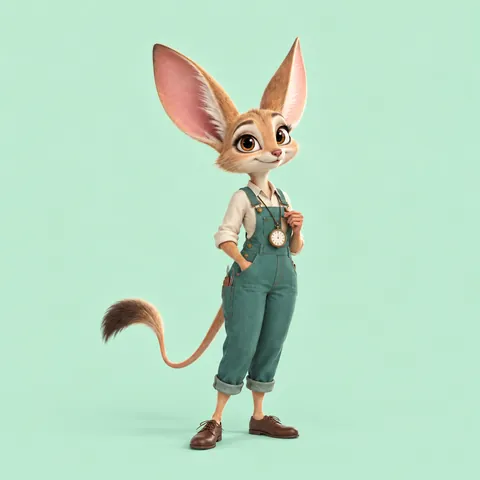
Little Rodentia makes small-scale streets and buildings a visible part of the setting. A tiny citizen still needs a workspace, a route home and clothing that suits a real adult life. Keep tools proportional to their hands, and choose a single comparison such as a larger curb beyond the neighborhood. Do not make the character a pet or a toy merely because the body is small. Long ears and tails also need space in the composition. For a reference image, a clear silhouette at a small workbench is more useful than hiding the character in a huge crowd.
Sahara Square, Tundratown, the Rainforest District, Little Rodentia and Savanna Central provide distinct city environments. Heat, snow, rain and scale can influence fabrics, footwear and commuting habits without forcing each species into one neighborhood. Bunnyburrow is a rural community outside Zootopia, so the picker labels it separately instead of pretending it is a downtown district. A resident may grow up there and work in the city, or live in one climate district and commute to another. Choose the location that supports the story, then make the outfit practical for that particular scene.
Zootopia 2 introduces reptile characters, including Gary De'Snake, and explores Marsh Market and Reptile Ravine. It is therefore inaccurate to describe the entire franchise as a world where reptiles cannot exist. This page's illustrated cast and species menu focus on original mammals, while extra details can describe an original reptile for a sequel-era fan story after clearing the mammal choice. Do not copy Gary's complete design or the Lynxley family's recognizable clothing and faces. Pick the era deliberately, and distinguish an original resident from a character or political history established by the film.
The first film explores prejudice through predator and prey categories, rather than treating those labels as reliable measures of character. A fox does not have to be dishonest, and a large herbivore does not have to be gentle or slow. Build personality from experience, goals and decisions. The films show a range of civic, service and creative work; the jobs in this maker extend that everyday city logic with original residents. A missed delivery, an inaccessible counter or a difficult repair can provide stakes without turning every citizen into an officer, celebrity or secret criminal.
Names and habits
Zootopia mixes ordinary given names with surnames that can suggest an animal, behavior or occupation. Judy Hopps and Nick Wilde illustrate that playful approach, but not every name has to be a pun. This local mixer pairs readable given names with invented surnames, avoiding the principal cast's complete names and family surnames. Treat the result as a starting point: a quiet surname can suit a flamboyant person, and an animal joke should not be the only interesting thing about a citizen.
Everyday given name + a light, original surname
Choose a small action you could show in a scene.
Guide
Choose one situation that would matter to this particular citizen, then design the body, clothing and environment around it. A city character does not need to save the metropolis to feel worth following. Work, neighbors and an awkward commute provide plenty of starting points. These five steps turn a broad animal idea into a reference another person can understand, with enough written detail to keep future images consistent.
Start with a mammal whose proportions interest you, then list three features you want preserved. For an okapi that might be a broad muzzle, large ears and striped lower legs; for a jerboa it might be long ears, a small body and a thin tufted tail. Keep those features consistent across poses. The city setting permits expressive faces and tailored clothes, but the result should still read as the selected animal at thumbnail size. Avoid adding unrelated horns, wings or extra limbs unless you are deliberately making an alternate-universe hybrid and labeling that choice clearly.
Use a district because it changes something about the day. A raincoat makes sense on a wet walkway, while a light shirt and shaded work area suit a warm street. The character can live in one place and work in another, so a coat carried over an arm may tell a useful commuting story. If you choose Bunnyburrow, remember it is outside the city rather than a block next to Savanna Central. For sequel locations, state that you are using the later setting. Keep the first image focused on one place instead of mixing snow, desert and rainforest into an unreadable background.
Choose a task you can see: checking a map, repairing a spoke, watering a planter or arranging chairs before a meeting. One tool usually communicates the occupation better than a costume covered in equipment. Decide what the citizen wants to improve and what makes that difficult. An architect might notice that a new handle is unreachable for a small neighbor; a clock restorer might be learning to explain delays honestly. These are original story proposals, not official jobs assigned to a canon species. Keep uniforms unbranded and leave the ZPD badge and other official logos out of the design.
Fit the wardrobe around ears, horns, tails, hooves or a trunk. A giraffe needs a collar and coat that work with a long neck; an elephant needs a plausible sleeve and comfortable shoulder space. Choose a main outfit color and an accent, then add one environmental clue such as a broad doorway or a small workbench. Avoid making the character fill the frame so completely that the ears or feet disappear. For a large citizen, show ordinary city accommodation rather than giant-monster proportions. For a tiny citizen, make the work area feel like a real workplace rather than a toy display.
Before generating, check that species, job, district and clothing agree with the description. Afterward, inspect the muzzle, ears, hands, tail and any coat pattern. Look for accidental text, logos or a face that resembles a named film character. Write down corrections instead of assuming the next generation will remember them. A useful reference includes the name, species, occupation, palette, one habit and the setting era, along with the clearest accepted image. If you share the reference with an artist, disclose AI assistance and let them decide whether they want to use it as part of their process.
Other fandoms
Tools
FAQ
Sign up for 10 bonus credits and make your first OC free.