
Fathom
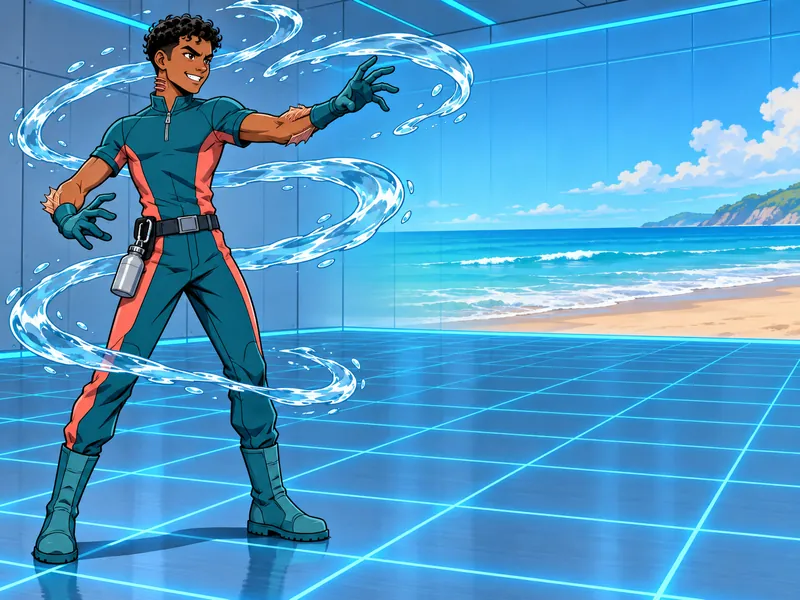
Water student- Gills flutter when the water moves
- Spins three ribbons at once
- Needs a full bottle within reach
This free X-Men OC creator turns a mutant idea into comic art. Pick a visible mutation, a power with a tell and a real drawback, a power level, a team role and a costume cut, then color-block the suit and draw your mutant OC. No team logos and no canon faces: the character is yours.
Ideas
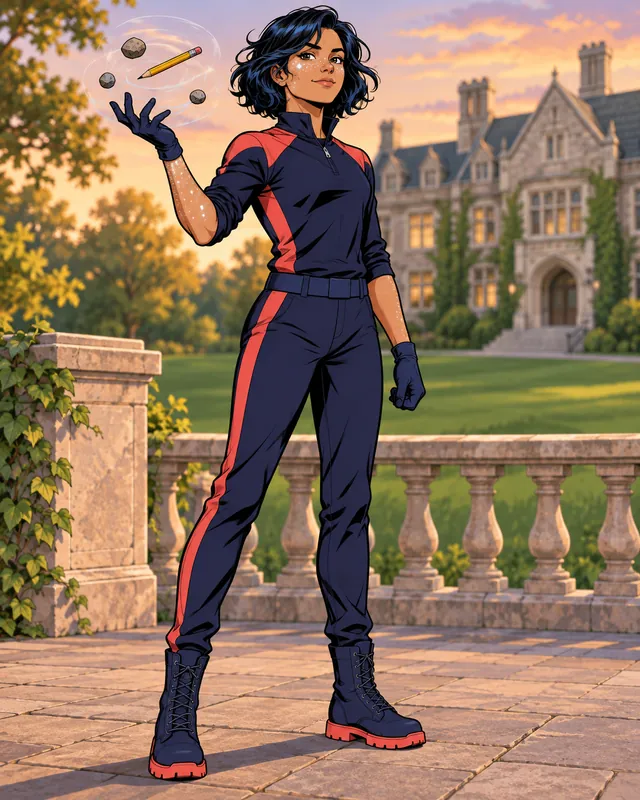
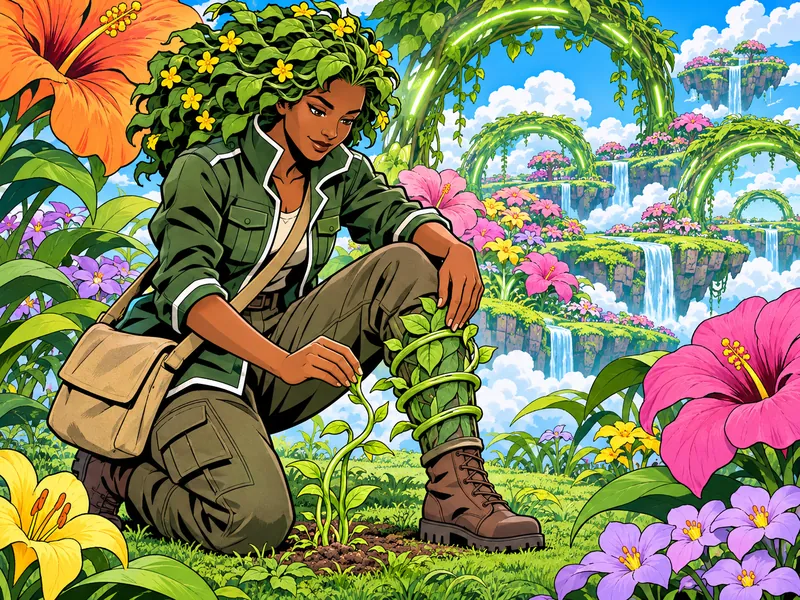
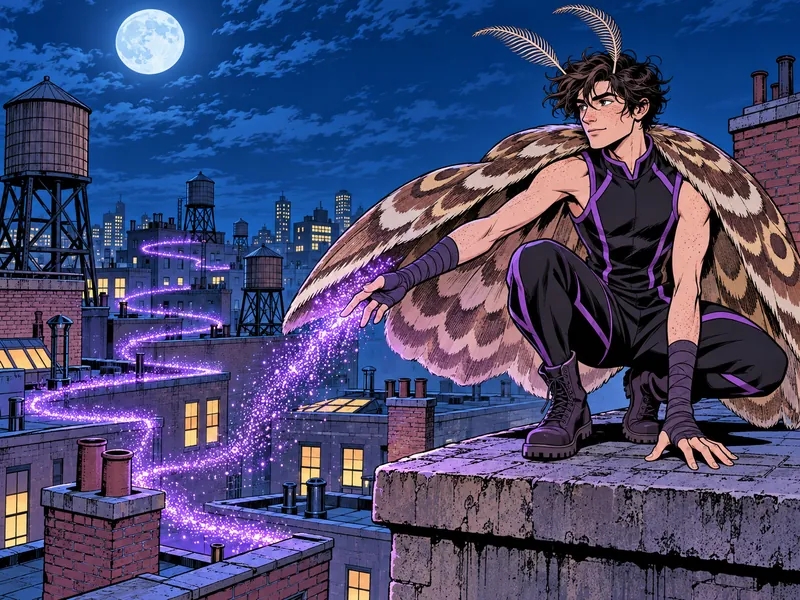
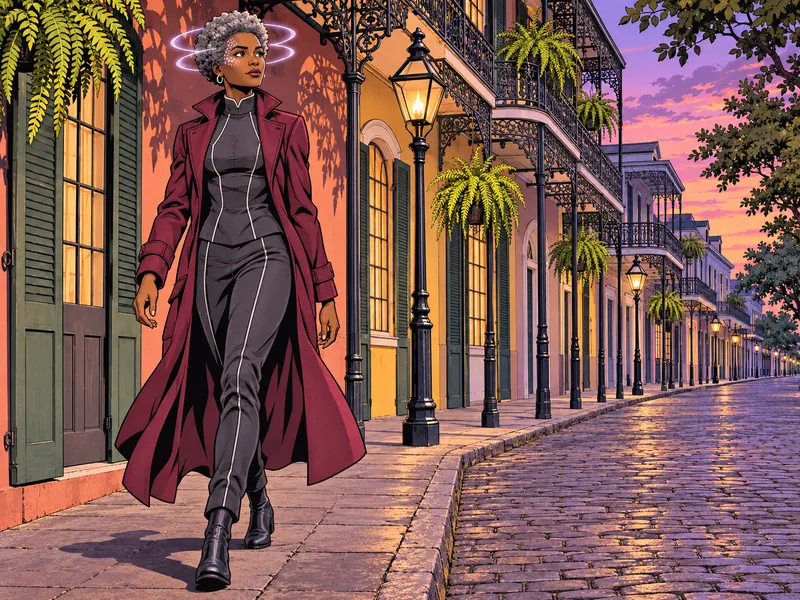
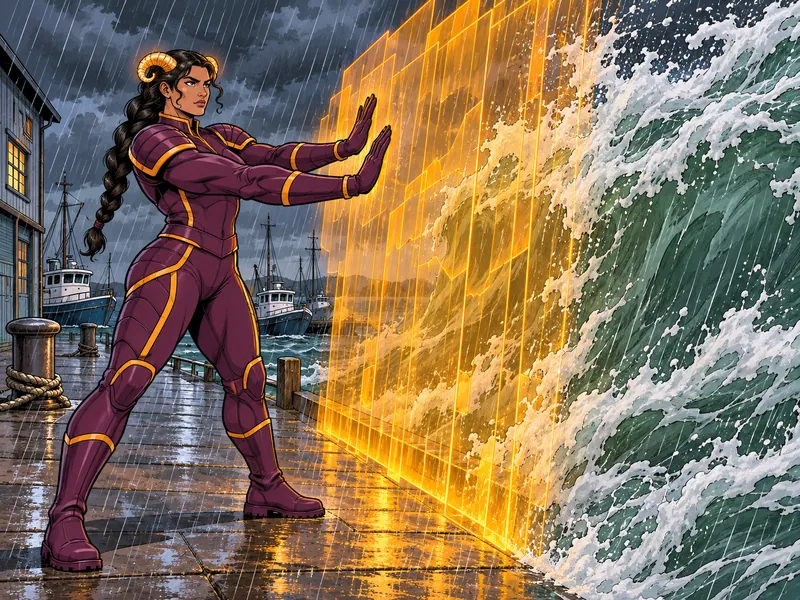
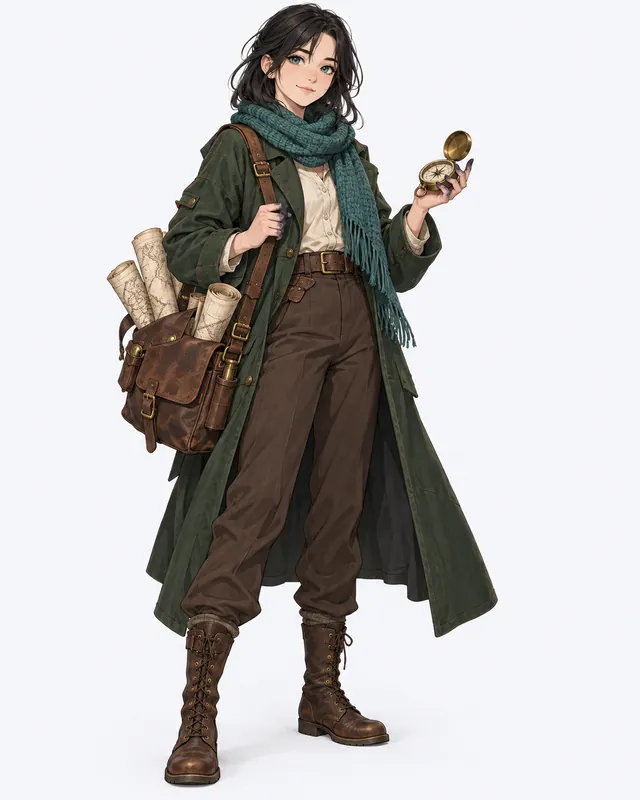
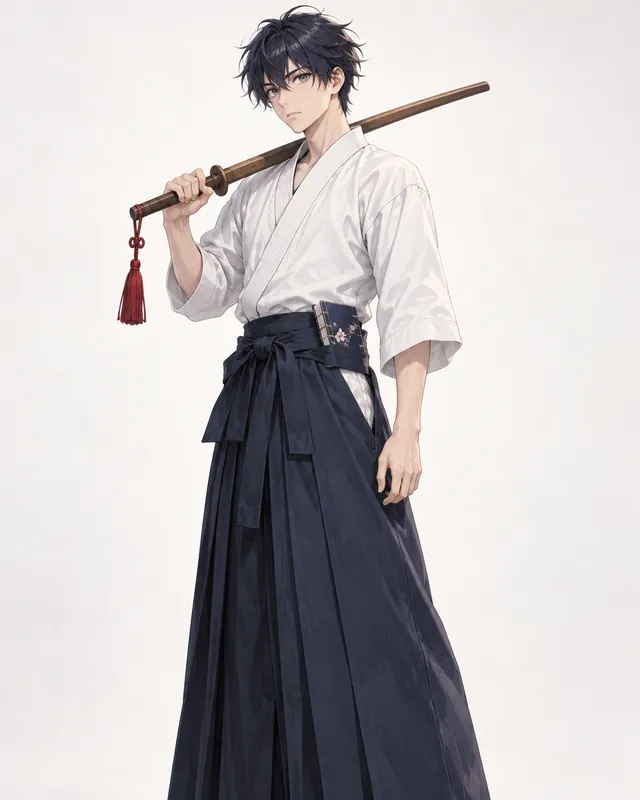
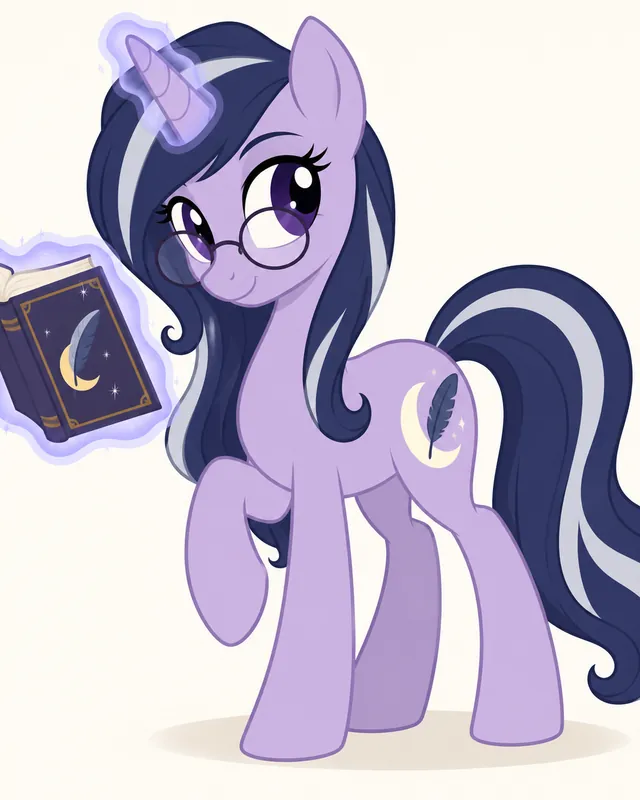
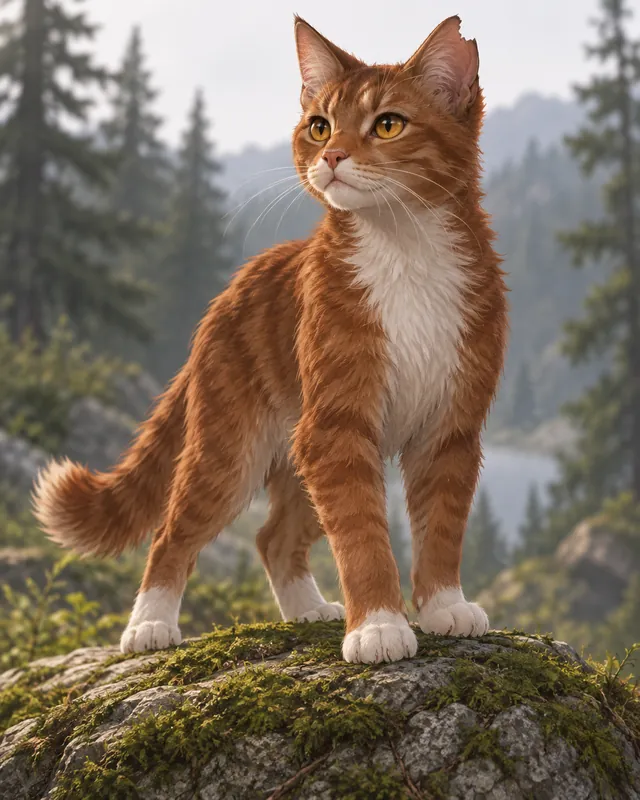
Each card is an original mutant with a visible mutation, a power that shows on the page and one drawback that changes a decision. They cover a student, two field heroes, a pilot, a medic and a recruiter so you can see how the team role reshapes the costume. Load one, then change the mutation, the colors or the limit until the character reads as yours.

Know the rules
X-Men stories have their own logic: powers come from birth, show up in the teens and often change how a mutant looks. These rules come from the comics and the Marvel Database, so an OC built on them reads as part of the world. Each one has a button that loads a matching starting point into the generator.
Sources: Wikipedia: X-Men; Marvel Database: Mutant Power Level Classification; Marvel Database: Danger Room
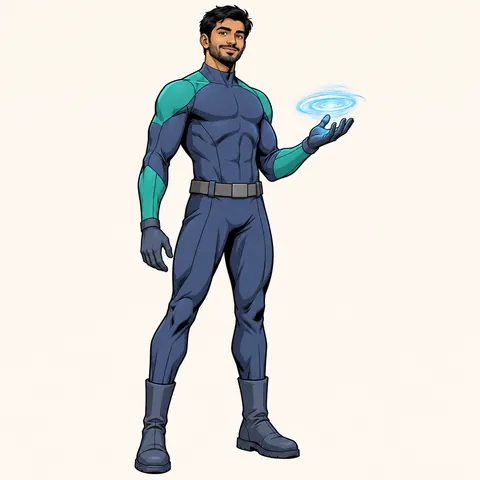
In the comics, mutants are humans born with the X-gene, and most of them awaken their powers during puberty. That timing is why so many X-Men stories happen at a school: a teen discovers the power before they understand it. Mutants can be born to ordinary human parents, and two mutant parents can have a child with no powers at all. For your OC, decide when the power showed up, who saw it first and whether it could be hidden. A mutant who looks human can pass in a crowd until the power switches on; one with a visible mutation never gets that choice. Either way, the origin is birth, not a lab accident or a serum, which keeps the character inside the X-Men world.
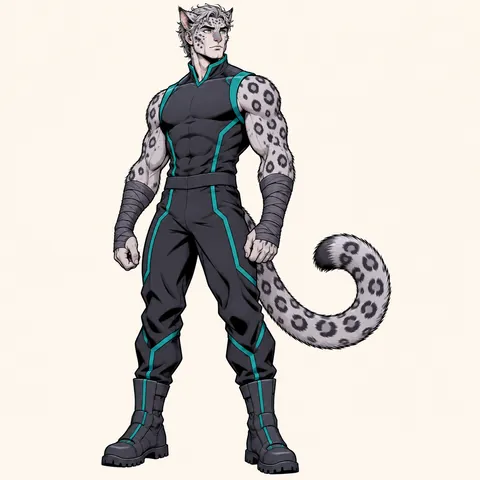
Some mutants look human; others wear their mutation on the outside, the way Beast's fur or Nightcrawler's prehensile tail and three-fingered hands mark them in every panel. A visible mutation is not a costume piece. It decides how the character buys shoes, rides a bus or hides in a crowd, and it shapes the suit: wings need slits, a tail needs an opening, gills need a collar that sits low. Pick one physical trait and follow it into daily life. Keep it readable at thumbnail size and make sure it is your own; a blue-furred scholar or an indigo teleporter with a pointed tail already belongs to the canon cast.
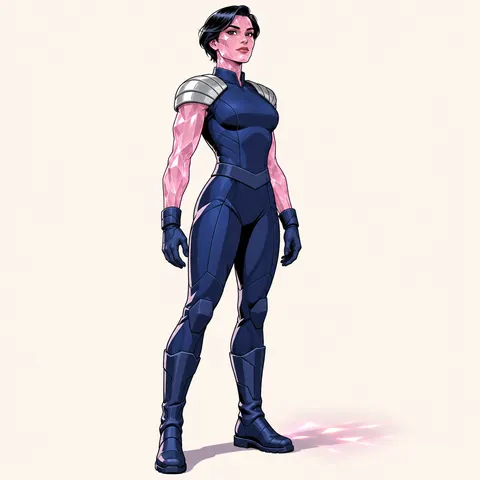
X-Men comics rarely grade mutants, and when they do the scale is vague. Alpha-level turns up in a few stories for very powerful mutants, but the one term with a real definition is Omega-level. House of X #1 (2019) defined an Omega-level mutant as one whose dominant power reaches an undefinable upper limit of that power's classification. The Marvel Database compares Forge and Magneto: both are among the strongest of their type, but only Magneto counts as Omega. For a fan character, Omega should be a story decision with costs, not a default setting. Most memorable X-Men are field-ready heroes with one clear power and one clear limit.

Charles Xavier turned his family estate in Westchester County, New York, into Xavier's School for Gifted Youngsters, where young mutants study ordinary subjects and learn to control their powers. The Danger Room, which appeared in the very first issue, is its training facility. Later stories upgraded it with Shi'ar hologram technology that can simulate almost any place. Cerebro is the machine Xavier built to detect mutants around the world. A student OC can start right here: a first Danger Room session, a power that misfires in class, or the day Cerebro picked up their signal and someone came to the door.
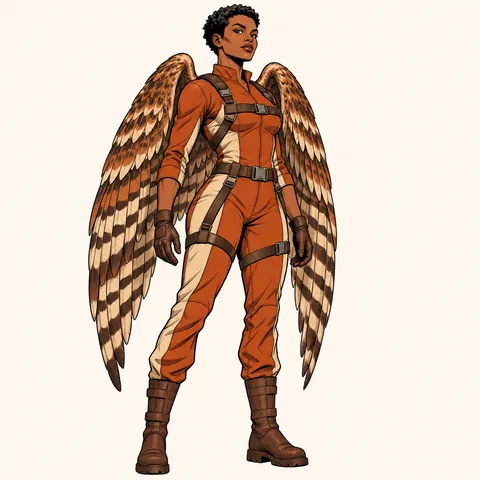
An X-Men roster works because powers cover different jobs. Cyclops leads the current Alaska team in the field, and the roster has also included a trauma surgeon, Cecilia Reyes, and inventors such as Forge. The team flies a jet called the Blackbird, so somebody has to pilot it. Choose one role for your OC and let it change the costume. A scout needs quiet colors and free arms, a medic needs pockets and a calm face, a pilot needs a harness, and a defender needs a stance that says nobody gets past. If two of your OCs share a role, give them different powers so the team does not repeat itself.
Canon codenames follow a few clear habits. Many are one evocative word: Storm, Rogue, Blink, Surge and Dust. Others fuse two words into one, as in Nightcrawler, Wolfsbane, Rockslide and Slipstream. A few add a title, like Kid Omega or Marvel Girl. Bobby Drake became the second X-Man and took the codename Iceman, which says exactly what he does. Pick a word that hints at the power or the mutation without explaining everything, then search it: most short English words have been used somewhere in Marvel or DC. The mixer below only offers words and pairings that we checked against both fan wikis.
For decades the team wore bright spandex costumes; the New X-Men era swapped them for black leather street clothes, and later teams went back to more traditional suits. This page never draws an X insignia, a belt-buckle emblem or any official logo. Design the costume from a cut and two or three color blocks instead: a navy suit with coral shoulder panels, a plum armored suit with amber trim. Let the cut follow the mutation and the role, then let the colors do the identifying. Avoid the exact color combinations of famous members, such as a yellow suit with blue panels, so the silhouette reads as a new mutant rather than a variant of someone else.
The X-Men have moved many times. Over the years they have lived at the Westchester mansion, at Utopia in San Francisco and, during the Krakoan Age (October 2019 to June 2024), on Krakoa, a living island nation. The current comics split the team between the Factory in Merle, Alaska, and Haven House in New Orleans, Louisiana. Choosing a base tells readers when and how your OC lives: a mansion student has classes and curfews, an island resident has a mutant nation behind them, and a Louisiana team member works out of a house in a busy city. Pick one home and the story questions follow.
Codenames
Canon codenames follow two habits. Some are one evocative word taken from the power or the look, such as Storm, Blink or Surge. Others fuse two words into one, such as Nightcrawler, Wolfsbane or Slipstream. This free X-Men name generator mixes both kinds locally in your browser, with no sign-up. Every one-word name and every compound pairing in it was checked against page titles on the Marvel and DC fan wikis, so none is a canon codename. Pick a name, then pick a tell and a drawback that make the power cost something.
An element word fused with an action word, like Slipstream
A sign people can see when the power works, plus the price it costs.
Guide
A strong X-Men OC is built in the same order a mutant discovers themselves: the body first, then the power, then the place on a team. Make one decision per step, check it against the others, and keep the drawback in view the whole time. The generator above has a field for each step.
Start with the mutation, because it decides how the world treats your character before any power is used. A mutant who looks human can choose when to reveal themselves; one with wings, scales or crystal skin is noticed on every street. Pick one visible trait and make it specific: speckled sparrow wings, copper scales on the forearms, a rose-quartz shine. Then ask what it changes about an ordinary day. Shoes, seats, doorways, swimming pools and school photos are all good questions. A single trait followed through daily life gives you more story than three traits stacked on one body.
Choose one power family and describe what it looks like on the page: overlapping glowing panes, rippling sound rings, dust that lights a path. That visible tell is what makes the art read as a mutant at thumbnail size. Then write the drawback, and make it change a decision. A teleporter who can only land where they have stood before has to scout first. A healer who absorbs tiredness cannot heal the whole team before a fight. If the drawback never comes up in a scene, pick a sharper one from the tells and drawbacks list in the codename section.
Most X-Men are field-ready: strong enough to matter, limited enough to need a team. Save Omega-level for a story that is about that scale, because the comics treat it as rare and give it a specific meaning. Then pick a role. A field leader, scout, medic, pilot or defender needs different gear, and the role tells you what your OC does when the power is not the answer. A student role is a great start for a first OC: classes, curfews and a first training room session give you scenes before any big mission.
Pick a cut that fits the mutation and the role: a wing-cut flight suit, an aquatic suit with fin slots, a long field coat for a recruiter. Then choose a suit color and a trim color and decide where each block sits, such as shoulder panels, side seams or cuffs. Skip the X insignia and any chest emblem; this page never draws official logos, and color blocks identify a hero perfectly well. Check that your two colors are not a famous member’s combination, and keep at least one color in the hair, eyes or power effect so the design feels connected.
Mix a codename in the X-Men name generator section, or write your own and search it on the Marvel and DC wikis first. Decide where your OC lives: the mansion school, the living island, the Alaska town or a New Orleans street. Pick a background to match, write two or three sentences about one small scene, and generate. Compare the result with your notes and keep the details that match. If the art drifts, put the mutation and the tell first in the description box, since those are the details that make the character recognizable.
Other fandoms
 MarvelOC Creator
 SuperheroOC Creator
 SpidersonaOC Creator
 MHAOC Creator
 InvincibleOC Creator
 DCOC Creator
Tools
FAQ

Sign up and your first pack comes with 100 bonus credits.