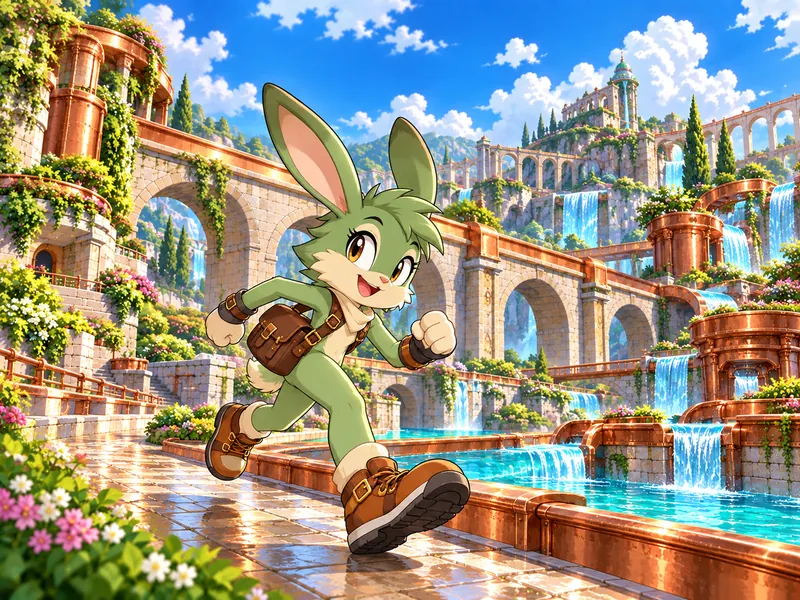
Zone passport / 1
Glimtide the Rabbit
Copper Aqueduct Zone
Speed · Independent runner
sage fur, cream muzzle, copper hiking shoes, square satchel.
Switchback Skip: rebounds off two walls; needs a clear landing.
Use this free sonic name generator to build a new character in the familiar Name the Species format. Roll a short word-play name, a species, a role, an ability type and an original home zone. Each passport includes a signature move with a practical limit and a few clear design notes. Keep your favorite parts, save the complete character, or carry the brief into the Sonic OC creator. No sign-up is needed for names.
Free · no sign-up · browser word banks
Original zone passport
Copper Aqueduct
Character select
the Rabbit
Independent runner
Signature move / with a limit
Switchback Skip: rebounds off two walls; needs a clear landing.
Design notes: sage fur, cream muzzle, copper hiking shoes, square satchel.
A new face, a new route.
Keep the good parts
Name
Glimtide
Species
Rabbit
Title / team
Independent runner
Ability type
Speed
Home zone
Copper Aqueduct Zone
Signature move
Switchback Skip: rebounds off two walls; needs a clear landing.
Appearance
sage fur, cream muzzle, copper hiking shoes, square satchel
Titles are optional story prompts. Remove one from your copied brief if your character works alone.
Your first character is ready. Keep a part you like and roll the rest.
Save a favorite to keep the whole character, including the zone.
Continue in the Sonic OC creator. The text tool is free; image creation has its own credits and preview limits. Try the RWBY team builder for color-linked rosters.
Six character slots
Load a passport to see how a name, animal silhouette and everyday role can work together. These examples use different species, palettes and equipment instead of repeating one character with a new color. Treat the home zones as original settings for your own stories. They are not official stages, and the move descriptions are creative prompts rather than game mechanics. Loading a character clears your previous locks so you can explore the example from a clean starting point.
Zone passport / 1
Copper Aqueduct Zone
Speed · Independent runner
sage fur, cream muzzle, copper hiking shoes, square satchel.
Switchback Skip: rebounds off two walls; needs a clear landing.
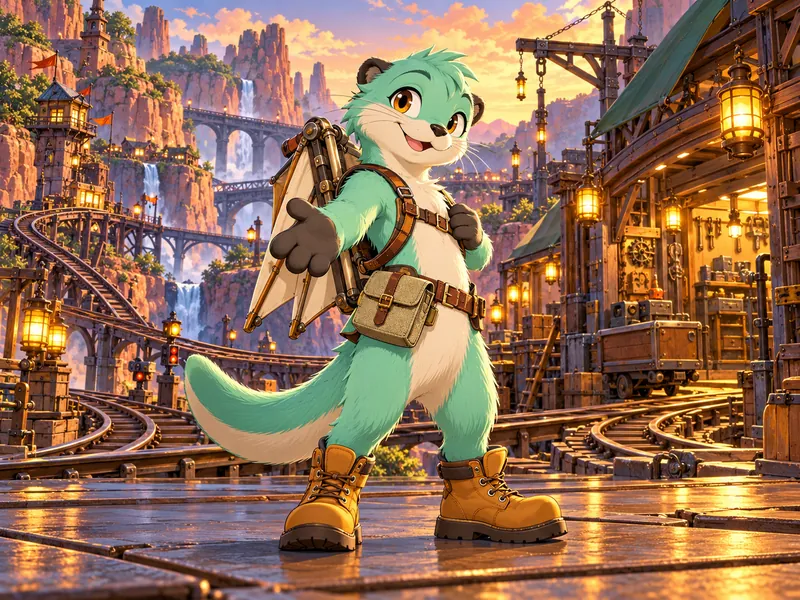
Zone passport / 2
Lantern Switchyard Zone
Flight · Canyon mechanic
mint fur, charcoal ear tips, amber boots, canvas pouch, folded canvas glider.
Pebble Pop: flicks a compressed air puck to move loose stones; no heavy loads.
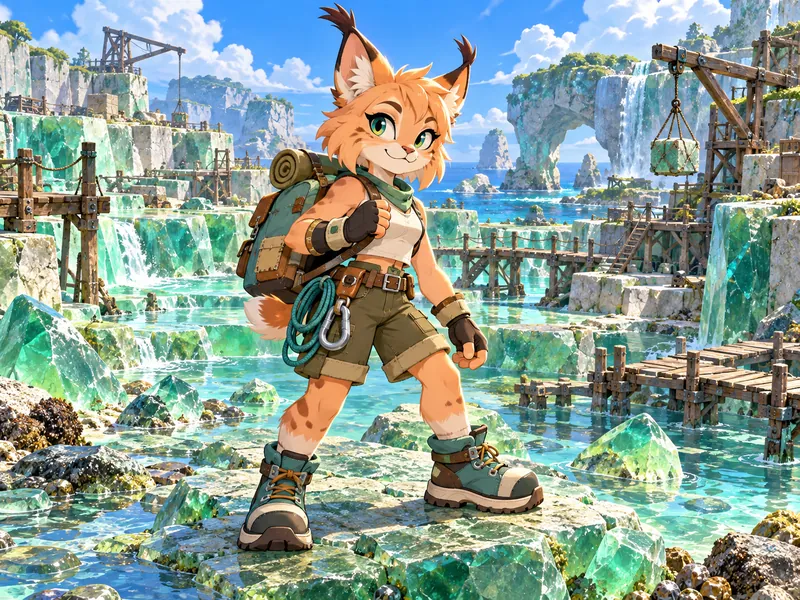
Zone passport / 3
Tideglass Quarry Zone
Power · Orchard messenger
peach fur, brown ear tips, teal boots, patchwork backpack.
Trellis Toss: throws a hooked climbing line; needs an anchor.
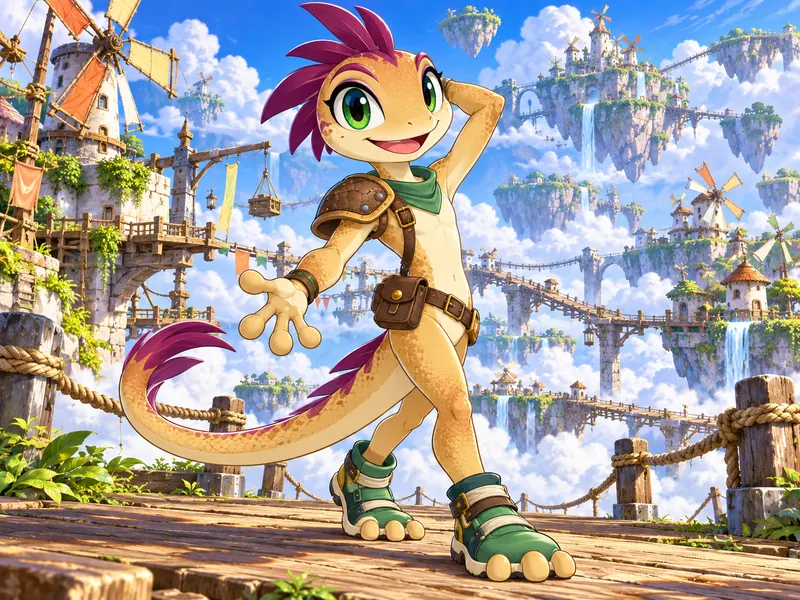
Zone passport / 4
Thimble Skyway Zone
Speed · Windmill caretaker
tan scales, plum head and tail accents, jade shoes, one shoulder pad.
Ridge Roll: a padded shoulder roll clears low barriers; loses speed uphill.
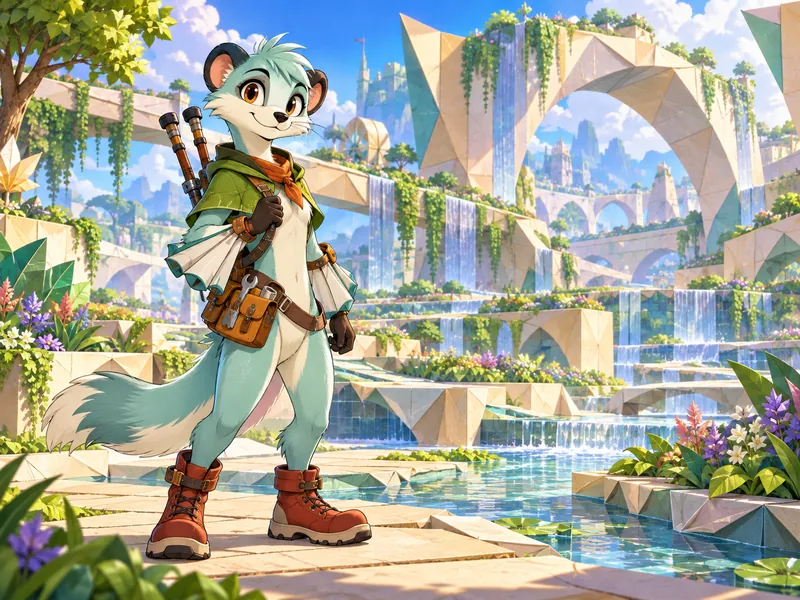
Zone passport / 5
Paper Arches Zone
Flight · Rain-garden ranger
pale teal fur, dark ear tips, rust boots, repair pouch, compact wrist sails.
Reed Reach: telescoping poles bridge a narrow gap; no long crossings.

Zone passport / 6
Gossamer Railway Zone
Power · Ridge rescue volunteer
wheat fur, slate paws, mauve shoes, stitched collar.
Thimble Thrust: a palm piston nudges machinery; works only at close range.
Name styles
A short name is easier to remember when it hints at movement, personality or a visual detail. This sonic character name generator combines compact word fragments, then pairs the result with a species. The approaches below help you judge the result instead of keeping the first roll automatically. Say the complete name aloud and picture how it would fit on a small character card.
A name can suggest a quick step, an abrupt turn or an easy sway without claiming that every character is the fastest person alive. Short endings such as skip, flit or drift give the word a sense of motion. Try the name in a sentence where another character calls for help. If it is awkward to pronounce at speed, reroll the name while keeping the species and role. A readable rhythm matters more than piling several impressive movement words together.
A color reference gives you a starting point for the character’s palette. Mineral, plant and paper words can suggest texture as well as hue, which is useful when choosing gloves, shoes or a bag. Do not treat the name as a requirement to color every part the same shade. Use a main color, a lighter face area and a contrasting shoe color. Avoid a familiar cast palette combined with the same head shape, since that can look like a recolor even under a different name.
A breeze, a small wave or a patch of moss can suggest a character who belongs to a particular place. Pair that name with a home zone that gives them ordinary work to do: maintain a cableway, deliver parcels, or map an aqueduct. The zone should create opportunities and obstacles rather than serve as a decorative label. A windy ridge may help a glider while making a careful landing difficult. Keep the geography consistent when you write later scenes.
A playful sound can hint at a restless, precise or cheerful character. Then give that impression a specific behavior. A meticulous courier checks every address twice; an impatient scout jumps before checking the landing. A trait becomes memorable when it affects a choice, especially if it sometimes causes trouble. The generated title is an optional starting point, not a personality diagnosis. You can remove it from your notes and keep the name if the character’s role changes during development.
The word-bank names use compact combinations rather than long fantasy surnames. A pun works best when it is easy to say and only needs a moment to understand. If the two fragments feel unrelated, imagine a visual detail that connects them, such as a springy shoe, a chime or a glowing route marker. If that still feels forced, roll again. Do not add extra syllables just to make the spelling unique; a clean name and a distinct design do more useful work.
An unexpected species can make a familiar movement idea feel new. A small animal can carry heavy rescue equipment, and a ground-dwelling animal can use a glider or a sail. The ability type describes the broad movement role, not a biological rule. Explain the equipment in your drawing notes so the result makes visual sense. For species outside the parent creator’s picker, the bridge clears the default species and writes the chosen animal into Extra details instead.
Guide
Use the sonic oc name generator as the beginning of a character brief. The name, type and zone should support a few concrete choices about how the character moves and what they care about. Work through the following six steps, keeping only the details that help you picture a scene. A favorite saves the exact passport, so you can compare several ideas before committing to a drawing.
Start with the name and species together. The familiar pattern is Name the Species, but it is a useful convention rather than a rule that every canon character follows. Check that the word is easy to pronounce and that the species is recognizable. The generator blocks names in its canon exclusion snapshot regardless of the selected species, so changing the animal cannot bypass a blocked first name. Search your final spelling again before publishing a long-running character.
Lock the name or species when it feels right. New challenger then changes the unlocked parts, while the small reroll button changes only its own row. You can compare a new home zone without replacing the signature move, or try a different appearance without losing the role. Do not lock everything too early. Leave one or two uncertain parts open until the character’s job, movement and silhouette begin to support the same idea.
Speed, Flight and Power are the three broad character types associated with Sonic Heroes. Use them here as planning labels. A Flight character needs wings, a glider or another visible way to move through the air; a Power character benefits from a clear stance or tool that explains their strength. The signature move is a separate creative prompt and can stay locked when you change type. Review the combination and add equipment if the new type needs an explanation.
Read the original zone title as a place where the character lives, not just a stage they race through once. Decide who maintains the bridges, where deliveries arrive, and what changes when the weather turns. The generated role gives you one useful entry point. A cableway inspector notices loose supports before anyone else; a lantern maker knows which streets lose power. Those details can start a small story without requiring a connection to a famous hero or villain.
Every signature move includes a restriction: a short cable, a small tank, a need for wind, or a slow reset. Use that limit in a scene where the character must ask for help or take another route. The move names are original suggestions, not official abilities or promises about playable game behavior. If the move and appearance do not fit, reroll one of them or describe the missing equipment in your saved notes before requesting art.
Favorite stores the complete passport in this browser. Copy character includes the name, title, type, zone, move and appearance notes, while Export PNG saves the designed card. Draw this OC opens the Sonic creator with matching fields and Extra details filled in. Supported species use the actual species option; other animals are described in text with the default species cleared. The button transfers a draft only, so you can review the details and image-generation policy before spending credits.
Draw them next
Tools
FAQ

Sign up for 10 bonus credits and make your first OC free.