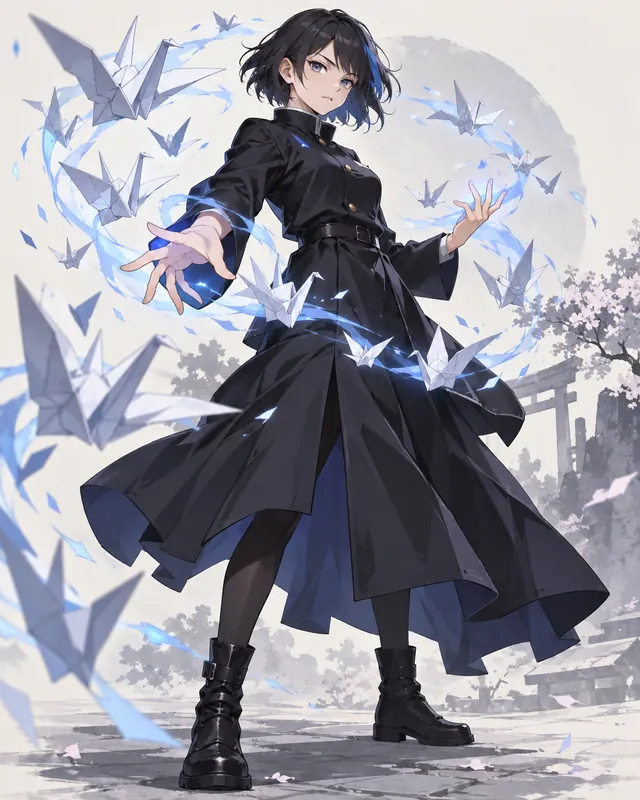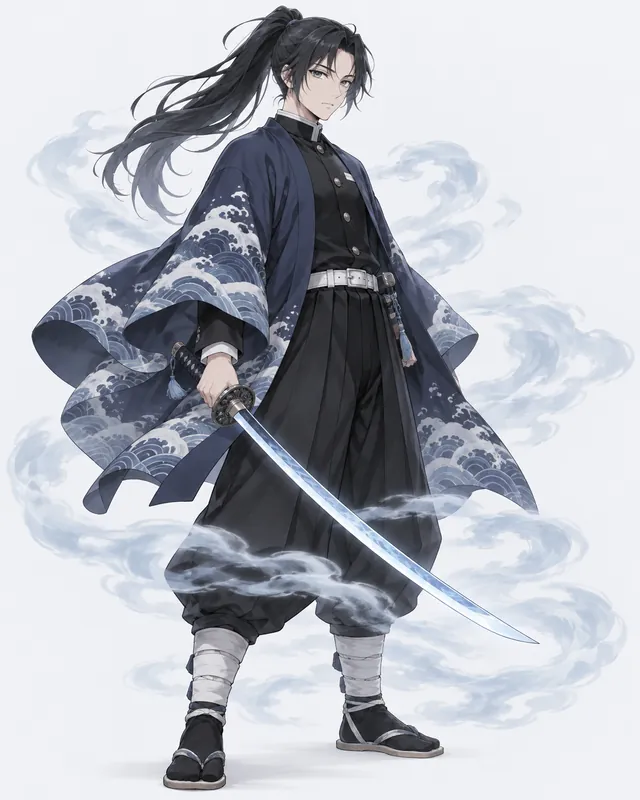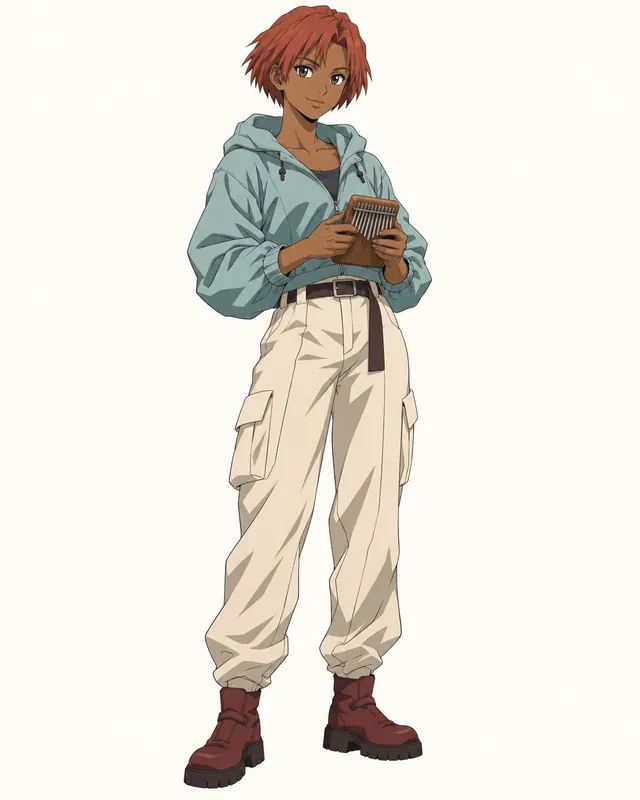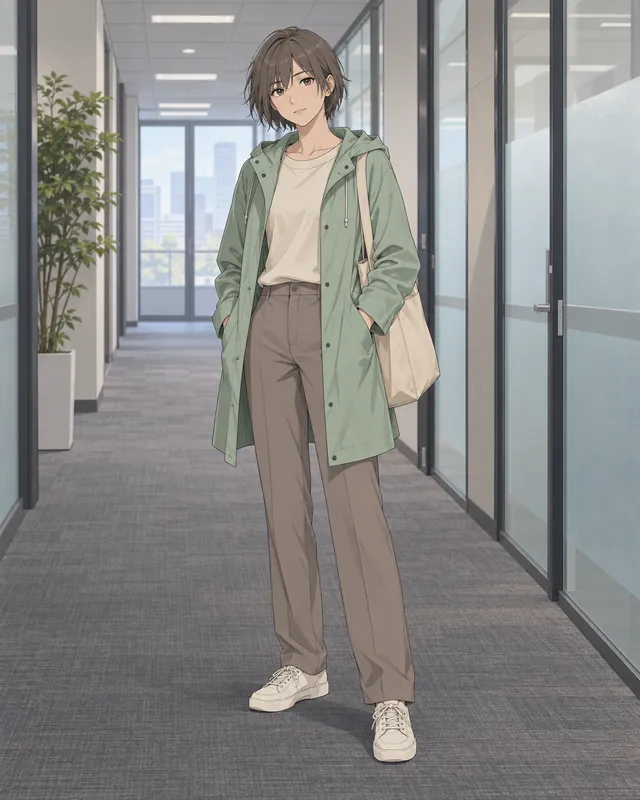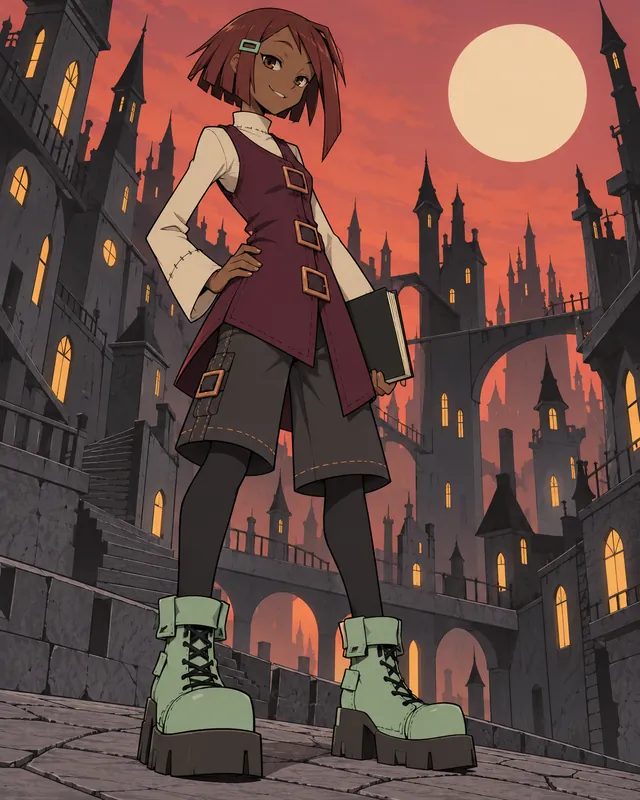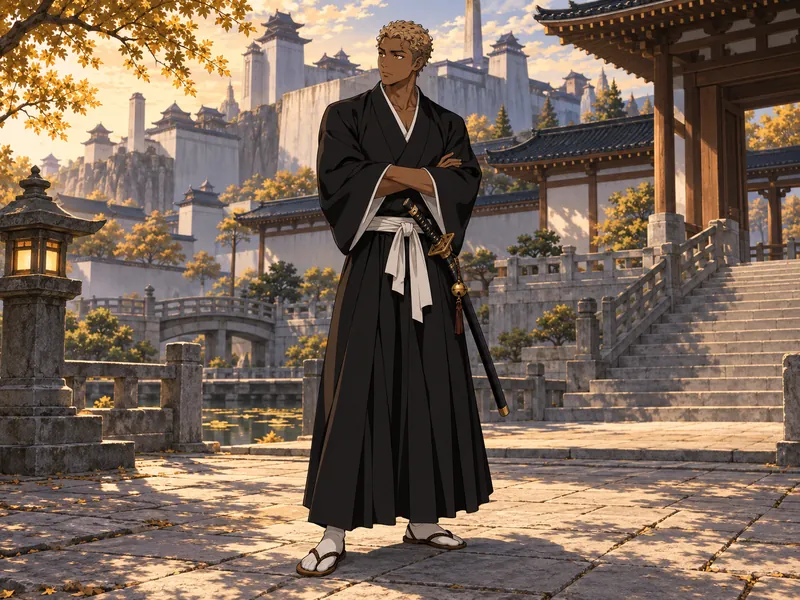
Akiyama Kaede
Soul Reaper- A seated officer who hears paths
- Kiri no Suzu measures an echo
- Noise breaks the map
Build a Bleach OC around a silhouette, a spiritual power and one meaningful limit. This Bleach OC creator gives Soul Reapers, Arrancar, Quincy, Hollows and Fullbringers their own visual starting points. Choose a role, name the release and turn your original character notes into a clear reference.
Ideas
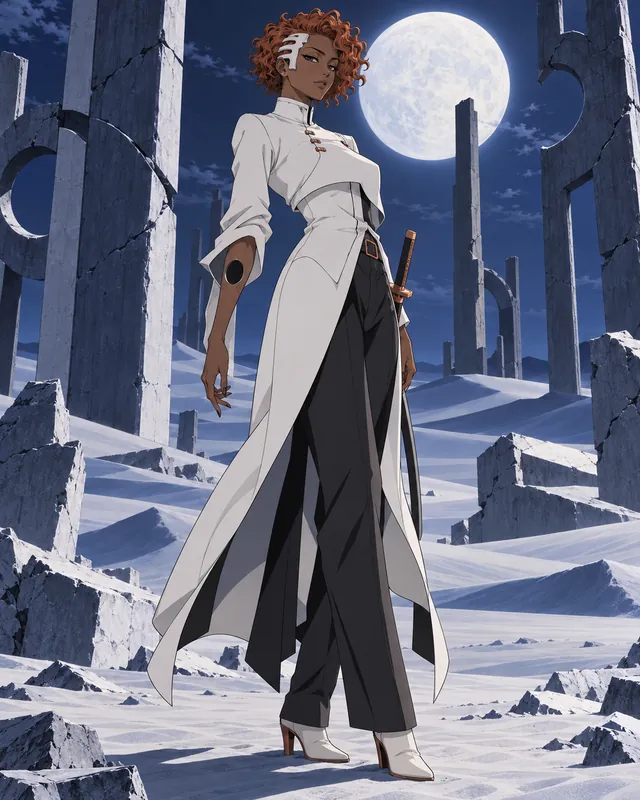
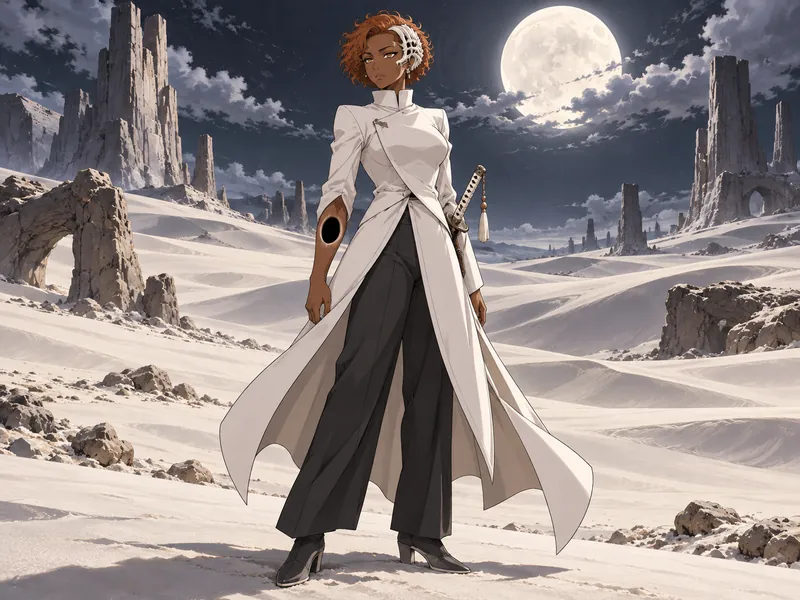
Use an idea to load its visible design into the maker, then change the reason behind it. These characters have different jobs, silhouettes and limits. A quiet patrol member can carry a whole story without inheriting every rare ability in the setting. Keep the identifying detail visible when you change the art style: a mask fragment is more useful than a cloud of light that hides the face.
Know the rules
Start with the kind of being your OC is, then choose an organization if the story needs one. Species, power system and job are separate decisions. A Quincy does not automatically belong to the Sternritter, and an Arrancar does not automatically hold an Espada seat. The distinctions below keep a character recognizable without forcing them into a canon character’s biography.
Sources: Bleach Wiki: Gotei 13; Bleach Wiki: Arrancar; Bleach Wiki: Zanpakutō
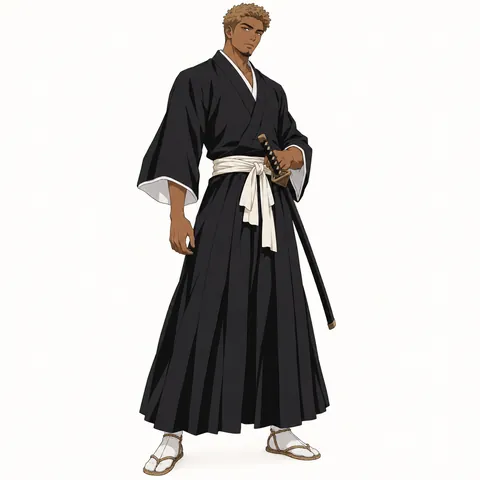
Soul Reapers wear black shihakusho and carry Zanpakuto. The Gotei 13 organizes them into squads with captains, lieutenants and other seated officers; unseated members sit below those officer positions. A squad number tells you the division, while a seat describes rank within it. For an original patrol member, write down a daily responsibility before selecting a high title. Delivering reports, guiding souls or maintaining equipment gives the sword wielder something to do outside battles. Use an original cord, guard shape or hairstyle to distinguish the design, rather than an exact lieutenant badge or a famous captain’s accessories.
A Soul Reaper’s Zanpakuto has its own identity. Shikai is the initial release and Bankai is the final release; they are related expressions of the same sword rather than unrelated prizes to collect. For your concept, give the sealed blade a small motif, name the sword and speak a release command. Then explain what changes physically. A bell fitting might become an echo-mapping weapon; its Bankai could expand that same idea into a bounded listening space. Describe what breaks the effect, what it costs and what the wielder cannot hear. A planned Bankai can remain a future story goal instead of a power the character already owns.

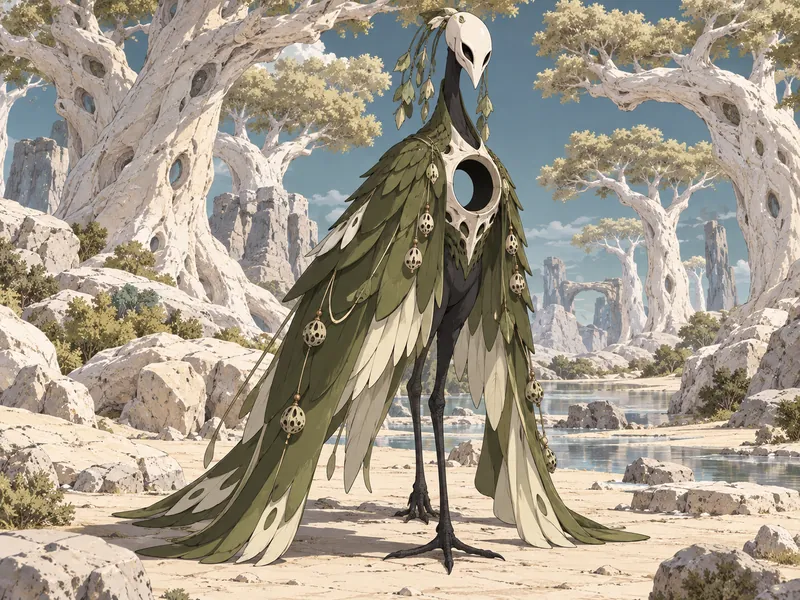
Hollows have masks and holes, and their bodies can depart far from a human silhouette. Menos are divided into Gillian, Adjuchas and Vasto Lorde classes. Those categories are lore terms, not a requirement that every original Hollow begin at the strongest class. Start with an animal movement, a mask outline and an unusual sensory habit. A crane-like watcher with layered wings reads differently from a human in armor. Keep the Hollow hole clean and stylized, never like an injury. An original alias can describe what witnesses notice, such as a sound or silhouette, without borrowing a named creature from the manga.
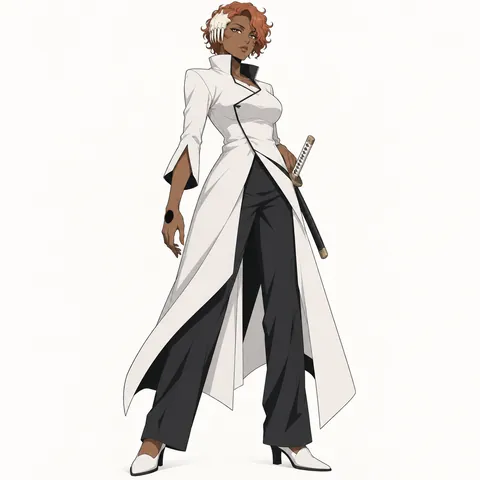
An Arrancar retains a Hollow hole and a mask remnant. Its sealed weapon holds Hollow powers that return through Resurrección, activated by a command and the weapon’s name. This is not simply a Soul Reaper Bankai with a Spanish label. Design the released form around the same underlying creature or material as the mask fragment. A comb-shaped remnant might return as a resonant ribbed guard, while a moth-like fragment might become layered wing armor. Keep the sealed and released silhouettes connected. The hole should still read clearly in the reference, and the outfit should stay fully covering and appropriate for a teen audience.
These terms describe different places in the Arrancar organization. Espada are its elite numbered members, while Números are numbered from eleven onward in the order of their creation rather than a simple strength ladder. Fracción serve individual Espada. If your character takes an elite numbered seat, define an alternate timeline or original roster so the story does not quietly replace an existing member. A Fracción character can have a rich relationship with a patron without becoming an Espada. Write the rank in the notes rather than copying a canonical number tattoo or claiming the generated name belongs to an official character.

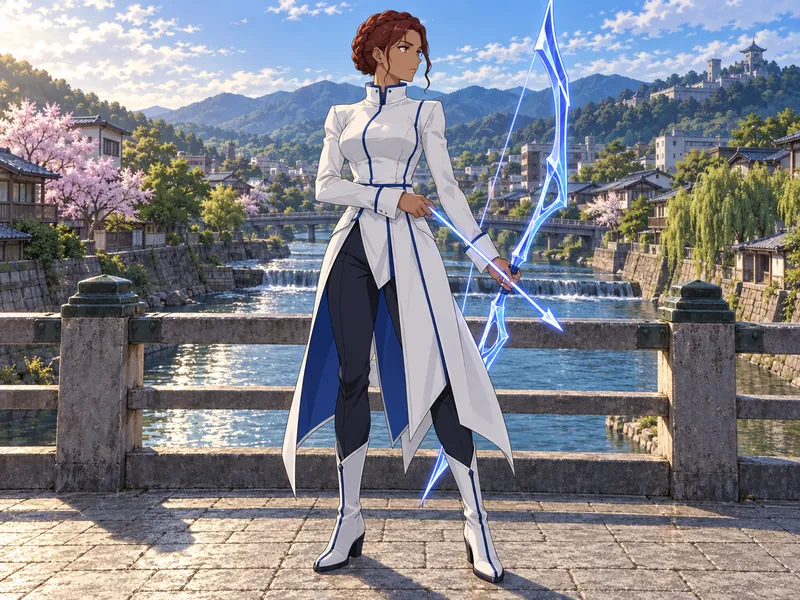
Quincy gather spiritual particles and are strongly associated with spiritual bows. The Sternritter are a specific Wandenreich group, not a synonym for every Quincy. A white uniform and a clearly visible spirit bow make an original Quincy readable at thumbnail size. Give the bow its own geometry and keep uniforms free of official crests. The name tool supplies a German-style name and a nickname; it does not assign an existing Sternritter epithet or promise a canonical Schrift. An independent Quincy can explore inherited training, conflicting duties or a cautious relationship with Soul Reapers without taking an occupied role in the main story.
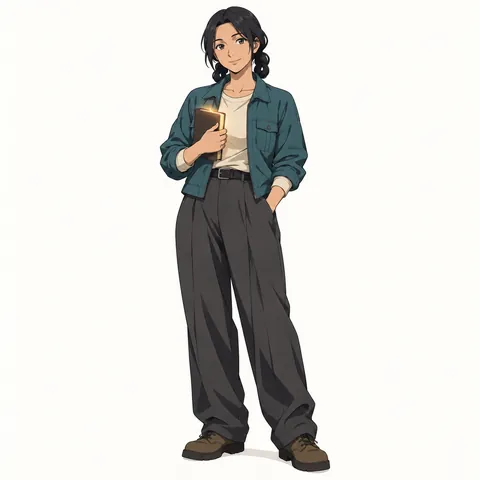
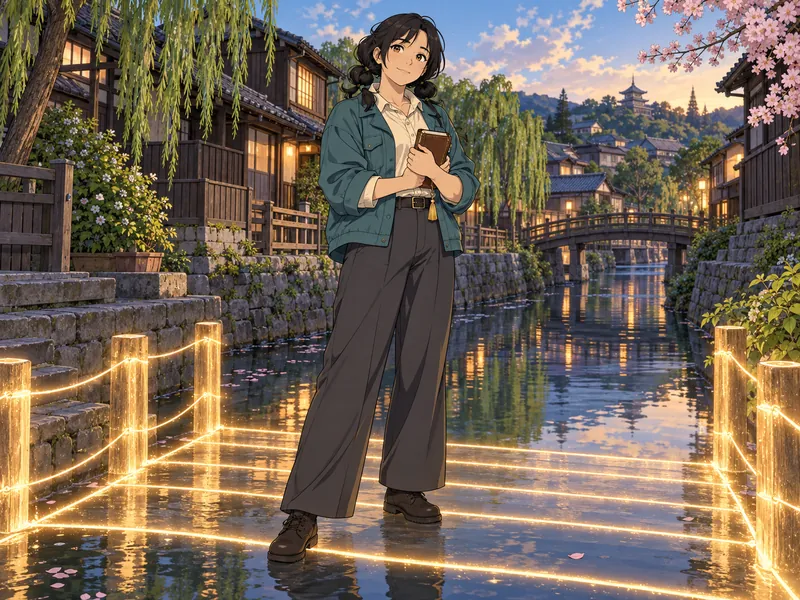
Fullbringers are spiritually aware humans who manipulate souls in physical matter. A special affinity with an object can give a Fullbring its distinctive form. That makes a treasured possession a stronger starting point than a random weapon. Ask when the character first received the object, why they kept it and what ordinary action became supernatural. A notebook might turn remembered routes into bridges; it should not also copy every unrelated power in the setting. Draw the object clearly in an everyday outfit so the character still makes sense before the effect appears. The attachment can be quiet and personal rather than a dramatic inherited destiny.
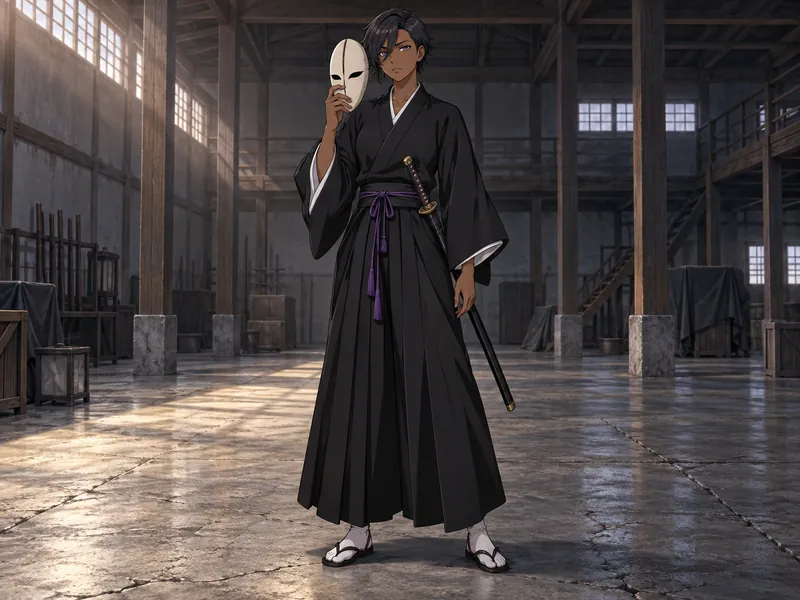
Visored are Soul Reapers who have acquired Hollow powers. Their masks are complete masks worn over the face, unlike the permanent broken fragments associated with Arrancar. Keep the black robes and Zanpakuto as the base design, then create a separate original mask pattern. A mask can be shown in the hand for a readable reference, with a second image showing it in use. Do not stack a Visored mask, a Quincy bow, an Espada number and a Fullbring into one unexplained design. If a crossover or hybrid is your actual premise, explain that exception openly and give it story consequences.
Names and releases
This on-page Arrancar name generator pairs an invented given name with an invented surname, blending sharp and flowing European sounds, then lets you choose an original Resurrección command. Pick a name and a release separately to place both on the character sheet. The full Bleach name generator below adds Soul Reaper, Zanpakuto, Quincy, Hollow and Fullbringer modes, part locks and a release-card export. Neither mixer assigns a canon identity. Say the combination aloud before you keep it, and let the release suggest a visible shape rather than a paragraph of unrelated effects.
Given name + surname; then choose a release below
A Spanish command, a named form and one practical limit.
Guide
Use this Bleach character creator as a visual notebook. The most useful first image is a clear reference with a readable outfit, not the biggest possible release effect. These five steps work whether you want a quiet seated officer or a Bleach Arrancar OC with a transformation planned for later chapters.
Write a sentence that begins with the character’s role. A Soul Reaper, an Arrancar and a Quincy approach the same street from different histories and power systems. Select that identity first, then choose a rank only if the story needs it. Decide whether you are writing within a known era or an alternate timeline. That decision prevents an accidental collision with an occupied captain or Espada position. If you want a Fullbringer, begin with the human routine and treasured object. If you want a Visored, retain the Soul Reaper base and add the complete mask as a separate state.
Reduce the design to three visible features before adding effects. For a Soul Reaper, keep the black shihakusho and sword, then add an original guard or hairstyle. For an Arrancar OC, place the mask fragment and clean Hollow hole where both can be seen. For a Quincy, keep the white uniform and spirit bow readable against the background. Avoid decorating every surface. A copper accent on an ivory coat is easier to remember than five unrelated colors and several famous accessories. Test the design at small size, because that is how readers first see a profile icon or idea card.
Choose a motif, a command and one visible result. A sword that maps echoes needs a readable sound motif, while a Resurrección should reconnect with the Arrancar’s underlying Hollow design. Do not describe only abstract strength. Explain whether the blade becomes a staff, the coat becomes layered armor or a bow creates fixed light markers. Then choose what stays the same between forms. A repeated guard shape or accent color lets the viewer recognize the character after a transformation. Use the free name tool for language-specific starting points, then edit the story around the result you actually like.
A useful limit forces a choice during a scene. Requiring stillness means someone must defend the character; requiring a visible anchor makes smoke or darkness matter. Simply saying the power uses energy does not tell a reader how it can fail. Write one situation where the technique is the wrong answer and one ordinary skill the character uses instead. A patrol member might rely on maps, patience or teamwork when the release cannot help. Keep that limit in the description so later drawings and story notes do not gradually turn the same OC into an unrelated all-purpose fighter.
Use Plain background and a full-body output to check the mask, sword, uniform and palette. Save the name and technique notes separately from the image. Then make a second composition in Seireitei, Rukongai, Karakura Town or Hueco Mundo, keeping the same identifying details. Look for accidental insignia, misplaced holes or a hairstyle that resembles a famous cast member. If the result changes an important feature, correct the description before drawing again. A good character sheet tells another artist what must remain consistent and what they can interpret freely, including the difference between a sealed form and a released form.
Other fandoms
Tools
FAQ







Sign up for 10 bonus credits and make your first OC free.