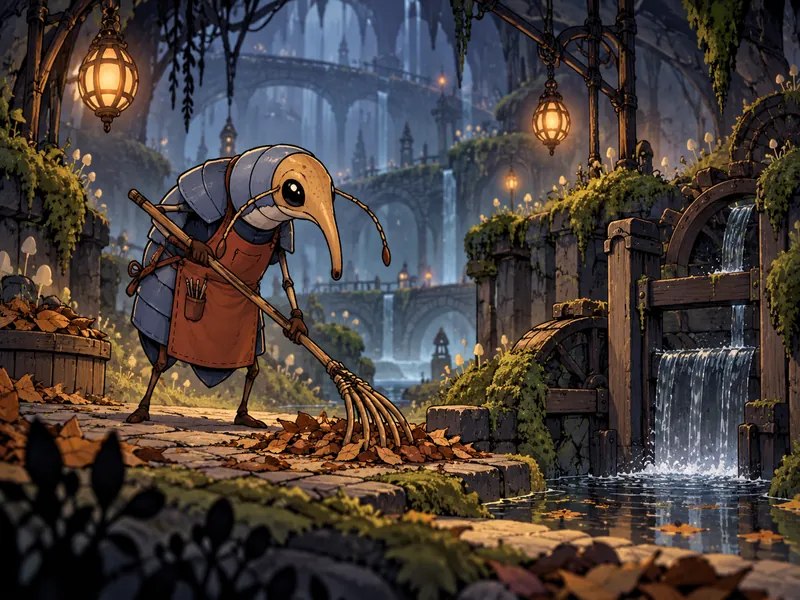
Silt Spindle
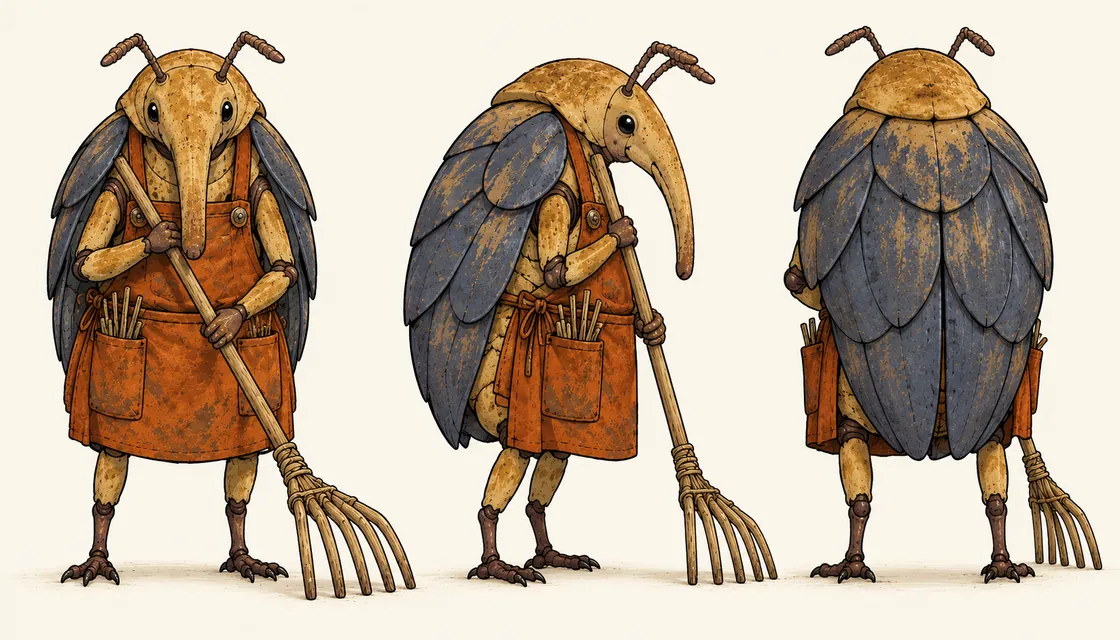
Weevil- clears the old sluice
- reed rake, worn grip
- afraid of loose steps
This Hollow Knight OC creator starts with a bug, a useful tool, and a reason to keep going. Choose an original body plan, shell, and weapon, then give your traveler a place in Hallownest or Pharloom. Mix names for free below.
Ideas
Use an idea to load its body, palette, setting, and equipment into the maker, then change the detail that matters to your story. These are fan concepts, not missing characters from the game. A task gives each silhouette a purpose: a long snout reaches a narrow gap, a folded wing protects a parcel, and a sturdy shell makes a good place to brace a work strap. Keep one useful strength and one ordinary inconvenience when adapting a card.

Art styles
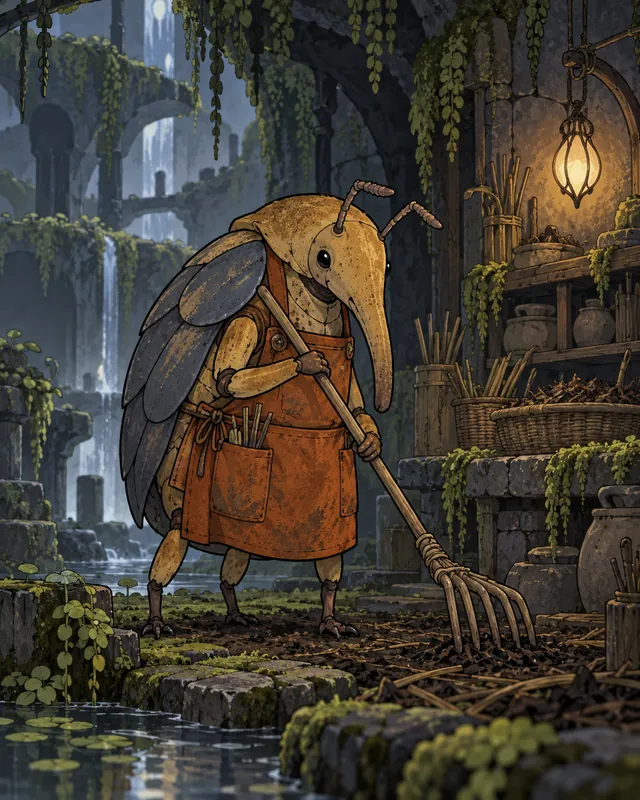
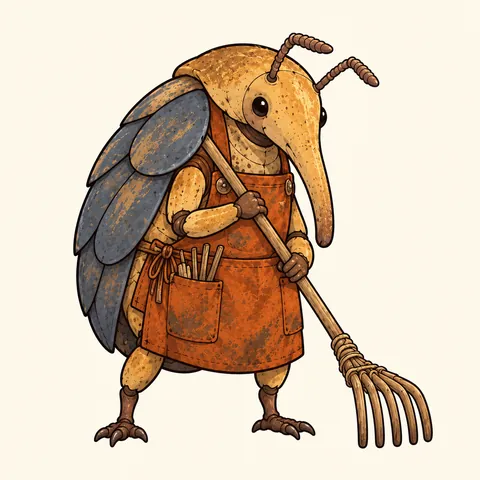
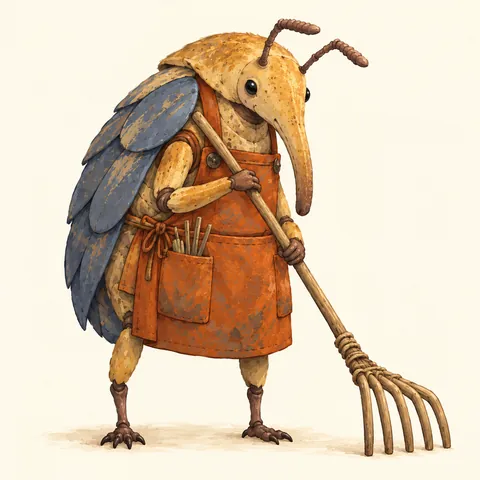
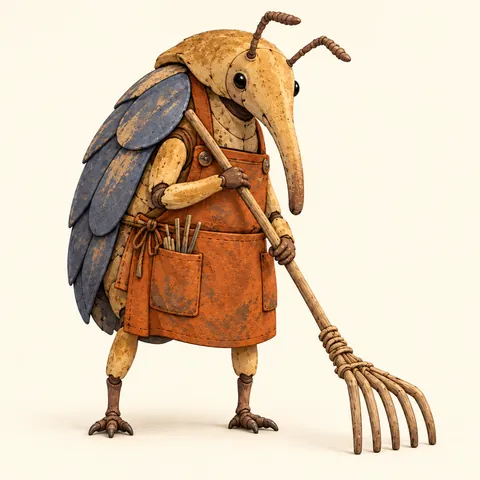
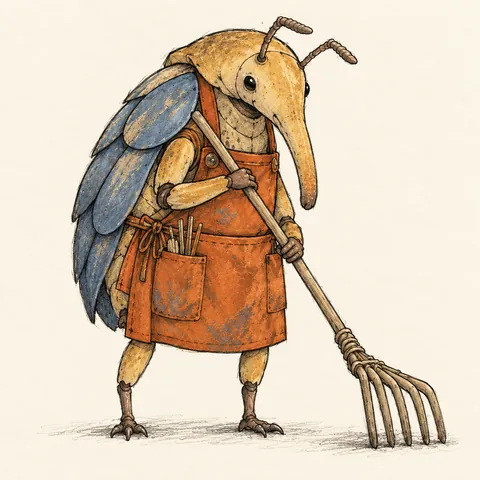
Silt Spindle keeps the same long ochre snout, blue-gray segmented shell, rust apron, and reed rake across every treatment. The home look is hand-drawn 2D game illustration with soft lighting. Chibi changes proportions, painted art changes surface detail, and 3D changes how light meets the shell. None should quietly replace the character with a white mask or a different insect. Compare the snout curve, apron pockets, shell silhouette, and rake before keeping a result.
Know the rules
A convincing fan character uses the world as a starting point while leaving its central mysteries alone. The body choices here are design prompts inspired by real small creatures, not an official list of playable species. Hallownest is the first game’s fallen kingdom; Greenpath, the Fungal Wastes, Crystal Peak and the City of Tears belong to that setting. Pharloom is the separate kingdom explored in Hollow Knight: Silksong. Decide where the story happens before mixing location details.
Sources: Hollow Knight Wiki: Nail; Hollow Knight Wiki: Charms; Hollow Knight Wiki: Silksong
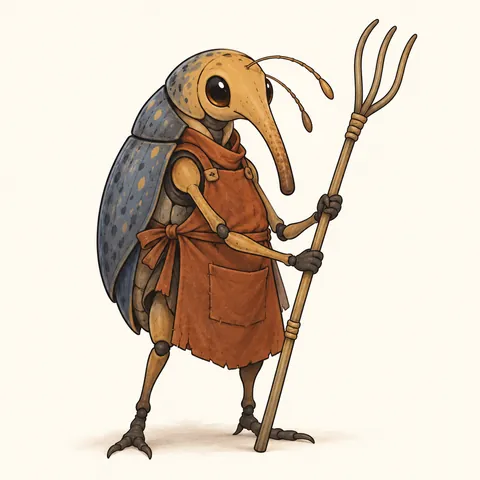
The weevil option creates a face that cannot be mistaken for a two-horned white mask. Keep the snout blunt and leave space between it and any carried tool. A broad shell and short step suggest a patient worker rather than an agile swordsman. Decide how the character eats, looks sideways, and reaches a high shelf before adding another accessory. These physical details create useful scene problems. A snout is anatomy, not a weapon attachment, and it does not need to grant a magical power.
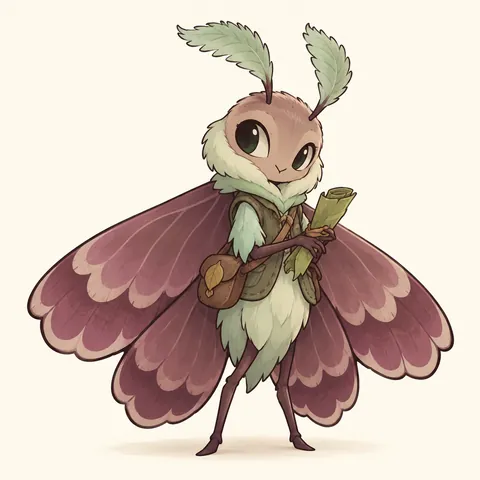
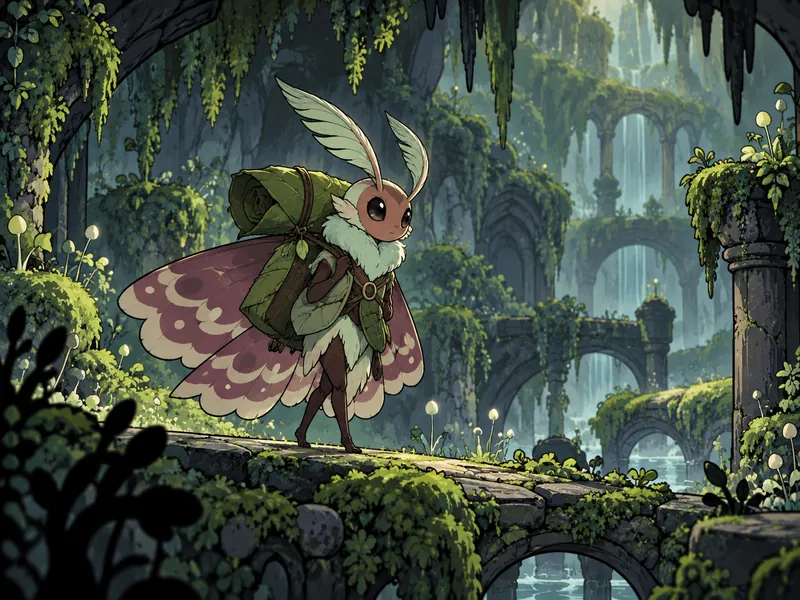
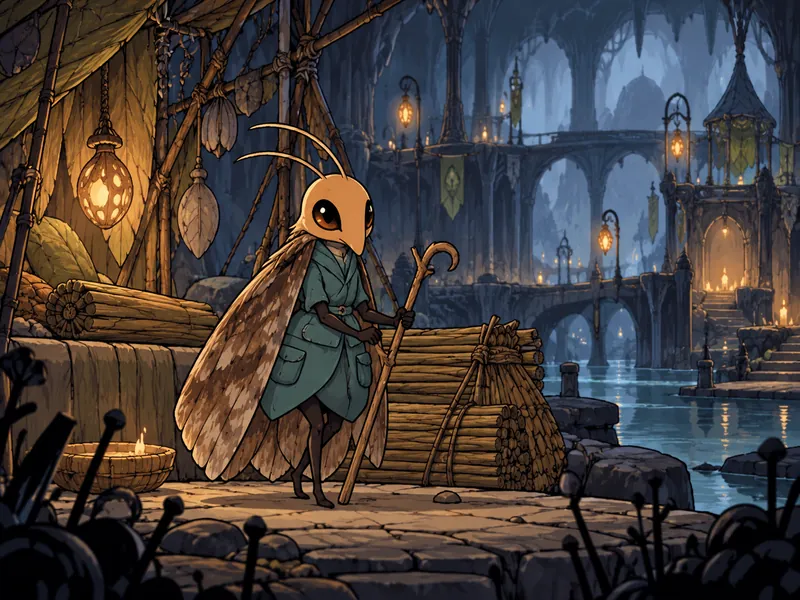
Choose soft scallops, short antennae, and a quiet palette to separate an ordinary moth traveler from the game’s famous luminous imagery. Avoid a crown, a sunlike halo, or a huge white wing arrangement. Wing size affects clothing: a vest with an open back makes more sense than a tight coat drawn across the wing roots. Describe whether your moth glides, flutters briefly, or mostly walks. This is your fan interpretation, so give the movement a clear limit instead of presenting it as a rule for every moth in the setting.
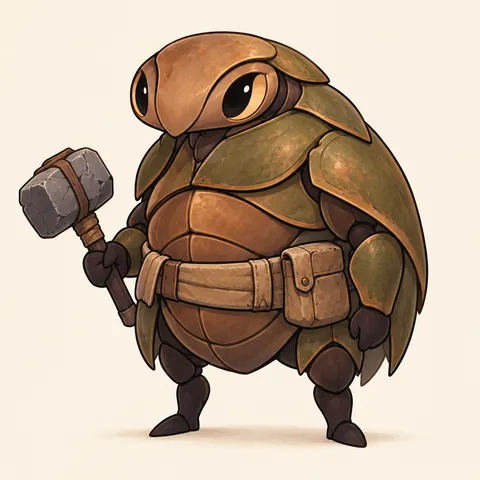
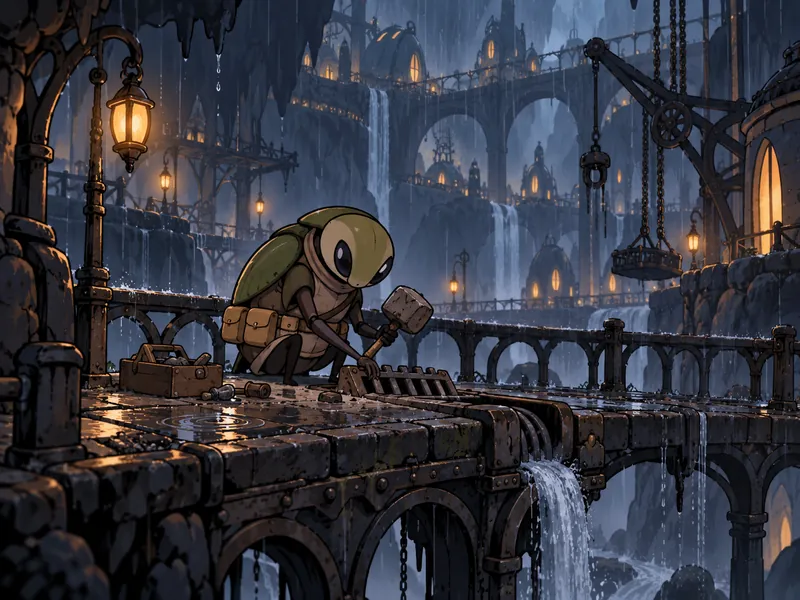
A beetle can feel solid through a low center of gravity and broad shell plates. Use a modest tool with a believable grip rather than a huge club that suggests a recognizable warrior. A flat oval head, copper face and olive shell keep Rivet’s design distinct. If the shell is armor, say what remains exposed and how the bug turns around. Heavy protection should affect movement. A repairer who needs time to climb a stair has a more usable story limitation than an invincible fighter with a decorative crack.
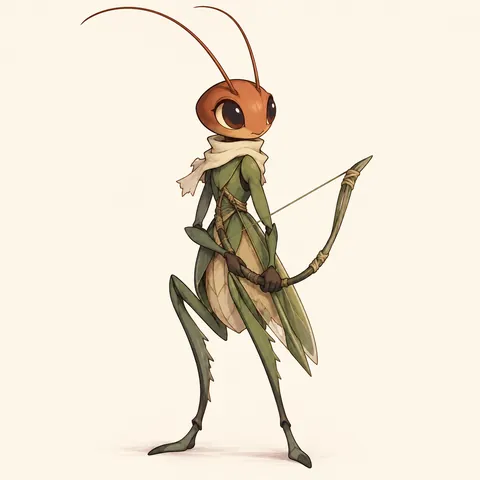
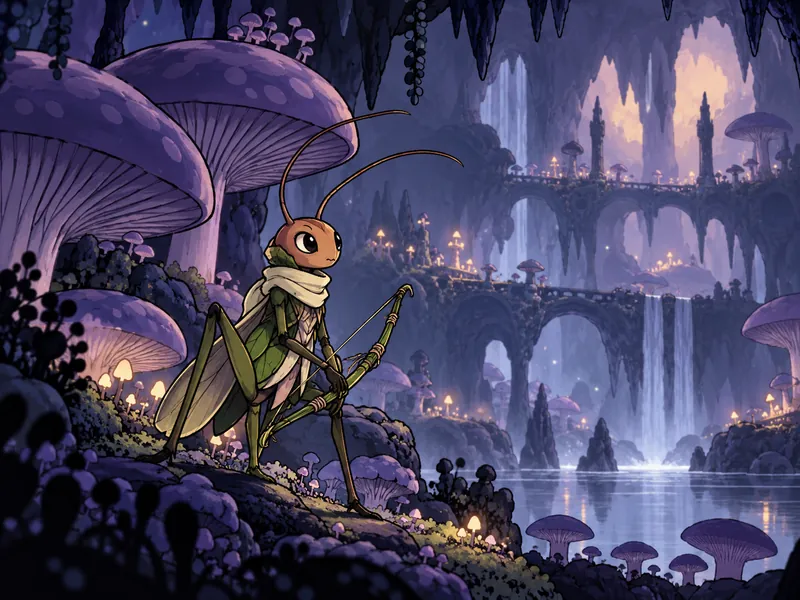
The cricket’s folded hind legs should read clearly even in a small thumbnail. Give them enough room below the shell and avoid long arm blades that resemble the Mantis Lords. A grass bow, sounding rod, or small sling fits a scout who needs information before crossing a gap. Keep each action readable: prepare, plant the feet, then release. If the character can jump far, make landing precision or low ceilings a genuine problem. Speed alone should not solve navigation, combat, and conversation all at once.
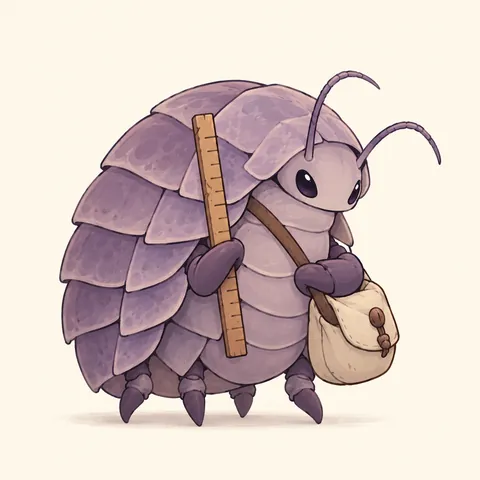
An isopod is a crustacean in real biology, so this option is deliberately called a body plan rather than a strict insect species list. A rounded segmented dome, short feet, and low height create a different rhythm from the upright wanderer silhouette. Keep the face visible and decide where a satchel hangs when the body bends. Shale’s measuring stick gives the hands a purpose without forcing a battle role. Check that each shell segment continues logically in side and back views instead of becoming unrelated armor pieces.
A mask can be an asymmetric leaf visor, a low cheek guard, or a flat pebble shape with offset eye openings. Avoid rebuilding the Knight’s head through tiny changes to horn length. Charms are equipment with notch costs in the game, and Soul supports healing and spells; a custom charm or spell should be labeled as a fan invention. State its trigger, useful effect, and failure condition. For example, a small light that helps inspect a drain could fade while the wearer moves. Do not treat every bright crystal, memory, dream, and Soul effect as the same substance.
Names and weapons
Mix descriptive fan names from a material and a small object, then click one to fill your sheet. Need ideas for Hollow Knight weapons for OCs? Choose a working tool with a drawback beside the mixer. Both tools run locally and are free without sign-up.
Material + small object
Click a design to add it to your sheet. These are original fan tools, not canon equipment.
Guide
Start with a character who could hold a short conversation at a resting place. A memorable design needs a readable shape and a reason to be there before it needs a secret bloodline or a world-changing power. This five-step process works for a drawing, a roleplay profile, or a reference sheet made with the Hollow Knight character creator. Save the written choices as well as the picture so an artist can distinguish intentional details from accidental image changes.
Pick Hallownest or Pharloom first. Then choose a problem small enough to describe in one sentence: a blocked drain, a parcel that must stay dry, or a passage too narrow for a loaded shell. Greenpath suggests overgrowth, the City of Tears suggests rain and stone architecture, and Crystal Peak suggests a crystalline environment. These are visual starting points, not proof that your invented job exists in canon. Give your bug a destination and one reason to postpone leaving.
Draw the head, main shell, and support beneath it as separate shapes. A weevil might be a long snout, a broad oval shell, and short sturdy legs. A cricket uses a smaller head and larger folded hind legs. Test the silhouette without color or accessories. If it still looks like a named character, change the body plan before adding decoration. Specify limb count and wing attachment in Extra details when the default tile does not describe your idea closely enough.
A weapon needs a useful action: hooking, tapping, pushing, guarding, or striking. Decide the handle length, grip, and storage position so the tool can be carried without passing through the wings. Then write a limitation that changes a scene. A seed sling needs space, a leaf guard suffers in rain, and a short nail cannot reach across a wide gap. If you add a charm, explain which problem it helps and which problem remains. Use the weapon bench to start this sentence.
Choose a natural face or sketch an original mask before selecting colors. Avoid the familiar combination of a black void body and a pale two-horned mask. An ochre leaf visor or an open copper cheek guard can suggest protective equipment while preserving the bug underneath. Use a shell color and a cloth color that remain distinguishable in shadow. Keep one repeated detail, such as a wrapped grip or a bent apron corner, rather than adding symbols to every surface.
Use the name mixer, edit the name if needed, and select a reference sheet when you want several views. Compare the hands, shell joints, wing roots, tool position, and feet before sharing. Write down one ordinary habit and one choice the bug regrets. A quiet repairer can be stubborn; a skilled courier can lose their sense of direction. This final check turns an attractive image into a character another person can recognize and write consistently without having to guess the hidden rules.
Other fandoms
Tools
FAQ


Sign up for 10 bonus credits and make your first OC free.