
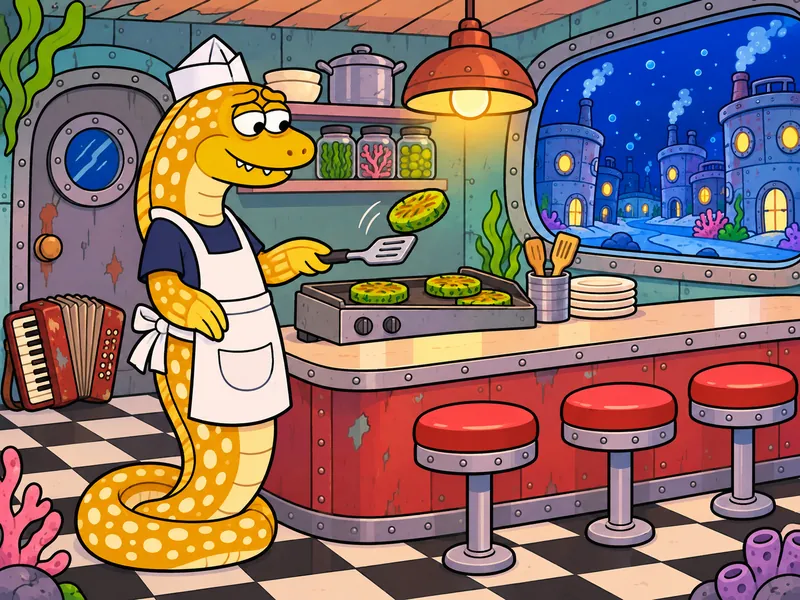
Merle the Moray
Moray eel- Flips kelp cakes until 3 a.m.
- Grumbles, then gives free refills
- Plays accordion on his break
This free SpongeBob OC creator builds a brand-new Bikini Bottom resident. Pick a real sea creature, give them a job at an original local business, move them into an object-shaped house and choose the habit the whole street knows them for. Your SpongeBob OC comes out in the show’s flat, wobbly-outlined cartoon look as a portrait, a full-body drawing or a reference sheet.
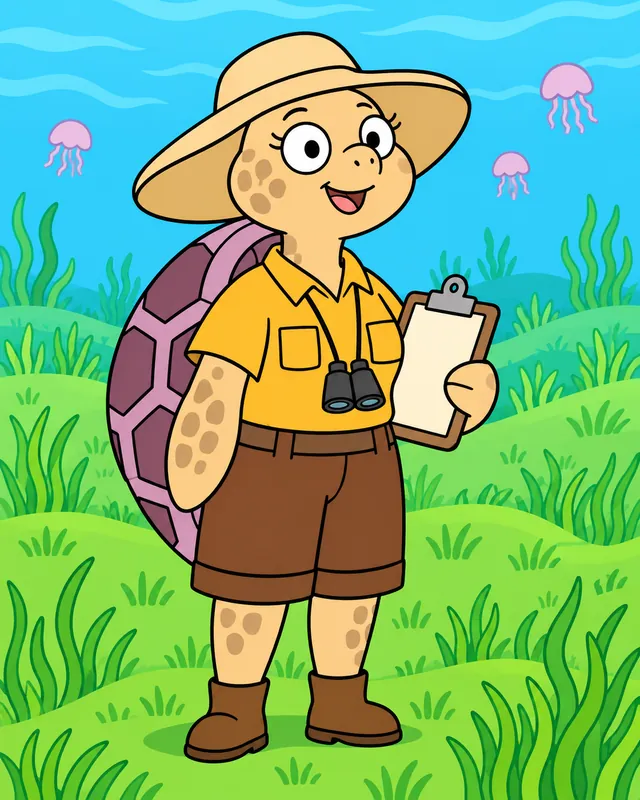
Ideas
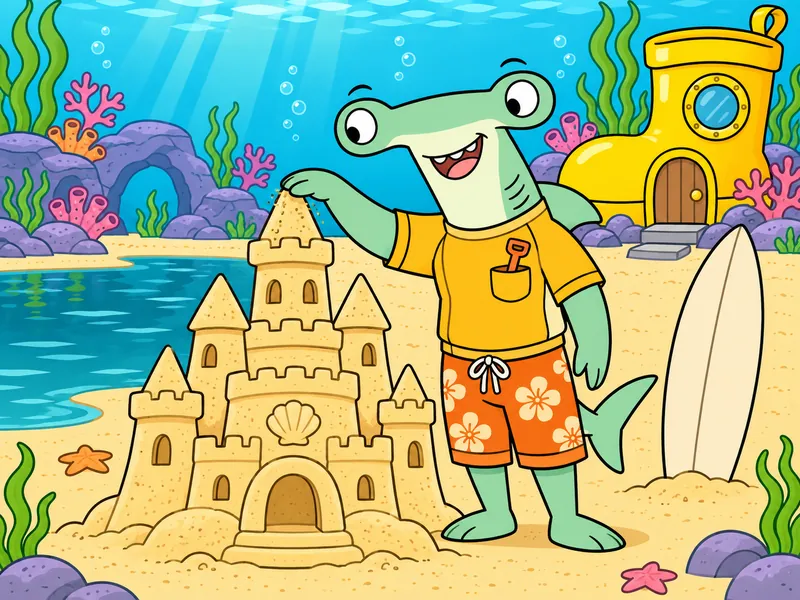
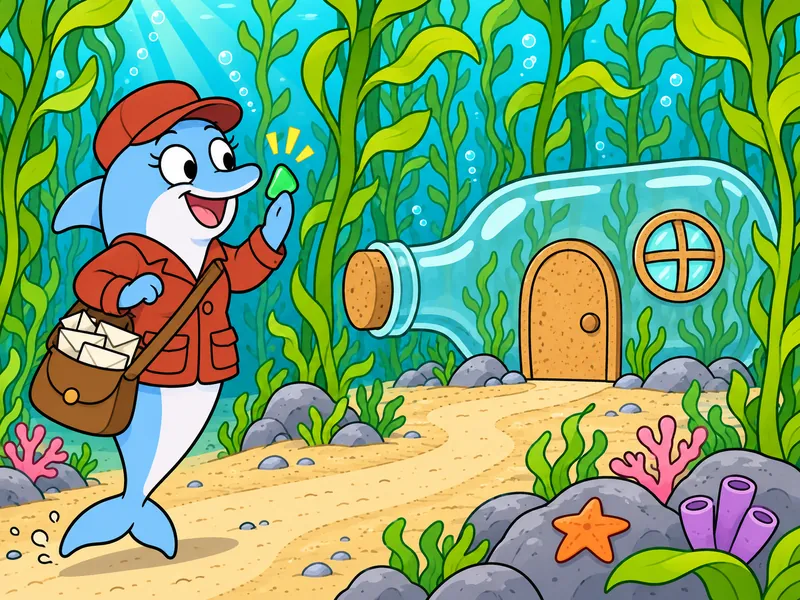
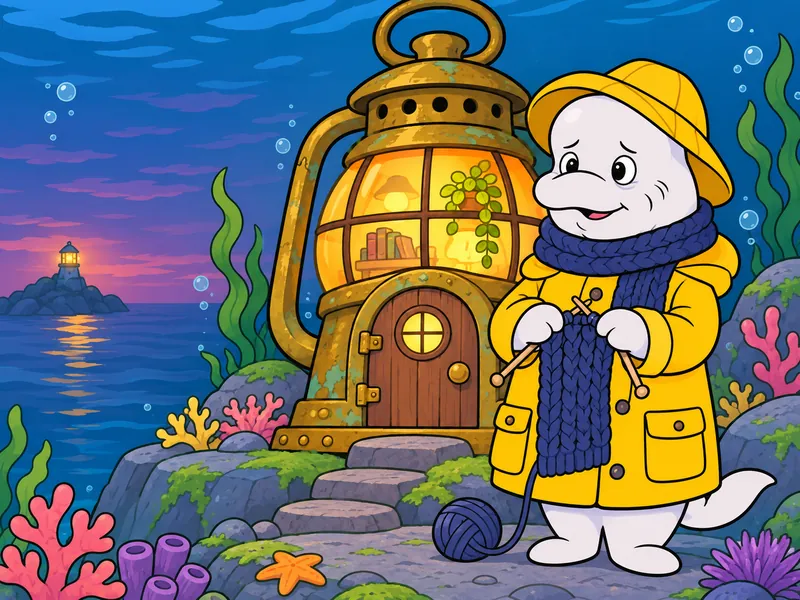
Each SpongeBob OC below has a sea creature, a job, a house and one habit that makes the neighbors talk. Press Use this idea to load the whole set into the generator, then change the colors, the house or the hobby until the character feels like yours. None of them is a renamed canon character, and none works at the famous restaurants. They run their own small businesses, the way the show’s background townsfolk do.
Know the rules
SpongeBob SquarePants was created by Stephen Hillenburg, a marine science educator, so its town is built from real ocean animals with very human problems. Residents walk upright, wear clothes, hold jobs and live in houses made from things that sank from the surface. A few sea animals are treated as pets or wildlife instead. Knowing which is which helps your SpongeBob OC feel like a neighbor rather than a visitor.
Sources: Wikipedia: SpongeBob SquarePants; SpongeBob Wiki: Bikini Bottom; SpongeBob Wiki: Jellyfish Fields
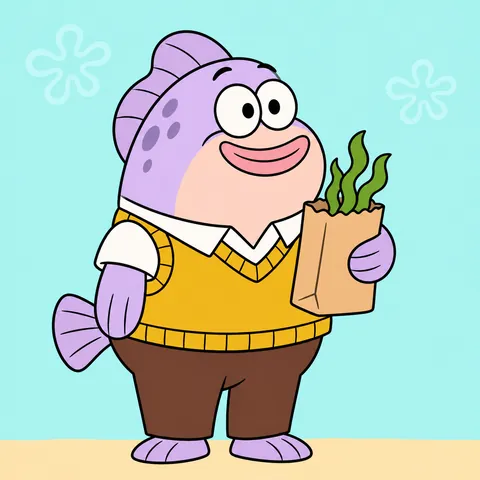
Fish fill the bus seats, the beach towels and the restaurant booths of Bikini Bottom; the fan wiki files well over a thousand characters under its Fish category. A fish OC fits in right away, which is exactly why it needs one detail of its own. Pick a body shape first (tall and thin, round, flat, long-nosed), then a lip shape, a fin color and an outfit that says what the character does all day. Steer clear of the famous background regulars: the brown grouper Fred in brown pants, the spotted cyan dogfish Harold and the yellow-tan herring Nat Peterson. A lilac fish carrying groceries reads as new; a brown grouper in brown pants reads as Fred.
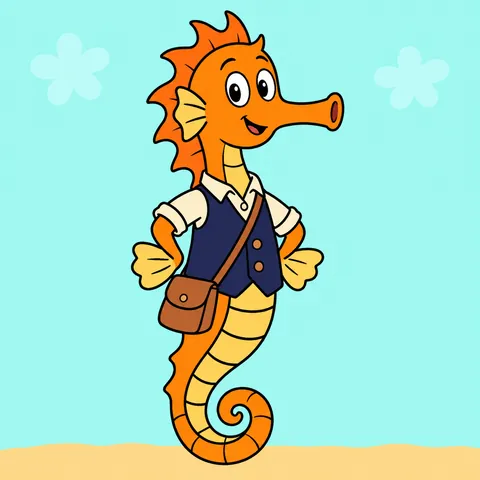
In the show, not every animal talks. Seahorses are ridden like horses, jellyfish buzz and live in hives like bees, clams and scallops flock and crow like birds, snails meow like cats and worms bark like dogs. SpongeBob’s snail Gary is a pet, not a roommate. You can still make a seahorse or jellyfish person who holds a job and pays rent; plenty of fans do. Just treat it as your own twist and say so in the bio. It also opens up good story hooks, like a seahorse resident who keeps getting mistaken for a ride, or a clam watcher who records bird calls that are really clam calls.
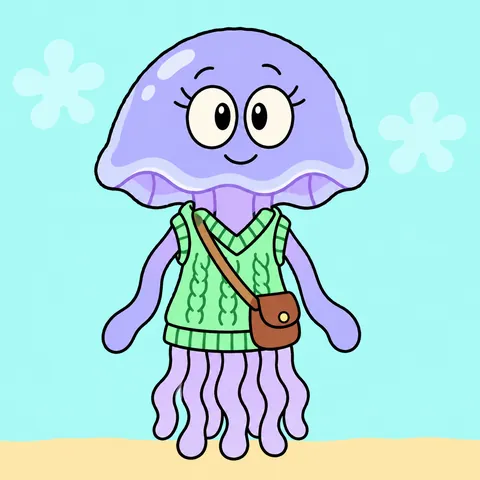
Jellyfish Fields is a rolling sea meadow on the edge of town where more than four million jellyfish live in hives. It stretches about 50 miles, and once a year, for three days, the Great Jellyfish Migration brings visiting jellyfish from all over the world. Jellyfishing, catching a jellyfish in a net and letting it go, is a real hobby in town with its own gear and conventions. That gives an OC plenty to do: a park ranger who counts hives, a net maker, a migration tour guide, or a jellyfish person who is tired of being chased. Keep the jellyfish themselves cute and buzzing rather than scary.
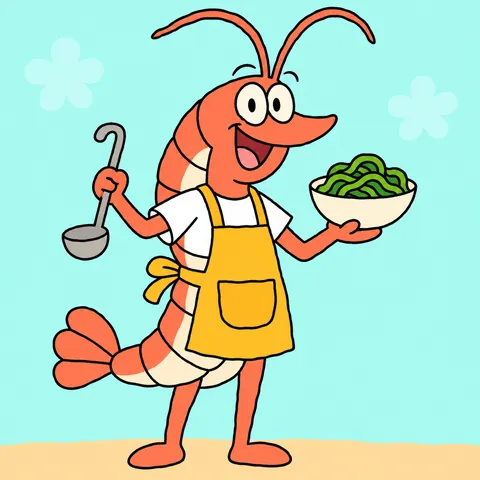
The main cast is defined by work and home: a fry cook in a pineapple at 124 Conch Street, a cashier in a stone head, a restaurant owner in an anchor. The pineapple even has a backstory, since it fell off a ship above the sea. Downtown residents live in tall, dented metal houses that look like car mufflers, while the suburbs collect odder objects. Give your OC an original employer, such as a noodle stand, a smoothie cart or a boat repair garage, and a house shaped like something that could sink. A teapot, a coffee pot and a barrel are already canon homes, so this page offers boots, radios, lanterns and lunchboxes instead.
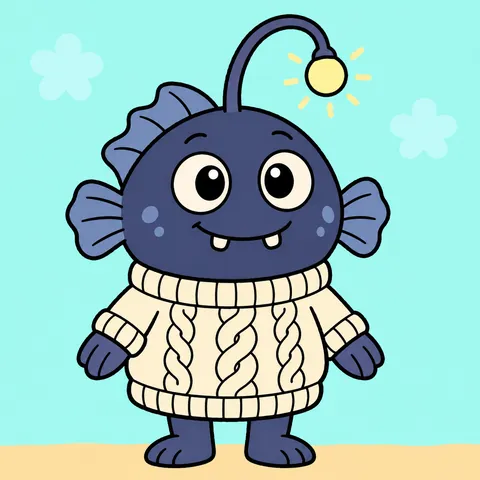
Rock Bottom is a small city at the bottom of a deep-sea trench below Bikini Bottom. The road down is completely vertical and normally only buses use it. Sunlight does not reach the streets, so everything is dark apart from a few lamps, and most residents glow on their own. That makes it the natural home for an anglerfish, a lanternfish or a blobfish OC. Keep the mood cute-creepy, not scary: a glowing lure can be a reading lamp, and a big-toothed grin can belong to the friendliest mail carrier in the trench. A Rock Bottom OC who moves up to the bright town makes a strong fish-out-of-water story.
Names and quirks
SpongeBob names follow three easy patterns. Many residents pair a plain first name with a sea surname: Patrick Star, Sandy Cheeks, Eugene Krabs, Johnny Krill, Barry Blobfish. Others are named for what they are: Larry the Lobster, Gary the Snail, Flats the Flounder, Stan the Manta. The rest hide a sea pun inside the first name: SpongeBob, Squidward, Squilliam Fancyson, Perch Perkins, Bubble Bass. The mixer below follows all three, and every pairing has been checked against the fan wiki’s character list so it does not repeat a canon name.
A plain first name and a sea-pun surname.
Every resident has one habit the whole street knows about.
Guide
The best SpongeBob characters are simple shapes with big personalities and one running joke. Follow these steps in order and you will end up with a resident who could wander into the background of an episode and still be recognizably yours.
Start with the animal, because the show builds every design from one. Choose from the picture tiles or the chips, then decide on a simple overall shape: round, tall, flat, long or lumpy. The main cast is easy to spot from across a room because each one is a single clear shape, so aim for the same. If you choose a sponge, sea star, octopus or crab, change the silhouette as well as the color: a tube sponge, a many-armed sunflower sea star, a dumbo octopus with ear fins or a hermit crab in a found-object shell all read as new at a glance.
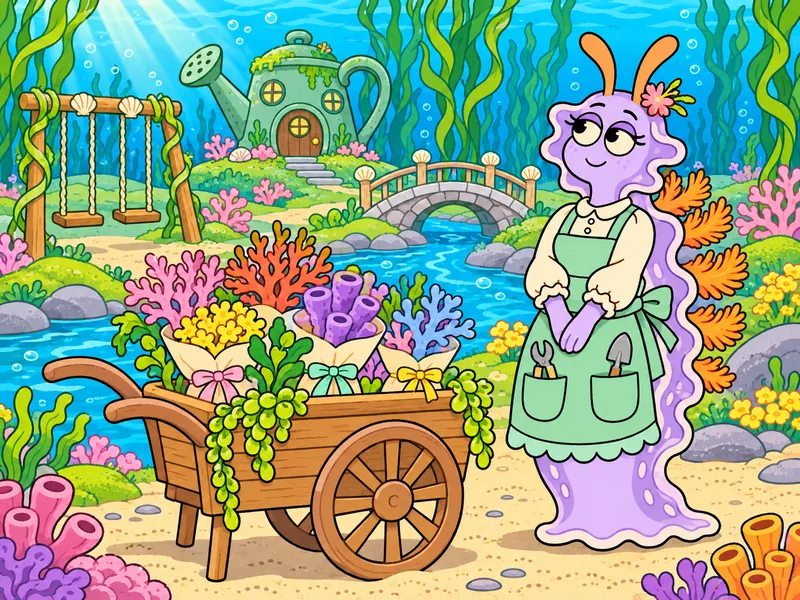
Almost every Bikini Bottom character is introduced by what they do: fry cook, cashier, boating teacher, restaurant owner. Pick a job from the chips or write your own in the details box. An original small business works best, such as a seaweed noodle stand, a coral flower cart or a boat repair garage. If you want your OC to work at a famous restaurant, keep that as fan backstory in your own notes and let the image show an original apron and hat with no logos, so the drawing stays your character rather than a uniform.
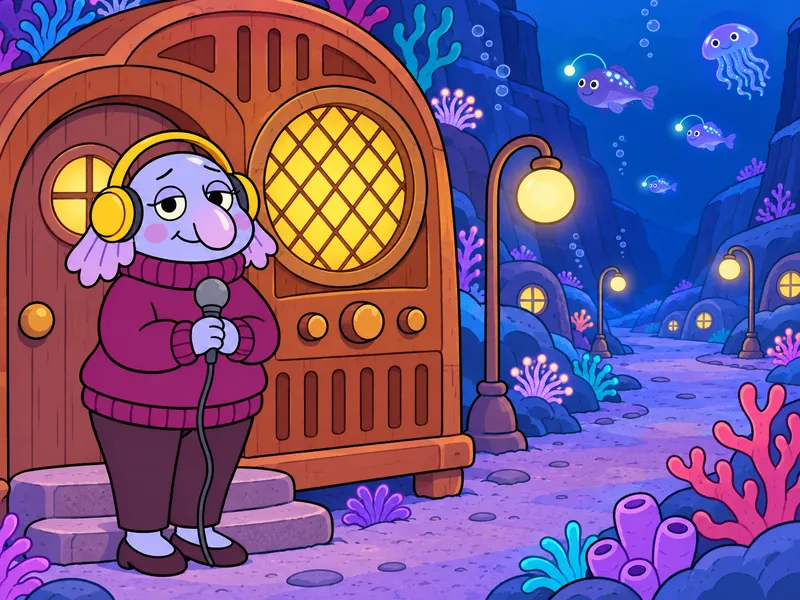
Houses in the show are giant objects that sank from the surface: a pineapple, a stone head, an anchor. Give your OC something with the same energy that is not already taken. A teapot, a coffee pot and a barrel are canon homes, so try a rubber boot, a tin can, an old radio, a lantern or a lunchbox. Pick one that says something about the owner: a mail carrier in a message bottle, a radio host in an old radio, a lighthouse keeper in a lantern. Choose Their front yard as the background if you want the house in the picture.
Pick one strong personality trait, then a hobby that pulls against it or doubles down on it. A shy blobfish who secretly wins karaoke nights is funnier than a shy blobfish who stays home. Then choose a signature quirk from the list or write one: something visible that the neighbors could recognize from a distance, such as tiny binoculars, a dented accordion or a pocket watch. Running jokes are the heart of the show, so one quirk used often beats five quirks used once.
Leave the art style on its first option to get the show’s flat, wobbly-outlined cartoon look; the other styles turn the same SpongeBob OC into a chibi, a painted, a 3D or a pencil version. Pick a full-body drawing to show the outfit and silhouette, a portrait for an icon, or a reference sheet when you want front, side and back views. Read the result against your choices: right animal, right colors, no extra characters, no signs or logos. Adjust one field at a time and generate again until it matches.
Other fandoms
 The SimpsonsOC Creator
 BlueyOC Creator
 ZootopiaOC Creator
 MermaidOC Creator
 AnimalOC Creator
 Total DramaOC Creator
Tools
FAQ







Sign up and your first pack comes with 100 bonus credits.