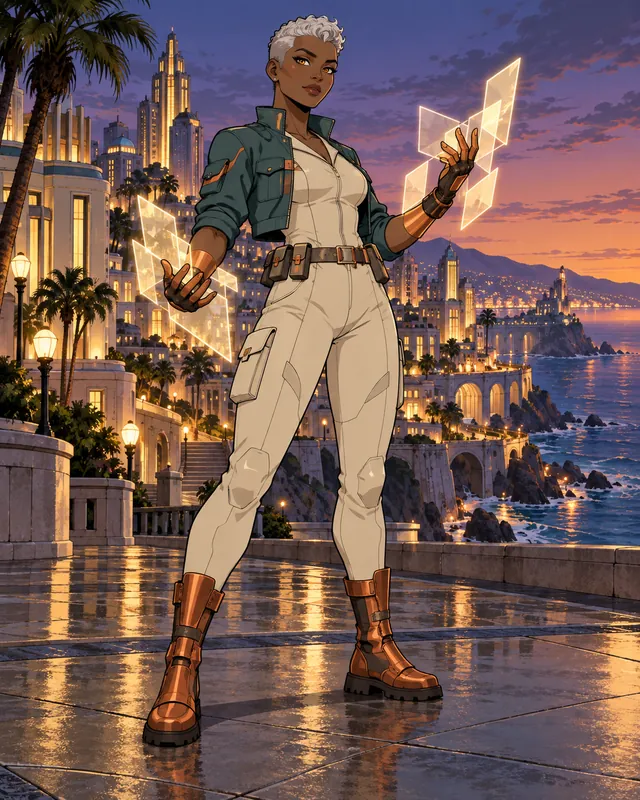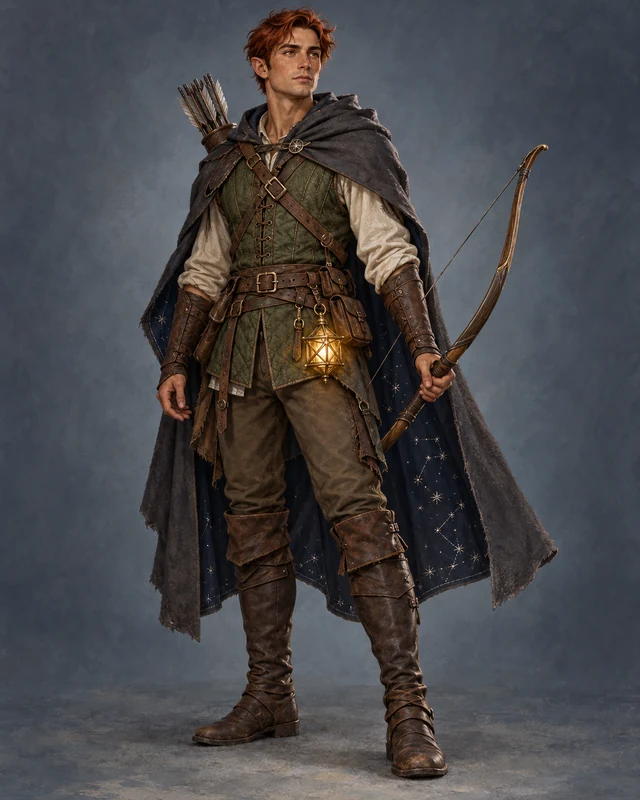
01 / The hook
They can fix almost anything except a promise they made
Turn a blank page into a character with something to want, something to hide, and a reason to act. This OC idea generator deals a full concept across seven cards: hook, role, world, flaw, want, visual motif, and twist. Keep the parts you love, swap the rest, then combine your OC ideas into one readable paragraph. Everything in the deck runs locally and is free with no sign-up.
A little friction makes a story.
Fan modes carry your draft to a dedicated creator. Review its species, powers and world rules there.
The concept deck
Fantasy / cozyThey can fix almost anything except a promise they made
bridge gardener
a valley of bridges grown from living trees
they confuse being useful with being liked
restore a neglected community space
copper loops and moss-green patches
the person they hoped to impress needs their help instead
A first concept is dealt. Keep the cards that spark something.
Text rolls stay in your browser. Drawing opens a separate image tool with its own credits and availability.
Favorite a concept to keep it on this browser. Export a copy before clearing browser data.
SIX STARTING POINTS
These illustrated concepts range from everyday discoveries to a disgraced heir confronting a broken oath. Choose the intensity that fits your story, from Cozy to Adventure or Dramatic. Each card loads a complete spread, so you can keep its central tension while changing the world or visual direction. The pictures are examples of original designs, not promises about the result of the separate image generator. Start with the idea that makes you imagine a scene, rather than the one with the most impressive powers.
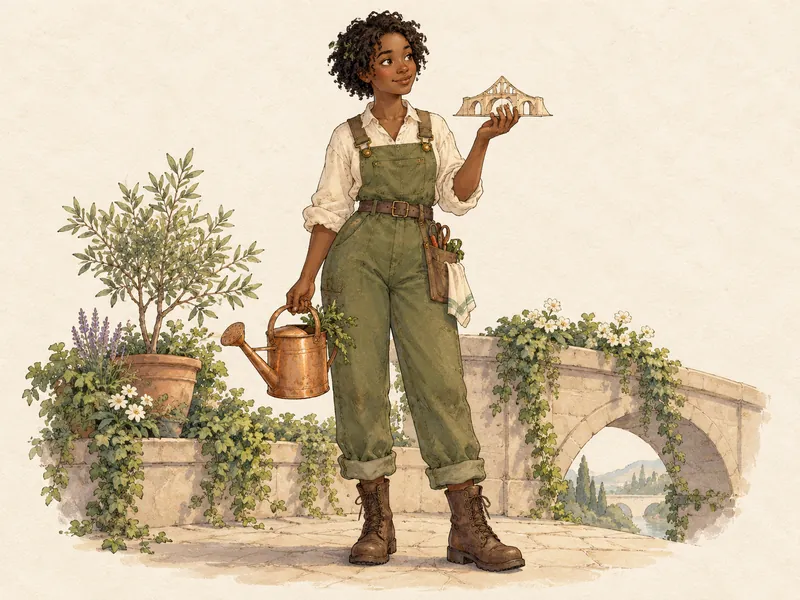
A young bridge gardener tends living crossings that connect a valley. Their copper watering can and moss-green overalls make the job readable before the story begins. They want to reopen a neglected crossing, but they confuse being useful with being liked and accept every repair request. The neighbor they hoped to impress actually needs help learning the craft. Begin with a broken railing and an appointment they cannot keep. The conflict can remain small while the choice feels important: admit the delay, ask for help, and share ownership of the finished bridge.

An acoustic mechanic hears a different rhythm in the station ventilation and starts keeping a maintenance notebook. Plum workwear and mint ear defenders establish a quiet technical identity; a plain tuning fork is more memorable than an oversized weapon. They want to improve daily life for the crew, but offer explanations before listening to complaints. The overlooked skill belongs to an apprentice who knows where people actually sleep. Their first scene might be a small disagreement over a humming vent. Keep the solution practical enough that teamwork matters more than a spectacular invention.
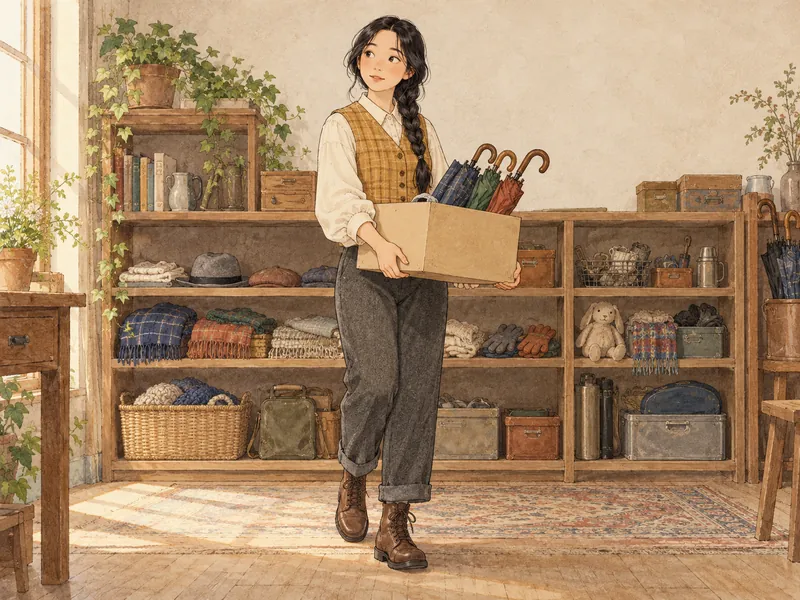
A lost-property archivist sorts umbrellas in an ochre checked waistcoat and charcoal trousers. They notice repairs that reveal how often an object has changed hands. Their goal is to return an umbrella without claiming a reward, yet they cannot leave an unfinished puzzle alone. The owner asks them to share it instead. That turn changes the mystery from identifying a person into understanding a habit of generosity. Give the character a sensible reason to keep records, then let one missing entry bother them enough to leave their comfortable desk and talk to a stranger.

An exiled heir returns to a border citadel carrying the two halves of a wooden oath token. Silver curls, an aubergine coat, and copper stitching give them a distinct silhouette without a crown or borrowed emblem. They broke a promise to protect someone who now calls them a traitor. Their goal is a fair hearing, not revenge, but they keep deciding what others can bear without asking. The rival they distrusted becomes their only willing witness. Load this Dramatic spread to explore a public confrontation where telling the truth may cost the heir their last comfortable version of the past.

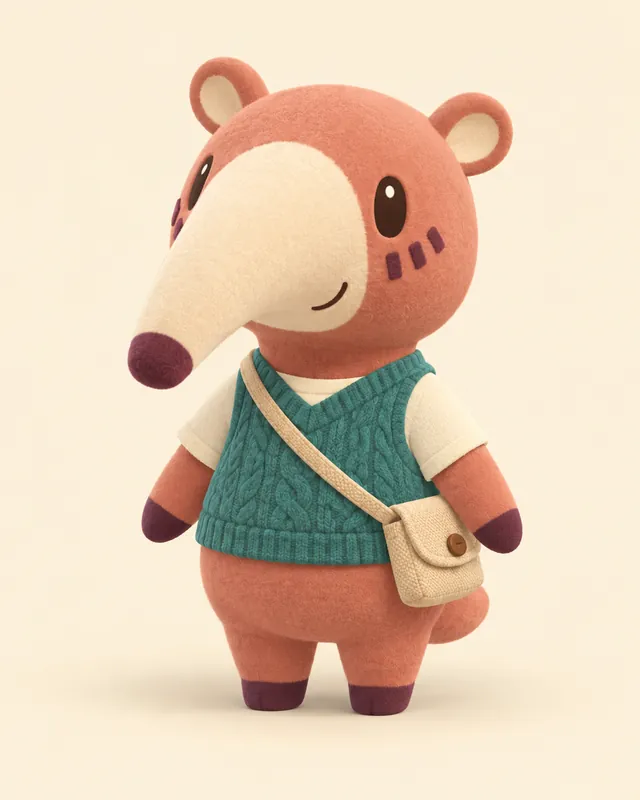
A peach-colored, round-faced cat sorts parcels in a tiny pastel station. Cream cloud markings and a little teal satchel make the silhouette readable at a small size. This is an emoji-cat-inspired design exercise: simplified shapes, expressive eyes, and a compact palette, rather than an official emoji or a fixed species rule. The cat keeps finding useful things in the wrong place and wants to welcome a newcomer. Their impatience with beginners makes that difficult. A difficult delivery turns out to be an awkward attempt at friendship, giving a short comic a clear setup and a gentle payoff.
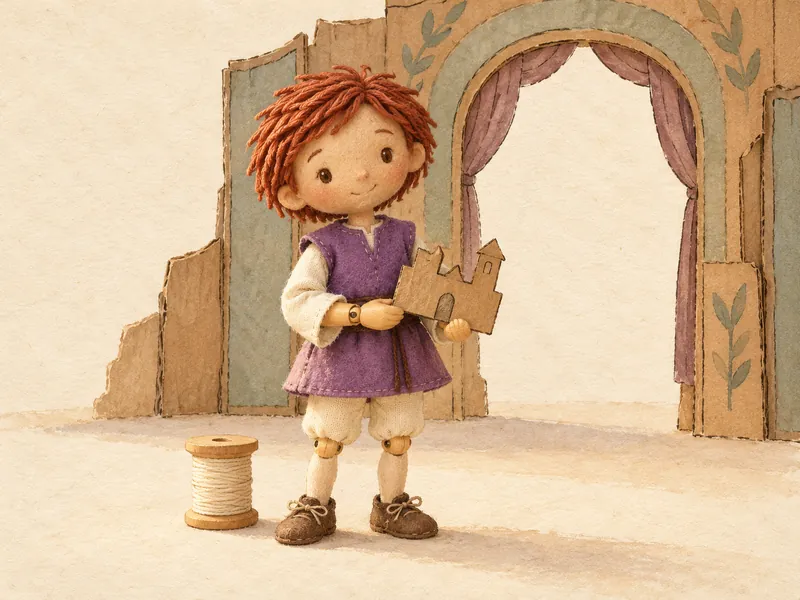
A small felt doll makes stage props from offcuts in a miniature theater. Violet clothing, pale wooden joints, and a cloth spool tell you how they are constructed. They want to finish a gift before another performer moves away, but focus on details until the deadline becomes a problem. The recipient treasures an early unsuccessful attempt, changing what a finished gift needs to mean. Keep their scale visible with a spool or thimble beside them. A doll concept becomes stronger when materials affect behavior: a stiff joint might make elaborate gestures difficult, while a soft pocket can hold an unexpected keepsake.
Need a full randomized character sheet instead? Try the random OC generator.
Idea sets
A theme changes the roles and places in the deck. It does not decide the character’s morality, age, identity, or entire life. Cozy tension cards stay grounded in everyday choices. Adventure and Dramatic use separate hooks, roles, flaws, wants, and twists, plus higher-stakes settings matched to the selected theme. If you switch themes, role and world locks reset to prevent a mismatched setting; the other cards you have locked remain yours. Use the optional fandom destination when you are ready to check a concept against a particular world.
Start with work someone must actually do: keep lamps lit, repair maps, grow a bridge, or learn how local weather behaves. A magical setting becomes convincing when a character has obligations inside it. Give the strange detail one clear limit and let ordinary relationships carry the conflict. A gardener who needs help is easier to write than an all-powerful ruler with nothing to lose. Keep the world card when it suggests several scenes, then swap the want until it creates a specific decision.
Stations and research ships provide distance, shared resources, and limited space. The deck uses workers and caretakers rather than famous pilots or chosen heroes. Think about what maintenance looks like, who depends on it, and what happens when a small routine changes. A character who hears an unusual vibration does not need to save the universe. They can learn to trust a colleague, improve a sleeping compartment, or preserve a seed collection. Technology should create a choice rather than solve every problem automatically.
Use familiar places when you want the emotional problem to stand out. A museum assistant, school radio host, or local researcher already has reasons to meet people. Mystery mode gives you unanswered questions without requiring violence or frightening material. An object can be missing because it was lent, repaired, or misunderstood. Decide what the character assumes at first, then choose a twist that makes them revise that assumption. A fair clue belongs in an ordinary scene before the explanation arrives.
Cozy does not mean that everyone agrees. A repair cafe can have competing priorities, an unreliable schedule, or a volunteer who cannot accept help. Keep the stakes close enough to understand: a gift, a shared room, a friendship, or a tradition. The resolution should cost effort and reveal a change in behavior. Give the character something useful to do with their hands, then let a conversation interrupt the routine. That small disruption can be enough to begin an entire chapter.
Choose friendly ghosts, polite whispers, and harmless oddities when you want an unusual atmosphere without distressing imagery. The point is curiosity. An inn where shadows nap can support a caretaker who is embarrassed to ask for assistance. Keep the character’s face expressive and the props understandable. Avoid turning every mystery into a threat. A gentle surprise, such as an unexplained object being a handmade gift, can preserve the mood while giving the story a satisfying emotional turn.
Focus on what a practical ability lets someone contribute. Rescue training, shelter organization, and transit assistance create responsibilities beyond combat. A useful flaw changes how the character handles those responsibilities. Avoid borrowing a famous hero’s costume, emblem, origin, and powers as one package. The deck supplies original concept writing, while the DC and My Hero Academia destinations help you continue in a chosen fandom. Review the destination’s rules before treating a generic idea as a setting-compatible character.
The emoji-cat idea set takes inspiration from the online practice of making cat characters with simple, expressive shapes and themed colors. It is not a standardized canon, an official emoji collection, or a promise to reproduce a platform’s emoji artwork. Keep the face legible, choose one repeated marking, and give the cat a small role. A parcel sorter who struggles to be patient has more story potential than a list of colors alone. Use the cat example as a starting point and change its personal conflict.
Choose a material before choosing elaborate lore. Cloth, felt, wood, and porcelain suggest different textures and ways of moving. A doll can be cheerful, thoughtful, or slightly mysterious without becoming frightening. Give it a purpose in a miniature community and a prop that establishes scale. A repaired sleeve can express history more clearly than a paragraph about destiny. These doll OC ideas stay original and avoid recognizable commercial dolls, famous horror toys, branded clothing, or a borrowed character’s face.
Guide
The deck is a starting tool, not a substitute for your own decisions. A useful concept gives you enough direction to write or draw while leaving space for discovery. Work through these six passes slowly the first time. Once you know which parts matter to your project, you can keep a few cards and explore variations quickly without losing the original spark.
Choose Cozy for everyday tensions, Adventure for journeys and rivals, or Dramatic for broken oaths, secret identities, and divided loyalties. Intensity changes unlocked cards; clear locks for a completely fresh tone. Then pick the theme that fits the kind of scene you want to make. Modern works well for familiar social situations, while fantasy and sci-fi can make an everyday problem look new. Read the role and setting together. Ask where the character spends an ordinary morning, who expects them to arrive, and what tools they need. If you cannot picture any of that, swap the world before adding more lore. A clear location is often more useful than an elaborate history.
The hook should make you wonder what happens next. Someone who repairs every object except a broken promise already suggests a difficult conversation. Lock that card and reshuffle the others until the role gives them a believable reason to face the question. You do not have to keep the first unusual combination. Read the concept aloud and notice which detail you naturally explain to a friend. That is usually the part worth protecting while the rest changes.
A want tells you what progress looks like; a flaw explains why progress is difficult. Returning an object is a clear goal, but refusing to ask questions can turn it into a story. If the two cards feel unrelated, swap one and read them together again. Avoid treating a flaw as a diagnosis or a permanent moral judgment. It is a habit the character can recognize, struggle with, and gradually change through choices you show on the page.
Use the visual card as a small palette and texture plan. Choose one main color, one accent, and one repeated shape. Then attach a prop to the role: a tool roll, archive box, watering can, or spool. You can use this OC prompt as the beginning of a drawing brief, but add any appearance details you care about before requesting an image. Keep the design readable without copying a famous outfit. A simple silhouette often communicates more than many accessories.
Switch to Combine to read the complete idea as one paragraph. The final turn is a possibility, not an obligation to reveal the ending immediately. Write a short opening action in your own notes: the character arrives, notices a problem, and makes a choice that reflects the flaw. For an animation, break that action into a pose, a reaction, and a changed pose. If the paragraph still feels crowded, swap the twist for something quieter rather than adding more powers.
Favorite a concept if you want to compare versions later on this browser. Copy the paragraph for your writing notes or export a PNG card for a mood board. Draw this OC sends the description to the homepage image generator; it does not generate an image automatically. Use the backstory tool for history, the bio template for organization, or the name generator for an introduction. If you need fandom conventions, choose a destination and continue on its dedicated creator page.
Draw them next
Tools
FAQ






Sign up for 10 bonus credits and make your first OC free.