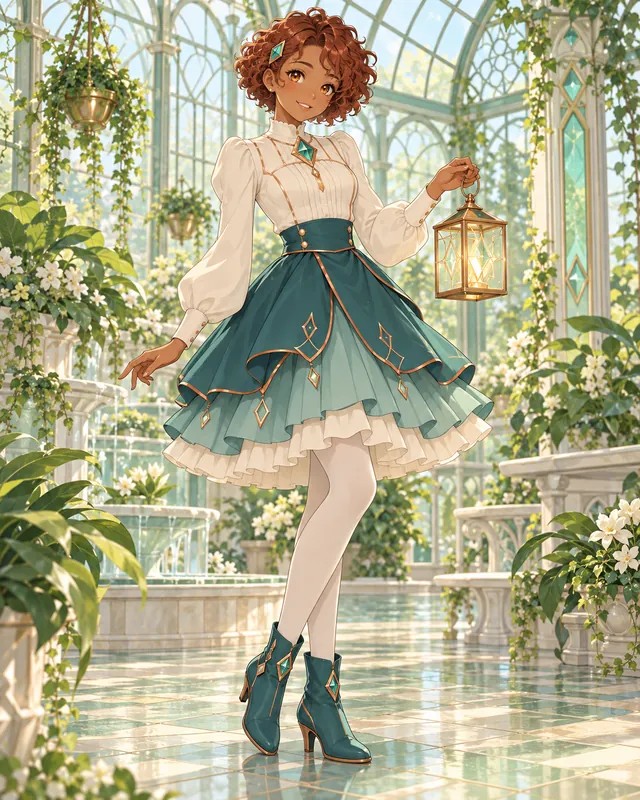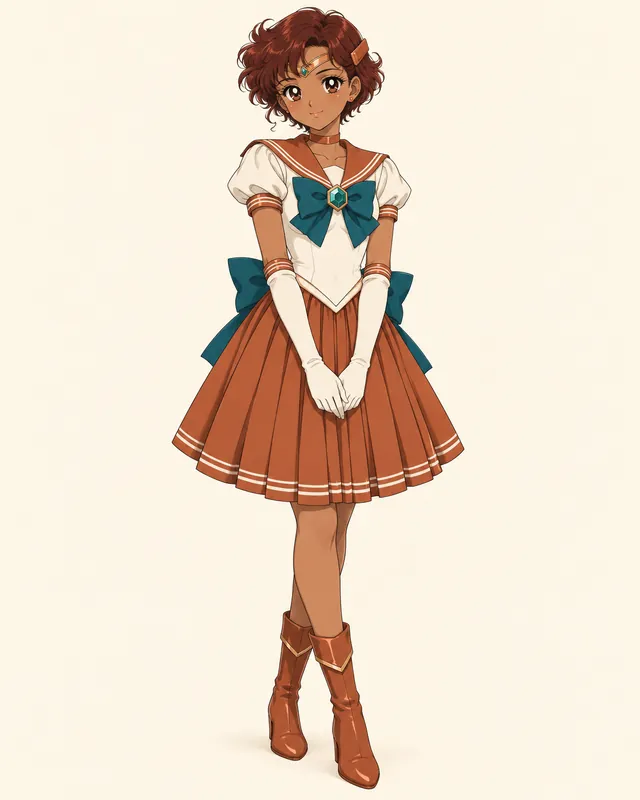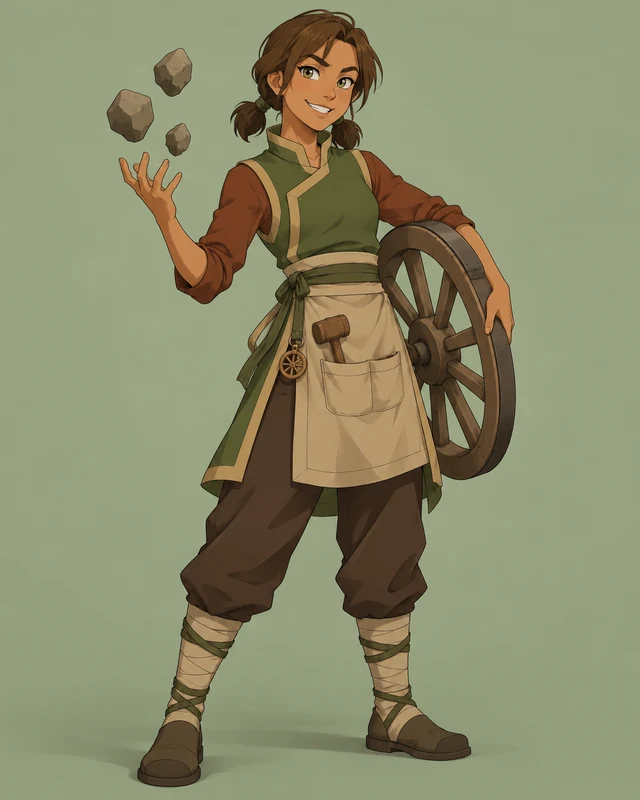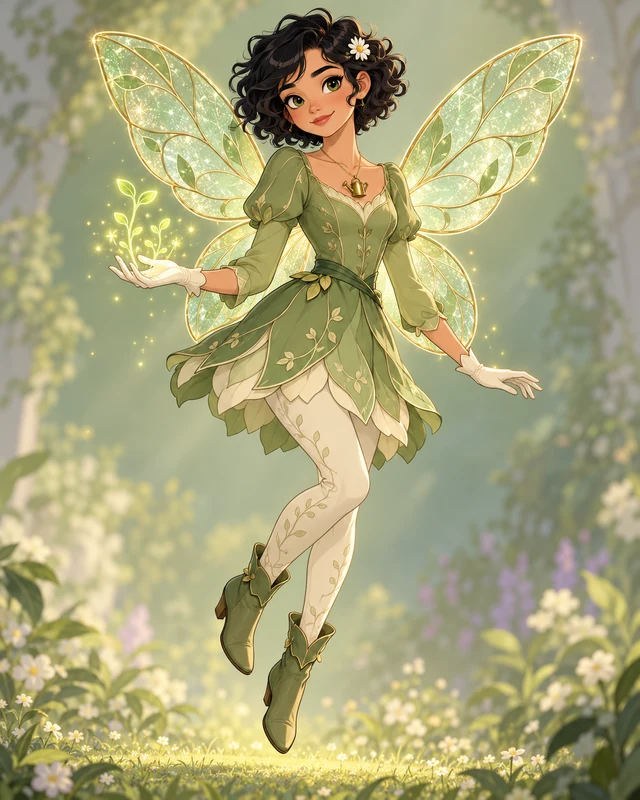
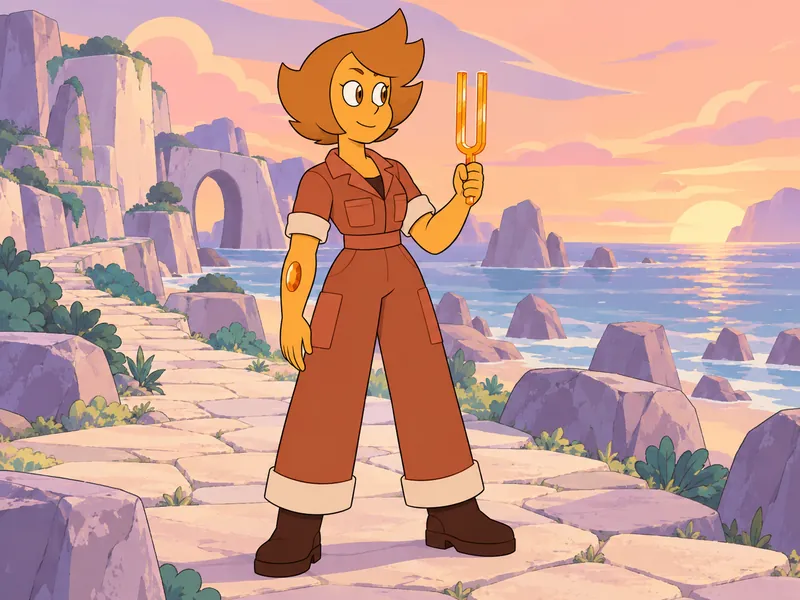
Clinohumite
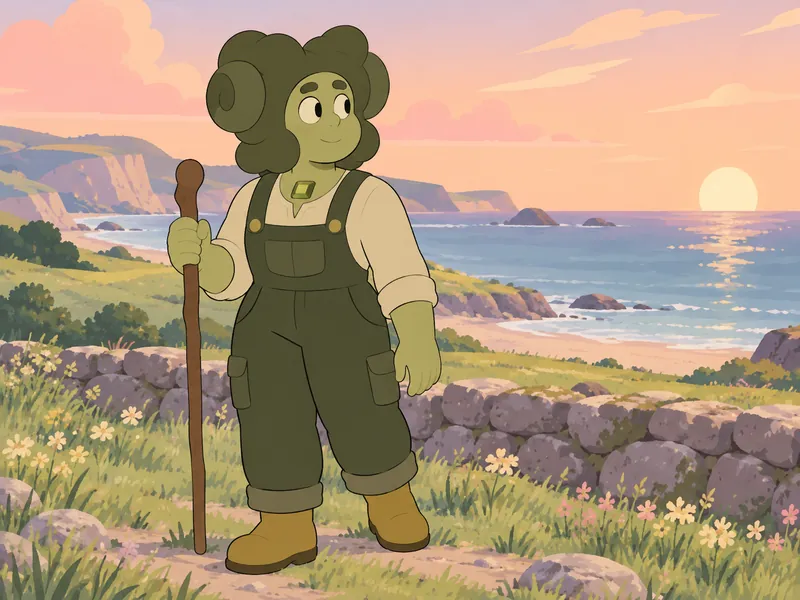
Repairer- Amber oval on the forearm
- Tunes one unstable surface at a time
- Now chooses what deserves repair
This Steven Universe OC maker starts with a gemstone and a life beyond its assigned purpose. Choose your gemsona’s placement, palette, alignment and signature tool, then turn those details into original character art. The Steven Universe OC creator keeps the gemstone visible and the outfit your own, whether your Gem is discovering Earth, questioning Homeworld or finding a place among other off-colors.
Ideas
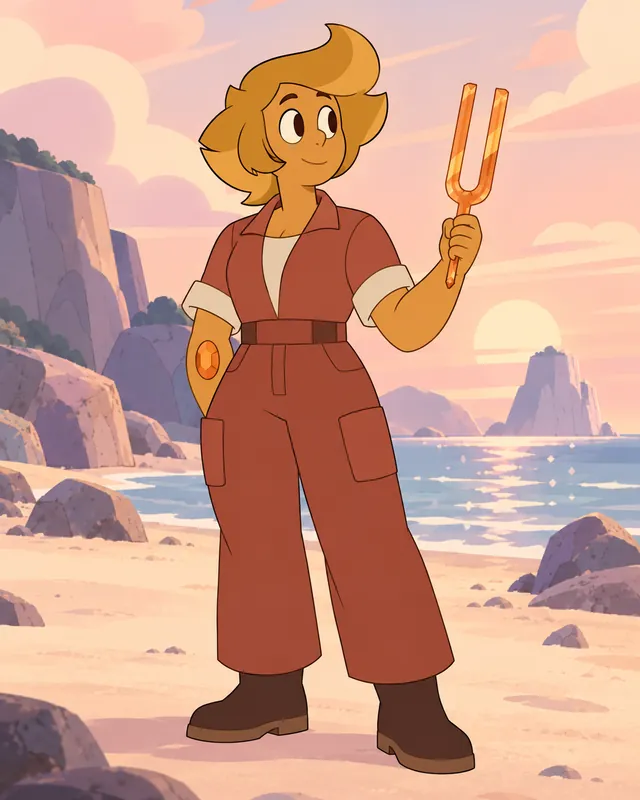
The gemstones are real, but the jobs, powers, designations and personal stories below are original fan inventions. They are not new official Gem castes. Load a card to place its choices in the maker, then change one meaningful detail: what the Gem values, how the tool works or why the old assignment no longer fits. Keep a visible gemstone and a readable silhouette as your two visual anchors.
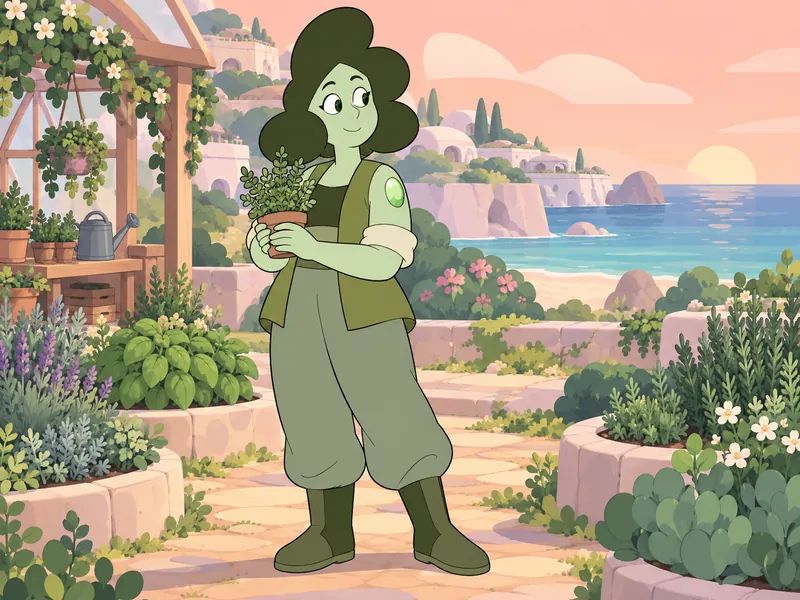
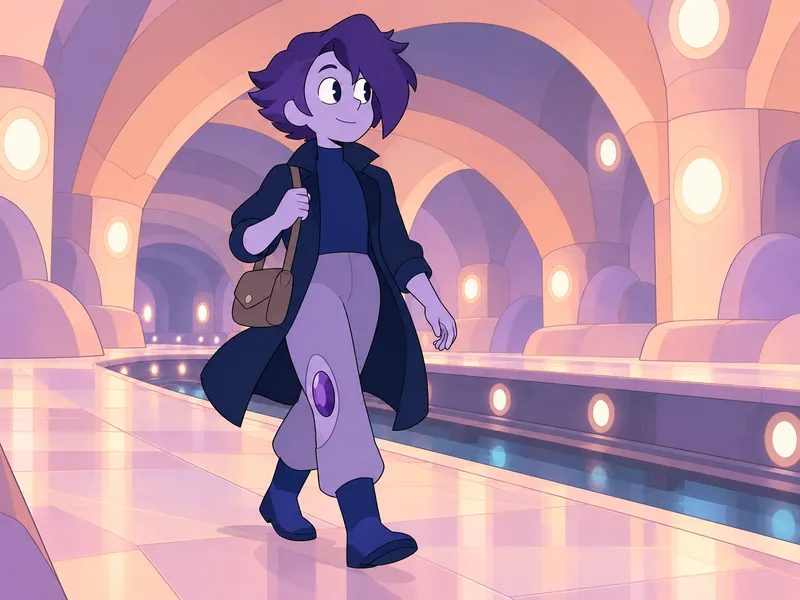
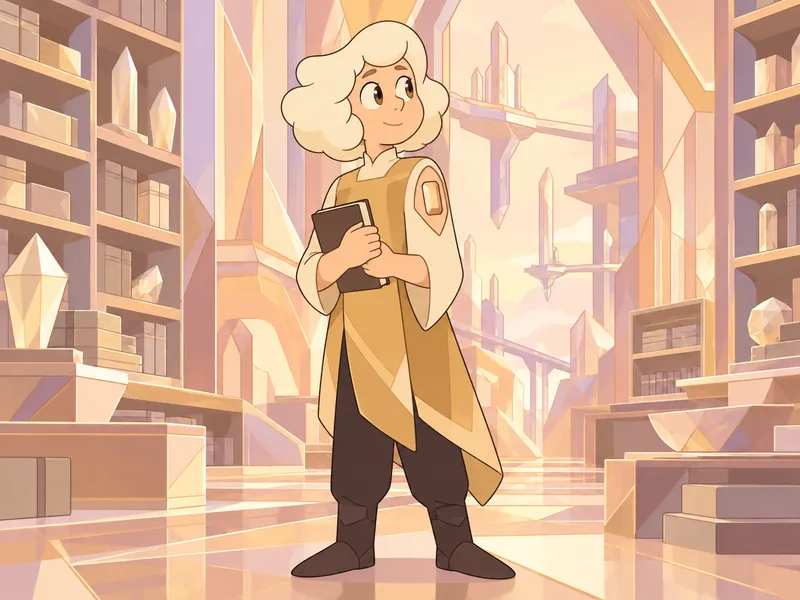
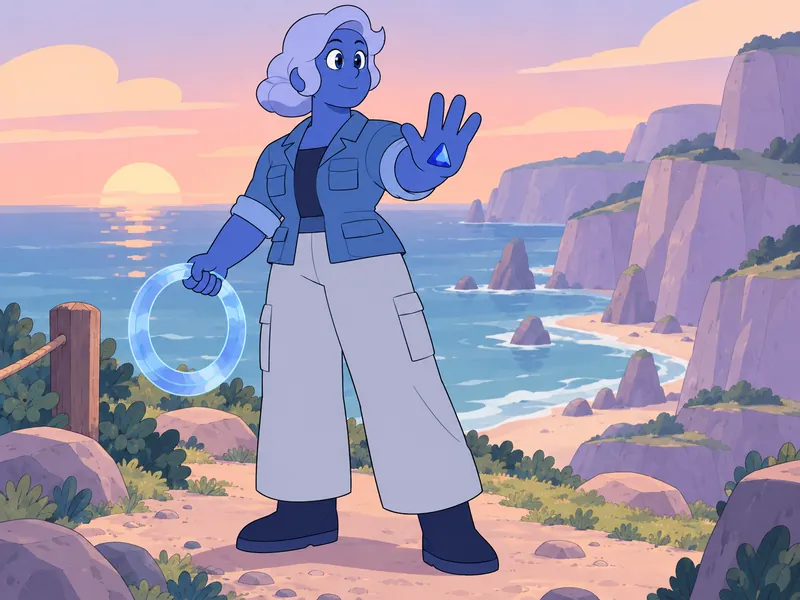
Know the rules
Steven Universe distinguishes a Gem’s physical gemstone, projected form, assigned role and chosen identity. Your gemsona can use those ideas without borrowing a canon character’s complete silhouette. Treat the canon below as a foundation, and label invented gemstone jobs, powers and symbolism as fan choices. A believable OC has room to change their mind, especially after leaving an assigned purpose behind.
Sources: Steven Universe Wiki: Gems; Steven Universe Wiki: Great Diamond Authority; Steven Universe Wiki: Steven Universe Future
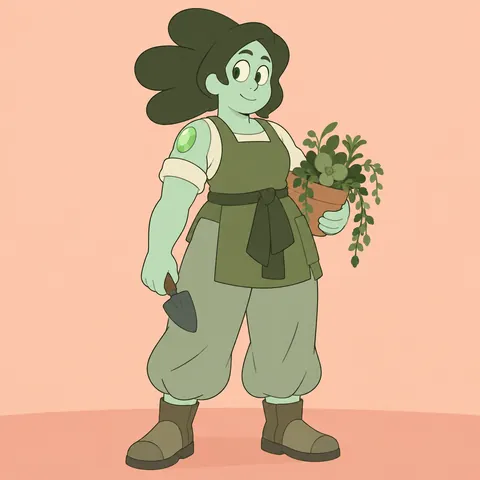
A Gem’s body is a projected physical form associated with the gemstone, rather than an ordinary human wearing a magic accessory. Placement is part of the design and should remain consistent between views. The same gemstone type can have different placements, and a gemsona does not need the same location as a famous character. Pick a shape you can draw clearly and give the outfit an appropriate opening. Claims that a forehead gem must mean intelligence or a hand gem must mean creativity are fan interpretations, not a universal canon personality chart. You may use symbolism in your own design, but explain it as your choice.
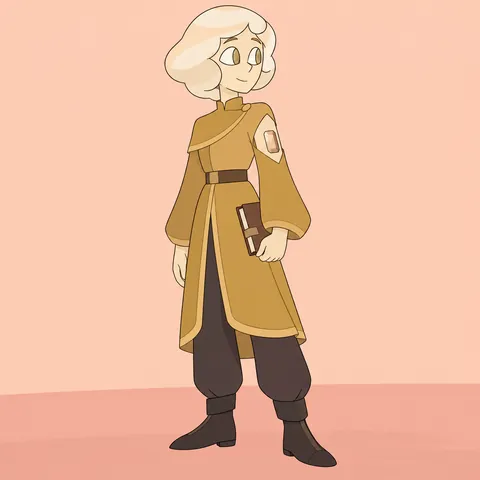
The page offers less-used gemstone identities instead of a set of main-cast recolors. Real stones suggest a range of colors, not a single mandatory costume. Choose one stone color, a darker neighboring tone and a pale accent, then vary their placement across skin, hair and clothes. Keep the visible gemstone distinct from fabric buttons or jewelry. The examples’ roles are invented for those individual characters; choosing Scapolite does not establish an official archivist species. Research the wiki and real mineral references when introducing another name. A rare stone can still have many fan designs, so originality depends on the whole character rather than reserving a mineral word.
Homeworld’s old hierarchy assigns work by Gem type: Quartz soldiers, Pearl attendants and Peridot technicians are familiar examples, while other Gems occupy specialist or high-ranking roles. The series repeatedly shows characters growing beyond those assignments. For a stone without an established canon role, make a modest fan proposal instead of announcing a new official caste. An archivist can question which records are preserved; a surveyor can become a gardener. Write what the Gem used to do, what they now choose and why the change matters. Court affiliation can be part of that history, but it does not determine every preference or personality trait.
The original Great Diamond Authority includes White, Yellow, Blue and Pink Diamond. Court colors can help you describe historical allegiance, but this page’s original outfits omit the Diamond insignia and Crystal Gems star. Era 1 is the earlier imperial period; Era 2 follows the events surrounding Pink Diamond’s supposed loss and includes resource shortages. Some Era 2 Gems, notably Peridot, rely on technology where earlier Gems had abilities they lack. Do not turn that example into a claim that every Era 2 Gem has identical limits. Choose a clear origin and separate it from the later era in which your story takes place.
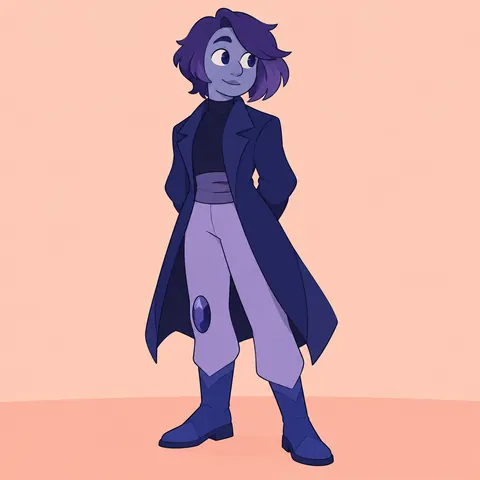
Homeworld calls Gems off-color for differences it rejects, including unusual bodies, abilities or relationships. The named Off Colors are specific canon characters, so your OC should not copy Padparadscha’s delayed predictions, the Rutile Twins’ silhouette or Fluorite’s complete design. Invent an individual difference and show a community that values the person. Being off-color does not automatically mean evil, corrupted or more powerful. Iolite’s scheduling conflict is a fan story about independence, not a new rule about all Iolites. Keep the character’s skills, tastes and friendships broader than the reason an old institution refused to accept them.
Many Gems summon a personal weapon, but that ability is not universal and a gemsona does not need one to matter. An ordinary tool is a valid choice. If you invent a summoned weapon, decide its shape, how the Gem calls it and one thing it cannot do. Clinohumite’s tuning fork and Benitoite’s signaling ring are original fan concepts used for support. They do not imply that those minerals have canon sound or navigation powers. For a reference, show the tool clearly and away from other people. Avoid borrowing a main character’s distinctive weapon, pose, hair and palette all at once.
Fusion creates a shared form from its participants and keeps their gemstones visible. Begin with two original partners, decide what their relationship adds, then design a form that reflects both rather than a stronger version of one. A fusion name is a narrative choice, not a mineral chemistry equation. Corruption is a separate condition affecting a Gem’s mind and form; it is not a synonym for being off-color. If you explore a recovered Gem, keep the design gentle and focus on support and rebuilding everyday life. The movie and Steven Universe Future offer later settings where changing roles and learning new routines can drive a story without a battle.
Names and tools
Gems usually use their gemstone name, with Homeworld designations distinguishing individuals. This local mixer combines one of 68 researched gemstones or minerals with an invented Facet and Cut code; the codes imitate the format, not a confirmed location or official registry. Keep only the stone for an everyday introduction if your Gem has left that system behind. Names and tool prompts are free, run in your browser and fill the corresponding fields without starting image generation.
gemstone + invented Facet and Cut code
Original fan abilities with a built-in limit, or an ordinary tool.
Guide
A good gemsona has a clear gemstone design and a personal choice worth following. Use this Steven Universe character creator as a visual planning space: settle the basic form first, then explore a tool, a changed purpose or a friendship. These five steps help the art and story support each other without making every detail a rare ability.
Start with a real mineral whose color or structure interests you. Search more than the central Crystal Gems: background Gems, recovered Gems, fusions, the movie, Future and game characters may already use a name. You can still create an individual of an existing type in your own fan work, but this page’s examples favor other stones and distinct designs. Build a palette from a real specimen rather than assuming every sample of a stone has the same color. Write down which details are mineral-inspired and which are your own invention so you do not accidentally present a fan ability as canon.
Draw a simple body silhouette and choose a location that remains visible in a neutral pose. A shoulder gem needs a sleeve design that leaves it readable; a knee gem must not disappear under a long coat in every view. Decide whether the cut is oval, rectangular or another simple shape, and keep the orientation consistent. A real gemstone cut and a Homeworld Cut code are different kinds of detail: one describes appearance, the other identifies an individual in the story. Any personal meaning you give the placement is a fan convention, not a required psychological rule.
Give the Gem a former assignment and a present goal. A Homeworld record keeper might still enjoy careful organization while rejecting orders to omit uncomfortable memories. An Earth-aligned surveyor can love gardening without becoming a copy of a canon gardener or technician. If the gemstone has no established caste, say the role is your own proposal. Select the era and former court only when they matter to the story. A small change in routine can show growth more clearly than giving the character a royal rank or a secret connection to every member of the main cast.
Choose a summoned weapon, a supportive ability or an ordinary personal tool. Keep its shape distinct from the outfit so another artist can draw it separately. State one practical limit: distance, concentration, size, duration or the need for a partner. Do not give the same Gem every possible ability merely because other Gems demonstrate them. If you want a fusion, make both original partners first and decide why they choose to fuse; save the shared form as a separate design. Keep reference poses calm and tools directed away from people so the silhouette remains easy to inspect.
Load an idea or complete the fields, choose a still image or reference sheet, and review the result against your notes. Check that the gemstone is visible, in the right place and not mistaken for a button. Count limbs, inspect hands and confirm that the outfit has no star or Diamond insignia. AI can alter details between views, so keep the clearest accepted image and record corrections. A Steven Universe character maker can help you explore a form, but you still decide the final design, story consistency and which artwork is appropriate to share in a particular community.
Other fandoms
Tools
FAQ



Sign up for 10 bonus credits and make your first OC free.