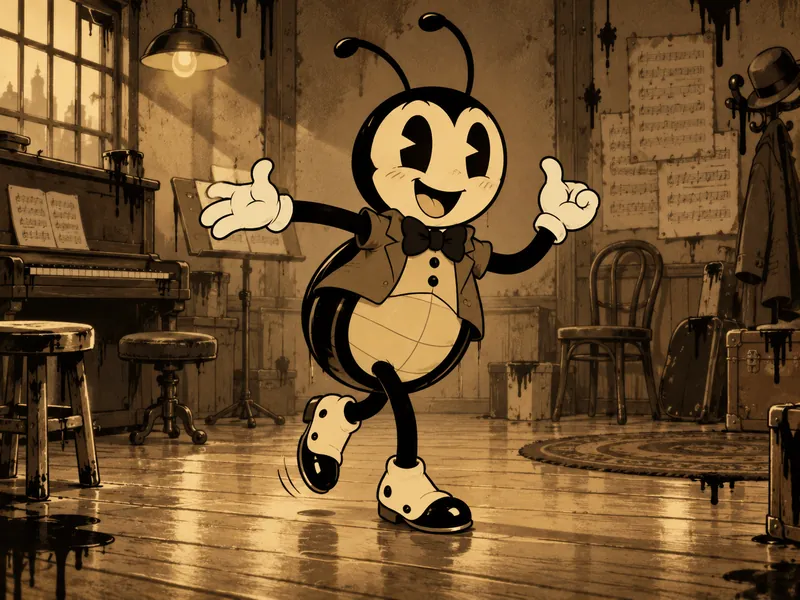
Tansy Taps
Beetle toon- Practices after the band leaves
- Misses the beat when praised
- Rehearses on the empty stage
Create an original character for Bendy and the Ink Machine with this Bendy OC creator. Choose a rubber-hose toon, a cute-creepy ink creature or a studio employee, then add a name and one strange habit. Give your BATIM OC a story of their own, with sepia rooms, white gloves and a silhouette that stays clear at a glance.
Ideas
Choose a whole idea to fill the form, then change the habit or workplace before drawing. These Bendy and the Ink Machine OCs have separate silhouettes and modest story problems. None is a hidden relative, renamed canon character or new version of the Ink Demon. Keep the details that help you imagine a scene and replace the ones that do not fit your own fan story.
Know the rules
A convincing design begins with the kind of character you are writing. The games connect drawn entertainment, a working animation studio and an unsettling ink world, but those layers are not interchangeable. Use the distinctions below as planning choices rather than a new official classification system.
Sources: Bendy Wiki: Joey Drew Studios; Bendy Wiki: Background Toons; Bendy Wiki: Bendy and the Dark Revival
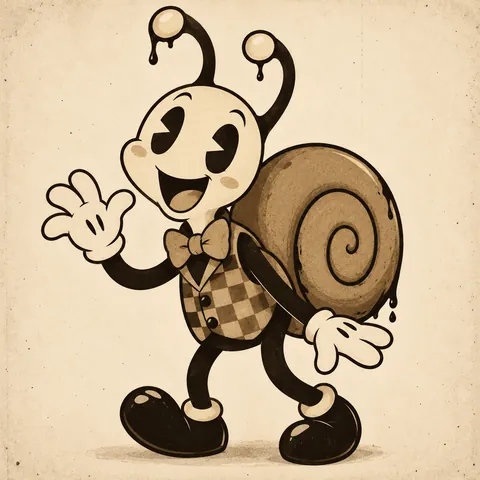
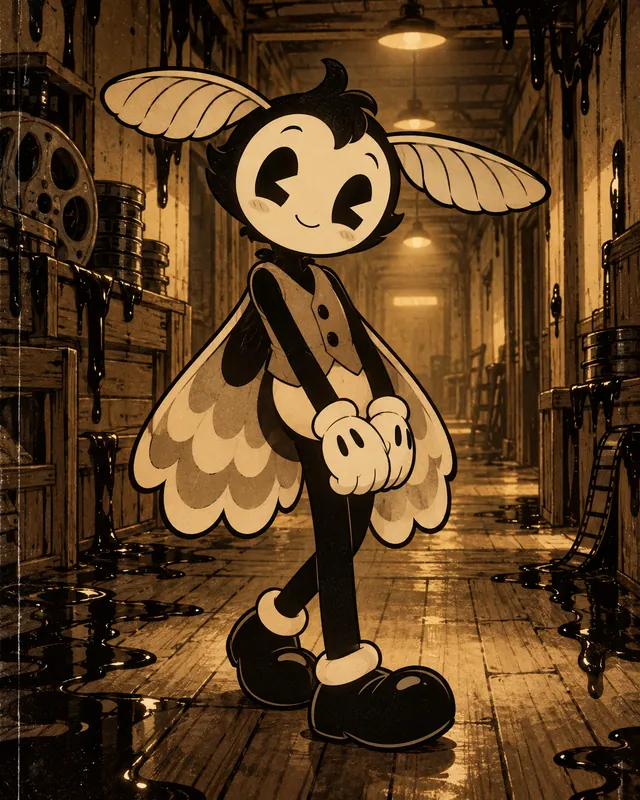
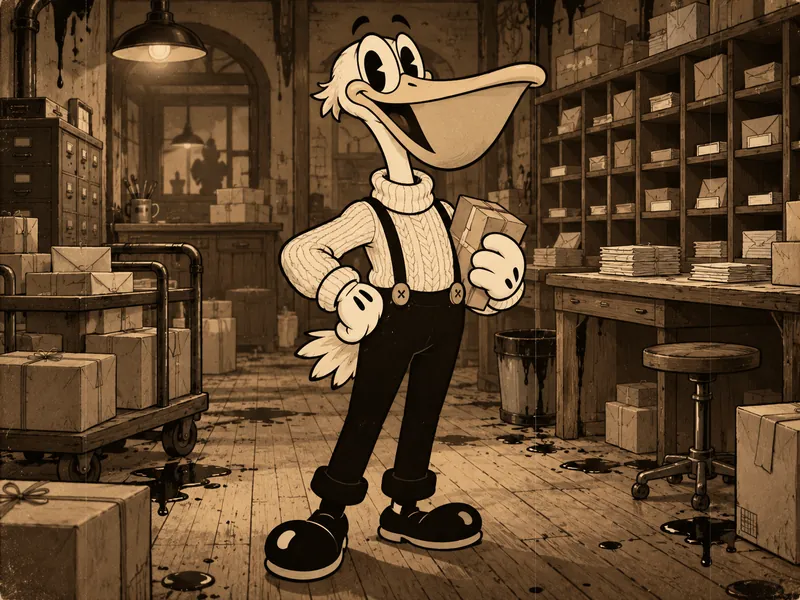
Start with a shape you could recognize in a tiny black silhouette: a broad pelican beak, a spiral snail shell or a moth with horizontal antennae. Rubber-hose limbs, white gloves and pie-cut eyes establish the animation vocabulary, but they do not supply a personality by themselves. Give the toon a short comic routine, such as sorting deliveries by sound or trying to dance quietly. Background toons exist in the cartoons, so an original supporting performer is a useful fan-story starting point. Avoid the devil head and bow tie combination, wolf overalls or angel styling associated with the familiar leads. A new species and a new routine provide more identity than recoloring an existing costume.
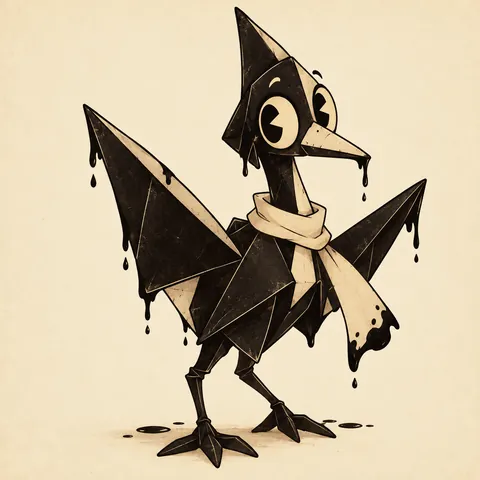
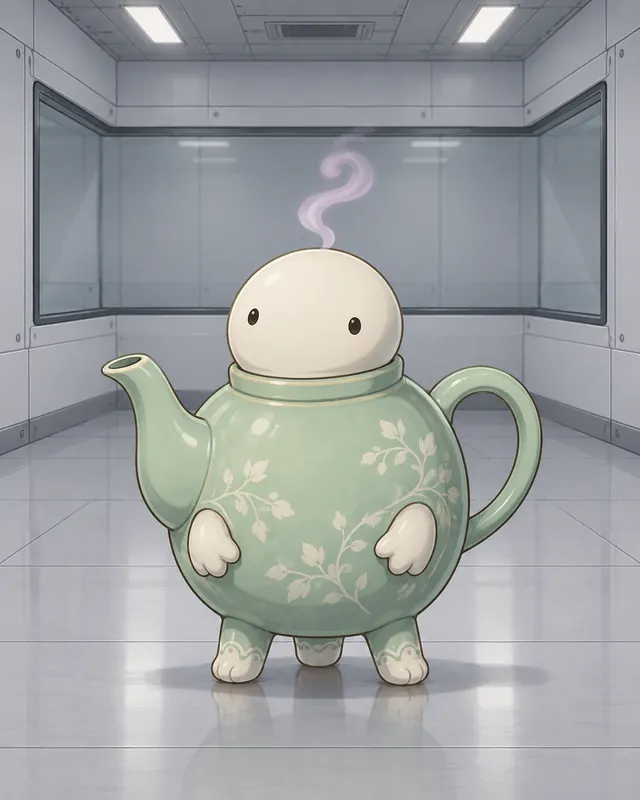
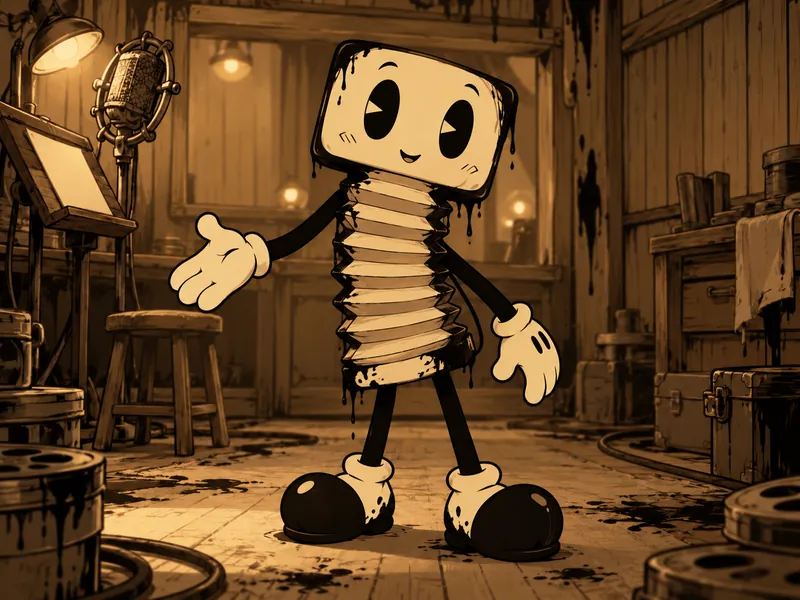
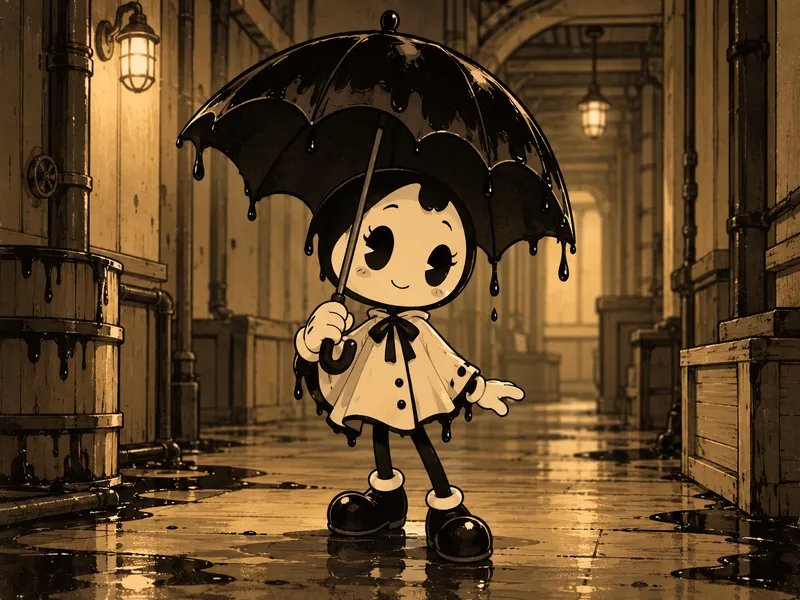
Ink creatures belong to the franchise, but this page uses ink-touched as a broad creative label rather than an official species list. Decide what material or object organizes the body before adding drips. Fold has concertina ribs; Puddle has a broad umbrella silhouette. Their ink stays glossy black and never stands for blood. Keep faces expressive and readable, with no injuries or frightening exposed anatomy. Do not call a new creature a Searcher merely because it rises from ink: that name has established lore and a recognizable appearance. Write the connection as your fan interpretation, and leave room for uncertainty instead of claiming the games confirm your original transformation.
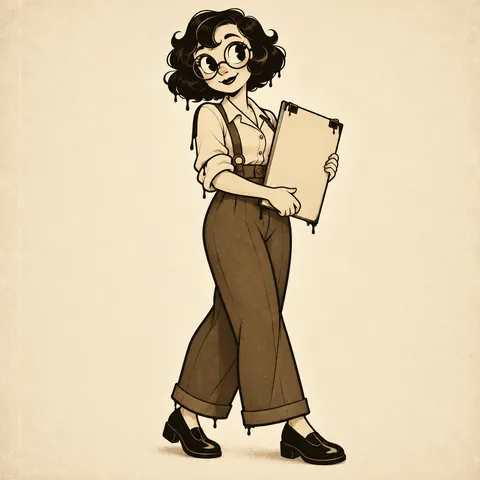
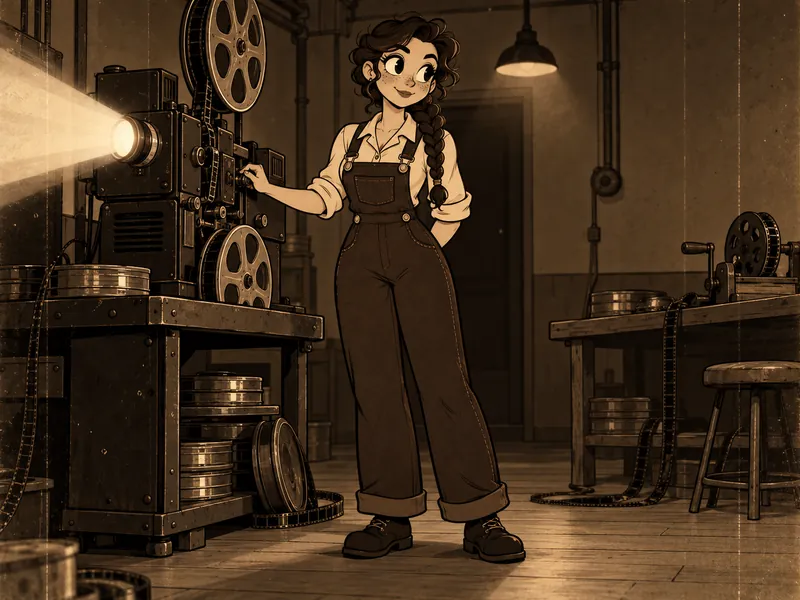
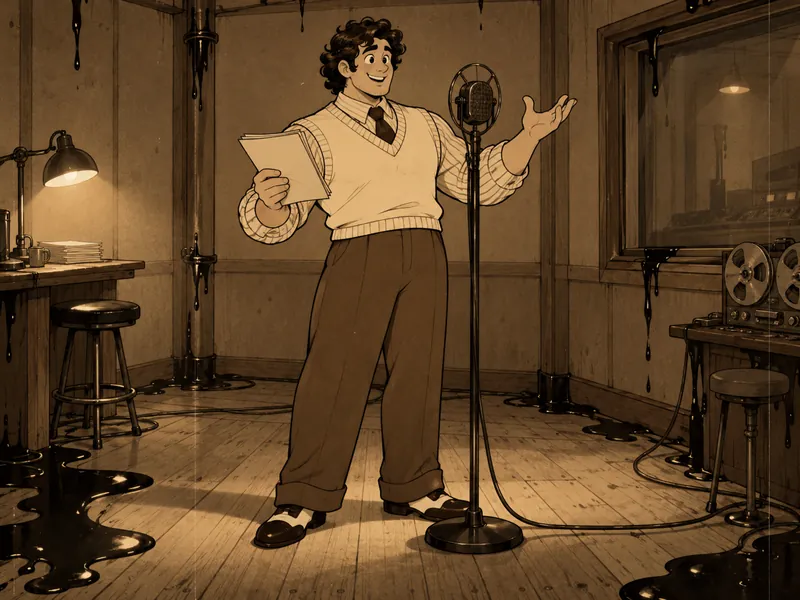
Studio employees can be interesting before anything strange happens. Choose an animator, voice actor, music assistant or projectionist, then describe the task they do well and the routine that gets interrupted. A projectionist checks film, an animator checks drawings and a voice actor rehearses delivery. Give your original person their own name, face, clothing and professional frustrations. Avoid turning a canon employee into a new person through one changed accessory. Adult staff can wear practical period-inspired shirts, waistcoats, trousers or aprons without carrying weapons. A good scene gives them something to finish, someone to answer to and one small reason to hesitate before opening the next door.
The fictional animation studio ties the cartoons and staff stories together. Its workspaces help you communicate a role without a paragraph of exposition: drawing desks, recording booths, reels and rehearsal rooms already suggest what happens there. Use a few useful props and keep the background quieter than the character. Do not put the studio logo on a wall, shirt, door or folder. A blank sign is safer than a distorted imitation of official lettering. If you invent another department, label it as part of your fan story. A modest workspace with a memorable sound often provides a stronger opening than an unexplained secret laboratory beneath every room.
Bendy and the Ink Machine and Bendy and the Dark Revival share a franchise but do not give every character the same circumstances. Dark Revival follows Audrey and expands the ink-world setting; it should not be treated as just a different outfit pack for the first game. Choose your reference before placing an original person in a scene. You can keep the setting loosely inspired if you do not want to manage chronology, but say so. The generator draws a visual concept; it cannot verify a timeline or establish a new canon event. Keep notes about which details come from the games and which ones you invented for the OC.
A creature that can copy every voice, move anywhere and rewrite the studio leaves little room for a story. Give the strange detail a boundary that creates an interesting choice. Fold repeats one short melody and needs quiet afterward; Puddle shelters a few drawings but folds shut in a strong breeze. A human employee can have no supernatural ability at all and still notice something unusual. Use sound, timing, light and misplaced objects to build gentle suspense. The purpose is to make the character easier to write, not to rank them against canon villains. Keep the same limit when you change the outfit or request another drawing.
Names and habits
Cartoon names often work as memorable stage names or simple character identities; studio staff use ordinary personal names. The wiki roster includes both kinds, so this mixer separates playful toon names from first-name and surname combinations. Ink creatures can use a descriptive nickname in your fan story without pretending it is an official species. Shuffle locally, read the result aloud and compare it with the roster before keeping it. A name should fit a spoken line or a reel note, not explain the whole backstory.
Playful stage name or ordinary staff name; choose the right set.
These hooks fill the studio habit field; change the wording to fit your character.
Guide
Use five passes to turn a loose idea into a design another fan can understand. Keep the written choices beside the picture so the same character survives a new pose, a new outfit or a later scene.
Decide whether the character begins as a drawn toon, a human employee or an original ink-world creature. Do not start with a list of powers. Write one sentence about what they do on an ordinary day. An employee might prepare a screening; a toon might practice a comedy routine; an ink creature might protect a dry corner of the archive. This sentence gives every later detail a purpose. If you want two versions of the same character, write what stays recognizable between them and clearly label the transformation as your own fan-story idea.
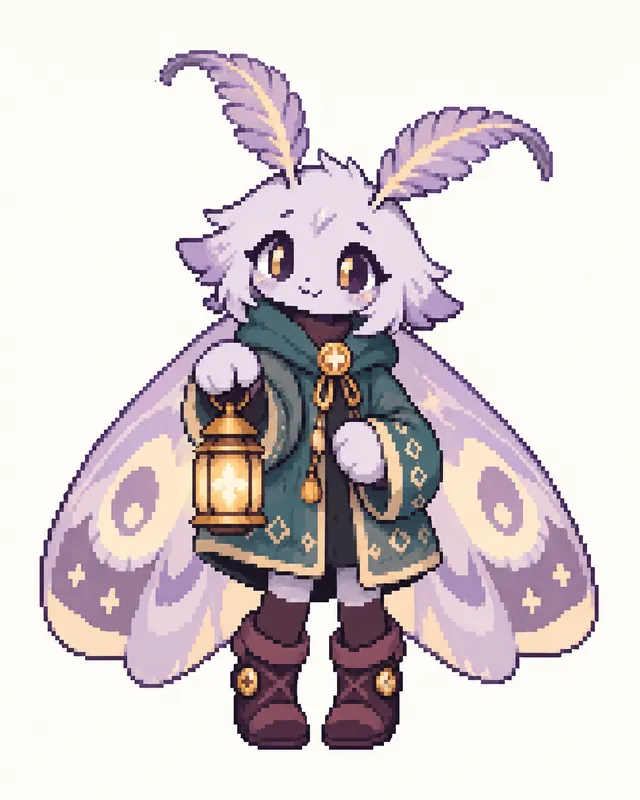
Pick one dominant shape and two supporting details. A moth can have broad antennae and scalloped wings; a projectionist can have a long braid and a practical pair of dungarees. Test the design at a small size. White gloves and pie-cut eyes help a toon read correctly, while human staff should still look like people with jobs. Remove a detail if it resembles a canon signature more than it serves your concept. Keep sepia, cream and ink black as the visual foundation before introducing an optional small accent.
A useful story hook contains a task, an interruption and a response. Nell wants to finish a screening check, notices an unexpected second shadow and pauses to inspect the projector. That is enough to start a scene without explaining the whole ink realm. Let the response reveal personality: someone methodical checks the equipment, while someone nervous calls a coworker. Avoid giving the character instant answers to every mystery. The Bendy and the Ink Machine OC creator works best when you bring a concrete action rather than a pile of vague dramatic adjectives.
Look at the full design, not only the name. A horned black head with a cream face and a bow tie can read as the lead even if the biography says otherwise. Compare species, silhouette, clothing and role with the wiki roster. Human employees also need different faces and routines from the named cast. Our BATIM OC maker examples deliberately use new work habits and distinct body shapes. If you notice an overlap, change the organizing idea rather than adding another accessory to hide it.
Keep the chosen name, character kind, wardrobe, location, habit and one limitation together. Use an idea card or Surprise me to load a coherent starting point, then edit the form before generating. The names mixer is local and free; AI images follow the credit policy shown on the site. Save the final picture alongside your written brief and label it as AI-generated fan concept art when sharing. A reference-sheet image is a visual aid, not a game asset, official character submission or guarantee of consistent animation across future drawings.
Other fandoms
FAQ
Sign up for 10 bonus credits and make your first OC free.