
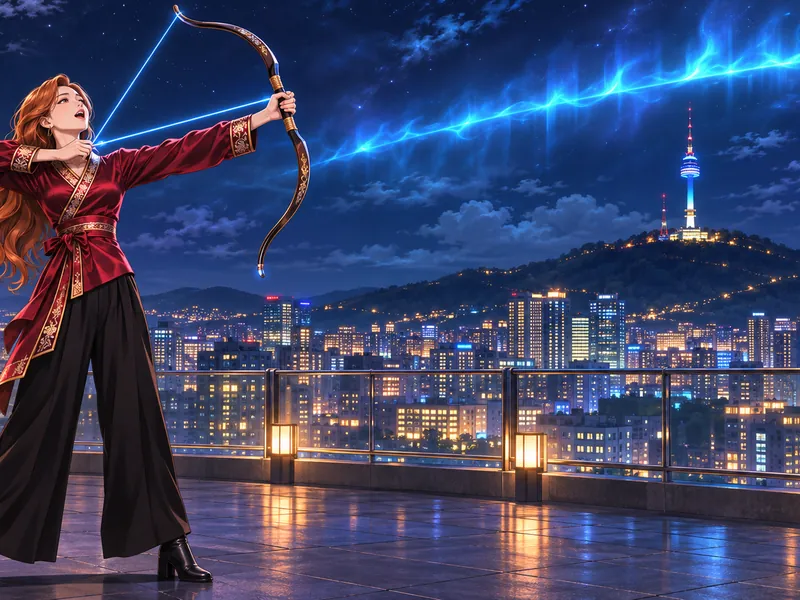
Noeul (Choi Ha-rin)
Hunter idol- Fires a light arrow on the last high note
- Copper waves, crimson wrap top
- Tunes the bowstring before soundcheck
This free KPop Demon Hunters OC creator turns your idea into a hunter idol, a demon idol in disguise or a half-demon caught between the two. Pick a group position, a traditional Korean weapon, a stage or hunting outfit and the way their voice feeds the Honmoon, then draw a portrait, a full-body design or a reference sheet.
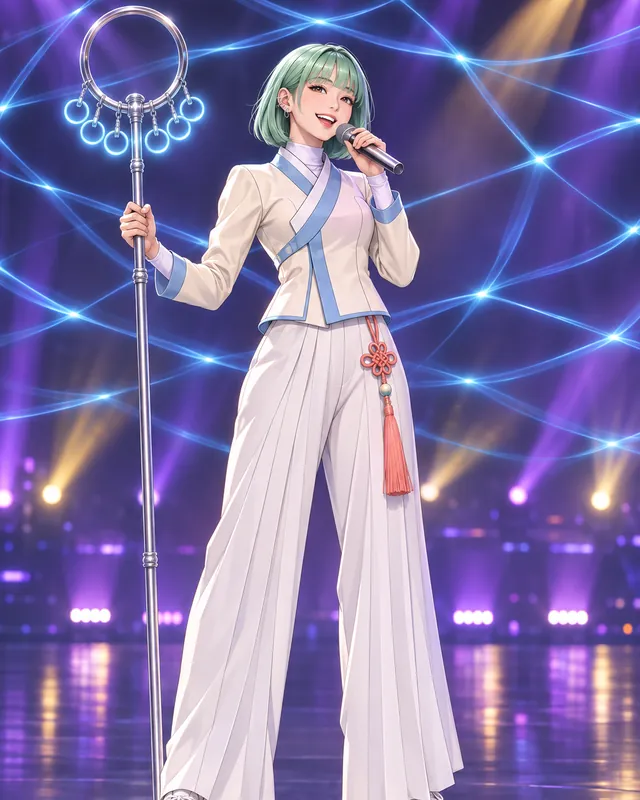
Ideas
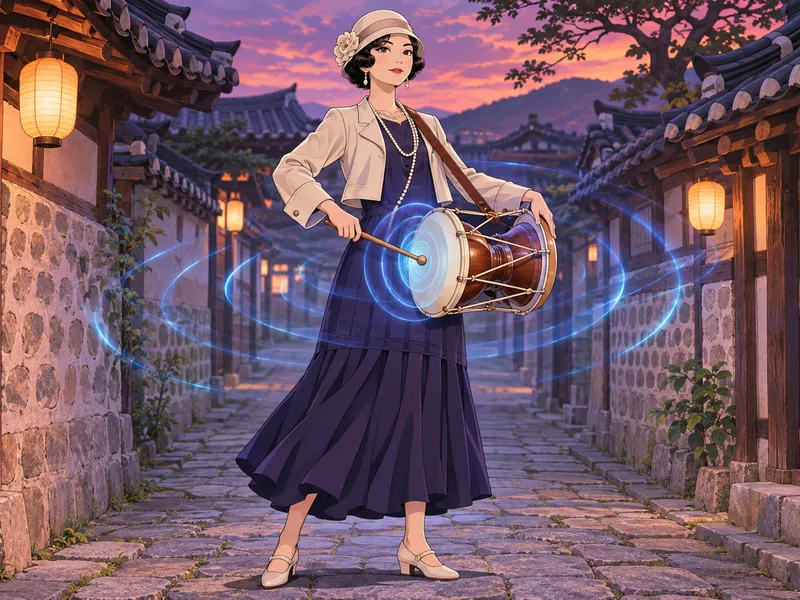
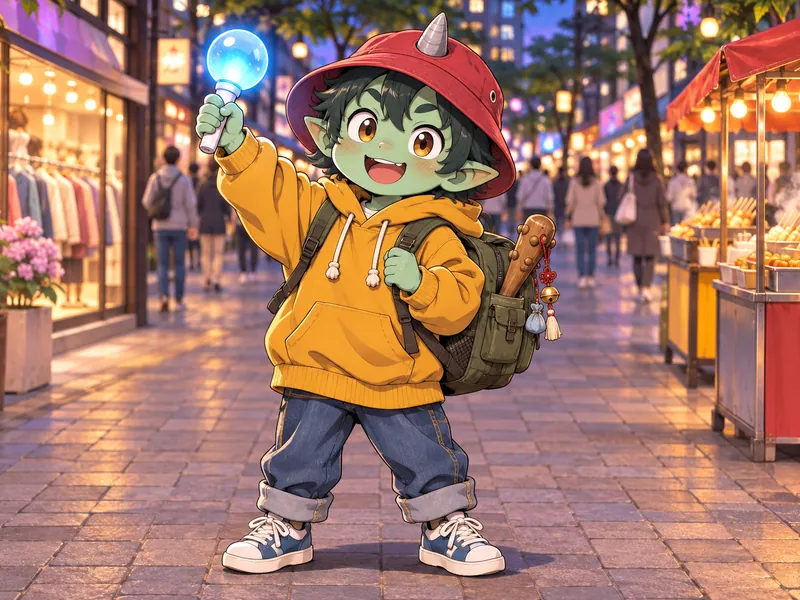
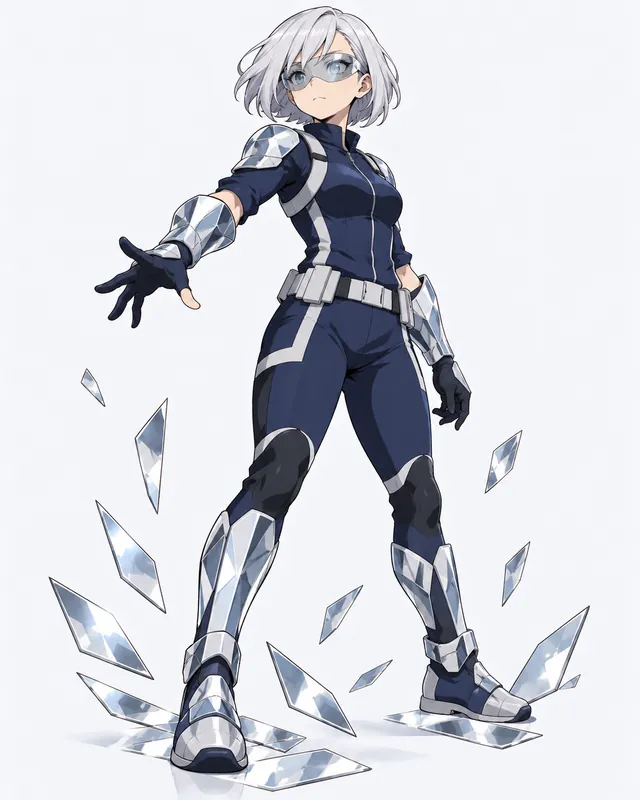
Each card is an original character with a complete set of choices: OC type, position, weapon, outfit, scene and a voice power you can edit. They cover the present-day stage, the demon side and the generations of hunters before HUNTR/X. None of them borrows a canon member’s hair, outfit or weapon pairing. Load one, change the colors and the name, and let the description grow into your own character.
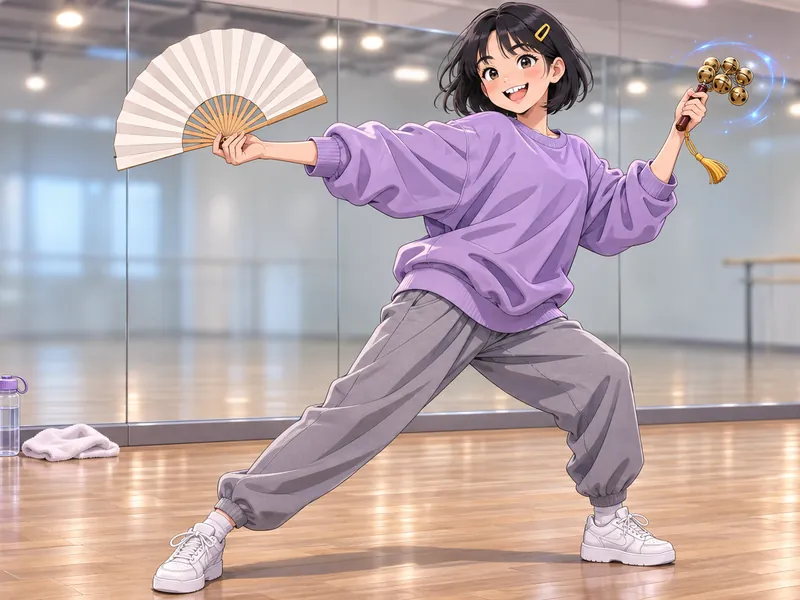

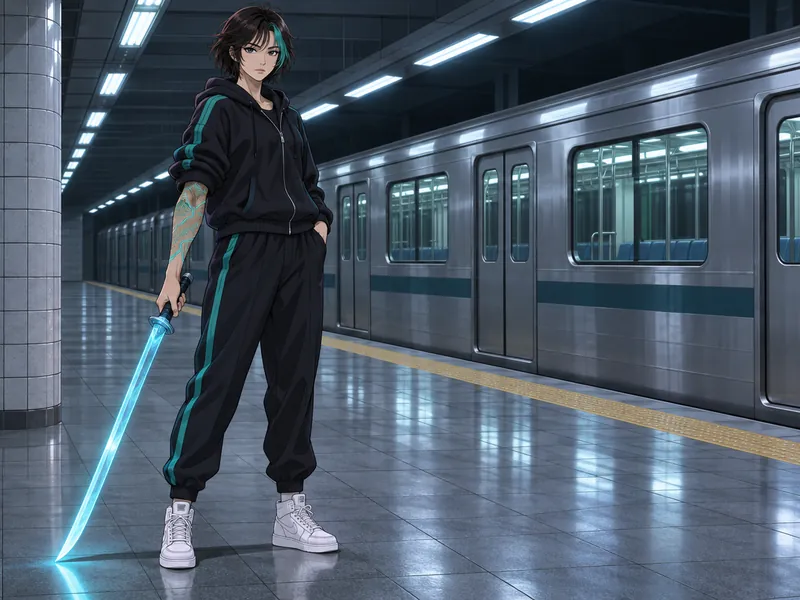
Know the rules
KPop Demon Hunters is a 2025 Sony Pictures Animation film released on Netflix. Its world runs on a few clear rules, and an OC feels at home when it follows them. Hunters sing, fans answer, and the barrier between the human world and the demon world gets stronger. Demons push back with patterns, disguises and catchy songs of their own. The cards below cover what the film and its wiki establish, plus the choices that are yours to make.
Sources: Wikipedia: KPop Demon Hunters; KPop Demon Hunters Wiki: Honmoon; KPop Demon Hunters Wiki: Hunter
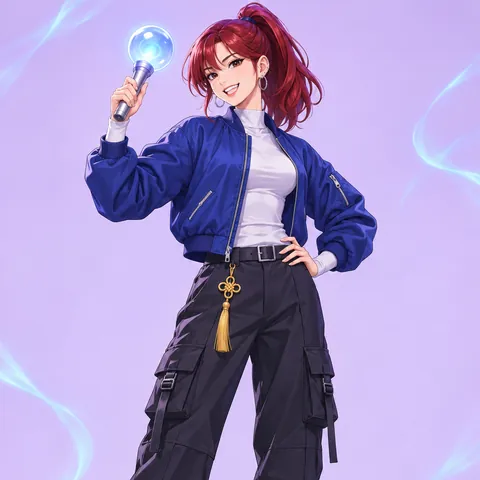
Since the first hunters raised the Honmoon, a new trio has been chosen in each generation to keep it strong and to face the demons that slip through. By the twentieth century the hunters led double lives as popular performers, because a big audience is exactly what the barrier needs. HUNTR/X is the current trio, and so far every trio in the film has been made up of women. Your OC can belong to a brand-new trio, train as the next generation, or protect a city the film never visits. Decide who chose them, who trains them, and what the public believes about them.
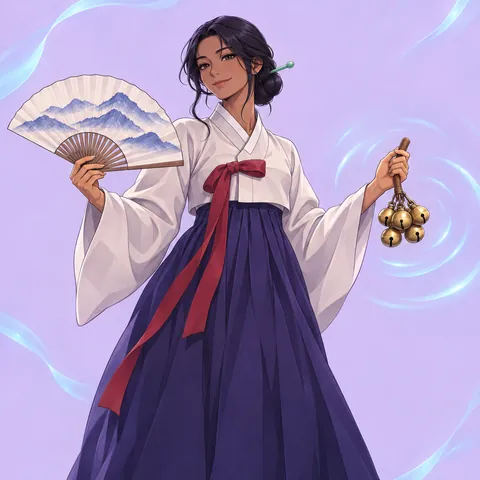
Honmoon means soul gate. The wiki describes it as a net-shaped shield woven from resonating souls, created when a hunter’s songs move the hearts of many people, which is why one hunter cannot make it alone. It wears thin over time and needs new songs to stay strong. It glows blue by default, the hunters hoped a golden Honmoon would seal the demons away for good, and the new barrier at the end of the film shines in rainbow colors instead. HUNTR/X’s slogan sums it up: happy fans, happy Honmoon. Give your OC a song that would actually reach people.
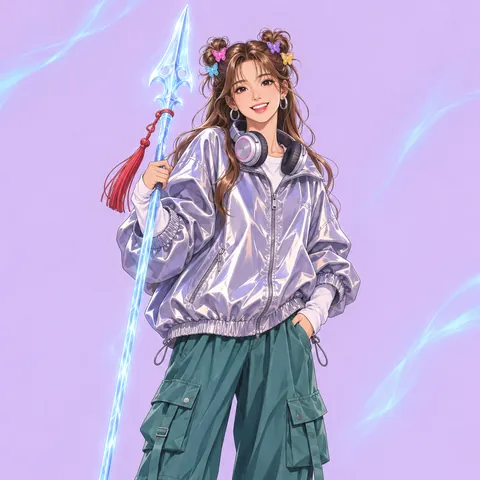
HUNTR/X fight with weapons based on real Korean blades: Rumi’s saingeom, the four-tiger sword; Mira’s gokdo, a curved glaive; and Zoey’s shinkal, ritual knives she carries six at a time. The wiki lists a monk’s staff (seokjang), twin swords (ssanggeom) and a horn bow (gakgung) for the ancient trio. The hunters summon these weapons, even drawing them from the Honmoon, and they leave trails of blue light in motion. Pick a weapon that suits your OC’s position, and avoid rebuilding a canon pairing such as a purple braid with a saingeom.
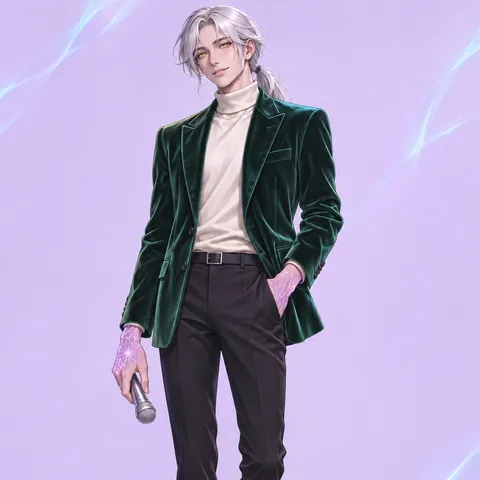
The Saja Boys are five demons disguised as a boy band, formed to pull fans away from HUNTR/X and weaken the Honmoon. Saja can mean lion, which is how the band presents itself to its fans, the Pride, and it also points to the jeoseung saja, the Korean messenger of the afterlife that inspired their demon outfits: a gat hat and a long black hanbok coat. In demon form they show purple or gray skin, glowing patterns and golden eyes, while fans see only idols. A demon idol OC needs its own group name, its own disguise and a reason to sing.
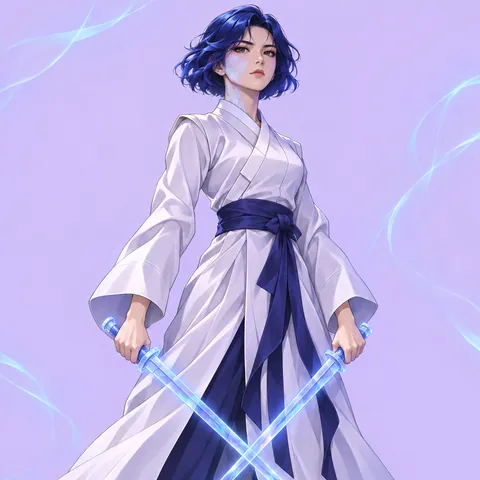
Every demon carries patterns on the skin, and the wiki treats them as a sign of Gwi-Ma’s hold over them. Half-demons inherit patterns too; they show when the person feels shame and turn blue once that side is accepted, and half-demons cannot be controlled by Gwi-Ma at all. Rumi is the film’s half-demon, so give your OC a different shape: where the patterns appear, who already knows, and what changes when they are seen. Patterns shaped like old map lines echo the demons’ own design language without copying anyone’s markings.
The first hunters were Korean shamans, mudang, who created the Honmoon centuries ago. The film shows later trios in fashions of the 1920s, 1940s and 1960s, then the Sunlight Sisters, a late-1990s girl group that included Celine and Rumi’s mother, Mi-yeong Ryu. Earlier generations wore iridescent accents that recall najeonchilgi, the Korean craft of inlaid mother-of-pearl. A period OC is a gift for a fan creator: pick the decade, research its music and clothes, and decide how hunters stayed hidden before smartphones and fan cams.
K-pop groups give members positions such as leader, main vocalist, main rapper, main dancer, visual and maknae, the youngest member. Every idol is still trained to sing and dance; a position names a strength, not a limit. In HUNTR/X, Rumi leads and carries the vocals, Mira handles dance and choreography, and Zoey raps, writes lyrics and is the maknae. Let your OC’s position decide how they help in a fight: a dancer controls the floor, a rapper keeps the count, a vocalist holds the note that keeps the barrier steady.
Names and voices
The film follows real K-pop habits. Rumi’s stage name is her given name; the wiki romanizes her full name family name first, as Kang Ru-mi, and her mother’s as Ryu Mi-yeong. Zoey uses an English name. The Saja Boys sign with a concept word plus the group name, as in Abby Saja and Mystery Saja, while their leader goes by his given name, Jinu. This free name mixer follows those patterns, leaves out every canon name, and runs in your browser with no sign-up.
Stage name, then the real name with the family name first.
Each position helps the barrier in its own way. Pick one, then make it specific.
Guide
A good KPop Demon Hunters OC works on two stages at once: the concert stage and the fight. Each step below adds one decision to the generator, so by the end you have a name, a position, a weapon, an outfit and a voice power that all point the same way. Save the description with the picture so the next drawing matches.
Start with the OC type. A hunter idol protects fans in present-day Seoul; a demon idol in disguise is trying to win those fans away; a half-demon is caught between both. Period types move the story to the Joseon-era shaman trios, the 1920s, the 1960s or the late-1990s idol scene. Supporting roles work too: a trainee, a retired mentor, a dokkaebi whose disguise keeps slipping, or a fan who can see the blue lights of souls. Write one sentence on what your OC wants from the next concert.
Use the name mixer above. Hunter idols get a stage name and a real name written family name first, like Kang Ru-mi in the film’s romanization. Demon idols sign with a concept word plus their group name, the way the Saja Boys do. Then pick a group position. Leader, main vocalist, main rapper, main dancer, visual and maknae are real K-pop roles, and each one suggests a different job when demons crash the show. A maknae can still lead a fight; the position only names their strongest skill.
The film’s hunters use a saingeom sword, a gokdo glaive and shinkal knives, and the first trio used a monk’s staff, twin swords and a horn bow. The picker adds more Korean designs, from a hwando saber to a janggu drum or ritual fan and bells, plus idol twists like a lightstick baton. Match the weapon to the position: a dancer with twin swords, a rapper who throws knives on the beat, a vocalist whose ring staff chimes on the high notes. Keep it shown as glowing light, held in a pose, never hurting a person.
Hunters perform and fight, so plan two looks. Pick one in the Outfit field for this drawing, then switch the field and keep the same description for a second drawing of the same character. Stage looks mix modern idol fashion with Korean details: a hanbok collar, a norigae charm on the belt, pearl trim like inlaid mother-of-pearl. Hunting looks are practical, from padded shoulders to rehearsal sweats. Keep every outfit fully covered and age-appropriate, and change at least two of hair color, hairstyle and outfit color if your idea starts to look like a canon member.
Fill in the voice power last, using the ideas in the names section if you are stuck. Make it specific: what sound, what effect on the barrier, and what happens when the voice fails. Then put the character in a scene. A rooftop at night suits a quiet secret, a fansign suits a demon idol’s double life, a practice room suits a trainee. Choose a portrait for a profile picture, a full body for the outfit, or a reference sheet when you want to draw them again.
Other fandoms
 Alien StageOC Creator
 Demon SlayerOC Creator
 VocaloidOC Creator
 Magical GirlOC Creator
 Project SekaiOC Creator
 JJKOC Creator
Tools
FAQ

Sign up and your first pack comes with 100 bonus credits.