
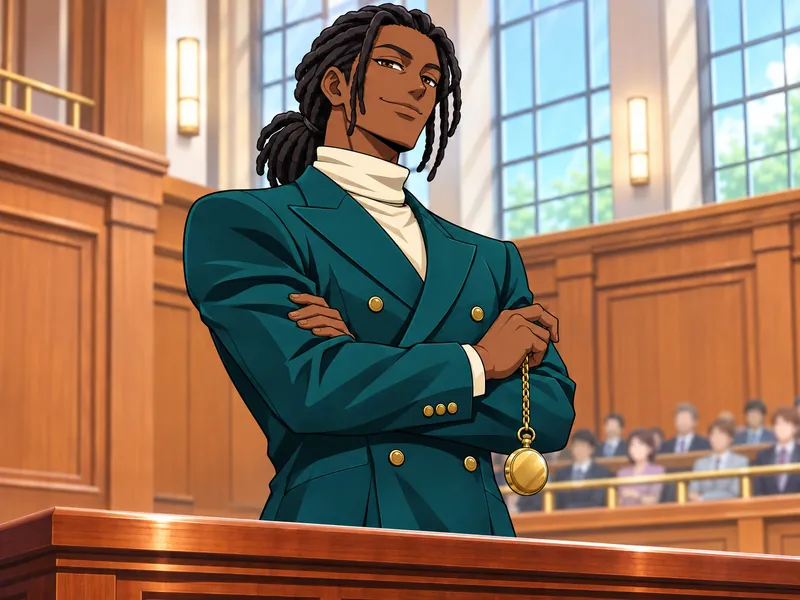
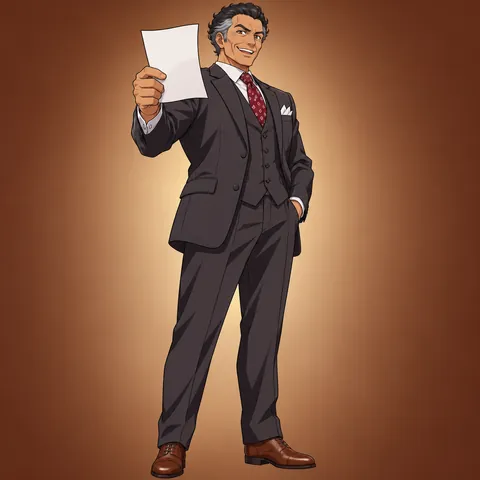
Rhett Orrick
Prosecutor- Quotes closing arguments from memory
- Snaps his watch shut to end a point
- Has never once raised his voice
This free Ace Attorney OC creator designs original characters for the courtroom: a rookie defense attorney, a rival prosecutor, a detective, a spirit medium, a judge or a witness whose story keeps changing. Pick the era, from the modern courts to Meiji-era Japan, Victorian London and the Kingdom of Khura'in, then give your OC an objection pose, a badge-free lapel and a quirk the gallery will remember. Draw a portrait, a full body or a reference sheet.
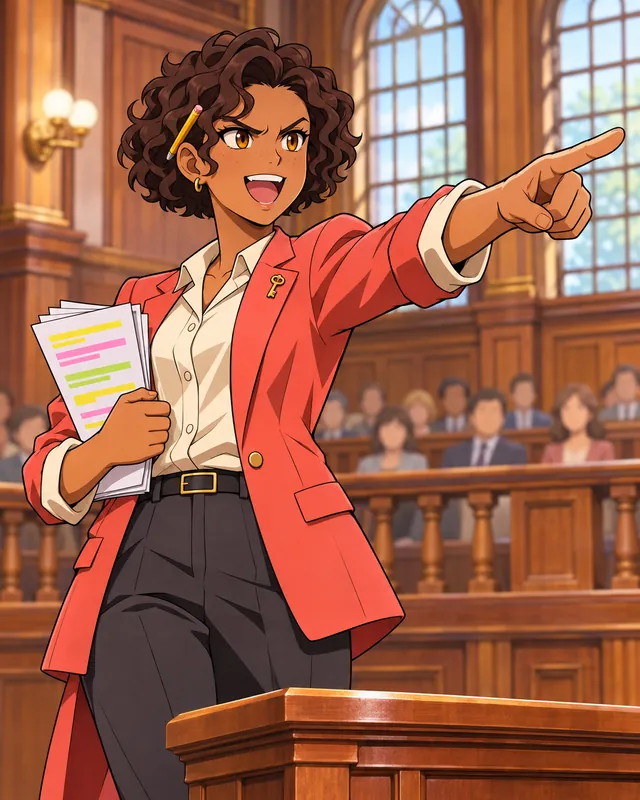
Ideas
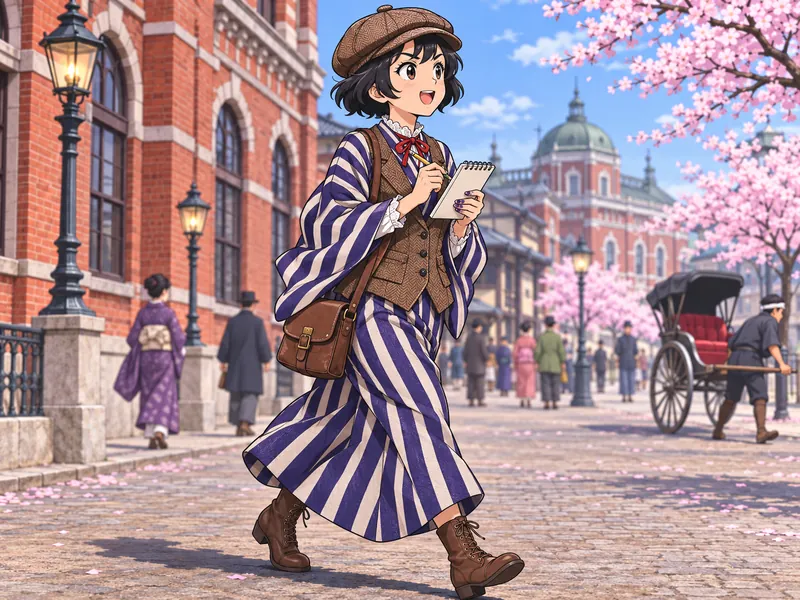
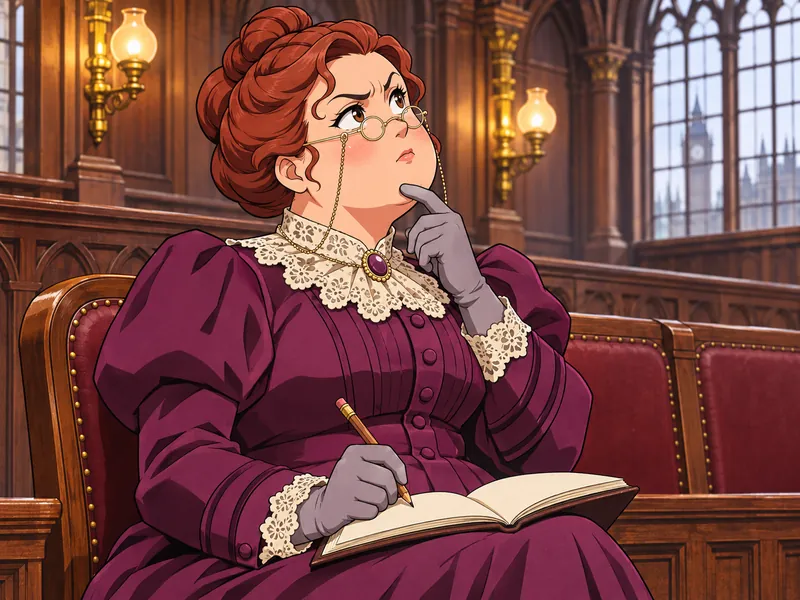
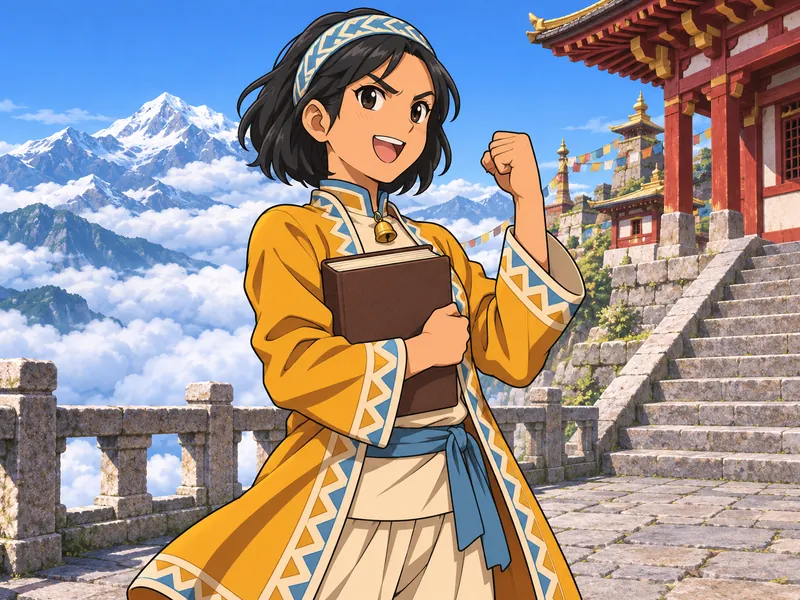
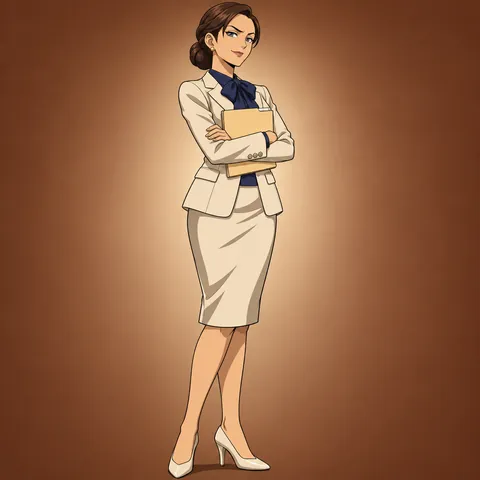
Each of these Ace Attorney OCs has a role, an era and a habit the gallery would remember. Three work in the modern courts: a theatrical prosecutor, a forensic investigator and a star witness who cannot keep her story straight. The other three come from other corners of the series: a reporter in Meiji-era Tokyo, a Victorian juror and a rookie defense attorney from a mountain kingdom. None of them is a canon character with a new name. Use this idea fills the generator with every field, the name and the description, so you can swap the look, the era or the quirk and make the character yours.


Know the rules
Ace Attorney is Capcom's courtroom adventure series, created by Shu Takumi. The first game came out in Japan on the Game Boy Advance in 2001 and reached English-speaking players on the Nintendo DS in 2005, and the series now counts six main games and five spin-offs. Every case alternates between investigations and trials, where you press witnesses on their statements and present evidence that contradicts them. The English release sets the modern games in Los Angeles while keeping plenty of Japanese culture, and gives almost everyone a pun name. These six notes cover the roles and rules an Ace Attorney OC is built from.
Sources: Wikipedia: Ace Attorney; Ace Attorney Wiki: Kurain Channeling Technique; Ace Attorney Wiki: Psyche-Lock
The series follows defense attorneys who start every case as the underdog. A trial runs on testimony: the attorney presses a witness on each statement, then presents the piece of evidence that contradicts one, shouting Objection! and pointing across the courtroom. That pose and its speech bubble are the series' best-known image, and every game so far has ended on one. Shu Takumi chose the underdog angle on purpose: when he conceived the series in 2000, defense lawyers in Japan faced a conviction rate of about 99 percent. In canon, the attorney's badge is a sunflower with the scales of justice at its center, based on real Japanese badges, and each one carries its own ID number. This page keeps that badge out of the art. Give your attorney a lapel detail of their own, like a pocket square or a small brass pin, plus a pose and a client they believe in.
Every prosecutor carries a badge showing a blazing sun over winter frost, but most never wear it: Manfred von Karma taught Miles Edgeworth, and most other district prosecutors, to keep it in a pocket. A prosecutor is the defense's rival across the courtroom, and several canon rivals swap Objection! for a line of their own: Shi-Long Lang shouts Not so fast!, Simon Blackquill shouts Silence! and Nahyuta Sahdmadhi says Satorha!. For your own prosecutor, choose what they are protecting, such as a perfect record, a family name or simply the truth, and one habit the gallery would recognize. Leave the canon looks alone: no red suit with a frilled cravat, no whip, no visor and coffee mug, no rock-star leather and no samurai coat with chains.
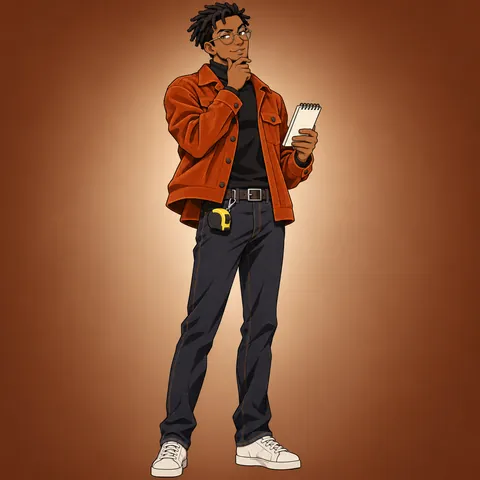
Half of every case happens outside the courtroom. During investigations the attorney searches locations, gathers evidence and talks to the client, the witnesses and the police, and a detective like Dick Gumshoe, whose surname is old slang for a detective, is usually close by. From Justice for All on, a magatama charged by a spirit medium lets its holder see Psyche-Locks: chains and red locks around a person who is hiding a secret. Between one and five locks can appear, and the more locks there are, the harder the person is trying to keep the secret. They shatter when the right evidence is presented. A detective OC works best with a method, a soft spot and one secret they would guard with five locks. Skip Gumshoe's shabby green coat and instant noodles, and Ema Skye's lab coat and science glasses.

Kurain Village, also known as Medium Valley, is home to the Fey clan of spirit mediums. Their Kurain Channeling Technique, based on older techniques from the Kingdom of Khura'in, lets a medium call a spirit to speak through her. To do it, she must know the spirit's appearance and true name, and while it lasts her body takes on the spirit's likeness while her hair and clothes stay her own. Learning it takes years of training and some inborn spiritual power, and in canon only the women of the clan inherit it. Fey acolytes wear a magatama and a string of orbs, and the number of orbs shows how far their training has come. For your medium, pick a different charm, a robe color other than the Fey purple and one clear limit, like a channeling that only lasts an hour or only works on rainy days.
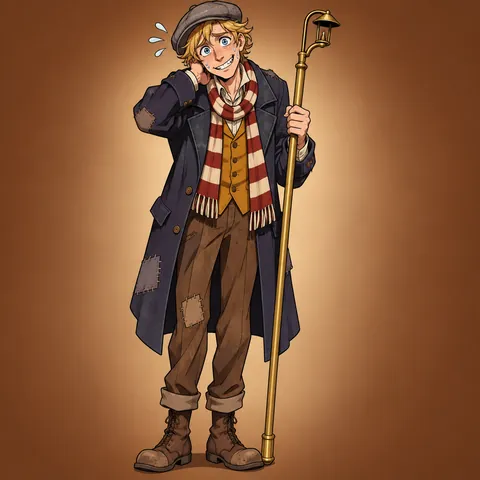
Witnesses are where the series keeps most of its comedy. Wendy Oldbag works as a security guard in three different games and never stops talking, and Phoenix Wright's old school friend Larry Butz turns up again and again, which is why their school had a saying: when something smells, it's usually the Butz. When a witness finally runs out of answers to the evidence, the game plays a breakdown, a one-off animation that can get wonderfully over the top. For a witness OC, pick a big personality, a job that puts them near the action and a story that changes every time the defense presses. Then give them a breakdown played purely for comedy, like curls that deflate one ringlet at a time or a hat that spins up and lands crooked.
The Great Ace Attorney Chronicles is set near the end of Japan's Meiji period, more than a century before the modern games, when the defense attorney was still a new idea in Japan. Its hero, Ryunosuke Naruhodo, an ancestor of Phoenix Wright, works beside judicial assistant Susato Mikotoba and later travels to Great Britain, where he works cases alongside the detective Herlock Sholmes. A Meiji attorney wore an armband rather than a lapel badge. At the Old Bailey in London, a jury of six decides the verdict, and when all six vote guilty, the defense can call a summation examination to question their reasons and change their minds. A Great Ace Attorney OC needs period clothes, a reason to be in court and, for a juror, something that could change their vote.
Names and quirks
Ace Attorney's English localization gives almost everyone a name with a double meaning tied to their personality, job or looks. Winston Payne is a play on winced in pain, Will Powers on willpower and Dumas Gloomsbury on doom and gloom. The Kingdom of Khura'in spells English phrases with apostrophes, like Paht Rohl (patrol), Ahlbi Ur'gaid (I'll be your guide) and Beh'leeb Inmee (believe in me), and The Great Ace Attorney hides puns inside Japanese names, like Raiten Menimemo (writing many memos). The mixer has a set for each style, and every word in it was checked against the canon roster, so no pairing rebuilds a canon name. Tap a name to send it to the generator, then pick a courtroom quirk.
An everyday first name plus a surname that puns on a habit, the way Gumshoe or Oldbag does.
Pick one habit the gallery will remember, or the comic way your OC falls apart when a story unravels.
Guide
Ace Attorney characters are built to be read in a second: one silhouette, one main color, one habit and one name that tells you who they are. Work through these five steps in order; the fields in this Ace Attorney OC creator follow the same order.
Decide where your OC stands when the trial begins: at the defense bench, at the prosecution bench, on the witness stand, behind the judge's bench or in the gallery with a notepad. Then pick the era. Modern day covers the main games, set in the English release's Los Angeles; Meiji-era Japan and Victorian London are The Great Ace Attorney; the Kingdom of Khura'in is the mountain country of Spirit of Justice. Write one sentence on why your OC is in court today. A rookie defending a friend, a juror called up for the first time and a reporter chasing a headline all walk in with very different energy.
The games show characters as big, expressive sprites, so the outline does a lot of the work. Give your OC one bold hair shape, one main color and one prop that reads instantly, like a pocket watch, a towering hat, chunky headphones or a law book. Then check the design against the cast. Phoenix Wright's spiky black hair and blue suit, Apollo Justice's red suit and two swept-back spikes, Athena Cykes' yellow suit and computer necklace, Miles Edgeworth's red suit and cravat and Maya Fey's purple robes and magatama are taken. Change the color and the shape together, not just one of them.
Each lead has a special way of seeing through people: Psyche-Locks for Phoenix, a bracelet that catches nervous habits for Apollo, the Mood Matrix that hears emotions in a voice for Athena, and logic that links clues for Edgeworth. Pick a Special skill in the same spirit, then give your OC a weakness the story can use. A brilliant cross-examiner who cannot find anything in their own office, or a detective with perfect instincts and no patience for paperwork, has room to grow. A character who wins every argument at once has nothing left to do in a trial that can run for up to three days.
The finger-pointing Objection! is the series' signature pose, and several rivals have a shout of their own, like Not so fast! or Silence!. Pick a Courtroom pose for the art, and keep your OC's own short shout in your notes; the image shows the pose, not the words, and the canon shouts belong to their owners. Finish with a courtroom quirk from the names section, or invent one: a habit the gallery remembers, or a comic breakdown for the moment a story falls apart. Keep breakdowns silly, like fogged glasses or a blizzard of paper. The joke is the whole point.
Open the name mixer and pick the set that matches the era: pun surnames for the modern games, Victorian London, Meiji Japan or Khura'inese phrase names. Read the name out loud. If it sounds like a word or a phrase that fits the character, it works. Then choose an output. A portrait suits a profile icon, a full body shows off the outfit and the pose, and a reference sheet keeps the details consistent for later art. Compare the result with your notes, fix anything that drifted and keep the description, so the next image stays on model.
Other fandoms
 DanganronpaOC Creator
 Death NoteOC Creator
 Black ButlerOC Creator
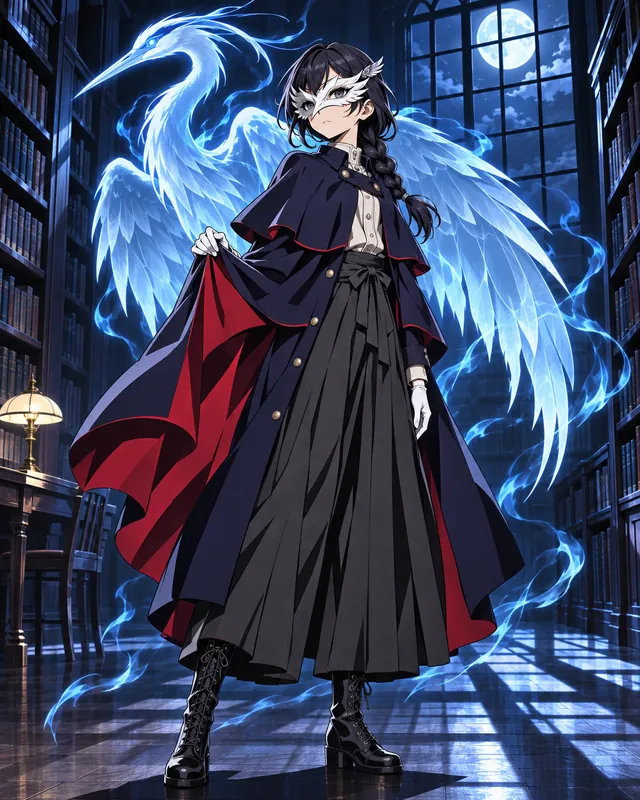 PersonaOC Creator
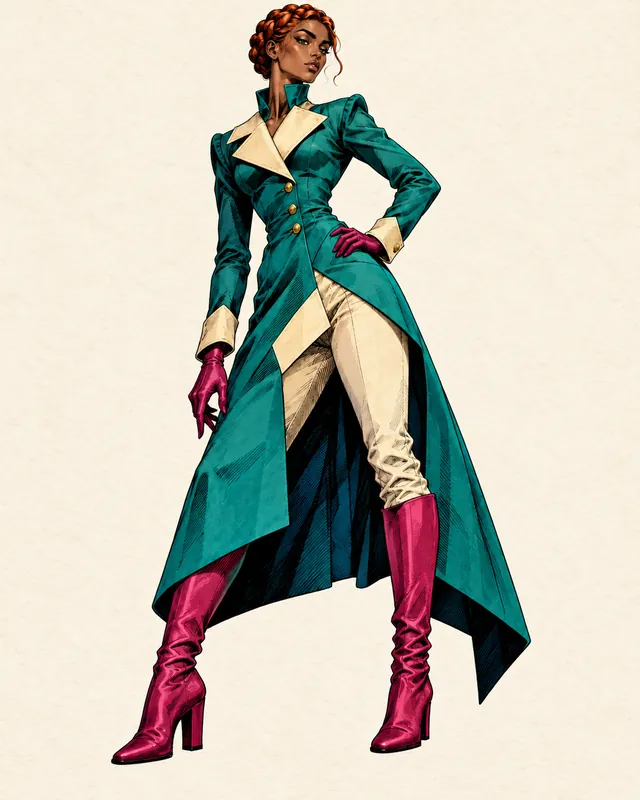 JoJoOC Creator
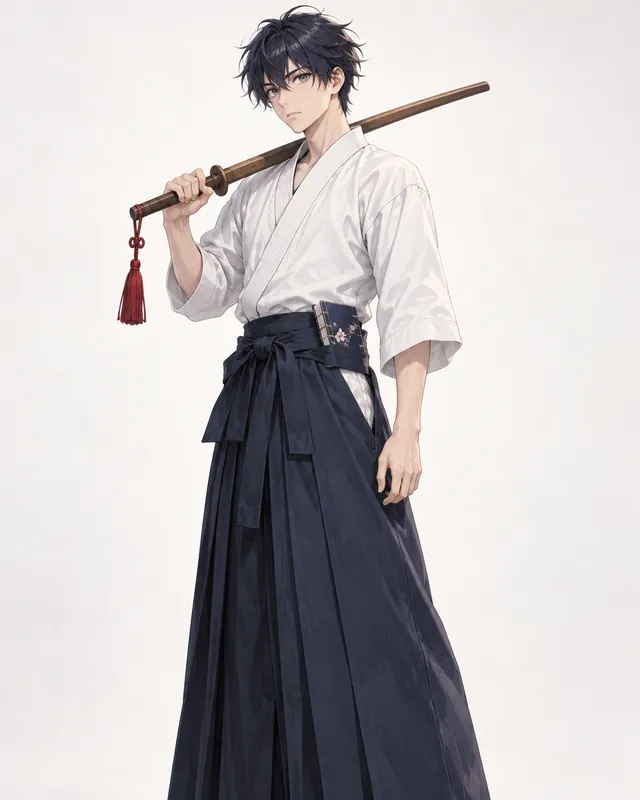 AnimeOC Creator
Tools
FAQ



Sign up and your first pack comes with 100 bonus credits.