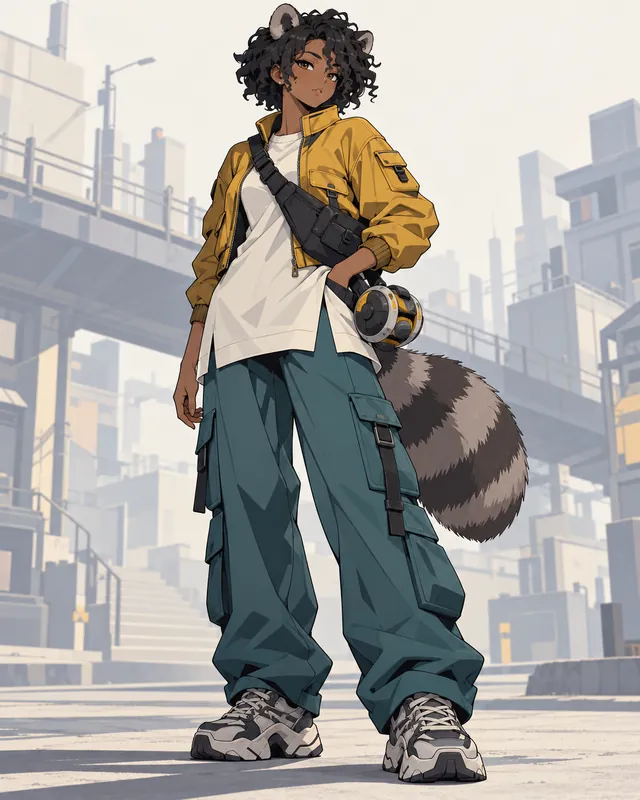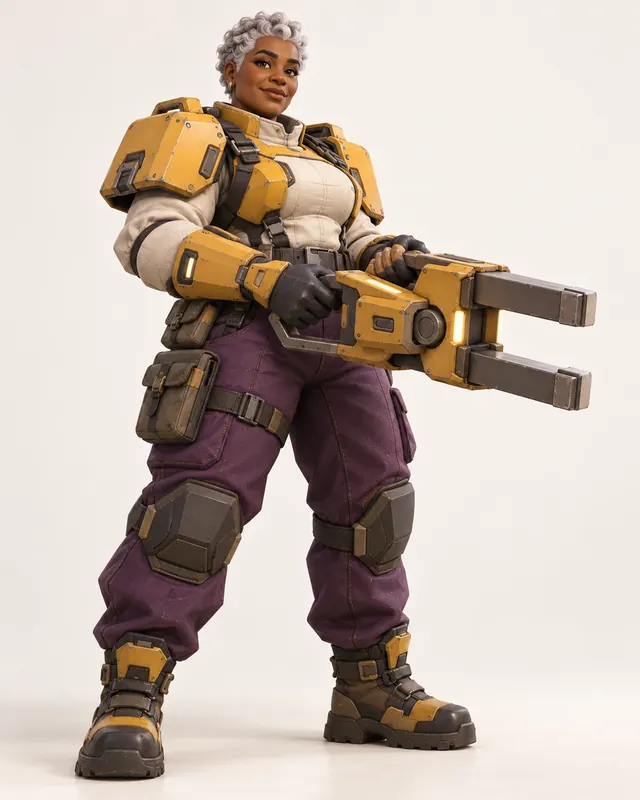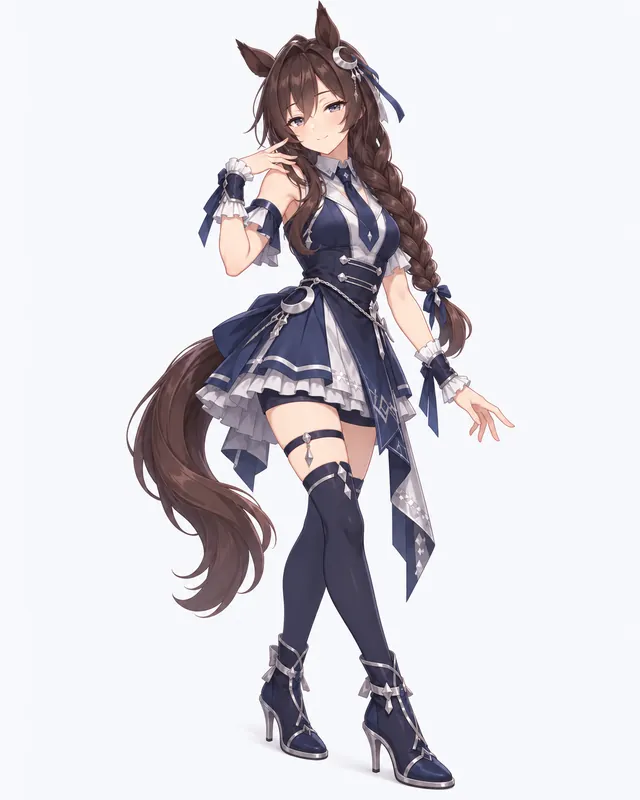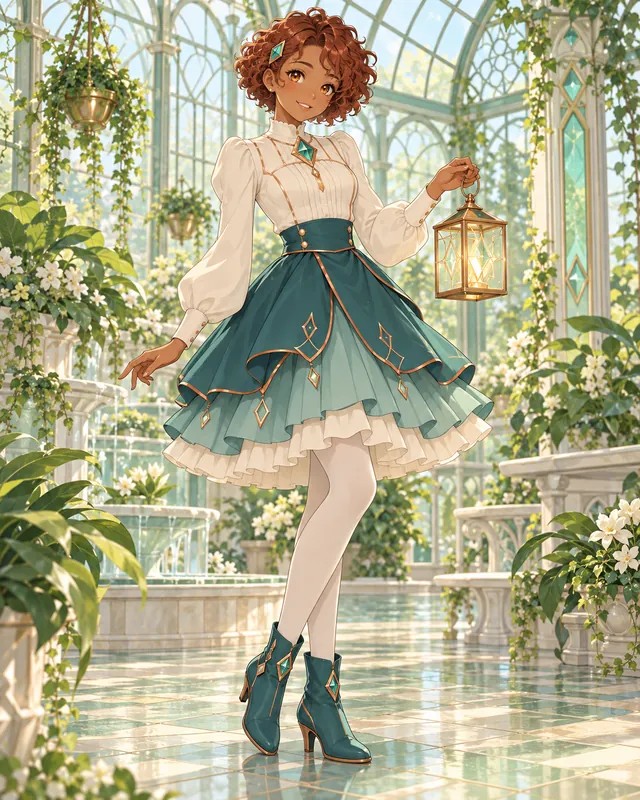
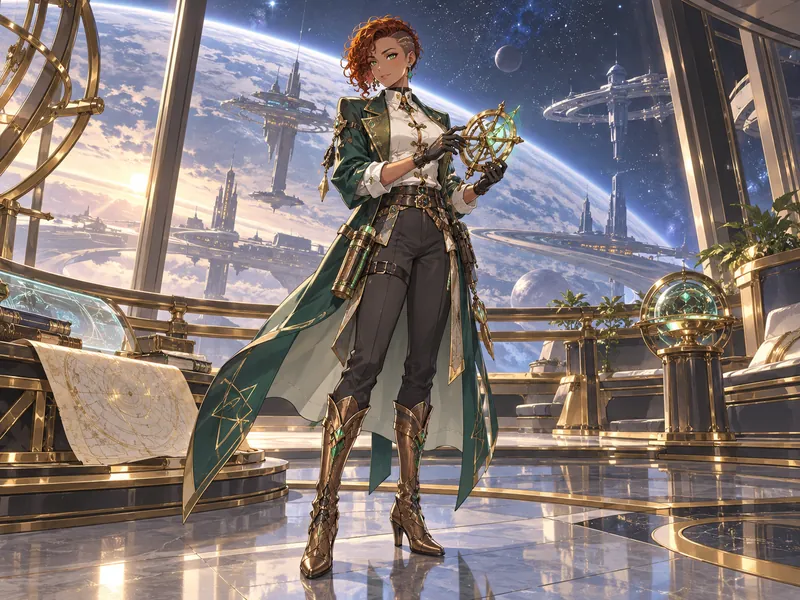
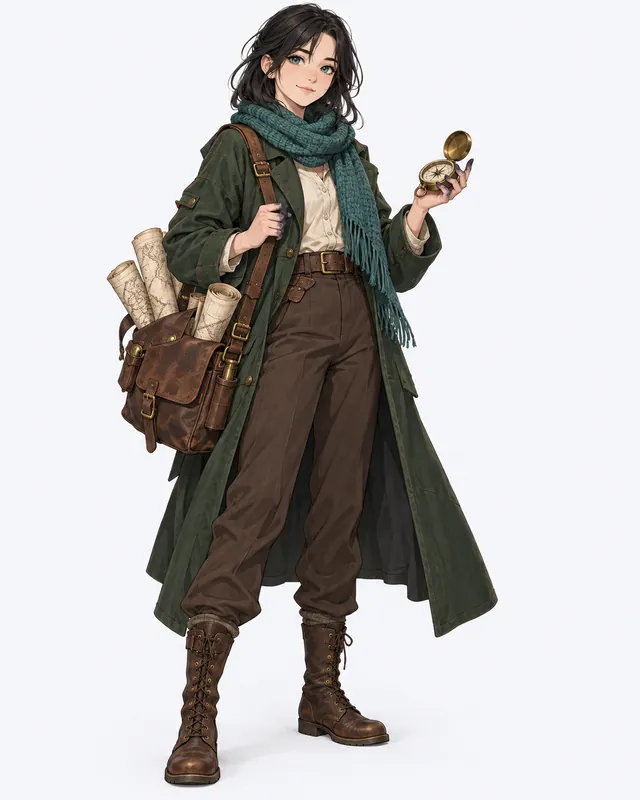
Ivara Senn
Wind / Harmony- Maps the safe route home
- A compass that needs quiet
- Always checks the last door
Build a companion for Honkai: Star Rail. Choose your HSR OC’s Path, Combat Type and home world, then give them a reason to board the train. Start with an original fan idea and draw it in your chosen style.
Ideas
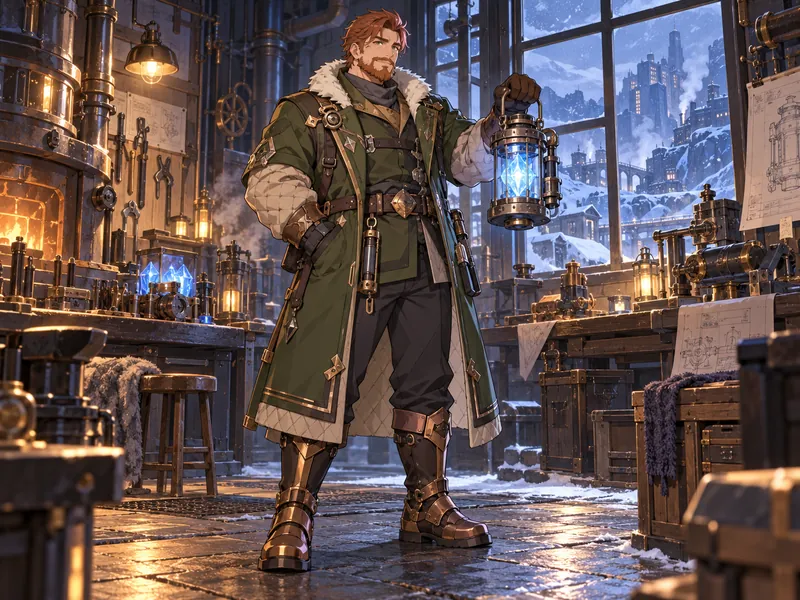
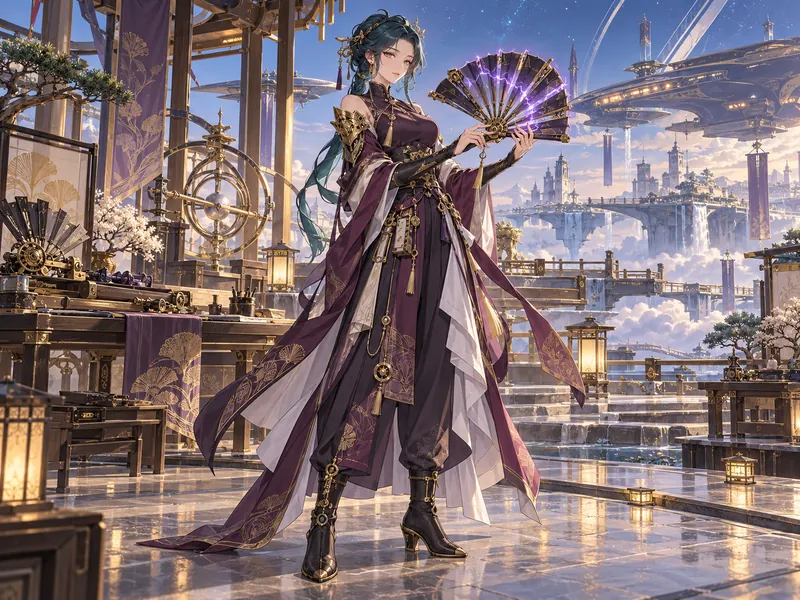
Each idea links a daily responsibility to a visible tool and one limit. Use the card to load a coherent starting point, then change the history before you change the power. The names and designs below are fan inventions. None is meant to replace a member of the official cast.
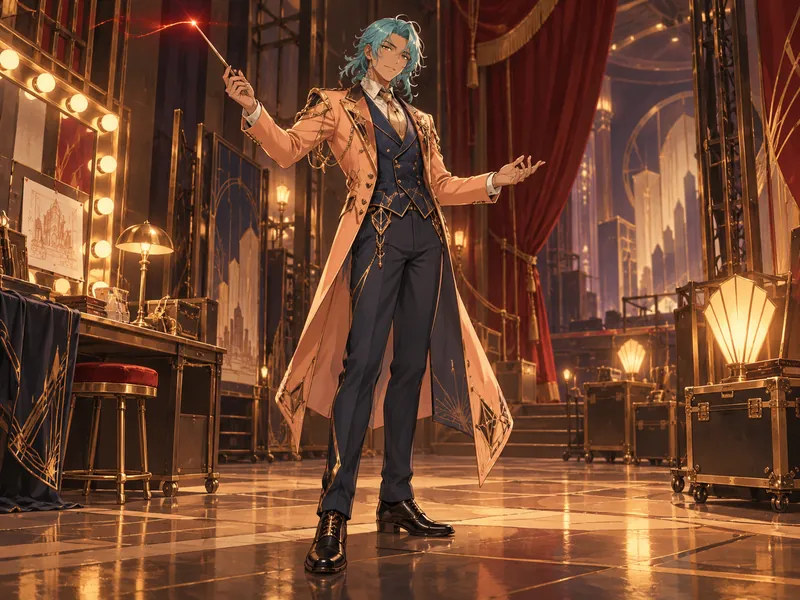
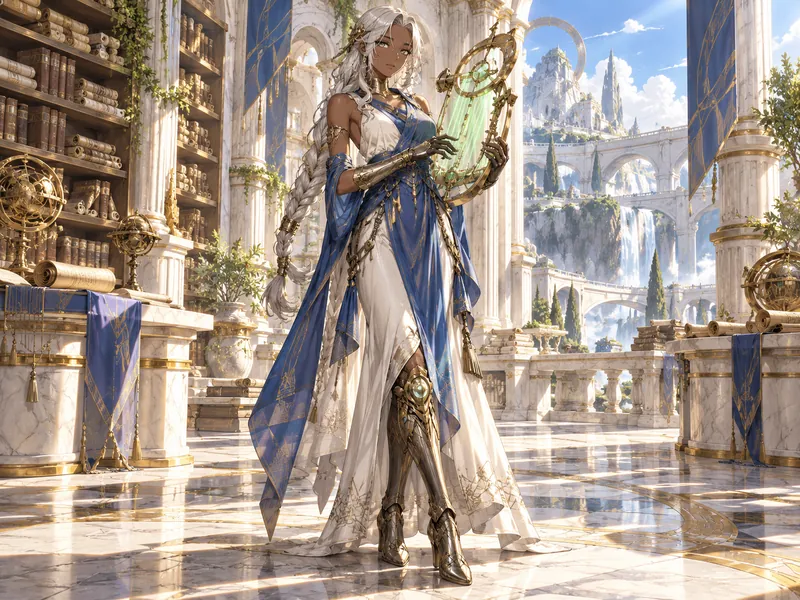
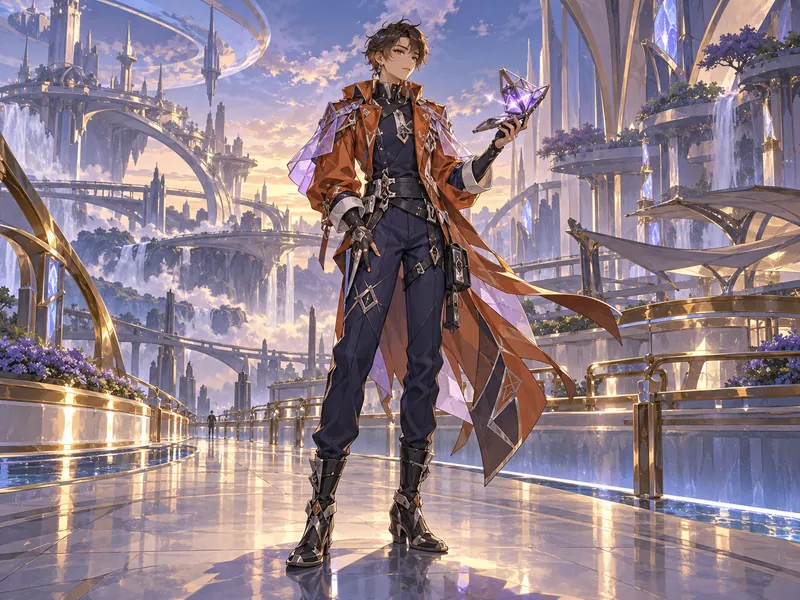
Art styles
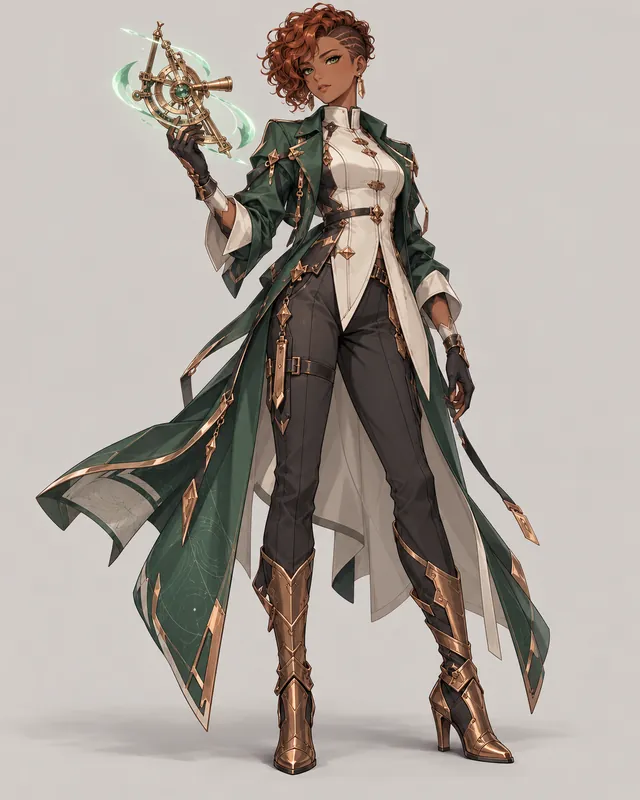
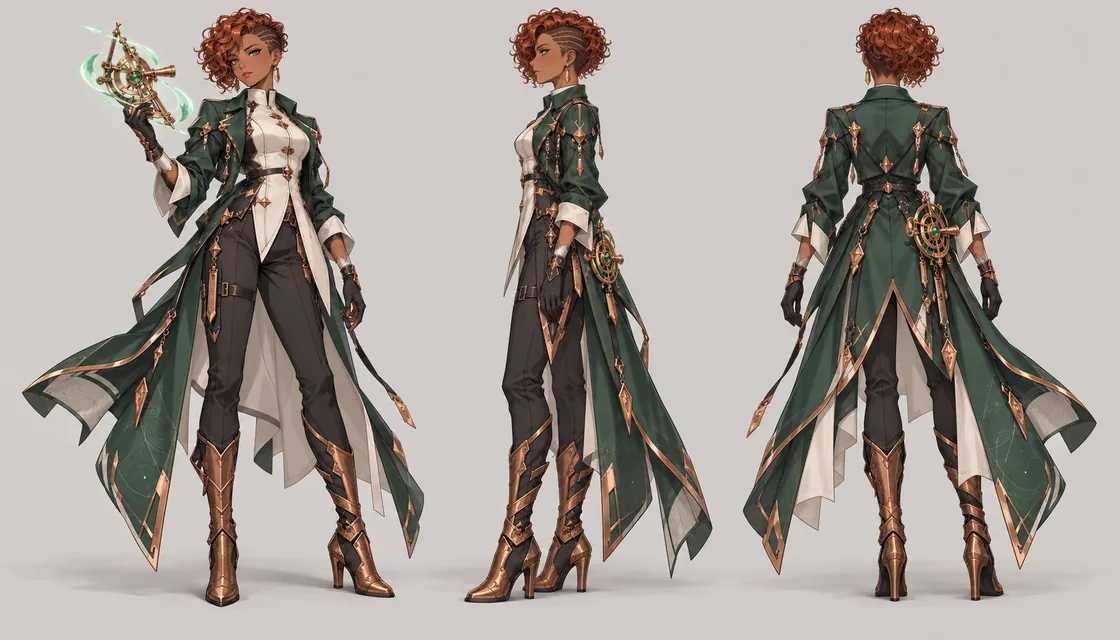
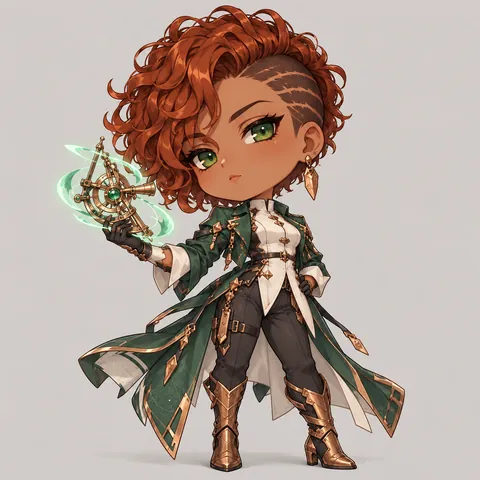
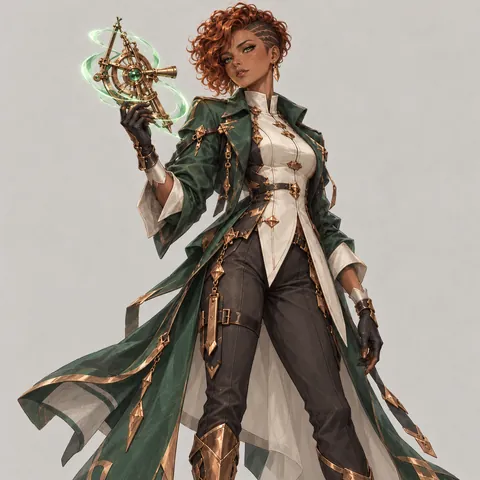
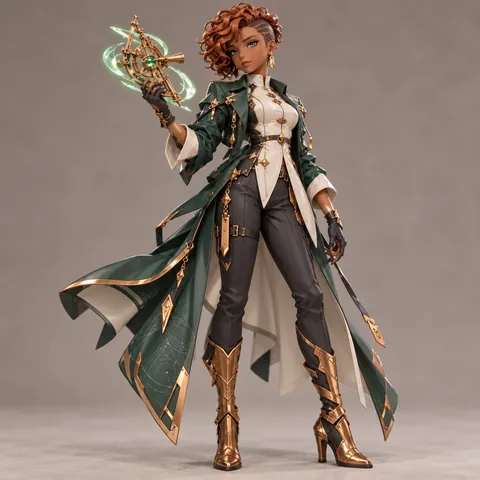
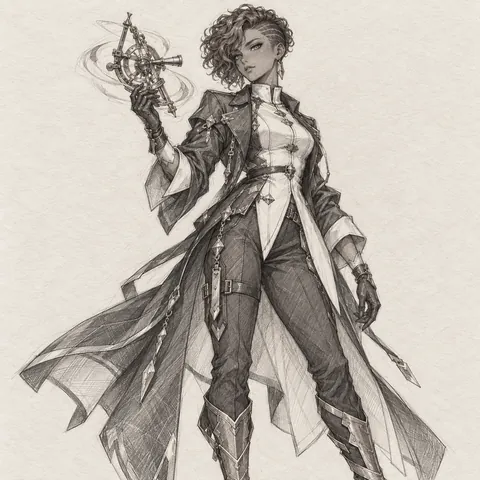
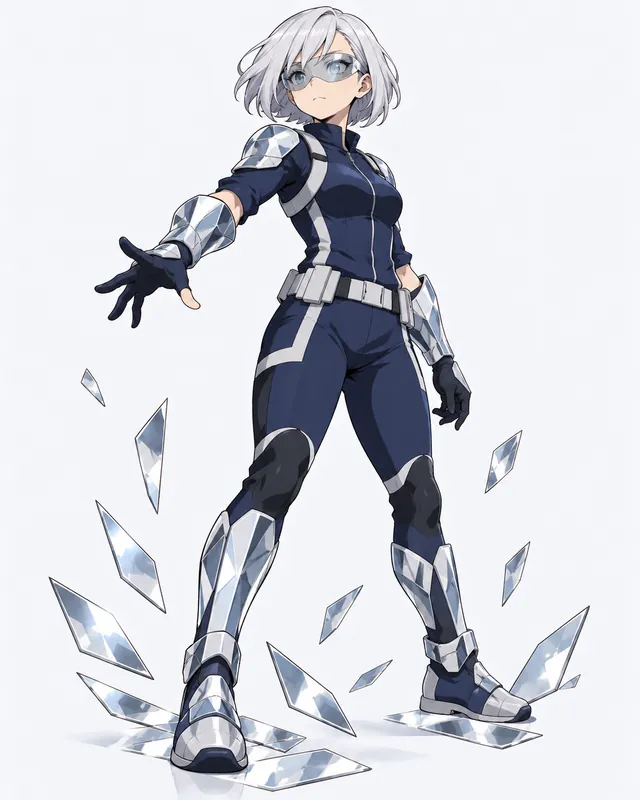
Copper curls, jade coat, ivory collar and a brass survey instrument: Ivara stays herself in every finish. Compare true chibi proportions, painted light, a dimensional 3D figure and graphite pencil. The reference sheet checks the coat from front, side and back.
Know the rules
Choose gameplay identity and story identity separately. A combat Path tells you how to frame a fan kit, while a faction tells you who expects something from the character. Neither one supplies an entire personality. The current playable list includes Remembrance and Elation as well as the original seven Paths; lore contains additional Paths that are not ordinary character classes in this picker.
Sources: HSR Wiki: Paths; HSR Wiki: Light Cones; HoYoverse: Version 4.0 and Planarcadia
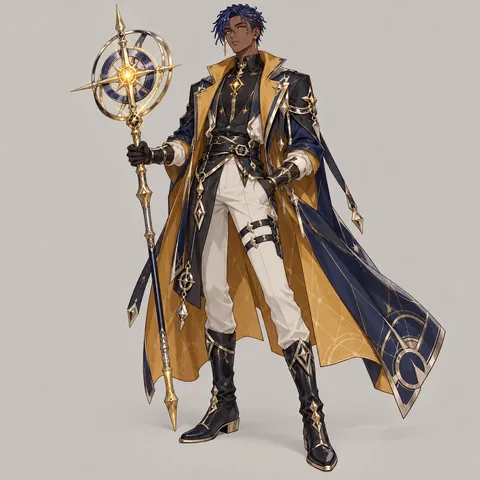
The nine playable Paths are Destruction, The Hunt, Erudition, Harmony, Nihility, Preservation, Abundance, Remembrance and Elation. Use them to organize the fan kit rather than to diagnose the character. An anxious person can offer support; a cheerful person can be a debuffer. Story allegiance to an Aeon and a playable combat Path do not always line up one to one. For a Trailblazer companion, write the reason they accept the journey before deciding their strongest attack. Keep their skills useful without making the established crew helpless.
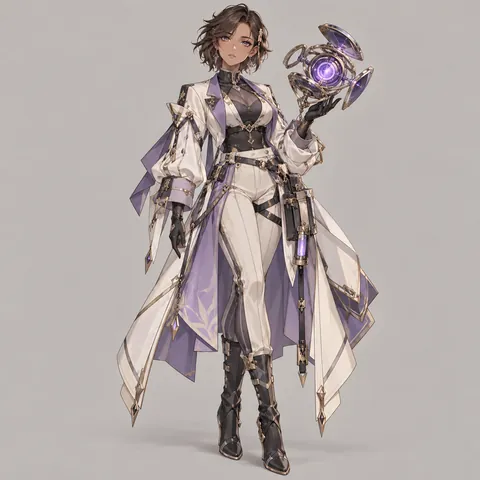
Physical, Fire, Ice, Lightning, Wind, Quantum and Imaginary are the seven Combat Types. DPS, support, sustain and debuffer describe team jobs, with room for overlap. A color is an artistic cue, not a rule that every garment must follow. Pick one clear place where the effect begins, such as a lens, fan or lantern. Show that source again in the boots or fastenings through a small repeated material. Avoid adding several unrelated elements just because they look dramatic; a focused effect is easier to recognize and easier to describe.
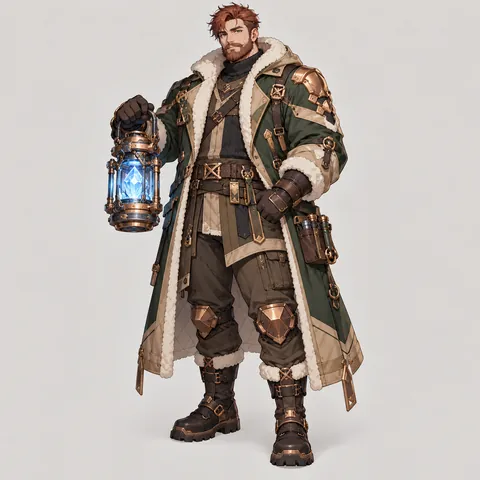
Herta Space Station, Jarilo-VI and Belobog, the Xianzhou Luofu, Penacony, Amphoreus and Planarcadia offer different starting points. The Luofu is a ship within the Xianzhou Alliance, while Belobog is a city on Jarilo-VI, so avoid treating every destination as an interchangeable planet. A Belobog repairer might carry insulation and replaceable parts. A station researcher might organize instruments around access and maintenance. Those are design suggestions, not requirements imposed by canon. Give the OC one familiar place they would miss and one practical reason to leave it.
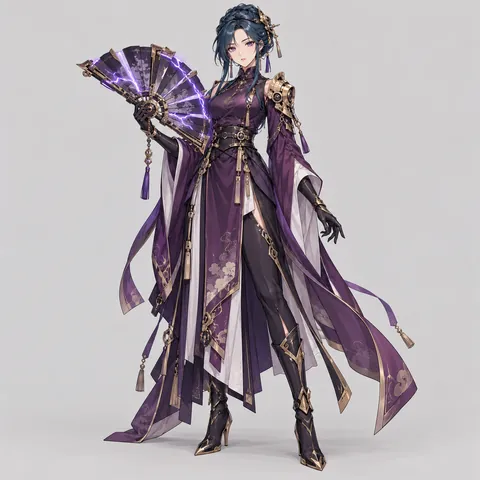
The Astral Express, Interastral Peace Corporation and Stellaron Hunters are affiliations, not hometowns. You can describe where your OC grew up in Extra details even when a faction is selected. An IPC worker needs a particular job, supervisor or disagreement; a Hunter concept needs a reason to accept uncertain instructions. An Express guest needs a destination and something to contribute while traveling. Use original tailoring, equipment and habits to suggest that role. Do not copy the Express emblem, IPC logo, Path symbols or a named character’s outfit as a shortcut to belonging.
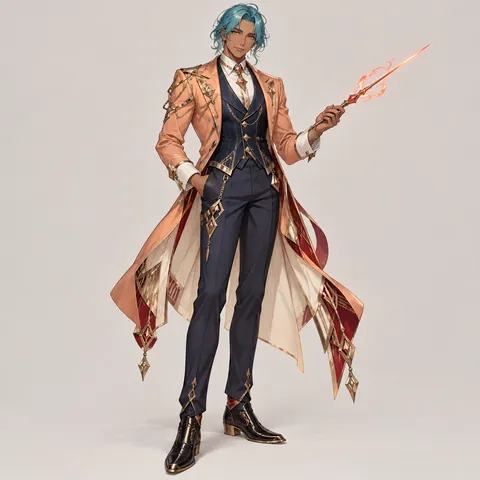
Light Cones hold refined memory fragments and provide equipment effects; their passive ability depends on a matching Path. They range from three to five stars, while playable characters use four- and five-star rarity. A Light Cone concept can begin with an ordinary memory: waiting by a door, repairing a borrowed tool or hearing a rehearsal through a wall. The character’s handheld weapon or tool is a separate design choice. Echo the memory through that prop without pretending the prop is literally their Light Cone. This page draws character art, not an official equipment card or game UI.
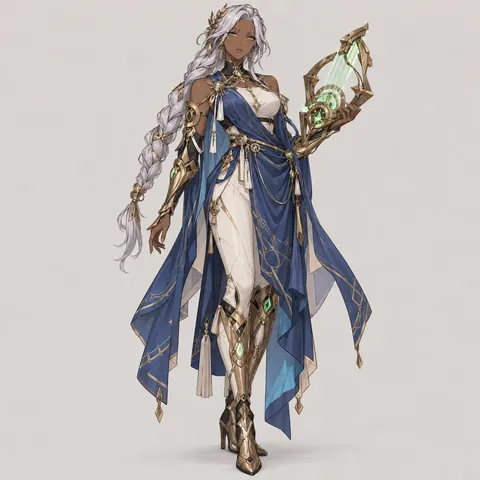
Amphoreus joined the accessible destinations in Version 3.0, and Planarcadia followed in Version 4.0. Their settings should not be collapsed into the same generic space station. For an Amphoreus fan design, try draped fabric, bronze structures and a tool tied to remembered work, while leaving the canonical heroes’ defining motifs alone. For Planarcadia, an original city performer or technician can combine streetwear with fantastic equipment. Elation is now a playable Path, so it belongs in a current creator. You do not need to retell a major quest or add an Aeon connection to justify either origin.
Names and memories
Choose a world before a name. Xianzhou suggestions use romanized family and given names, following examples such as Li Sushang. Belobog uses grounded personal names and surnames, as with the Landau family. Penacony offers performance aliases; Amphoreus uses invented classical-register single names. Station travelers keep cosmopolitan full names, while Planarcadia offers public aliases. These are observed tendencies and fan-writing choices, not universal laws. Each chip keeps its own bank separate; a faction member can retain their home-world name.
performance texture + musical image; an alias, not a legal name
Pick a small moment, then explain why this OC kept it.
Guide
A convincing companion needs a relationship between their ordinary life and their extraordinary abilities. Use these five passes to build that relationship. Each pass gives you a decision you can check in the finished picture, plus a detail that belongs in the written character sheet.
Give the OC a concrete reason to meet the Trailblazer: a delivery, a damaged instrument, a missing route or a request for a second opinion. Decide whether they are a temporary guest, a local contact or a continuing passenger in your alternate story. Then write what they can offer and what they need help with. A companion feels easier to include when their first scene asks a manageable question. Avoid making them the secret cause of every major event or the only person who understands the entire universe.
Choose a Path, Combat Type and team role, then describe a single reliable contribution. A sustain character might protect a narrow route; a debuffer might require a clear view of the target. Add a condition that interrupts the effect. Treat these as fan design notes, not tested balance numbers. Rarity is presentation, not a measure of personal worth or automatic superiority. If the kit needs several paragraphs of exceptions to stay fair, remove an ability before adding another rule. The best limit also gives the OC a reason to rely on their companions.
Start with the outfit foundation and choose one large shape: an asymmetrical coat, a short armored cape, a draped tunic or a structured tailcoat. Add a tool the person actually uses, then let its materials appear in a few fastenings or boot panels. Keep one main costume color and one accent. Glowing effects should explain the Combat Type without covering every seam. Write the back view now, including where the tool is stored. That makes the reference sheet useful and reduces the chance of incompatible equipment appearing between angles.
Use the naming convention of the place where the character grew up, or clearly label a chosen alias. Choose the matching world chip in the mixer. Penacony creates performance aliases, Xianzhou uses family and given names, and Amphoreus keeps curated single names intact. Check the full name against the current roster and notable NPCs before treating it as final. Then write one short Light Cone memory with a beginning and an emotional turn. A remembered kindness, failed rehearsal or repaired heater often tells you more about someone than another title. Keep the memory distinct from the character’s weapon specifications.
Load an idea, adjust the choices and select a style before drawing. Check the face, both hands, costume layers, elemental source and stored equipment in the result. Look for accidental official symbols and resemblance to an existing character. For a companion sheet, save a front, side and back description alongside the art so the important details stay stable. The image is a visual interpretation rather than a lore validator. If it misses the personality or changes the tool, revise that specific detail in the next prompt instead of adding a long list of unrelated effects.
Other fandoms
Tools
FAQ

Sign up for 10 bonus credits and make your first OC free.