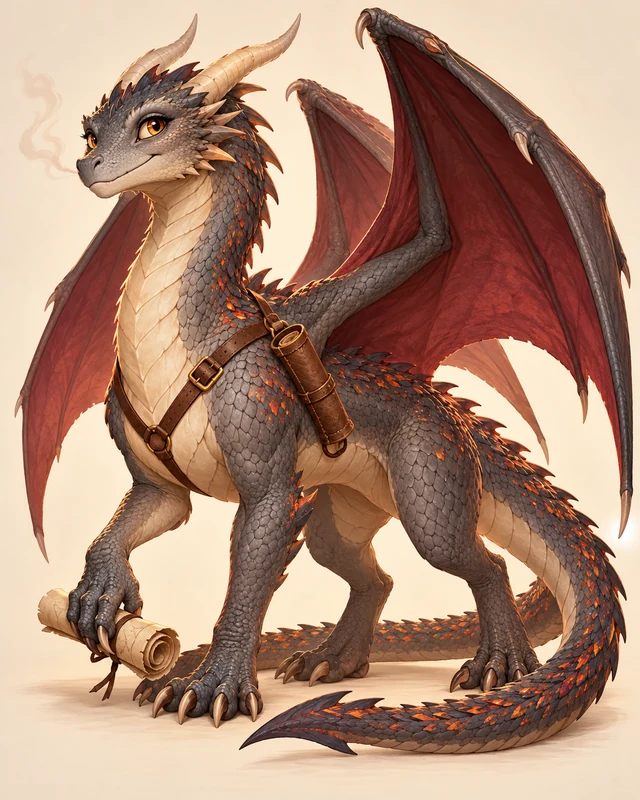
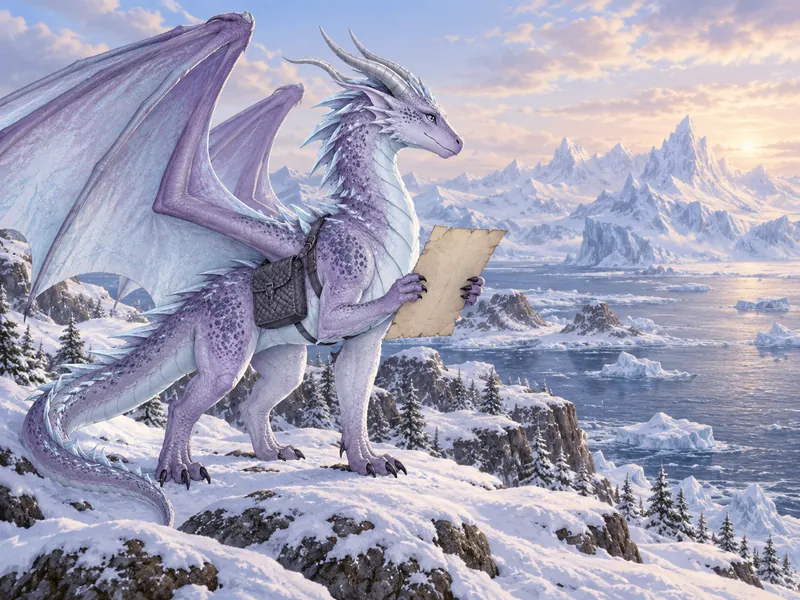
Rimegrain
IceWing- Maps the safest crossing
- Trusts a second opinion
- Keeps maps in a plain pouch
This Wings of Fire OC creator starts with a tribe, a home and a job worth doing. Choose the anatomy, then add a palette, a useful skill and one limitation. Build a Pyrrhian dragonet, a Pantalan craftsperson or an original fan hybrid.
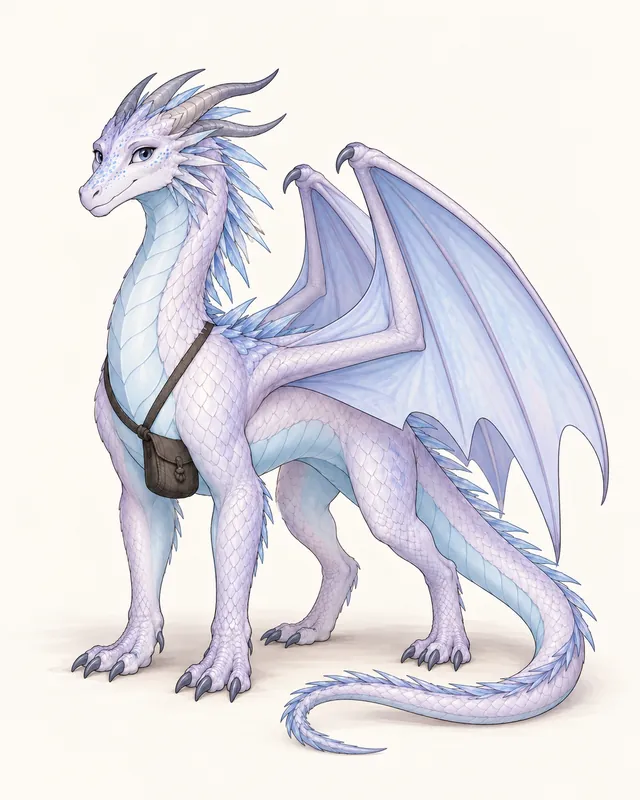
Ideas
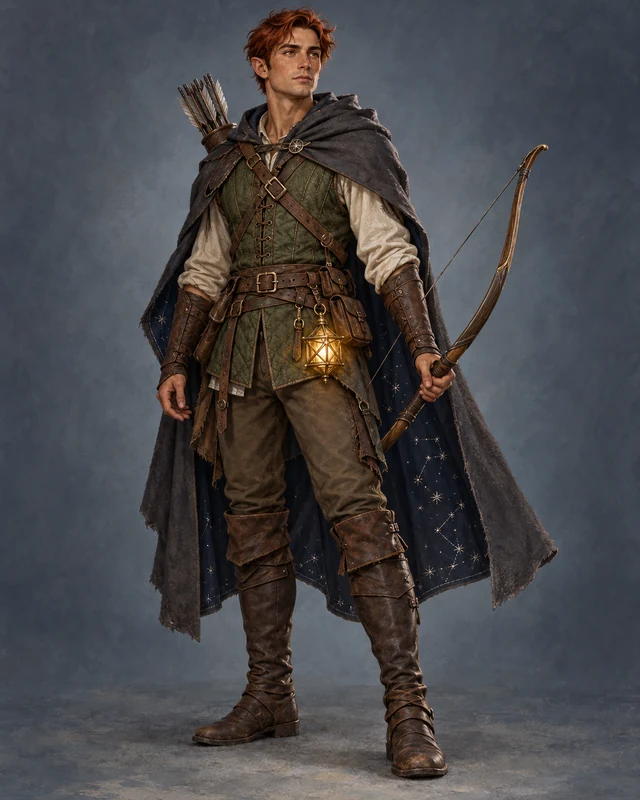
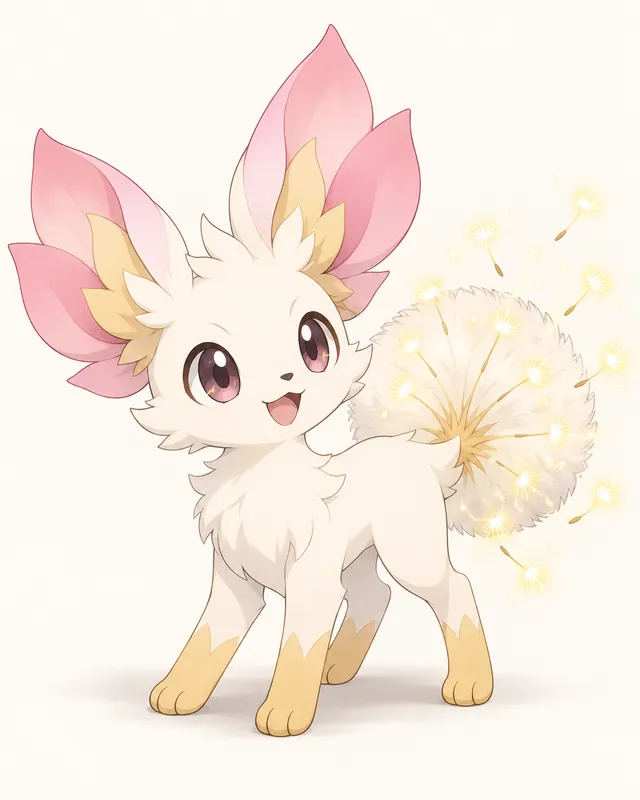
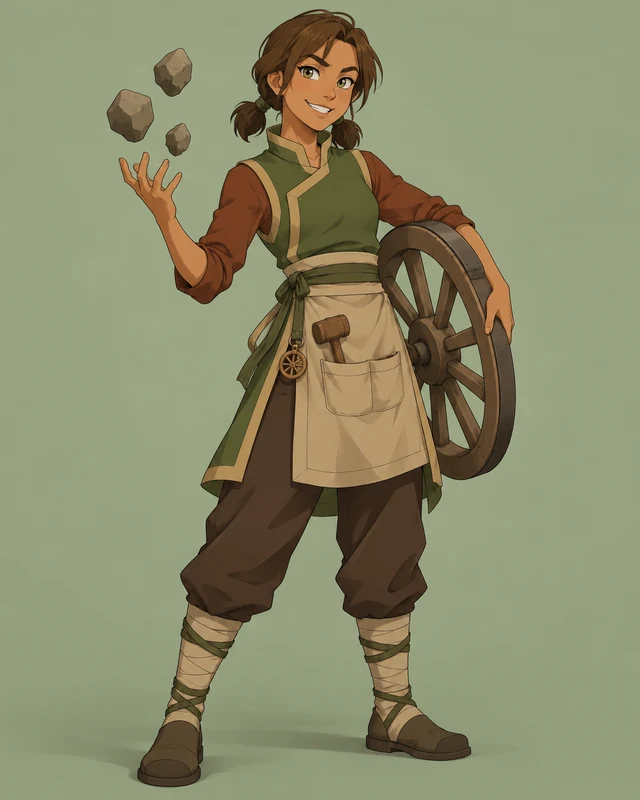
Each card pairs a visible body plan with a daily task. Use this idea loads its choices into the draft, where you can replace the name, change a color or rewrite the limitation. These examples deliberately avoid royal ancestry and rare powers as shortcuts to importance. A careful mapmaker can matter to a village without commanding an army. A young dragon can make a mistake, ask for help and still be worth following. Treat the hybrid as a fan interpretation, and keep the two family histories separate from the skill the character learns.
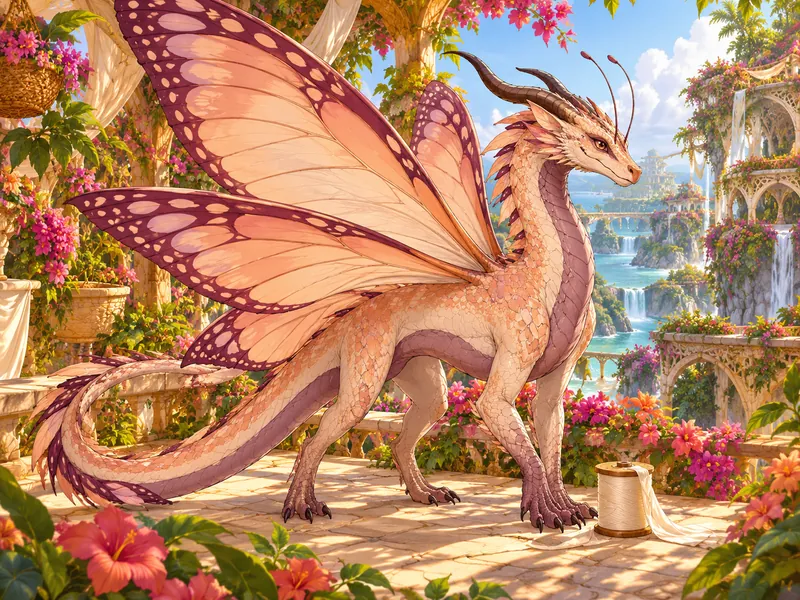
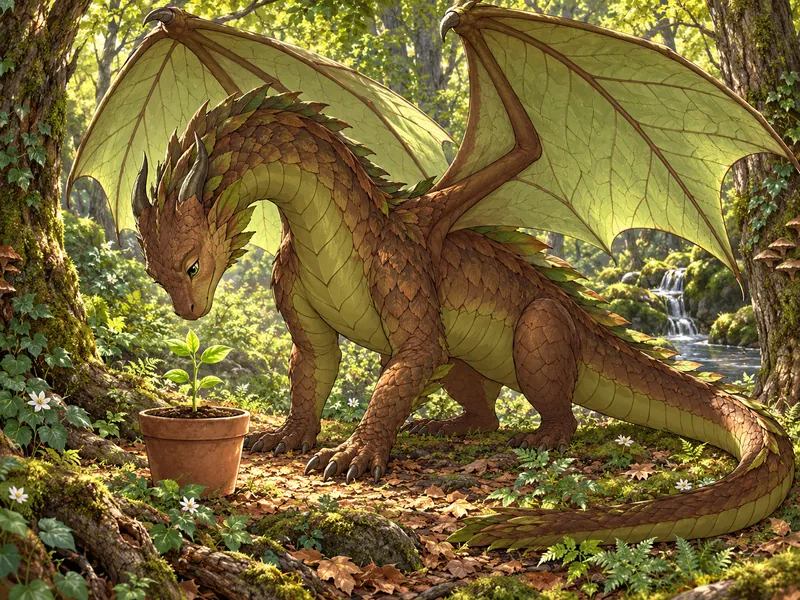
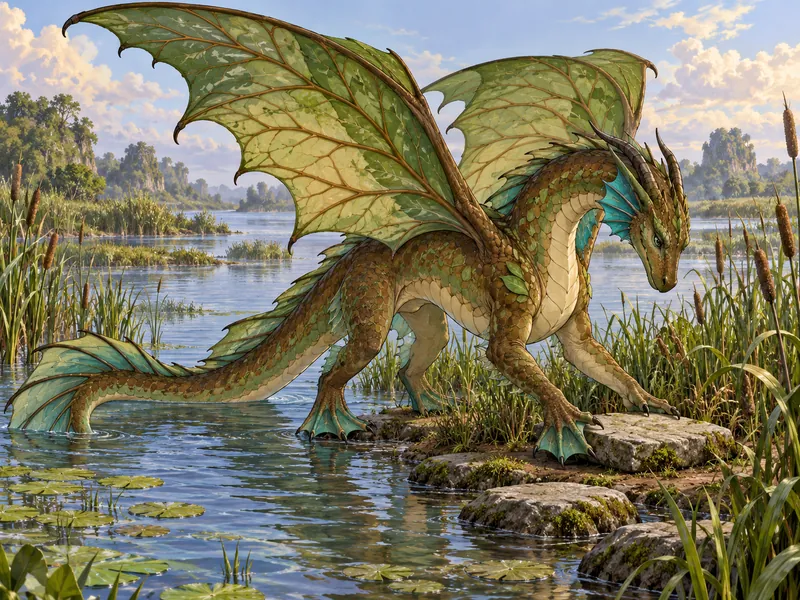
Know the rules
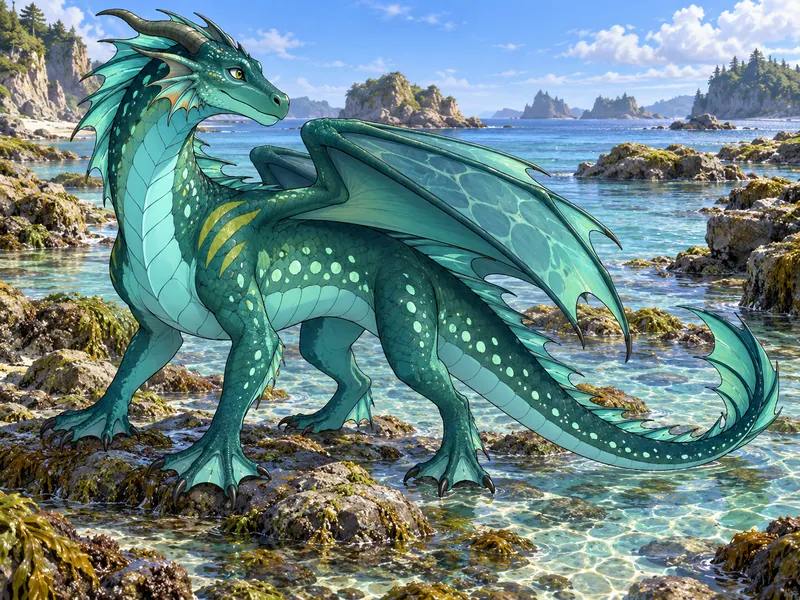
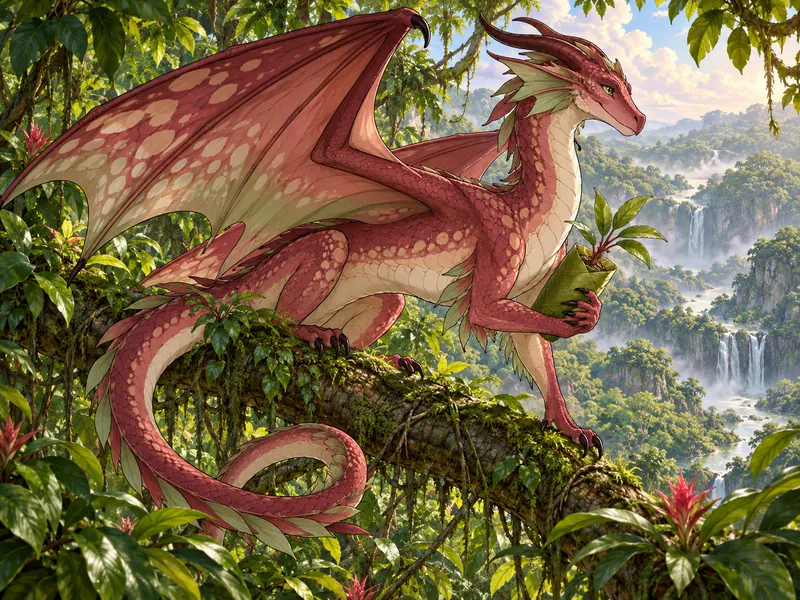
Use this Wings of Fire character generator as a drafting aid, then check the details against the books. The cards group related design decisions so that ten tribes fit into a readable guide. Their pictures illustrate ancestry groups, not every tribe named in the text. The tribe chip controls your exact choice; choose a compatible ancestry group, and describe both parents in Extra details when making a hybrid.
Sources: Official Scholastic dragon guide excerpt; Wings of Fire series and tribes; Animus magic and its timeline
IceWings have pale scales, narrow spines around the neck, serrated claws and frostbreath. Their long, thin tails carry spikes toward the tip. Use white, pale blue, silver or light lavender as a starting palette, then distinguish the face through proportions rather than copied royal accessories. For an IceWing OC, choose an ordinary reason to travel: mapping safe ice, delivering supplies or studying a coastline. Cold tolerance is a tribal trait; confidence, kindness and skill are individual choices. Rimegrain is a fan apprentice with gray-blue eyes and a plain map pouch, not a relative of a protagonist.
SeaWings have gills, webbed talons, luminous scales and strong tails suited to swimming. RainWings have color-changing scales, ear ruffs, curved horns and prehensile tails. These are different adaptations, not interchangeable decorative parts. A SeaWing can communicate through luminous patterns; a RainWing can use camouflage. For an ordinary scene, show a tide marker or a climbing branch instead of an attack. Avoid royal SeaWing spiral markings on a casual nonroyal design. RainWing venom belongs in lore notes, not a graphic image. Let the home explain how the body moves, then let the personality depart from a tribal stereotype.
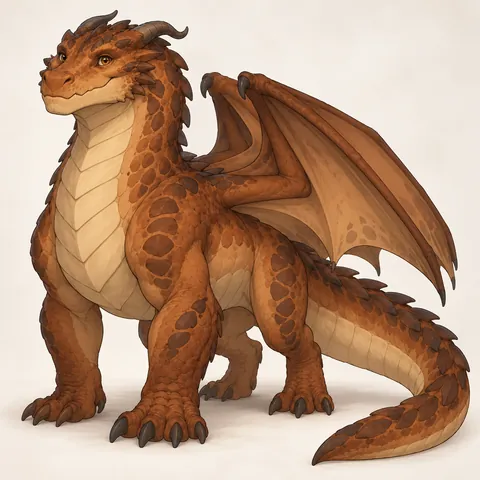
A MudWing reads through a broad head, sturdy build and earth-toned scales. A SandWing uses sandy colors, a back sail and a venomous tail barb. A SkyWing has especially large wings and a red, orange or golden palette. All three can breathe fire, with MudWing fire depending on being warm enough. These differences should remain readable when the picture is small. Do not turn every MudWing into a gentle copy of Clay, every SandWing into a freckled Qibli, or every SkyWing into Peril. Give the character a different face, practical task and social habit before adding accessories.
NightWings have dark scales and star-like markings beneath their wings. Their silhouette usually includes a broad chest and curved horns, but the exact proportions still leave room for an individual design. Mind reading and foresight are not powers you should assign automatically to every NightWing; moon exposure at hatching matters to those abilities. An observant historian can be skilled without reading anyone’s mind. Keep your character’s evidence, guesses and actual supernatural knowledge separate in a scene. A limited point of view makes a mystery more interesting than a character who knows every answer immediately.
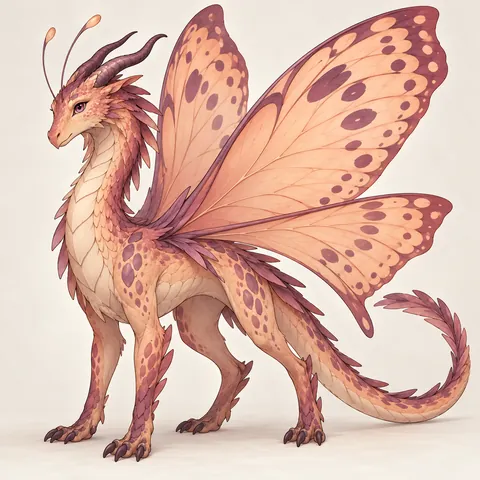
Pantala includes SilkWings, HiveWings and LeafWings. Mature SilkWings have four butterfly-like wings and antennae; they develop wings and silk-spinning through metamorphosis at six. Flamesilk is a special ability, not an automatic feature of every SilkWing. HiveWings also have four wings, but their insect-like transparent wings and black-patterned yellow, orange or red scales create a different silhouette. HiveWing abilities vary between individuals. Choose a particular trait instead of granting every possible defense at once. A wingless young SilkWing needs a different brief from Mallowmoth, whose four wings make the age premise clear.
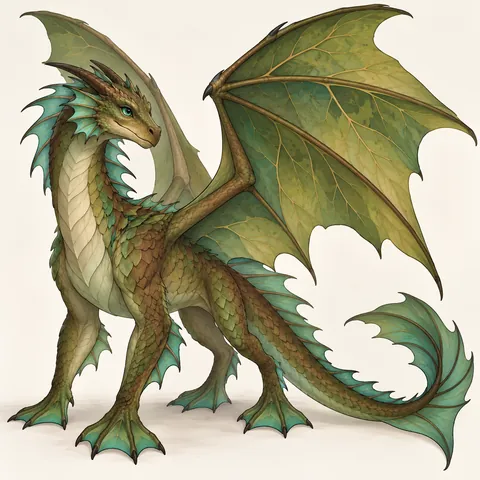
LeafWings have green or brown scales and leaf-shaped wings. Leafspeak is the ability to communicate with and influence plants, but its strength varies and it is not a requirement for being a capable gardener. Hybrids combine ancestry from different tribes; the books do not supply a universal character-builder percentage system. Write down which visible traits your fan hybrid inherits and which it lacks. Brackensilt uses a swimming tail and leaf-veined wings, while the exact combination is explicitly a fan choice. A mixed family also gives you homes, customs and relationships to explore beyond a list of powers.
Animus magic can enchant objects and living beings, but it should not be treated as a free solution to every plot. The books explore the fear that using it damages the soul, alongside the consequences of unchecked choices; that is not a numerical mana meter. Later events also remove the powers of animus dragons alive at that point through Jerboa III’s enchantment. State whether your story is historical or an alternate universe before giving an OC active animus power. A self-imposed rule, a promise and accountability can create a meaningful cost without inventing a canon spell-price table.
Names and roles
The local mixer offers nature-based working nicknames, not a claim that every combination is a canonical tribal naming pattern. Use the two words as a prompt, then simplify them into a natural term that fits the tribe. Ice names can suggest weather, SeaWing names water, and SilkWing names butterflies or moths. NightWing compound names often suggest an ability or reputation. Search a final name before publishing and compare the whole design with existing characters. This browser mixer is free and needs no sign-up; it does not request an AI image.
landscape word + small natural detail; revise for the tribe
Choose a daily role, not another rare power.
Guide
A Wings of Fire character creator works best when the brief answers a few concrete questions. What body does this dragon have? Where can they live comfortably? Who relies on them, and what happens when they get something wrong? Build those answers in order so the art and story describe the same person.
Start with Pyrrhia, Pantala or Hybrid, then set the primary tribe chip. These are separate editable controls, so check that they agree before drawing. A SilkWing belongs with the Pantalan option, while an IceWing belongs with Pyrrhia. For a hybrid, the primary chip names one parent and Extra details names the other. Count wings, state the tail shape and decide whether the claws are webbed or adapted to ice. Leave a control empty if you want the written description to handle an unusual case. Avoid giving the model two conflicting anatomy instructions.
Choose a setting that changes the character’s routine. A coastal apprentice checks ice before a delivery; a rainforest gardener watches where sunlight reaches a seedling. Name a family member, teacher or neighbor in your private notes, even if that person does not appear in the picture. Decide what the character carries and why. Keep the image to one dragon with one readable prop. If the story moves between continents, explain the journey instead of treating every place as the next street over. A home provides obligations as well as scenery.
Use one of the role prompts, then rewrite it to suit the character. A learned craft is different from an inherited ability, and a limitation should affect a scene rather than decorate a biography. Your courier may know every local path but panic when the route changes. Your SilkWing may make excellent ordinary silk without producing flamesilk. If you add animus magic, state the historical or alternate-universe premise and the boundary the character promises to respect. A cost matters only if you let it alter a later decision.
Compare the horns, muzzle, neck spines, wing pattern and tail before comparing colors. Change any combination that immediately calls a main character to mind. A new name does not make a familiar crown, palette and expression original. Keep tribe anatomy while changing proportions, markings and accessories within that framework. Use two main colors and one small accent so the design stays readable at thumbnail size. The Wings of Fire maker keeps colors editable, but it cannot judge lore accuracy for you. Review the completed fields after applying an idea card.
Read the description aloud as if explaining the dragon to an artist. Remove repeated powers and contradictory wing counts. Select a full-body image for anatomy or a reference sheet when you need consistent views. Check every generated result for the same tail, horns and markings across views. Keep the written brief alongside the image, including the home, role and limitation that may not be obvious in a portrait. The example cards and local mixer help with planning; requesting an AI image follows the account and credit policy below.
Other fandoms
FAQ
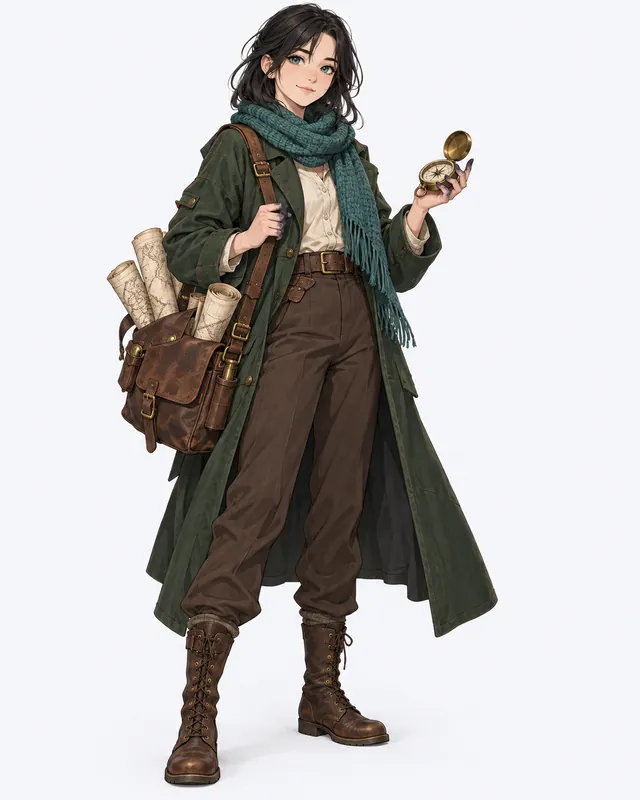
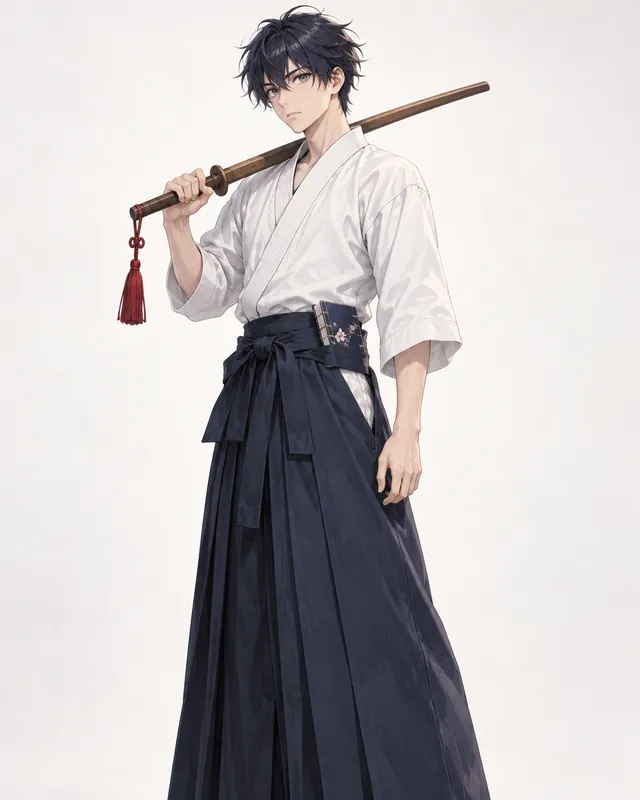
Sign up for 10 bonus credits and make your first OC free.