
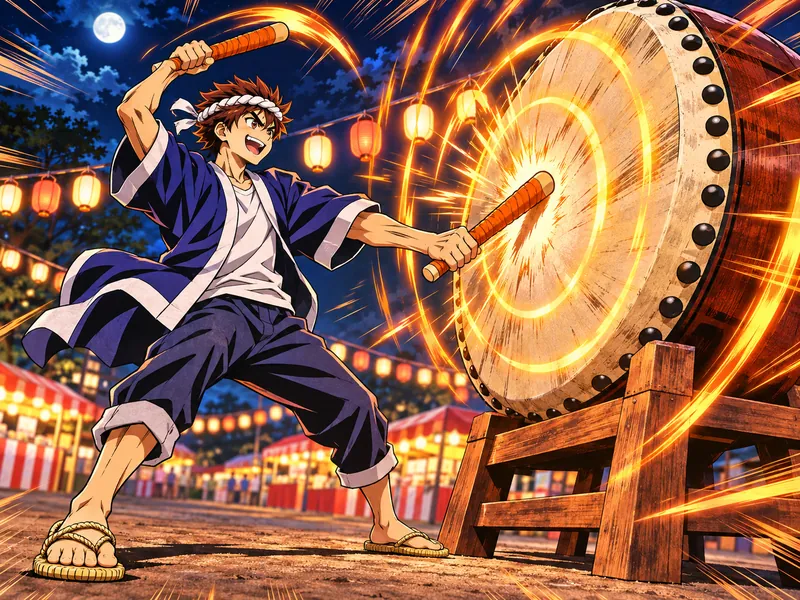
Daichi Kumoyama
Shonen action- Plays the big drum at every festival
- Each beat throws a ring of color
- Practices on buckets when the drum is away
This AI anime generator turns a few written lines into AI anime art of an original character. Describe who you want to see, pick one of 16 anime looks, from modern TV anime and 90s cel to shojo sparkle, webtoon and gacha splash art, then set the framing, the light, the mood and the place. It is made for all ages and for new characters of your own, not copies of someone from a show.
More AI generators
Each page below is its own generator, with pickers made for one subject. The ones marked 18+ are for adults: you need to be signed in and to confirm you are 18 or older before they draw anything, and every character on them is an adult. Nudity, see-through clothing and anything sexual stay blocked on every page of the site.
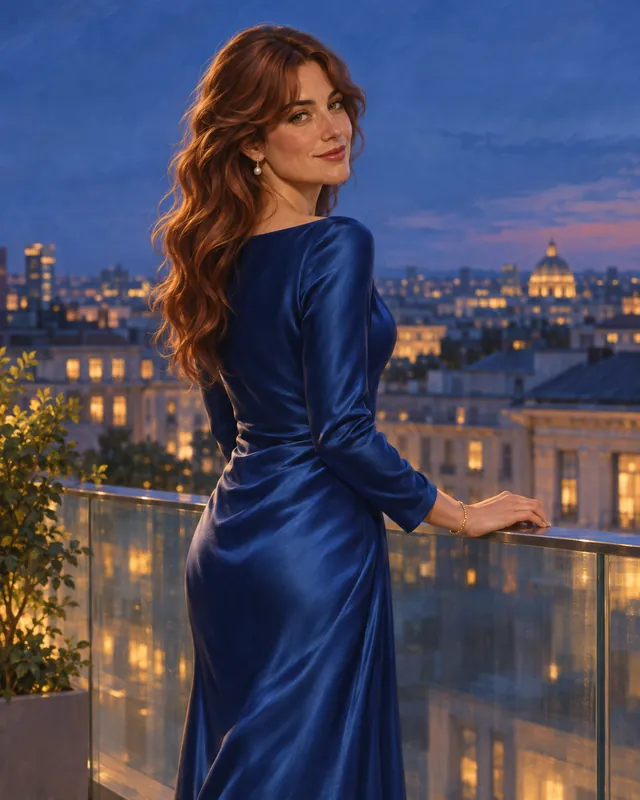 18+AI GirlOriginal adult women in anime or semi-real art, from street style and sportswear to evening glamour.
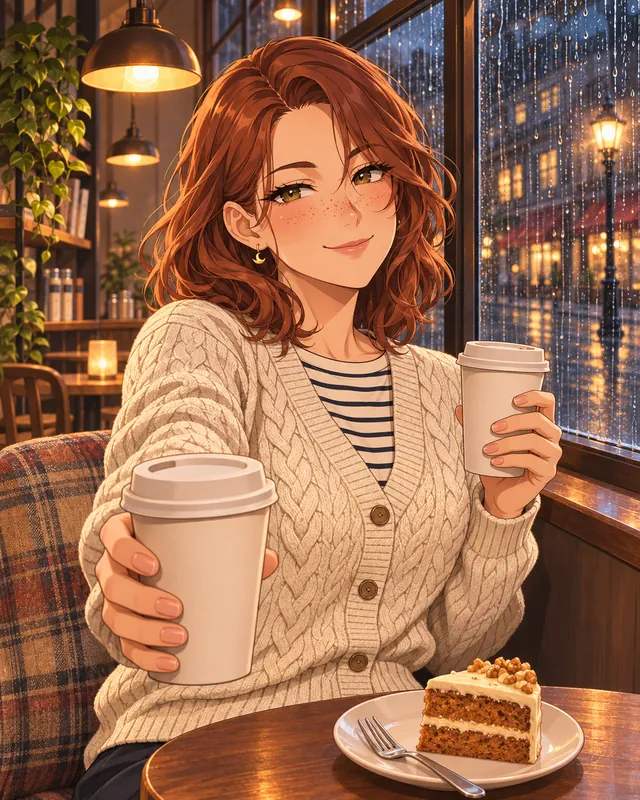 18+AI GirlfriendAn anime girlfriend, always an adult woman: her type, date look and scene, plus a profile with her love language.
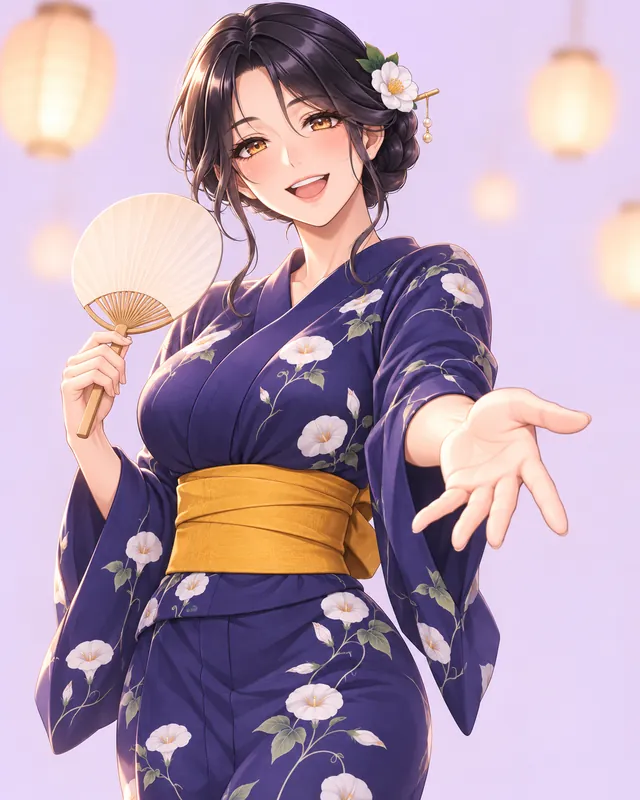 18+AI WaifuPick a dere type and a role, or roll a random waifu. Always an adult woman; glamour, swimwear and lingerie allowed.
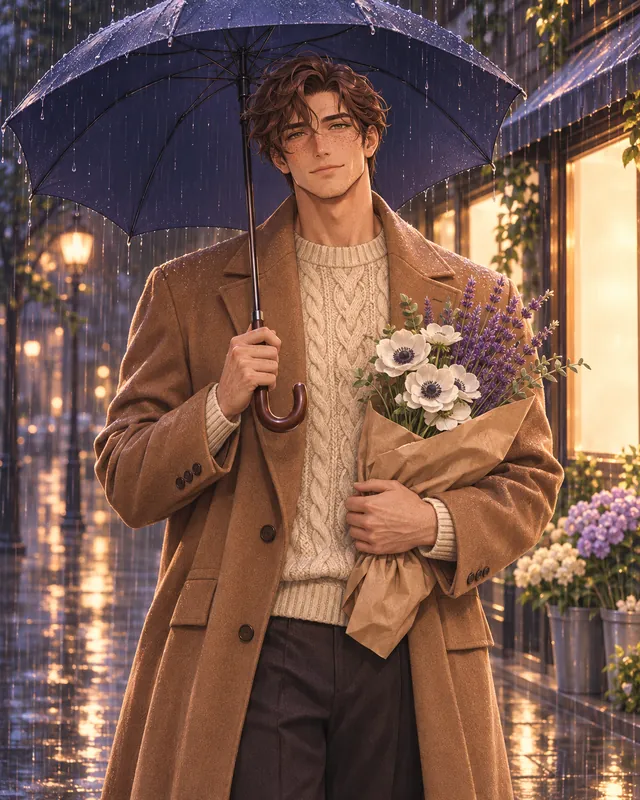 18+AI BoyfriendAn anime boyfriend, always an adult man: his type, date look and scene, plus a profile for his character card.
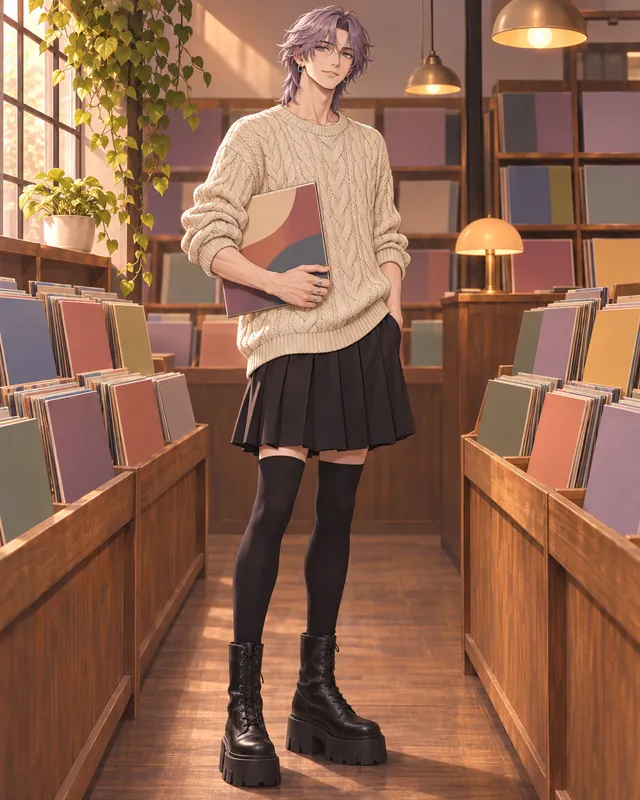 18+AI FemboyAdult men with a soft, feminine style: pastel fashion, skirts and glamour looks, with clearly adult faces.
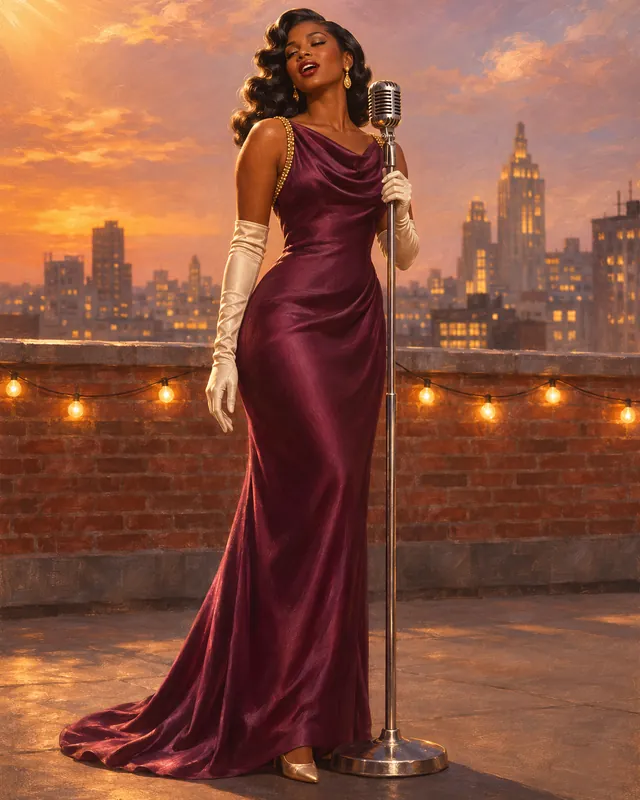 18+Sexy AI ArtTasteful glamour and pin-up art of adult characters. Swimwear and lingerie are allowed; nudity is not.
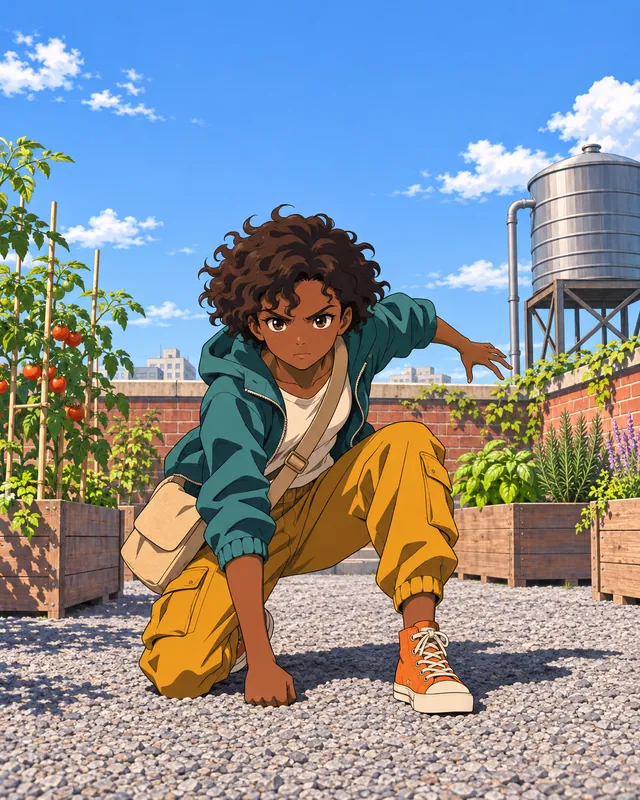 AI PosePose references for artists and OC makers: action and everyday poses, camera angles, hands and turnarounds. All ages.
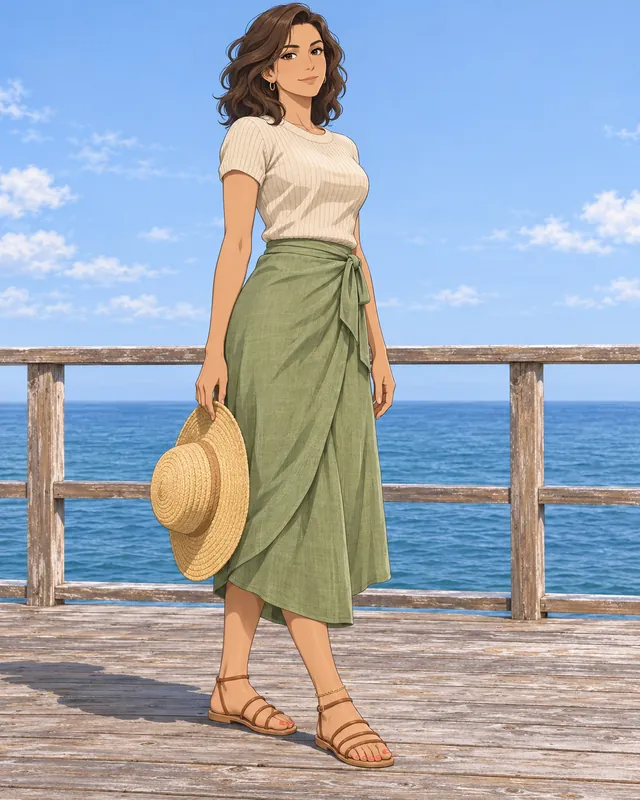 18+AI FeetFeet and footwear art of adult characters: 23 kinds of shoes, the angles artists find hardest, pedicure colors and close-ups.
Ideas
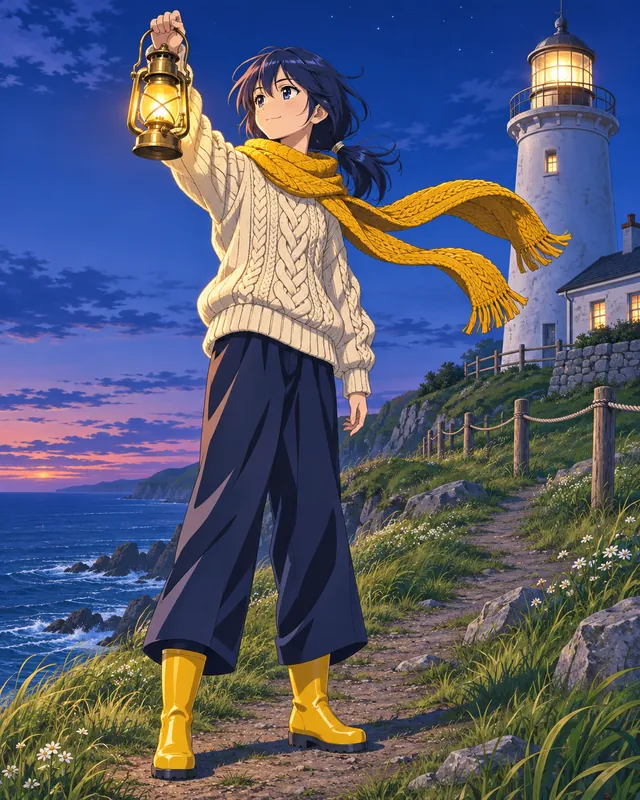
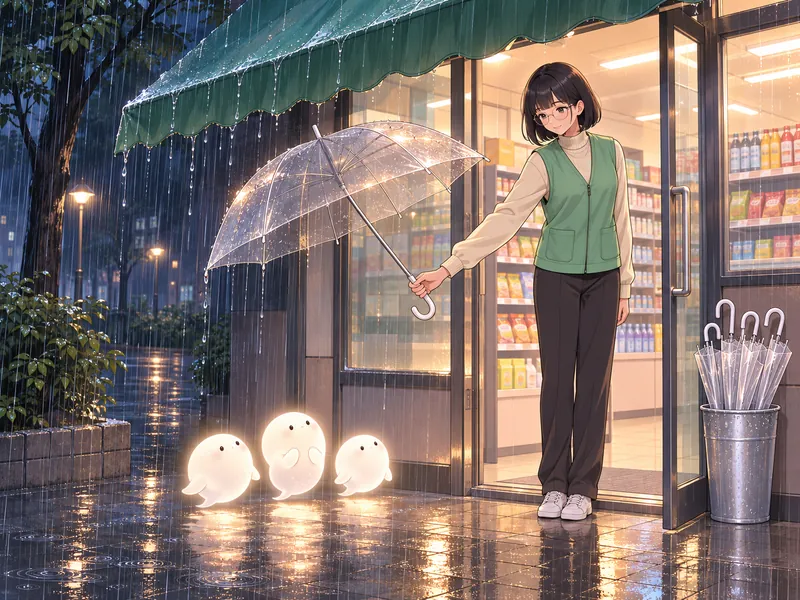
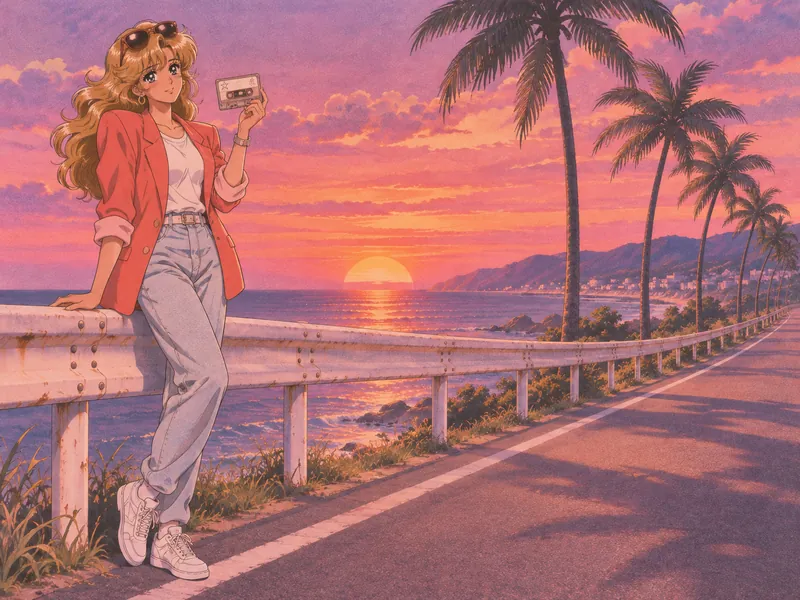
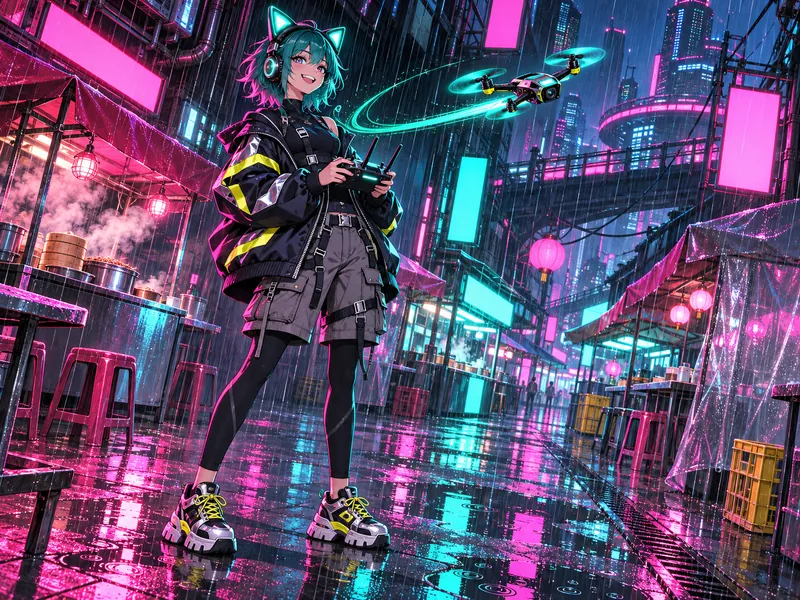
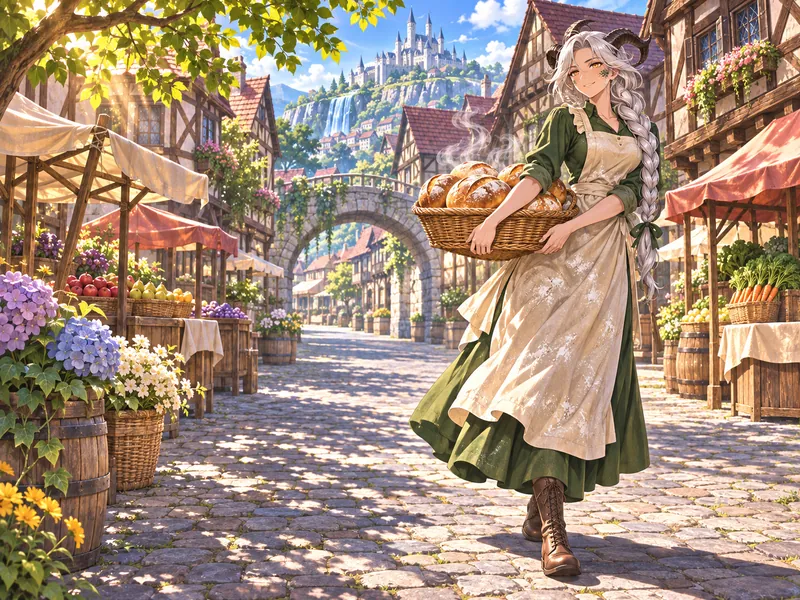
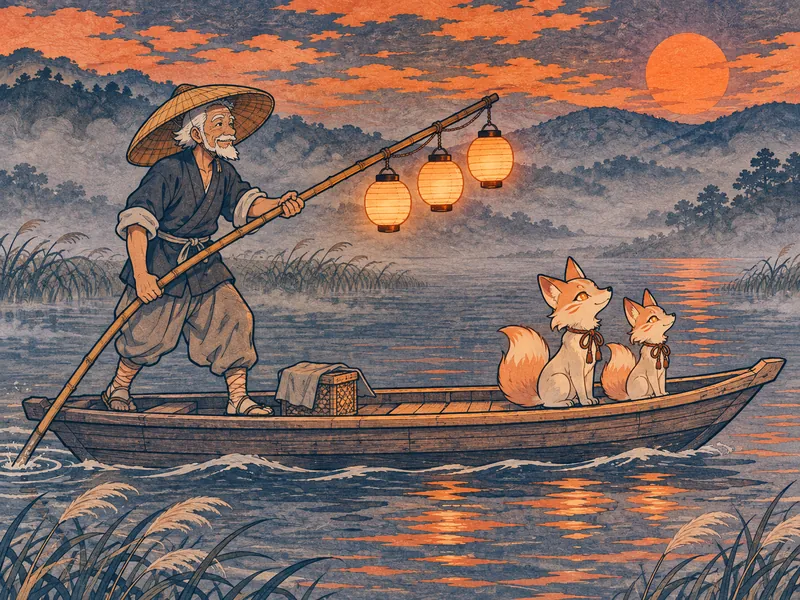
Six original characters, each drawn in a different anime look. Load one into the AI anime generator to bring its look, framing, lighting, mood, setting and colors along with it, then change the parts that are not yours. None of them copies a character from a show.
Know the rules
An anime look is the set of drawing habits that makes a picture read as one kind of anime: the line, the coloring, the eyes, the light. Five looks have picture tiles below, with the history behind each one. Eleven more wait as chips in the generator, including webtoon, the full-color vertical comics that started on Korean web portals, and shonen action, with its speed lines and high-contrast ink.
Sources: Sazae-san (Wikipedia); Shōjo manga (Wikipedia); Webtoon (Wikipedia)
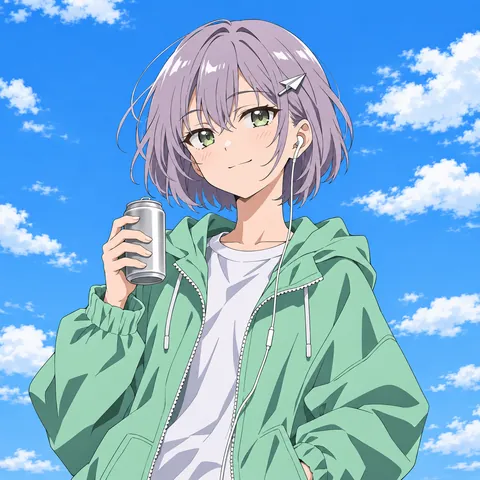
Today TV anime is colored on computers, a process called digital ink and paint. Sazae-san, the last series still painted on cels, switched to fully digital animation in 2013. The look that came with the change is the one most people picture when they hear the word anime: clean line art, flat areas of color with one or two shadow tones, and crisp highlights in the hair and eyes. It is the safest look for a first try, and the one the generator uses when you leave this picker empty and keep the Anime art style.
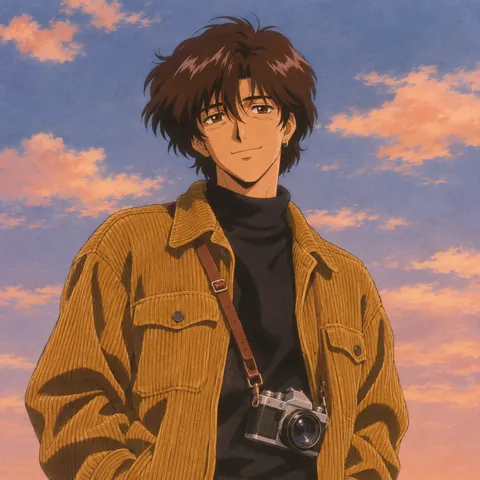
Before digital paint, each drawing was traced onto a clear sheet called a cel. The outline went on the front and the color was painted on the back, so no brush strokes showed, and the cels were photographed on film over a painted background. That is where the 90s look comes from: slightly warmer, softer paint colors, a gentle grain from the film and painted skies that look like real gouache. It suits nostalgic stories, road trips, rainy cities and anyone who grew up on recorded TV.
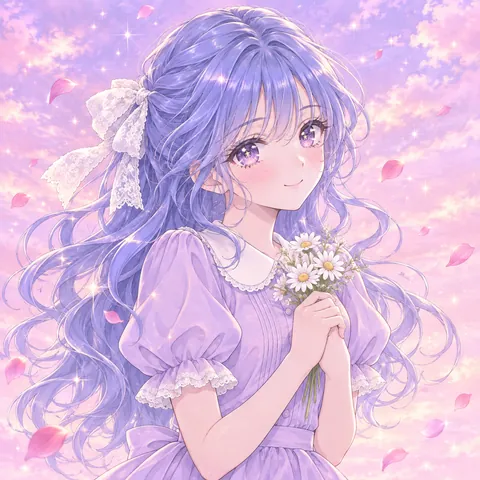
Shōjo manga is named for its readers, girls and young women, not for one way of drawing. Still, a few things became its trademarks: large, detailed eyes with star-shaped highlights, flowers, ribbons, fluttering dresses and sparkles across the page. Macoto Takahashi is regarded as the first artist to bring the starry-eyed style of illustrated girls’ novels into manga, and his Arashi o Koete (1958) made it the main look of shojo. Use it for feelings rather than fights; the look turns a quiet moment into the big scene.
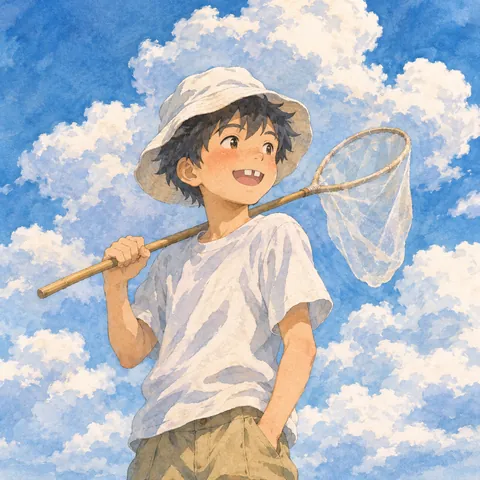
In traditional animation, background artists paint every set by hand, usually in gouache or acrylic, and some productions use watercolor. Anime leans on those backgrounds to carry the atmosphere, and some base them on real streets, stations and towns. This look asks for soft painted skies, gentle natural light and a character who sits inside the scene instead of in front of it, so it pairs well with the Wide shot framing and the Seaside town, Rice fields or Misty river backgrounds.
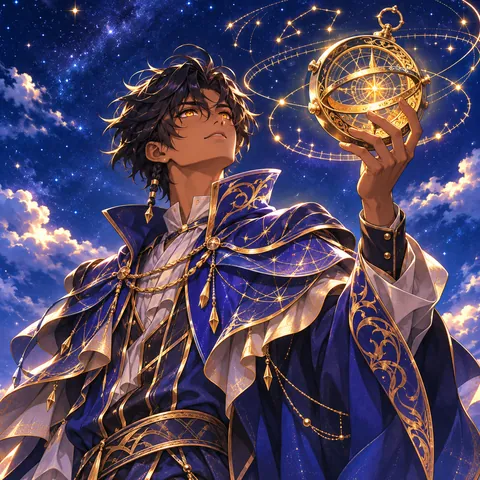
Gacha games are named after gashapon, the capsule-toy vending machines: players spend in-game currency for a random character, and many games show each new arrival in one big, detailed illustration. Gacha mechanics spread through Japanese mobile games in the early 2010s, and the splash art style grew up with them, packing an ornate costume, glowing effects and a dramatic pose into a single frame. Here it is all about the costume and the light. Pick Low angle and Backlit for the classic reveal.
Names and details
Anime characters usually carry a given name and a family name, and fantasy stories borrow European-sounding names with a house name attached. Mix a name in either style, then pick the one detail people will remember. Every click goes straight onto your character in the generator; the name stays on the card and is never painted into the picture.
given name + family name
Pick the one thing people will remember them by.
Guide
A good prompt for an AI anime generator is short and specific. These five steps are the order that works best on this page: the pickers handle the anime vocabulary, so your own words can go to the character.
Write the character and the moment in one line before anything else: "a boy carrying a stack of library books through the rain", "a grandmother feeding koi from a bridge". Age, one clear action and one object to hold beat a long list of adjectives. If you only write a list of traits, the picture tends to show a person standing still and doing nothing.
Match the look to the feeling, not just to what is popular. Modern TV is clean and reliable, 90s cel is warm and nostalgic, Shojo makes small feelings big, Watercolor slows everything down, and Gacha art turns one character into a reveal. Seinen suits grounded, grown-up stories; Pastel cute and Slice of life suit the gentle ones. Try the same description in two looks and keep the one that sounds right.
Framing and lighting change a picture more than any adjective. A low angle with rim light makes anyone look heroic; a high angle with sunbeams makes them small and gentle; a profile on a rainy platform turns the same person wistful. Pick the Mood chip last, as a tie-breaker, so it agrees with the light instead of fighting it.
Choose a hair color, an outfit color and one accent you name in the description, like a red scarf or a yellow umbrella. Then add a signature detail: the object or habit people will remember. Three colors read clearly even at thumbnail size, and a signature detail is what keeps the character recognizable from one picture to the next.
When a result is close but not right, change a single picker or a single phrase, not everything at once, so you can see what made the difference. Keep the name, the colors and the signature detail the same between tries. When you like the character, ask for a Ref sheet to keep a front, side and back view for later.
Keep exploring
AI PoseGeneratorAI GirlGeneratorAI GirlfriendGeneratorAI WaifuGeneratorAI BoyfriendGeneratorAI FemboyGeneratorTools
FAQ







Sign up and your first pack comes with 100 bonus credits.