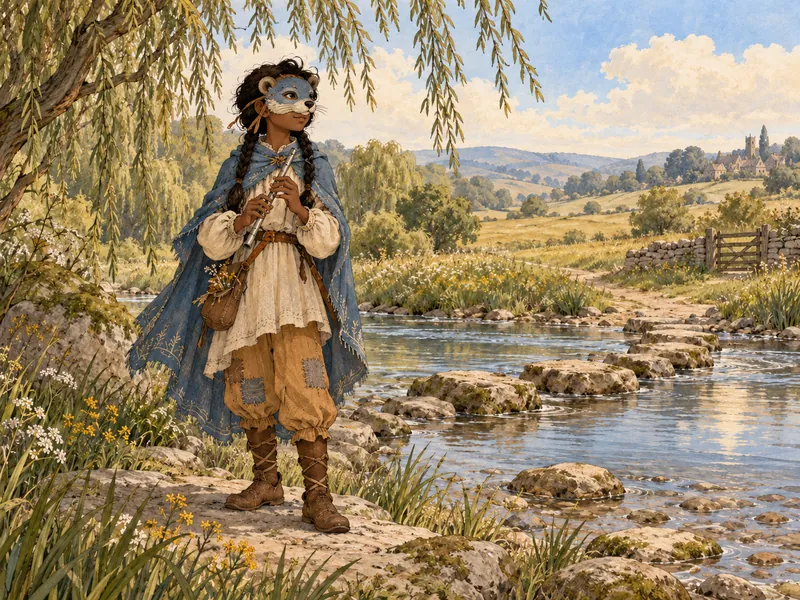
Agnes Wickerford
Ford guide- Otter mask, river-blue cape
- A whistle for the walking pace
- Always waits for the last friend
This Yaelokre OC Creator pairs handmade masks, folk instruments and layered clothes for your own young traveling minstrel. Make a gentle story of music and friendship in this unofficial fan workshop inspired by Keath Ósk.
Ideas
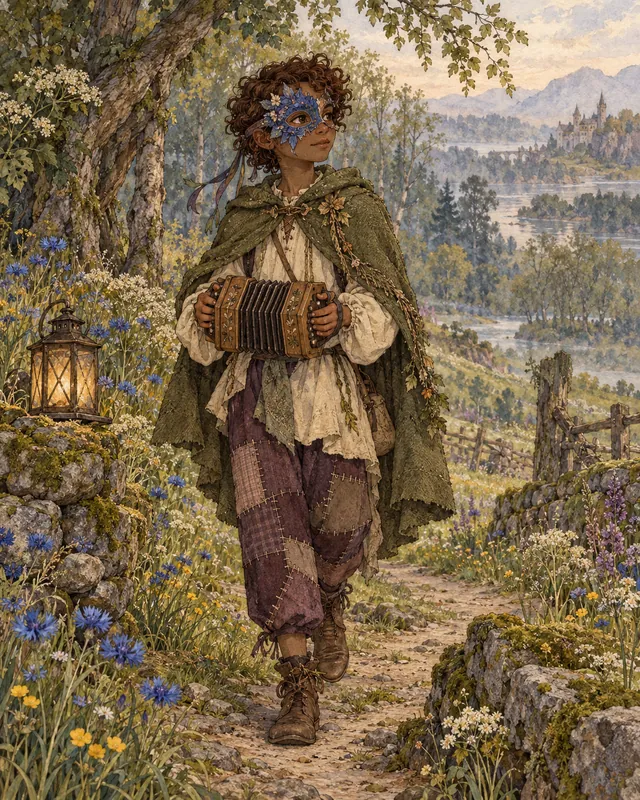
These original children belong to imagined troupes of their own. Each has one useful role, one small difficulty and a visual detail you can recognize across a field. Use an idea as a starting point, then change its name, mask or habit until it feels like your character. The art does not depict the Larks or establish new official lore.


Art styles
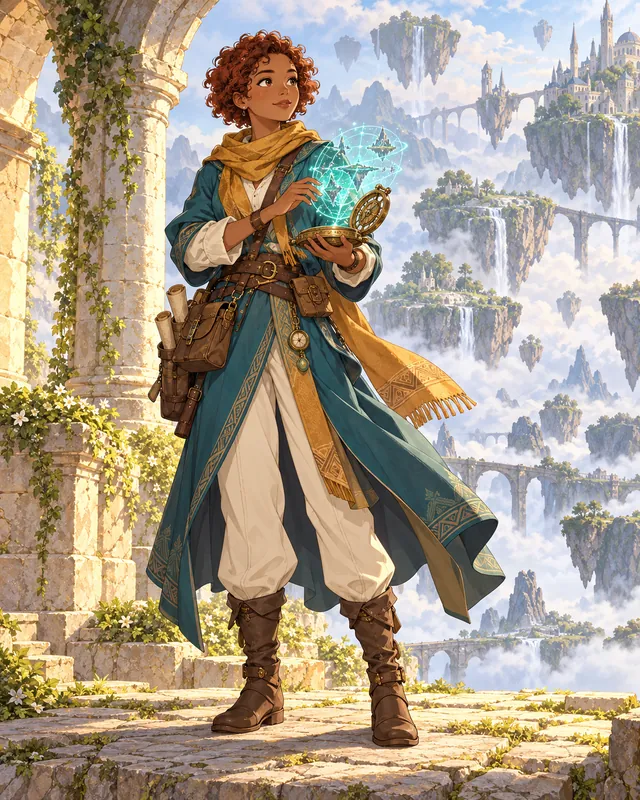
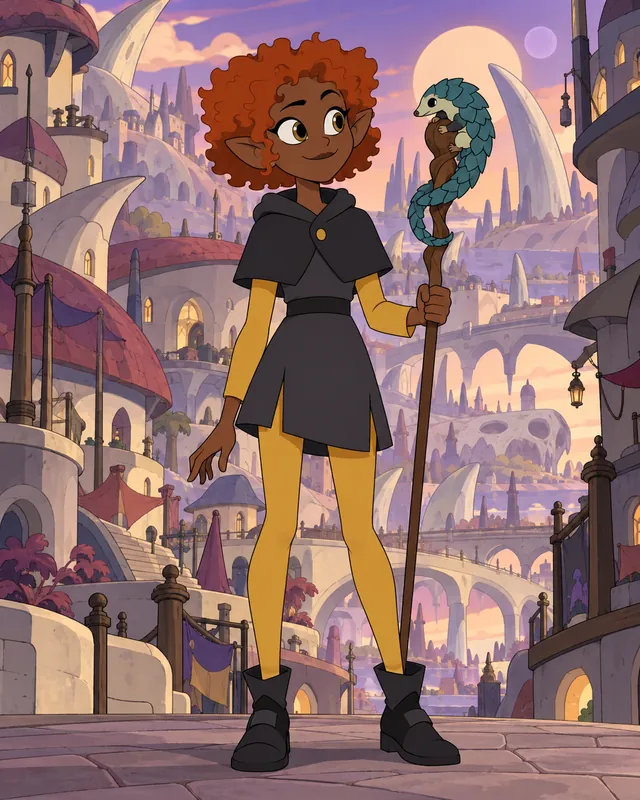
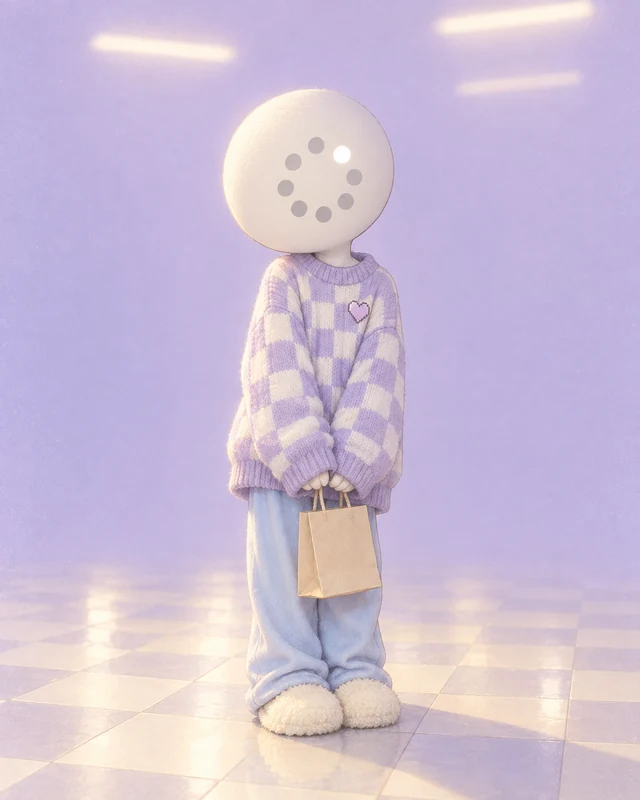
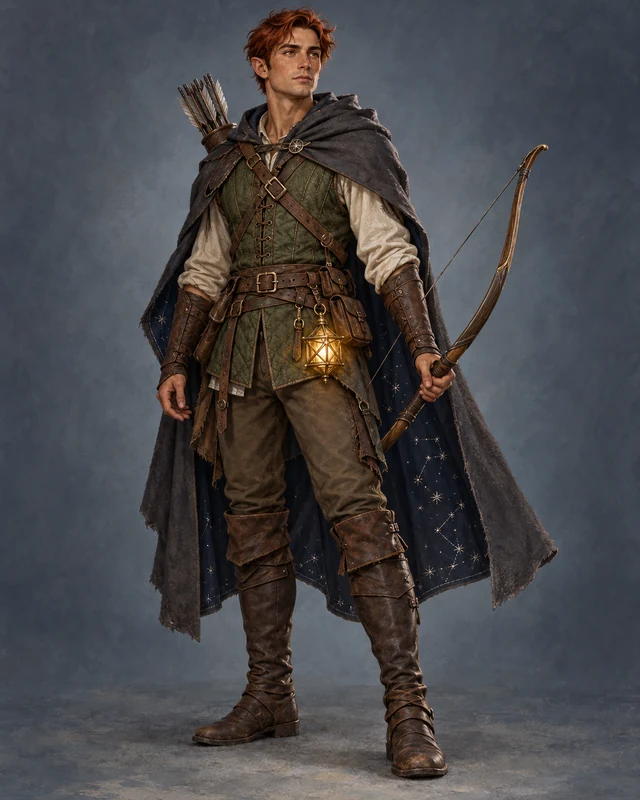
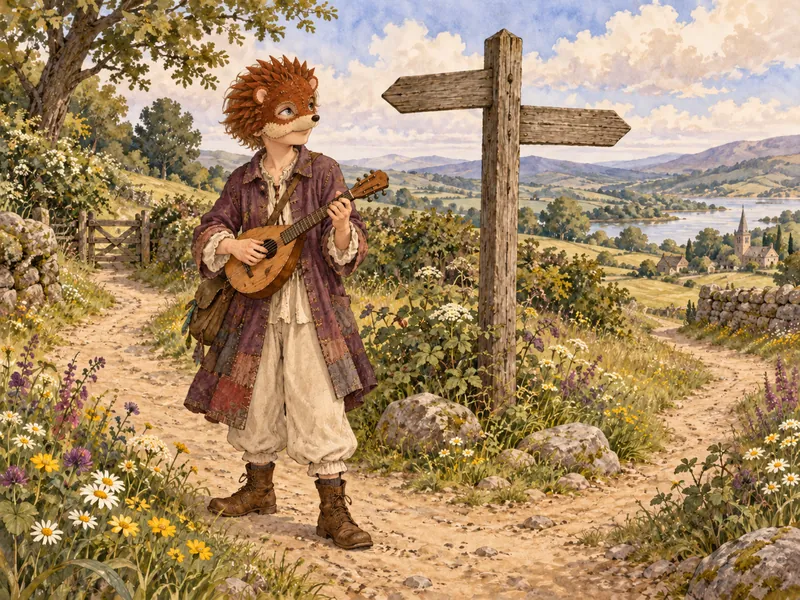
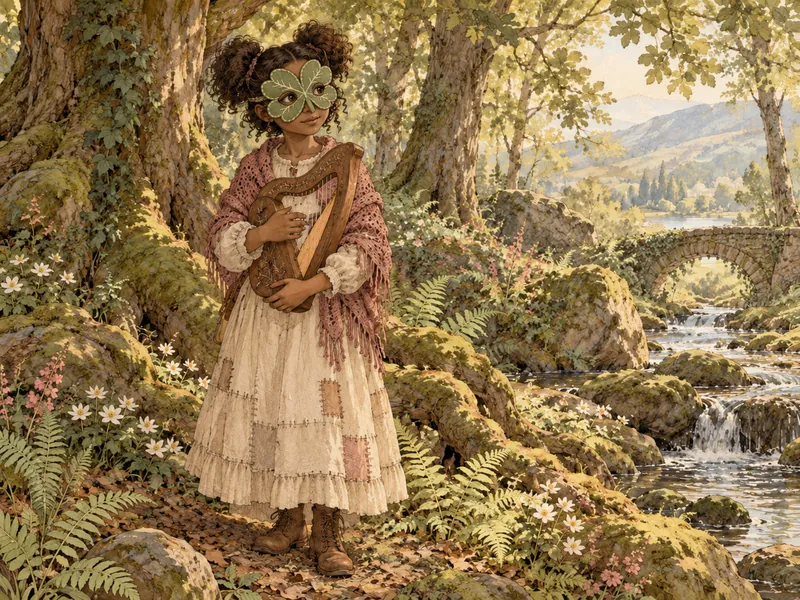
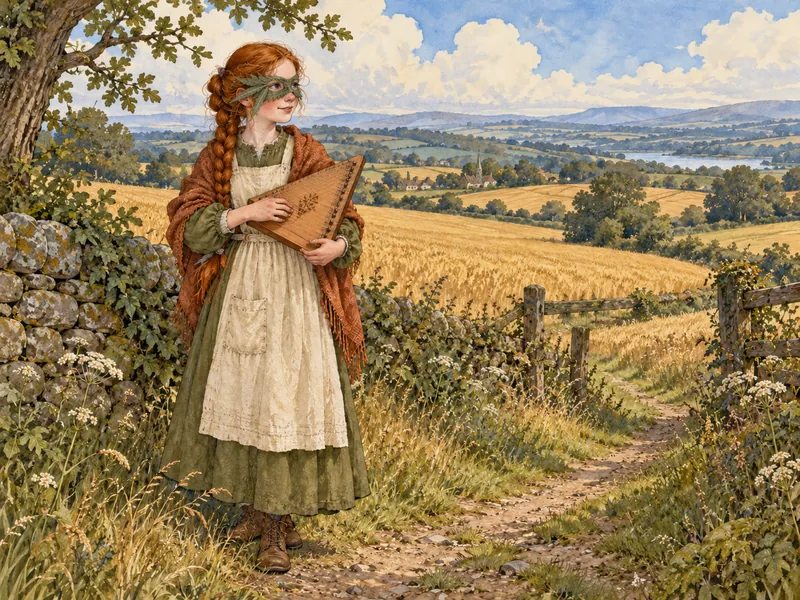
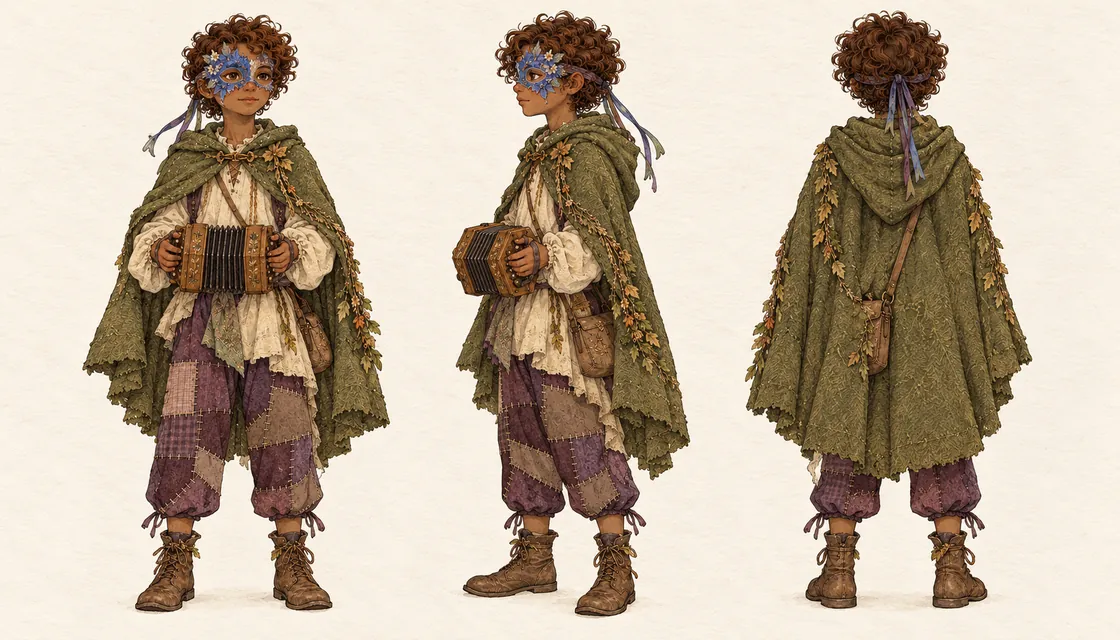
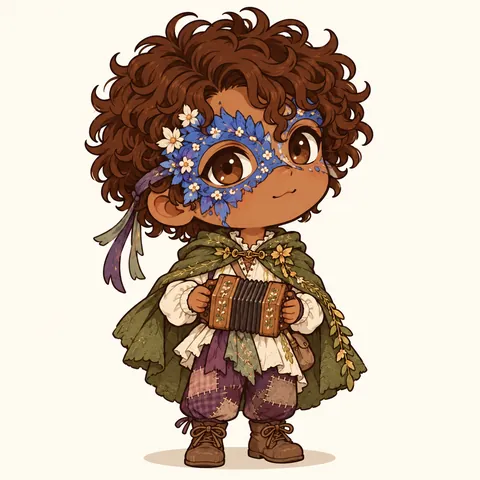
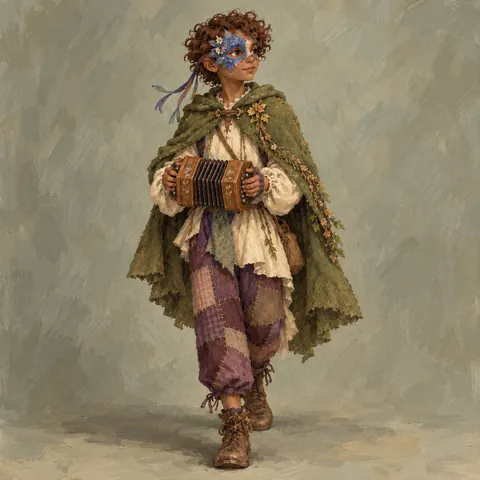
Edwin Threadmere keeps the same cornflower mask, copper curls, moss cape, cream tunic, plum trousers and wooden concertina in each sample. Compare the tiny proportions of chibi, the painted light of semi-realism, a dimensional 3D figure and the grain of graphite. The storybook version is the page’s home look. These are visual treatments of one original design, not new canon versions or official Yaelokre artwork.
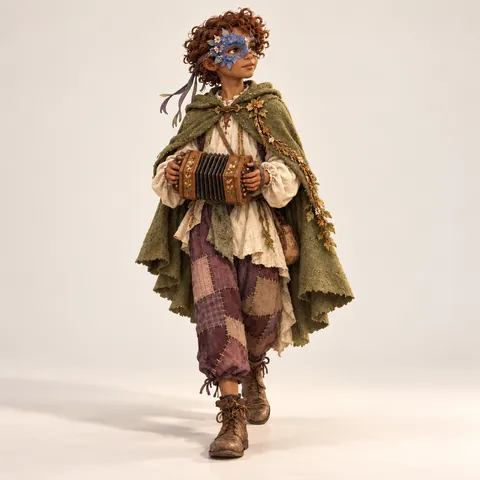
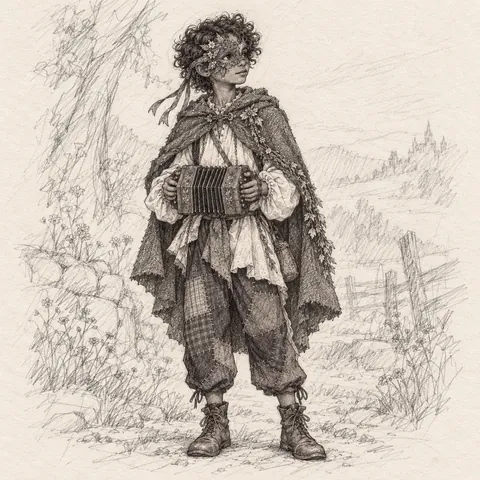
Know the rules
Fans use “Yaelokre aesthetic” for a storybook folk feeling: animal masks, natural textures, handmade layers, pastoral places and music woven into a character’s life. This is a useful description of the visual mood, not an official character-building system. Yaelokre is Keath Ósk’s project of song and illustration; its developing story belongs to its creator. Our masks, patrons and troupe roles below are fan design prompts, not a list of canon species or ranks.
Sources: Yaelokre: official site and channels; Ken Priebe: LISTEN: Yaelokre; Unofficial fan introduction
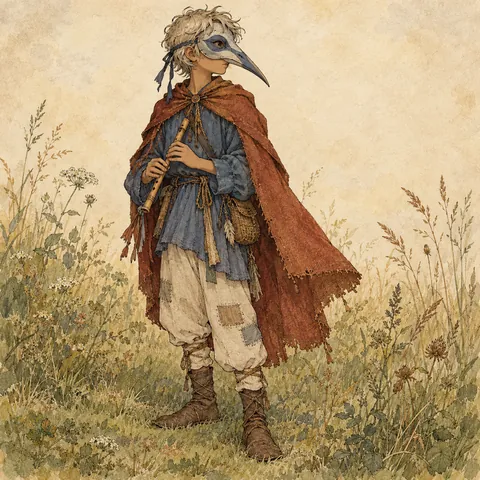
A heron mask gives your original minstrel a clear shape without borrowing a canon mask. Keep the beak light and the eye openings practical, as if a child could make the piece from cloth, thin wood and thread. A blue cape can echo a river without turning the wearer into an animal. Try one personal reason for choosing it: perhaps they wait quietly at the ford while their friends cross. That small action says more than a long list of magical powers. Heron symbolism here is your invention, not a fixed rule of Meadowlark.
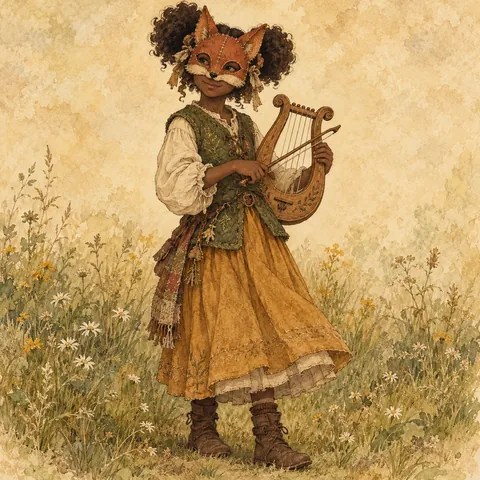
A fox can be curious, cautious or generous; your character does not have to be a trickster. Give the mask an uneven repair or two different fabrics so it feels made by someone with limited supplies. Carry one of those fabrics into a coat pocket or instrument strap. The repeated material connects the outfit without requiring a crest. Keep the head and body human beneath the costume unless you are deliberately writing a separate fantasy interpretation. An original fox-masked musician is a fan character, not a newly discovered member of the official troupe.
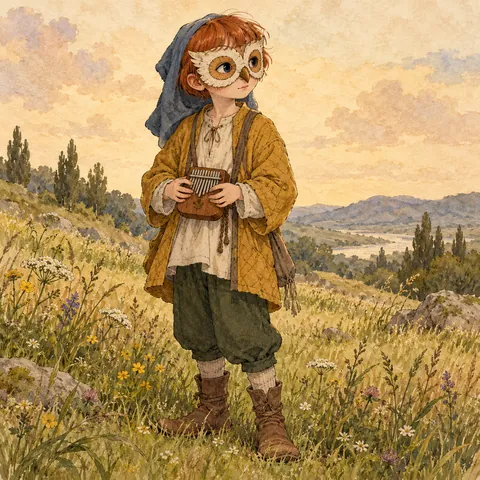
Begin with what the audience hears: a small harp, a gentle hum or a held note that steadies the group. Then choose a rounded owl mask and warm layers that suit that sound. Avoid assigning secret wisdom to every owl wearer. A child who listens well can still misplace their music or need help starting a conversation. The instrument choices are creative possibilities for your own troupe; the page does not claim that each belongs to the canon cast. Give the instrument a sensible size and a case someone could carry between meadows.
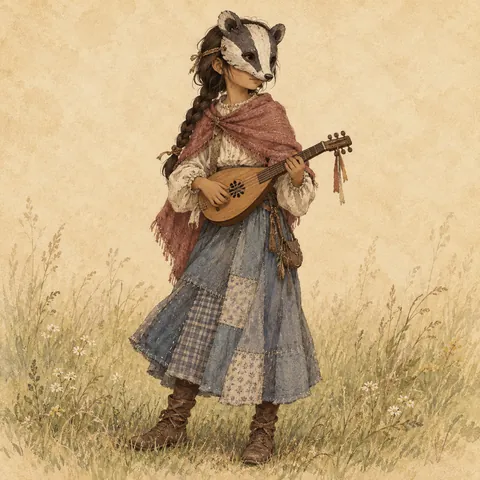
A troupe feels real when someone folds blankets, checks straps and keeps the walking pace comfortable. A badger-masked rhythm keeper could use a frame drum to turn those chores into a quiet game. Work the role into the costume with reinforced knees, a roomy pocket or a drum sling that leaves both hands free. These details make a character memorable without giving them authority over everyone else. Keep disagreements gentle and practical: learning to share a task or accepting another tempo is enough for an engaging beginning.
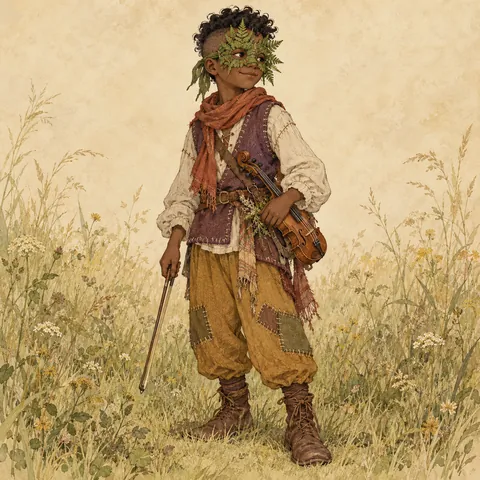
A plant mask offers a route away from familiar animal silhouettes. This fern design uses overlapping green cloth fronds around the eyes, not a bark face copied from official art. Repeat the frond shape in a hem or folded collar, then leave the rest of the outfit quiet. A costume mender might remember who taught each stitch and feel embarrassed about asking for help. If a fairy omen accompanies them, invent its appearance and limits yourself. Our Thimble Wisp is an original suggestion, not one of the four Harkers or a claim about their mythology.
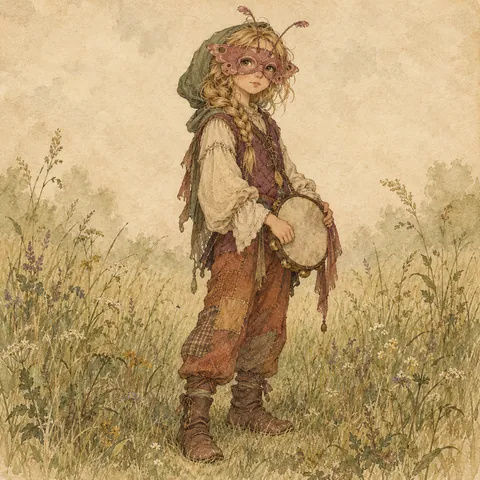
A moth mask can frame the eyes with soft wing shapes while the wearer remains a child in handmade clothes. Let a lantern mark a resting place rather than a threatening scene. A clay ocarina, short hood and careful habit of counting the lights suggest someone who wants the group to feel welcome. Keep the palette restrained: ochre light, blue trim and dark cloth can be enough. Melancholy can appear as missing a familiar path or remembering a song, with friendship and rest close at hand. No romance or frightening peril is needed.
Names
The named canon examples include an old-fashioned given name followed by a surname, such as Cole Seymour and Peregrine August. Our mixer follows that broad shape with different names, rather than borrowing a cast member’s name or settling inconsistent fan spellings. These combinations are suggestions for your own people, not translations, official family trees or claims that a particular surname belongs to a canon place. Say the whole name aloud alongside the instrument and role; a simple name often leaves more room for the character’s story.
Old-fashioned given names, surnames with a storybook sound
Choose a small, visible action that can become a scene.
Guide
Start with one clear relationship between a mask, a sound and a daily task. Add details in layers, keeping the design readable when the picture is small. Your original troupe can share the warmth of folk storytelling without taking over the official narrative.
Try a folded fern mask, a rounded otter mask or a cloth kingfisher with a short beak. Name the material as well as the creature or plant, then choose one repair that makes it personal. Avoid tracing a canon mask and changing only its color. A hare option is available as a fan interpretation, but give it its own construction, ear shape, palette and purpose. The mask should still look comfortable enough for a young musician to wear while walking.
A path finder may carry a whistle because it is small; a tune keeper may like a concertina because it can accompany singing. These are story choices, not rules. Think about who packs the instrument, who helps when a strap frays and what happens when the character forgets a melody. Choose one practical limitation instead of a long power list. A quiet child who learns to ask for a starting note has a scene you can actually write.
Use linen against the body, wool for warmth and a cape or hood for a distinct outline. Repeat two or three colors through the mask, cuffs and instrument sling. Give the clothing enough room to sit on the grass and play. Visible repairs can show affection and patience without implying danger. In Extra details, describe the placement of the largest patch and the length of the cape so future pictures have something concrete to follow.
The fairy patron field contains original beings such as the Ribbon Finch and Evening Snail. Treat them as a rumor, a recurring sight or a private interpretation if you prefer a quieter tale. Decide what the child believes the omen means and where that belief might be mistaken. Do not call your invention a fifth Harker or assign it control over canon events. A leaf found beside a kind message can carry plenty of wonder on its own.
Use the names mixer for an old-fashioned given name and a separate surname, then pick a habit that gives the person a small action. Load an idea if you want a coherent starting outfit. Compare styles while keeping the same mask and instrument; choose a reference sheet when you need multiple views. Before sharing, label the character as unofficial fan work and acknowledge Yaelokre as the inspiration. Save your own description so you can revise the story as the official project grows.
Other fandoms
Tools
FAQ







Sign up for 10 bonus credits and make your first OC free.