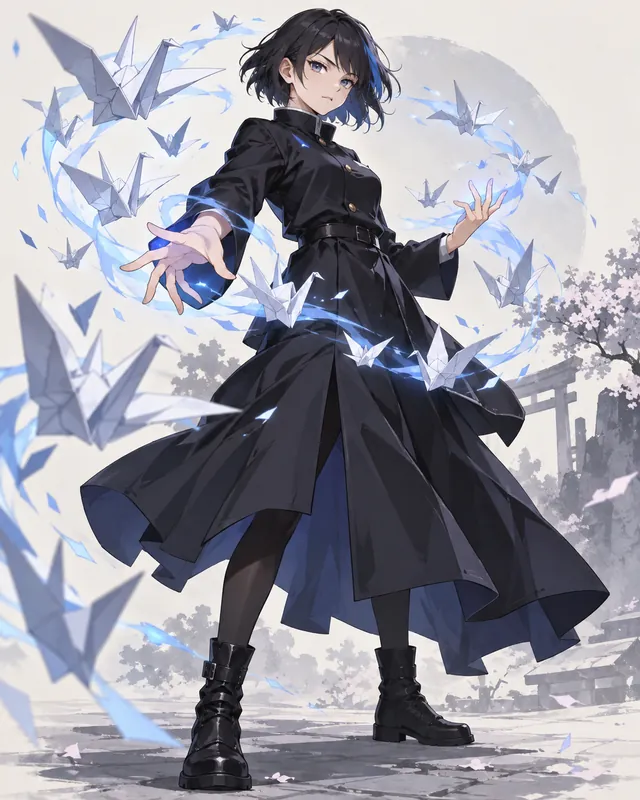
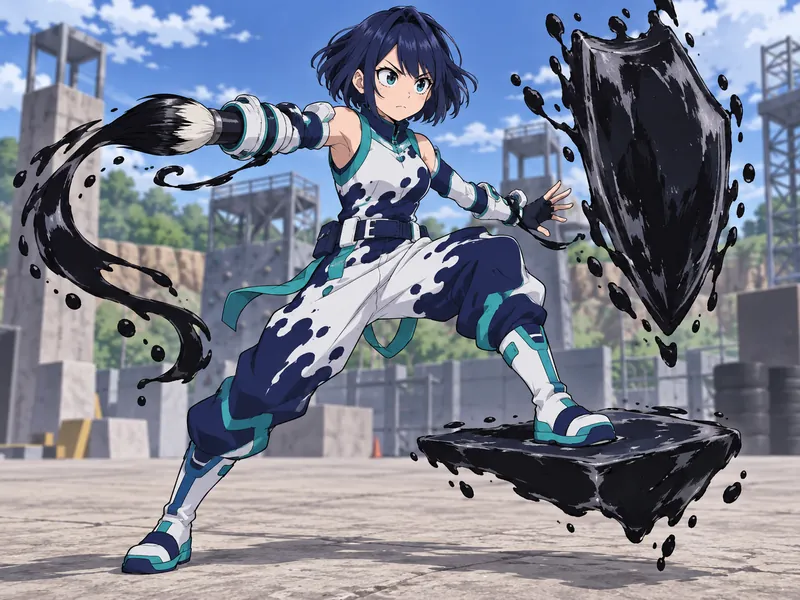
Inkwell
Hero student- First-year in the hero course
- Quirk: ink drawings turn solid for 10 seconds
- Always runs out of ink mid-fight
This free MHA OC creator is a Boku no Hero Academia OC maker that does the drawing for you. Pick a hero path and a quirk type, describe the quirk, choose hair and costume colors, and get your hero in the My Hero Academia anime style.
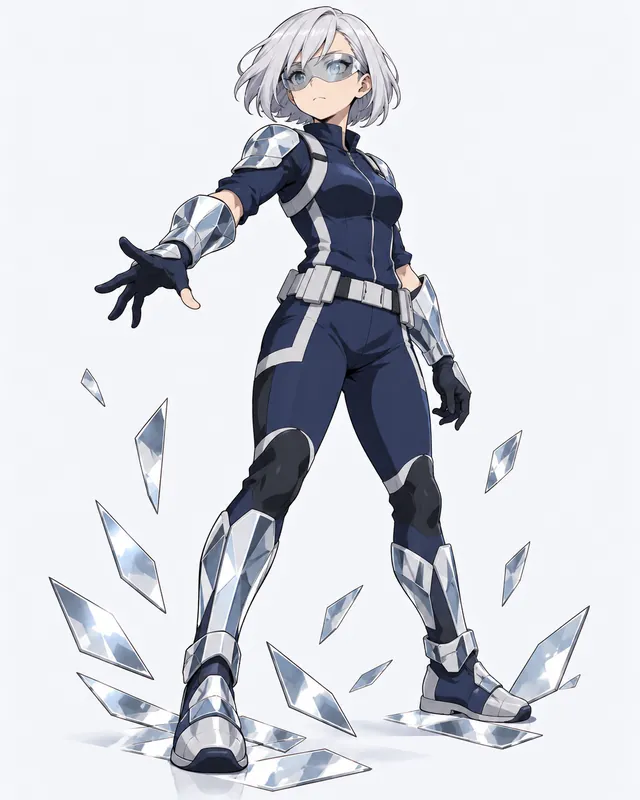
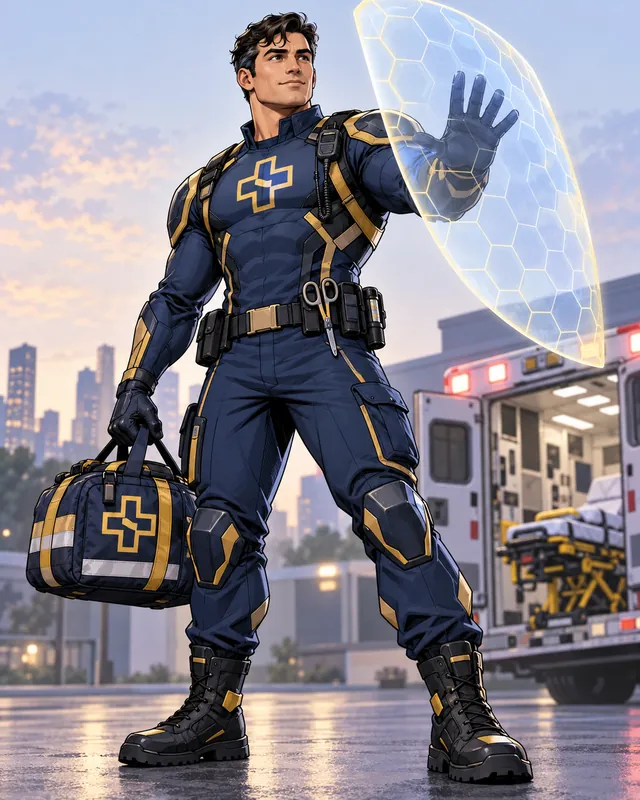
Ideas
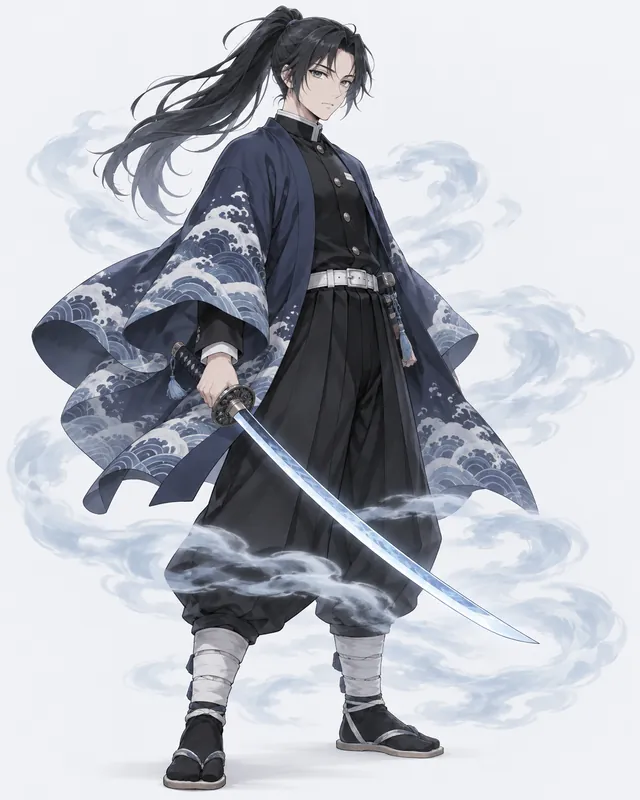
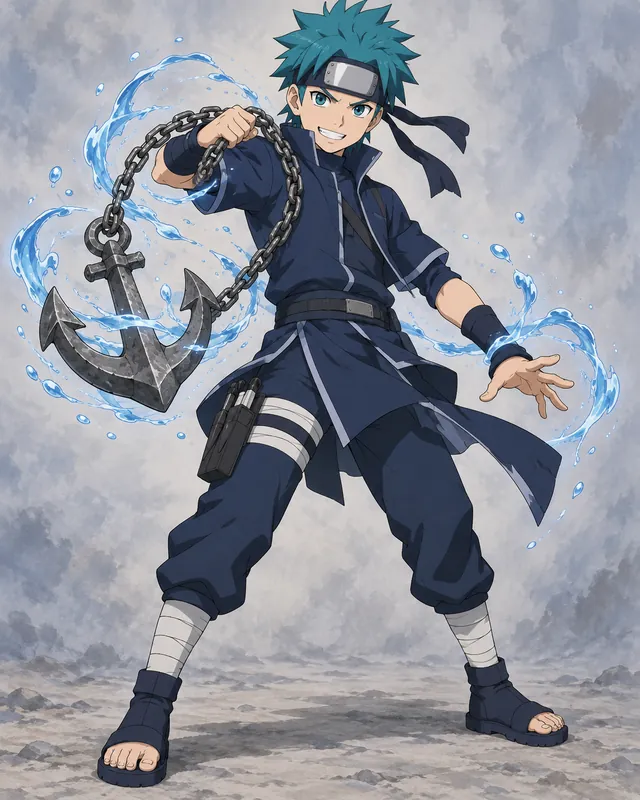
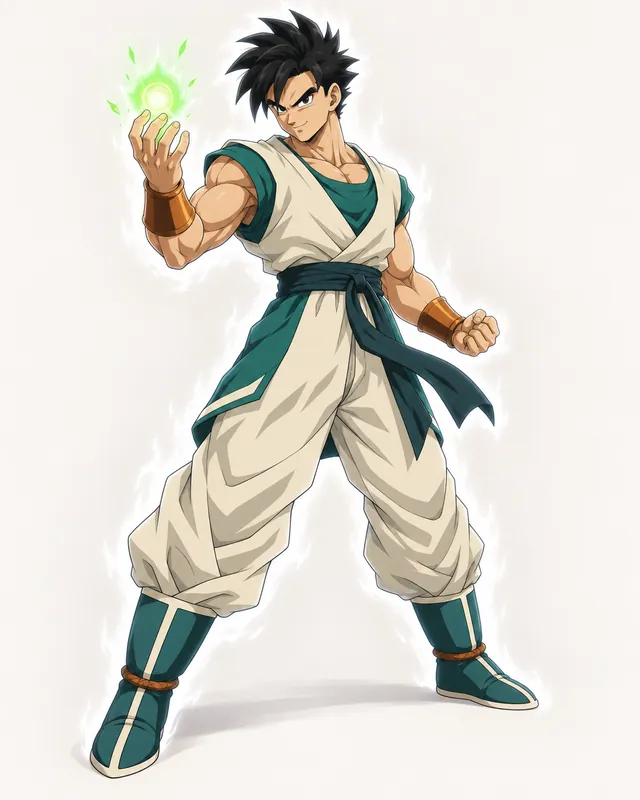
Stuck on a quirk? Load one of these heroes and villains into the generator, then change the colors or the quirk until the character feels like yours.
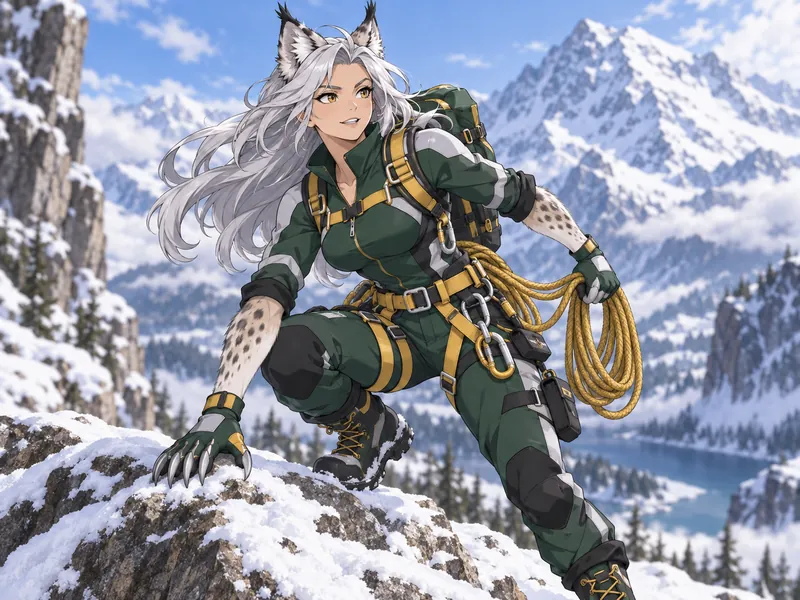
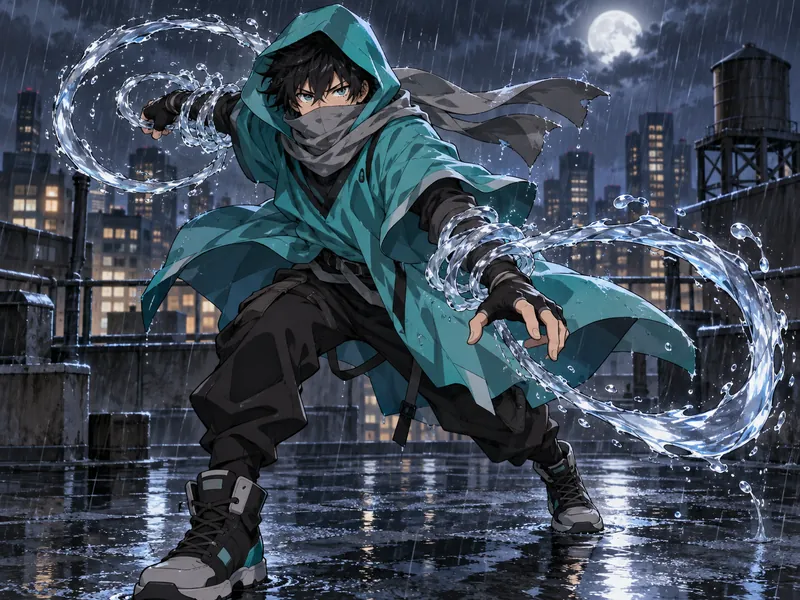
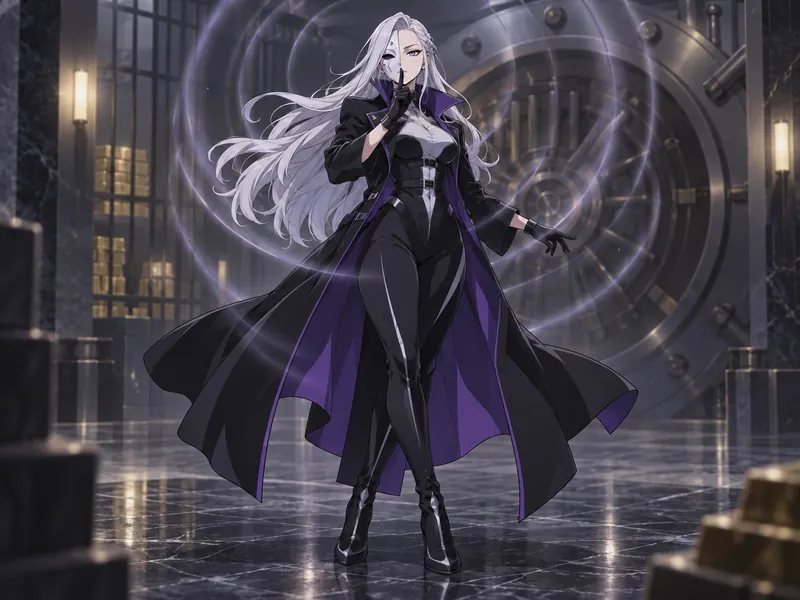
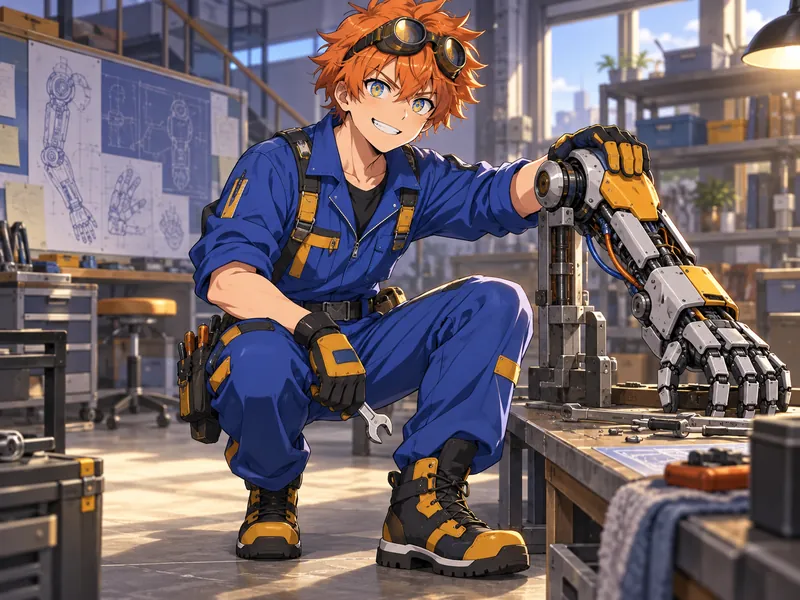
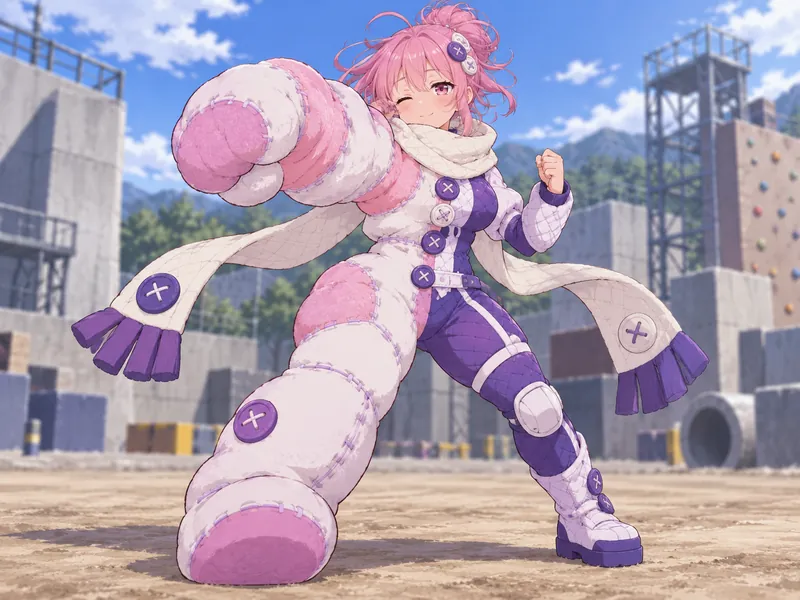
Art styles
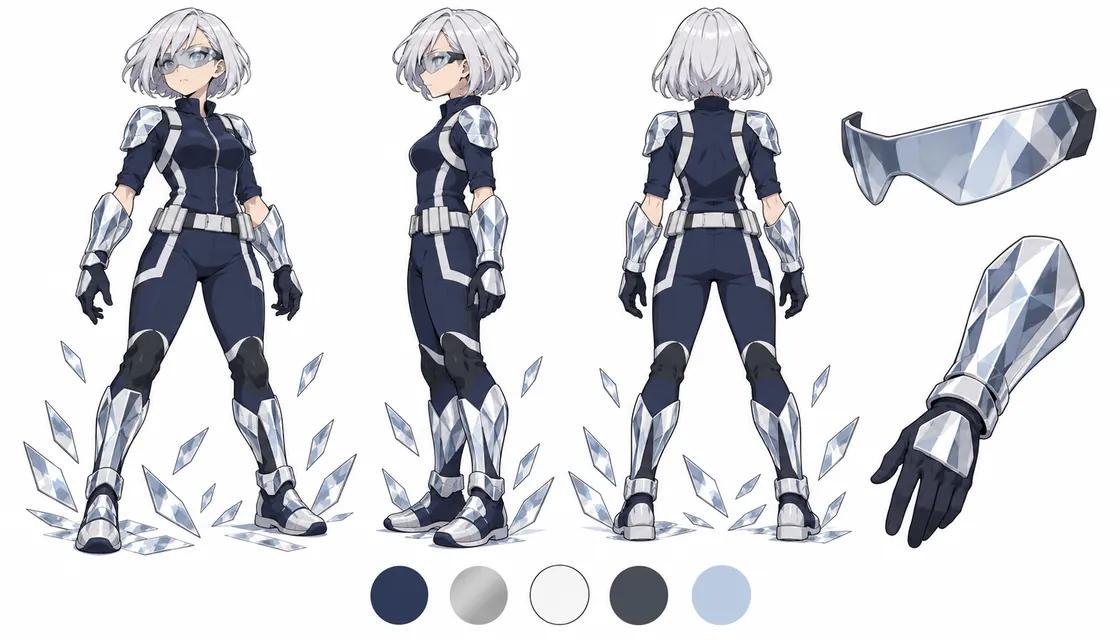
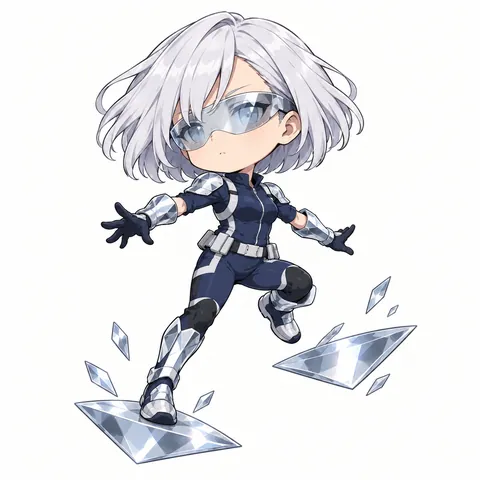
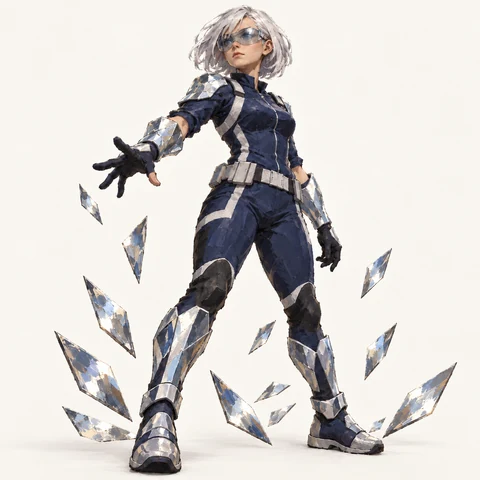
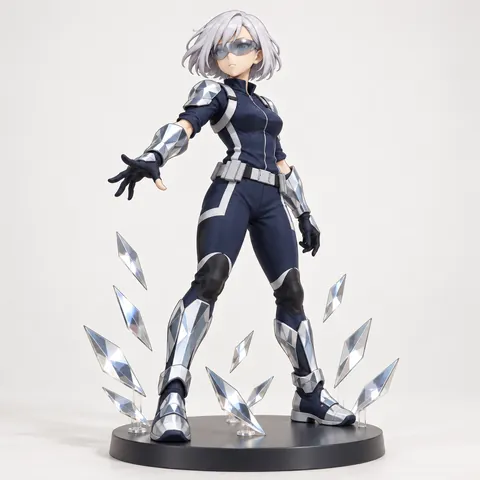
Rei Kagami drawn five ways from the same description. Switch the art style in the generator to do the same with your OC, or ask for a reference sheet with front, side and back views of the costume.
Know the rules
The quirk type decides how your power works, and the path decides where your story happens. Pick one of each and the rest of the OC falls into place.
Sources: My Hero Academia (Wikipedia); My Hero Academia: Vigilantes (Wikipedia)
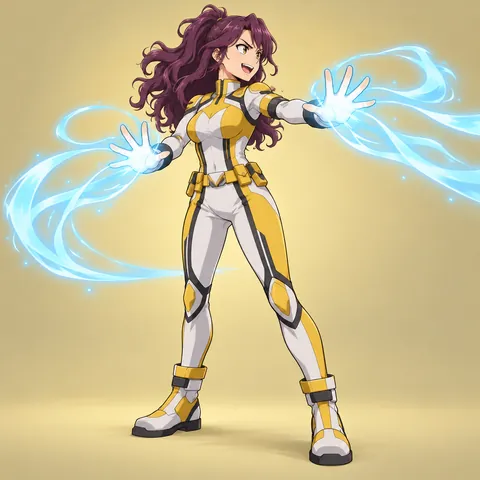
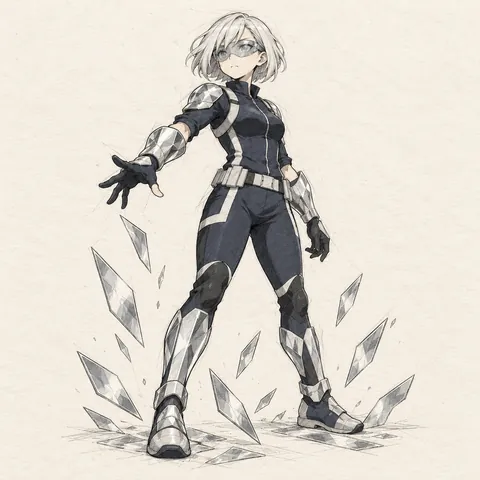
Produces or controls something outside the body: fire, sound, water, gravity. The most common type in the series, and usually the one with the clearest cost, like recoil or overheating.
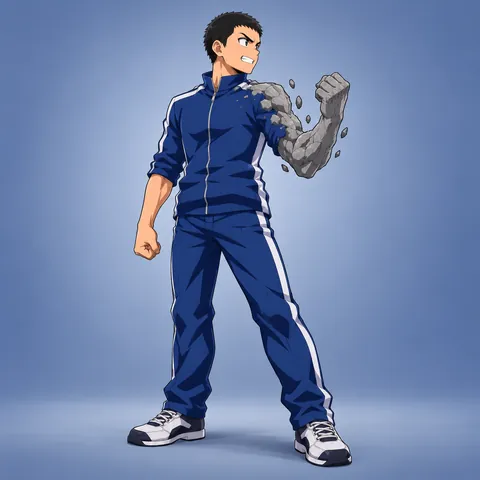
Changes the body on command, then changes it back: hardened skin, a bigger frame, a softer or stranger form. Strong, but only while it is switched on.
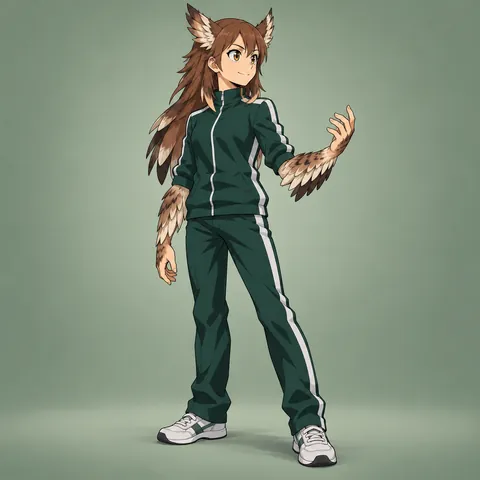
Always on. The quirk is part of how the body looks and works, like animal features, wings or extra limbs, so a mutant OC carries it into every scene, including everyday life.
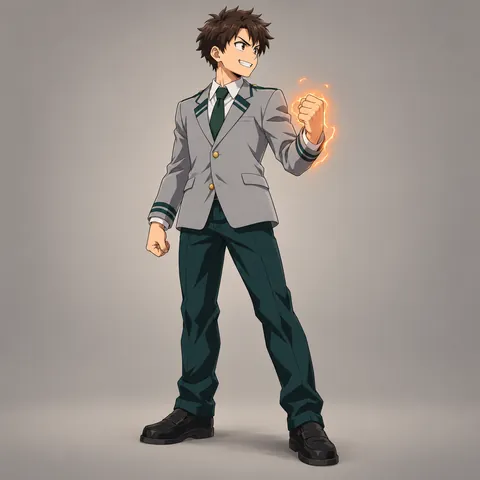
The classic starting point. Hero course students at U.A. High train in teams, sit the Provisional Hero License Exam and wear a first costume built from their own design request.
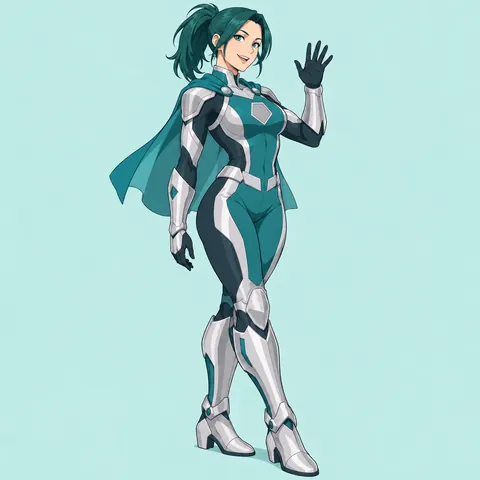
Licensed heroes work at hero agencies and are ranked on the Hero Billboard Chart. A pro OC needs a hero name, an agency and a specialty such as rescue, combat or undercover work.
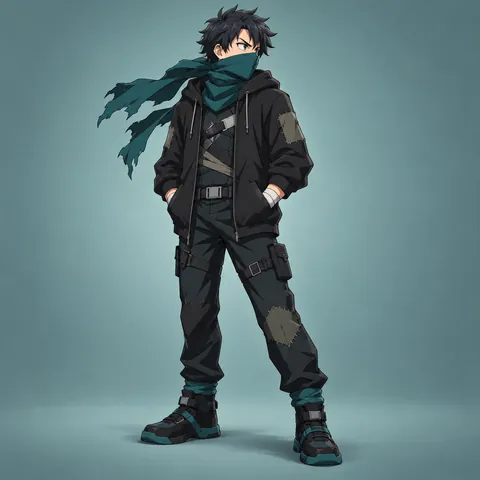
Uses a quirk in public without a license, which is illegal in hero society. A good fit for street-level stories, and the focus of the prequel spin-off My Hero Academia: Vigilantes.
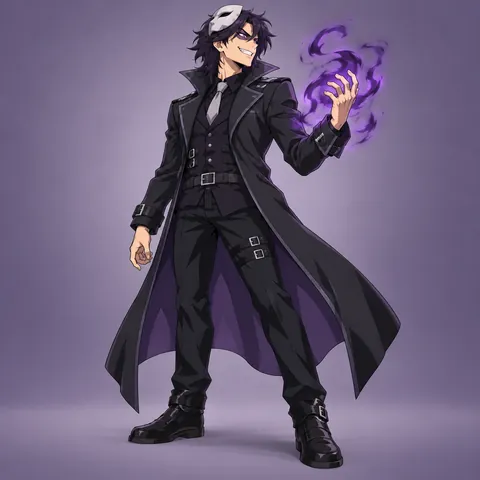
Uses a quirk for crime. The strongest villain OCs have a reason the hero system failed them, which is a question the series keeps coming back to.
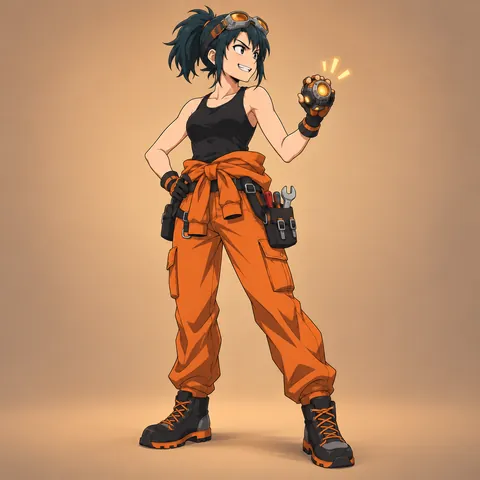
Builds gear instead of fighting on the front line. Support OCs pair well with a hero partner and a quirk that helps with design, analysis or repair.
Names and quirks
A hero name is what the crowd chants, and the quirk is what they remember. Mix a name from a style word and a role word, then pick a quirk idea. Every click goes straight onto your hero in the generator.
style word + role word
Pick the power your hero is known for.
Guide
A strong hero OC is built around one quirk and what it costs. The generator handles the drawing; these five decisions are worth making first.
In the series, pushing a quirk too far always costs something: recoil, overheating, exhaustion. Write the cost next to the power and your OC has stakes from the first scene.
The path decides your cast, your setting and your conflicts. A U.A. first-year has classmates and exams; a vigilante has rooftops and no backup.
A hero costume is also equipment: vents for a heat quirk, gauntlets for a punching quirk, a mask for a quirk that needs secrecy. One main color and one accent keep it readable.
Pro heroes pick a name the public will chant. Keep it short, tie it to the quirk or the personality, and check that it does not match a canon hero.
A class, an agency, a rival or a villain group makes it easy to drop your OC into a story, a roleplay or an ask blog.
Other fandoms
Tools
FAQ
Sign up free, get 10 credits, and meet your character today.