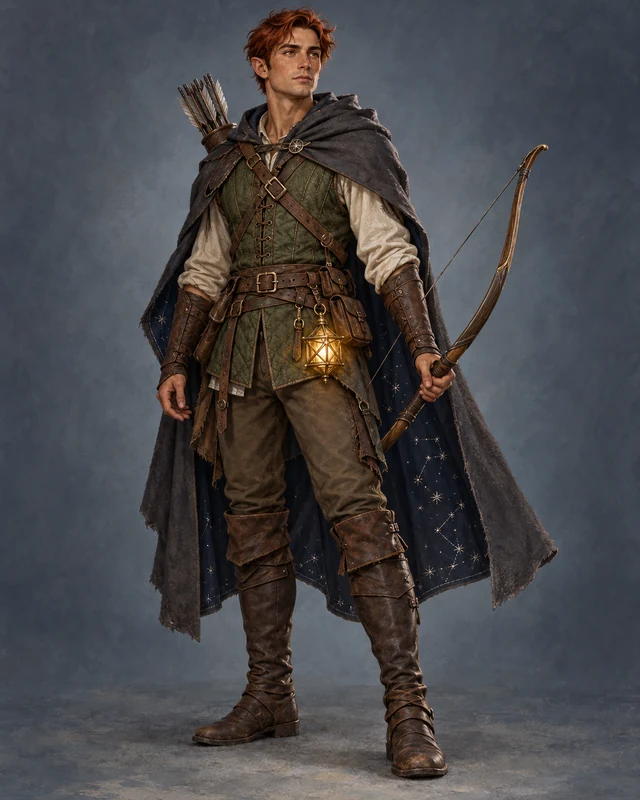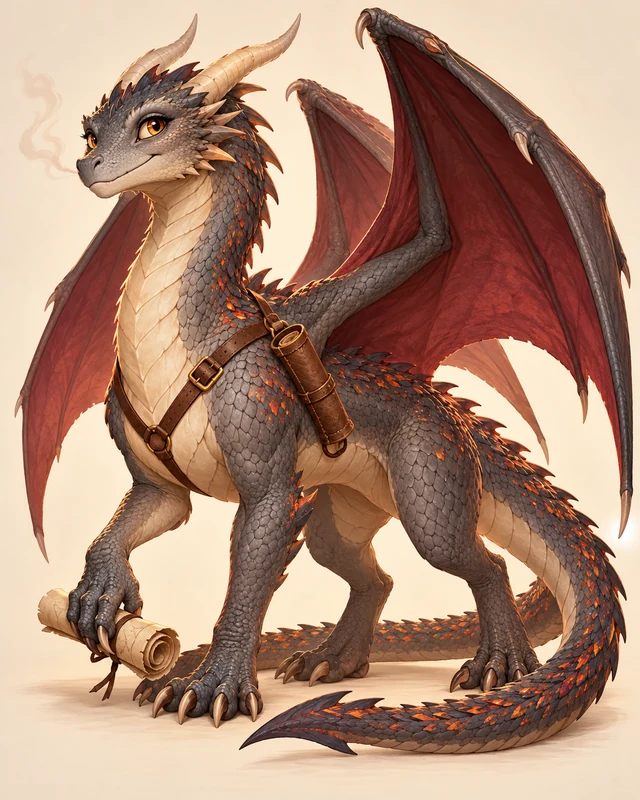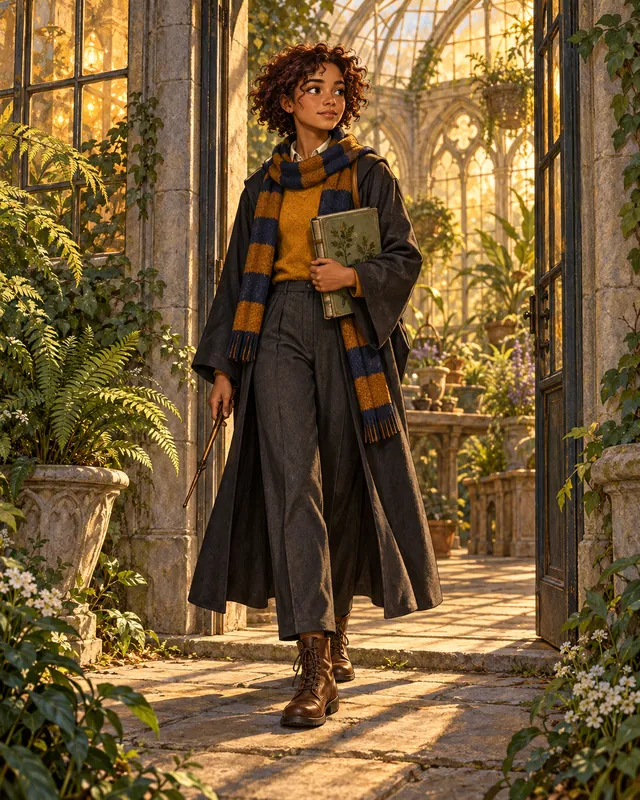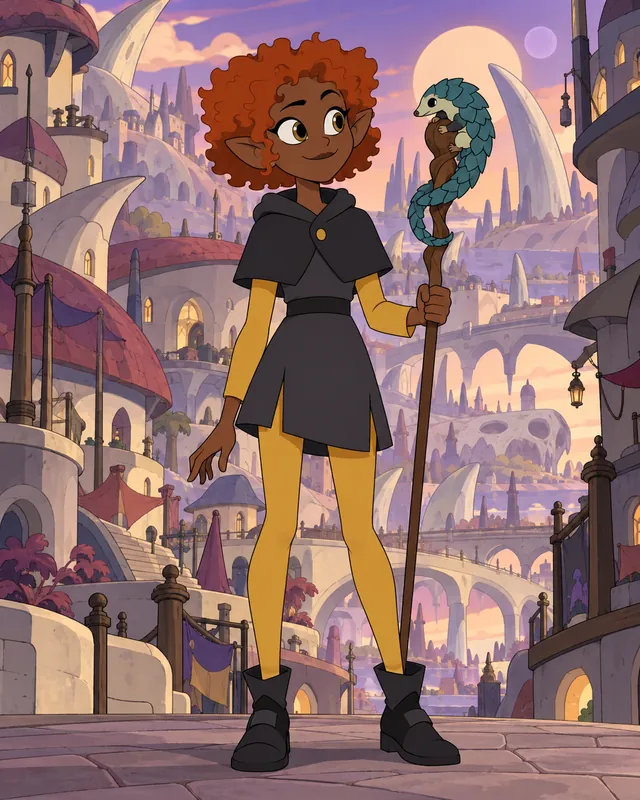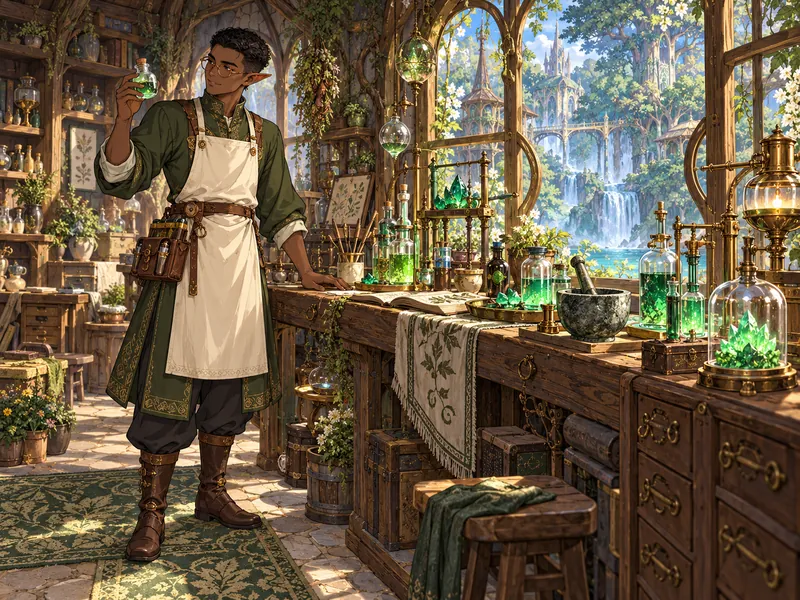
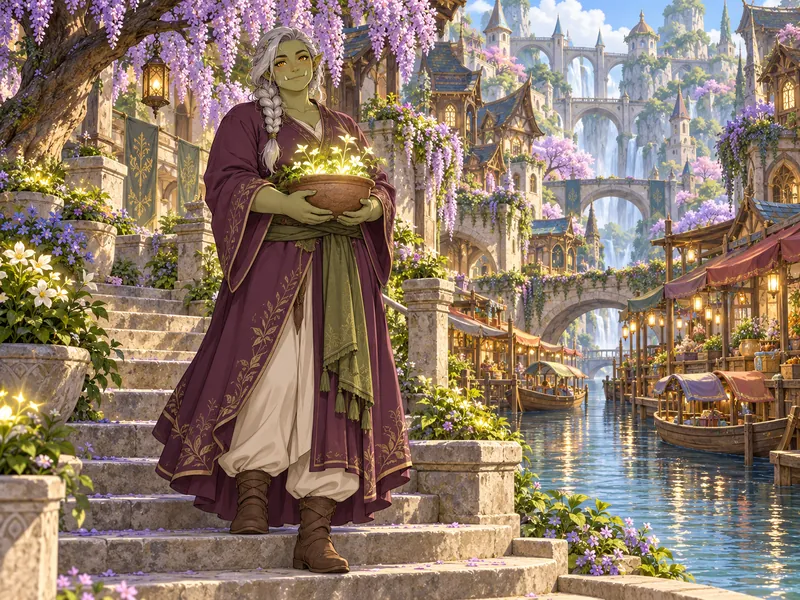
Orren Mossglass
Elf alchemist- Bottles the light inside garden stones.
- Trades ink for stories from travelers.
- Cannot hurry the overnight cooling.
Build a fantasy OC for your own world. This fantasy character designer connects ancestry, calling, culture and magic. Choose their look and one meaningful limitation, then create a portrait, full-body design or reference sheet.
Ideas
Start with a useful job and a specific problem. These fantasy OCs live in invented communities, so their ancestry does not dictate their personality or loyalties. Each card supplies an appearance, a working relationship with magic and a reason to leave home. Use a card as a starting draft, then change the home culture, silhouette or limitation until the character belongs to your story. Their illustrated scenes are examples, not rules for how an entire people must look.

Art styles
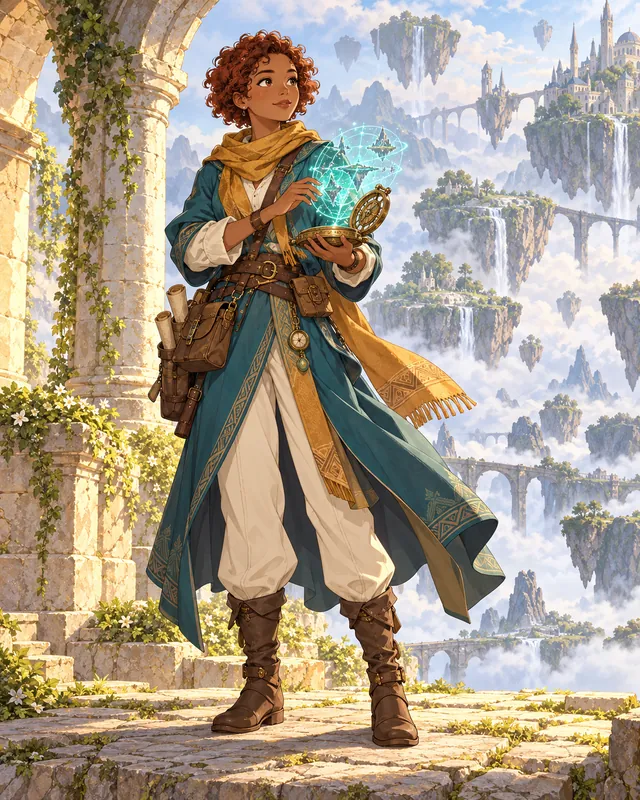
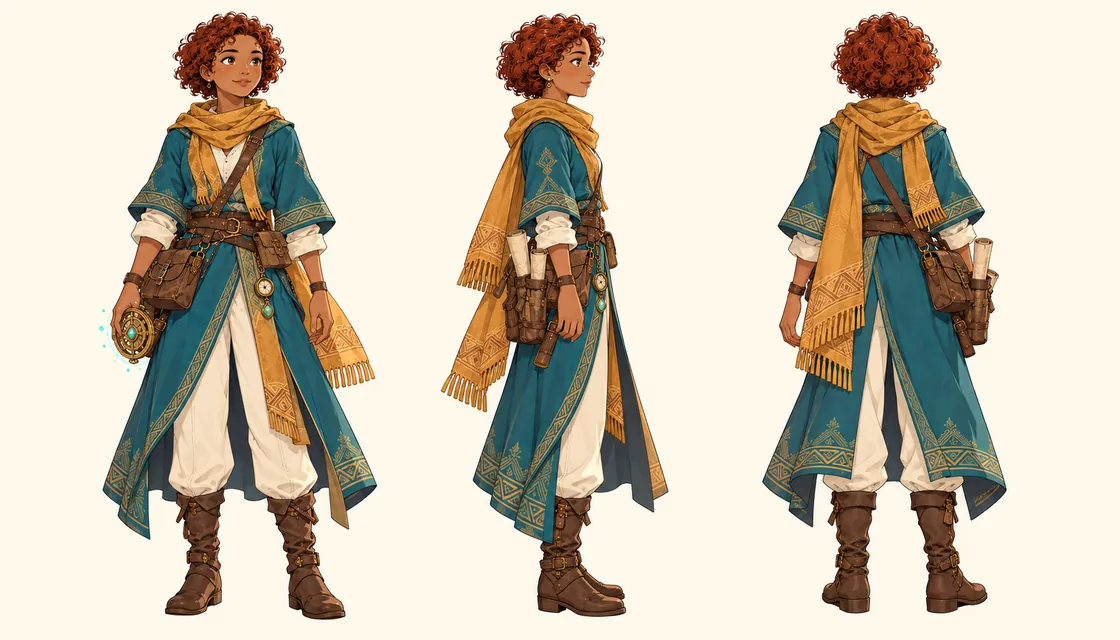
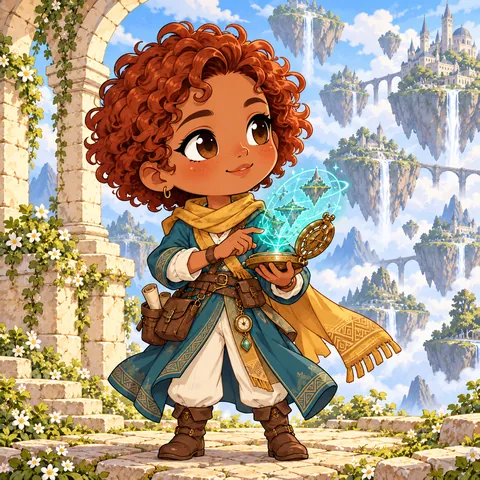
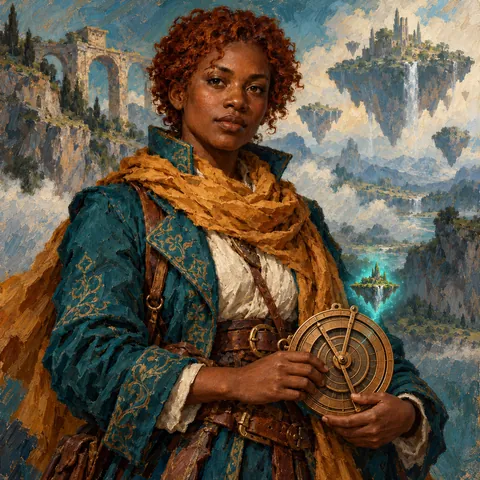
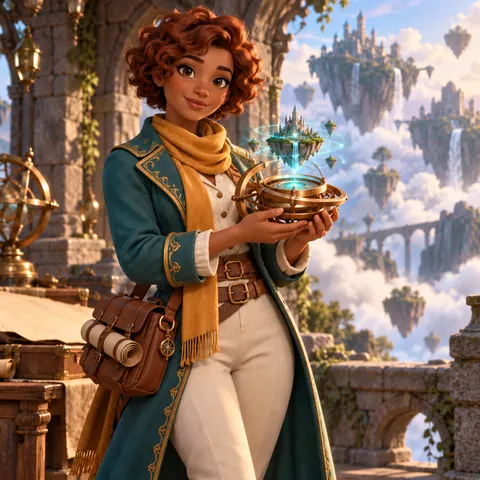
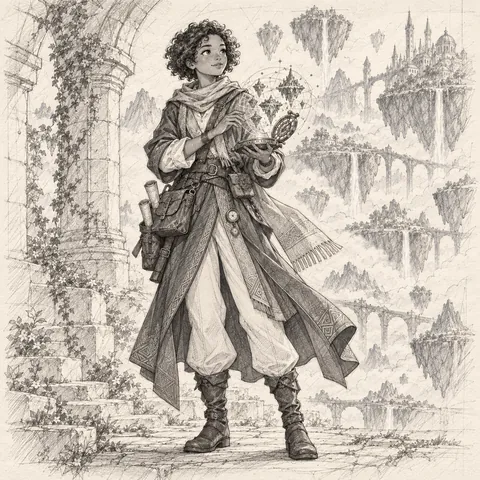
Tavra Reedcompass is the same human cartographer in every sample: brown skin, short auburn curls, a teal traveling coat, ochre scarf, cream trousers and copper astrolabe. Compare the outline and material treatment before choosing a style. Chibi changes her proportions, semi-realistic paint emphasizes fabric and light, 3D gives the costume tangible volume, and graphite studies the construction without color. Her identity stays fixed even when the medium changes.
Know the rules
A fantasy maker works best when physical ancestry, learned calling and home culture are separate decisions. These are optional design approaches for your own world, not universal lore. High fantasy often takes place in an invented secondary world; other fantasy can bring the extraordinary into familiar surroundings. Either way, choose how ordinary life works before filling the character with rare powers. The numbers below describe this page, not limits on the genre.
Sources: The Encyclopedia of Science Fiction: Fantasy; Jewish Museum Berlin: Golem
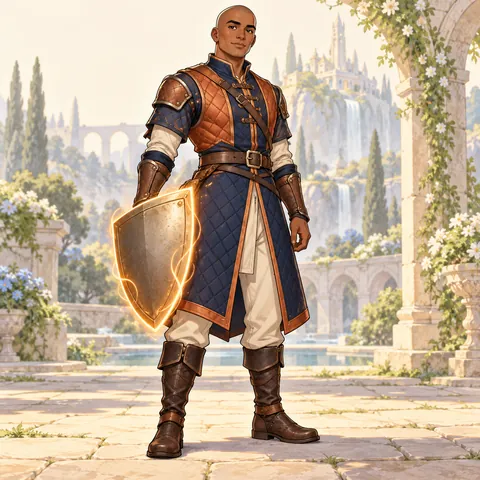
A human design does not need pointed ears to read as fantasy. Give the costume a clear job: a surveyor needs pockets, a rain courier needs overlapping layers, and a river priest might wear cloth dyed by a local plant. Add one unmistakable magical object with a visible purpose. Decide who taught the character and what that teacher expected in return. A repaired cuff, borrowed tool or unfamiliar fastener can tell more about their life than a collection of expensive ornaments. Humans can come from every culture in your setting, not one default kingdom.
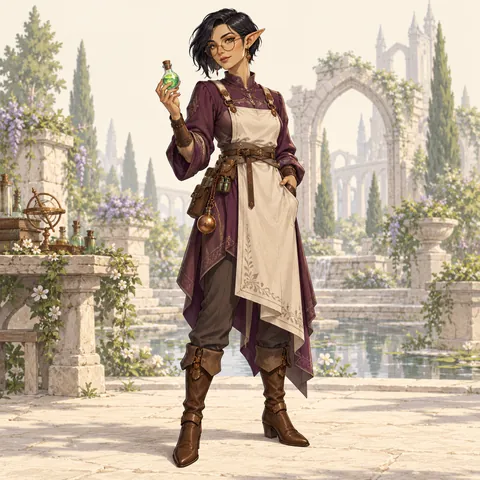
Pointed ears can be the only physical convention you keep. Try a sturdy elf baker, a short-haired engineer or an elderly harbor negotiator rather than repeating a pale, silver-haired forest archer. If elves live longer in your world, decide what that changes in daily life: apprenticeships, friendships, repairs or records. If they do not, say so. Do not borrow a famous character and replace the name. Change the occupation, facial features, palette and source of conflict together, and let the result follow your world rather than an existing cast.
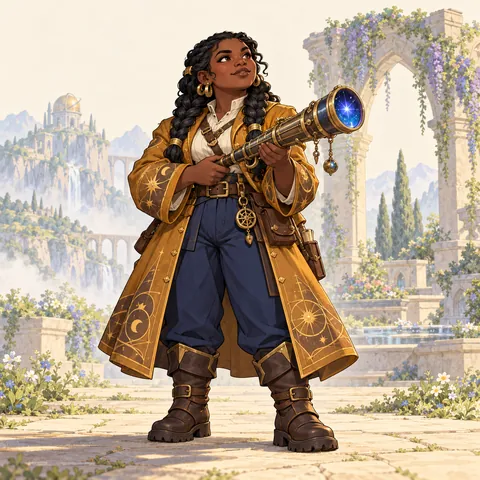
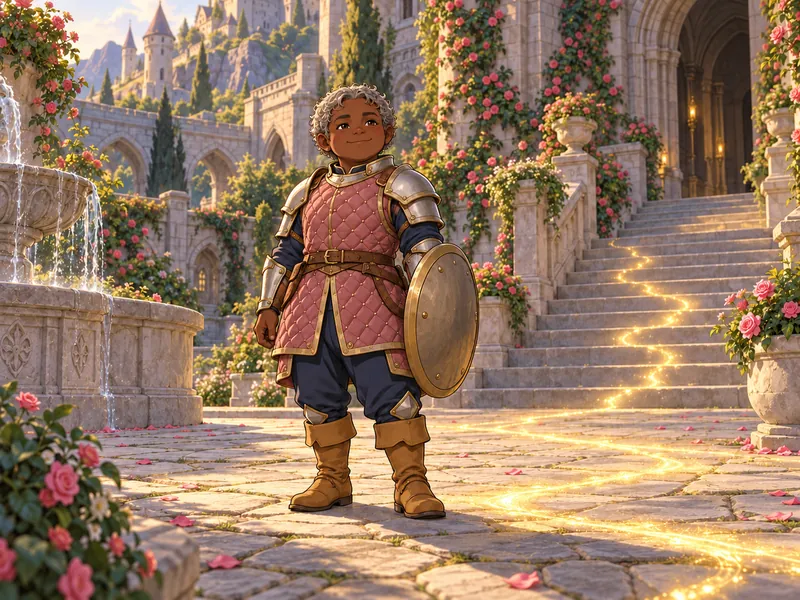
A compact, broad silhouette makes an immediate visual starting point, but it does not require every dwarf to mine, forge or carry an axe. An astronomer, dancer, gardener or cartographer can be just as convincing. Decide how clothing fits and how a tool is carried. A mountain culture might value weather knowledge; an island culture might value ship repair. Those are local customs, not inherited moral traits. If you add a beard, choose a shape that serves the design instead of copying the elaborate braids of a famous film character.
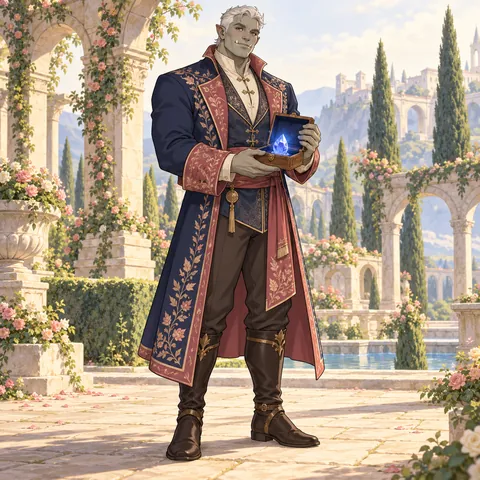
You can use a strong jaw, visible tusks or a broad frame without making aggression the character’s defining quality. Start with what the person does for others: tending a public garden, restoring maps or helping visitors cross a difficult river. Pick colors that suit the local materials and climate. A scholar can be impatient, a knight can be gentle, and a healer can be stubborn. These are individual choices. Show at least one personal habit that another member of the same ancestry would not share, such as carefully labeling every seed packet or refusing to travel before breakfast.
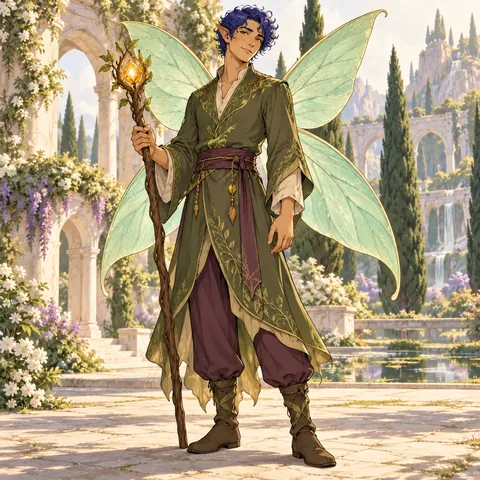
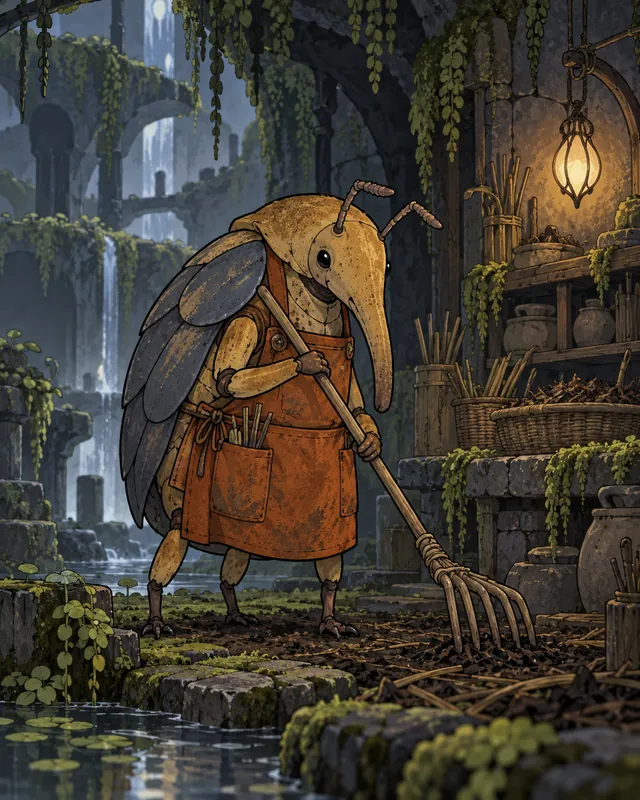
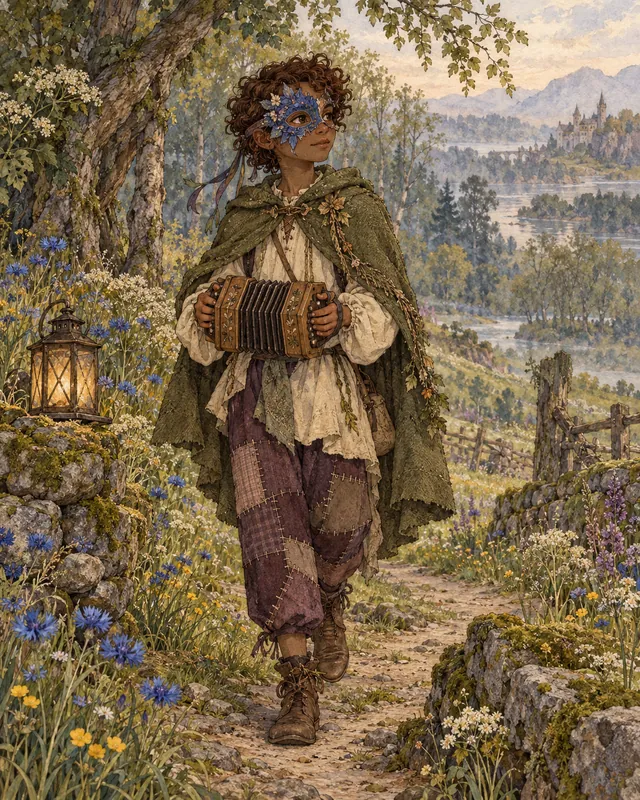
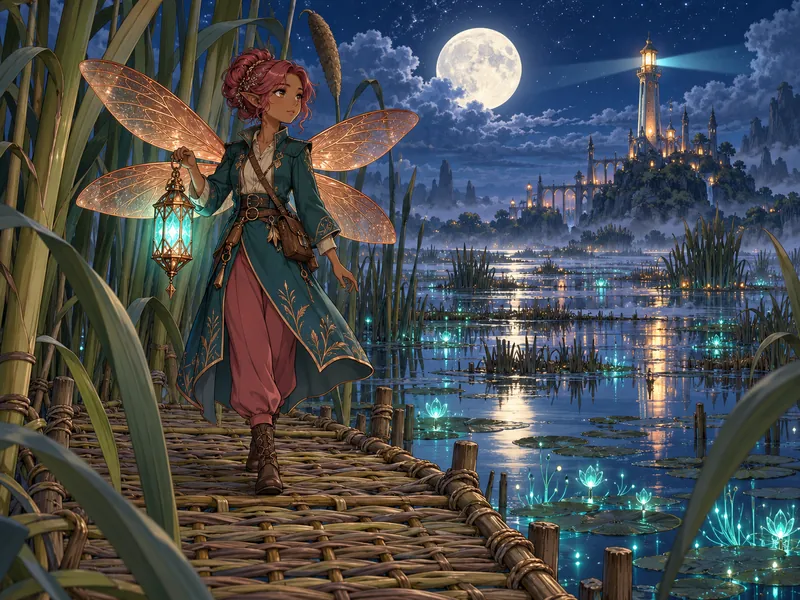
For this page, fae is a flexible invented-world option rather than a claim about one folklore tradition. Decide whether the character is tiny, human-sized, winged or wingless, then explain how that body moves through the setting. Wings should influence doorways, rainwear and carrying straps. A luminous coat might guide boats but make hiding impossible. Choose one unusual feature and build everyday consequences around it. If you draw from a specific living tradition, research that tradition directly and distinguish your invention from the stories people actually tell.
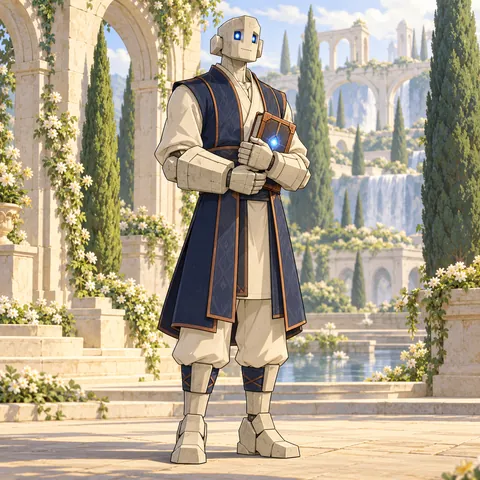
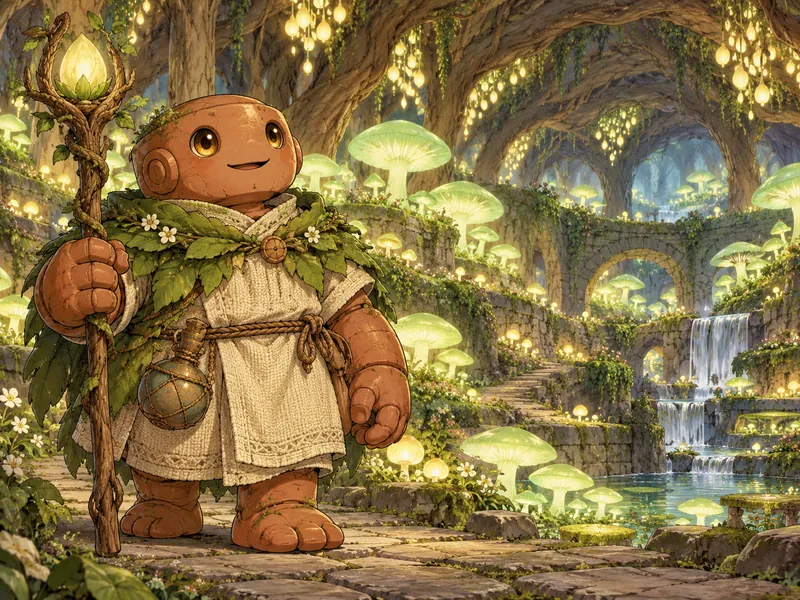
Clay, wood, stone and woven fiber lead to very different silhouettes. Show seams, joints and wear so the body reads clearly at thumbnail size. Then move beyond the builder: what does this person choose to do now, and what name do they choose for themselves? A ceramic gardener may need water to keep moving; a stone archivist may struggle with stairs made for lighter visitors. The option includes broadly invented constructs. The word golem also belongs to Jewish cultural and religious history, so do not treat sacred writing or rituals as interchangeable decorative textures.
Fantasy names
The fantasy OC generator includes a free local name mixer with four original conventions. These are writing prompts for invented communities, not authentic names from real cultures or any franchise. Choose a pattern, read the name aloud and decide who uses it: family, fellow travelers or a formal council. Keep the same sound rules for people from one community while allowing migration, adoption and chosen names. The mixer supplies a starting name; your story supplies its meaning.
A short invented given name plus a compound landscape surname.
A useful limit creates decisions. Pick one, then describe its effect on daily life.
Guide
Use this fantasy character maker as a design desk. The goal is a person you can write consistently, not a list of every interesting feature you have ever seen. Make one decision at each step, check how it affects the previous decisions, and save the resulting description with your artwork. You can change your mind later; a clear first draft simply makes those changes easier to judge.
Choose a subgenre, then name a small home community. High fantasy might use floating islands and public spell schools; cozy fantasy might follow a garden cooperative with one troublesome enchanted greenhouse. Write down the climate, a common material and a local custom. Those three details immediately suggest clothing and tools. East Asian-inspired and Norse-inspired are broad directions, not a single costume kit: narrow your research to a particular time, place or storytelling tradition, and avoid mixing sacred objects into decoration. Your invented culture should also include disagreement, ordinary work and people with different lives.
Choose the body first, then the learned role. A centaur cartographer needs a different worktable from a halfling cartographer, but either can be methodical, forgetful or ambitious. Decide what drew the character to that calling and who taught them. Add one practical inconvenience caused by the combination, such as a fae courier finding rain heavy on their wings. Keep morality and intelligence out of ancestry labels. If an option does not fit your own species, clear it and describe the anatomy in the details box with a short, concrete sentence.
Select where the power comes from and what the character actually does with it. Learned star charts plus a copper astrolabe suggests a very different routine from tidal rhythms plus a lantern. Then choose a limit that changes a decision: the map cannot predict an unvisited route, or the light appears only when the tide turns. Avoid a drawback that never matters in the story. A nonmagical character is also valid; place the magical element in the environment or an ordinary borrowed tool, and let preparation or negotiation solve the problem.
Choose one dominant clothing shape, two main colors and one accent. Repeat a practical material across the design, such as copper on a buckle and an instrument case. Keep important details near the face and hands if you want a portrait. For a full-body image, describe how the outfit fits the legs, tail, wings or hooves. Any weapon should be sheathed or carried peacefully at rest. Ask whether you could identify the calling at thumbnail size without reading the name. If not, replace tiny ornaments with one clear tool or costume feature.
Give the character a small task that the magic cannot complete alone. Tavra can chart a path she has walked, but must trust someone else when a bridge disappears. That creates a relationship and a reason to act. Use portrait output for an avatar, full body for costume exploration, or a reference sheet to compare views. Review the generated result for consistent hands, props and clothing before treating it as a final reference. Save the description alongside the image so later revisions preserve the decisions that made the character yours.
Other fandoms
Tools
FAQ







Sign up for 10 bonus credits and make your first OC free.