OC Creator logoOC Creator
THE FIELD LAB

Animal Hybrid Generator

Combine two or three animals into an original creature. Tilt the inheritance toward either parent and watch its anatomy, habitat, abilities and field-guide entry change. Compare several name blends, lock the traits you want to keep, and save a field card for your sketchbook. Start with a familiar pair or randomize the whole animal bank. Free, in your browser, with no sign-up.

  • 2 or 3 parent animals
  • Lock each trait and reroll
  • Free PNG specimen card

Field station 01

Build a new species

FREE / NO SIGN-UP
Parent 1

woodland and grassland

Parent 2

woodland

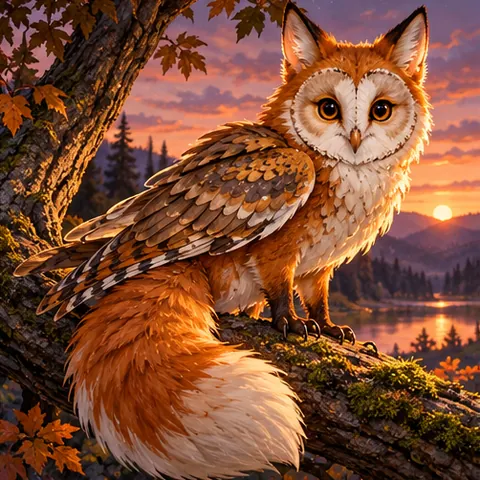
foxowl

Slide to shift the dominant body plan. The specimen changes as you move.

Browse 82 real animals by group, plus 4 imaginary fantasy parents. Traits vary by species. Temperament is a character-writing cue. Every combined creature is fictional.

Field guide / specimen FO-OW

Illustrated fox and owl hybrid
Pairing illustration; your written traits can vary.

Foxowl

Fox + Owl

Inherited features

Fox pointed ears and owl facial disc

Size

small overall; between its fox and owl parents

Habitat

woodland and grassland; seeks woodland nearby

Diet

omnivore with carnivore influences

Temperament

alert and adaptable, with a patient and watchful streak

Abilities

acute hearing; quiet flight

Field guide

The Foxowl is an imagined cross of fox, owl. Its pointed ears and facial disc make it easy to recognize. Look for it around woodland and grassland, where it relies on acute hearing.

SPECIMEN INDEX

Specimens from the field lab

Try one of these pairings, then change the parent balance to make it yours.

fox and owl specimen illustration

Entry 01

Fox + Owl

A woodland scout with quiet wings and a brushy tail. Start with the fox body, then borrow the owl’s facial disc, wing shape and talons. Imagine it moving between low branches at dusk. A lighter balance can make the owl more obvious, while a fox-led version stays closer to the ground. The field-guide result is fictional, but each parent gives you visible clues to sketch.

otter and moth specimen illustration

Entry 02

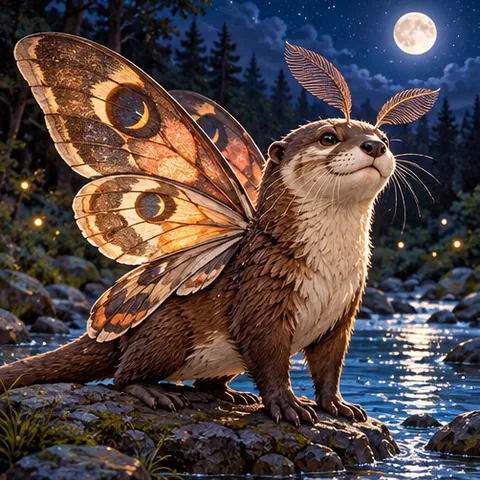
Otter + Moth

A riverbank night wanderer with delicate antennae. The otter contributes a swimming body, webbed feet and dense fur. The moth contributes patterned wings or soft antennae as a clear accent. Try a small creature that rests among reeds, then consider how it keeps the wing details dry. That practical question can give your imaginary species a memorable habit and a useful scene for an illustration.

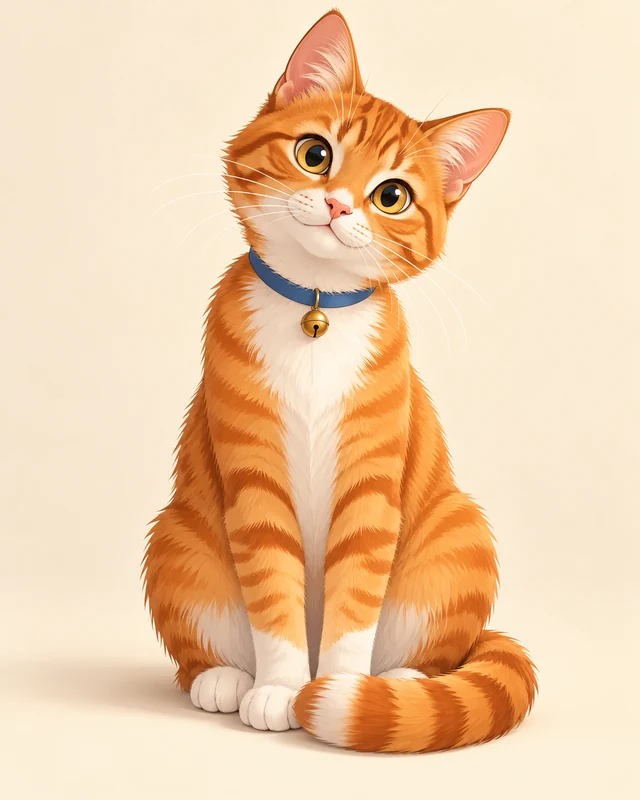
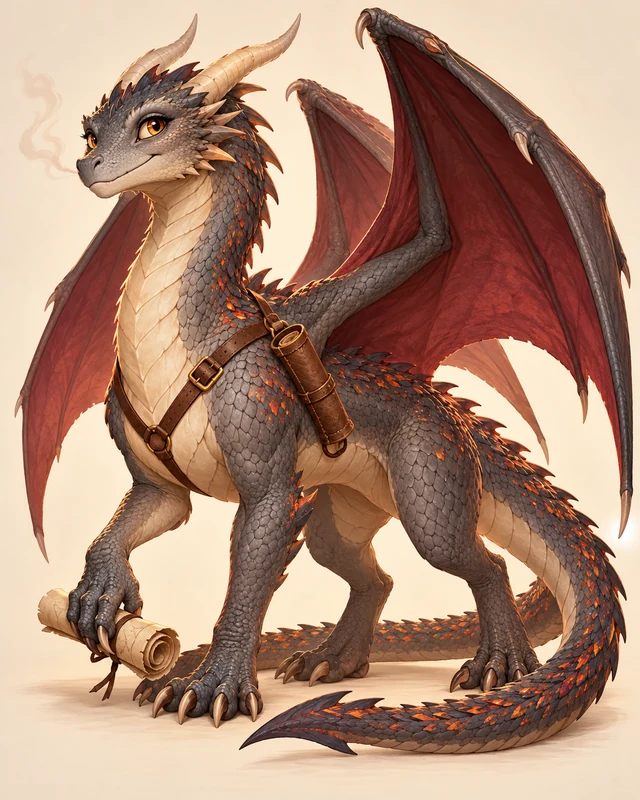
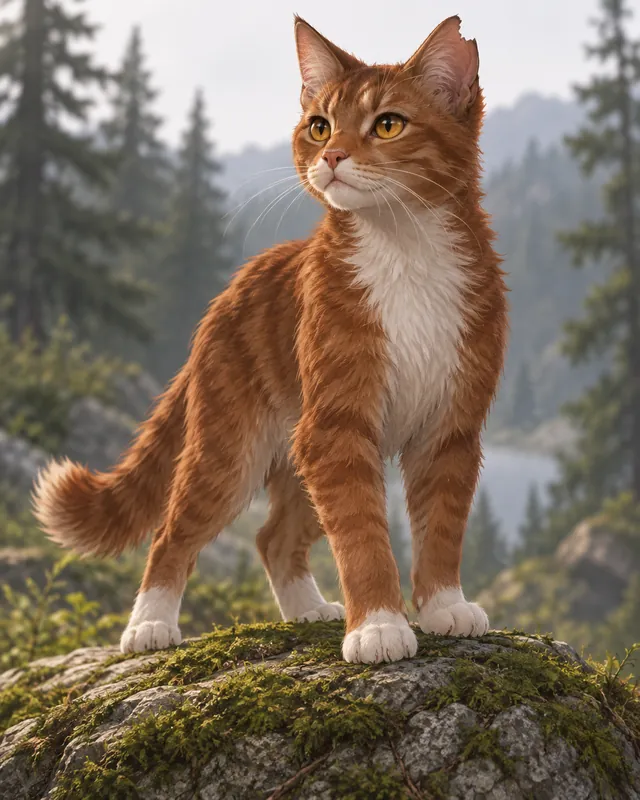
cat and dragon and deer specimen illustration

Entry 03

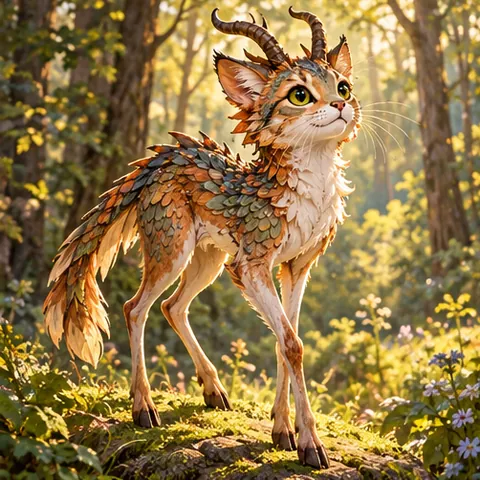
Cat + Dragon + Deer

A fantasy familiar with whiskers, scales and long legs. A cat parent gives it a flexible tail, padded paws and a curious face. The dragon is deliberately imaginary and brings fantasy scales or horns. Deer adds a long-legged silhouette as the third accent. This mix is a good test of restraint: choose one dominant body plan and let the other two parents supply details instead of stacking every feature everywhere.

frog and butterfly specimen illustration

Entry 04

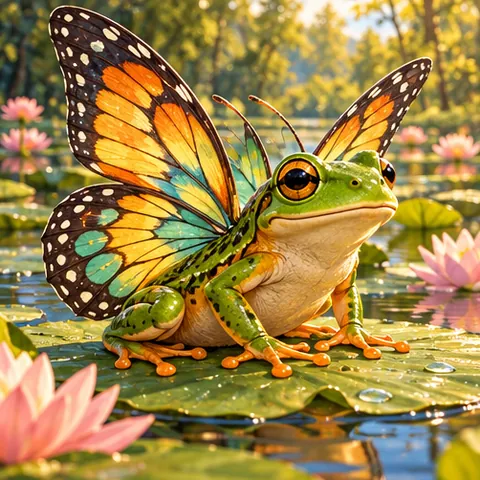
Frog + Butterfly

A pond-edge jumper with patterned wings and broad eyes. The butterfly gives it a soft silhouette while the frog defines its powerful hind legs.

shark and penguin specimen illustration

Entry 05

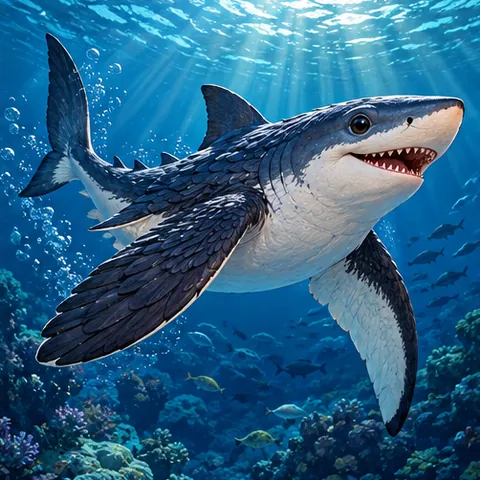
Shark + Penguin

An ocean swimmer with a shark-like body and the dense feather look of a penguin. A useful prompt for thinking about swimming rather than flight.

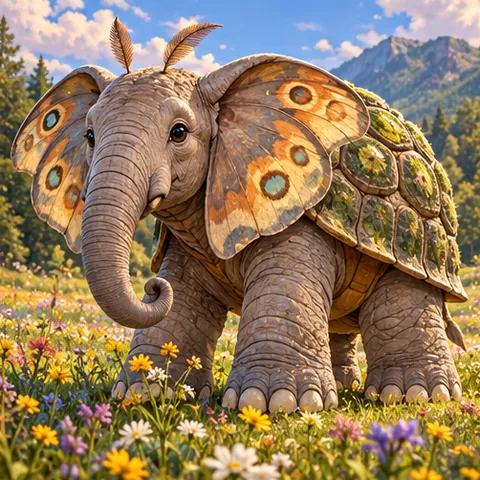
elephant and moth and turtle specimen illustration

Entry 06

Elephant + Moth + Turtle

A large, patient fictional creature with a trunk, patterned wings and a shell accent. Use three parents when one trait should be only a small accent.

Pairing ideas

What can you combine?

Choose animals by silhouette or habitat, then invent the connection.

Woodland + sky

Pair a ground dweller with a bird or moth for a clear anatomy contrast. A fox-led result can keep a narrow muzzle and brushy tail while borrowing an owl’s facial disc or feathered wings. A moth accent makes the edges softer and more patterned. Decide first whether the creature walks, glides or flies, then place the borrowed features where they could support that motion. The result is an original design prompt, not a real species.

  • fox
  • owl
  • moth

Water + land

Blend a swimmer with a land animal and think through its shoreline habitat. Otters, frogs and turtles offer very different movement cues: streamlined swimming, powerful jumping and a protective shell. Pick one mode of travel as the creature’s everyday habit, then use a feature from the second parent to tell the viewer when it enters the water or returns to land. A clear habitat helps the anatomy feel chosen rather than randomly assembled.

  • otter
  • frog
  • turtle

Fantasy + real

Dragon, unicorn, griffin and phoenix are explicitly imaginary parents. The other profiles describe broad real animal traits. Use the dragon when you want scales, horns or a fantasy silhouette, then let a real animal anchor the result. Cat whiskers make a small familiar readable at once; deer legs suggest a larger forest creature. Because dragons are fictional, their size, diet and ability are story choices. Keep that distinction in mind when reading the generated field-guide card.

  • dragon
  • cat
  • deer

Tiny + enormous

Put a moth or butterfly beside an elephant. Decide whether the result is a miniature giant or an enormous insect-inspired creature. The size field is fictional, so use it as a design prompt rather than a biology claim.

  • moth
  • butterfly
  • elephant

Coast + canopy

A penguin and an owl share bird ancestry but move differently. One swims with flipper-like wings and the other flies quietly. Your hybrid can borrow a visual trait from each without claiming the combination exists in nature.

  • penguin
  • owl
  • coast

Speed + shelter

A rabbit or deer gives a quick outline, while a turtle supplies a shell. This pairing asks a useful character-design question: when does your creature run, and when does it hide?

  • rabbit
  • deer
  • turtle

Night + water

Mix an axolotl, otter or frog with a nocturnal moth. The resulting habitat is invented, but the recognizable gills, swimming feet or antennae make the creature easy to sketch.

  • axolotl
  • otter
  • moth

Guide

How to make a convincing hybrid animal

A useful animal combination starts with a recognizable body plan.

  1. 1

    Choose the parents

    Pick two different animals, or add a third for a small accent. The random animal hybrid generator button samples the whole bank.

  2. 2

    Set the dominant parent

    Slide toward the body plan you want. The other parent contributes a contrasting feature. Lock any result you like before rerolling.

  3. 3

    Save your creature

    Copy the description, favorite the specimen or export a PNG card. Draw this OC sends the same idea to the fitting OC creator.

  4. 4

    Read the anatomy before naming it

    Each parent contributes a real visual feature. Read the inherited-features line and decide where those traits would attach on one coherent body. A hybrid with wings still needs space for shoulders and a tail still needs to connect to the spine.

  5. 5

    Reroll one section at a time

    Lock a name, habitat or ability that you like, then reroll the rest. Locks let you keep a strong idea while looking for a better supporting detail. If you switch parent animals, the new combination starts from their real trait banks.

  6. 6

    Write a field-guide scene

    The field-guide paragraph gives you a starting observation. Add the time of day, a place to spot the animal and one behavior. Treat the final species as fiction while keeping its source animal traits recognizable.

FAQ

Animal hybrid questions

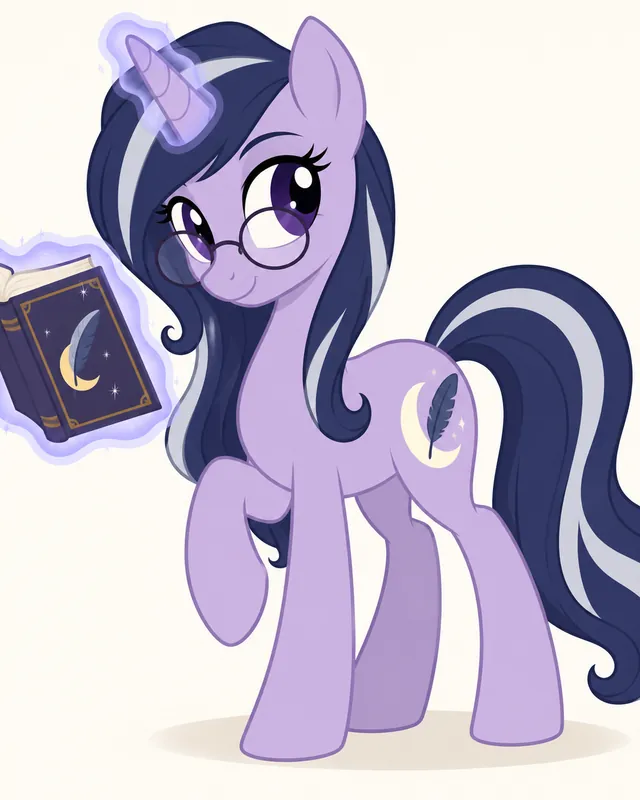
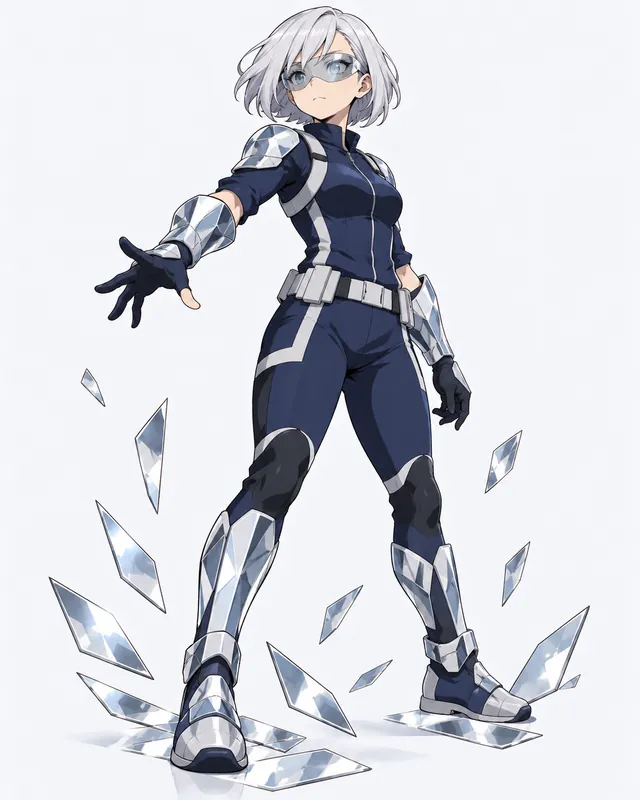
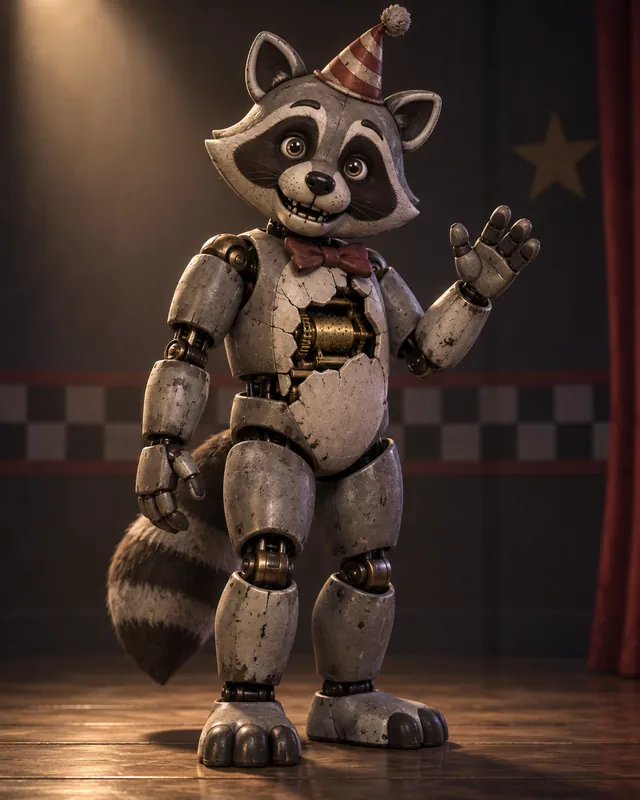
Juniper Vale, an original original anime characterKaito Arashi, an original anime characterSorrel the Fennec, an original Sonic the Hedgehog characterStarlit Quill, an original My Little Pony: Friendship is Magic characterRei Kagami, an original My Hero Academia characterFlarepaw, an original Warrior Cats characterTinsel the Raccoon, an original Five Nights at Freddy's character

Your next OC is one sentence away

Sign up for 10 bonus credits and make your first OC free.