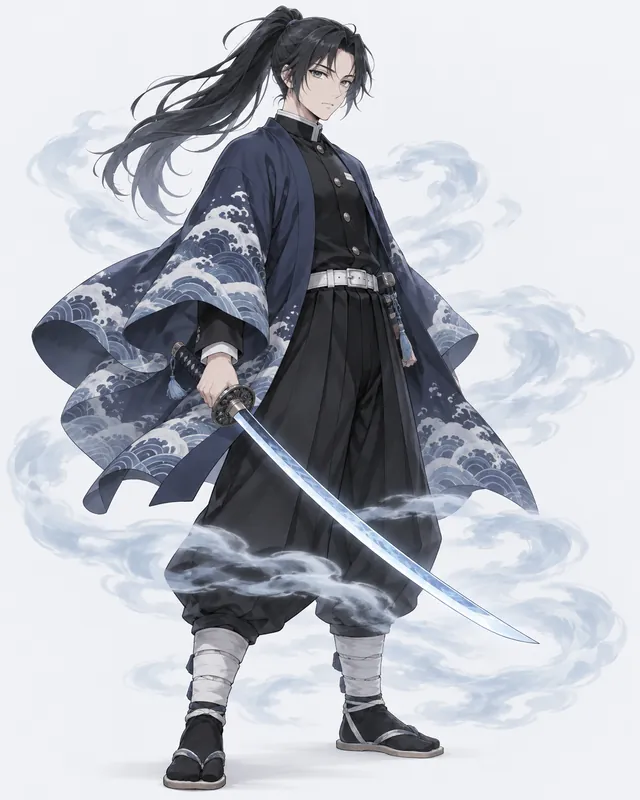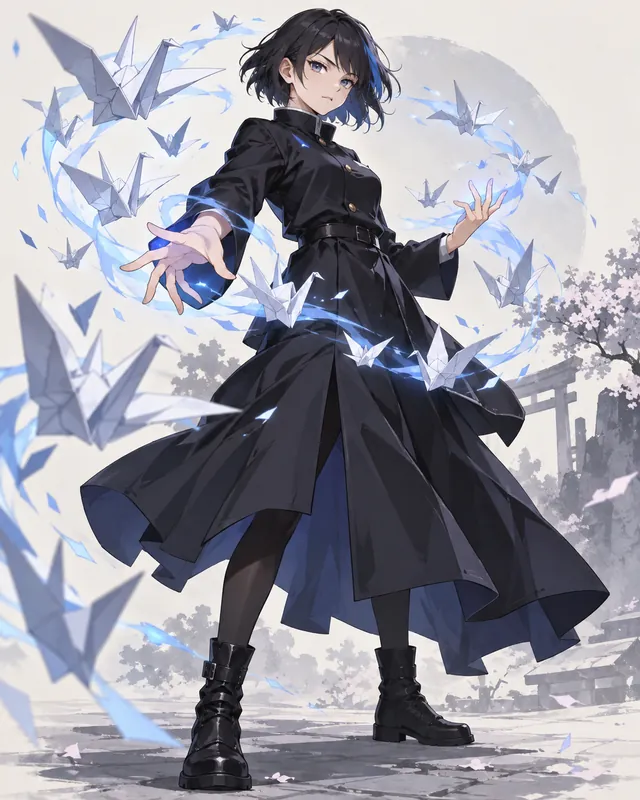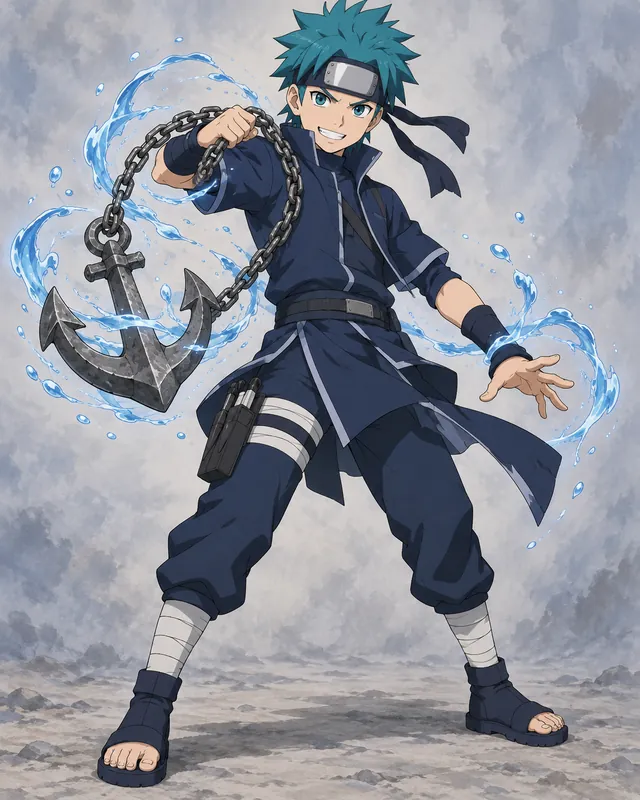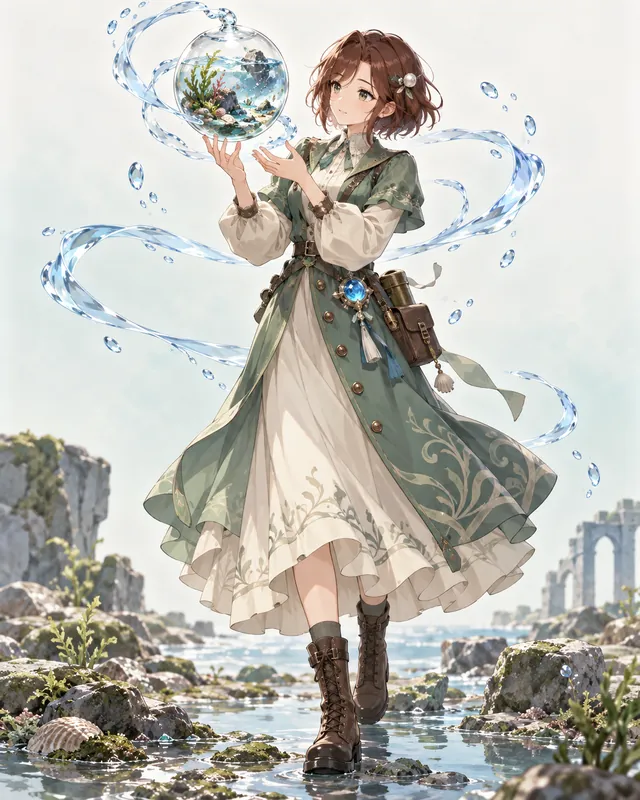
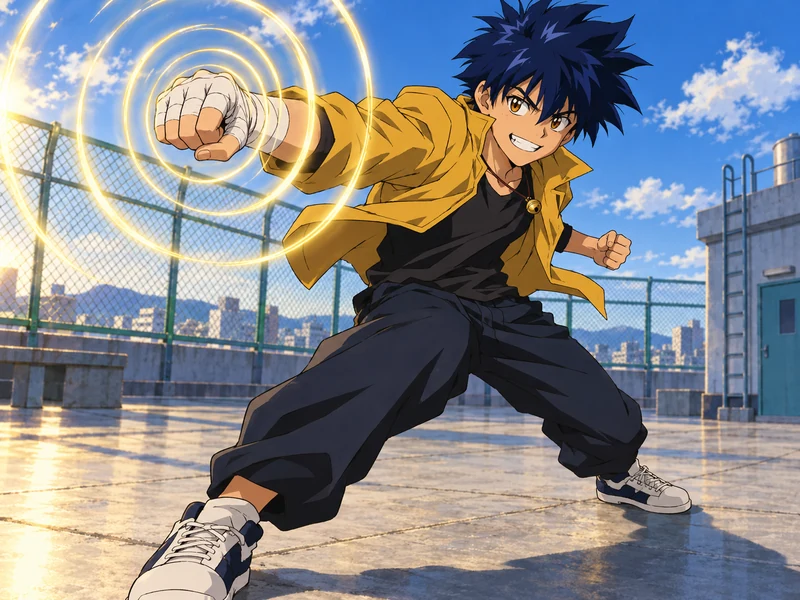
Riku Kazenari
Shonen hero- Wants to be the strongest in his town
- Every punch rings like a temple bell
- The 108th ring is his finisher
This free anime OC creator is an anime character maker that does the drawing for you. Pick an archetype like shonen hero or magical girl, choose a 90s cel or modern TV anime look, set hair and eye colors, and get your original anime character as full-body art.
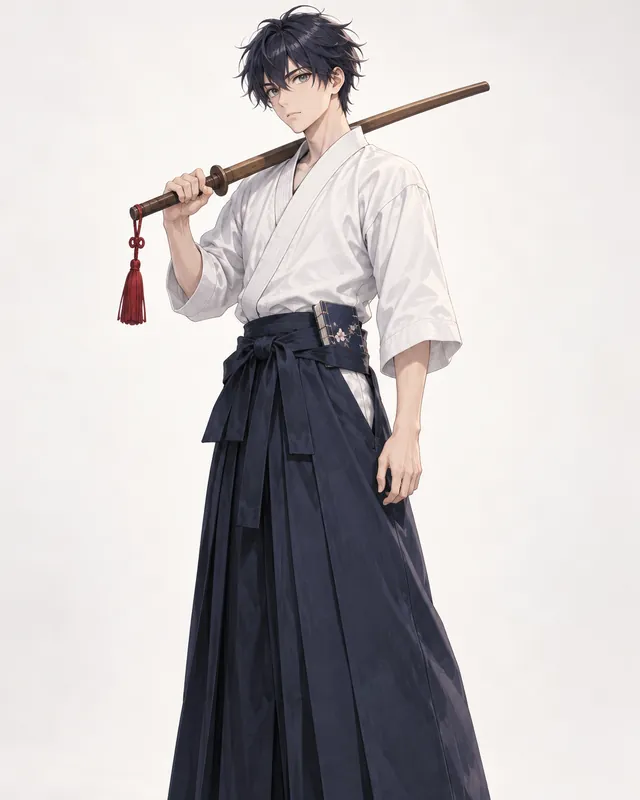
Ideas
Need a starting point? Load one of these characters into the anime OC creator, then change the archetype, the look or the colors until the character feels like yours.
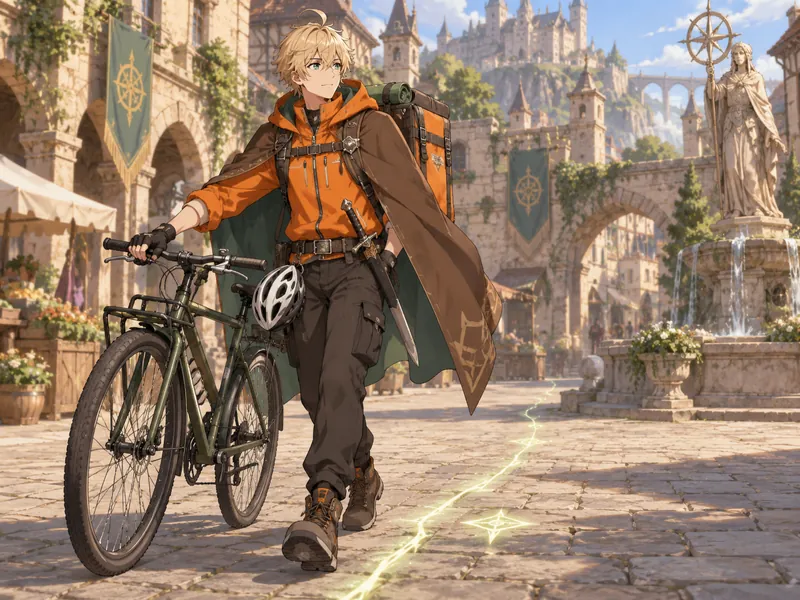
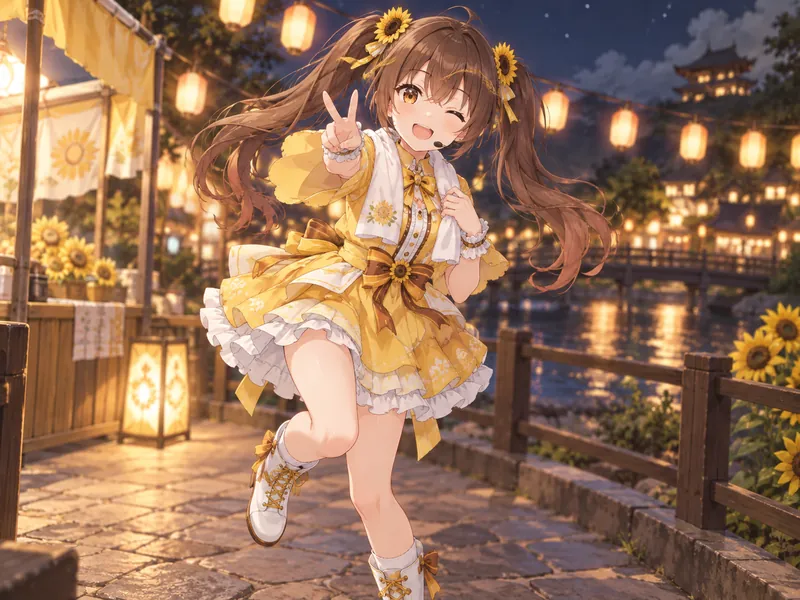
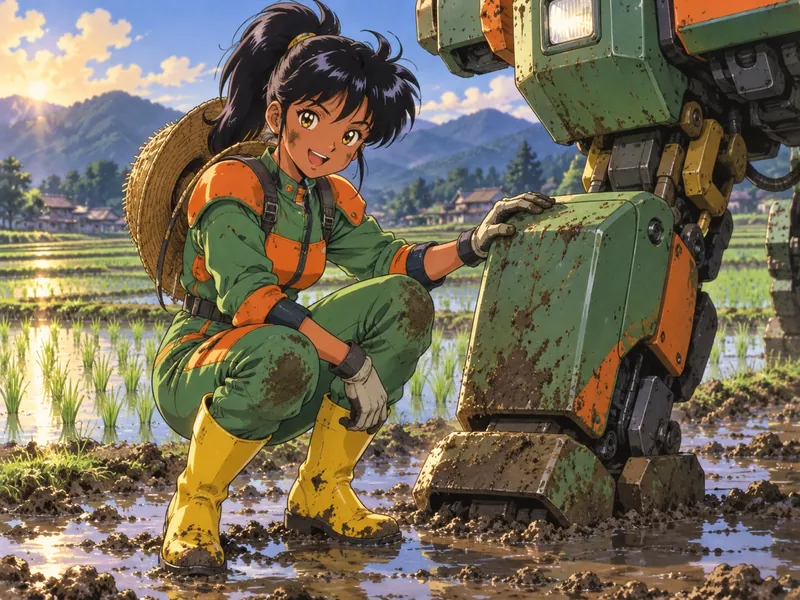
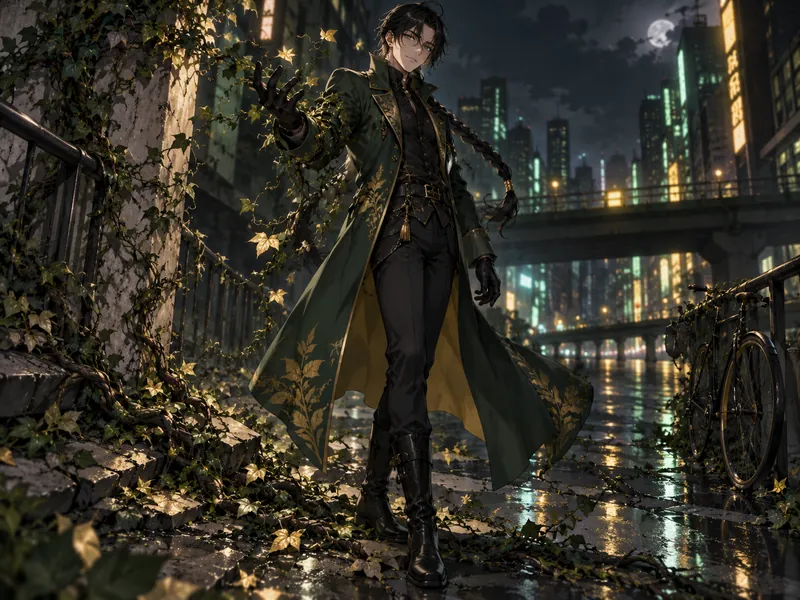
Art styles
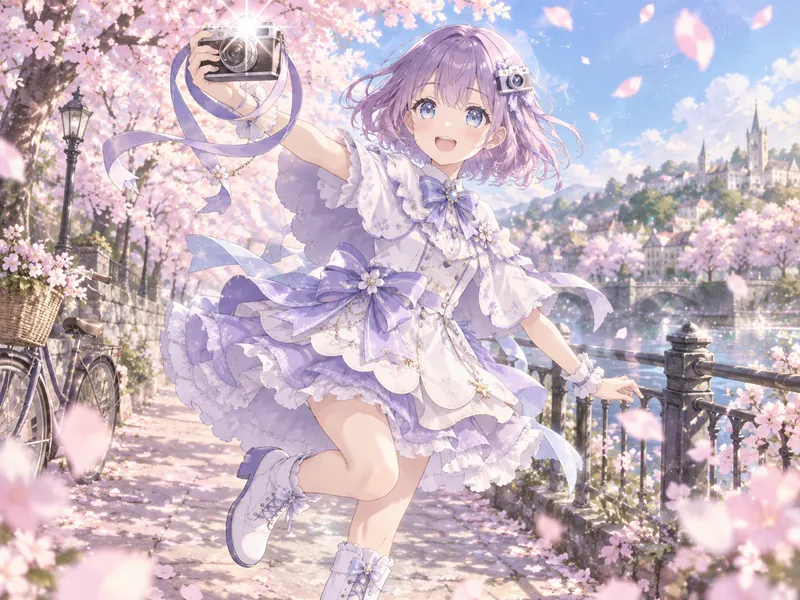
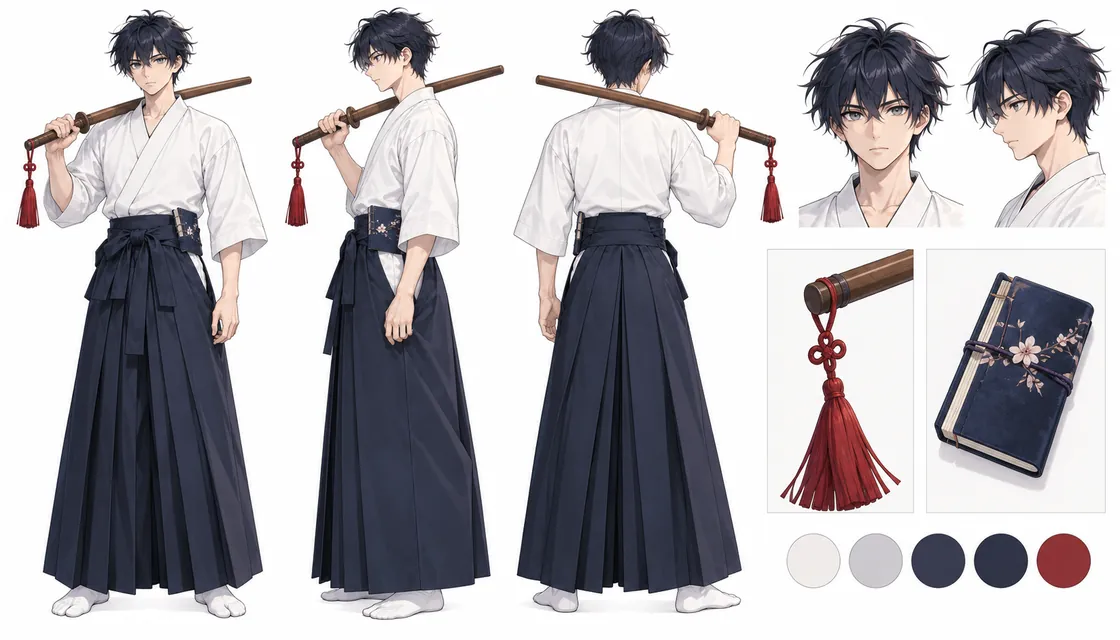
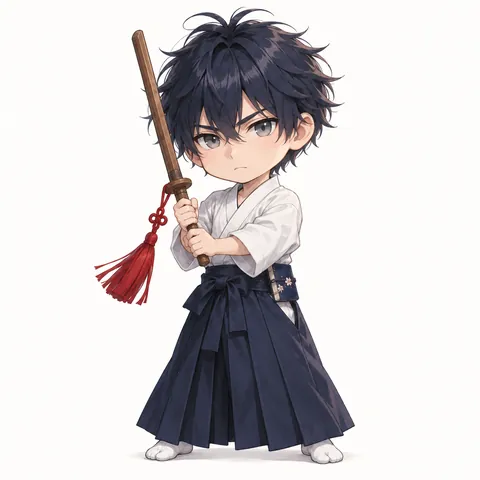
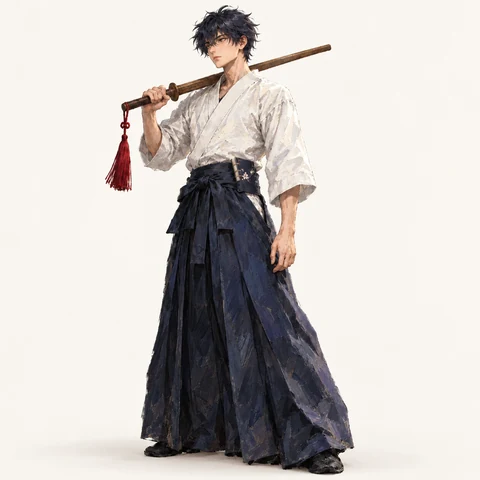
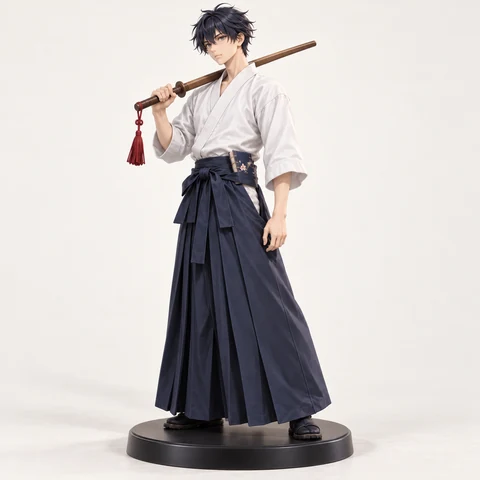
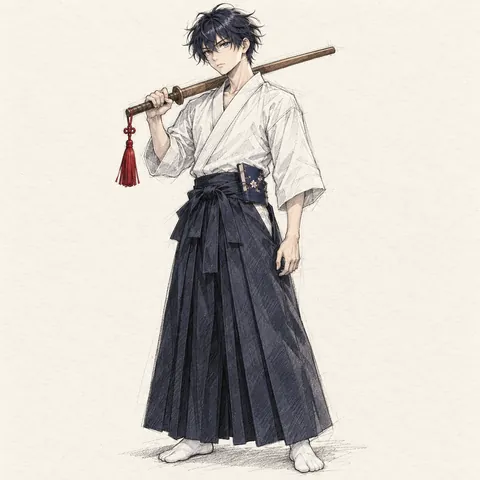
Kaito Arashi, a kendo club captain with a red-tasseled practice sword, drawn five ways from the same description. Switch the art style in the generator to do the same with your OC, from chibi to 3D, or ask for a reference sheet with front, side and back views.
Know the rules
An archetype is the role fans recognize at a glance: the kid who trains, the girl who transforms, the student sent to another world. Pick one as your starting point, then give your OC one detail that breaks the mold.
Sources: Magical girl (Wikipedia); Mecha anime and manga (Wikipedia); Isekai (Wikipedia)
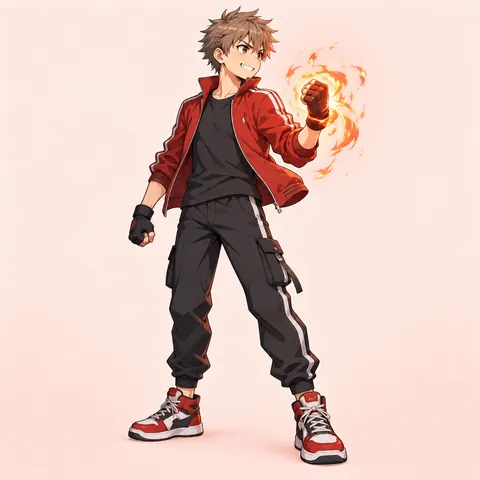
Shōnen manga is aimed mainly at teen boys, and its heroes win through training, perseverance and willpower. Weekly Shōnen Jump, launched in 1968, lists its values as friendship, perseverance and victory, so a shonen OC needs friends, a rival and a goal bigger than they are.
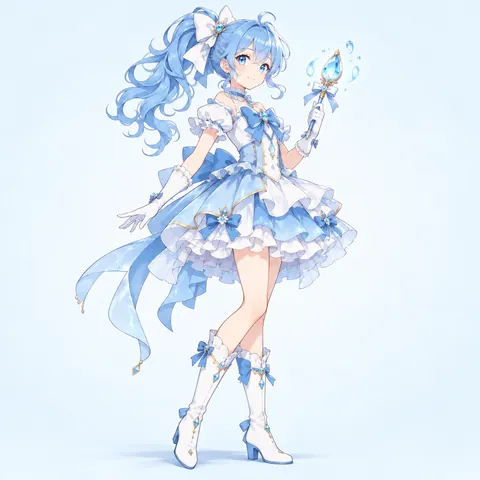
An ordinary girl who transforms into a magic-powered version of herself, often with a transformation item such as a compact. The genre on screen starts with Sally the Witch in 1966, and Sailor Moon in the 1990s made teams of transforming, fighting heroines popular, so a magical girl OC fits well as one member of a team.
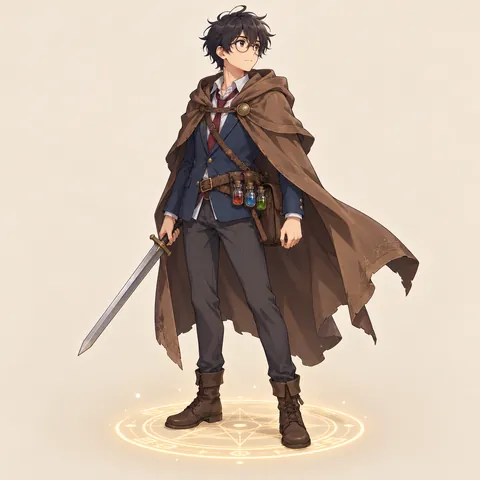
Isekai means "another world". The hero is either reborn there with memories of their old life or moved there from ours, and often gains a special power fans call a cheat. Most isekai worlds are medieval fantasy with monsters, often with rules borrowed from role-playing games, and death by truck is such a common way in that it became the Truck-kun meme.
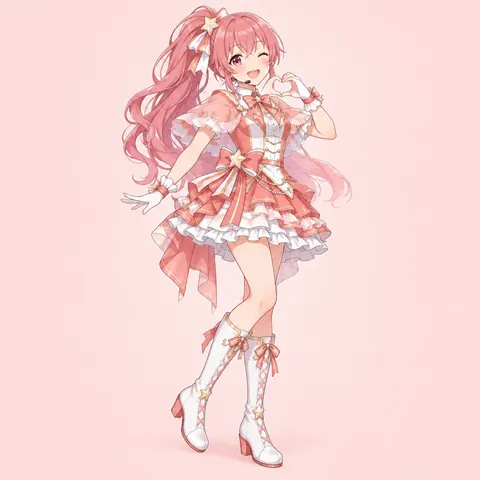
Japanese idols are singers marketed for their image and personality, with training in dancing, acting and modeling. Lynn Minmay from Macross was the first fictional idol to cross over into the mainstream in the 1980s, and idol franchises like Love Live! and The Idolmaster took off in the 2010s.
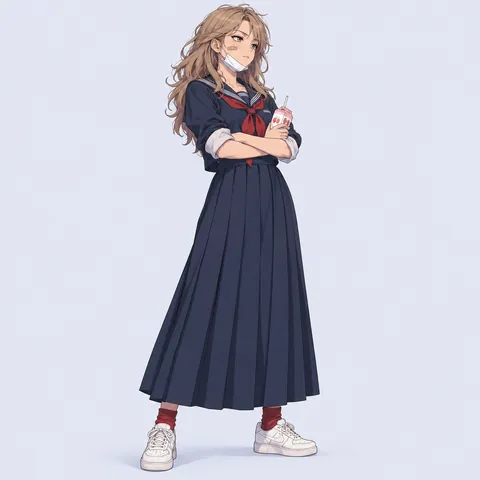
Sukeban, the girl delinquents of 1960s and 1970s Japan, had a look anime still borrows: dyed blond or light-brown hair, a school uniform with a lengthened skirt and rolled-up sleeves, colored socks, sneakers and often a surgical mask. Their male counterpart is the banchō. The delinquent with a soft heart is a favorite anime twist.
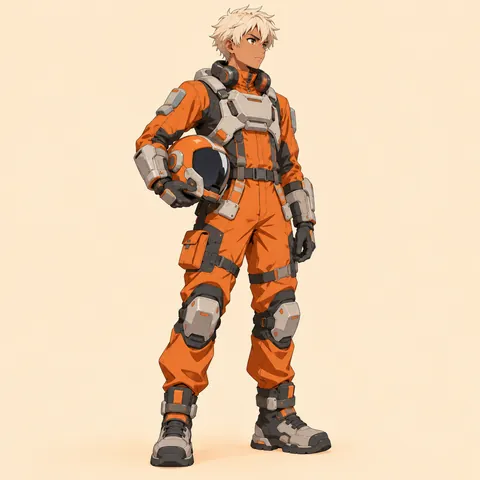
Mazinger Z (1972) was the first series to put the pilot in a cockpit inside a giant robot; creator Go Nagai got the idea while stuck in traffic. Mobile Suit Gundam (1979) then started the real robot genre, where robots are military machines with realistic limits. Decide which kind your pilot flies.
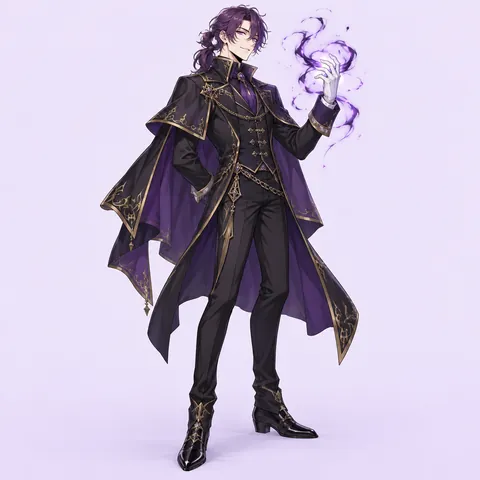
The villain is the reason the hero has to grow. Long shōnen series often group their villains into a ranked circle, like the Twelve Kizuki in Demon Slayer, so a villain OC can hold a rank, a title and rivals of their own. Give them a goal that makes sense from their side.
Names and details
Anime characters usually carry a given name and a family name, and fans remember them by one detail they never go without. Mix a name, then pick a signature detail. Every click goes straight onto your OC in the generator.
given name + family name
Pick the one detail fans will spot first.
Guide
When you create your own anime character, five decisions do most of the work. The anime OC maker handles the drawing; these are worth making first.
An archetype tells fans who your character is in one glance. Then give them one thing that does not fit: a delinquent who keeps a flower bed, a magical girl who hates pink, a villain who waters houseplants. Fans call the appeal of that contrast gap moe.
Anime characters are often recognized by outline alone: twin tails, an ahoge, a long coat, a giant sword. Pick one hairstyle and one signature item, and make sure the shape still reads when the picture is tiny.
Choose a hair color, an eye color and one outfit color that repeats somewhere else on the character. Stay clear of famous combinations, like pink twin tails with a red dress, spiky black hair with an orange gi, or teal twin tails with a grey top.
The 90s cel look suits nostalgic action and romance, Modern TV suits school and fantasy series, Shoujo suits romance and magical girls, and Seinen suits darker, grounded stories. Try one OC in two looks and keep the one that feels right.
In Japan the family name comes first, and many English releases flip the order, so either "Kotone Hoshimori" or "Hoshimori Kotone" works. Add a school club, a class, a guild or a crew, plus one rival, and your OC is ready for a story or a roleplay.
Other fandoms
FAQ
Sign up free, get 10 credits, and meet your character today.