Fimer
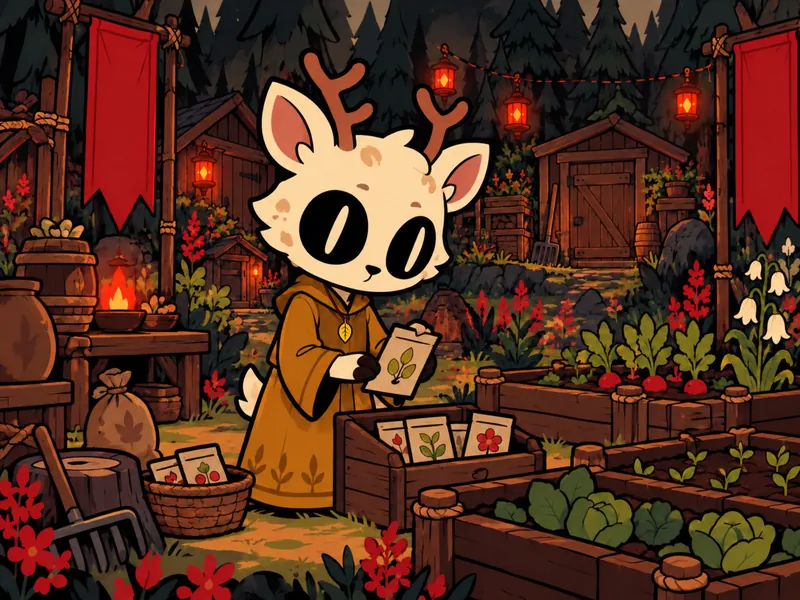
Deer- Garden tender
- Industrious
- Saves a seed row for new arrivals
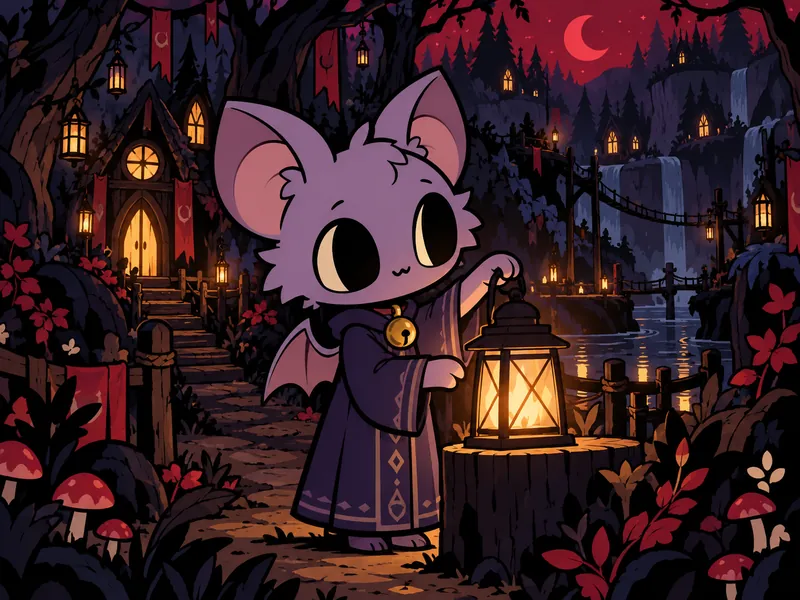
This Cult of the Lamb OC Creator builds a woodland resident around a form, robe and useful camp job. Make a COTL OC who tends gardens, lights lanterns or runs a curious stall. Big eyes, thick outlines and red-gold accents keep every original design cute-creepy.
Ideas
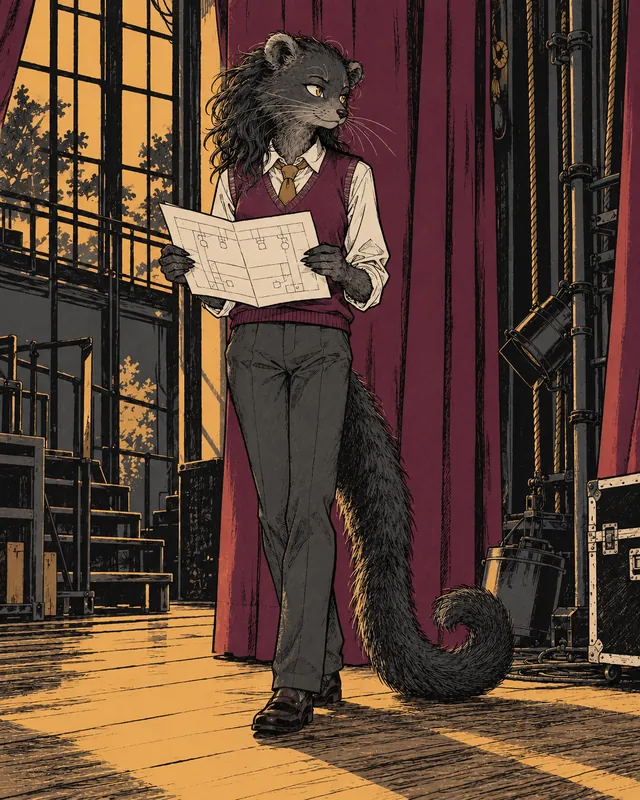
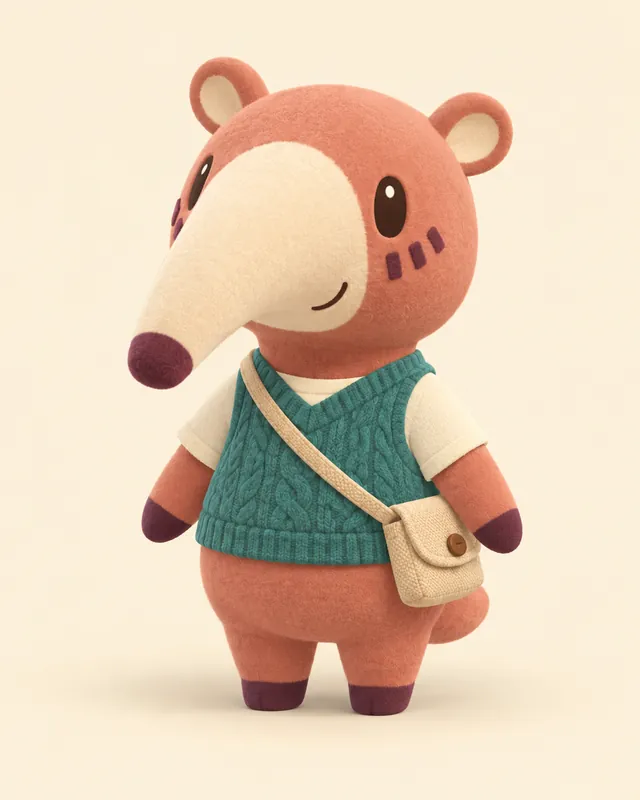
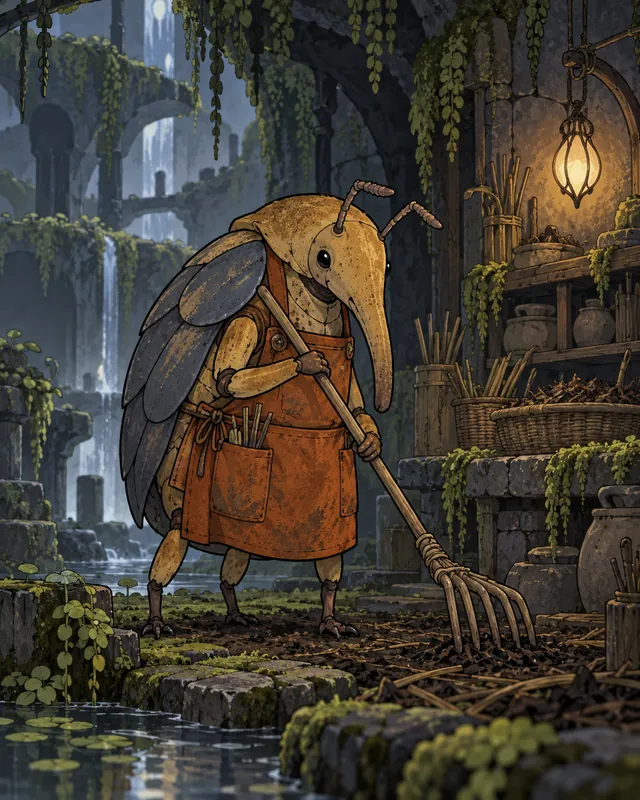
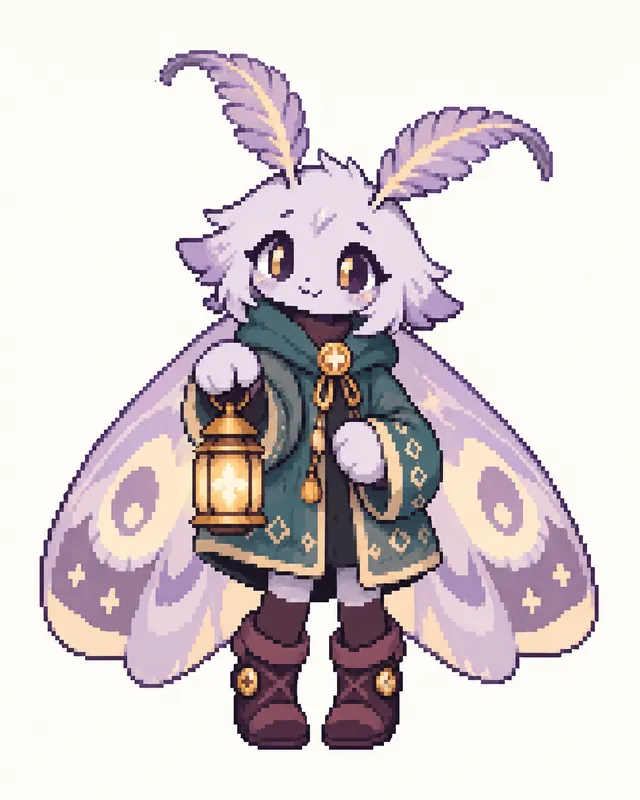
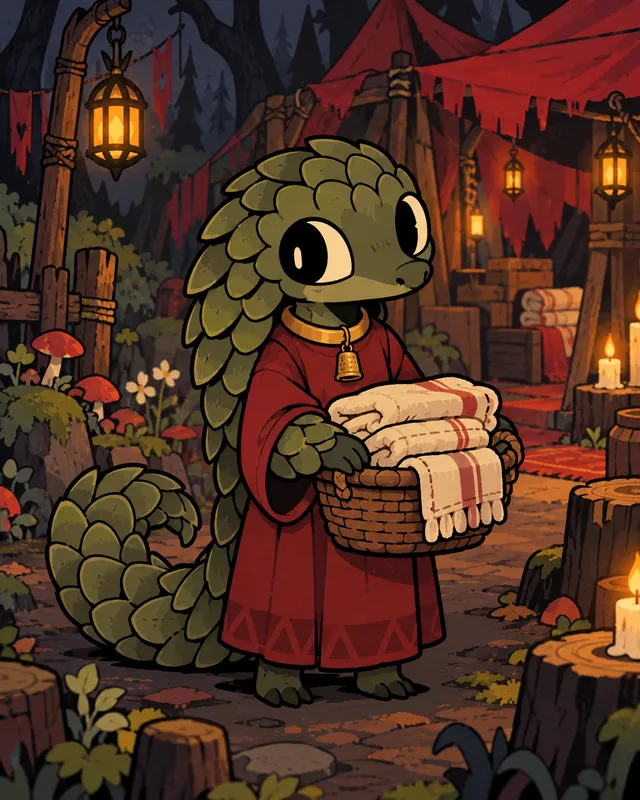
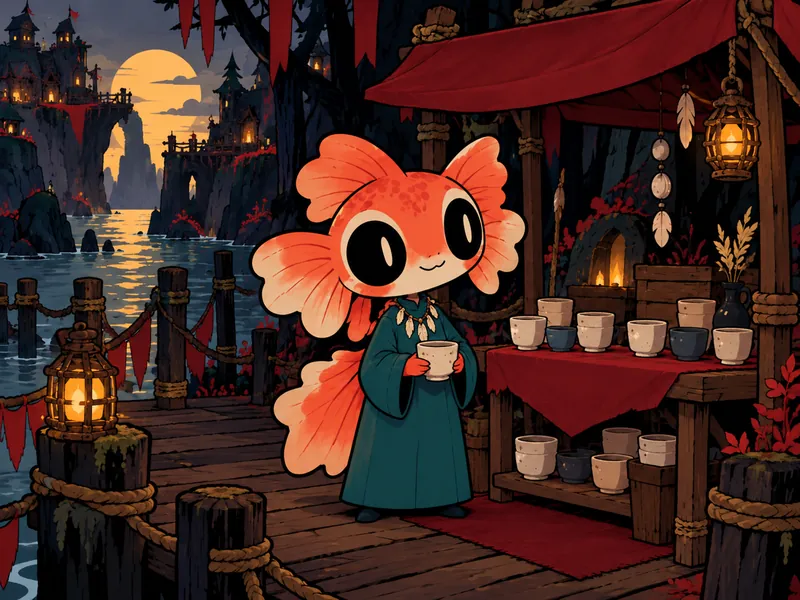
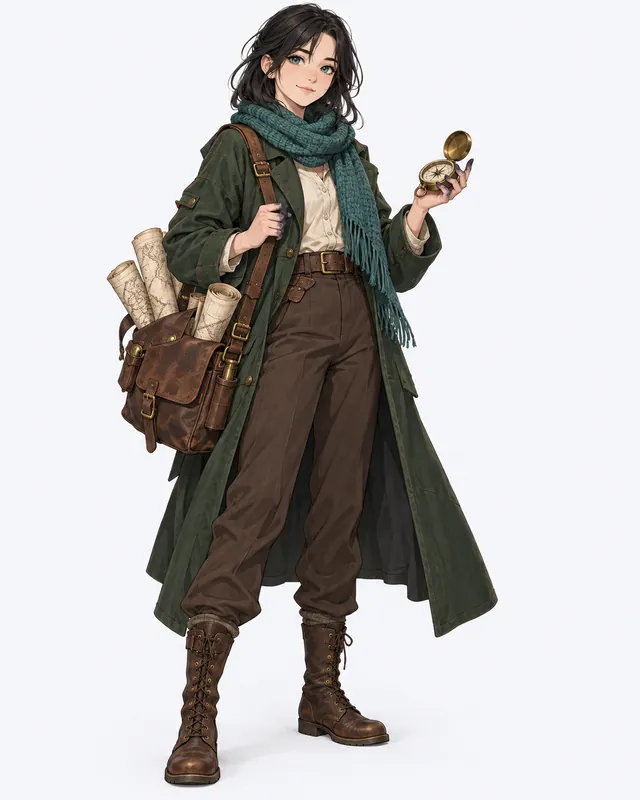
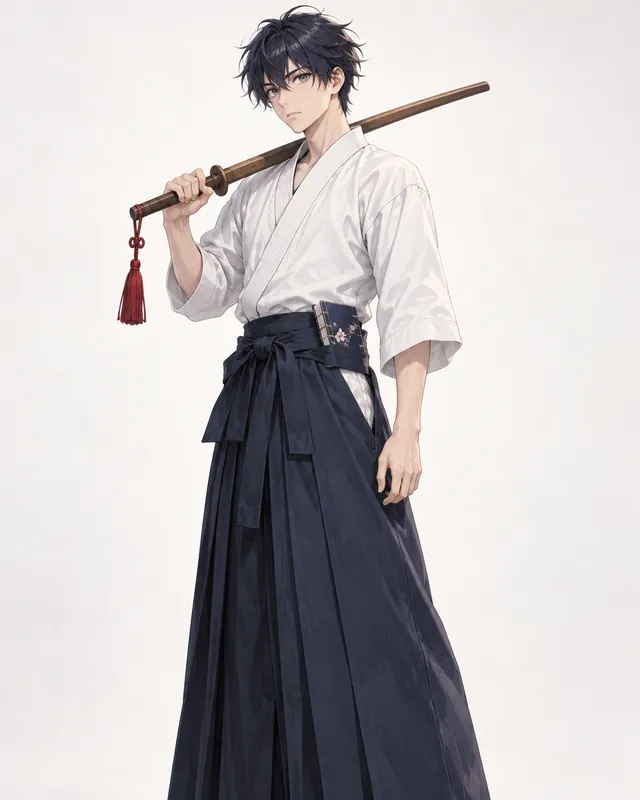
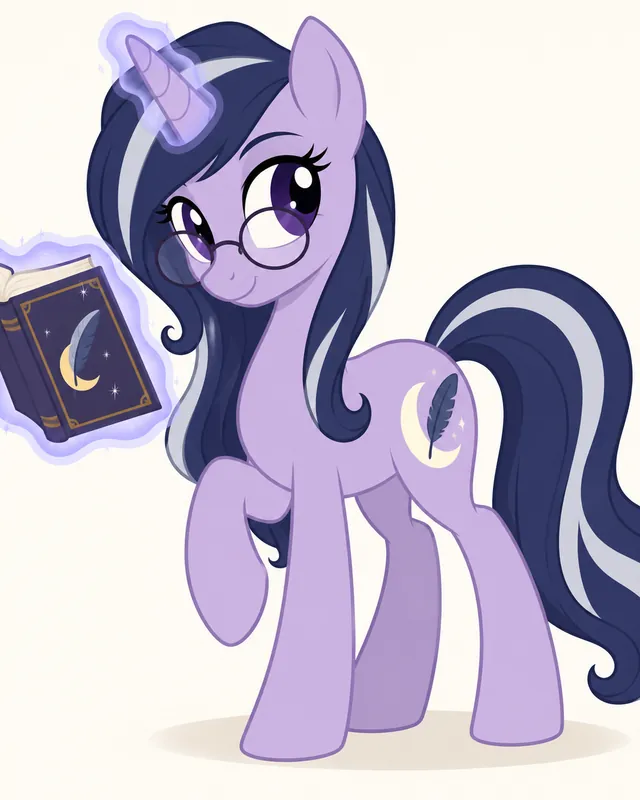
A follower becomes memorable through one useful habit. These six concepts cover camp work, travel and an explicitly original deity without copying a named NPC. Each picture shows a different resident from the sample and form tiles. Load a card to fill the choices, then change the small problem they are trying to solve.



Know the rules
The game supplies a strong visual vocabulary, but a new character still needs clear boundaries. Separate a cosmetic form from a mechanical trait, and separate a personal keepsake from a canonical relic. This maker is for character design, so its original jobs and accessories are writing choices rather than unlockable game items.
Sources: Followers and generated names; Follower forms; Woolhaven expansion

Follower forms change a cult member’s appearance. The roster ranges from familiar animals such as cats, dogs and foxes to unusual forms such as axolotls, narwhals and pangolins. Some forms belong to particular areas, packs or unlock conditions, so the art picker should not be read as an in-game unlock guide. A fox does not automatically have a particular personality or task. Start with the face silhouette, then choose the robe and job independently. Oversized eyes, tiny limbs and a strong outline communicate the game’s look better than realistic fur or complicated anatomy.

Followers can have positive and negative traits, and doctrines can add permanent traits. This maker includes recognizable names such as Faithful, Industrious, Materialistic and Cynical alongside clearly labeled original quirks. The quirks are writing prompts and have no claimed gameplay effect. Choose a trait that changes a small decision: an Industrious builder may need reminding to rest, while a skeptical storyteller might ask how a tradition began. Keep the character kind enough for a cozy camp scene. Do not assign precise bonuses to invented traits or imply that species determines the trait roll.

The game has named necklaces, including Moon, Feather and Flower necklaces, as well as later additions. They are not all interchangeable cosmetic charms in gameplay. This page uses both recognizable necklace categories and explicitly original keepsakes to describe an outfit, without promising any item effect. A thimble pendant suits a blanket keeper; a spool can mark a mender’s interest. Keep the accessory large enough to read and simple enough not to resemble an official sigil. A robe can use red and gold without duplicating a named character’s full costume or crown.
Leshy, Heket, Kallamar and Shamura are the four familiar Bishops associated with the main regions. The One Who Waits is Narinder, and Ratau is an established guide character, not an empty role for an OC to inherit. An original leader or deity should have a different silhouette, accessory and small domain of interest. Our gentle snail deity is explicitly a fan invention, not a missing canonical Bishop. Avoid the Red Crown, the official cult sigil and the Lamb’s recognizable outfit. A twig circlet or plain woven headband is enough for an original ceremonial detail.
Darkwood, Anura, Anchordeep and Silk Cradle give the main crusade areas different visual identities. You can borrow broad environmental cues such as dark trees, mushrooms, coastal shapes or hanging threads without recreating a combat encounter. A traveler might carry goods suited to the route, while a follower remembers a place through one keepsake. Camp clearing is also a valid choice; not every design needs a dramatic journey. Describe a safe rest stop or a work area and keep the background subordinate to the character. A region does not force an OC to resemble its Bishop.
Woolhaven is an expansion with the settlement of the same name, the mountain area Ewefall and The Rot among its additions. Winter and warmth become important to camp life. For a cozy OC, use a lined robe, mittens, a blanket basket or a practical scarf instead of importing the expansion’s harsher scenes. The Rot option here is explicitly an imagined gentle rest stop, not a promise that the area is harmless in the game. Keep newer canon names and distinctive outfits separate from your traveler. A winter helper needs a clear task more than a grand connection to a deity.
Doctrines shape the cult’s practices, while rituals are actions and gatherings within that system. They are related, but they are not synonyms for a robe color or a follower form. For this teen-safe page, use a welcoming sermon, a feast, camp building or a shared evening routine as the story frame. Invented customs should be labeled as your own rather than presented as selectable game mechanics. A feast planner might care about seating, a bell ringer about timing, or a builder about finishing a shelter before rain. Keep the scene focused on those ordinary responsibilities.
Follower names
The game’s generic follower names combine a beginning and ending, with an optional middle. The wiki’s current particle list includes sounds such as Fe, Joo, Mer and Tre; it separately marks an older list as outdated. This local Cult of the Lamb name generator follows the short syllable pattern, using compact and three-part sets. It avoids the named NPC roster rather than recycling names such as Ratau or Narinder. Generic game rolls can coincide with an invented result because the game itself uses combinations.
Beginning + ending, sometimes with a middle
One useful habit makes a follower more than a name.
Guide
Start with a face shape and a useful task, then decide what makes this resident a little strange. The game’s art is simple enough that one strong accessory can carry a whole story. Resist adding a crown, relic and elaborate costume at once. A clear silhouette and a small habit are easier to remember, easier to revise and easier to describe to another artist.
Decide what kind of story you are making before selecting accessories. A follower belongs in a camp routine; a shopkeeper needs goods and a place to display them; a traveler needs a reason to move between places. An original leader should have their own appearance and customs, never the Lamb’s Red Crown. A deity can stay small and cute-creepy, with a modest imagined domain such as keeping paths tidy. Label that invention clearly. These roles do not import a playable character or add a new NPC to the actual game.
Choose a form, then identify its two most useful features: a fox’s pointed ears, a turtle’s shell, an axolotl’s external gills or a narwhal’s short horn. Keep the eyes large and the body compact so the character reads at thumbnail size. Use thick outlines and a limited palette rather than realistic fur strands. Make sure a robe does not hide the feature that identifies the animal. If the form has unusual limbs, describe how they hold a basket or tool so the generated picture has a clear physical task to solve.
Pick a robe color that separates the body from the dark woodland background. Add one necklace or keepsake that fits the role, such as a mender’s spool or a gardener’s leaf charm. Original accessories have no automatic gameplay bonuses. If you choose a named necklace, keep its visual role separate from any exact mechanical claim. Do not use the official cult sigil on fabric, banners or cups. For a leader, a plain original circlet is enough; a floating eye crown would pull the design too close to a familiar canonical image.
Choose one trait and write how it affects a normal afternoon. A hardworking follower might forget to sit down at the feast; a fashionable traveler might spend too long arranging a stall; a skeptical mapmaker might double-check a shortcut. The problem should leave room for kindness and a small solution. Use sermons, gardens, blankets and camp construction as scene anchors. A dark forest can still frame a welcoming moment. Avoid making the character’s only interesting feature a dramatic power, a royal connection or a claim that every other follower needs them.
Try both name sets and say the results aloud. The short set emphasizes a beginning and ending, while the longer set adds a middle sound. Check a favorite against named characters before keeping it. Load a habit into the generator, then review all the choices together so the robe, form and region agree. After drawing, inspect eyes, limbs, accessories and background markings. Save a written description with the palette and keepsake. AI images can vary between requests, so those notes are the most reliable way to preserve your original design across later revisions.
Other fandoms
Tools
FAQ



Sign up for 10 bonus credits and make your first OC free.