

Sandbar Stroll
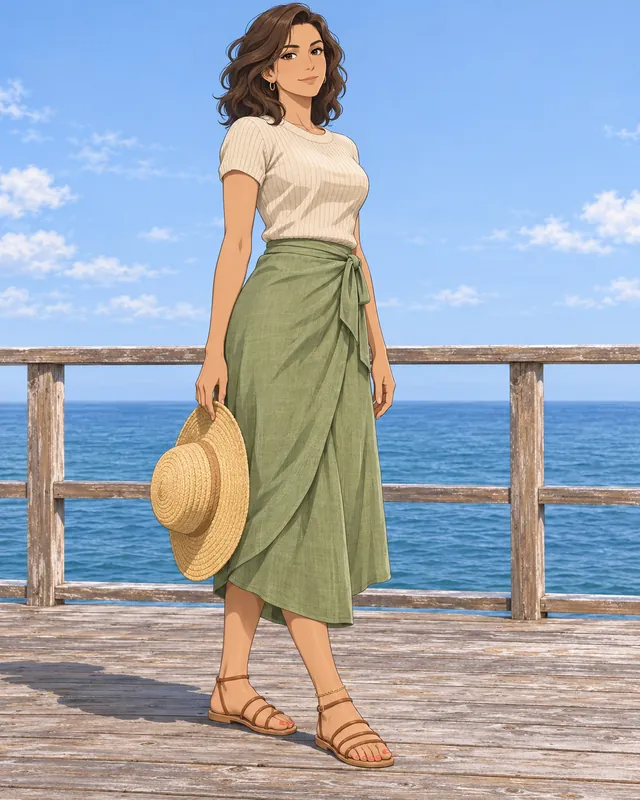
Barefoot- Surf photographer, late 20s
- Mint pedicure, shell anklet
- Footprints along the sandbar
Feet are famously hard to draw, and this AI feet generator is built to help. Pick the footwear, the angle and the framing, add a pedicure color, an anklet and a setting, and get AI anime feet art of an adult character to study, draw over or keep as a fashion sketch. It covers the angles artists struggle with, such as side profile, tiptoe and crossed ankles, and 23 kinds of footwear from geta to dance heels. Every character is an adult: you confirm you are 18 or older before generating, and nudity is always blocked.
Ideas
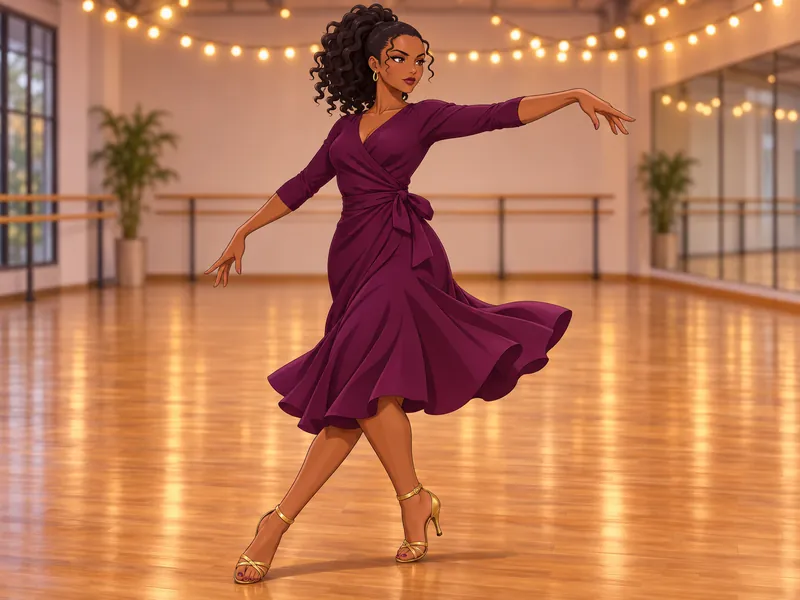
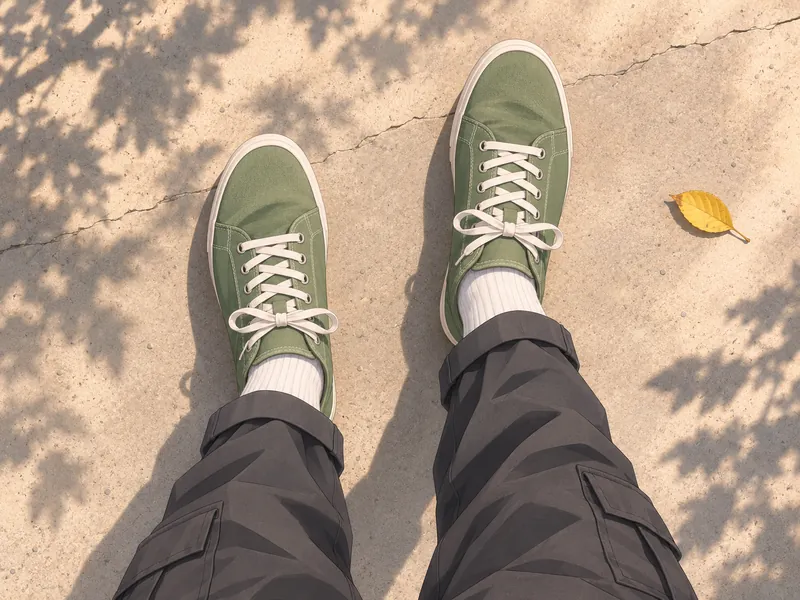
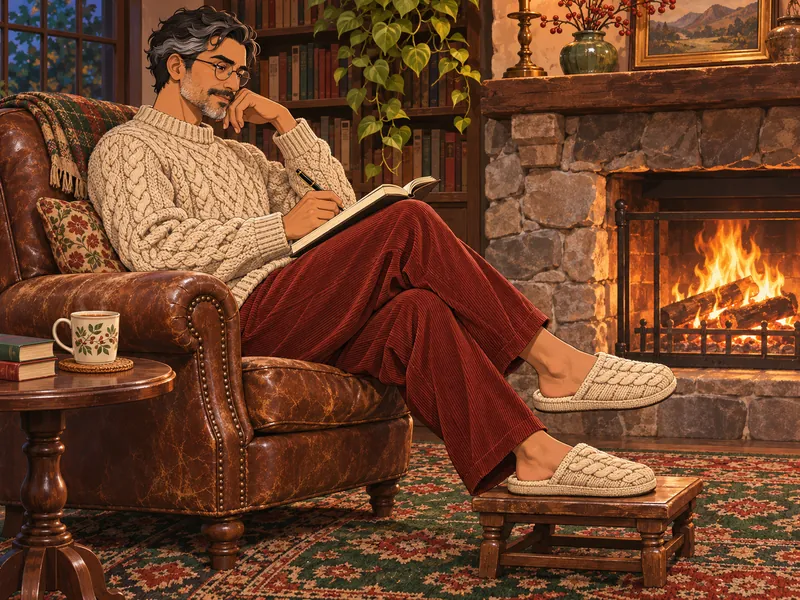
Each idea is a different adult character with a reason to be wearing those shoes: a surf photographer walking a sandbar, a salsa teacher mid-spin, a sneaker collector taking a photo of his own feet. Load one to fill every field at once, then swap the footwear, the angle or the pedicure color and compare. A look that keeps its story tends to keep its proportions, too.


Know the rules
Feet look simple until you try to draw them. Most mistakes come from treating the foot as a flat wedge with five pegs on the end, when it is really a sprung structure of bones and arches that changes shape with every step and every shoe. These notes are the ideas this AI feet generator is built around. Each one has a button that loads a matching setup, so you can see the point in a picture and then try your own version.
Sources: Wikipedia: Foot; Wikipedia: Arches of the foot; Wikipedia: Geta (footwear)
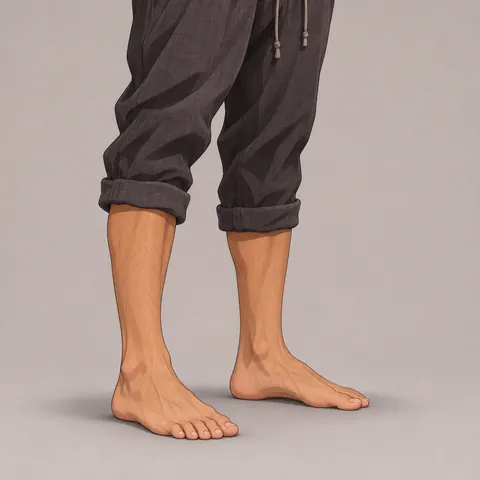
A human foot has two arches that run lengthwise and one that runs across it. The inner arch curves well above the ground, while the outer edge stays low and almost touches the floor. That is why a foot seen from the inside shows a clear gap under the middle, and the same foot seen from the outside looks nearly flat. Draw the heel as a rounded block, the ball of the foot as a wider pad, and connect them with the arch. The inner ankle bone sits higher than the outer one, so the ankle line slopes down toward the little toe. Get these landmarks right and the toes almost place themselves.
The big toe has two bones and each of the other four has three, but in a drawing they read as a group rather than five separate shapes. The big toe is broad and stands a little apart; the other four step down in length along a gentle curve and tuck slightly toward the big toe. Toe lengths vary from person to person, so a second toe a touch longer than the big toe is a normal variation, not a mistake. Seen from above, the knuckles form a soft diagonal line. Nails sit on the top of each toe, not the tip, and get smaller toward the little toe. Five toes per foot is the first thing to check in any AI result.
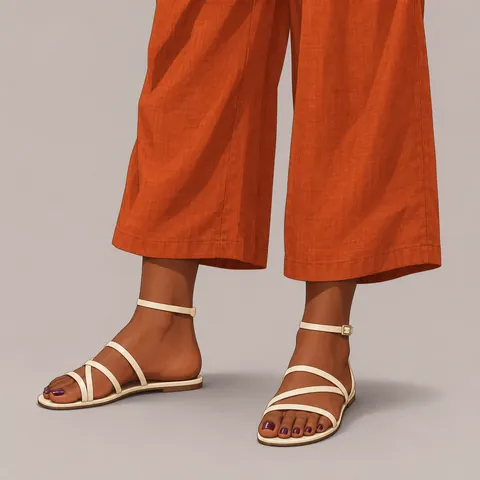
A strap is a band wrapped around a curved surface, so it should bend over the top of the foot, not cut across it like a ruler line. Where a strap crosses the instep it rises; where it meets the sole it dips. A thin ankle strap sits just above the ankle bones and tilts with them. Sandals show the most of the foot, which makes them a good test: the toes, the pedicure color and the sole edge all have to agree. Choose a footwear color that contrasts with the skin tone so the straps stay readable at thumbnail size, and keep the sole a steady thickness from heel to toe.
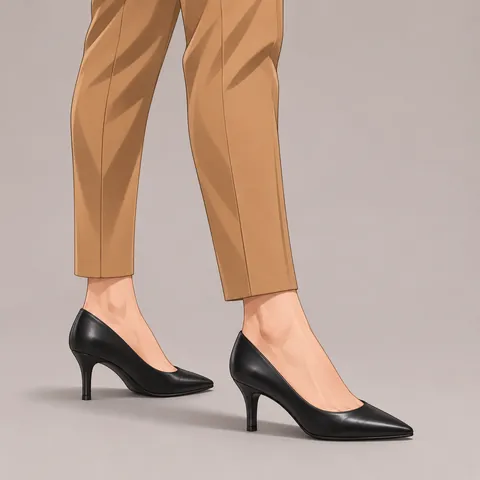
A heel does not just add height. It lifts the back of the foot, steepens the arch and moves the weight onto the ball of the foot, while the ankle extends to match. In side profile the top of the foot becomes a long slope from the ankle to the toes, and the toes bend upward slightly where they meet the floor. The heel itself should sit under the back of the foot, not behind it, or the shoe looks impossible to stand in. Mid-height heels are the easiest to get right. For the tallest stilettos, ask for side profile first so you can check the slope before trying a dramatic three-quarter view.
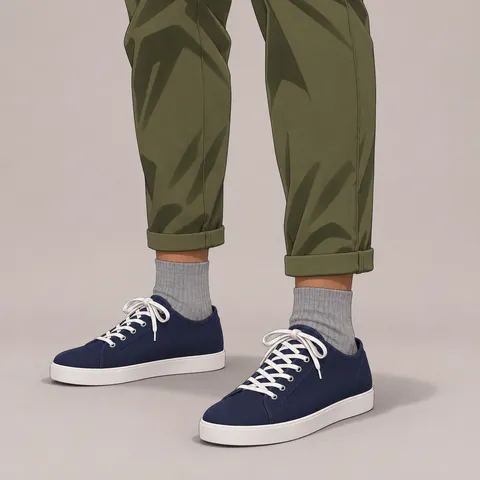
Draw a sneaker the way it is made: a midsole slab, the upper sitting on top of it, a toe box that rounds up at the front, then laces, tongue and collar. A common drawing mistake is merging those layers into one lump. The sole view, with a heel lifting mid-step, shows the tread pattern, the heel counter and how the sole curves up at the toe, which makes it a good test of whether the generator understood the shoe. Keep the uppers free of brand logos and side stripes; a plain shoe with a clear structure reads better than a copied one anyway.
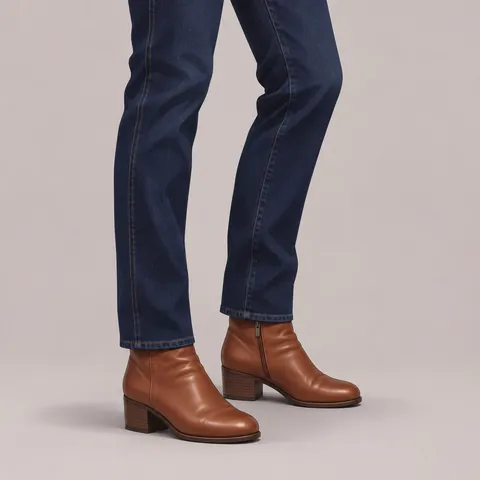
A boot hides the ankle, so the artist has to suggest it. Leather creases in a few soft horizontal folds where the ankle bends, and the boot shaft follows the shin rather than standing straight like a pipe. Decide where the trouser hem meets the boot: tucked in, stacked on top, or hanging over the shaft. That one choice changes the silhouette more than the boot color does. Ankle boots show a short shaft and a visible gap before the hem; knee-high boots need a gentle curve along the calf. For a working boot, add a thicker sole and a heel block that sits flat on the ground.
Small details sell a foot drawing when they sit where real ones would. An anklet rests at the narrowest part of the leg, just above the ankle bones, and dips slightly toward the back. A toe ring usually sits around the base of the second toe. Henna designs on the feet often run across the top of the foot and onto the toes in vines and dots, following the shape rather than ignoring it. Pick a pedicure color that either matches the footwear or contrasts with it on purpose; one repeated color, such as coral nails and coral straps, ties the whole look together.
Look names
Fashion editors name looks the same way shoe brands name collections and nail brands name shades: a place or a mood paired with a movement, or a flavor paired with a moment. A short name makes a set of footwear studies easier to keep track of, and it labels your saved card. This free mixer runs in your browser and only fills the Look name field. Below it, pick a signature detail that ties the feet to the rest of the outfit. These names are invented, so search a favorite before you use it for a real product.
Place or mood word + a way of walking
One detail that ties the feet to the rest of the look.
Guide
Good feet art starts with the same decisions a fashion illustrator makes before a shoot: how much of the body is in the picture, what the shoes are made of, where the weight goes and what ties the details together. Work through these five steps in order and the AI feet generator has far less to guess.
Decide first how much of the character you need. Full body is the most reliable framing and shows that the character is an adult, which matters on this page. Legs down crops from the knees to the floor and is the best choice for studying footwear with a bit of outfit for context. Feet close-up is for anatomy practice and pedicure details. Then pick an age chip, from mid-20s to 50s, and describe the person in the box: skin tone, hair, build and what they do. A potter, a dancer and a hiker stand and walk differently, and the description gives the generator a reason for the shoes.
Choose a footwear tile or chip, then add the details that change the silhouette: strap placement, heel height, sole thickness, toe shape and material. Pointed pumps with a slim mid-height heel and canvas sneakers with a thick cream sole are very different drawing problems. Pick a footwear color that contrasts with the skin and the floor so the edges stay readable. If you want a design that does not exist yet, describe it in plain construction words, such as a woven upper, a cork wedge or a split toe. Leave brand names out: the generator is told to draw no logos, and an original shoe is yours to develop.
The foot angle picker covers the views artists look up most: three-quarter, side profile, top-down, front, back and sole view, plus poses such as tiptoe, crossed ankles, a walking step, a dance pivot and one foot on a stair. Name where the weight goes. A walking step needs one planted foot; a weight shift loads one leg and relaxes the other; tiptoe puts everything on the balls of the feet. Side profile is the best first view for heels because it shows the slope of the arch. Front views foreshorten the foot, so they are the hardest for any artist or AI to get right.
Now add the finishing details. Pick a pedicure color, an anklet or toe ring, and a background such as beach sand, a wooden deck, a dance floor or a cozy rug. Use the signature detail field to tie it together: coral nails that match coral straps, red geta straps that match a red obi, slippers in the same knit as a sweater. Keep the outfit consistent with the setting, so linen trousers rolled to mid-calf on the beach and a long coat over knee boots in autumn. A plain background is best when you only need a clean anatomy reference.
Open the result at full size before you keep it. Count five toes on each foot, check that both feet are the correct left and right, follow each ankle into its shin, and make sure the soles meet the ground. If something is off, regenerate with a simpler angle or a closer crop rather than a longer prompt. Treat the image as a reference: trace the arch line, mark where the weight sits, and redraw it in your own style. For a footwear turnaround, switch the output to Ref sheet and repeat the shoe description word for word.
Keep exploring
 AI AnimeGenerator
 AI PoseGenerator
 Sexy AI ArtGenerator
 AI GirlGenerator
 AI WaifuGenerator
 AI BoyfriendGenerator
Tools
FAQ




Sign up and your first pack comes with 100 bonus credits.