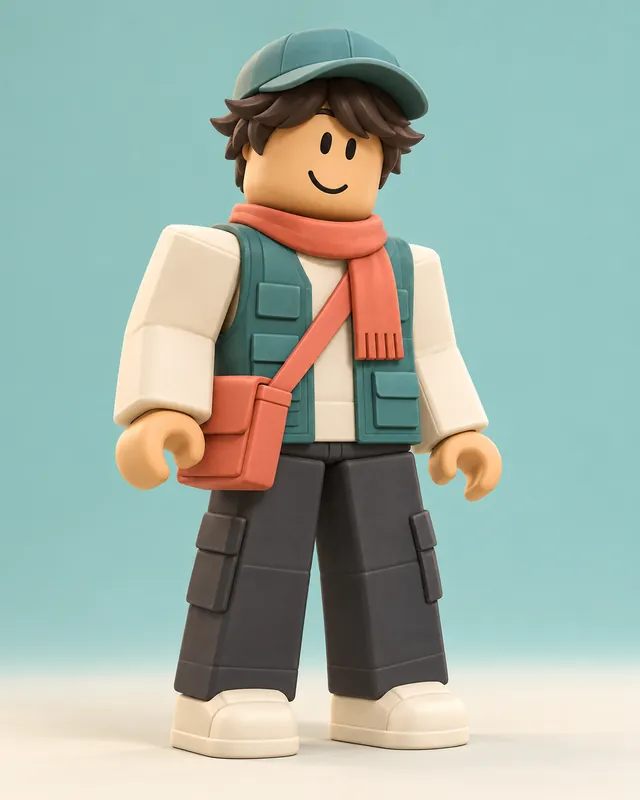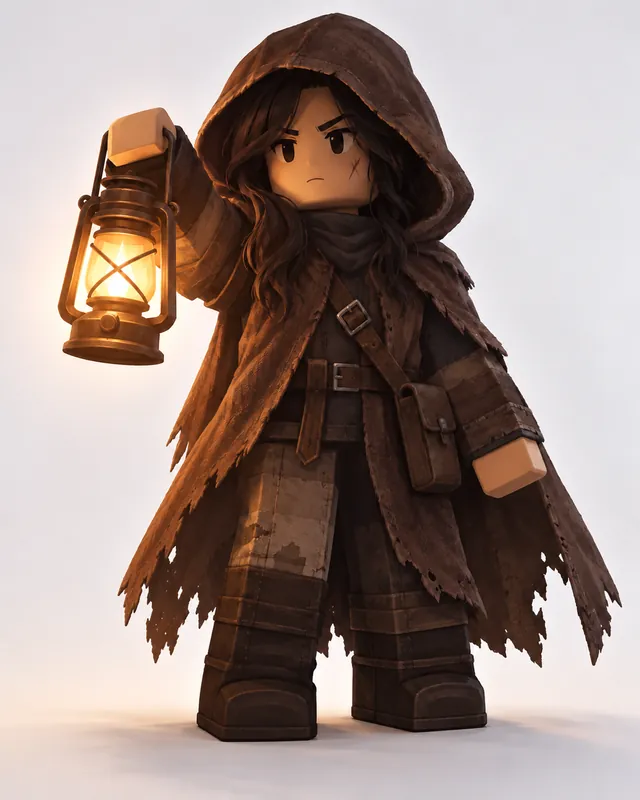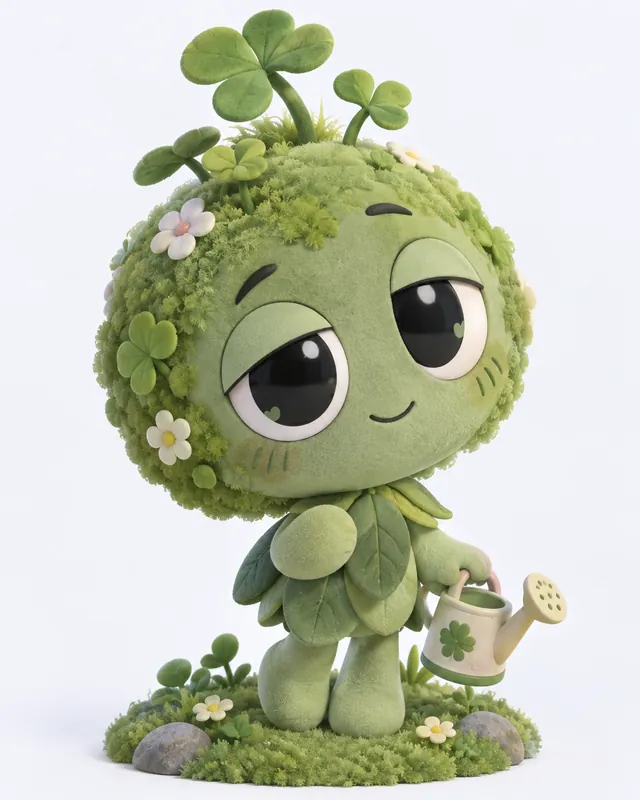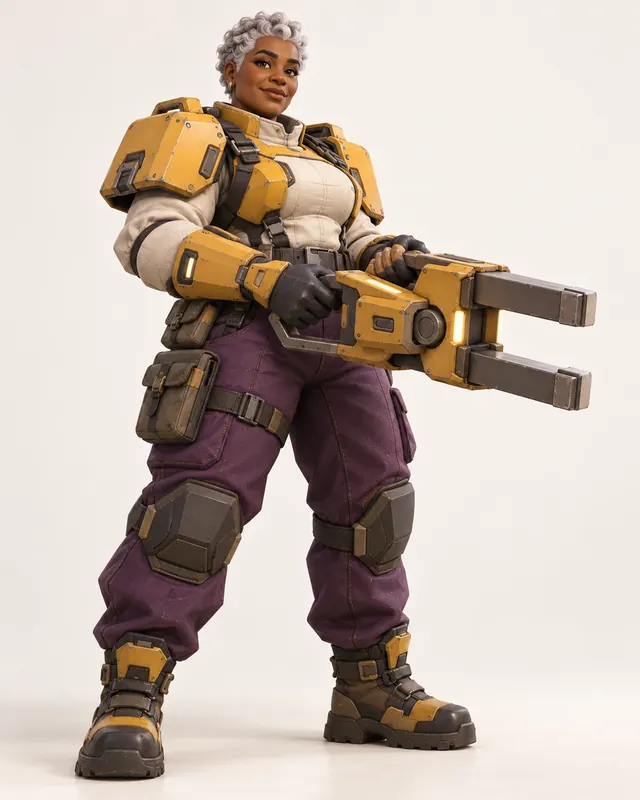
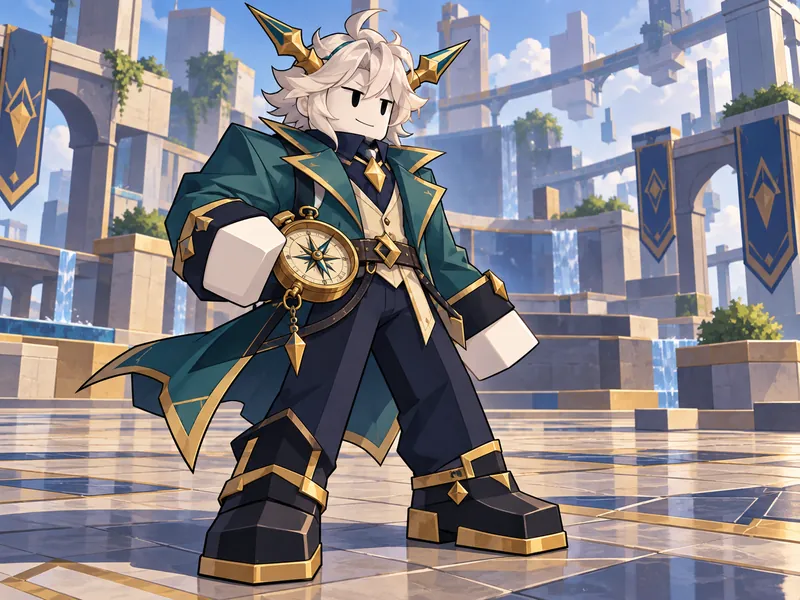
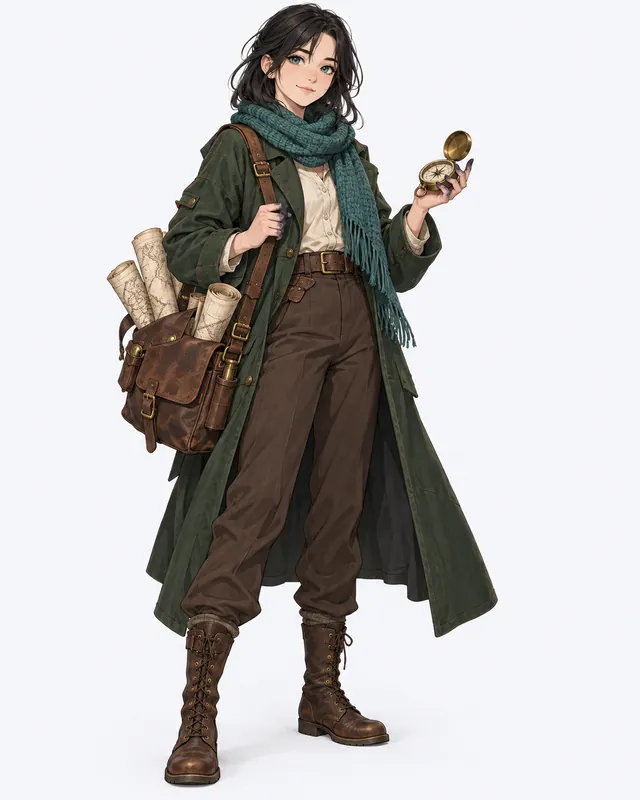
Compass
Support- Marks one clear route
- Loses the buff off-lane
- Plans every snack stop
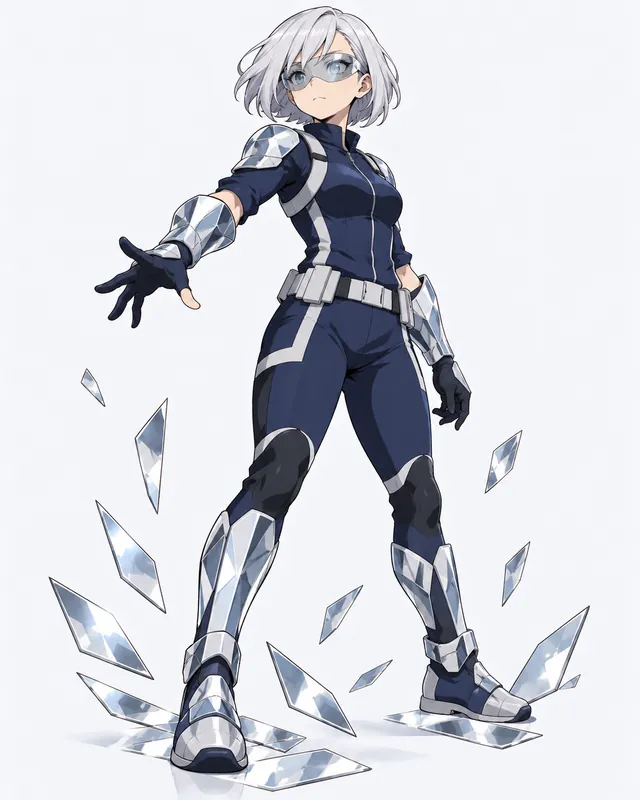
Build a Phighting OC around one original piece of gear. This Phighting OC maker connects the item, class, horn shape and ability kit in one character sheet. Try Surprise me, mix a gear name, then choose a kit hook with a clear limitation. The examples use bold 2D fan art.
Ideas
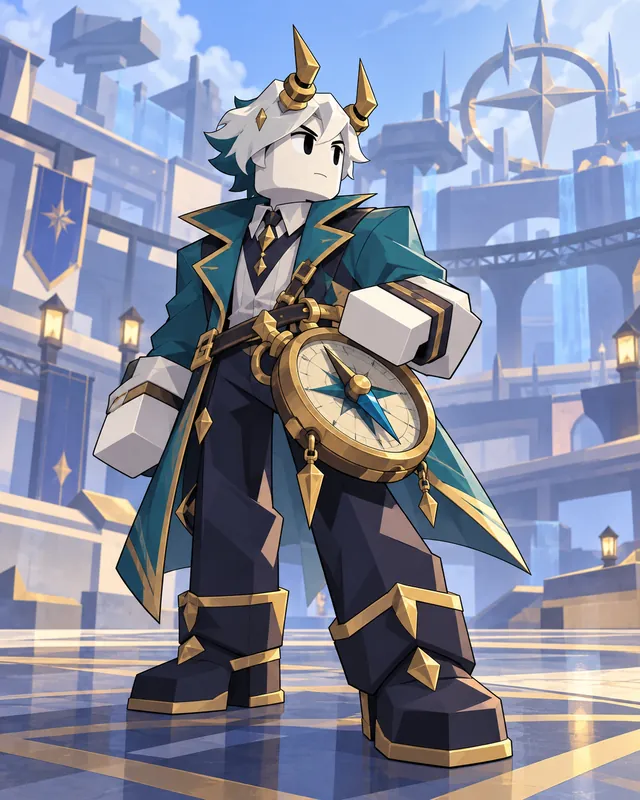
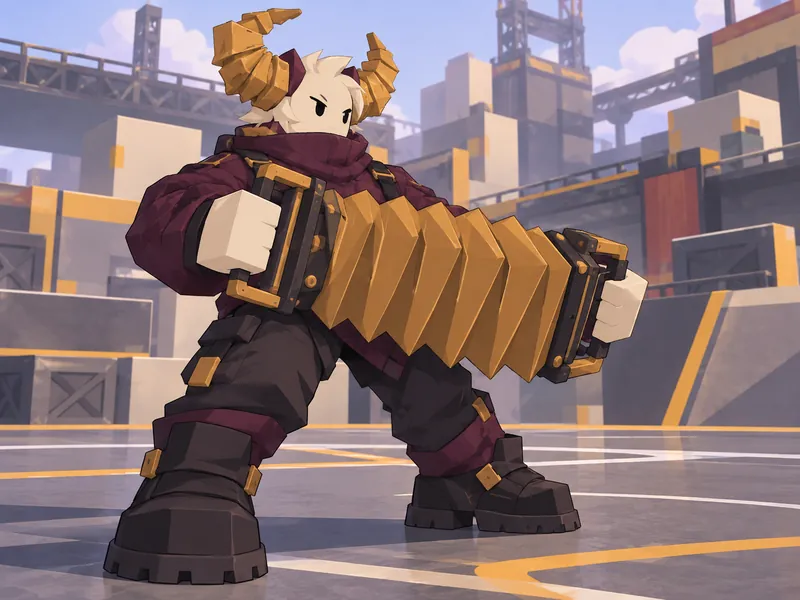
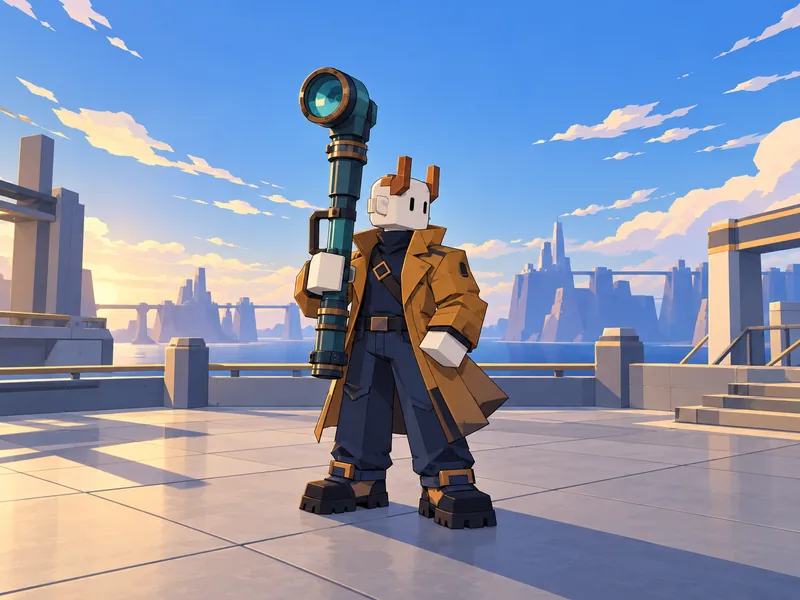
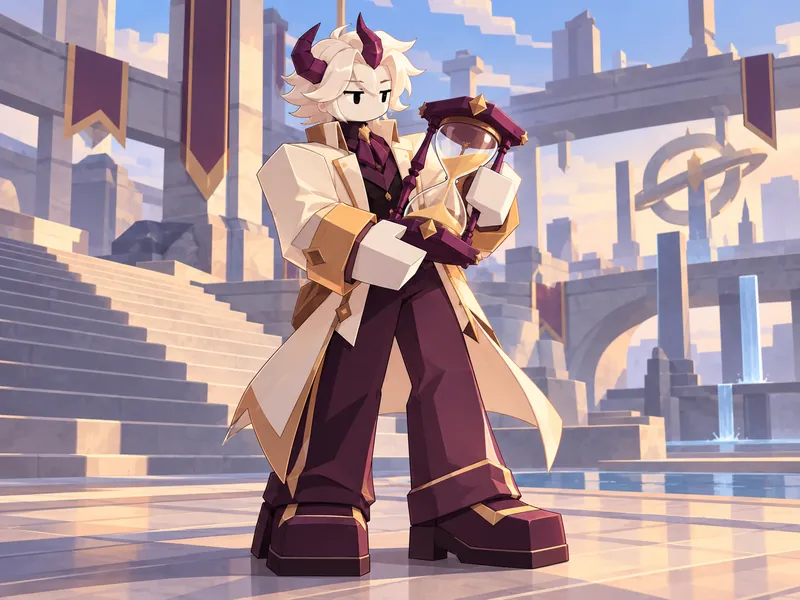
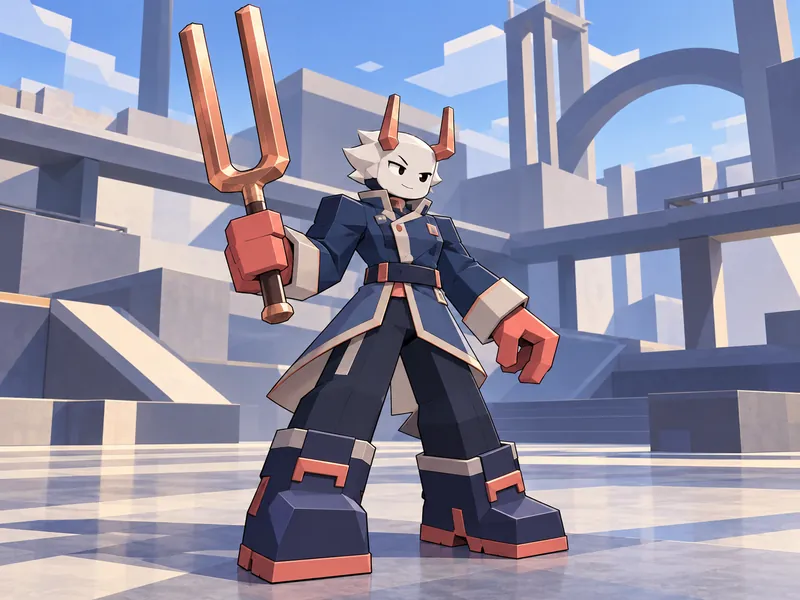
Each example starts with a different object and gives that object a job. The class, horn shape, outfit, personality and limitation all follow from that decision. These items are original concepts outside the checked playable roster, not a claim that each one is an official Roblox catalog gear. Use an idea to fill the form, then change the part you want to explore. A skin can change the outfit later; first make the base silhouette readable at thumbnail size.
Know the rules
The game conventions give you a useful starting structure. The kit advice below is a design exercise, not official balance guidance or a promise that an OC can be added to the game. Use the wiki to distinguish class and costume facts from your own invention, then keep the invention internally consistent. A distinctive item with one good limitation is easier to remember than a list of every possible ability.
Sources: Official Roblox game page; Community wiki; Wiki: skins and outfit variants
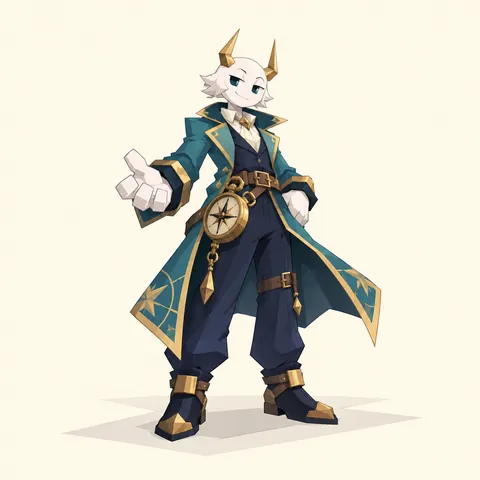
PHIGHTING! is a Roblox game by boggio that reimagines classic Roblox gear. For a fan character, start with an unused item concept rather than a generic person carrying an accessory. A compass suggests a needle, a round housing and a directional idea; bellows suggest folded segments and compression. Repeat one or two shapes in the horns, cuffs or shoes, then stop. If the gear disappears when you shrink the picture, simplify the outfit. Our six examples invent gear concepts and do not claim to reproduce catalog assets. Their names describe their central objects so a reader understands the design before reading the kit.
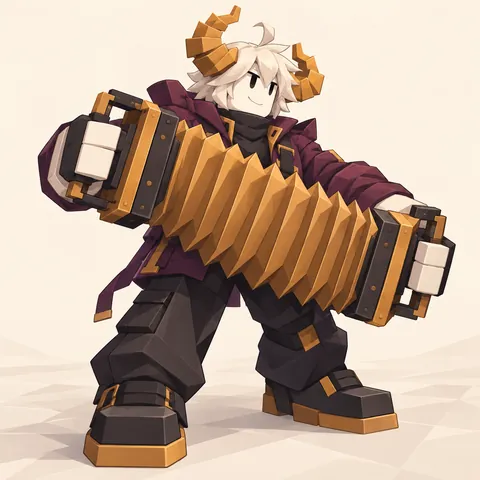
The wiki groups Phighters into melee, ranged and support. A melee concept can create short-range pressure without being excellent at every distance. Decide how it approaches, what commitment the opponent can see, and when it must recover. Bellows compresses before releasing; Tuning Fork depends on timing. Those are fan-design suggestions, not official balance values. Write the action as a clear sequence instead of adding unrelated effects until every weakness disappears. A useful question is what another player could notice and respond to. Keep a design showcase peaceful, with the gear visible rather than used against another person.
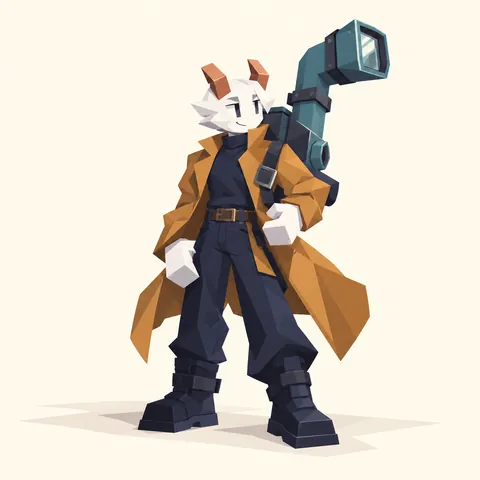
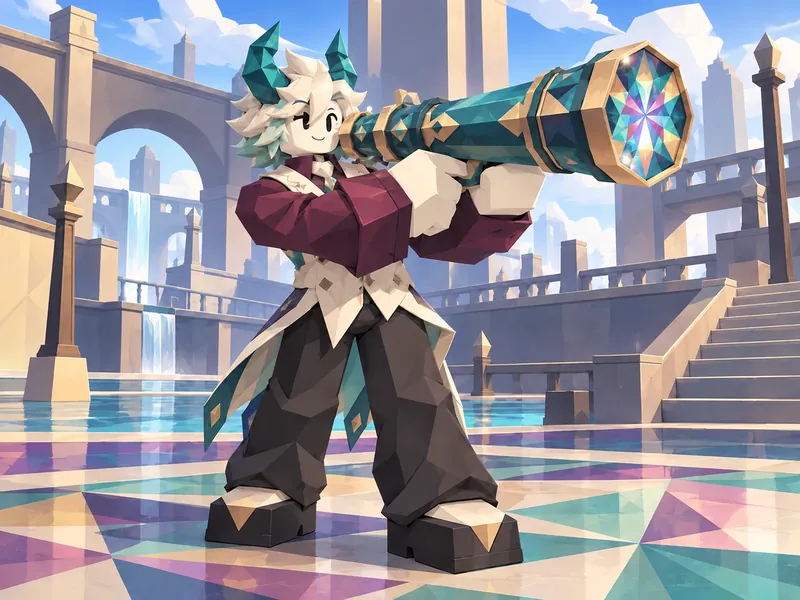
A ranged kit can depend on aim, a viewing angle, a setup period or an object that must be placed carefully. Periscope trades movement for a prepared angle; Kaleidoscope offers a brief decoy with a visible tell. Both should have situations where a teammate helps them, and situations where they must leave their preferred position. Avoid copying Hyperlaser's complete silhouette or Rocket's equipment and calling the recolor original. Sketch the gear first and describe what makes its action different. You do not need exact damage numbers to communicate a strong concept, especially while the real game remains in beta.
Support describes a role, not a promise that every character heals. Choose one kind of utility and give it a range, condition or duration that a reader can understand. Compass marks a route; Hourglass stores a single short utility charge. If your concept heals, shields, accelerates, reveals and controls space all at once, remove effects until its main job becomes clear. A teammate should have to make a choice to benefit. Explain what happens when the condition ends. That small rule gives the character a recognizable play pattern without pretending your fan-made numbers have been tested in the actual game.
The wiki describes skins as cosmetic changes that can also alter effects, sounds, animations or dialogue. Our outfit selector is a design exercise: rainwear, workshop clothing or formal clothes for the same original Phighter. Keep the gear, horn outline and one recurring color relationship, then change materials and small costume details. A coat does not need a borrowed logo to look like rainwear. Avoid reproducing a named canon skin, even if the base character is different. Record which details stay fixed so an artist can recognize the OC across several drawings. These options do not create an equippable Roblox item.
Phestivals are themed events associated with opposing teams. You can imagine how your original Phighter would dress for a fan-made theme, but label the theme as your invention and avoid claiming an official event is scheduled. A character's preference can reveal personality: do they choose a practical coat, spend all afternoon on a color scheme, or ask a friend for help? Let the outfit tell that small story while preserving the gear silhouette. The official Roblox page currently labels the game beta and says updates have no set deadlines. Check current sources before attaching dates or rewards to your profile.
Names and kits
Use Surprise me in the main panel for a complete preset from all sixteen gear concepts, then mix a gear nickname here and choose a kit hook. This random Phighting character generator suggests original fan designs rather than selecting a canon roster member. Both controls draw from the same sixteen-item gear pool. The first word is an optional variant descriptor; the second is the item identity. Keep just the item name if you prefer the roster's concise naming convention. A kit card fills the same draft as the name, so your next image starts from one connected profile. Review the class after a roll and adjust it to the hook you keep.
optional variant word + original item; keep the item for a short name
One action, one tradeoff; adapt the class before drawing.
Guide
Treat the character like a small design pitch. A reader should understand the item, role and limitation before you explain the backstory. These five passes keep the drawing and the imagined gameplay connected without copying a canon kit.
Write the item name before choosing a personality or outfit. Compare it with the current Phighters, important non-playable characters and popular skins. The familiar playable roster includes Sword, Rocket, Medkit, Slingshot, Boombox, Skateboard, Biograft, Hyperlaser, Katana, Ban Hammer, Shuriken, Scythe, Subspace, Vine Staff and Coil. Do not simply combine two of their signature designs. The older wiki can lag behind updates, so use the official game listing for current status and revisit the roster before presenting your design as a new concept.
Sketch or describe the gear as one large shape, then add the humanoid body around it. Keep the horns simple enough to recognize in silhouette and repeat a structural detail from the item in the clothing. Bellows can suggest folded sleeves; a periscope can suggest a right-angle collar. Limit the accent colors and leave some plain areas. If the design only reads as Phighting because the caption says so, strengthen the horned, angular character shape and the relationship between the item and the outfit.
Choose melee, ranged or support, then write what the character does repeatedly during a match. Add one action that supports that loop and one clear recovery state. For example, a route-focused support helps teammates move along a marked path but cannot cover every direction at once. Keep exact damage and cooldown numbers out of an early pitch unless you are prepared to explain how you tested them. A limitation should affect decisions, not disappear whenever the backstory says the character is trying hard enough. For a fuller Compass pitch, Passive: notice when an ally enters the marked lane; Primary: a short needle pulse; Secondary: place one route endpoint; Ability 1: reposition that endpoint after a visible pause; Ability 2: briefly steady one ally already on the route; Phinisher: widen that single route for a short team advance, then clear it. Moving the endpoint ends the old benefit. These are invented kit slots, not official abilities or tested statistics. The wiki describes a passive plus primary, secondary, two specialty abilities and a Phinisher as the shared kit structure.
Ask what the gear idea suggests outside a match. A compass user may plan carefully but struggle when a friend changes the destination. A timing-focused Phighter may arrive early yet hesitate to choose the music. Use a small, observable contrast rather than giving every OC a secret connection to a deity. Let teammates have opinions of their own. The Phighting OC generator can draw an outfit and item, but the relationship becomes convincing when you decide what the character says, does and gets wrong in an ordinary conversation.
After the base design works, choose an outfit variant and keep the same horns, gear and main proportions. Rainwear can change the fabric and hood shape while leaving the item readable. A workshop outfit can add useful pockets without adding a dozen unrelated tools. Compare the images side by side before calling them one character. Keep the original written brief with your saved art, and label the result as an unofficial fan concept. This page does not export a rig, accessory asset, ability script or playable Roblox character.
Other fandoms
Tools
FAQ
Sign up for 10 bonus credits and make your first OC free.