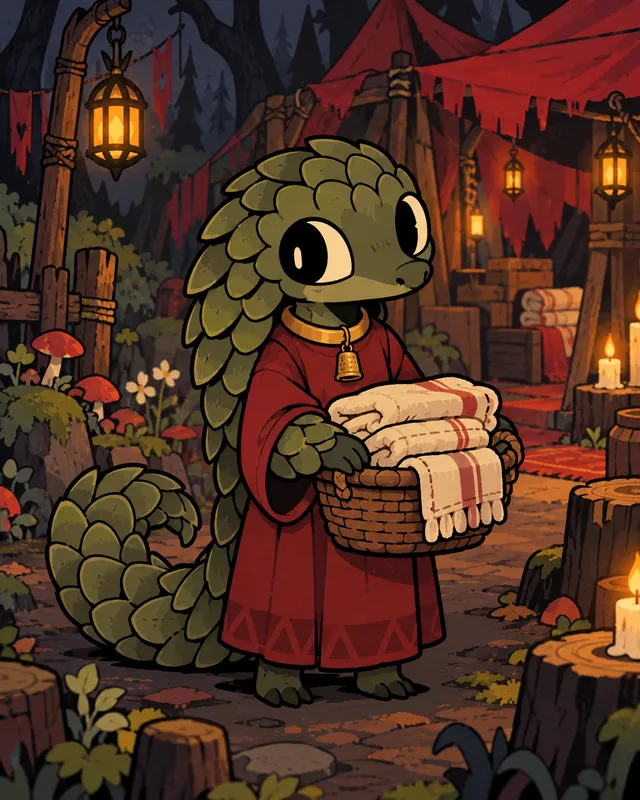
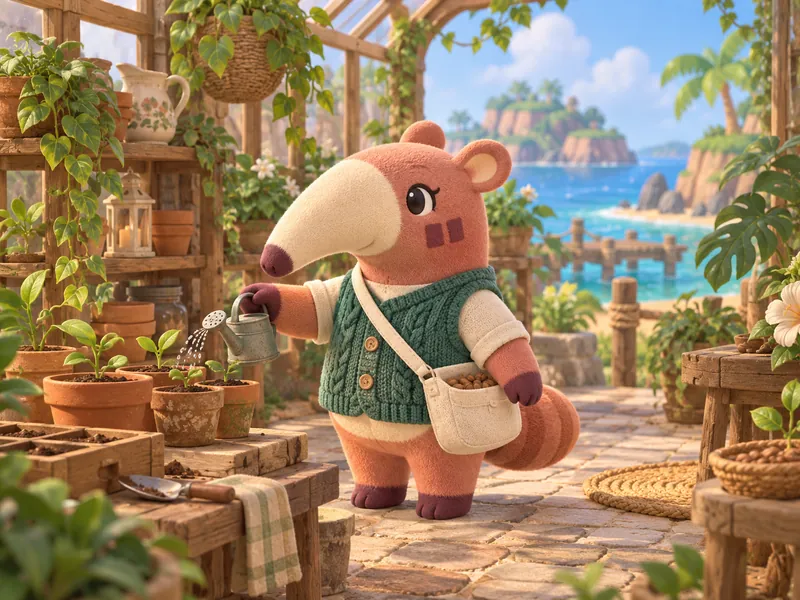
Terracotta Thimble
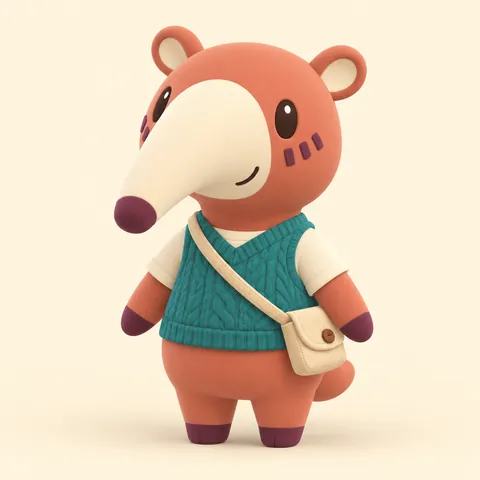
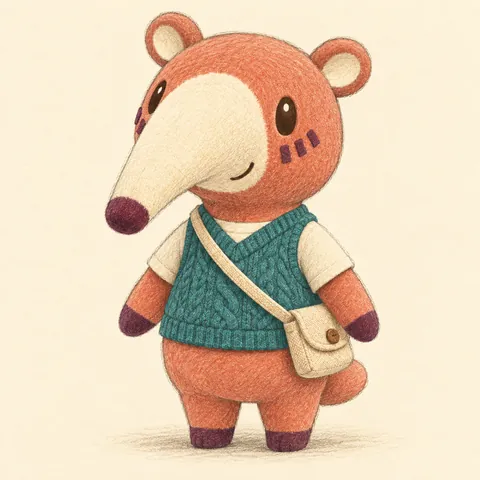
Anteater- Quiet seed collector
- Teal vest, cream satchel
- Always saves the last pot
Build an Animal Crossing OC with a favorite song and a home worth visiting. Choose a villager, human avatar or original shopkeeper, then connect their species, personality, outfit and catchphrase. Start from a complete resident idea or mix your own.
Ideas
Use an idea to load the whole resident profile, then make it yours. Each card connects a silhouette with a small habit and a practical weakness. Birthdays, songs and house plans are included in the loaded fields. Human and shopkeeper profiles use the personality and hobby chips as writing prompts; those are not claims about official NPC mechanics.
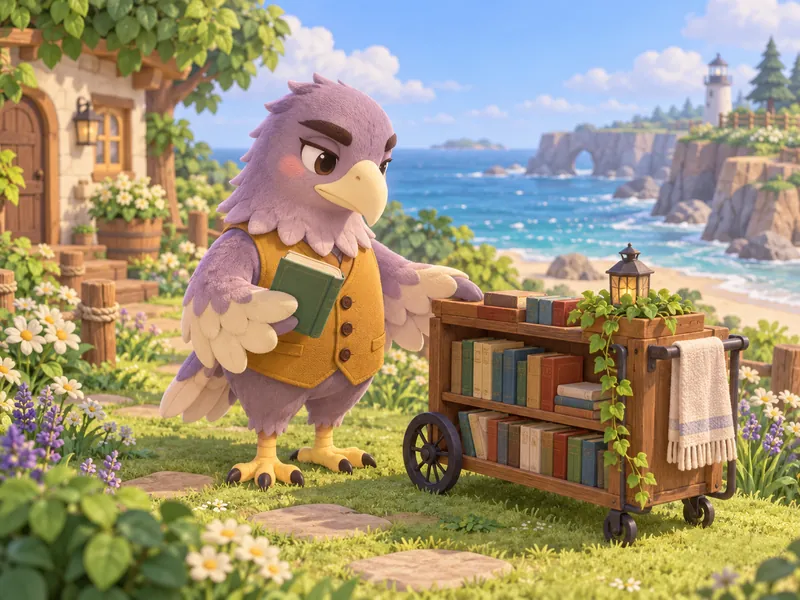
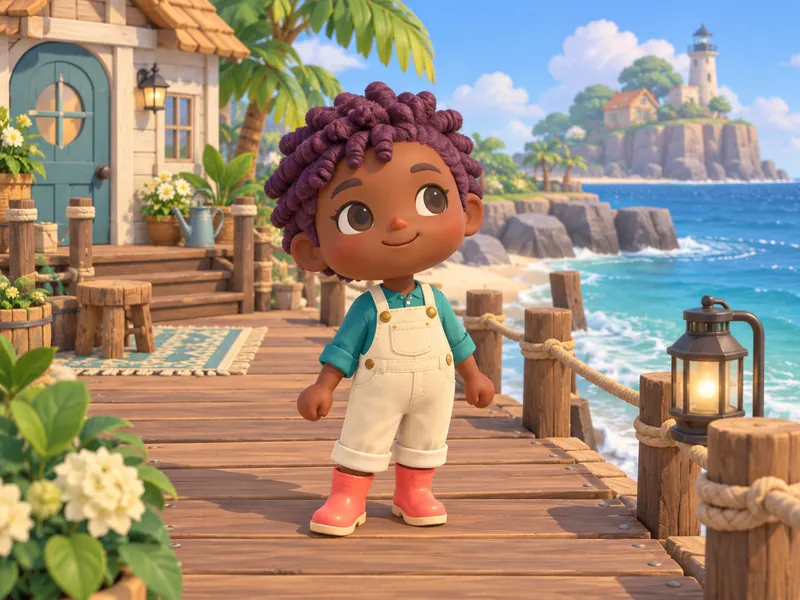
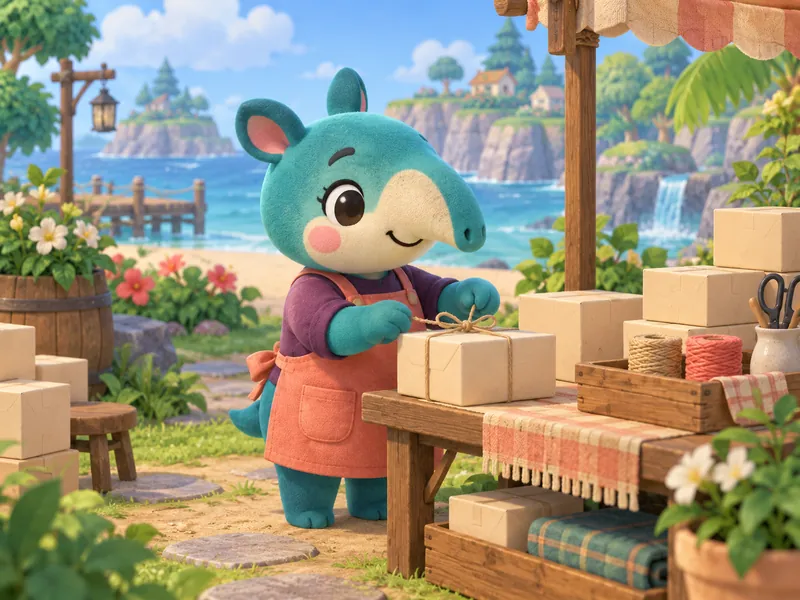
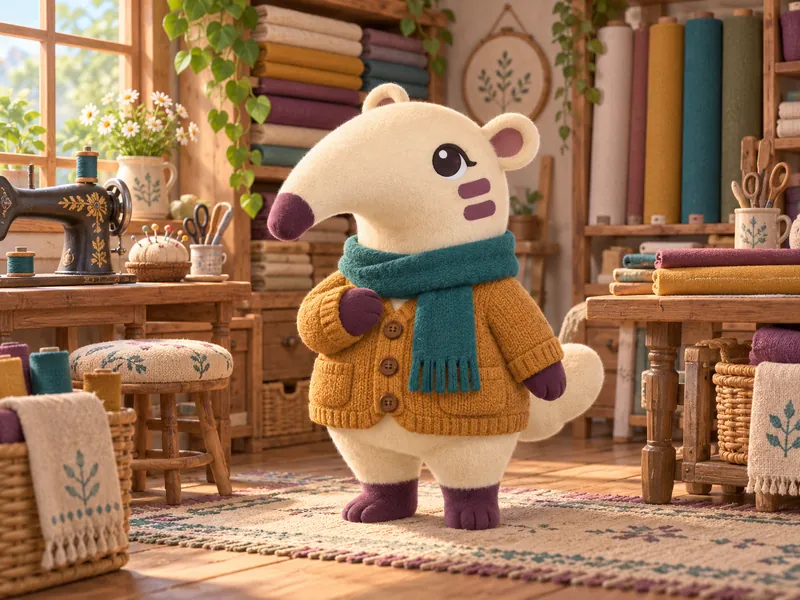
Art styles
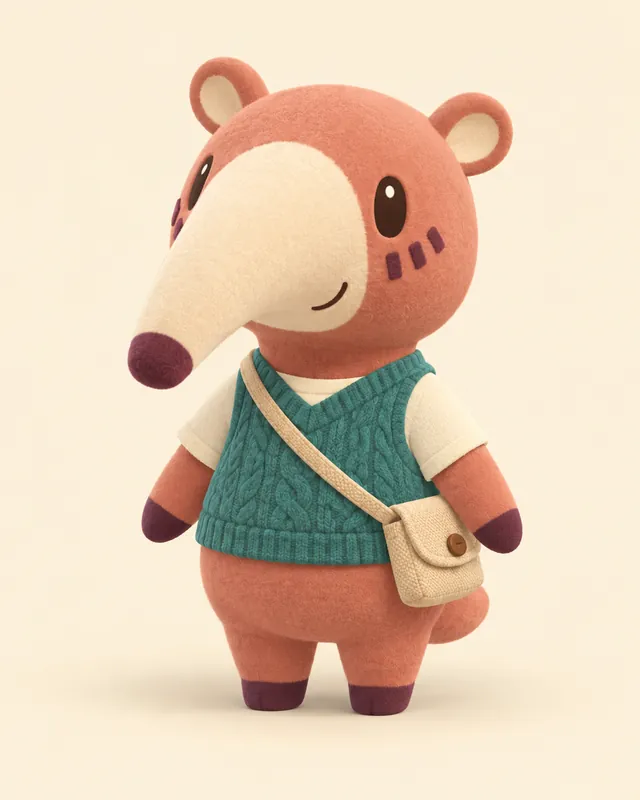
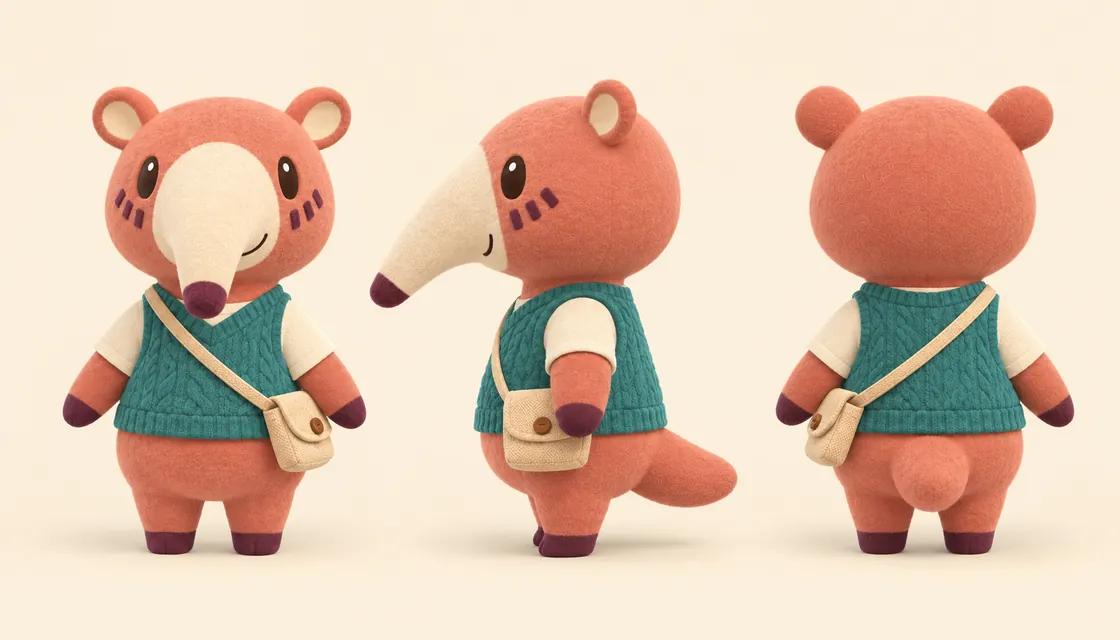
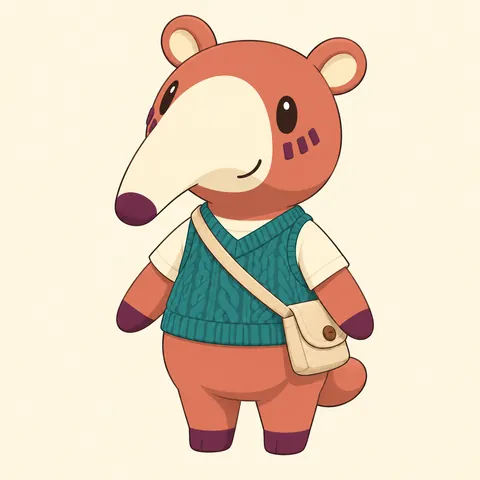
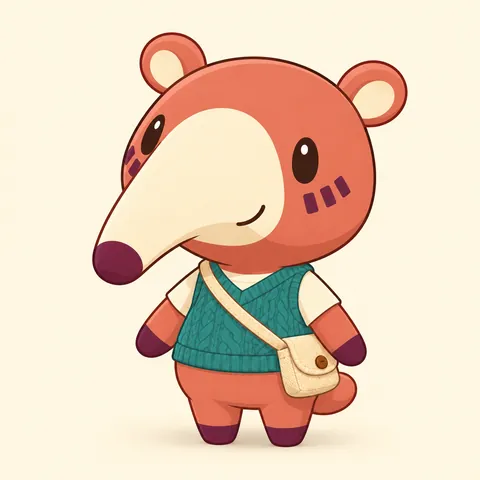
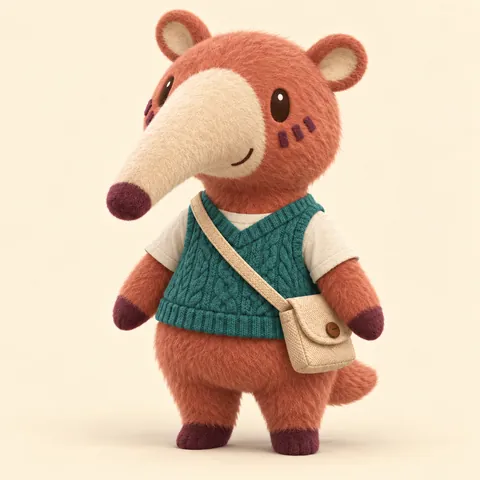
Terracotta Thimble keeps the same cream snout, plum cheek marks, teal vest and seed satchel across the style study. Compare the readable outline before choosing a finish. The soft 3D home look fits New Horizons; a sketch helps plan markings, while a chibi version emphasizes the head. The sheet is a design reference, not an amiibo card or a game-ready model.
Know the rules
An Animal Crossing villager maker works best when the small choices agree. Species supplies the outline, personality shapes the voice, and hobby supplies the everyday activity. None of those replaces the others. These notes distinguish game categories from optional fan-story details so your profile can feel at home without pretending it is official.
Sources: Nookipedia: species; Nookipedia: villagers and personalities; Nookipedia: hobbies
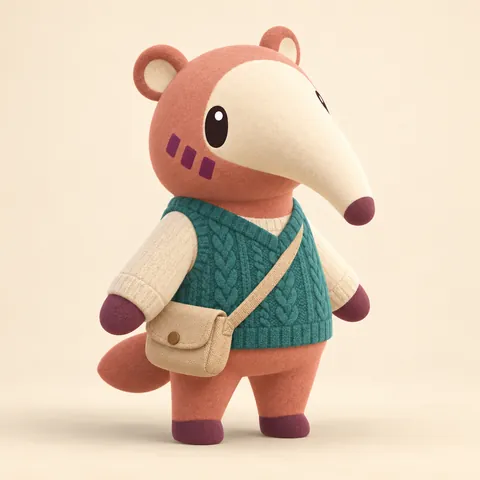
New Horizons uses alligator, anteater, bear, bird, bull, cat, chicken, cow, cub, deer, dog, duck, eagle, elephant, frog, goat, gorilla, hamster, hippo, horse, kangaroo, koala, lion, monkey, mouse, octopus, ostrich, penguin, pig, rabbit, rhino, sheep, squirrel, tiger and wolf villager species. The picture tiles are starting points, not the entire list. Clear a tile and describe another species in Extra island details. Keep the recognizable silhouette: an anteater needs its long snout, while a hamster needs compact proportions. A costume can suggest a theme without changing the underlying species. A tapir belongs in the special-character-style lane, not this villager list.
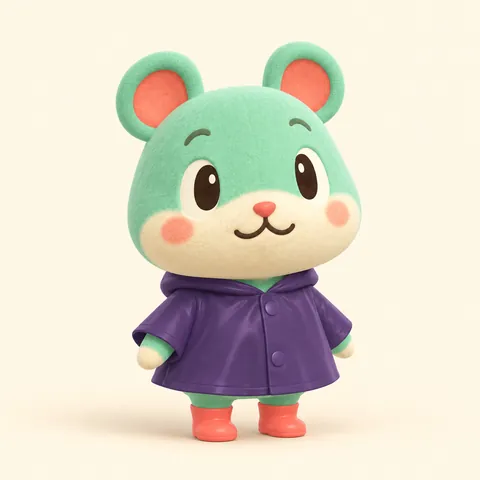
The eight personality types are lazy, jock, cranky, smug, normal, peppy, snooty and sisterly. Sisterly is also called uchi or big sister in fan references. In the game, lazy, jock, cranky and smug are male personality groups; normal, peppy, snooty and sisterly are female groups. Fan fiction can explore identity more freely, but label a deliberate departure from the game. A jock does not have to look muscular, and a normal villager can have a striking palette. Write a line they would say on a rainy morning before choosing their clothing. That helps prevent personality from becoming a single costume joke.
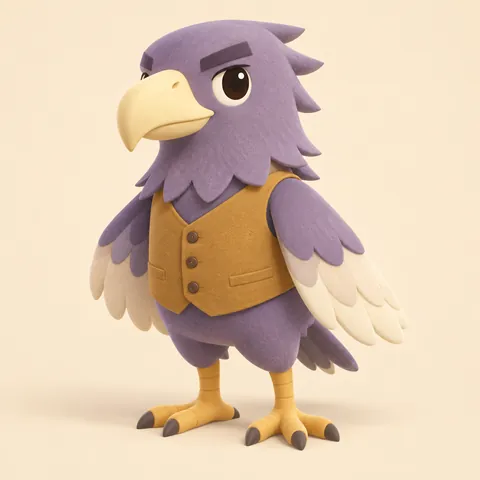
Education, fashion, fitness, music, nature and play are the New Horizons hobbies. A favorite pastime like sewing can sit underneath fashion, while keeping pressed leaves can sit underneath nature. The hobby is a useful bridge between a profile and a picture: a reading nook suggests education without covering the character in book symbols. Lavender Ledger lends books, but the hobby field remains education. Choose one major activity and one small inconvenience. Perhaps a nature fan labels every pot but forgets where the watering can went. These ordinary contradictions give your neighbor more life than a long list of exceptional talents.
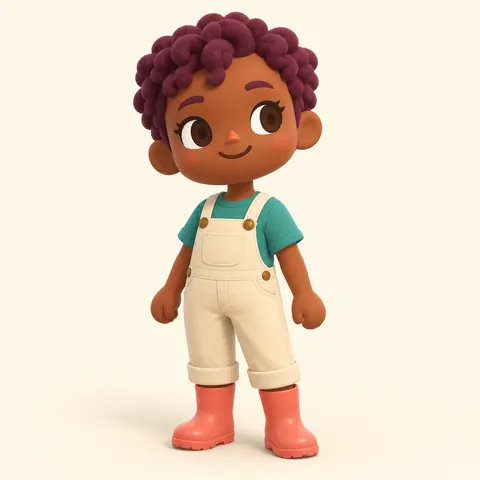
An Animal Crossing avatar creator should leave room for a human player, not force every person into an animal species. Begin with skin tone, hair shape, eye shape and a practical outfit, then decide how they spend time on the island. Plum Boardwalk wears cream overalls and coral boots because tide-pool mapping involves wet paths. The personality chips can help you write an avatar, but the game does not assign the player a villager personality type. Keep the silhouette simple enough to read at a small size. Avoid official leaf marks on shirts and do not imply that this tool can upload a custom avatar into a Nintendo game.
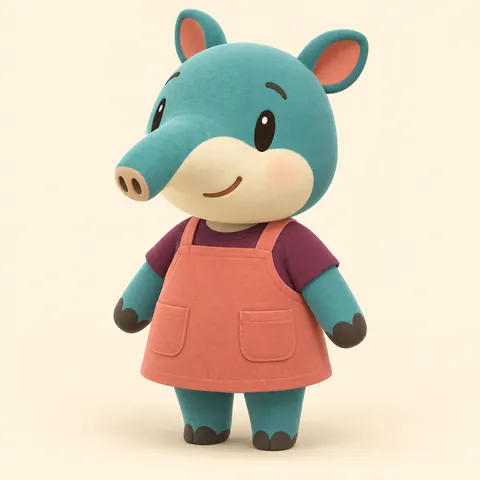
Special-character-style residents can run a ribbon counter, repair umbrellas or maintain a lending cart. Build the role around a service that belongs to your character. A tapir parcel clerk should not inherit Luna’s dream role, pale outfit and hairstyle; a shop owner should not copy Tom Nook’s apron or a Nook Inc. logo. Give the shop a working constraint, such as only accepting reusable wrapping, and a closing-time ritual. These details create stories without assigning the OC a secret canon connection. Human visitors, ordinary villagers and special NPC-inspired roles can share a fan island while remaining clearly different categories.
A complete Animal Crossing oc creator profile includes a birthday and matching star sign, a catchphrase, a favorite clothing style and color, a house exterior, an interior theme and a favorite K.K. song. May 6 fits Taurus for Terracotta Thimble; choose dates away from zodiac boundaries if you want to avoid differing conventions. The exterior can echo the outfit without using the exact same colors. Inside, leave room for daily use: a chair near a window matters more than an expensive trophy wall. A favorite song is a character preference, not permission to reproduce album artwork. Keep catchphrases short enough to sound natural at the end of ordinary dialogue.
Names and phrases
These two-word names are fan concept labels, not a promise that they fit the game’s naming limits. Keep the full name on your reference sheet or shorten it after checking the villager list. The catchphrase cards load a short spoken habit into the builder. Try saying a greeting, a request and an apology with the same phrase; keep it only if it works in all three.
color or texture + everyday object
Pick a phrase, then test it in a greeting.
Guide
Use this Animal Crossing oc maker as a planning desk before generating art. A strong profile can answer what the resident does, what they like to wear and what happens when their routine goes slightly wrong. Build in the order below so each choice has a reason.
Start with villager, human avatar or original shopkeeper. For a villager, choose a species from the New Horizons list and sketch the silhouette in words before choosing colors. A long snout, a round hamster head or broad eagle wings is enough to establish the body plan. If you want a species beyond the pictured tiles, click the selected tile again to clear it and describe the species in Extra island details. Do not leave an anteater tile selected while asking for a rabbit. For a special resident, write the job beside the species so the image has a clear role.
Choose a personality and a separate hobby. Then give the OC a manageable problem: the reading cart has a squeaky wheel, the rain parade starts too early, or the garden has more pots than shelf space. Try a greeting that includes the catchphrase. A short phrase such as little by little can work in several moods; a long biography cannot. This is also a useful originality check. If the voice, species and outfit together remind you of one named villager, change more than the name. Switch the silhouette, dominant color or occupation before continuing.
Pick a body color and an outfit color, then use a neutral for the remaining large areas. Reserve the strongest accent for a small feature, such as boots or cheek marks. Explain patterns in plain words rather than asking for a canon outfit. Favorite style is a separate preference: simple, cute, cool, elegant, active or gorgeous can guide gifts and story scenes even when the everyday outfit is plain. Include the favorite color in the description if it differs from the visible outfit. Avoid tiny logos and dense patterns that disappear at avatar size.
Choose a birthday, verify its star sign and decide whether the season affects the character’s routine. Write the exterior and interior separately in the house field. A cream cottage with a teal roof and a greenhouse reading room gives an artist more direction than cozy house. Select a real K.K. song title as a preference, then explain why the character likes it in your private notes. These details do not all need to appear in the image. The description should prioritize visible features, while the profile holds the quieter facts that help you write scenes later.
Load an idea or finish your own fields, choose an output and inspect the generated result before keeping it. Check the species silhouette, eye count, hands or paws, face marks and clothing. For a reference sheet, compare front, side and back rather than trusting the first attractive view. Keep a written palette and a list of details that must remain fixed across styles. If the design resembles a canon resident, revise the defining features and generate again. Share the finished concept as unofficial fan art with your own name and notes, not as a leaked or newly announced villager.
Other fandoms
FAQ


Sign up for 10 bonus credits and make your first OC free.