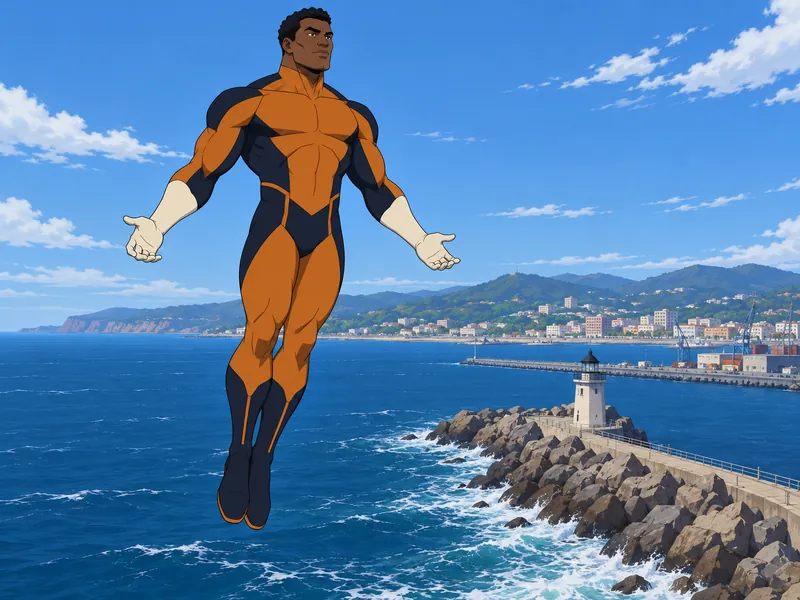
Drevik
Viltrumite- A harbor worth protecting
- Strength with restraint
- Always checks the tide
Use this Invincible OC creator to design a Viltrumite OC, a human hero or an alien with a life beyond the next fight. Choose a bold suit, a useful role and a limitation, then turn the design into character art. Start with a rescue-ready idea below, or build a different hero from the ground up. All examples are original fan concepts, with calm poses and no gore.
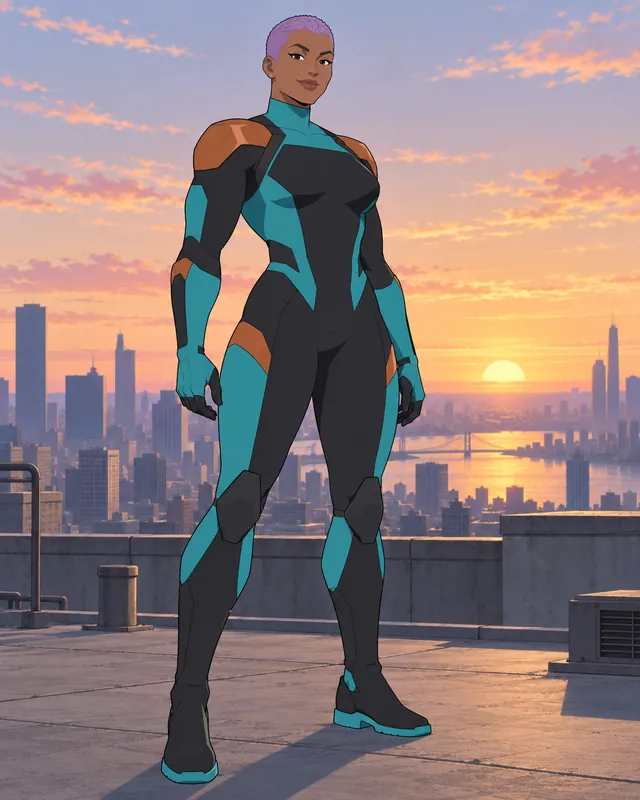
Ideas
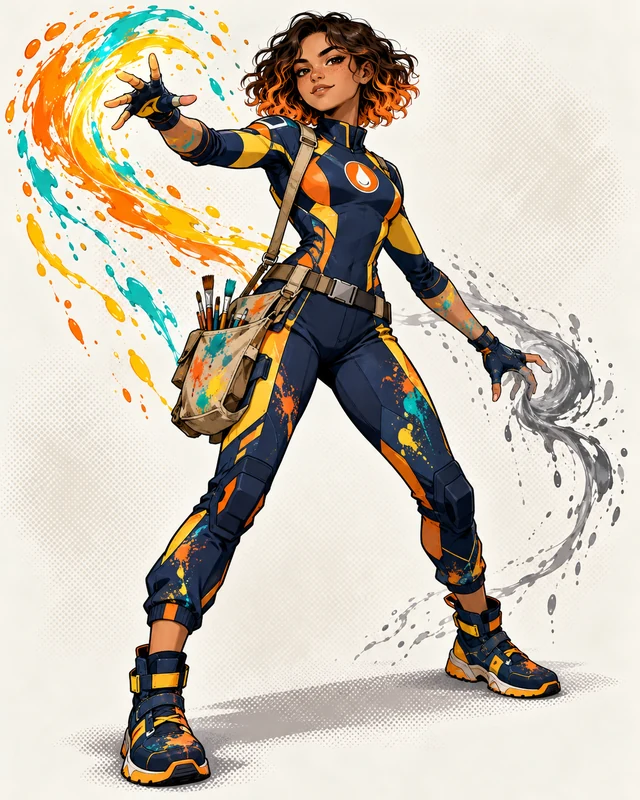
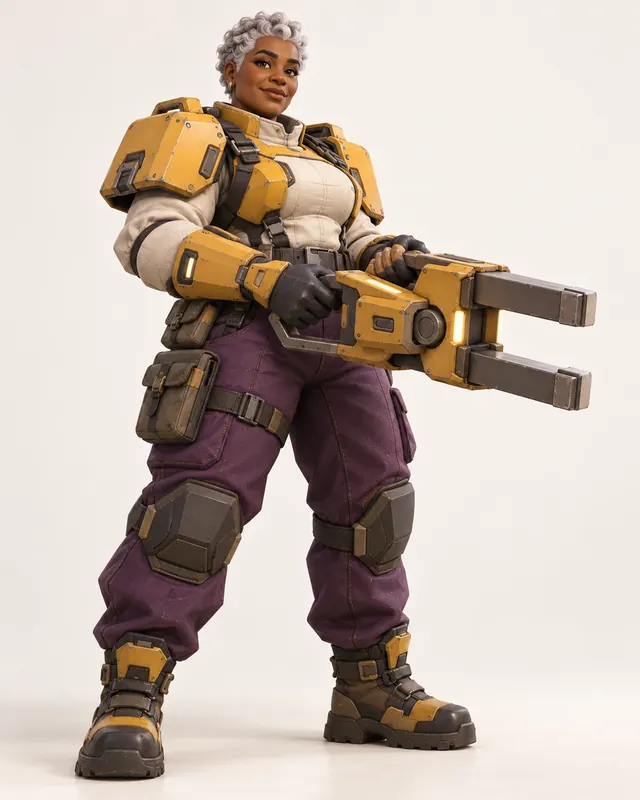
Each card is a complete starting point rather than a costume recolor. Use this idea loads its origin, role, setting and palette; the description explains the face, clothing and story limit. Change any detail before generating. The examples show different ways to belong in this universe without becoming a secret relative of the main cast or winning every confrontation.
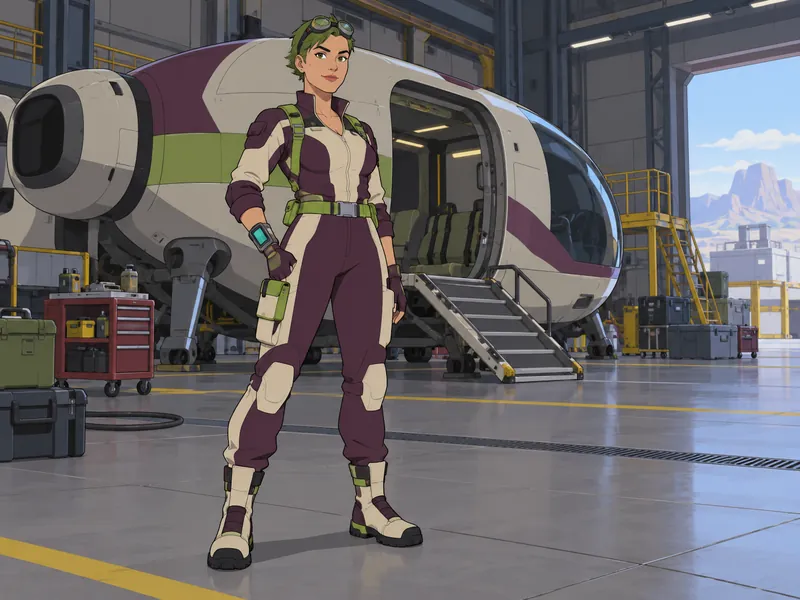

Know the rules
Start with what the setting establishes, then label your additions as fan ideas. An origin describes where a character comes from; a role describes what they do. Those are separate choices. A Viltrumite can choose to protect a harbor, and a human without powers can still organize the safest evacuation. The guide below avoids episode-specific power rankings so your reference stays useful across different story timelines.
Sources: Invincible Wiki: species; Invincible Wiki: Global Defense Agency; Invincible Wiki: alternate Invincibles
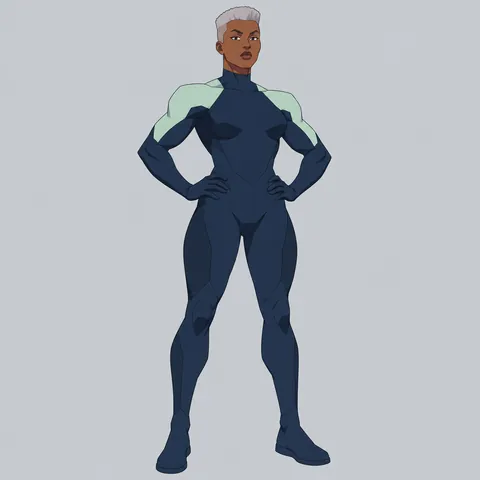
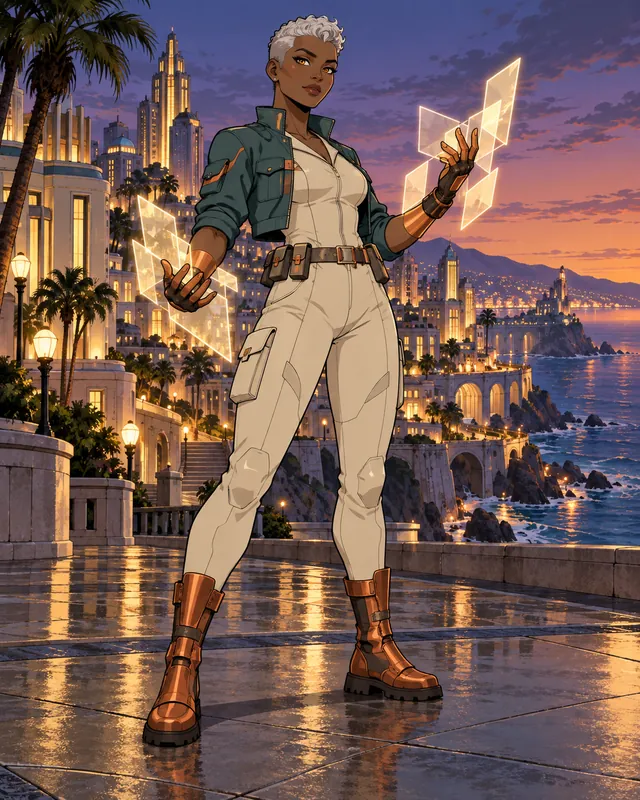
Viltrumites are humanoid aliens associated with extraordinary strength, durability and flight. Their empire gives those abilities a political context, but your character still needs individual choices. Decide what they were taught, what they believe now and whom they will listen to when strength cannot solve a problem. A protective OC can reject an imperial assignment without automatically becoming the strongest person in the setting. Keep the reference visually distinct through hair shape, face, suit seams and colors. The sample flyer uses turquoise and copper with a blank chest rather than a white imperial uniform, a familiar mustache or a canon insignia. Treat any exact strength ranking as a separate story decision.
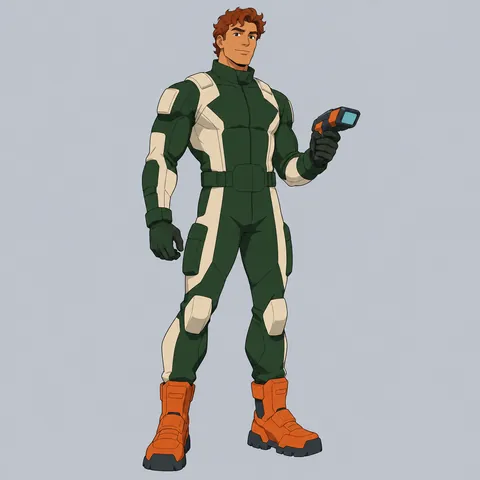
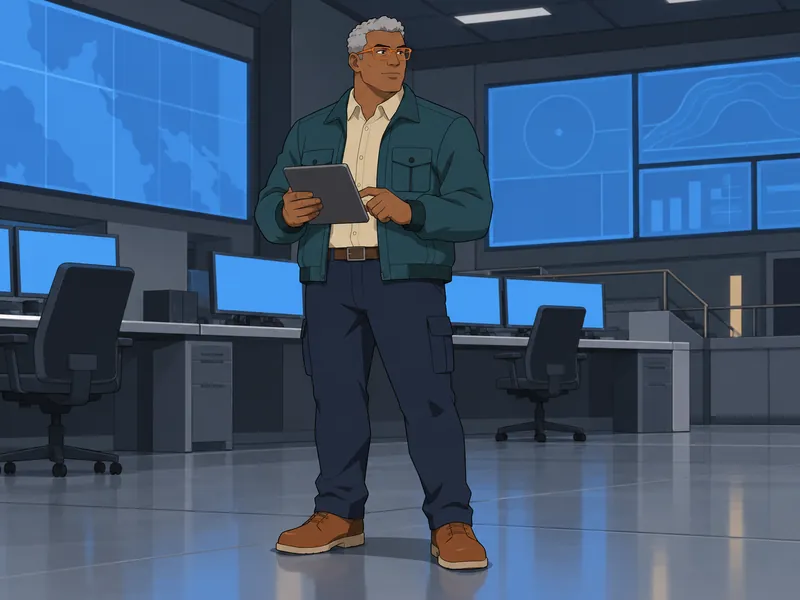
A human origin leaves room for technology, a fan-invented power or no powers at all. State which applies instead of giving every civilian a flight suit by default. A rescue engineer might maintain the pod that lets someone else reach an orbital station, while a logistics specialist keeps shelters stocked. In a reference image, one visible tool is usually enough to explain the job. A scanner, headset or plain tablet gives the hands a natural task without covering the silhouette. Add a practical failure condition such as battery life, range or the need for a second operator. Those limits create cooperation and make an ordinary person worth following.
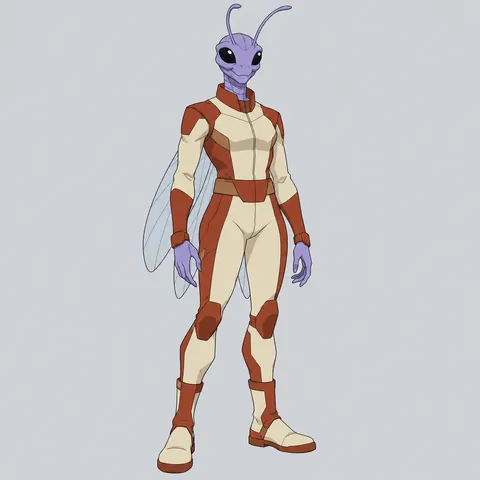
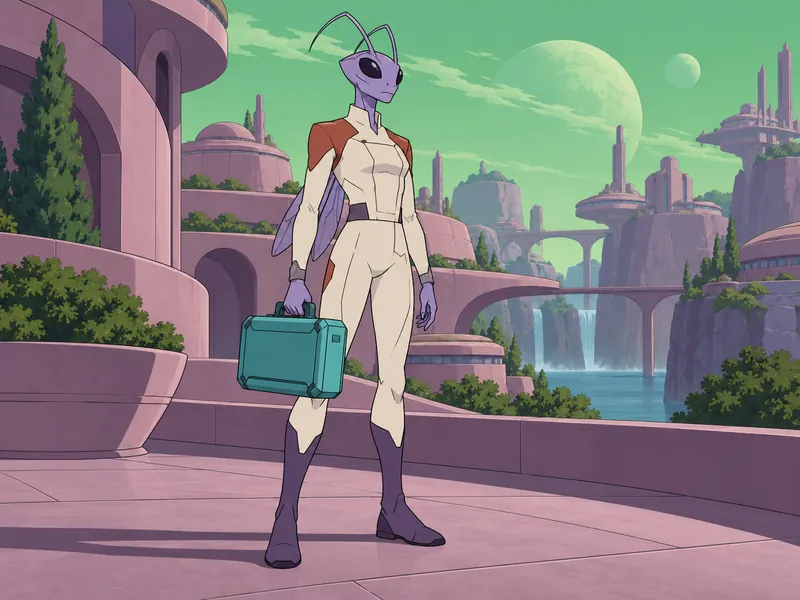
Thraxans are insectoid people associated with Thraxa; their appearance and lifespan differ from humans. Flaxans come from another dimension, where the different passage of time matters to their stories. Do not use the names interchangeably or give a Thraxan a Flaxan temporal device as if it were a species trait. The courier illustration uses an insectoid silhouette and an original travel uniform. A peaceful Flaxan visitor is offered as an explicit alternate-universe fan premise, not a claim about the invading forces shown in canon. For either origin, explain the travel arrangements and personal goal before adding unusual abilities. Alien does not automatically mean villain or stronger than every human.
The Guardians of the Globe are a superhero team. The Global Defense Agency is the organization involved in coordinating responses to threats and supporting operations. A hopeful team member, an independent hero and a civilian agency worker therefore need different backstories. Do not label a logistics worker a Guardian merely because they use the same briefing room. If your fan character joins a canon organization, describe the position as your story choice and give them an original face, outfit and specialty. Avoid borrowing a named member's silhouette or Cecil's complete visual identity. A useful first scene is a briefing where the OC explains one practical constraint that the team had overlooked.
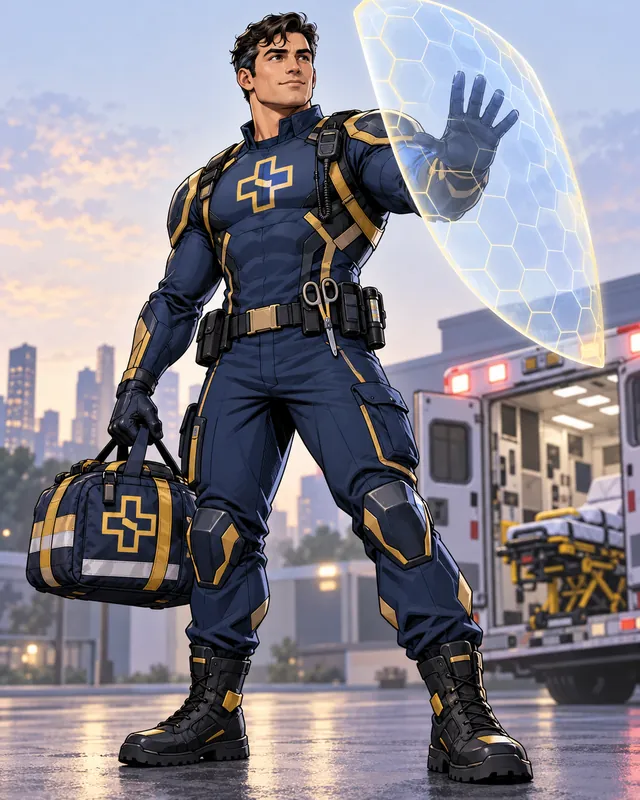
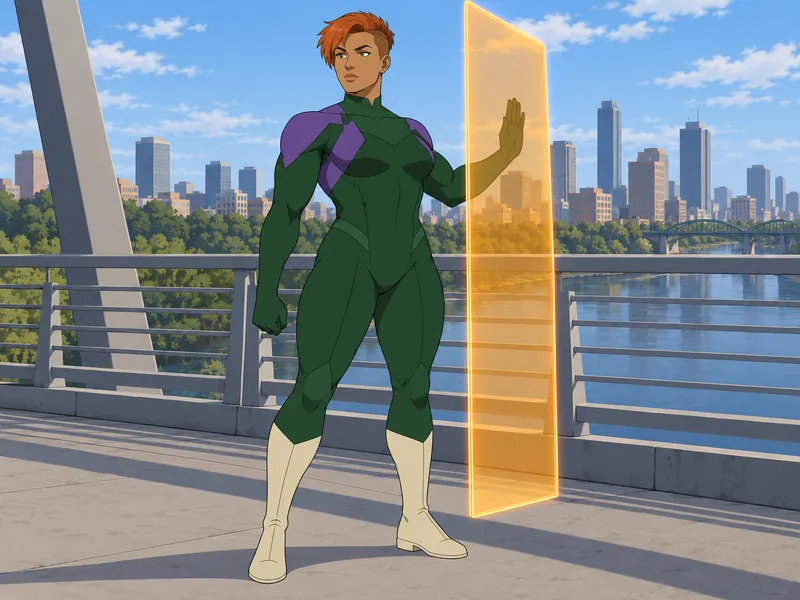
Sequids operate through hosts and a collective threat, so this page does not treat them as a cute hat or an interchangeable hero species. You can place a protective OC in a story about preparing safe routes during a Sequid emergency without illustrating infestation or harm. Keep the reference focused on the hero, their equipment and the calm setting before or after an evacuation. The sample shield specialist is an original human with an invented barrier ability, not a canon solution to every alien danger. Give the character a task they can finish, such as keeping one passage open, and leave the wider operation to a team.
The famous alternate Invincibles are versions of Mark Grayson. Calling any unrelated person a canon Mark variant would be misleading. Here, the other-universe option creates an original hero with a different face, personal history, mask and suit layout. You can explore the visual idea of an alternate costume while keeping the character separate from Mark and the named variants. Start with a world difference that changes a choice: perhaps this city invests in public rescue stations, so the hero works with engineers instead of hiding every tool. Use an original emblem shape if you want one, or leave the chest blank. Avoid the Invincible I and familiar canon chest designs.
Names
Names such as Thragg, Anissa, Lucan and Kregg show a compact single-name pattern with strong consonants, although not every canon name follows one rigid rule. This local mixer follows that observed sound pattern rather than claiming to translate a real Viltrumite language. Its syllable banks avoid those canon names and close copies; results are fan inventions, not unused official identities. Roll until a name sounds easy to say, then use it in the name field. A civilian human can instead keep an ordinary first name and surname. The mixer runs in your browser, costs no credits and never starts image generation. Switch to Human identity for an ordinary first name and surname; the two naming traditions never mix in one roll.
One compact invented name, no title or surname
Choose one, then explain the person who uses it.
Guide
A strong reference connects the face, suit and story. These five steps help you make choices that another writer or artist can understand. You do not need a secret royal lineage, a perfect power set or a dramatic injury to explain why a hero matters. Give them a task, someone to learn from and a reason to return tomorrow.
Write one sentence about where the character comes from and one about where the story happens. A Viltrumite arriving on Earth, a human raised there and a Thraxan traveling between communities face different practical questions. Decide whether you follow the animated setting, the comics or an explicitly separate universe; do not quietly combine contradictory details. Keep spoilers out of a public character introduction if your readers may be early in the series. The origin picker is a starting point, not a biological calculator. Use Extra details to explain a hybrid or an invented species without claiming that your fan interpretation is confirmed lore.
Ask what your OC does when nobody is throwing a punch. A harbor flyer learns from crane crews, a shield specialist practices safe placement, and an agency planner checks that a shelter is accessible. Choose a limitation that changes a decision rather than a decorative weakness that never matters. Short range requires teamwork; limited endurance requires rest; incomplete local knowledge requires listening. The mutant power generator can help you explore a separate ability, but adapt it to this universe and keep the final prompt concise. Do not stack every rolled power onto one character. One understandable ability often produces a stronger first reference.
Pick one main color, one supporting color and a simple seam pattern. A broad shoulder panel is easier to recognize than tiny symbols scattered across every surface. Decide whether the mask covers the eyes, the whole face or nothing, and describe the actual shape. Keep the face, hair and jaw different from the main cast before adding accessories. Avoid copying a canon palette together with its emblem, gloves and boots. For an original symbol, describe one simple shape and where it belongs; a blank chest is also a complete design. Review the small preview before requesting a complicated background or reference sheet.
The Invincible maker offers six illustrated concepts plus eighteen extra coherent presets. Surprise me changes several fields together so the job and outfit have a sensible starting relationship. Read the result before generating, especially if you already wrote a custom face or power. The names mixer supplies compact invented names and the specialty cards supply a practical limit. Neither chooses a canon character for you. Keep a name because it fits the voice of your story, not because a random roll made it official. Copy your final notes somewhere you control before trying a substantially different design or leaving the page.
Choose a portrait when the face matters most, or a full-body output when another artist needs the suit and boots. After generation, check hands, the mask edge, color placement and whether a symbol appeared where you asked for a blank chest. AI images can change details between views, so write corrections beside your saved reference. Keep the hero calm, flying or protecting; this page excludes blood, injuries and impact damage on bodies. Share the work as an original fan concept with AI assistance disclosed where appropriate. A polished reference makes later drawing and writing easier, but your own choices determine the character's final identity.
Other fandoms
Tools
FAQ

Sign up for 10 bonus credits and make your first OC free.